 Cykeo RFID IoT Solution Products R&D Manufacturer

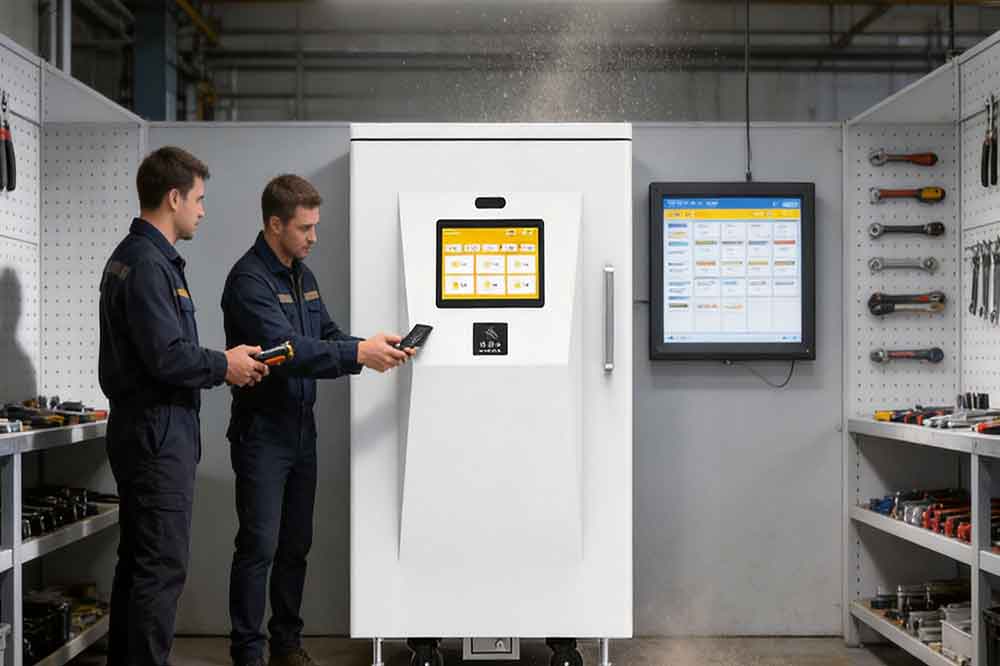
RFID Tool Cabinet vs. Traditional Tool Storage
116RFID tool cabinets and traditional tool storage both organize shared equipment, but they differ in automation, accountability, inventory visibility, and acce...
MoreAll RFID Product
Choosing a USB RFID reader starts with a simple question: which RFID tags does your application need to read?
Two readers may look almost identical but operate at different frequencies and support different tag technologies. A reader designed for 13.56 MHz HF tags, for example, cannot automatically read a 125 kHz LF tag or a UHF label used in warehouse inventory.
Frequency affects tag compatibility, typical reading distance, antenna design, and the types of applications a reader can support. It also influences which technical standards and communication protocols need to be considered.
This guide compares LF, HF, and UHF RFID and explains how businesses can choose a compatible USB RFID reader for asset tracking, inventory management, manufacturing, and other applications.
RFID systems use radio frequency signals to communicate with compatible tags. Different RFID systems operate in different frequency bands, and their tags and readers are not universally interchangeable.
The three commonly discussed RFID frequency categories are:
These frequencies support different technical standards and operating characteristics. A USB connection only describes how a reader connects to a host computer. It does not tell you which RFID tags the device can read.
Before comparing products, identify the tags already used in your project or specify the tag technology you intend to adopt. If you are starting from the beginning, consider the working environment, required reading distance, number of tags, and software interface.
For a basic explanation of the device itself, see our guide to what a USB RFID reader is and how it works.
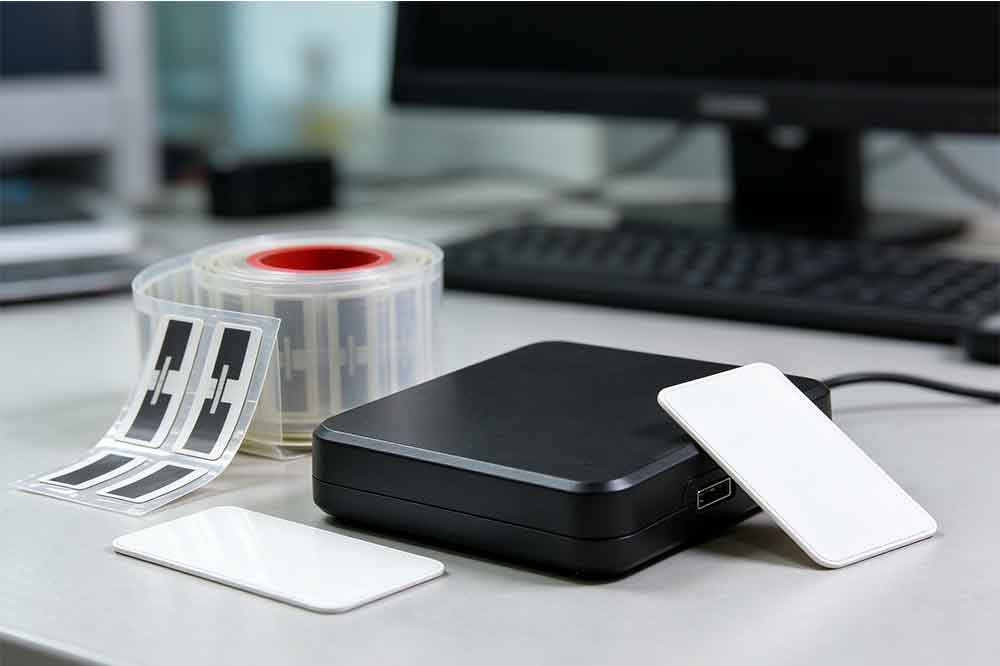
LF stands for Low Frequency. Common LF RFID systems operate at 125 kHz or 134.2 kHz, although the exact frequency and standard depend on the application.
LF RFID is often associated with close-range identification tasks. Examples include certain animal identification systems, industrial identification applications, and access credentials designed for compatible LF technology.
LF systems are generally used when a project requires a compatible low-frequency tag and a relatively short reading range. Their performance is influenced by the reader antenna, tag construction, orientation, surrounding materials, and system design.
LF is not automatically the best choice for every short-range application. HF and NFC systems also support close-range identification, and their suitability depends on the required standards and functions.
An LF reader may be appropriate when your organization already uses LF tags or when a project specification explicitly requires a supported LF standard.
For example, a business maintaining equipment with existing 125 kHz identification tags needs a reader that supports those tags. Choosing a 13.56 MHz HF reader simply because it uses USB will not solve the compatibility problem.
Before purchasing, confirm the exact tag frequency, supported format or protocol, and whether the reader can retrieve the required identifier.
HF stands for High Frequency. HF RFID commonly operates at 13.56 MHz and supports several standards and applications.
HF technology is widely used in identification systems, contactless cards, libraries, product identification, and industrial workflows. NFC is also based on 13.56 MHz technology, but not every HF RFID reader supports every NFC function or tag type.
HF systems are often designed for close-range or controlled-area identification. Depending on the reader and standard, they may support reading or writing data on compatible tags.
Different HF products can implement different protocols. For example, ISO/IEC 14443 and ISO/IEC 15693 are associated with different classes of HF applications. A reader supporting one standard does not necessarily support every tag associated with the other.
The label “13.56 MHz” is therefore an important starting point, not a complete compatibility specification.
HF may be suitable for desktop identification, document or library workflows, compatible contactless credentials, and selected industrial applications.
It can also be useful when a workstation needs to interact with supported HF tags at a defined reading distance. Developers should confirm how the reader exposes tag data and whether it supports the required read/write operations.
If the project uses NFC-enabled products, verify the exact NFC modes, tag types, and operations required. Do not assume that all HF readers support the same NFC functionality.
UHF stands for Ultra-High Frequency. Many business inventory and logistics RFID systems operate in regional UHF bands within approximately 860–960 MHz.
UHF RFID is widely used for applications such as item-level inventory, warehouse operations, logistics, and asset tracking. Compatible systems can support identification across a larger area than many typical LF and HF desktop applications.
UHF systems can be suitable for reading multiple compatible tags within a configured reading area. Actual performance depends on the reader’s radio capabilities, antenna, tag design, tag orientation, surrounding materials, and radio environment.
Metal, liquids, dense product arrangements, and nearby RF equipment may affect performance. A longer nominal reading range does not guarantee reliable identification in every environment.
UHF also requires attention to regional regulations. Supported frequency bands and operating settings can differ by market, so the selected reader must be appropriate for the country where it will be used.
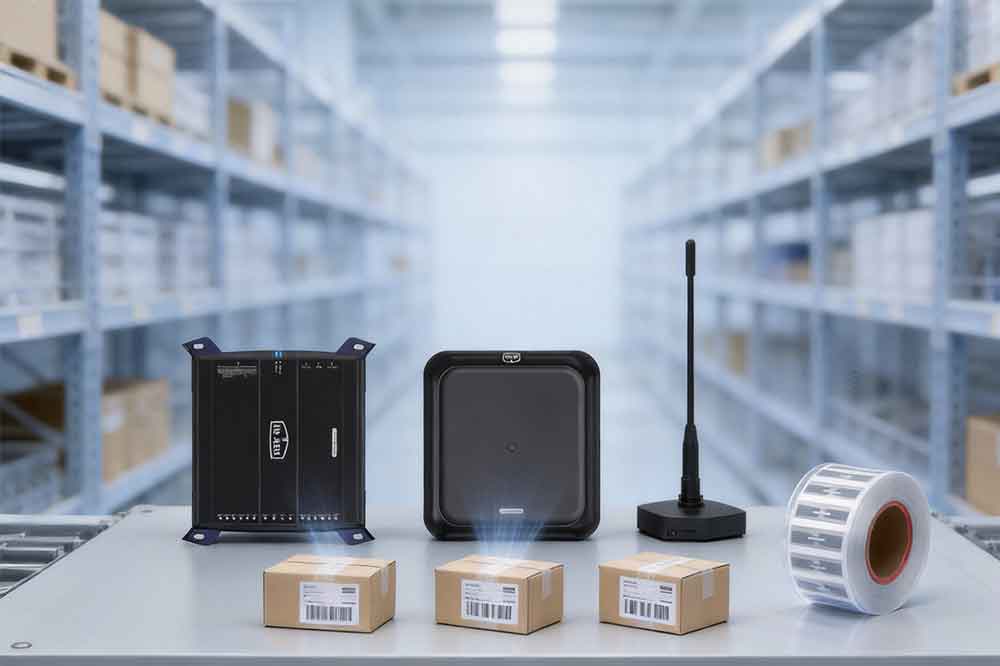
UHF may be a suitable option for workstation-based inventory operations, product registration, asset tracking, and applications that use compatible UHF tags.
Some USB-connected UHF readers are designed for desktop use, while others may require external antennas or additional configuration. Confirm the intended reading area and the number of tags that need to be identified during each operation.
If the application involves warehouse-wide coverage, moving items, or automatic identification at a portal, a standard desktop USB reader may not be the right device. A fixed or handheld RFID system may better match the workflow.
The table below summarizes common characteristics. It is a general guide rather than a guarantee of the performance of any specific reader.
| Feature | LF RFID | HF RFID | UHF RFID |
|---|---|---|---|
| Common frequency | 125 or 134.2 kHz | 13.56 MHz | Regional bands around 860–960 MHz |
| Typical use | Certain animal ID and industrial identification systems | Contactless identification, libraries, selected industrial tasks | Inventory, logistics, item tracking |
| Typical reading range | Often short | Often short to moderate, depending on system | Can be longer with suitable tags and antennas |
| Multi-tag capability | System-dependent | System- and protocol-dependent | Common in suitable inventory systems |
| Main compatibility concern | Exact LF frequency and format | Supported HF standard and tag type | UHF band, protocol, tag, and regional settings |
| USB connection | Available on selected models | Available on selected models | Available on selected models |
Reading distance should never be chosen from frequency alone. Antenna size, reader power, tag sensitivity, tag orientation, materials, and environmental conditions can all affect the usable range.
Likewise, multi-tag reading depends on the reader’s supported functions and the way the system is configured. Confirm the actual capability instead of assuming it from the frequency category.
The right frequency is the one that works with the required tags and performs reliably in the intended workflow.
If your company already uses RFID tags, identify their frequency, protocol, and model before purchasing a reader. Where possible, obtain the tag datasheet or ask the tag supplier for the exact technical specifications.
If you are designing a new system, choose the tag technology and reader together. This avoids committing to tags that your selected reader cannot support.
A desktop workstation that identifies a tag placed near the reader has different requirements from a warehouse process that needs to identify items across a larger area.
Write down the actual distance and reading area. Test the reader with the intended tags rather than relying only on a supplier’s maximum-range claim.
Some workflows identify one tag at a time. Others need to detect multiple tagged items within one reading operation.
If multi-tag reading is required, verify the reader’s capability and test with representative tag quantities, positions, and materials. Closely spaced tags may behave differently from tags tested individually.
Consider whether the tags will be attached to metal, plastic, liquids containers, tools, or products inside packaging. These conditions can influence RFID performance.
The appropriate tag and antenna setup may differ from one application to another, even when the same frequency band is used.
The reader must deliver usable data to your application. Check USB communication modes, operating system support, drivers, SDKs, APIs, and required read/write functions.
If your team is still comparing devices, our guide on how to choose the right USB RFID reader for your application covers these selection factors in more detail.
Request samples when possible. Test the reader with actual tags, representative products, and the intended software.
Record the reading success rate, practical operating distance, data output, and any integration issues. For purchasing teams, this is more useful than comparing headline specifications alone.
Our USB RFID reader buying guide for businesses explains how to prepare specifications and evaluate suppliers before a bulk purchase.
Assuming all RFID tags are interchangeable. Tags operating at different frequencies generally require compatible readers. Always confirm the tag technology.
Choosing by frequency alone. Two readers in the same frequency band may support different protocols, memory operations, or communication modes.
Confusing USB with RFID compatibility. USB describes the connection to the host. It does not identify the frequency or tag protocols supported by the reader.
Expecting every reader to support tag writing. Some models are designed primarily for reading, while others support specific write operations. Confirm the required functions.
Ignoring regional UHF requirements. Check that the UHF reader supports the appropriate regional band and regulatory configuration for the intended market.
Skipping application testing. A reader may work with a tag on a desk but perform differently when the tag is mounted on a product, near metal, or inside packaging.
Before requesting a quotation, prepare a specification that includes:
If you are comparing available hardware, visit the Cykeo USB RFID Reader product category and match each model against the requirements above.
Usually, a standard reader is designed for a specific frequency band and supported protocols. Multi-frequency devices exist, but their capabilities must be explicitly confirmed.
UHF systems can support longer reading ranges in suitable configurations, but actual performance depends on reader power, antenna, tag design, installation, and local regulations.
No. Compatibility depends on the reader’s supported standards, tag types, and NFC functions. Confirm the specific requirements before purchasing.
Some do. Multi-tag capability depends on the reader’s hardware, protocol support, firmware, antenna configuration, and software. Test the intended tag setup.
Start with tag compatibility and the required application. Then compare reading distance, number of tags, environment, communication interface, and software support. Test samples before bulk purchasing.
LF, HF, and UHF RFID serve different identification needs. LF is common in certain low-frequency identification systems, HF supports many 13.56 MHz applications including selected contactless and NFC workflows, and UHF is widely used for inventory and logistics applications that benefit from suitable longer-range or multi-tag reading.
For B2B projects, the best USB RFID reader is not simply the one with the highest frequency or longest advertised range. It is the device that supports the required tags, meets the actual reading conditions, and integrates reliably with the intended software.
Confirm the frequency, protocol, communication interface, and application requirements before ordering. Practical sample testing can help your team avoid compatibility issues and select a reader that fits the project.
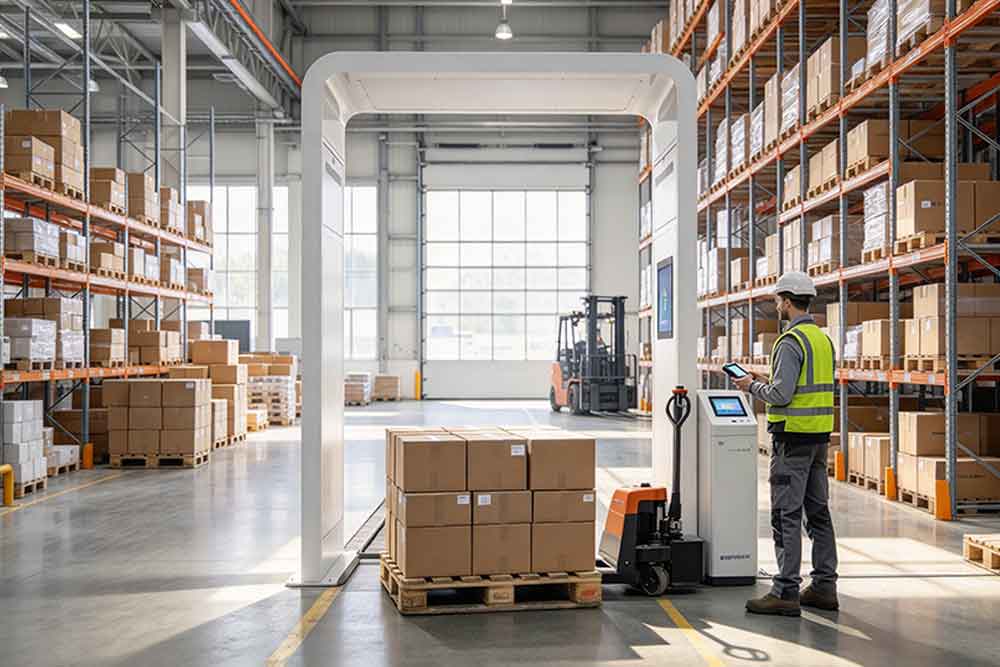
Discover what is rfid for, how RFID supports inventory tracking, asset management, access control, and supply chain visibility. Explore practical uses and expert tips from Cykeo.
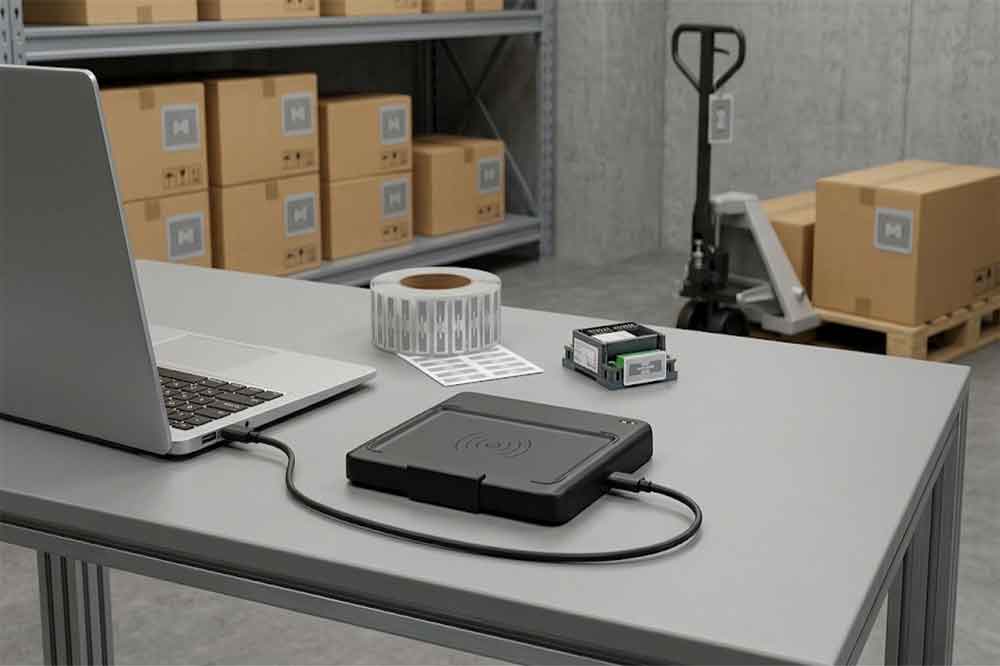
Explore USB RFID reader applications in asset tracking, inventory management, manufacturing, laboratories, and retail. Learn how to choose a reader for your business.
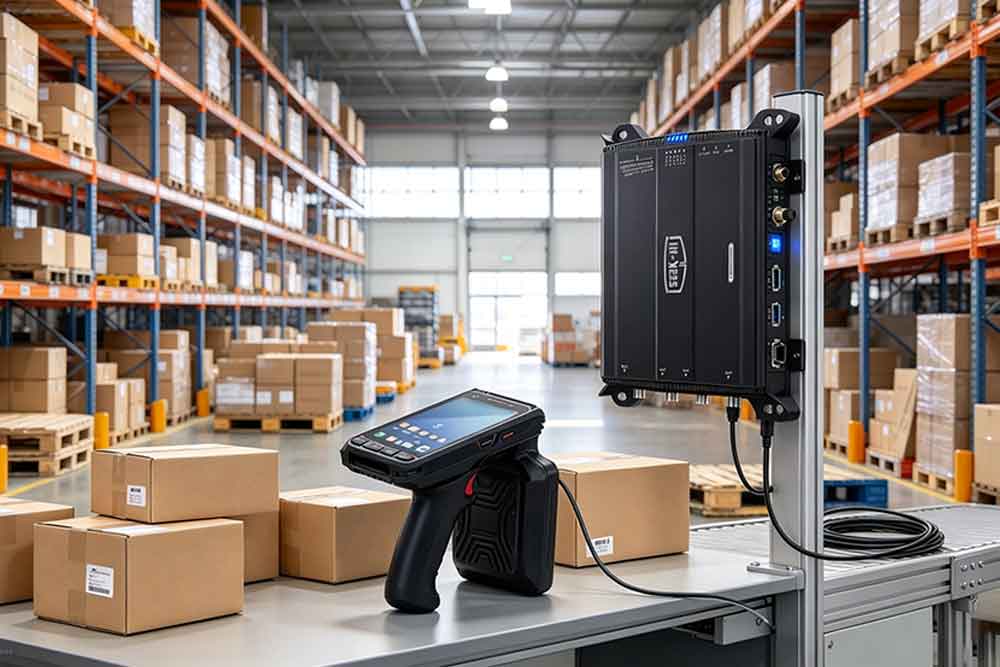
Discover what is rfid device, how RFID readers, tags, and antennas work together, and where RFID technology improves asset tracking, inventory accuracy, and business operations.
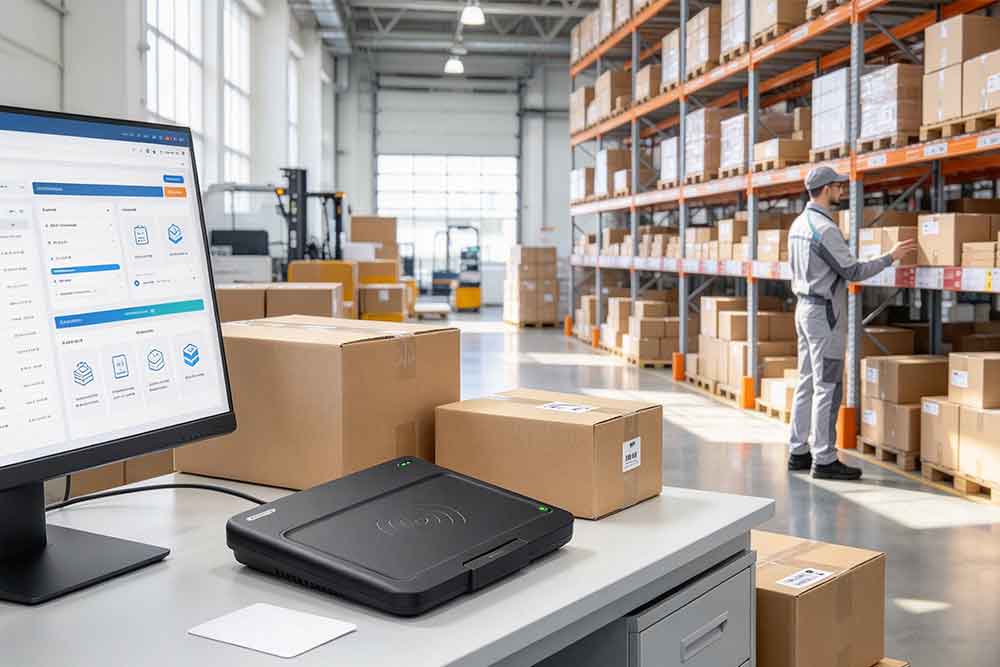
what is rfid code? Learn how RFID codes identify products and assets, how EPC numbers are stored on tags, and how businesses use them for tracking and inventory control.
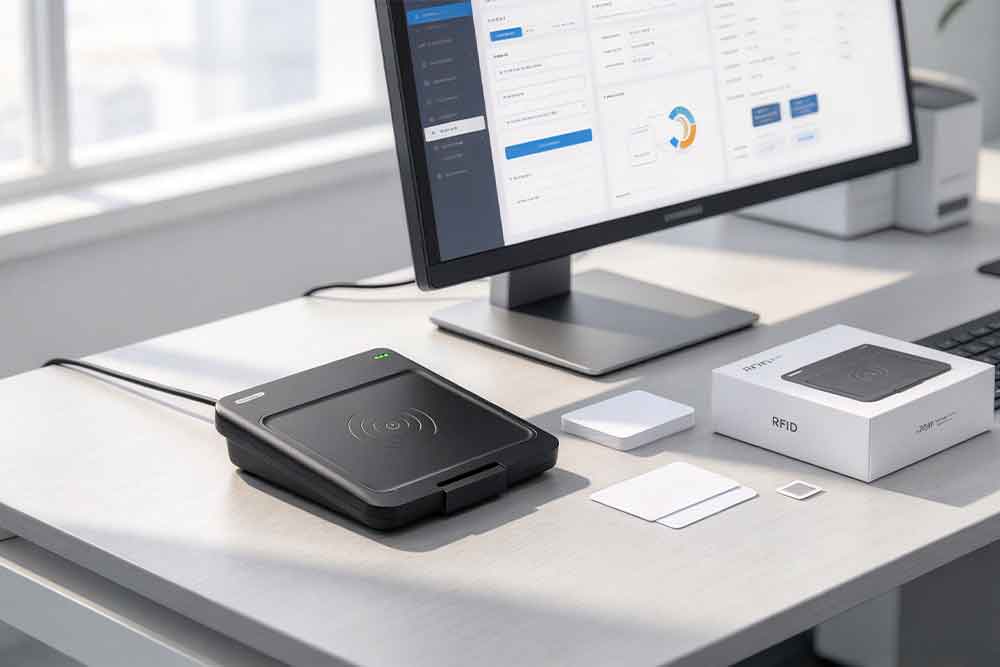
what is rfid card reader? Discover how desktop RFID card readers read and write compatible tags, control operating range, support batch encoding, and simplify daily card issuance.
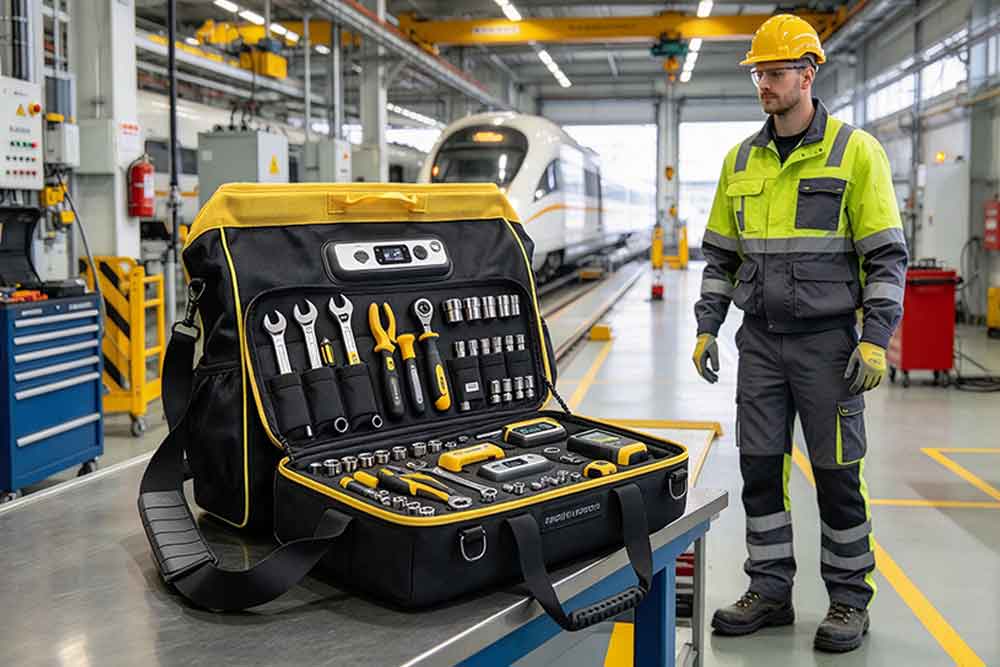
what is rfid bag? Discover how RFID smart tool bags identify maintenance tools, automate departure inventory, and alert technicians when tools are left behind.
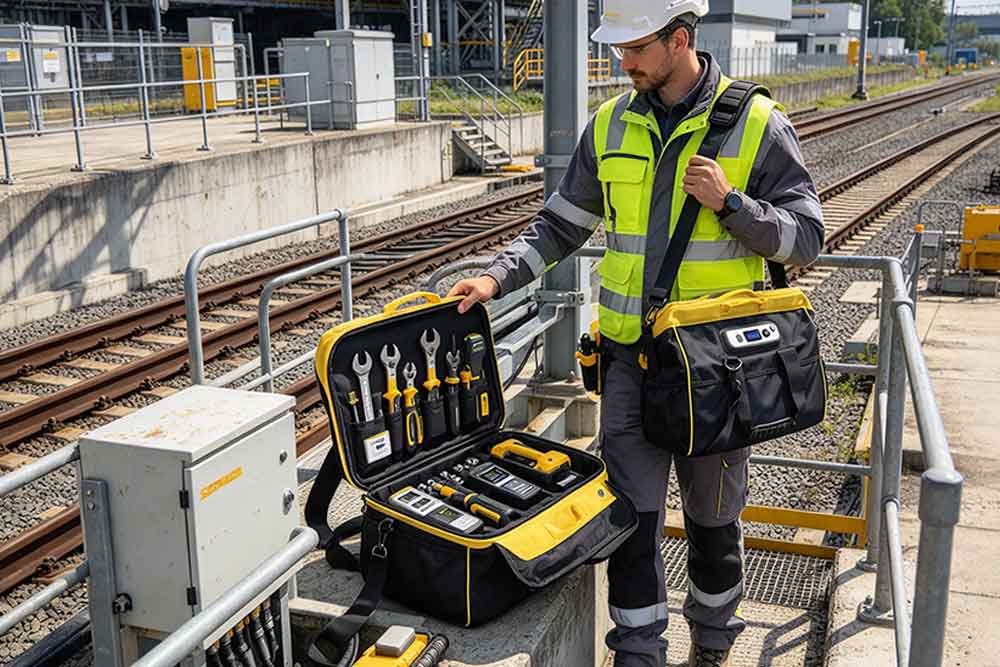
what is rfid backpack? Discover how RFID tool bags automate tool inventory, detect missing maintenance tools, and improve safety for rail, aviation, and power field work.
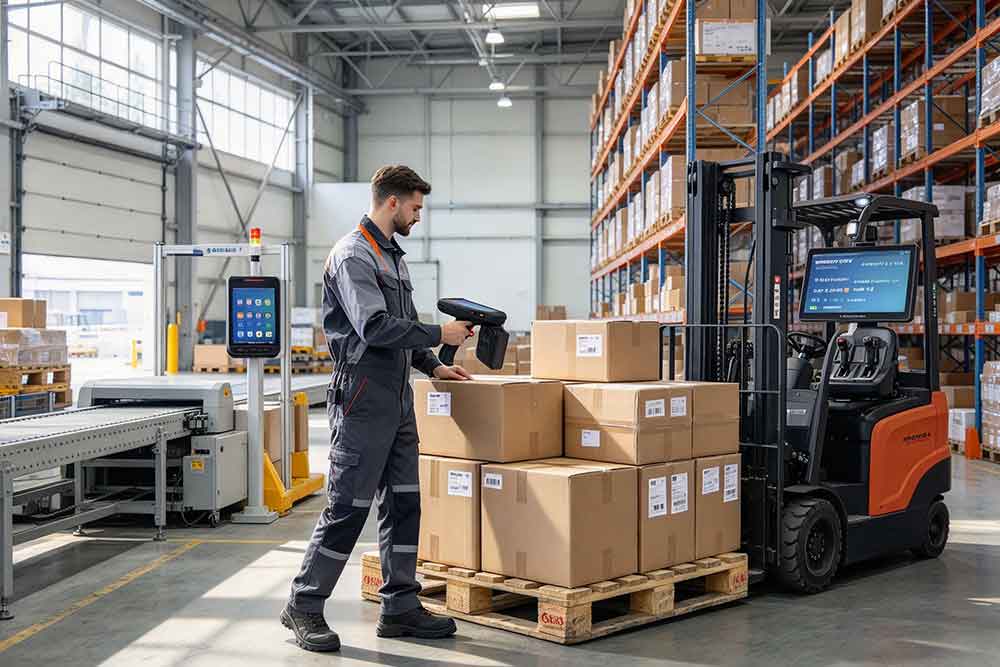
what is rfid and how is it used? Learn how RFID tags, readers, antennas, and software work together for retail, logistics, inventory, assets, and tracking.

what is rfid access control? Discover how RFID security gates identify tagged products, trigger alarms, count traffic, and protect retail stores with reliable access control.
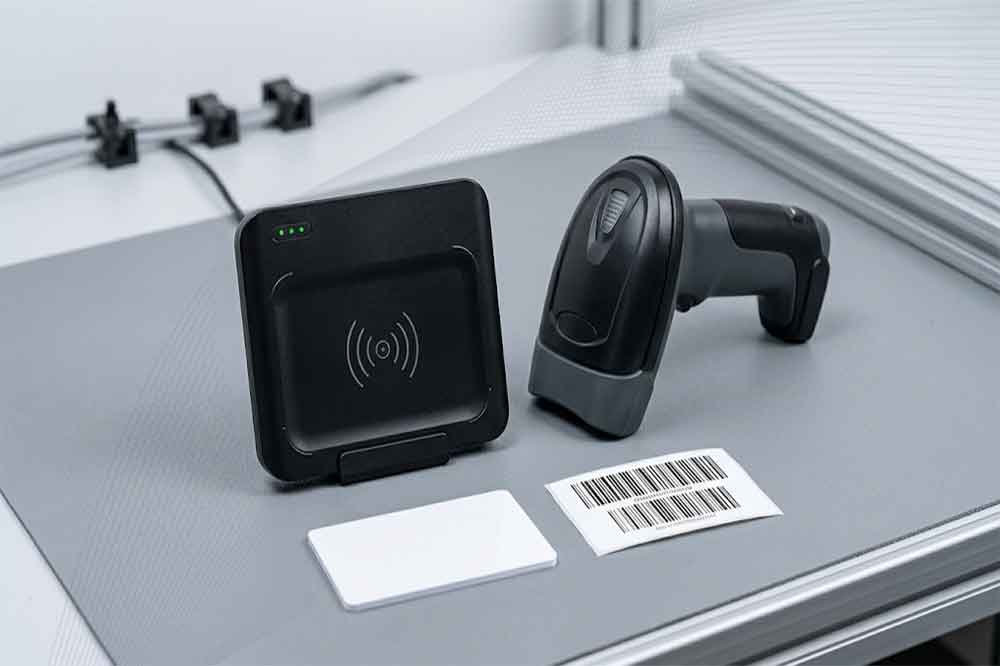
Compare a USB RFID reader with an RFID scanner and barcode scanner. Learn how RFID and barcode identification differ, and choose the right device for your business.

Use this USB RFID reader buying guide to compare specifications, software compatibility, sample testing, supplier support, and bulk purchasing requirements.
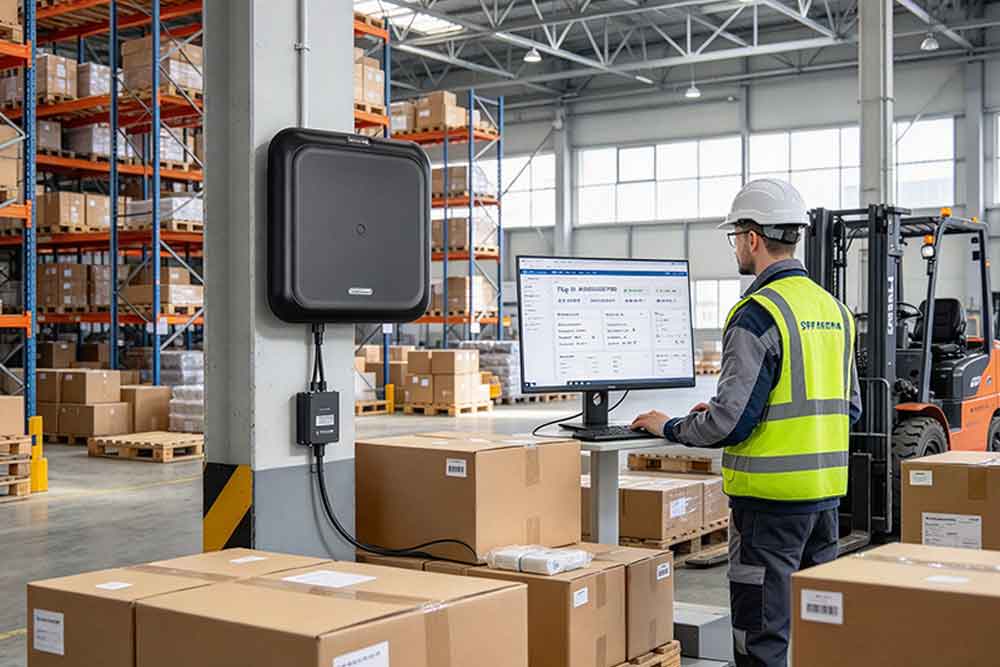
what is meant by rfid tag? Learn how RFID tags work, their components, applications, and how businesses use RFID technology for automated identification.
what is epc rfid? Discover how EPC RFID identifies individual items, improves supply chain visibility, and connects RFID tags with GS1 standards for tracking.
EPC in RFID means Electronic Product Code, a standardized identification scheme used to uniquely identify individual physical objects through RFID. An EPC can be encoded into a compatible RFID tag and read wirelessly, allowing systems to distinguish one item from another rather than identifying only a product type. GS1 describes the EPC as an id…
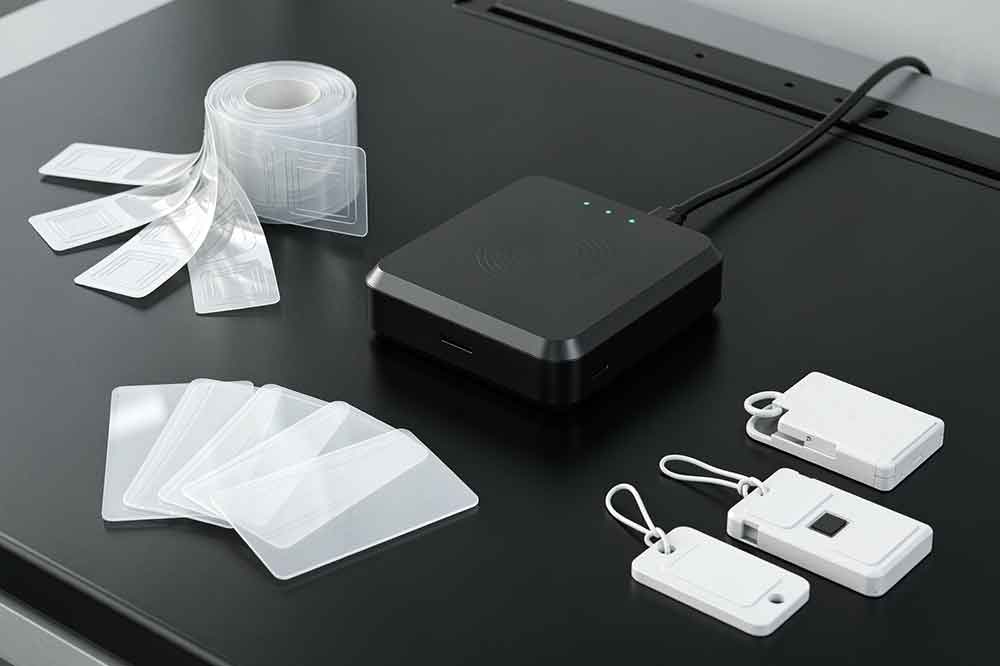
Learn how to choose a USB RFID reader by frequency, tag compatibility, reading distance, USB interface, software integration, and application requirements.
what is passive rfid? Learn how passive RFID tags work without batteries, how readers power them, and where UHF, HF, and LF passive RFID are used.
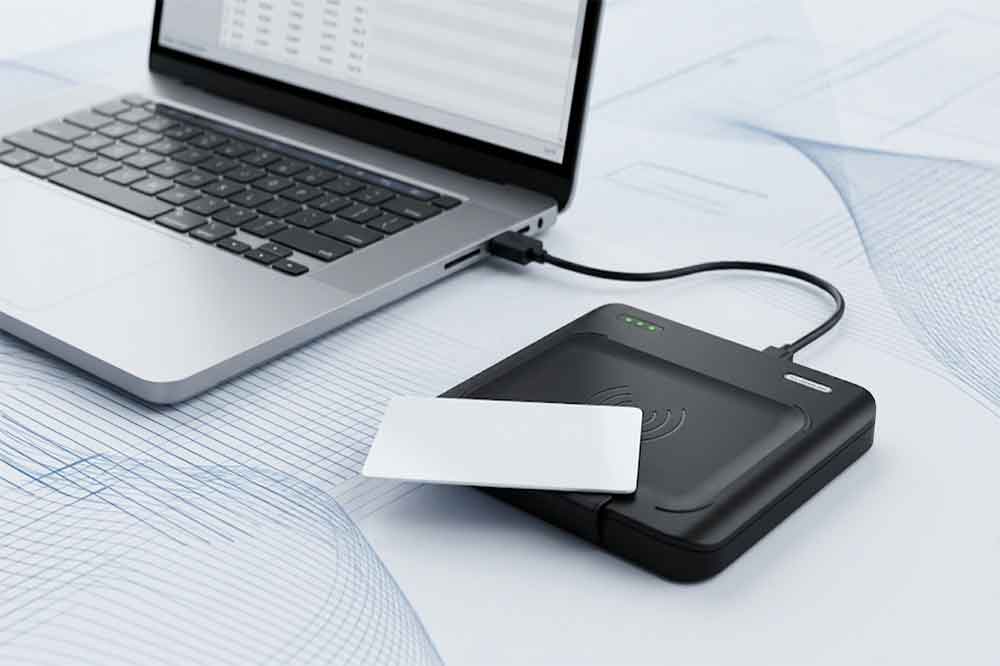
Learn how a USB RFID reader works, which RFID tags it supports, and how businesses use USB RFID readers for inventory, asset tracking, and tag encoding.
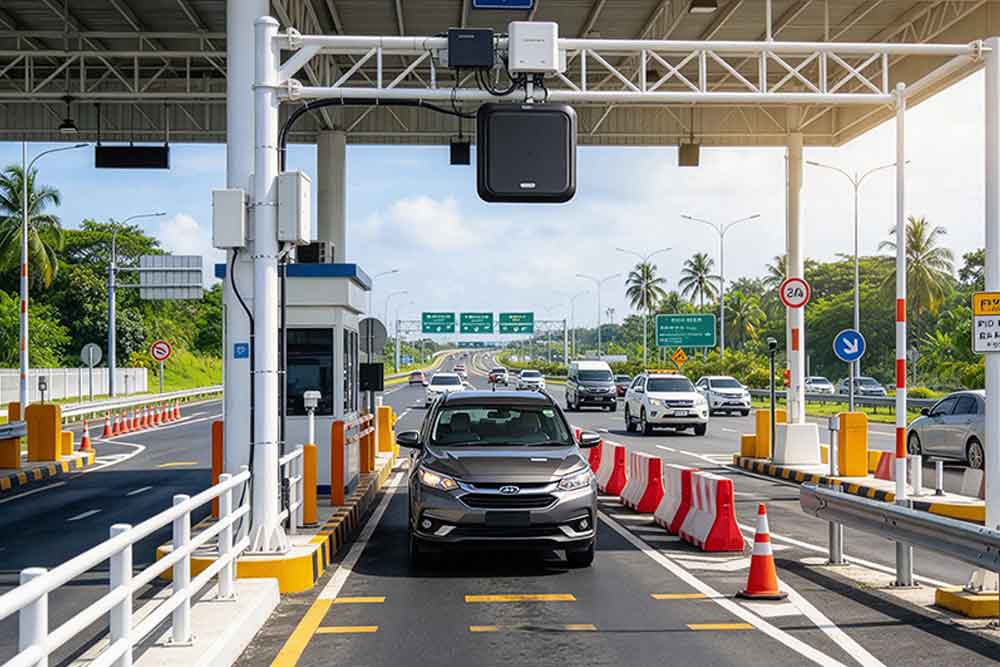
what is autosweep rfid? Learn how the Philippines AutoSweep RFID system works, where it is used, how toll payments are processed, and what motorists need to know.
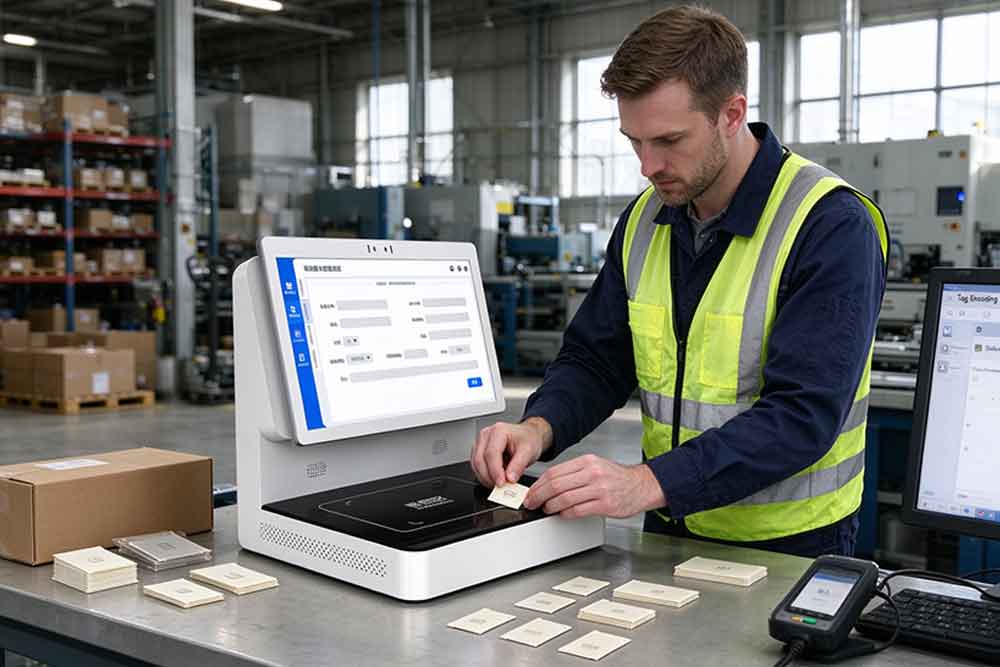
what is an rfid writer? Learn how RFID writers encode tag memory, assign identifiers, verify data, and support inventory, logistics, retail, and asset management.
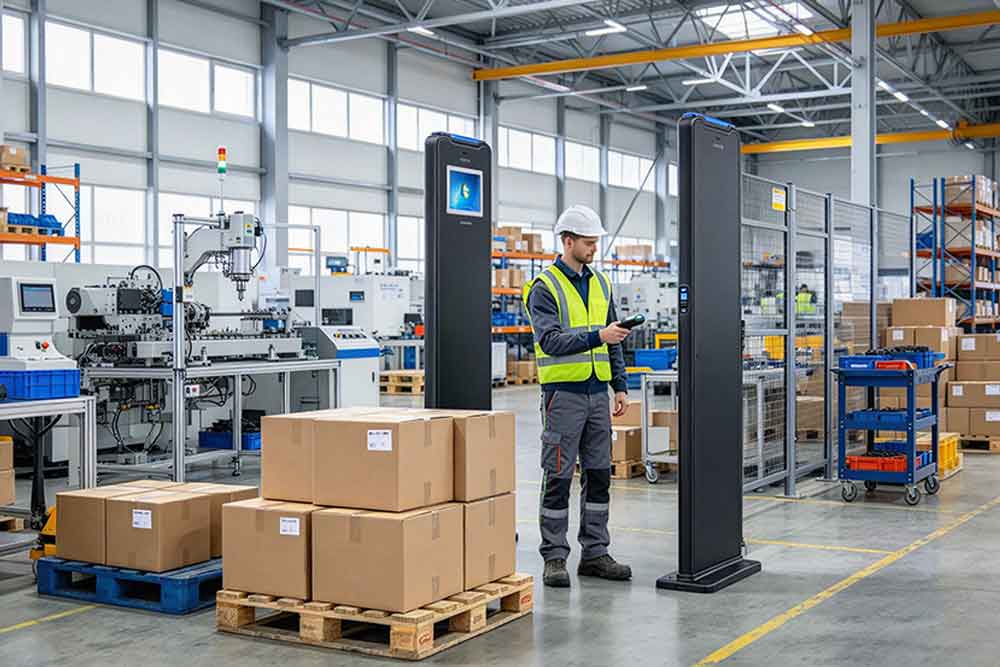
what is an rfid used for? Explore real RFID applications in inventory, logistics, asset tracking, retail, manufacturing, and supply chains with practical examples.
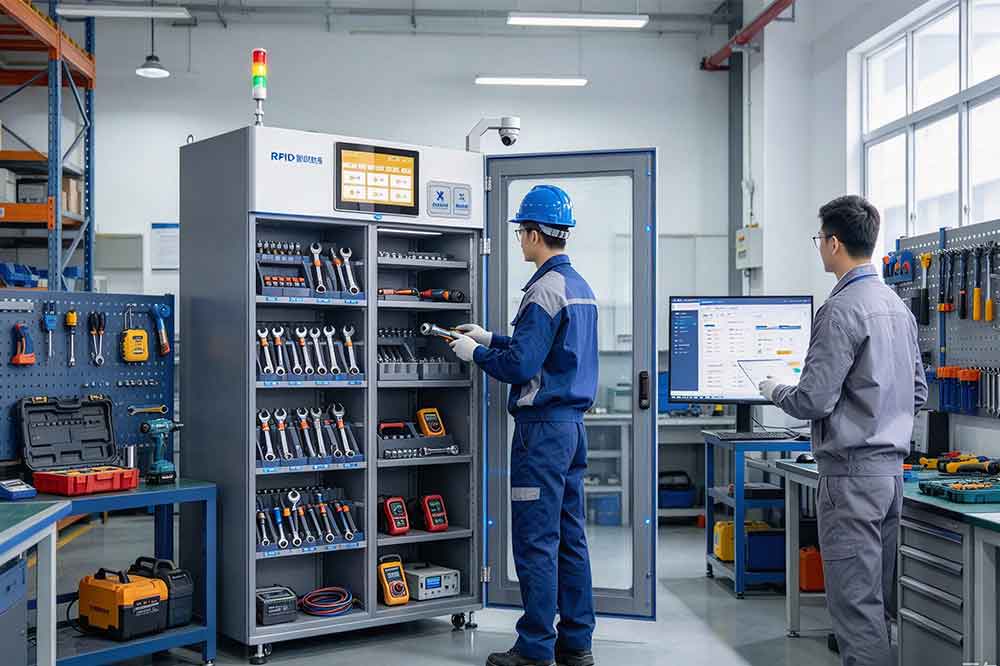
Learn how RFID tool cabinets support standard operating procedures for tool checkout, returns, inspections, exception handling, and industrial workflow consistency.
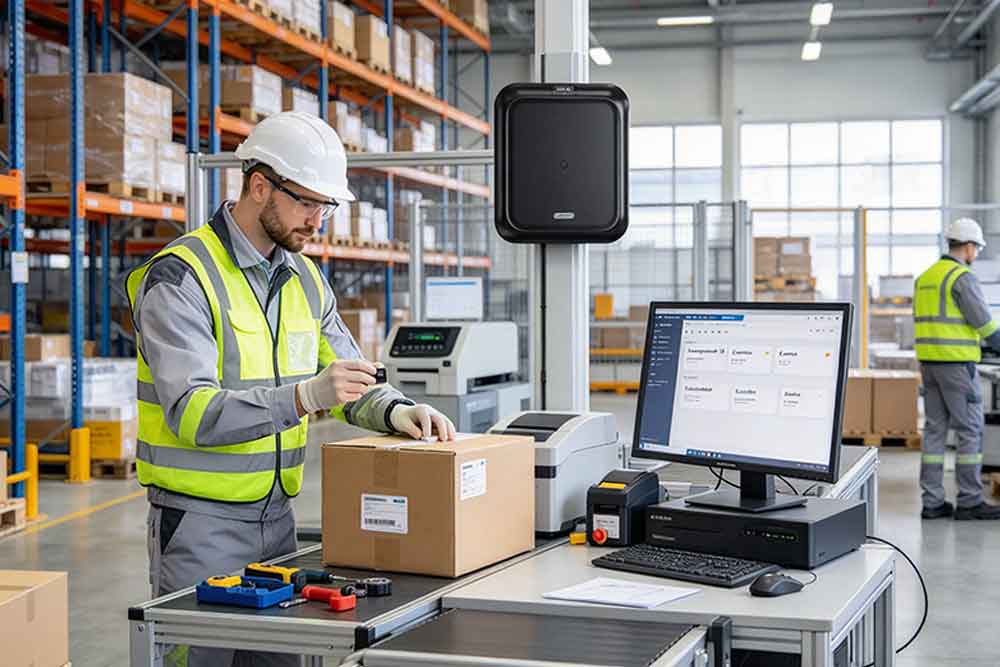
what is an rfid transponder? Learn how RFID transponders store identification data, communicate with readers, and support reliable tracking across industrial applications.
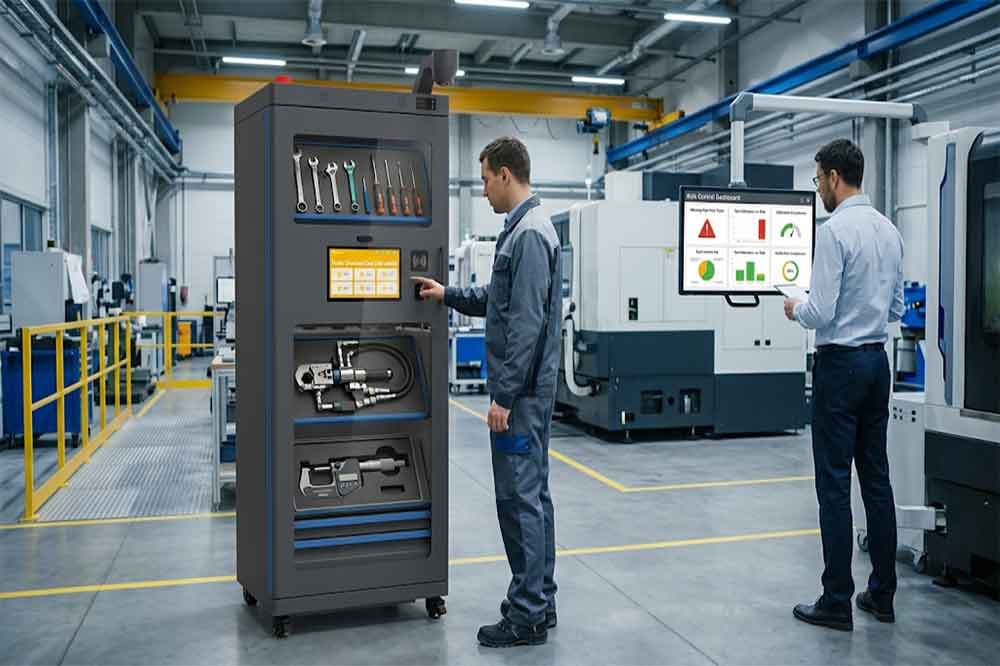
Learn how RFID tool cabinets support industrial tool risk management through risk classification, access controls, status monitoring, and exception tracking.
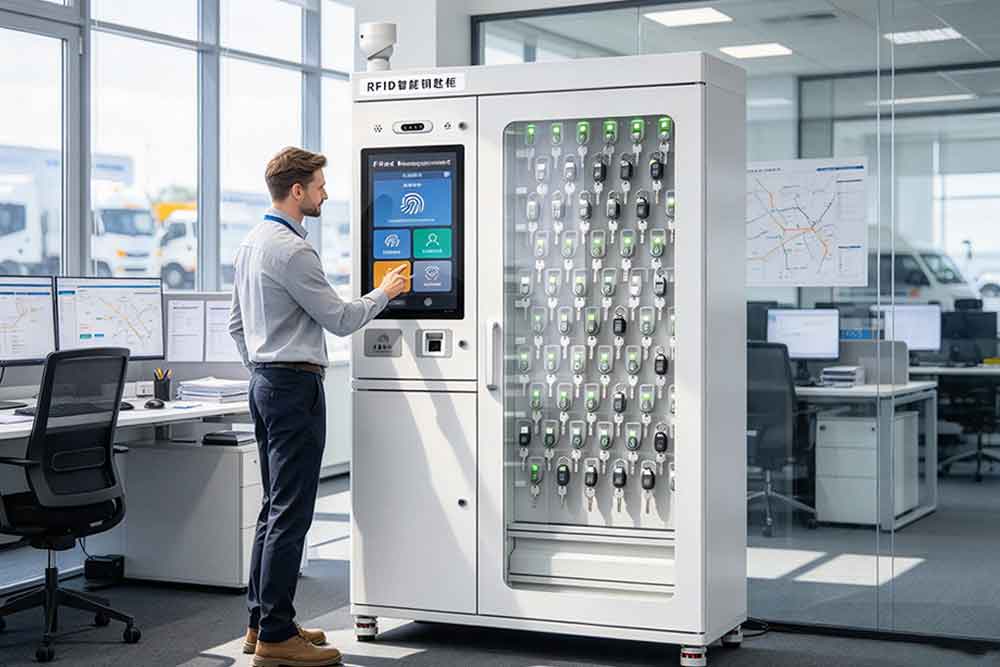
Learn what is an rfid key, how RFID key tags work with smart cabinets, and how UHF RFID identification supports secure key storage, tracking, and management.
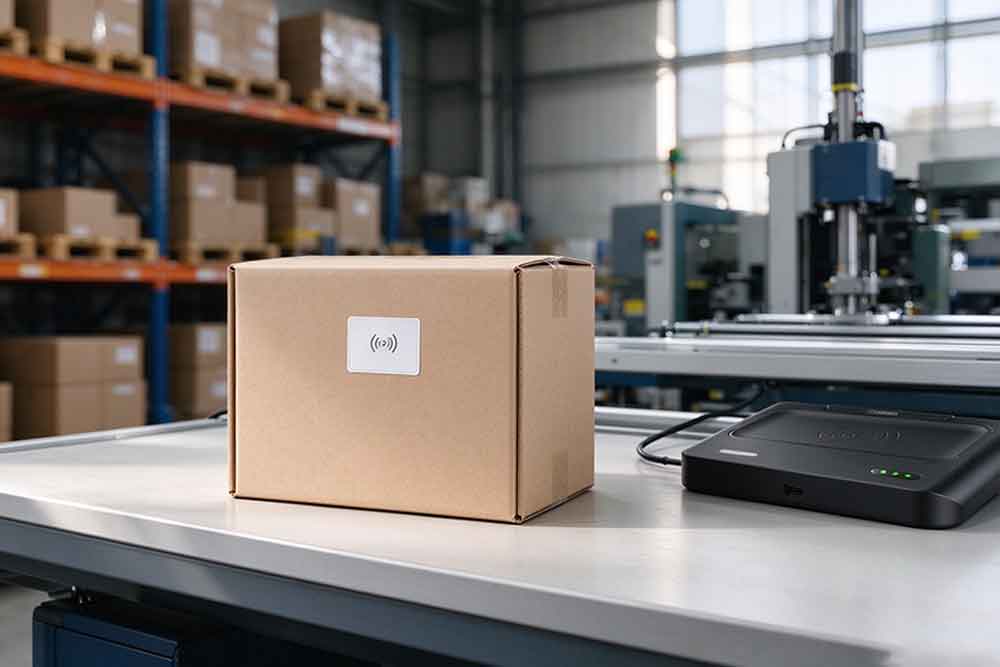
Learn what is an rfid sticker, how UHF RFID stickers work, what information they store, and where RFID labels are used for fast item identification.
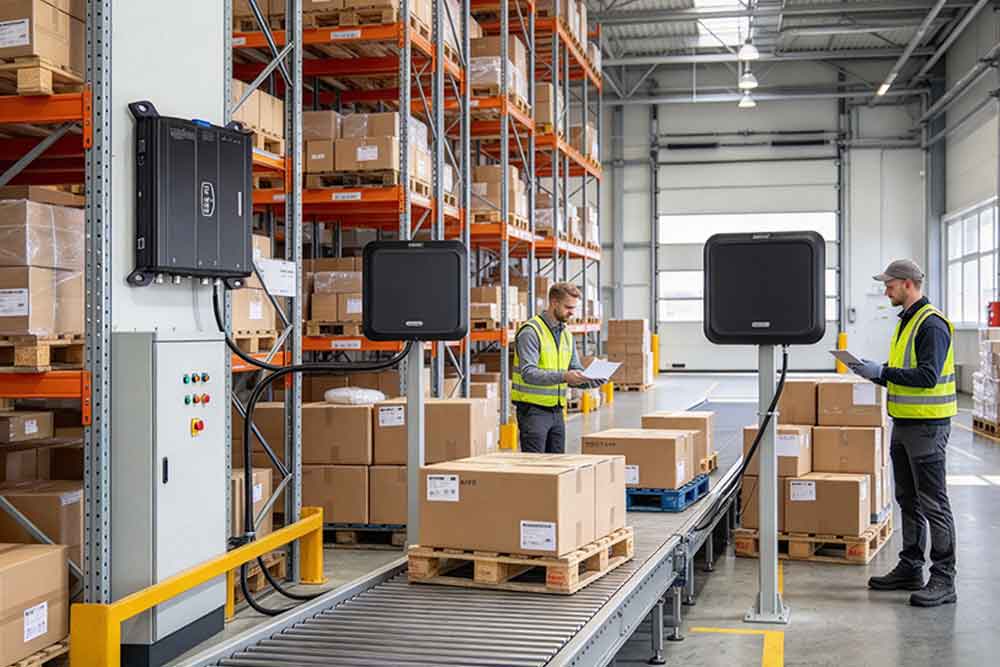
Learn what is an rfid reader used for in UHF RFID systems, from item identification and inventory checks to tag reading, data capture, and tracking.
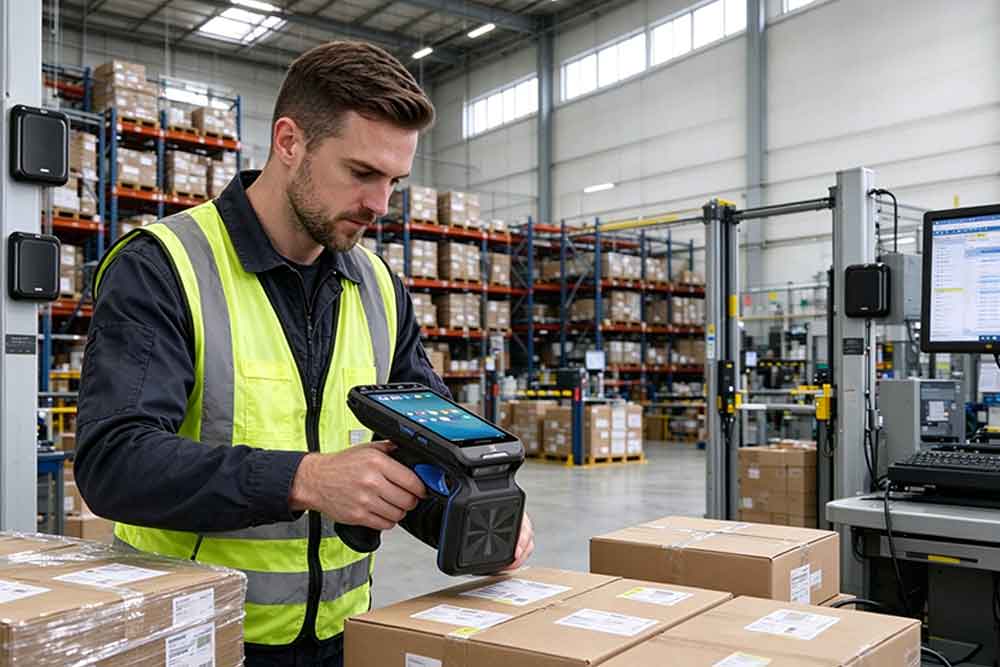
Discover what is an rfid tracker, how RFID tracking works, and how businesses use RFID technology for real-time asset visibility, inventory control, and smarter operations.
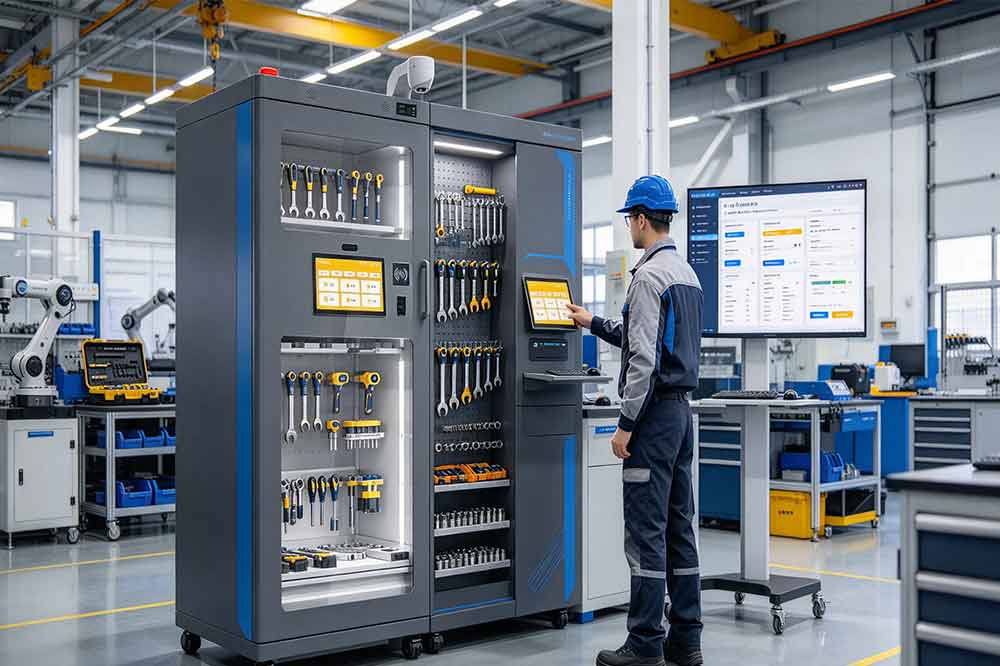
Learn how RFID tool cabinets support tool compliance, authorized use, inspection records, audit trails, and consistent industrial tool management.
Learn how RFID tool cabinets help allocate tools across departments, assign equipment to work orders, balance shared resources, and improve tool availability.
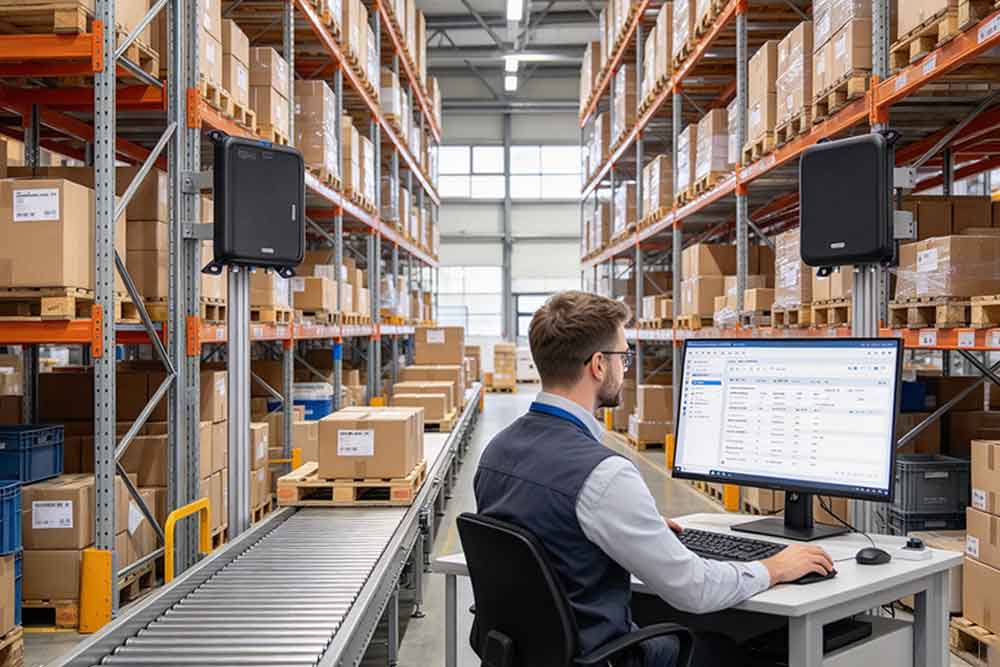
What is an rfid device? Learn how UHF RFID readers, tags, antennas, and software work together for fast identification, inventory, logistics, and asset tracking.
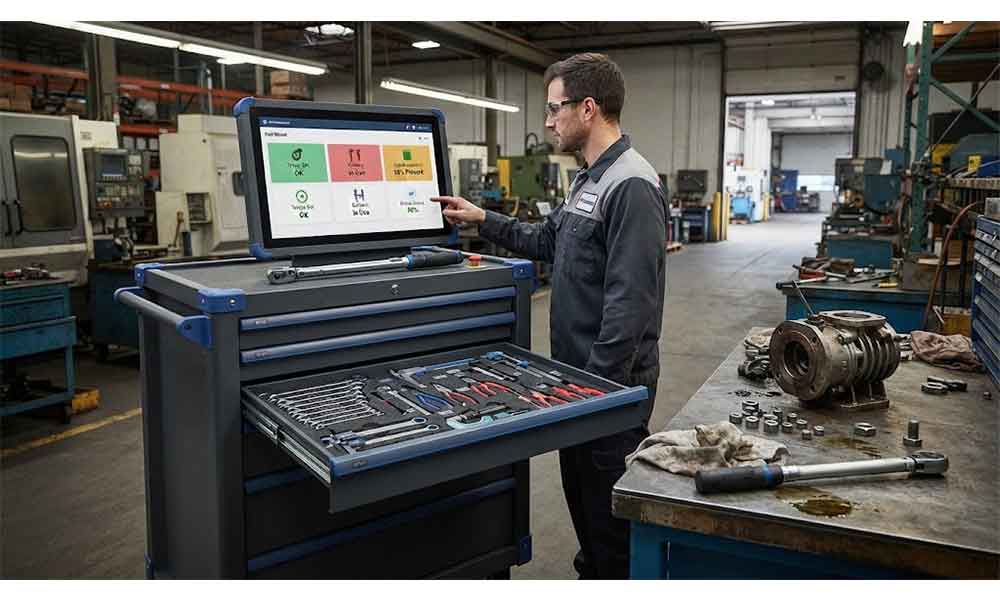
Learn how RFID tool cabinets help reduce tool downtime, improve availability, track maintenance status, and prevent delays in industrial operations.
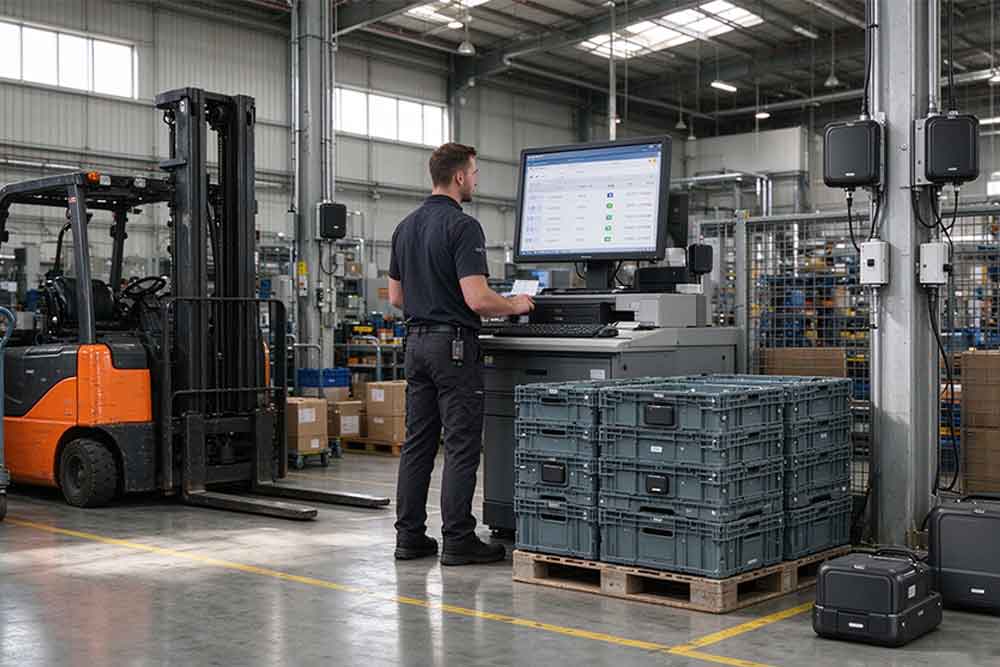
Learn what is active rfid, how battery-powered RFID tags work, why active RFID offers longer-range tracking, and where it fits in asset and real-time location systems.
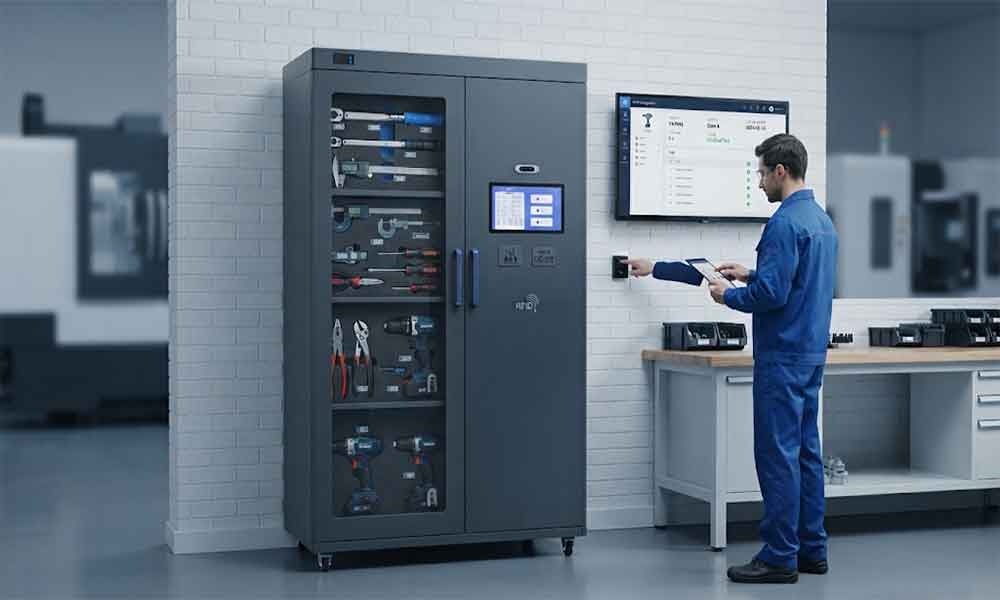
Discover how RFID tool cabinets improve tool asset visibility, ownership records, location tracking, inventory control, and industrial asset management.
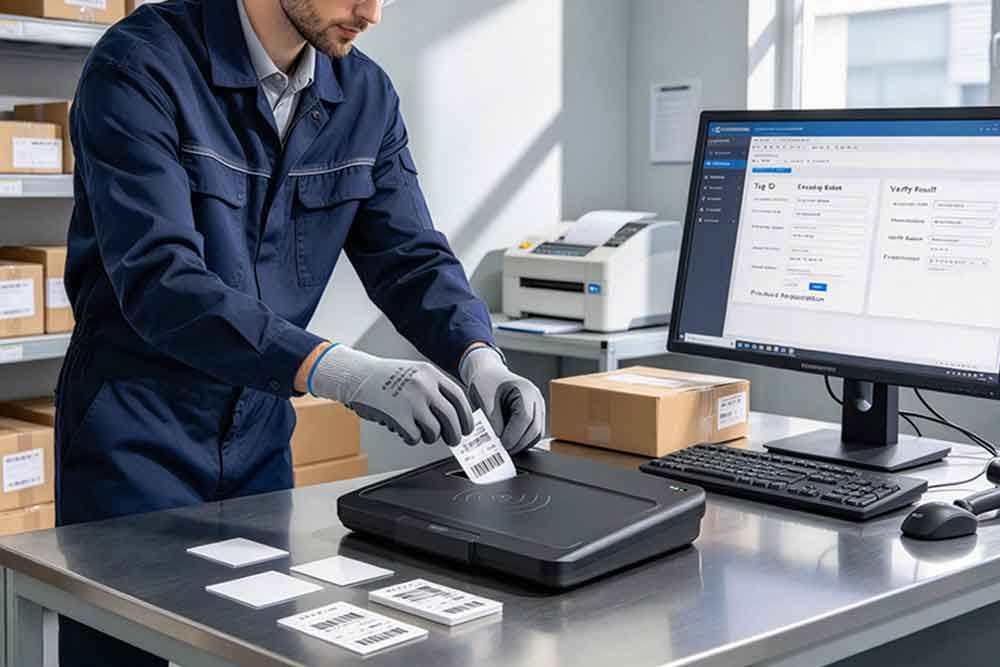
Learn what is a rfid writer, how RFID writers encode tag memory, and how businesses use RFID writing for inventory, asset tracking, labeling, and data management.
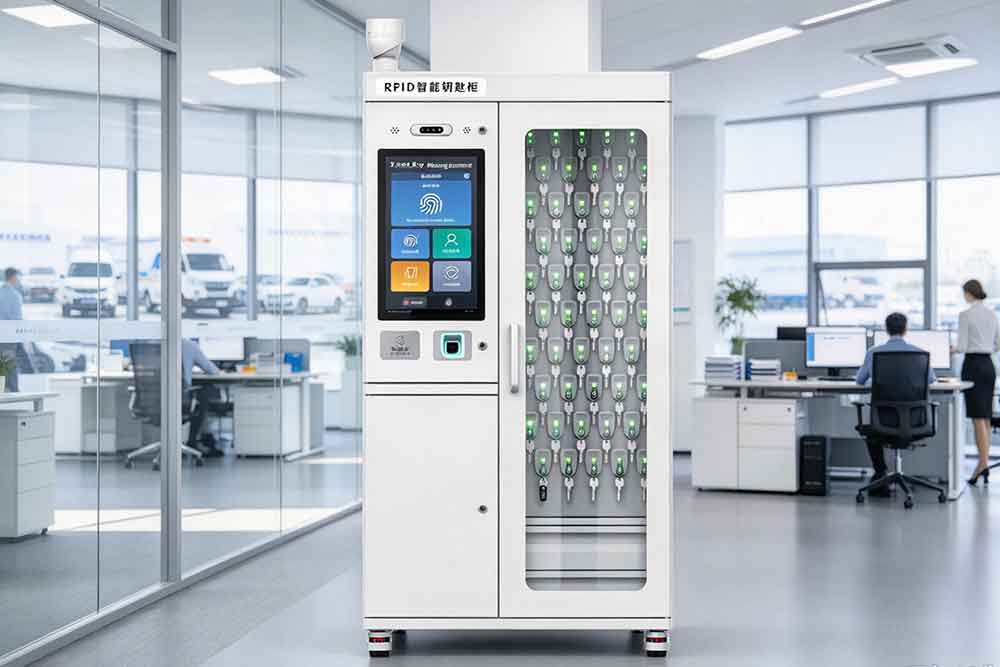
Learn what is a rfid key, how RFID smart keys work, and how intelligent key cabinets use RFID, identity verification, and software to manage key access.
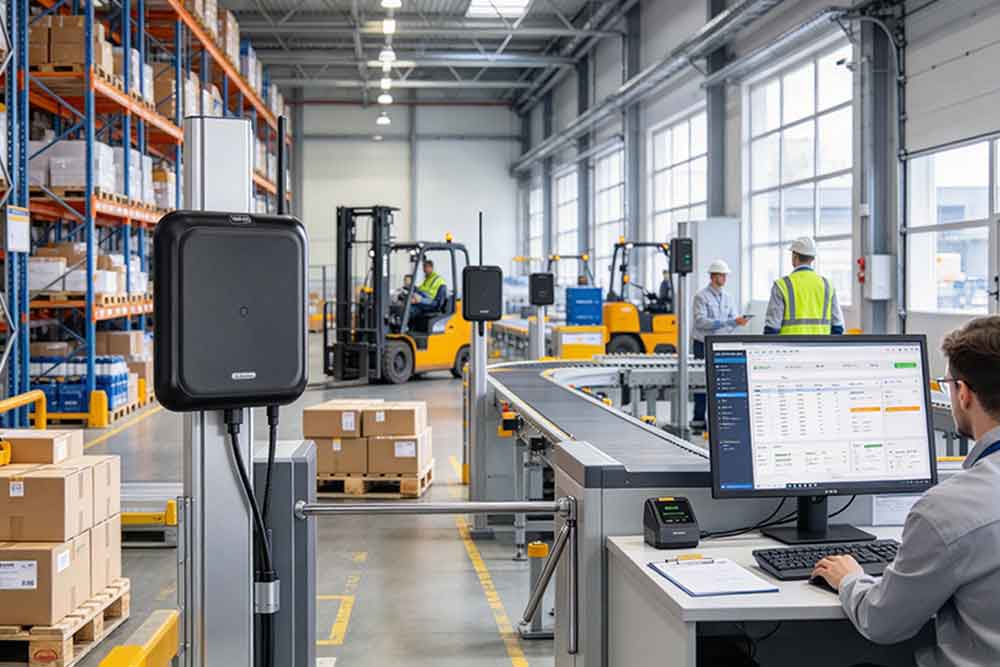
Learn what is a rfid tracker, how RFID tracking works, the difference between passive and active trackers, and where RFID tracking delivers practical value.
What is a rfid reader used for? Explore RFID reader applications in inventory, logistics, asset management, libraries, textiles, and industrial operations.
Learn how RFID tool cabinets support tool inspection scheduling using usage data, inspection history, risk levels, and automated status tracking.
Learn what is a rfid label, how RFID labels work, where they are used, and how to choose the right label for inventory, logistics, retail, and asset tracking.
Learn how RFID tool cabinets support shared tool management across departments with better visibility, access control, availability tracking, and tool allocation.

What is a rfid device? Discover how RFID devices read tags, support identification, and improve inventory, asset, library, textile, and logistics workflows.
Discover what is a passive rfid tag, how passive RFID technology works, and why industries use passive tags for inventory, tracking, and identification.
Learn what is a handheld rfid writer, how it writes and manages RFID tags, and why industries use handheld RFID solutions for mobile asset tracking.
Discover what if rfid can achieve in real-world applications. Learn how RFID improves tracking, identification, and operational visibility with expert insights from Cykeo.
What does rfid tracked mean? Learn how RFID tracking works, how tagged items are monitored, and how businesses improve visibility with RFID systems.
Learn how RFID tool cabinets support tool replacement planning using usage, repair, calibration, availability, and lifecycle data.
Learn how RFID tool cabinets support tool demand planning through usage data, availability tracking, peak-demand analysis, and smarter purchasing decisions.
What does rfid mean ups tracking? Learn how RFID technology supports package identification, logistics visibility, and modern tracking solutions with Cykeo.
Learn how to manage RFID tool data, including tool IDs, RFID tags, locations, statuses, users, maintenance, synchronization, data quality, and ERP or CMMS integration.
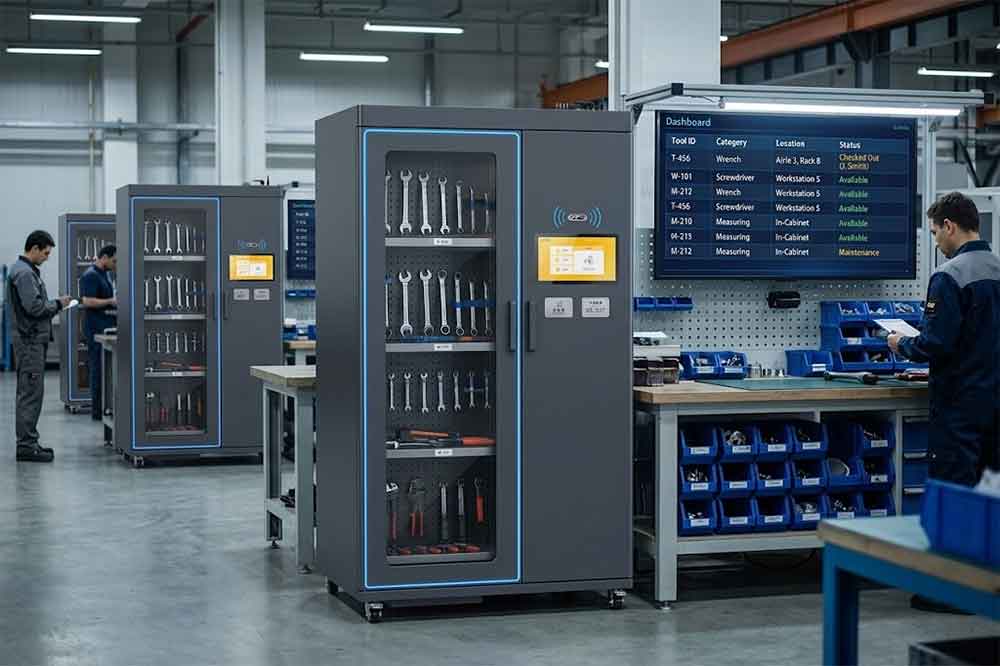
Learn how RFID tool cabinets support standardized tool IDs, RFID tags, categories, statuses, locations, workflows, and multi-department tool management.
RFID Industry Writer | IoT & Asset Tracking Analyst
James writes about RFID technology, asset tracking, and the practical challenges of digital transformation across warehousing, retail, manufacturing, and logistics.
His work focuses on how RFID is applied in real-world operations—improving inventory visibility, automating workflows, and helping businesses manage assets with greater accuracy and efficiency.
He regularly covers topics including UHF RFID, smart cabinets, RFID portals, tool tracking, warehouse automation, and industrial IoT trends..
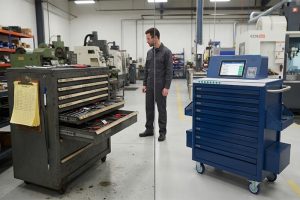
RFID tool cabinets and traditional tool storage both organize shared equipment, but they differ in automation, accountability, inventory visibility, and acce...
More
Industry Overview In recent years, with the rapid development of the logistics industry and the maturation of electronic tag technology, RFID (Radio Frequency Identification) technology has been widely adopted in warehouse management. By leveragin...
More
Can an iPhone copy an RFID card? Learn why some RFID cards cannot be duplicated to a smartphone, the difference between RFID and NFC, and how modern mobile access systems work.
More
Learn how RFID tags are reshaping industrial applications — from warehouse tracking to quality control. Practical insights, challenges, and lessons from real-world use cases.
More