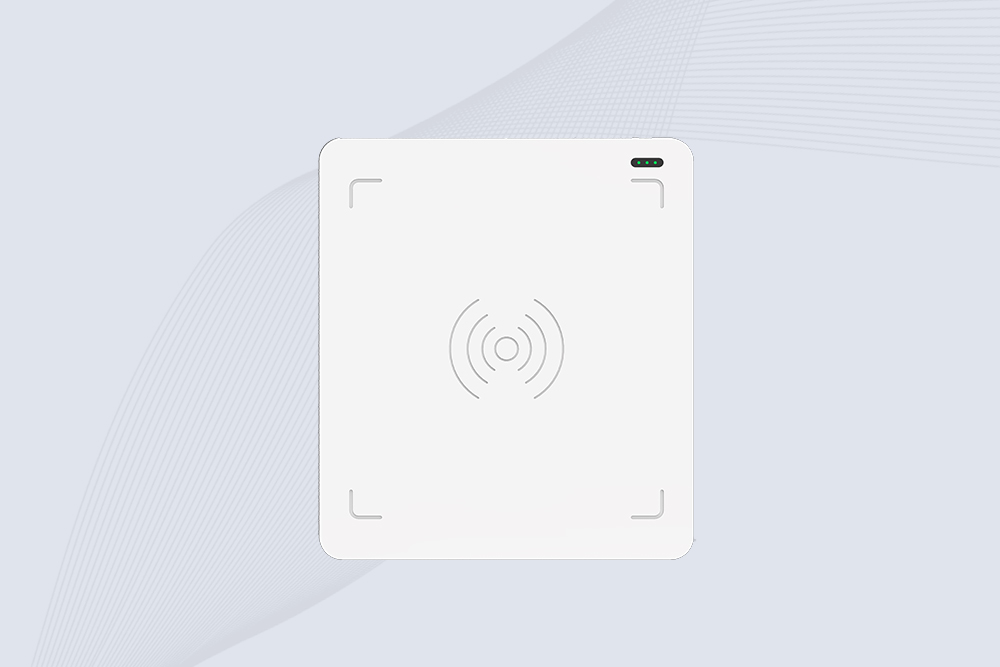
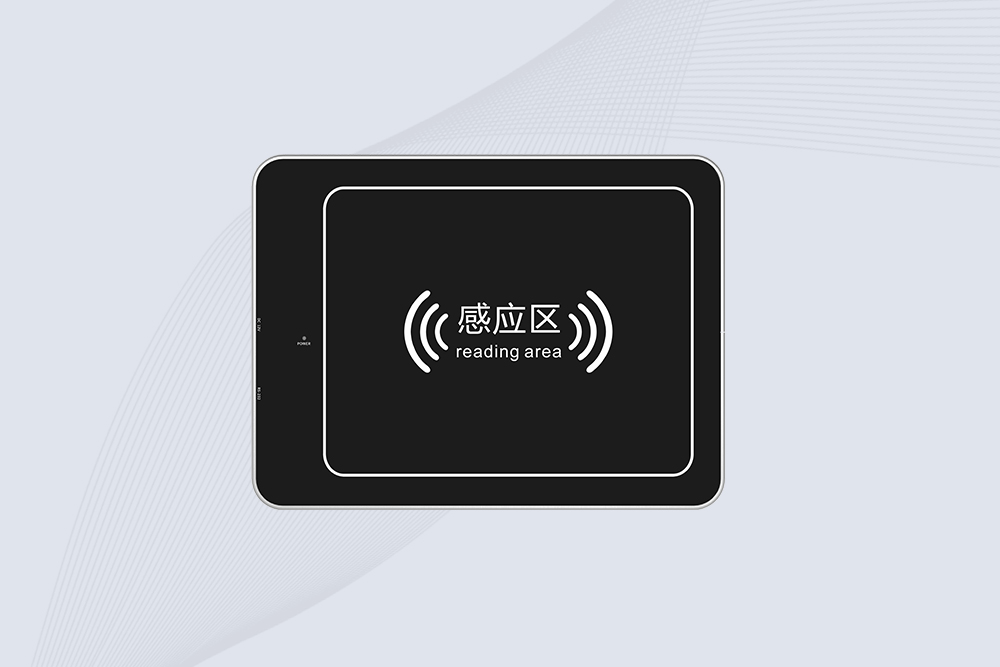
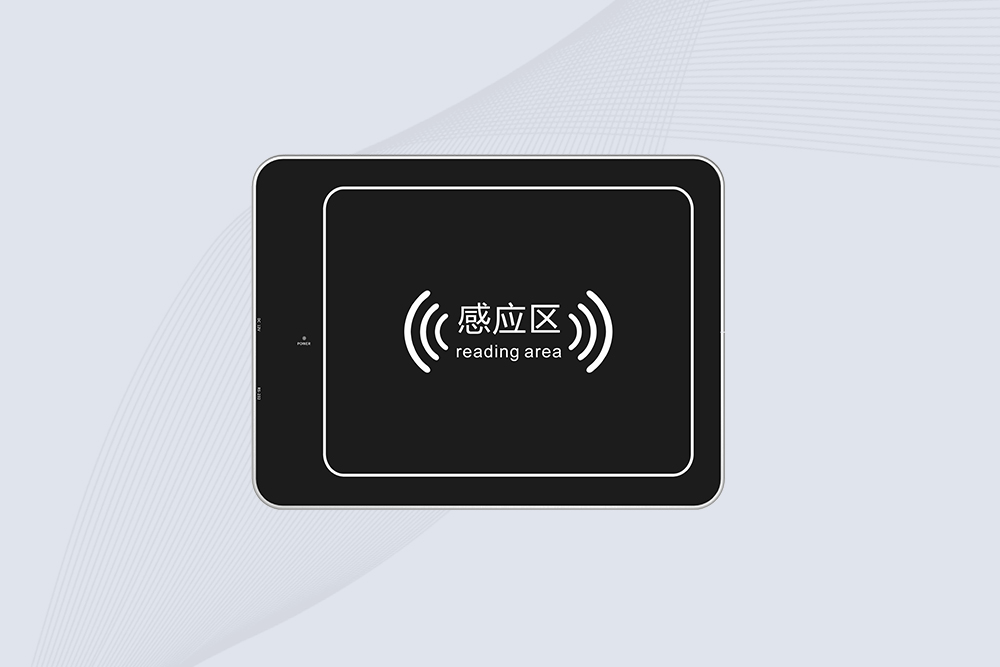
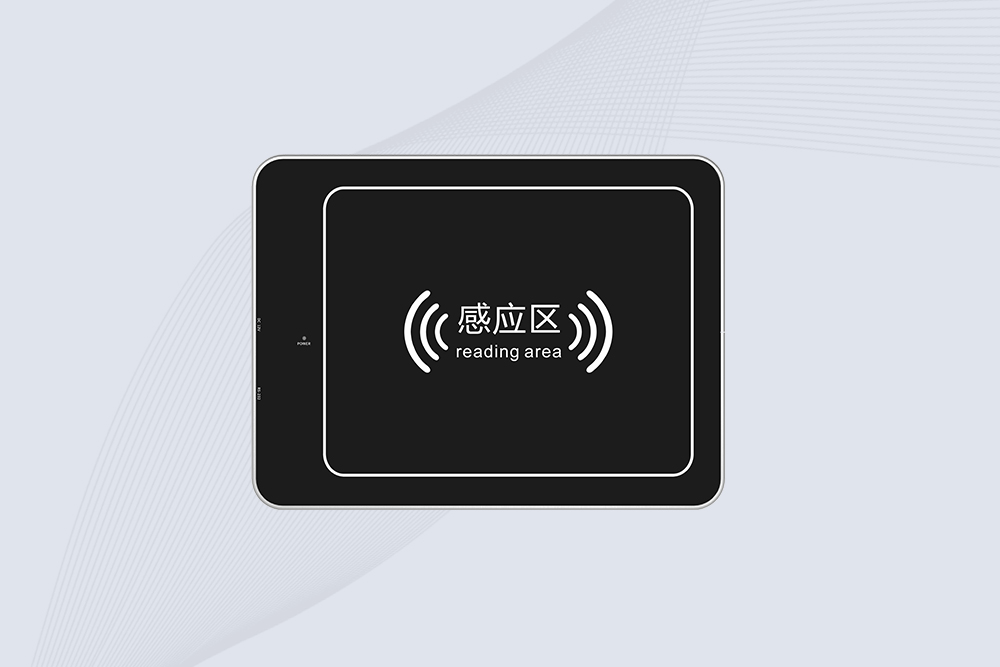
An RFID tracker is a technology that uses RFID tags and readers to identify, locate, and manage tagged objects through radio frequency communication. Unlike GPS trackers, RFID trackers do not continuously transmit location data but provide accurate identification and movement records when tags are detected by compatible RFID readers.
In practical deployments, an RFID tracker usually consists of three parts: an RFID tag attached to an asset, an RFID reader that captures tag information, and software that processes collected data. The system is widely used in warehouses, hospitals, libraries, manufacturing plants, and retail environments where companies need faster inventory visibility.
At Cykeo, our engineering team has worked with RFID tracking applications ranging from warehouse portals to desktop tag management stations. During field testing, one common mistake we observed was treating RFID trackers like GPS devices. RFID is not designed to show a tag’s position on a map. Its strength is automated identification, movement monitoring, and large-scale asset management.
How Does an RFID Tracker Work in Real Business Environments?
An RFID tracker works by storing identification data inside an RFID tag and allowing an RFID reader to capture that information wirelessly. When the tag enters the reader’s operating range, the reader sends radio signals that activate the tag and collect the stored information.
The actual tracking process depends on the RFID frequency and application environment.
RFID Frequency
Typical Range
Common Applications
LF RFID (125–134 kHz)
Short range
Access control, animal identification
HF RFID (13.56 MHz)
Several centimeters
Library cards, NFC applications
UHF RFID (860–960 MHz)
Several meters
Warehouse tracking, logistics, retail inventory
For industrial RFID tracking, UHF RFID is commonly selected because it supports fast multi-tag reading. According to GS1, RAIN RFID systems based on the EPC Gen2 standard can identify large numbers of tagged items automatically across supply chains. GS1 provides technical standards widely used for global RFID identification systems.
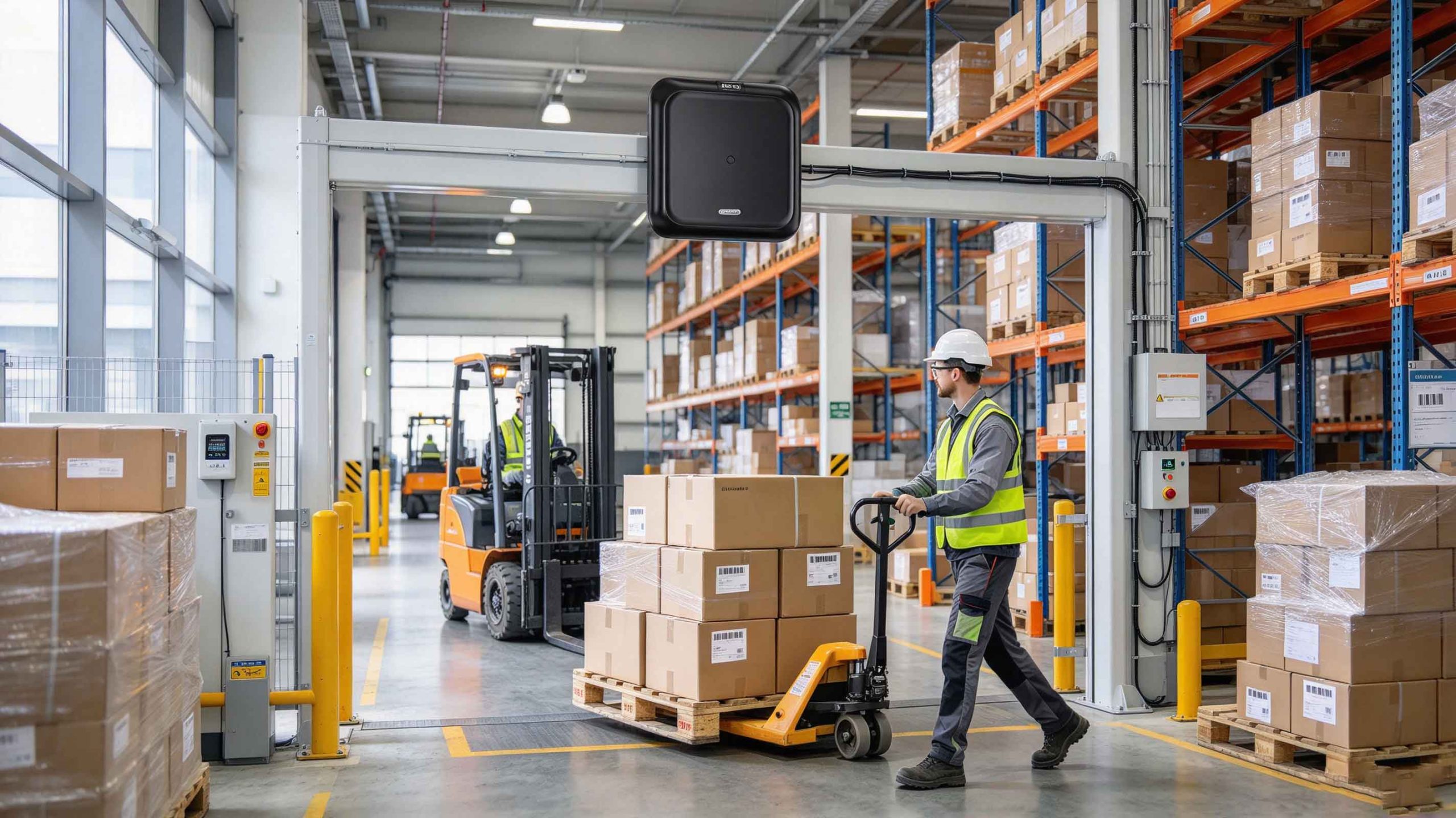
A warehouse example explains the difference clearly. A worker moving a pallet through an RFID portal does not manually scan every carton. Instead, multiple RFID tags can be captured automatically while the pallet passes through the reading zone. The system records the event and updates inventory software.
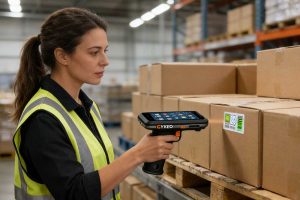
A modern European warehouse uses RFID tracking technology to automatically identify and manage tagged assets.
RFID Tracker vs GPS Tracker: Understanding the Difference
Why RFID Trackers Are Different from Location Trackers
The term “tracker” often creates confusion because RFID trackers and GPS trackers solve different problems.
Feature
RFID Tracker
GPS Tracker
Main purpose
Identification and movement records
Outdoor location monitoring
Power requirement
Passive tags may require no battery
Usually requires battery power
Tracking method
Reader detects tag information
Satellite positioning
Best environment
Warehouses, factories, retail
Vehicles, outdoor assets
In many supply chain projects, RFID tracking is chosen because companies need to know what item moved, when it moved, and where the reading event happened rather than continuously follow geographic coordinates.
For example, in a warehouse receiving area, an RFID reader installed at a doorway can automatically record incoming goods. The company gains operational visibility without attaching batteries to thousands of products.
What Can an RFID Tracker Be Used For?
Common RFID Asset Tracking Applications
Based on our experience supporting RFID hardware integration projects, RFID trackers are frequently used in:
Warehouse inventory management
Manufacturing work-in-progress tracking
Medical equipment management
Library and document tracking
Retail inventory monitoring
Tool and equipment management
Laundry and textile identification
The value comes from reducing manual scanning work. A human operator may spend hours checking individual items, while an RFID reader can capture many tagged objects within seconds under suitable conditions.
A study published by Auburn University’s RFID Lab documented RFID inventory accuracy improvements in retail environments. Their research with retailers examined RFID adoption and inventory performance over extended testing periods, showing measurable improvements in inventory visibility.
How Cykeo Approaches RFID Tracker Development
Engineering Experience Behind RFID Tracking Solutions
At Cykeo, RFID tracker projects are usually evaluated from the hardware environment first, not only from software requirements. Metal surfaces, liquid materials, tag orientation, antenna placement, and reading distance can all affect performance.
During testing of UHF RFID reader solutions, our engineers often adjust antenna angles and power settings rather than simply increasing output power. A higher reading range is not always better. In warehouses with dense shelves, uncontrolled signals can create unwanted reads from nearby products.
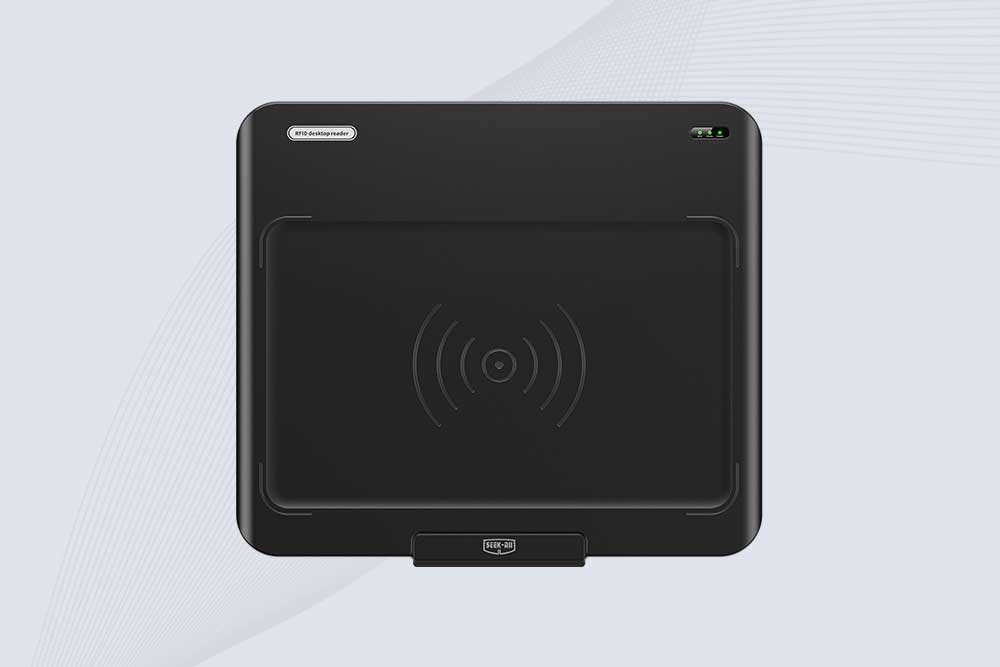
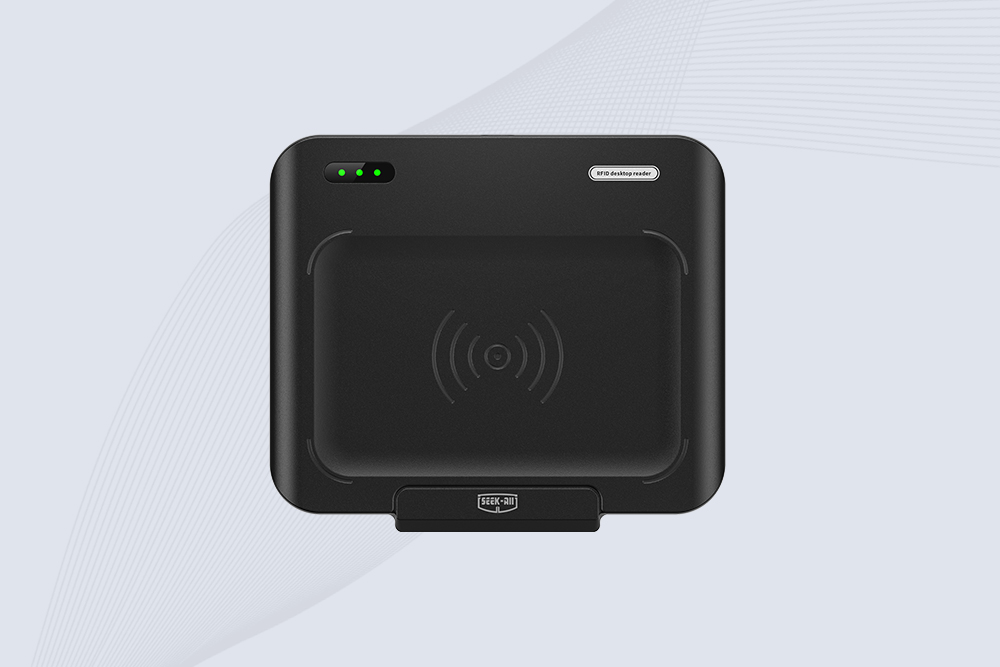
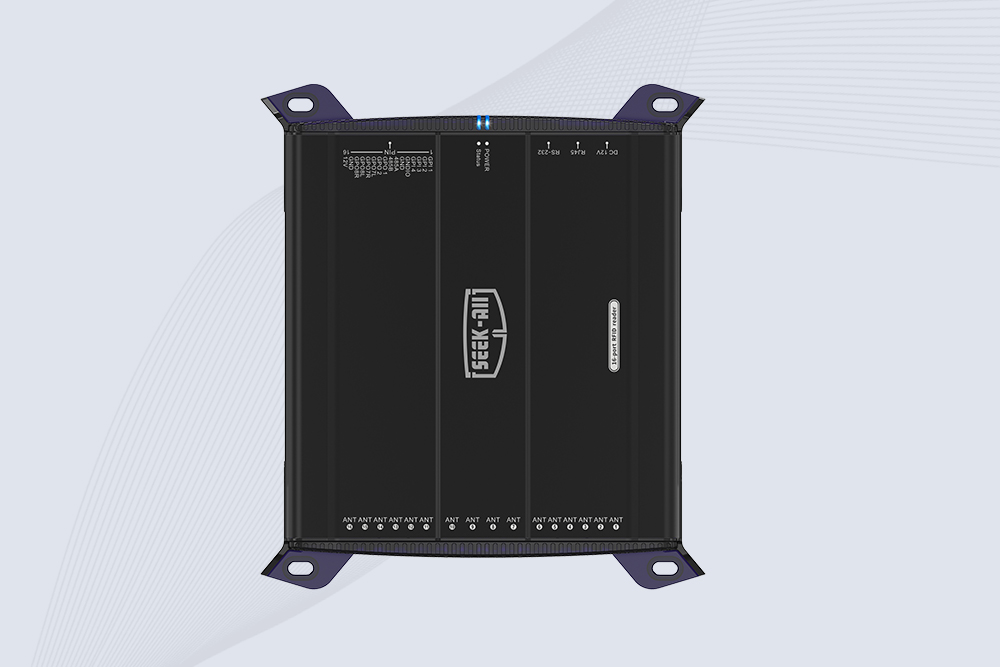
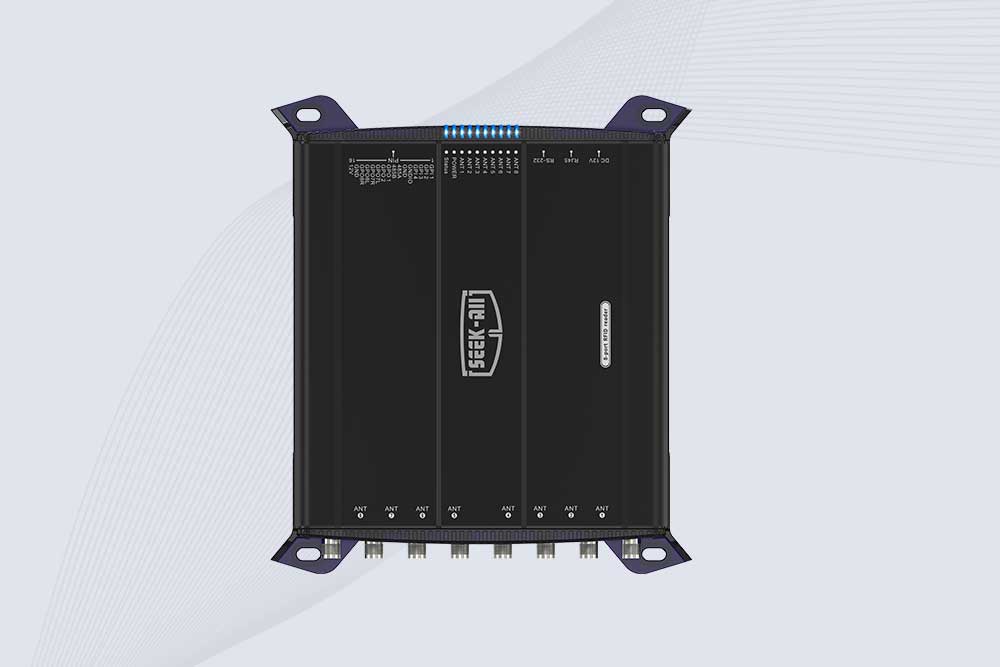
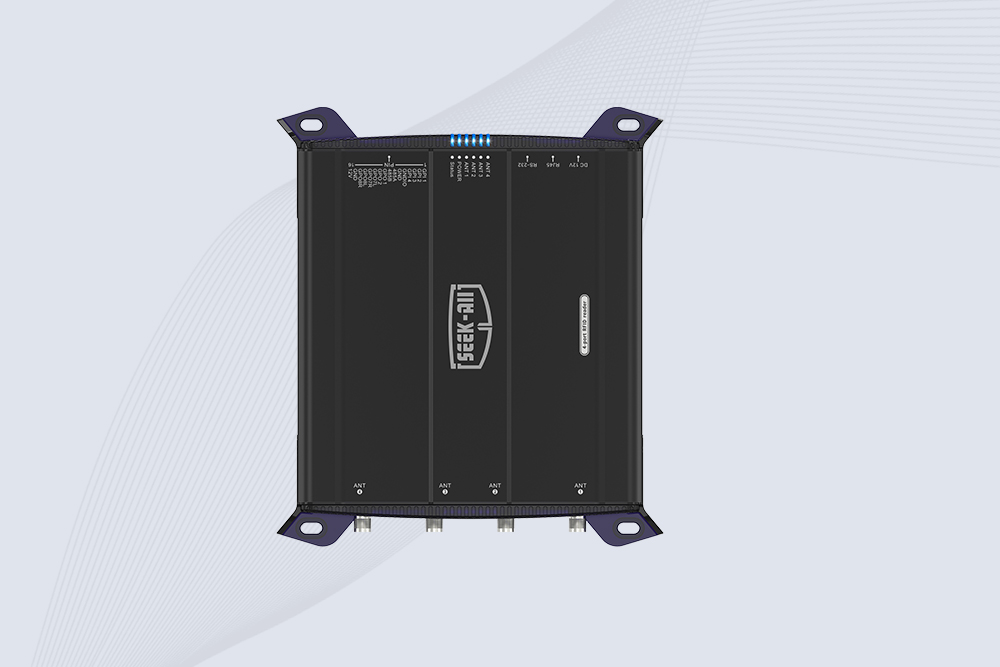
Cykeo RFID solutions support applications including fixed RFID readers, desktop RFID writing platforms, and OEM RFID modules. For example, UHF fixed readers such as CYKEO-RA9L and CK-D9L are designed for industrial environments requiring stable tag recognition, Ethernet/RS-232 communication, and integration with customer software systems.
Key Benefits of Using an RFID Tracker
Improving Visibility Without Adding Manual Work
An RFID tracker provides businesses with a more automated way to identify and monitor physical assets. The main advantage is not simply reading tags faster; it is creating a reliable connection between physical objects and digital records.
In a traditional inventory process, employees may manually scan barcodes one by one. RFID tracking changes this workflow by allowing readers to identify multiple tagged items simultaneously. This is especially valuable in environments where thousands of assets move every day.
Common operational benefits include:
Benefit
Business Impact
Automatic identification
Reduces manual data entry
Bulk tag reading
Speeds up inventory operations
Real-time event records
Improves asset visibility
Better traceability
Helps analyze item movement
Lower human error
Improves data accuracy
However, RFID performance depends heavily on system design. In our implementation experience, the RFID tag itself is rarely the only factor affecting results. Reader placement, antenna configuration, surrounding materials, and software integration often determine whether a project succeeds.
How to Choose the Right RFID Tracker System?
Factors to Consider Before Deployment
Choosing an RFID tracker requires understanding the application environment rather than selecting equipment based only on reading distance.
Important considerations include:
Tracking purpose: Determine whether the goal is inventory identification, access control, equipment management, or process monitoring.
Tag type: Select passive RFID tags, active RFID tags, or specialized tags according to the environment.
Reading environment: Metal, liquids, temperature, and physical obstacles may influence RFID performance.
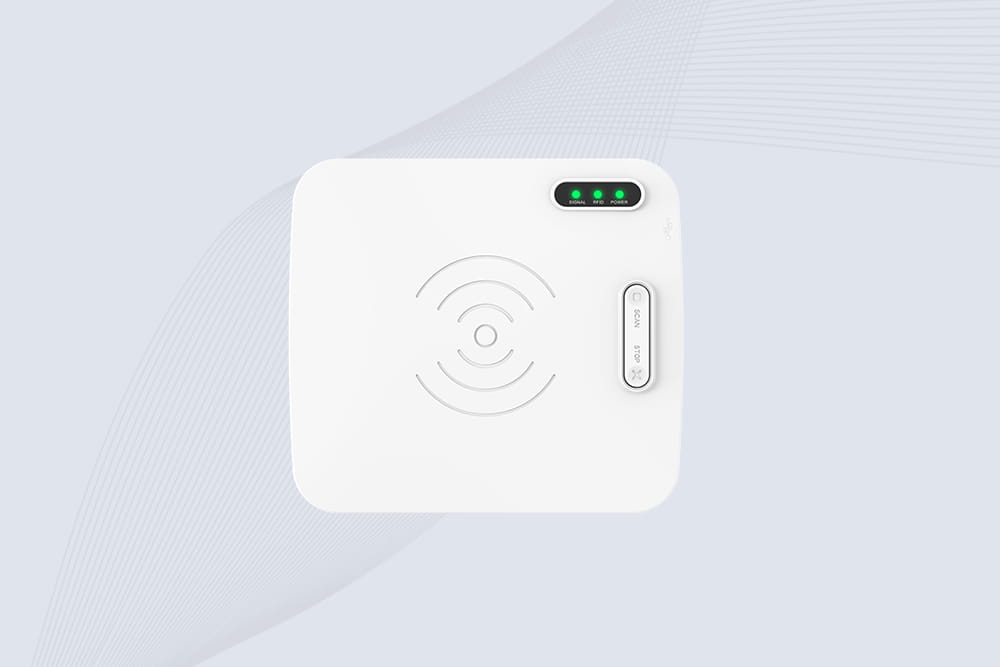
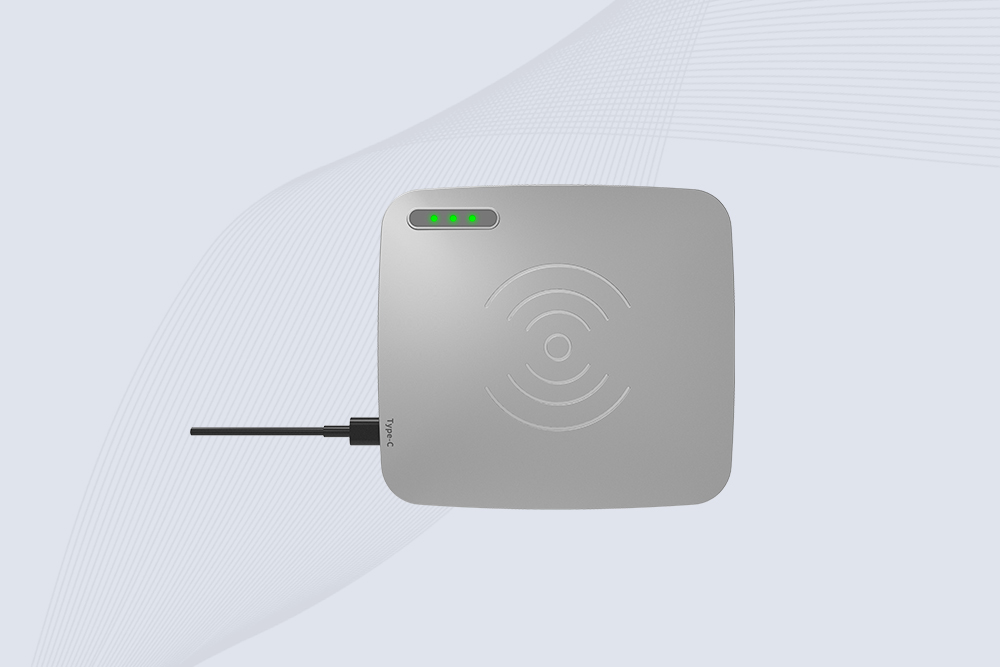
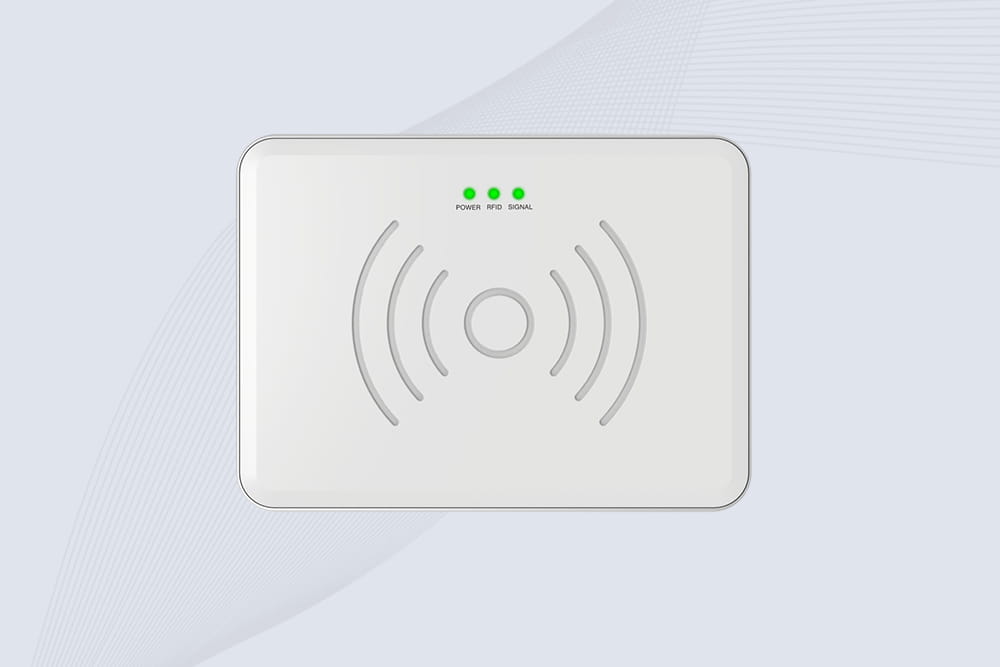
Reader installation: Fixed readers, handheld readers, and desktop RFID readers serve different workflows.
Software connection: The RFID system should integrate with existing warehouse management, ERP, or inventory platforms.
For example, a library may require a desktop RFID reader for tag registration and book circulation management, while a distribution center may need fixed UHF readers installed at loading gates.
At Cykeo, we frequently evaluate the complete workflow before recommending RFID hardware. A tag that performs well on a cardboard box may behave differently when attached to a metal container or liquid-filled product.
RFID tracking technology helps organizations monitor valuable equipment and improve asset management efficiency.
Frequently Asked Questions About What Is an RFID Tracker
1. What is an RFID tracker?
An RFID tracker is a system that uses RFID tags, readers, and software to identify and monitor tagged objects. It records movement events and asset information when RFID readers detect nearby tags.
2. Does an RFID tracker show real-time GPS location?
No. An RFID tracker does not work like GPS. RFID records identification and detection events when tags communicate with RFID readers. Location information depends on where readers are installed.
3. How far can an RFID tracker work?
The reading distance depends on RFID frequency, tag design, reader power, antenna configuration, and environment. UHF RFID systems can typically achieve several meters of reading range in suitable conditions.
4. Do RFID trackers need batteries?
Many RFID trackers use passive RFID tags that do not require batteries. They receive energy from the RFID reader signal. Active RFID tags include batteries and are used for different tracking requirements.
5. What industries use RFID tracker systems?
RFID tracker systems are used in logistics, manufacturing, healthcare, retail, libraries, transportation, and equipment management because they improve asset identification and operational visibility.
6. Can RFID trackers work on metal objects?
Yes, but standard RFID tags may perform differently on metal surfaces. Specialized on-metal RFID tags and proper reader configuration are often required for reliable performance.
7. What is the difference between RFID tracking and barcode tracking?
RFID tracking allows wireless identification and can read multiple tags without direct line-of-sight scanning. Barcode systems usually require manual scanning and visible barcode positioning.
Final Thoughts: Understanding What Is an RFID Tracker
Understanding what is an rfid tracker starts with recognizing that RFID is not simply a location technology. It is an identification and data collection system designed to connect physical assets with digital information.
From warehouse pallets to medical equipment and industrial tools, RFID trackers help organizations understand what assets they have, where reading events occur, and how items move through daily operations.
In real deployments, successful RFID tracking depends on careful system design. The right combination of tags, readers, antennas, and software creates reliable results. At Cykeo, our focus is helping businesses build RFID solutions that match their actual working environment instead of applying a one-size-fits-all approach.
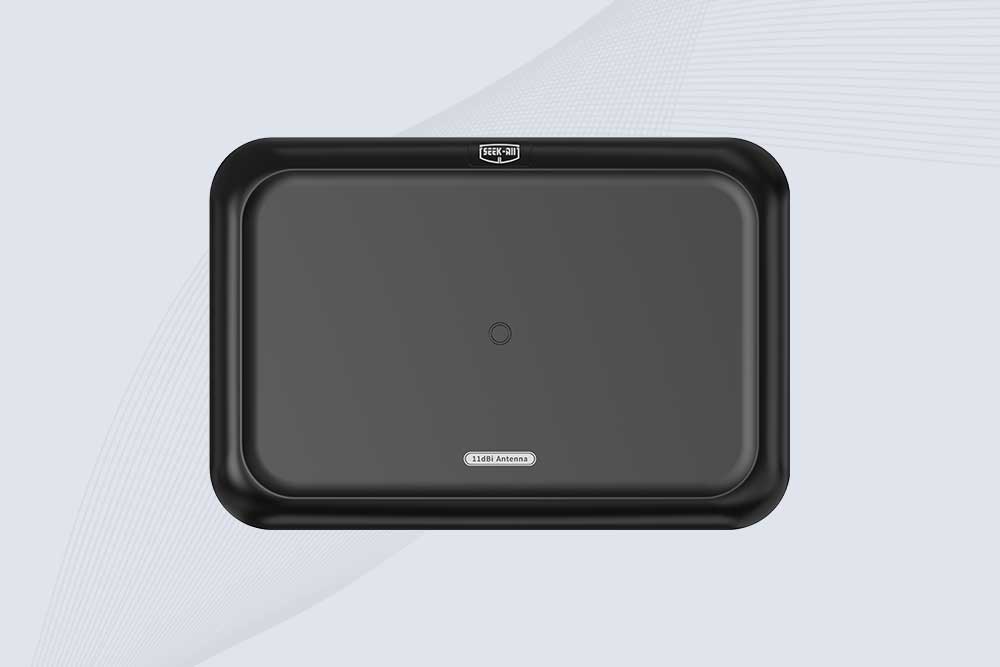
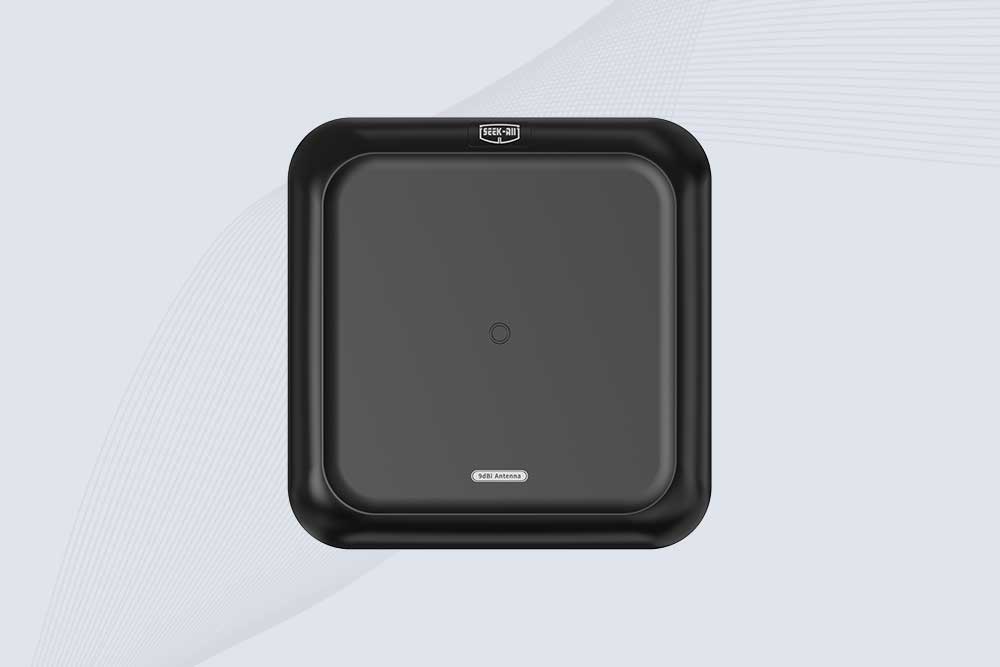
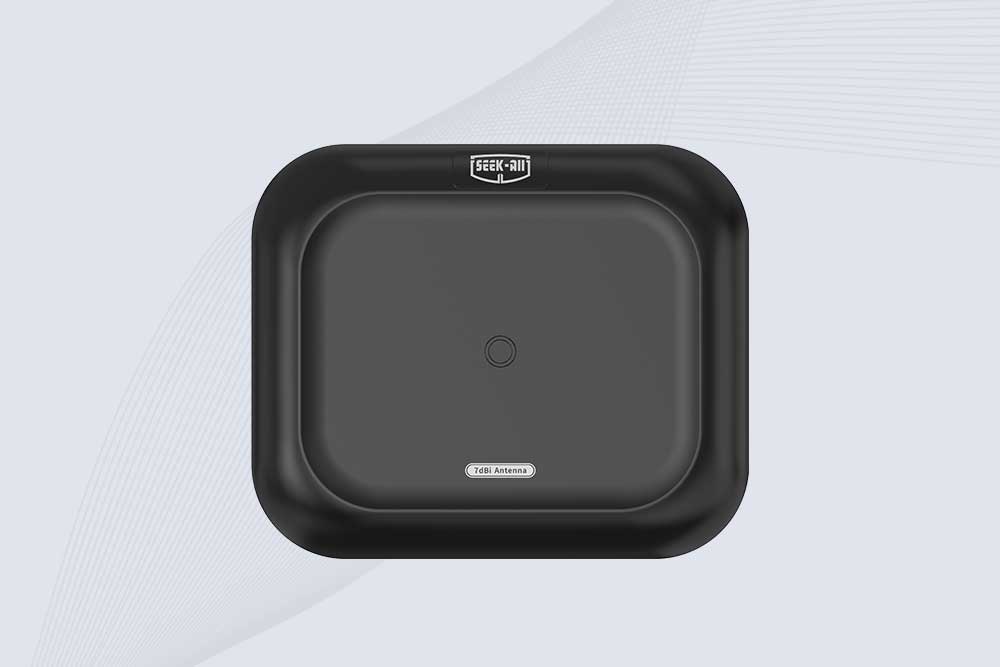
Explore the SSD-A07 UHF RFID antenna with 7 dBi gain, circular polarization, adjustable 840–960 MHz frequency, and 60°/75° beamwidth for stable RFID read/write performance.
SSD-A06 UHF RFID antenna with circular polarization, adjustable 840–960 MHz frequency, ≥4.5 dBi gain, and a compact directional design for RFID systems.
SSD-D3AL is a USB-HID UHF RFID reader with 0–30 cm reading, 0–15 cm writing, over 600 tags/s recognition, USB plug-and-play operation and OEM Logo customization.
SSD-D1AL is a compact USB UHF RFID reader with Impinj E710/X3M1 chipset, USB-HID, 600+ tags/s recognition, 4/8/16 antenna support and plug-and-play USB power.
SSD-R16L Multi-Channel RFID Infrastructure for Automated Inventory Management ✔️ 16-Port High-Density RFID Reading Equipped with 16 SMA antenna ports, SSD-R16L supports multi-antenna deployment for warehouses, retail stores, logistics, production lines, and large-area RFID identification. ✔️ High-Speed & Long-Range Performance With up to 33…
SSD-R8L 8-port UHF RFID reader with 33dBm output, up to 20m reading range and 600+ tags/s recognition. Ideal for warehouse, logistics, retail and asset tracking.
CYKEO CYKEO-D1LA USB RFID Reader is a compact desktop solution with near-field control for precise tag reading and encoding. Powered by USB, supporting ISO 18000-6C, and built for stable batch writing, this usb rfid tag reader fits retail, libraries, offices, and controlled RFID encoding tasks.
CYKEO CYKEO-D1L RFID scanner USB is a compact desktop UHF RFID scanner designed for short-range tag writing and verification. This usb rfid scanner supports batch encoding, stable 0–26 dBm output, and works across Windows, Linux, and Android systems.
CYKEO CYKEO-D1C USB RFID Card Reader is a near-field UHF desktop writer designed for secure, short-range tag encoding. With USB-C connectivity and stable 26 dBm output, this rfid reader usb c is ideal for badge issuance, label encoding, and controlled desktop RFID workflows.
CYKEO CYKEO-D2L RFID Reader USB is a compact desktop encoder built on the Impinj R500 chip. With near-field control and stable USB power, this usb rfid card reader delivers precise tag writing for offices, retail counters, and small-scale logistics encoding tasks.
CYKEO CYKEO-D3L USB RFID Tag Reader delivers stable UHF tag reading and writing for daily desktop and light industrial tasks. Designed for controlled short-range operation, this USB RFID Tag Reader works reliably with rfid tag and reader systems in libraries, tool tracking, and inventory registration.
The CYKEO CYKEO-D4L UHF RFID Tag Reader is a stable Desktop RFID Reader designed for accurate tag registration, borrowing, and return workflows. Built with the Impinj R2000 chip, this UHF RFID Tag Reader delivers controlled short-range reads for libraries, asset tracking, and inventory management environments.
The CYKEO CYKEO-D5L Desktop RFID Card Reader is a stable UHF RFID Card Reader designed for controlled short-range reading and writing. Built for libraries, tool rooms, and asset desks, this UHF RFID Card Reader supports dense tag handling, secure data processing, and easy USB integration.
The CYKEO CYKEO-D6L RFID Reader Writer is a heavy-duty Desktop RFID Reader designed for short-range, high-accuracy tag programming. Built for libraries, labs, and asset desks, this RFID Reader Writer supports batch processing, stable 33dBm output, and seamless integration with existing management systems.
Cykeo CYKEO-D8A embedded RFID badge reader offers 30+ tags/sec scanning, 20cm anti-crosstalk precision, and DC 12V power for unmanned stores, warehouses, and smart inventory systems.
Cykeo’s CYKEO-D8C UHF RFID gate reader achieves 200-tag/batch scanning with adjustable power control, ideal for retail inventory and smart warehouse management.
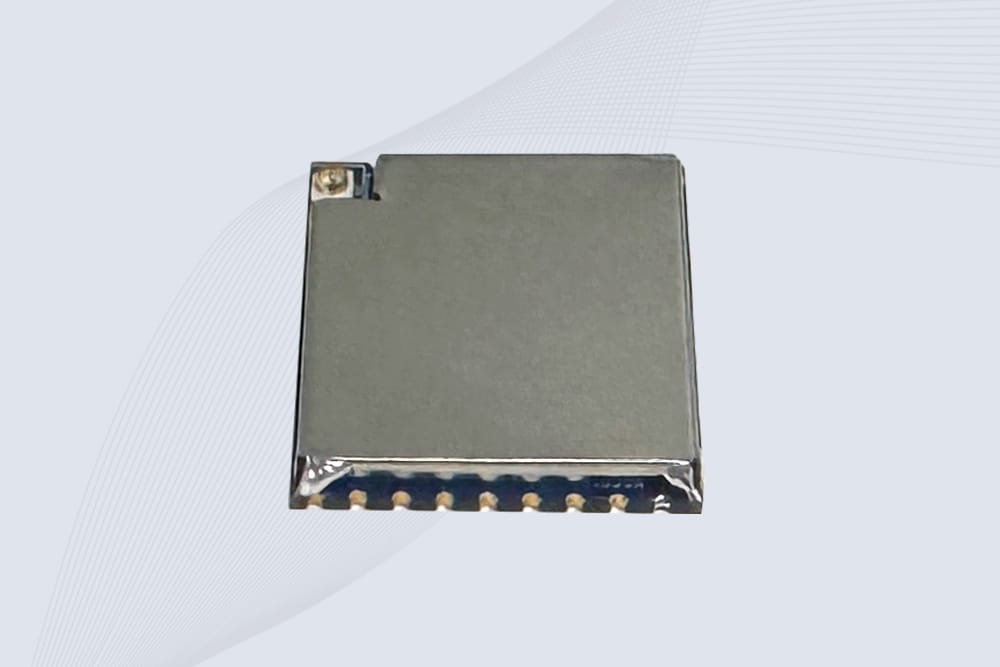
CYKEO Embedded RFID Modules are designed for compact industrial and IoT devices that require stable UHF performance. These UHF RFID Modules support global protocols, flexible power control, and reliable multi-tag reading for smart cabinets, production lines, and asset tracking systems.
CYKEO Embedded RFID Module is built for compact IoT and industrial devices that need stable UHF performance. This UHF module supports global protocols, low power operation, and reliable multi-tag reading for smart lockers, production lines, and always-on RFID systems.
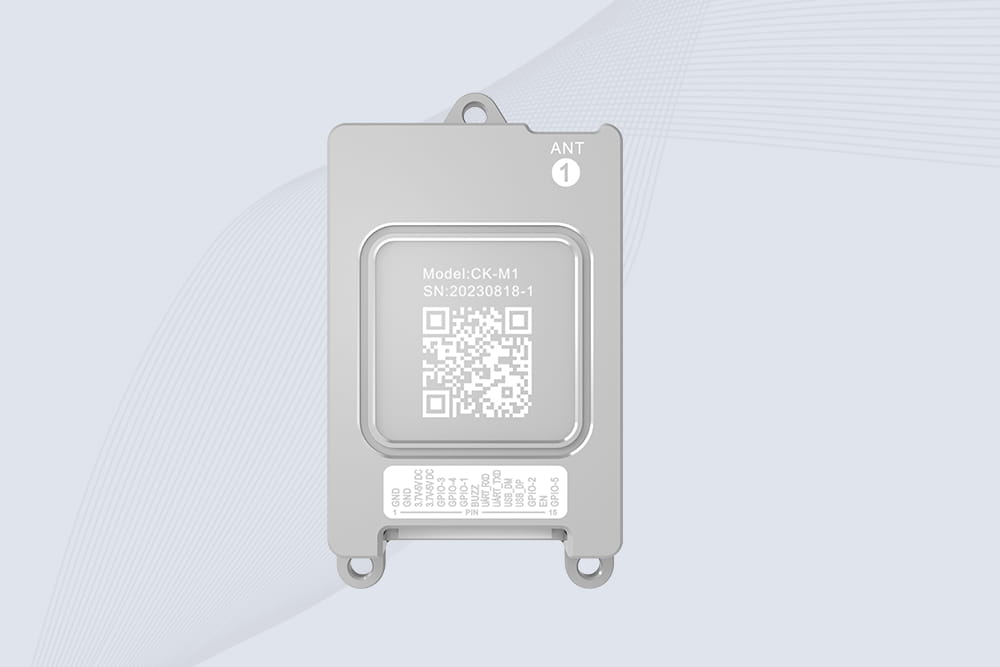
CYKEO CYKEO-M1 drone rfid module is a compact UHF RFID reader module designed for drones and UAV platforms. It supports long-range aerial scanning, fast multi-tag reading, and stable performance in wind, vibration, and outdoor environments.
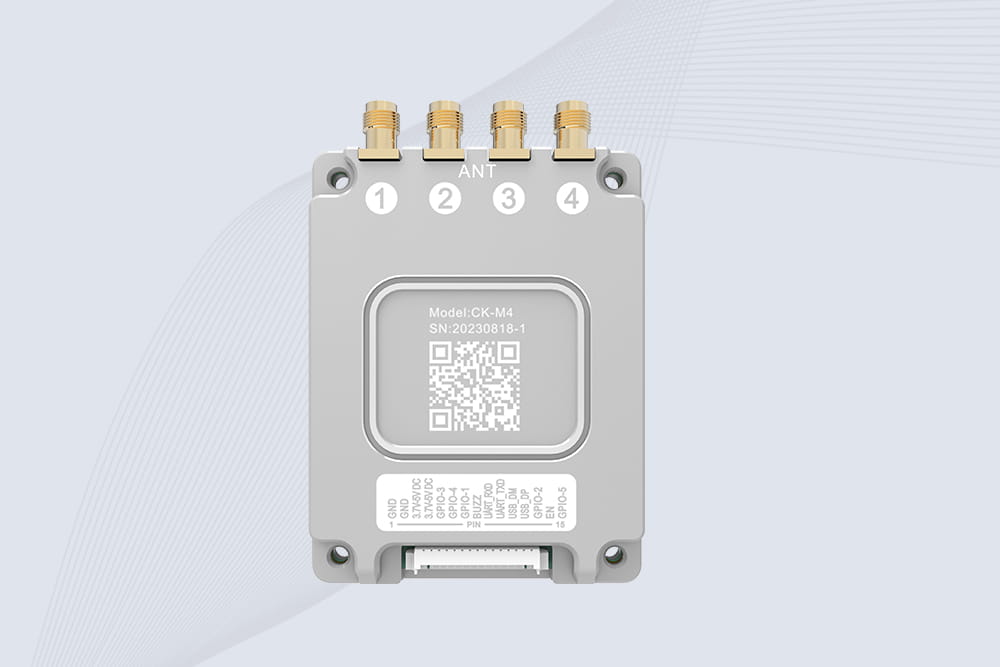
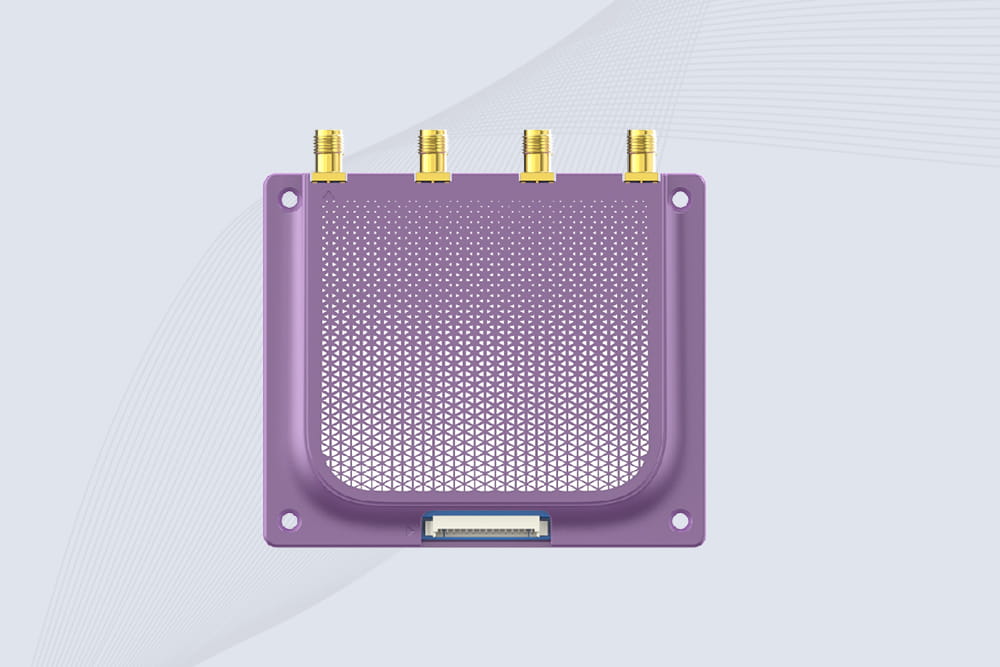
CYKEO CYKEO-M4 RC522 RFID Module is an industrial-grade UHF RFID reader with 4 ports, supporting ISO, EPC, and GB protocols. High-speed, accurate reading for IoT, automation, and warehouse applications.
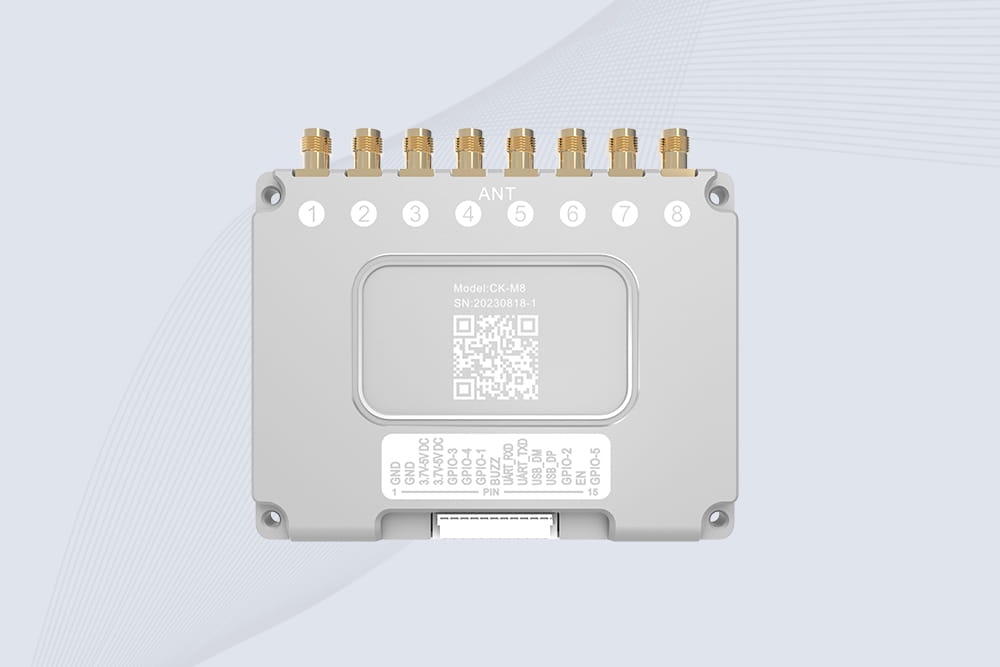
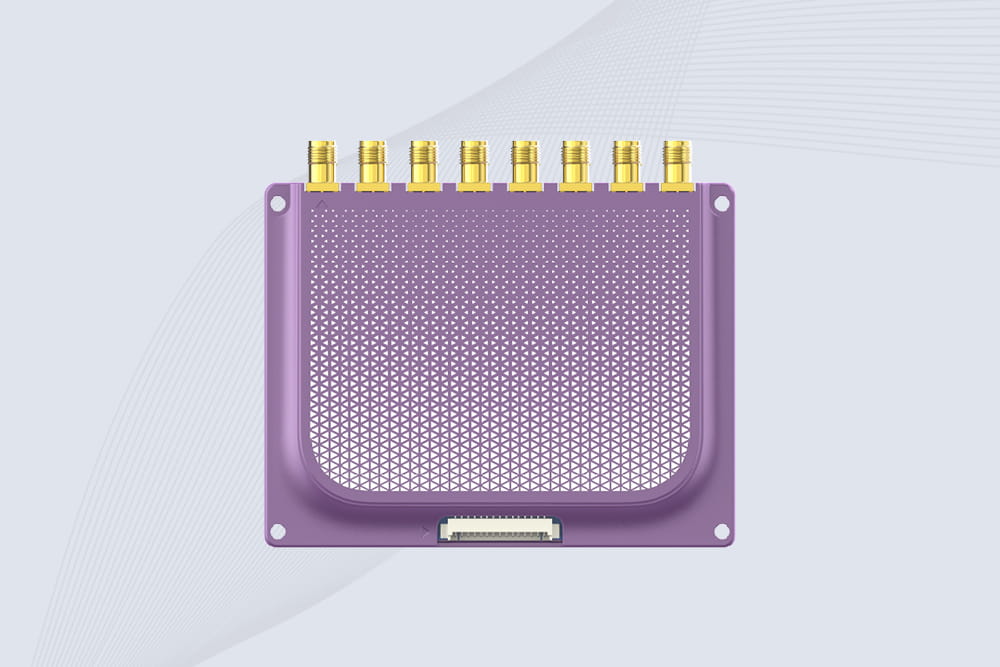
CYKEO CYKEO-M8 Module RFID is an 8-port UHF R2000 RFID Module designed for high-density, multi-tag environments. Stable 33dBm output, ISO & GB protocol support, ideal for warehouses, factories, and automated systems.
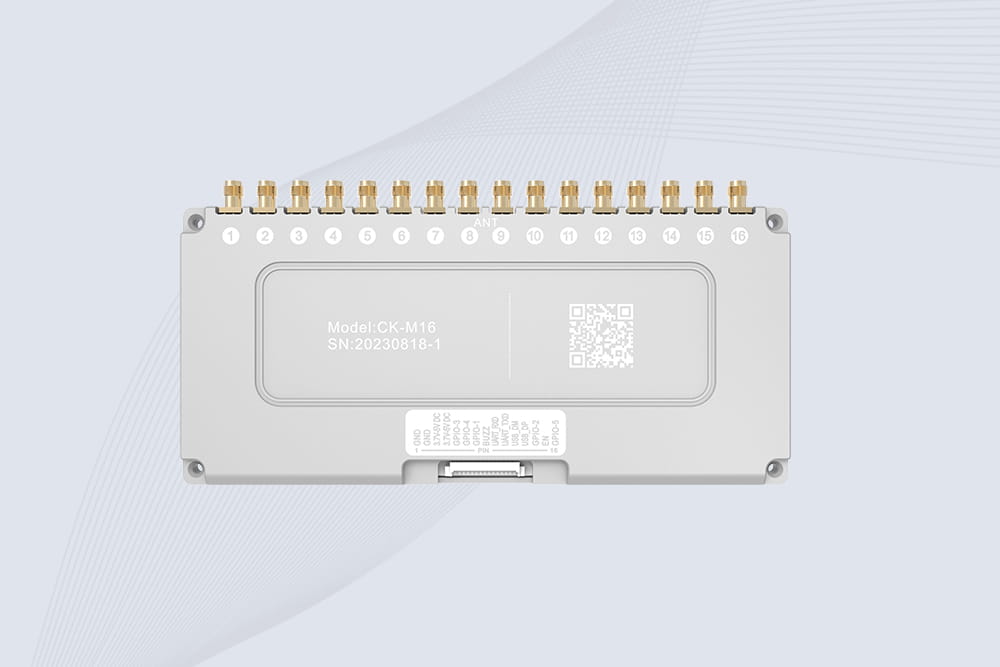
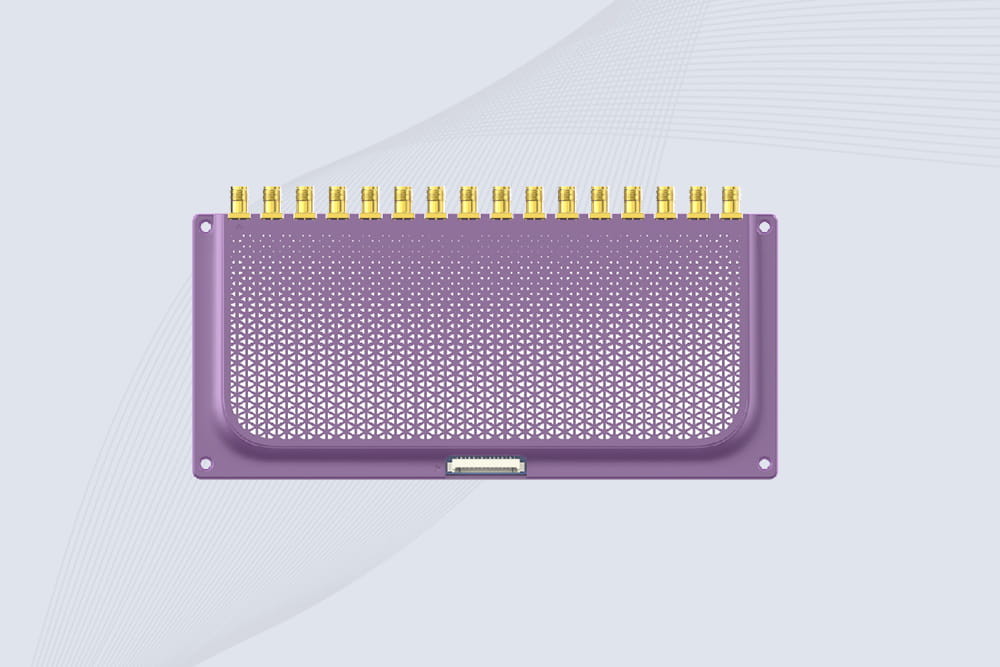
CYKEO CYKEO-M16 RFID Module is a 16-port UHF RFID reader module based on the R2000 chipset. Designed for dense tag environments, it supports ISO and GB standards and delivers stable multi-antenna control for industrial automation.
The CYKEO CYKEO-M16L RFID Reader Module is a 16-channel UHF RFID core designed for dense tag environments. With adjustable 33dBm output, multi-protocol support, and stable multi-antenna control, this RFID Tag Reader Module fits industrial automation, warehouse systems, and large-scale IoT deployments.
CYKEO CYKEO-M8L module RFID is a compact industrial UHF module built for dense tag and multi-antenna environments. With 8 RF ports, adjustable 33 dBm output, and ISO & GB protocol support, it is widely used in factories, warehouses, and automated tracking systems.
CYKEOCYKEO-M4L UHF RFID Module is a compact 4-channel RFID tag reader module designed for dense tag environments. Supporting ISO and GB protocols, it delivers stable reads up to 10 meters for industrial and IoT systems.
Cykeo CYKEO-A11 UHF RFID reader antenna delivers 11dBi gain, 840-960MHz frequency range, and IP65 ruggedness for retail, logistics, and industrial RFID systems. Features low VSWR and easy installation.
CYKEO Antenna RFID Reader delivers stable long-range UHF performance with a 10.5dBi directional design, built for warehouses, conveyor portals, and industrial RFID systems. This rfid reader antenna provides 20m+ read distance and rugged IP67 protection.
Cykeo CYKEO-A5B industrial Linear RFID Antenna delivers 5dBi gain, ≤1.5:1 VSWR, and IP65 rugged design for warehouse, production line, and logistics UHF systems.
Cykeo’s CYKEO-B12 Long Range RFID Antenna delivers 15m+ read range with 12dBi gain, IP65 rugged design, and global 840-960MHz UHF support. Ideal for warehouse/logistics asset tracking.
Cykeo CYKEO-B10 Long Distance RFID Antenna offers 10dBi gain, 840-960MHz frequency range, IP65 rating, and 20m+ coverage for logistics/warehousing/ETC systems. Low VSWR ensures stable signal transmission.
Cykeo CYKEO-A6 UHF RFID panel antenna features 6dBi gain, 840-960MHz broadband, IP65 metal-ready housing for logistics/smart retail. 18mm ultra-thin design with tool-free mounting.
Cykeo CK-A3 industrial antenna RFID UHF offers 5m+ tag detection, ≤1.3:1 VSWR, IP65 rugged design, and global UHF spectrum compatibility (840-960MHz) for warehouses, factories, and retail.
Cykeo CYKEO-B5 directional RFID antenna provides 5dBi gain with 60° narrow beamwidth for precise inventory tracking. IP65-rated, global UHF frequency support, and low VSWR.
Create your own high-performance DIY RFID antenna! 5dBi gain, 840-960MHz tunable, step-by-step guides. Compatible with Arduino, Raspberry Pi, and commercial UHF readers.
Cykeo CYKEO-A7 Flexible RFID Antenna features 840-960MHz wideband tuning, 7dBi gain, and IP68 rating for medical/retail/industrial curved surface deployments. 98% read accuracy with peel-and-stick installation.
Cykeo CYKEO-B5A industrial Passive RFID Antenna delivers 5dBi gain, 70° beamwidth, and -40°C~55°C operation for warehouses/smart cabinets. Compatible with Zebra/Impinj readers.
Cykeo’s CYKEO-A9B High Gain RFID Antenna delivers 15m+ read range with 9dBi amplification. Features IP54 rugged design, 840-960MHz bandwidth, and 80° beamwidth for warehouse/manufacturing RFID systems.
Cykeo’s enterprise-grade 8dbi Impinj RFID Antenna 10m+ read range with 840-960MHz tuning. Features IP65 housing, 1.4 VSWR, 35° beamwidth for retail/warehouse RFID systems.
Cykeo CYKEO-A9 industrial UHF RFID antenna delivers 9dBi gain, 840-960MHz frequency range, and IP65 protection for warehouse/logistics/retail RFID systems. Features N-type connector and ≤1.3:1 VSWR.
CYKEO UHF RFID Antenna built for long-distance and industrial applications. This antenna rfid uhf delivers strong gain, outdoor durability, and reliable tag performance in warehouses, yards, and vehicle ID systems.
CYKEO Antenna RFID delivers reliable long-range UHF performance in warehouses, retail shelves, and cold-chain environments. This compact uhf rfid antenna provides stable reads with circular polarization and ultra-wide 840–960 MHz support, ideal for industrial tracking, smart shelves, and asset monitoring.
Cykeo’s CYKEO-C8 UHF RFID antennas delivers 8dBi gain, 840-960MHz full-band coverage, and IP65 ruggedness for manufacturing/warehouse RFID systems. Industrial RFID Antennas Features
Cykeo’s 8dBi UHF RFID antenna and reader kit delivers 10m+ range, 840-960MHz broadband, and IP65 ruggedness for factories, warehouses, and logistics. ISO 18000-6C & EPC Gen2 certified.
Learn what an RFID reader module is, how it works, and why OEMs and system integrators use it to build RFID devices. A practical guide covering integration, interfaces, and real-world applications.
RFID (Radio Frequency Identification) readers, as a core component of RFID technology, play a crucial role in the development and management of smart cities. RFID technology enables automated identification, tracking, and management of assets thro...
how IoT and RFID are transforming parking management. Find available parking spots in real-time, reserve spaces via mobile app, and reduce traffic congestion with smart parking systems.
Need a clear answer? Learn what an RFID reader is, how it works in real life, and why businesses use it for tracking and access control. Simple explanations from CYKEO.
 Cykeo RFID IoT Solution Products R&D Manufacturer