 Cykeo RFID IoT Solution Products R&D Manufacturer
RFID Antennas
Cykeo supplies RFID antennas covering 3 dBi, 6 dBi, 9 dBi and 12 dBi gain options, designed for use with Fixed RFID Readers or RFID Modules.
The antenna range includes HF and UHF RFID antennas, suitable for access control, asset identification, smart cabinets, RFID gates and other system-level applications.
All Cykeo RFID antennas are developed as part of a complete hardware solution. When paired with Cykeo fixed readers or embedded RFID modules, they support stable tag reading and predictable coverage. SDKs, APIs and demo software are available for system integration, allowing customers to focus on software logic rather than low-level RF handling.
RFID Reader Antennas
What Is an RFID Antenna?
An RFID antenna is the component responsible for transmitting and receiving radio frequency signals between an RFID reader and RFID tags.
Unlike the reader, which processes data and communication protocols, the antenna directly determines reading distance, coverage area and reading stability.
Read More
In real installations, antenna performance is affected by multiple factors, including antenna gain, polarization, mounting height, surrounding materials and tag orientation. A higher dBi antenna does not automatically mean “better”; it usually means a narrower radiation pattern and longer reading distance in a specific direction.
Because of this, RFID antennas are typically selected and tuned together with the reader and the application environment.
HF RFID Antennas and UHF RFID Antennas:
Cykeo provides both HF (13.56 MHz) and UHF (860–960 MHz) RFID antennas.
HF antennas are commonly used for short-range identification, such as smart cabinets, document management and item-level control. They offer stable performance at close distance and are less sensitive to tag orientation.
UHF antennas are designed for longer reading distances and multi-tag identification. They are widely used in logistics, vehicle identification, access control and RFID gate systems. Antenna gain from 3 dBi to 12 dBi allows system designers to balance coverage width and reading range.
Integration with Fixed RFID Readers and Modules
RFID antennas cannot operate independently. They must be connected to a Fixed RFID Reader or an RFID Module to read RFID tags.
Cykeo fixed readers and modules are supplied with SDK, API and demo software, supporting rapid integration into existing software platforms. This approach is commonly used by software developers, system integrators and project solution providers who build complete RFID systems such as smart lockers, access gates or automated tracking solutions.
For customers with in-house mechanical or electrical assembly capability, antennas and modules can be integrated directly into custom enclosures or equipment.
Common Application Areas:
1.Smart Cabinets and Smart Storage
RFID antennas are installed inside cabinets or storage units to detect tagged items automatically. HF or low-gain UHF antennas are often selected to control reading zones and avoid cross-reading.
2.RFID Gates and Doorways
UHF antennas with medium or high gain are used in RFID gates to detect tags passing through entry and exit points. Antenna placement and angle are adjusted to ensure consistent detection.
3.Access Control and Identification
RFID antennas support card or tag reading in access systems. Combined with fixed readers, they allow identification without direct contact or manual scanning.
4.Logistics and Warehouse Systems
In warehouses, RFID antennas are mounted at checkpoints to identify pallets or containers. Proper antenna selection helps reduce missed reads and false triggers.
5.Asset Tracking
Factories and hospitals use RFID antennas to monitor equipment movement. The antenna layout is usually designed together with the reader power setting and software filtering logic.
6.Custom RFID Equipment
System integrators and OEM customers often embed RFID antennas into custom-built machines, kiosks or industrial equipment, using Cykeo modules and readers as the RF core.
About Cykeo
Cykeo is an RFID hardware manufacturer focused on RFID readers, modules and antennas.
Our products are designed for developers, system integrators, solution providers and enterprise customers who build their own RFID-based systems.
Rather than offering closed systems, Cykeo provides flexible hardware combined with open SDKs and APIs, allowing customers to develop and deploy RFID solutions that match their specific application needs.

SSD-A06 6dBi Ultra-Thin RFID Panel Antenna
SSD-A06 UHF RFID antenna with circular polarization, adjustable 840–960 MHz frequency, ≥4.5 dBi gain, and a compact directional design for RFID systems.
More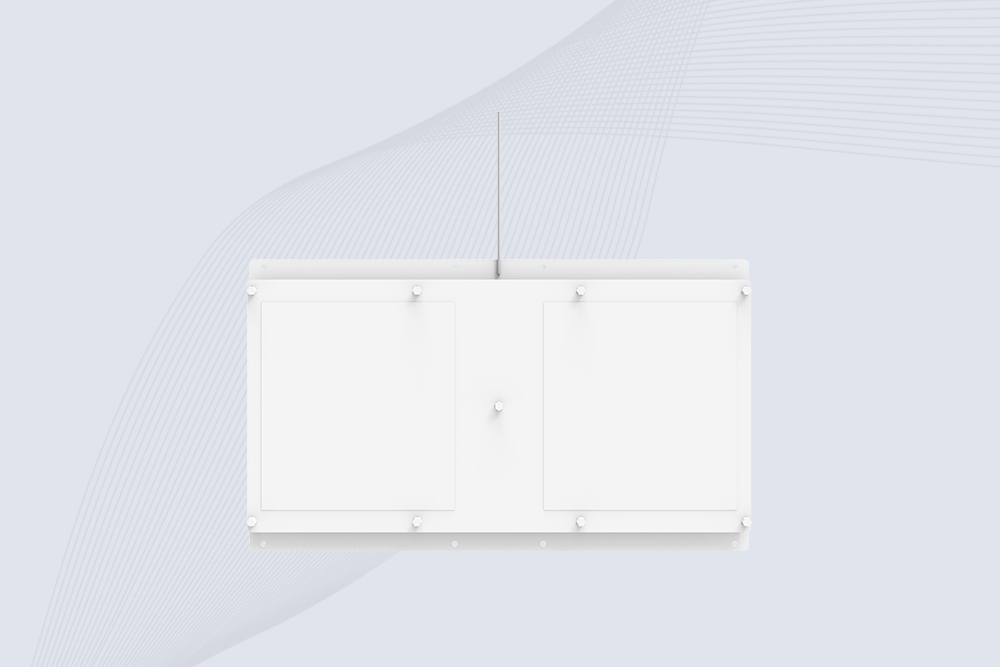
CYKEO-A11 11dBi UHF RFID Reader Antenna
Cykeo CYKEO-A11 UHF RFID reader antenna delivers 11dBi gain, 840-960MHz frequency range, and IP65 ruggedness for retail, logistics, and industrial RFID systems. Features low VSWR and easy installation.
More
CYKEO-A10 Antenna RFID Reader
CYKEO Antenna RFID Reader delivers stable long-range UHF performance with a 10.5dBi directional design, built for warehouses, conveyor portals, and industrial RFID systems. This rfid reader antenna provides 20m+ read distance and rugged IP67 protection.
More
CYKEO-PHF3 Smart HF RFID Antenna
Cykeo CYKEO-PHF3 industrial HF RFID Antenna offers 24-point dynamic tracking, ISO 14443A/15693 protocols, metal-environment stability for archives/libraries/manufacturing.
More
CYKEO-A5B 5dBi Industrial Linear RFID Antenna
Cykeo CYKEO-A5B industrial Linear RFID Antenna delivers 5dBi gain, ≤1.5:1 VSWR, and IP65 rugged design for warehouse, production line, and logistics UHF systems.
More
CYKEO-B12 12dBi Long Range RFID Antenna
Cykeo's CYKEO-B12 Long Range RFID Antenna delivers 15m+ read range with 12dBi gain, IP65 rugged design, and global 840-960MHz UHF support. Ideal for warehouse/logistics asset tracking.
More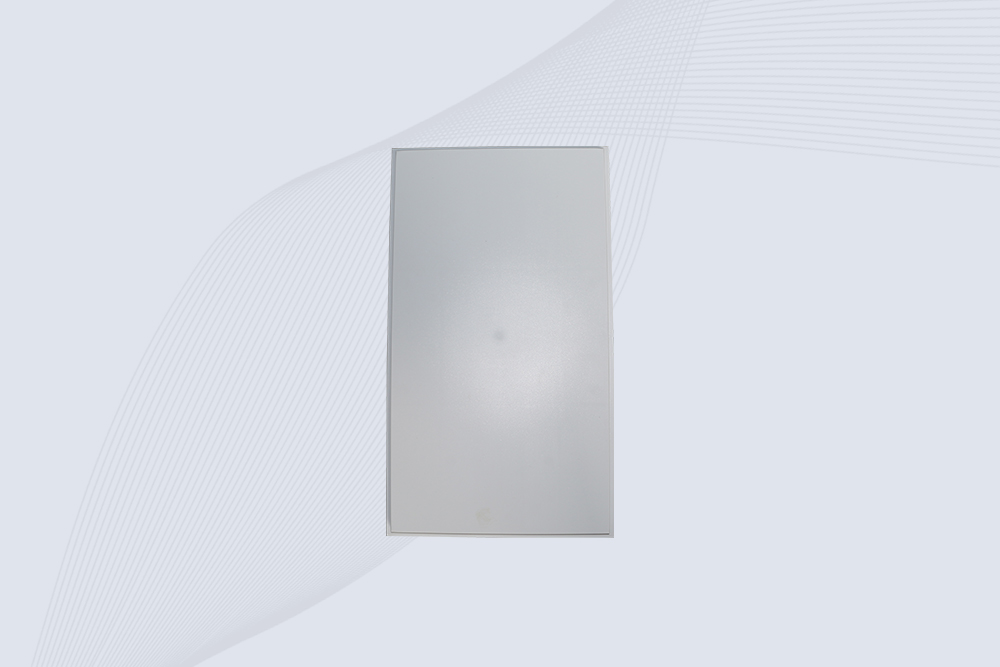
CYKEO-B10 10dBi UHF RFIDHIGH-GAIN ANTENNA
Cykeo CYKEO-B10 Long Distance RFID Antenna offers 10dBi gain, 840-960MHz frequency range, IP65 rating, and 20m+ coverage for logistics/warehousing/ETC systems. Low VSWR ensures stable signal transmission.
More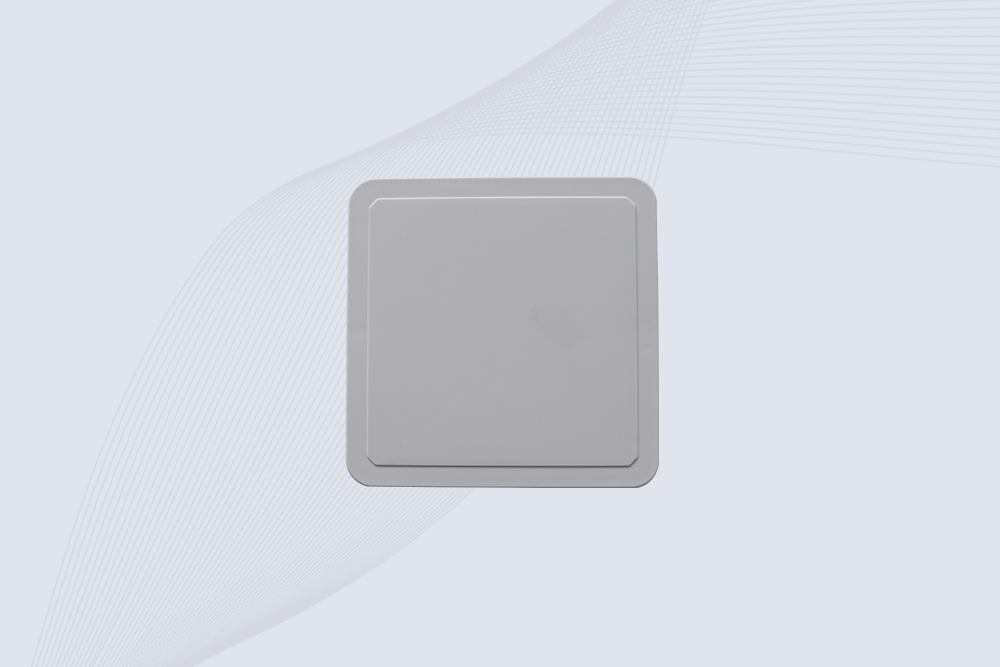
CYKEO-A6 6dBi Ultra-Thin RFID Panel Antenna
Cykeo CYKEO-A6 UHF RFID panel antenna features 6dBi gain, 840-960MHz broadband, IP65 metal-ready housing for logistics/smart retail. 18mm ultra-thin design with tool-free mounting.
More
CYKEO-A3 UHF RFID 3DBi ANTENNA
Cykeo CK-A3 industrial antenna RFID UHF offers 5m+ tag detection, ≤1.3:1 VSWR, IP65 rugged design, and global UHF spectrum compatibility (840-960MHz) for warehouses, factories, and retail.
More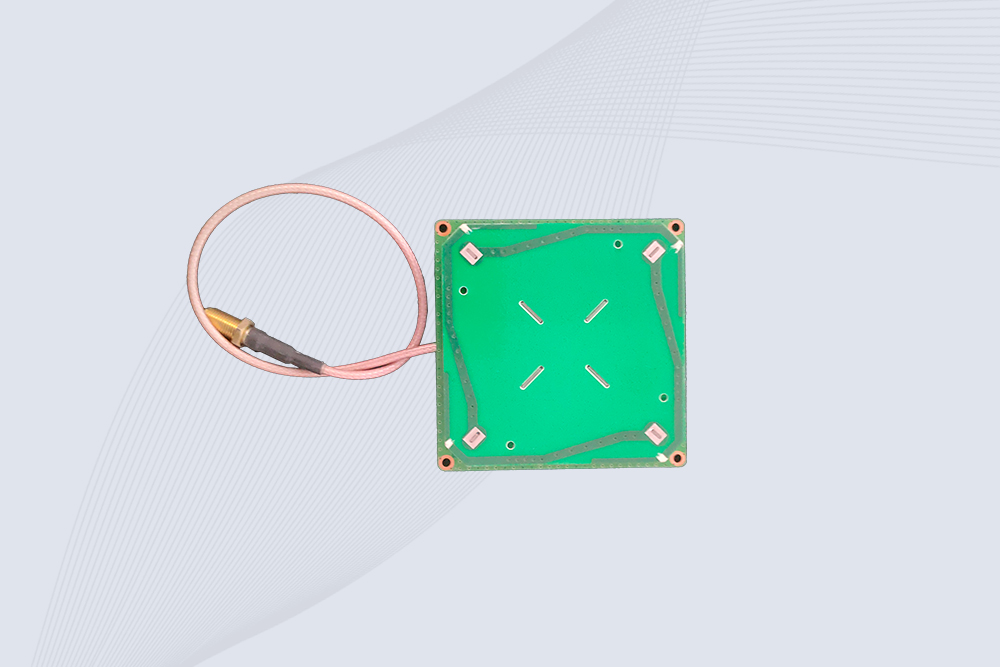
CYKEO-B5 5dBi UHF Directional RFID Antenna
Cykeo CYKEO-B5 directional RFID antenna provides 5dBi gain with 60° narrow beamwidth for precise inventory tracking. IP65-rated, global UHF frequency support, and low VSWR.
More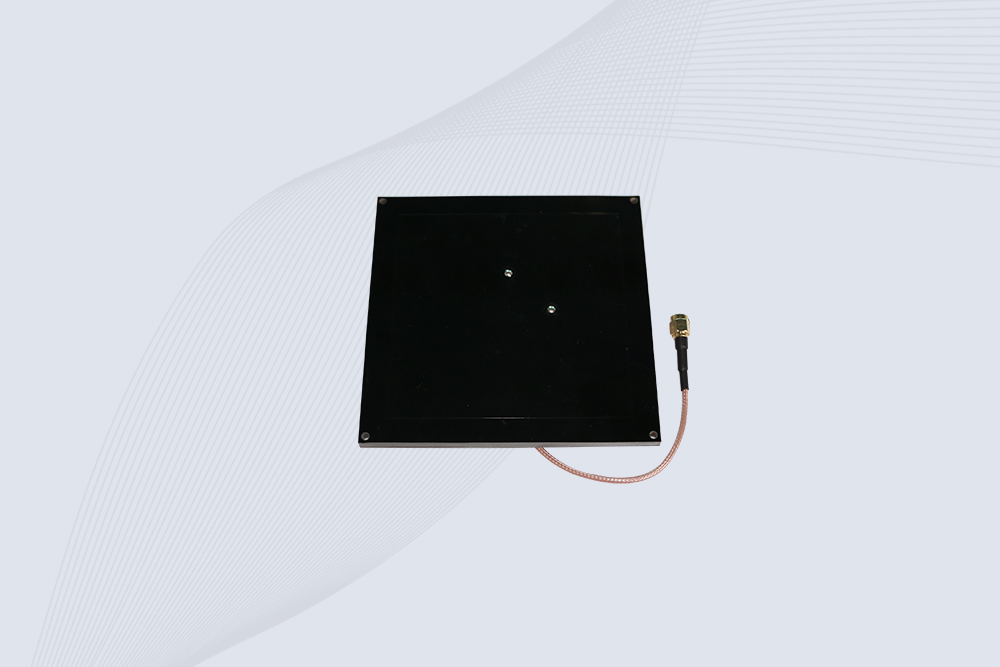
CYKEO-A5C High-Gain UHF RFID Antenna System
Create your own high-performance DIY RFID antenna! 5dBi gain, 840-960MHz tunable, step-by-step guides. Compatible with Arduino, Raspberry Pi, and commercial UHF readers.
More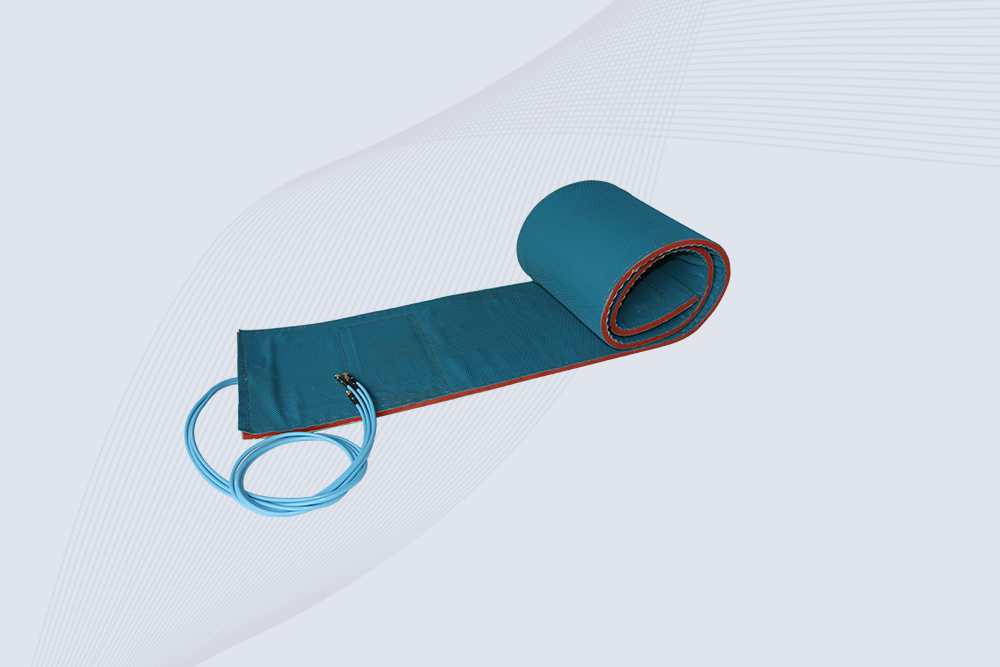
CYKEO-A7 UHF RFID CARPET ANTENNA
Cykeo CYKEO-A7 Flexible RFID Antenna features 840-960MHz wideband tuning, 7dBi gain, and IP68 rating for medical/retail/industrial curved surface deployments. 98% read accuracy with peel-and-stick installation.
More
CYKEO-B5A 5dBi Industrial Passive RFID Antenna
Cykeo CYKEO-B5A industrial Passive RFID Antenna delivers 5dBi gain, 70° beamwidth, and -40°C~55°C operation for warehouses/smart cabinets. Compatible with Zebra/Impinj readers.
More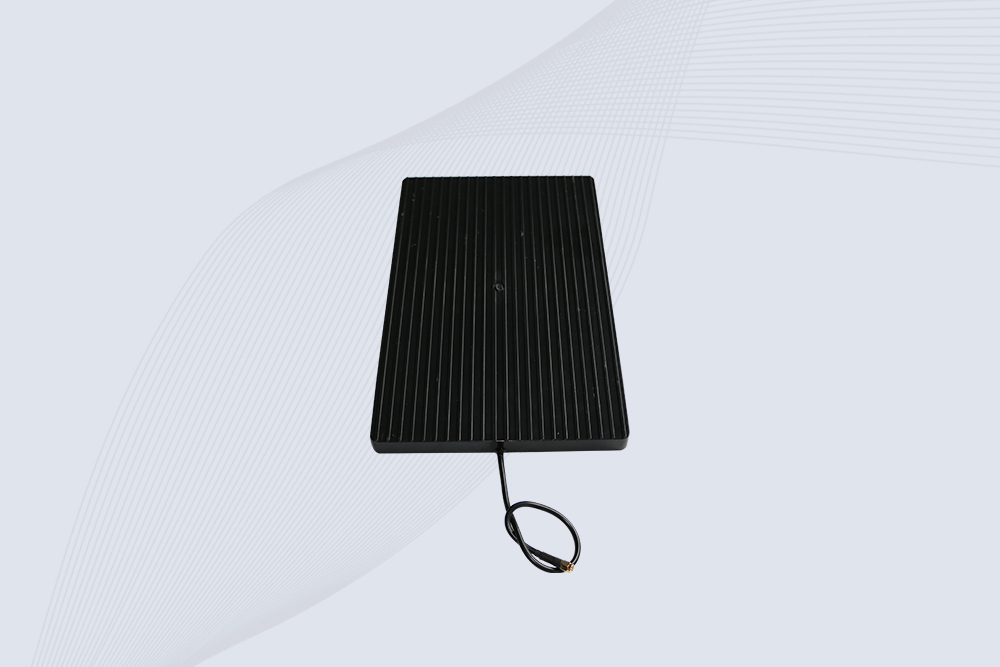
CYKEO-A9B 9dBi High Gain RFID Antenna
Cykeo's CYKEO-A9B High Gain RFID Antenna delivers 15m+ read range with 9dBi amplification. Features IP54 rugged design, 840-960MHz bandwidth, and 80° beamwidth for warehouse/manufacturing RFID systems.
More
CYKEO-A8A INDUSTRIAL UHF RFID ANTENNA
Cykeo's enterprise-grade 8dbi Impinj RFID Antenna 10m+ read range with 840-960MHz tuning. Features IP65 housing, 1.4 VSWR, 35° beamwidth for retail/warehouse RFID systems.
More
CYKEO-A9 HIGH-GAIN 9dBi UHF RFID Antenna
Cykeo CYKEO-A9 industrial UHF RFID antenna delivers 9dBi gain, 840-960MHz frequency range, and IP65 protection for warehouse/logistics/retail RFID systems. Features N-type connector and ≤1.3:1 VSWR.
More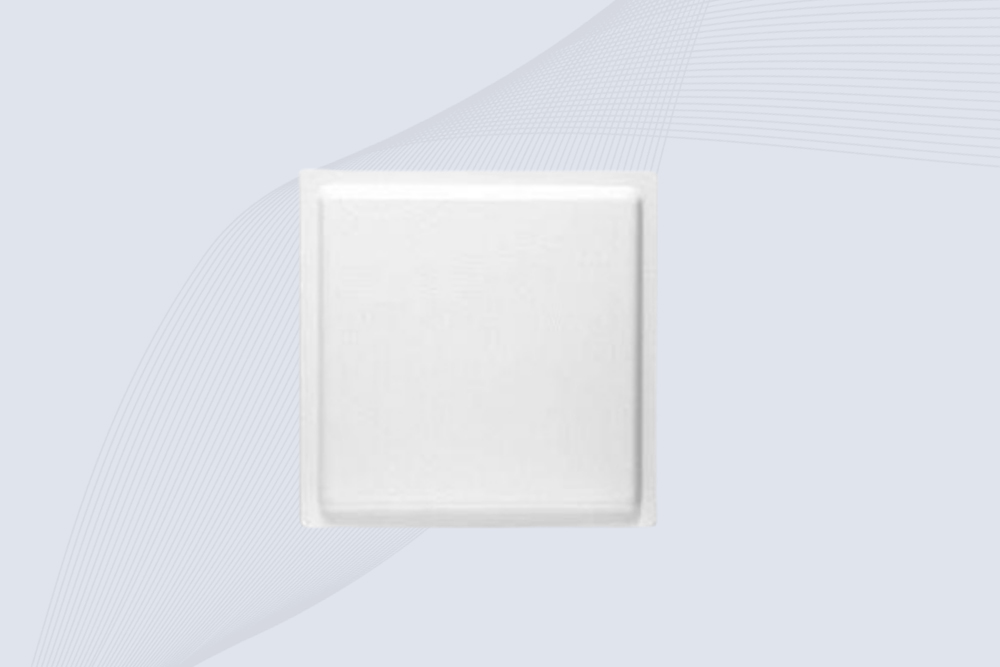
CYKEO-A12 12dBi RFID Circular Polarized Antenna
CYKEO UHF RFID Antenna built for long-distance and industrial applications. This antenna rfid uhf delivers strong gain, outdoor durability, and reliable tag performance in warehouses, yards, and vehicle ID systems.
More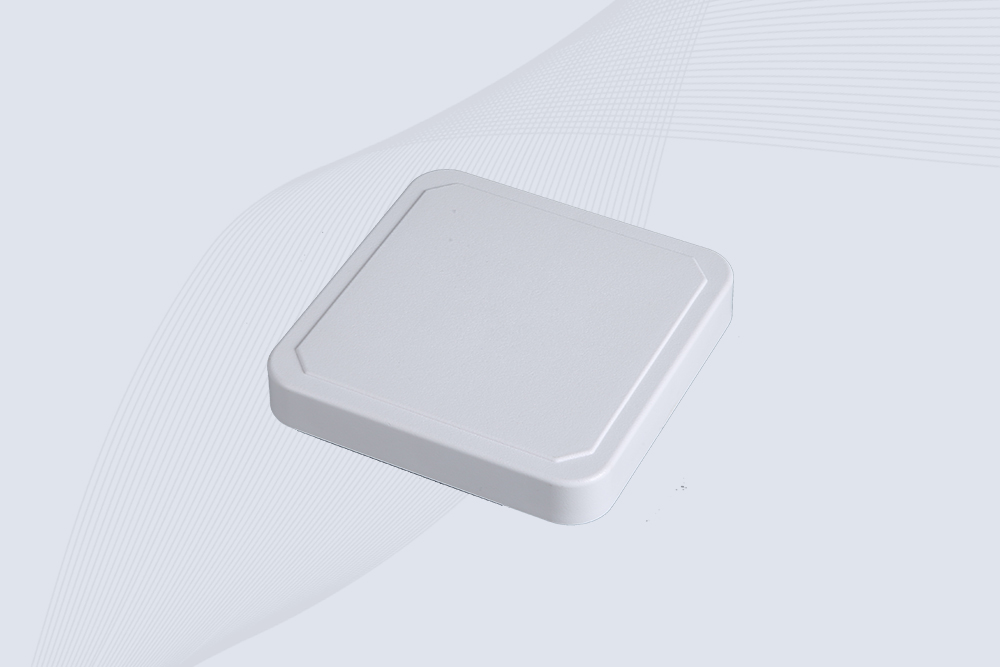
CYKEO-A5 5dBi UHF RFID Circular Polarized Antenna
CYKEO Antenna RFID delivers reliable long-range UHF performance in warehouses, retail shelves, and cold-chain environments. This compact uhf rfid antenna provides stable reads with circular polarization and ultra-wide 840–960 MHz support, ideal for industrial tracking, smart shelves, and asset monitoring.
More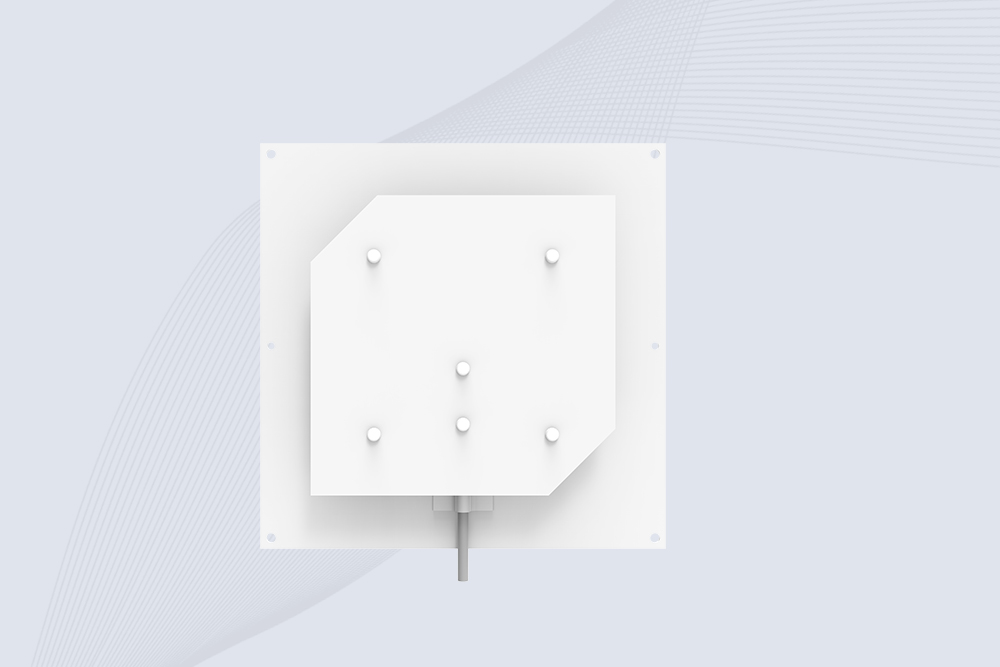
CYKEO-C8 8dBi Industrial RFID Antennas
Cykeo's CYKEO-C8 UHF RFID antennas delivers 8dBi gain, 840-960MHz full-band coverage, and IP65 ruggedness for manufacturing/warehouse RFID systems. Industrial RFID Antennas Features
More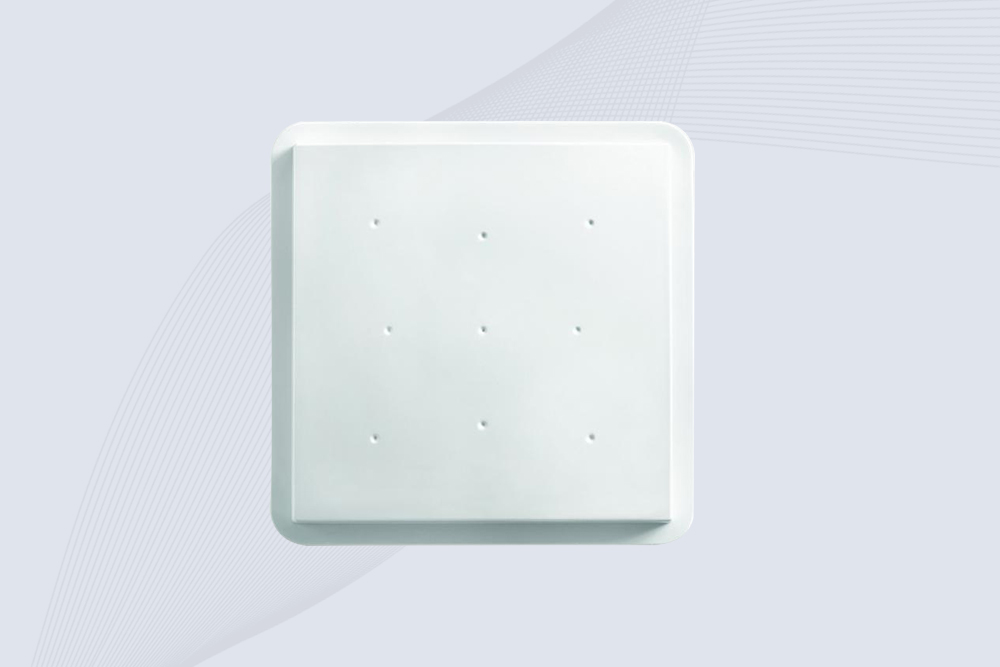
CYKEO-A8 8dBi HIGH-GAIN UHF RFID ANTENNA
Cykeo’s 8dBi UHF RFID antenna and reader kit delivers 10m+ range, 840-960MHz broadband, and IP65 ruggedness for factories, warehouses, and logistics. ISO 18000-6C & EPC Gen2 certified.
More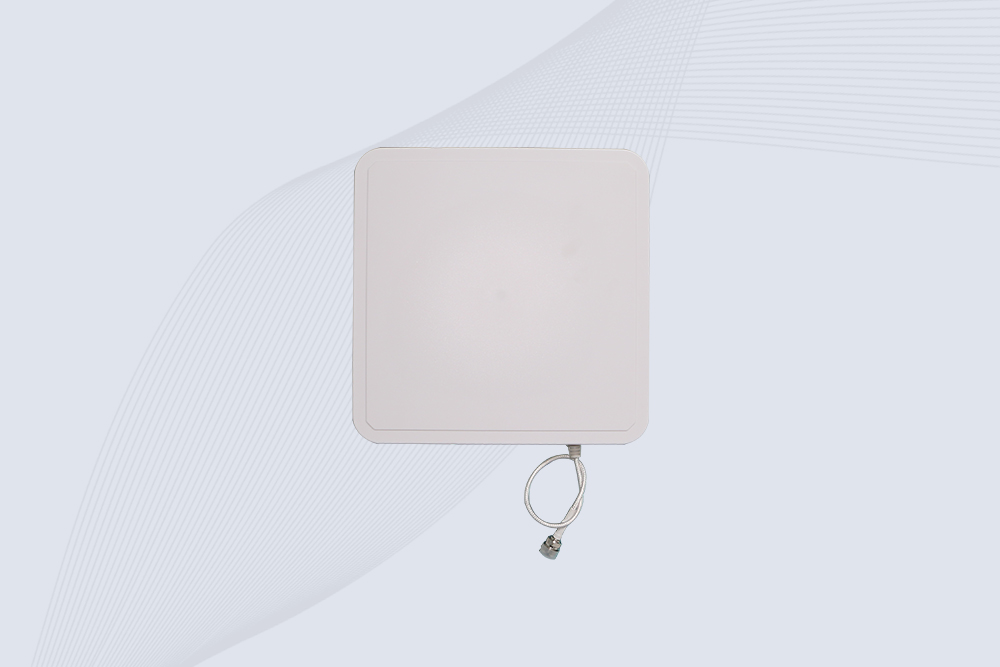
CYKEO-A9A 9dBi UHF RFID HIGH-GAIN ANTENNA
Cykeo CYKEO-A9A industrial UHF RFID reader and antenna kit delivers 10m range, 500 tags/sec, IP65 ruggedness for manufacturing/logistics. Supports EPC Gen2, ISO18000-6C.
More
CYKEO-A12C 12dBi Large RFID Antenna
Cykeo’s CYKEO-A12C UHF Large RFID Antenna delivers 12dBi gain, 840-960MHz global frequency, IP65 ruggedness for logistics/warehousing/automotive. 40° beamwidth ensures stable 15m+ tag reads.
More
CYKEO-C5 5dBi Near Field RFID Antenna
CYKEO Near Field RFID Antenna provides precise 5–30 cm reading for shelves, cabinets, and workstations. This compact rfid shelf antenna delivers stable short-range performance around metal and clutter, ideal for pharmacies, libraries, and electronics sorting.
MoreMore about RFID Antennas
Cykeo carry a wide range of antennas to fit an equally wide range of tags, readers, and systems. This includes HF antennas, UHF antennas, patch antennas, and linear or circular polarized antennas. Each antenna has different strengths, and each fits specific types of RFI systems. We’re here to help assist you in selecting the best RFID antenna for your application
Cykeo offer a very strong after-sales team and rapid technical support services, including support for SDKs, APIs, software integration, system development, mobile or desktop applications, as well as any related configuration or troubleshooting assistance, making your project very convenient from planning to implementation.
More About UHF RFID Antennas
UHF RFID antennas are used when reading distance, coverage area, and read speed matter more than close control. In many warehouse and logistics projects, the antenna—not the reader—is what really defines how the system performs. Cykeo UHF RFID antennas are designed to create stable and predictable read zones, helping systems capture tag data as pallets, cartons, or assets move through a space.
These antennas are commonly installed at dock doors, conveyor lines, storage aisles, or production checkpoints. Different gain levels and polarization options allow installers to adapt to metal structures, narrow passages, or wide open areas. With solid enclosures and flexible mounting options, Cykeo UHF RFID antennas support long-term operation in busy industrial and commercial environments where consistency matters more than peak lab performance.
At Cykeo, we offer a wide range of RFID readers to suit various applications and industries. From handheld RFID readers, USB RFID readers, Long Range RFID Reader, Portable RFID Reader, RFID Gate Reader, and fixed RFID readers to multi-functional, multi-frequency options, our carefully developed product portfolio provides RFID hardware for any type of system and project. Whether you’re upgrading your supply chain operations or enhancing workplace security, our RFID readers deliver reliability, precision, and performance to meet your business needs.
More About HF RFID Antennas
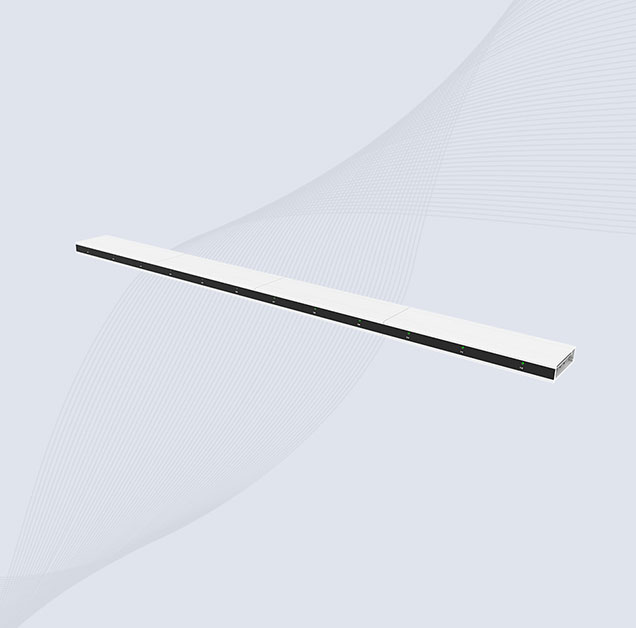
HF RFID antennas are typically chosen for applications where reading accuracy and control are more important than distance. Cykeo HF RFID antennas are used in systems where tags are intentionally presented to a specific location, such as access points, desks, counters, cabinets, or embedded equipment. Their shorter read range helps prevent unintended tag detection in crowded environments.
Because HF systems often interact with one tag at a time, antenna stability is critical. Cykeo designs its HF RFID antennas to maintain a consistent magnetic field, reducing read errors caused by misalignment or nearby electronics. Compact form factors make them easy to integrate into finished products or enclosed systems. These antennas are widely used in authentication, identification, and secure data exchange applications where reliability and precision are essential.
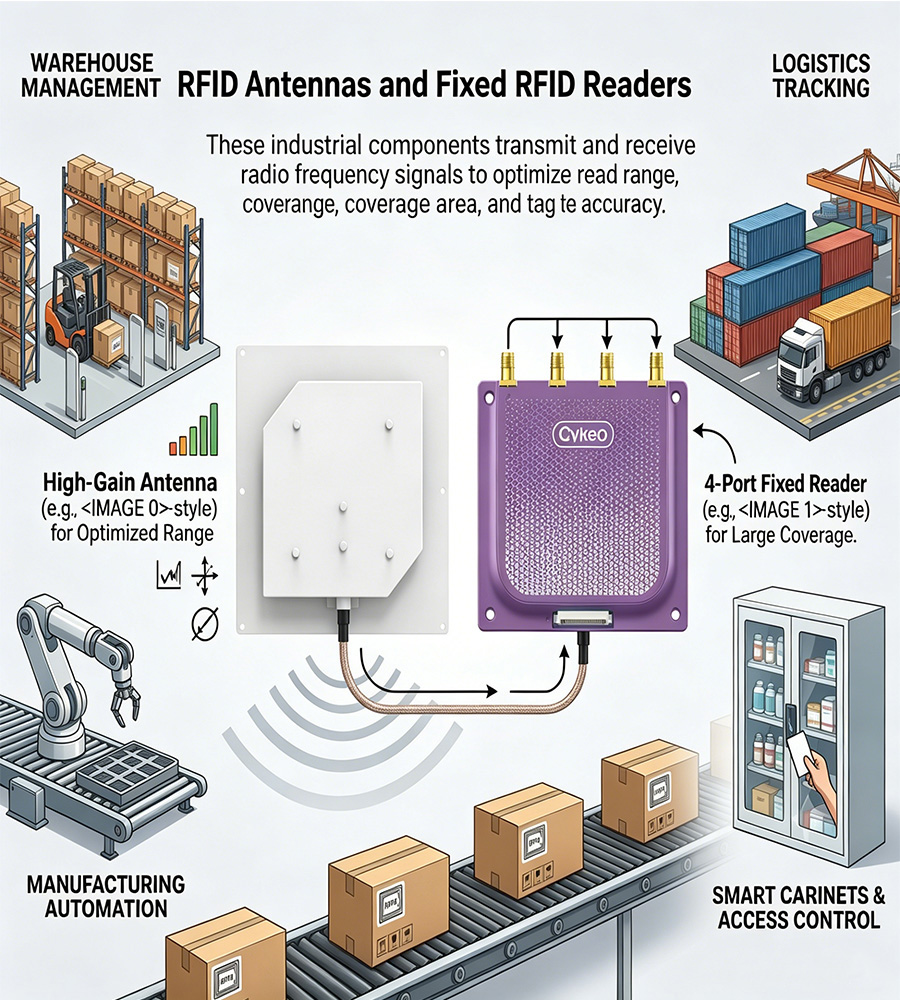
What Are RFID antennas?
RFID antennas are essential components of RFID systems that transmit and receive radio frequency signals between RFID readers and RFID tags. They create the read zone where RFID tags can be detected and identified, directly influencing reading distance, coverage area, and system performance. RFID antennas are commonly deployed in warehouses, logistics centers, manufacturing facilities, retail stores, smart cabinets, and access control systems. When paired with fixed RFID readers, they enable accurate, long-range, and high-speed data collection for asset tracking, inventory management, and process automation.
Signal transmission and reception: Sends radio frequency signals from the RFID reader and receives tag responses for reliable data communication.
Read zone creation: Defines the RFID coverage area, enabling accurate tag detection within specific operational zones.
Multiple antenna options: Available in circular polarized, linear polarized, near-field, and high-gain configurations to meet different application requirements.
Enhanced reading performance: Improves tag read accuracy, read range, and multi-tag identification in complex environments.
Industrial-grade construction: Designed for stable operation in warehouses, factories, logistics hubs, retail environments, and outdoor installations.
Flexible deployment: Supports wall-mounted, ceiling-mounted, gate-mounted, conveyor-mounted, and cabinet-integrated installations for diverse RFID projects.
Wide application compatibility: Works with fixed RFID readers, RFID portals, smart shelves, RFID cabinets, tunnel readers, and asset management systems.
Scalable coverage expansion: Allows multiple rfid panel antenna to be connected to a single RFID reader, creating larger and more precise reading zones for enterprise-level deployments.
Decision Framework
When Should You Choose a RFID Antennas?
✓ Good Fit
Choose RFID Antennas When…
- You need to extend the reading coverage of a fixed RFID reader across specific zones or workflows.
- Read performance must be optimized for warehouses, production lines, portals, shelves, or workstations.
- Different antenna gains 3dBi–12dBi are required to match various read distances and coverage areas.
- Multiple read zones need to be created using a single fixed RFID reader with several antenna ports.
- High tag read accuracy is critical in asset tracking, inventory management, or logistics operations.
- The RFID system must be tailored to different environments, including indoor, outdoor, metal-rich, or high-density tag scenarios.
✗ Poor Fit
Don't Choose RFID Antennas When…
- A standalone RFID solution is needed — RFID antennas must work with a compatible RFID reader.
- The application only requires short-range NFC or HF card reading.
- Installation locations cannot accommodate antenna mounting or cabling requirements.
- RFID tags are outside the operating frequency range supported by the antenna.
- The project requires mobile scanning rather than fixed infrastructure deployment.
- Read zone planning and antenna positioning cannot be properly implemented.
Note For Partners: Selecting the right antenna is just as important as choosing the RFID reader. Antenna gain, polarization, mounting angle, and installation environment all directly affect system performance, read range, and tag detection accuracy.
Cykeo UHF RFID Antennas vsHF RFID Antennas
| Comparison Item | UHF RFID Antennas | HF RFID Antennas |
|---|---|---|
| Frequency Range | 860–960 MHz | 13.56 MHz |
| Reading Distance | Up to 15 meters or more | Typically 1–50 cm |
| Reading Speed | High-speed multi-tag reading | Moderate reading speed |
| Anti-Collision Performance | Excellent for large tag volumes | Suitable for smaller tag quantities |
| Data Transfer Rate | Faster | Slower |
| Coverage Area | Large read zones | Small, localized read zones |
| Sensitivity to Metal/Liquid | More affected by metal and liquids | Less affected by metal and liquids |
| Typical Antenna Gain | 3dBi–12dBi | Generally not specified by dBi gain |
| Installation Environment | Warehouses, logistics centers, manufacturing facilities | Libraries, access control, ticketing, payment systems |
| Tag Cost | Generally lower | Generally higher |
| Multi-Tag Reading Capability | Excellent | Good |
| Positioning Accuracy | Suitable for zone-level tracking | Suitable for close-range identification |
| Common Applications | Inventory management, asset tracking, warehouse automation, supply chain visibility | NFC applications, smart cards, library management, access control |
| System Deployment Scale | Medium to large-scale RFID systems | Small to medium-scale RFID systems |
| Primary Advantage | Long-range, high-volume tag reading | Stable short-range identification with strong interference resistance |
| Primary Limitation | Performance can be affected by metal and liquids | Limited reading distance |
Our customers give this evaluation
Real feedback from global B2B users after deploying CYKEO RFID Antennas in logistics, manufacturing, and medical projects.

Michael Turner
RFID System Integrator (Denmark)
⭐⭐⭐⭐⭐
Product: CYKEO-A11 11dBi UHF RFID Antenna
Quantity Purchased: 120 Units
We used the CYKEO-A11 antennas for a logistics portal project covering several warehouse exits. The 11dBi gain gave us excellent read distance without having to install additional antennas. What impressed us most was CYKEO's engineering support. Their team helped us optimize antenna placement and provided API documentation for integrating the RFID reader system with our WMS platform. The first shipment arrived ahead of schedule, and all units passed deployment testing. We have since ordered two more batches.

Ahmed Al Mansoori
Procurement Manager(Dubai, UAE)
⭐⭐⭐⭐⭐
Product: CYKEO-A10 Long Range RFID Antenna
Quantity Purchased: 300 Units
Our company supplies RFID systems to logistics parks throughout the GCC region. We selected the CYKEO-A10 because of its stable tag reading performance and rugged housing. The antennas are installed at vehicle checkpoints and outdoor warehouse gates where temperatures can be extreme. CYKEO also customized our branding and packaging. Their OEM capability and production capacity were stronger than several suppliers we evaluated.

Lucas Schneider
Software Developer (Germany)
⭐⭐⭐⭐⭐
Product: CYKEO-A8 RFID Reader Antenna Combo
Quantity Purchased: 80 Sets
The biggest advantage for us was not only the hardware. The SDK, REST API, and Java examples significantly reduced our development time. Our software team integrated the reader platform into an existing ERP environment within a few weeks. Whenever we encountered a technical issue, CYKEO engineers responded quickly. That level of support is difficult to find.

Sarah Mitchell
Automation Engineer (Chicago, USA)
⭐⭐⭐⭐⭐
Product: CYKEO-C8 Industrial RFID Antenna
Quantity Purchased: 150 Units
We installed the C8 antennas on several manufacturing lines to automate work-in-process tracking. The antennas have remained stable despite dust, vibration, and temperature fluctuations. We tested several competing antennas before choosing CYKEO. Read consistency was noticeably better, especially around metal equipment.

Rajesh Kumar
RFID Solution Architect (India)
⭐⭐⭐⭐⭐
Product: CYKEO-B5 Directional RFID Antenna
Quantity Purchased: 220 Units
B5 directional antenna solved a problem we had struggled with for months. We needed precise reads on conveyor checkpoints without capturing tags from neighboring lanes. The focused beam pattern significantly reduced false reads. The project was delivered on time, and CYKEO's technical team reviewed our installation drawings before deployment.

Carlos Fernández
Technical Director(Madrid, Spain)
⭐⭐⭐⭐⭐
Product: CYKEO-PHF3 HF RFID Antenna
Quantity Purchased: 500 Units
We deployed the PHF3 rfid panel antennas in a smart archive project involving thousands of documents and records. The centimeter-level reading zone gave us much better control compared with traditional RFID systems. Inventory accuracy improved dramatically. CYKEO also supported custom firmware modifications requested by our software team.

Jason Wong
Warehouse Technology Manager (Singapore)
⭐⭐⭐⭐⭐
Product: CYKEO-A9A RFID Antenna System
Quantity Purchased: 180 Units
Our warehouse operation processes thousands of pallets every day. The A9A rfid panel antennas provide reliable reads at dock doors and inventory checkpoints. Integration with our warehouse software was straightforward because CYKEO supplied clear API documentation and development examples. The deployment finished much faster than expected.

Emily Roberts
Healthcare Technology Consultant (Melbourne, Australia)
⭐⭐⭐⭐⭐
Product: CYKEO-C5 Near Field RFID Shelf Antenna
Quantity Purchased: 260 Units
We installed the C5 rfid panel antenna in medical storage cabinets and pharmaceutical inventory stations. The controlled near-field reading area virtually eliminated cross-reads, which had been a major issue with our previous system. CYKEO engineers helped our developers integrate inventory alerts through their API framework. Overall, the project exceeded expectations.
RFID Antennas Guide
Working principle
- RFID Antenna Explained: Types, Polarization, and Application Selection Guide
- What is the RFID Antenna? (Not the Reader, Not the Tag—This Thing.)
- How do I choose the best RFID antenna for warehouse inventory management?
- Best Long-Range UHF RFID Readers for Construction Sites: Track Tools in Harsh Conditions
FAQ About RFID Reader And Antennas
What is RFID antenna?
A fixed RFID reader does one thing continuously: it sends out radio signals and waits.
Once a tagged item moves into the reading zone, the tag wakes up and reflects data back. No button. No trigger. It just happens. That’s the whole point of a fixed reader.
In practice, antennas are used to shape a read zone. That zone could be a doorway, a tabletop, or a narrow conveyor path. At Cykeo, many performance issues traced back to antenna choice rather than reader model. A strong reader with the wrong antenna placement will still miss tags. That is why antenna selection usually comes early in system design, not at the end.
What is the typical range of RFID reader and antenna?
There is no reliable “average” range for an RFID reader and antenna. On paper, UHF systems may claim long distances, but real environments rarely match those conditions. In warehouses, effective ranges are often between 3 and 8 meters.
HF systems operate much closer, usually within a few centimeters, by design. Tag size, mounting surface, antenna gain, and surrounding materials all affect results. At Cykeo, range is tested on site, not assumed from datasheets. In many cases, limiting range improves accuracy. Too much coverage often causes more problems than it solves.
Do RFID readers require RFID antennas?
A fixed RFID reader does one thing continuously: it sends out radio signals and waits.
Yes, RFID readers need antennas to function. Without an antenna, the reader cannot transmit or receive radio signals. Some readers have built-in antennas, but most professional systems rely on external ones.
External antennas give better control over coverage and placement. They allow the reader to be installed safely while antennas are positioned exactly where reading is required. Cykeo systems commonly use multiple antennas connected to one reader to cover different zones. The antenna is not optional; it is fundamental to the system working at all.
How Small Can RFID Antenna Be?
RFID antennas can be very small, but size always affects performance. HF antennas can be compact because they work at close range. UHF antennas generally need more physical space to operate efficiently.
In embedded systems, designers often push for smaller antennas, but this comes with trade-offs. Reduced range and sensitivity are common. Cykeo typically advises against choosing the smallest possible antenna unless the application truly requires it. Stability and consistency are usually more valuable than saving a few centimeters of space.
What is the difference between an HF RFID antenna and a UHF RFID antenna?
RFID antenna never connects directly to software. It connects to the reader using RF cables. The reader then communicates with software through Ethernet, USB, or wireless links.
HF and UHF RFID antennas serve very different purposes. HF antennas are used for short-range, intentional interactions, where only one tag should be read. They are common in access control and authentication.
UHF antennas are designed for distance and volume. They can read many tags at once and cover larger areas. Cykeo recommends choosing based on behavior, not technology preference. If you need control, HF is usually better. If you need speed and coverage, UHF is the practical choice.
How does RFID antenna and reader read RFID tags?
RFID antenna never connects directly to software. It connects to the reader using RF cables. The reader then communicates with software through Ethernet, USB, or wireless links.
The reader sends energy to the antenna, which radiates it outward. Tags in the field absorb that energy and respond with data. The antenna captures the response and sends it back to the reader.
This exchange happens very quickly and repeatedly. The antenna’s job is to keep the signal clean and stable. Cykeo designs antenna layouts based on real tag movement, not static tests. When antenna and reader are well matched, reads become predictable rather than random.
What is the effective reading distance of Impinj RFID antenna?
Impinj RFID antennas are designed for consistent UHF performance rather than extreme range. In real deployments, effective distances are commonly between 3 and 10 meters.
Actual results depend on reader power, tag sensitivity, and environment. Cykeo projects using Impinj-based systems usually tune antennas to fit the site layout instead of pushing maximum power. This approach reduces false reads and improves long-term reliability. Field testing always matters more than published numbers.
Why rely on RFID antenna cable?
RFID antenna cables carry high-frequency signals, and their quality matters. Poor cables cause signal loss, unstable reads, and intermittent failures.
Cable length, shielding, and connector quality all affect performance. Cykeo recommends keeping cables as short as possible and using properly rated RF cables. In industrial environments, mechanical durability is also important. A good antenna with a bad cable will still perform poorly.
How does RFID antenna work?
RFID antenna works by converting electrical signals from the reader into radio waves and then converting incoming reflections back into signals the reader can understand. When powered, the antenna creates a field. Any tag inside that field may respond.
What matters in daily use is how stable that field is. Reflections from metal, moving objects, or nearby antennas can distort it. Cykeo antennas are designed to maintain predictable signal patterns, which reduces unexpected reads. The antenna does not “think,” but it strongly influences read reliability. Poor antenna orientation can turn a good system into an unreliable one very quickly.
How do handheld RFIHow do you choose RFID antenna?D readers work?
A fixed RFID reader does one thing continuously: it sends out radio signals and waits.
Choosing RFID antenna starts with the environment, not the reader. Ceiling height, metal structures, tag orientation, and how items move all matter. An antenna that works well on a desk may fail at a dock door.
Polarization is another key factor. Circular polarization helps when tag orientation changes. Linear polarization is stronger but less forgiving. Cykeo engineers often test two or three antenna types before finalizing a setup. This saves time later. A well-chosen antenna reduces software filtering and troubleshooting effort during operation.
Can RFID antenna read multiple tags at once?
RFID antenna enables multiple tags to be read, but the reader manages the process. In UHF systems, the antenna creates a field where many tags respond simultaneously. The reader then separates those responses.
A poorly designed antenna can cause uneven signal strength, making some tags respond repeatedly while others are missed. Cykeo antennas are tuned to create balanced coverage, which helps readers handle high tag density. This is why antenna quality matters during inventory counts, where dozens of tags may be present in the same space.
How do you connect an RFID reader antenna to RFID software?
RFID antenna never connects directly to software. It connects to the reader using RF cables. The reader then communicates with software through Ethernet, USB, or wireless links.
In software, the antenna is treated as a port or channel. Power levels, timing, and read behavior are configured there. Cykeo systems allow each antenna port to be controlled independently. This lets users fine-tune read zones without changing hardware. Correct antenna configuration in software is just as important as physical installation.
What is antenna RFID reader?
RFID antenna never connects directly to software. It connects to the reader using RF cables. The reader then communicates with software through Ethernet, USB, or wireless links.
Antenna RFID reader usually refers to a reader that relies on external antennas instead of an internal one. This setup is common in industrial systems.
External antennas allow flexible placement. The reader can be mounted in a protected enclosure, while antennas are installed where tags pass. Cykeo uses this structure in gates, tunnels, and production lines. It improves durability and makes maintenance easier. The antenna-reader separation is often what enables reliable long-term operation.
How do you test RFID antenna reader?
Testing RFID antenna reader is mostly practical work. Known tags are scanned at different positions and orientations. Read consistency matters more than peak distance.
Environmental testing is critical. Nearby metal, forklifts, or people can change results. Cykeo recommends testing antennas after final installation, not before. Software logs are checked for missed or duplicate reads. A system that performs well in real conditions will usually remain stable over time.
What is RFID reader with antenna?
RFID reader with antenna refers to a complete system capable of transmitting and receiving tag data. The antenna may be internal or external.
External antennas are preferred in professional installations because they offer better control. Cykeo reader-and-antenna combinations are selected together to ensure compatibility. When matched correctly, the system delivers stable reads and complies with regional RF regulations. Treating the reader and antenna as a pair avoids many common deployment problems.
In what scenarios is an RFID antenna used?
RFID antennas are used wherever tag detection needs to be controlled. Common scenarios include dock doors, conveyors, access points, cabinets, and workstations.
They are also embedded in machines and kiosks. Cykeo antennas are used in both permanent installations and semi-mobile setups. Any system that needs reliable, repeatable RFID reads depends on the antenna to define behavior. In many cases, the antenna shapes the system more than the reader itself.