 Cykeo RFID IoT Solution Products R&D Manufacturer
Long Range RFID Readers
Cykeo offers long range RFID readers with 4 dBi, 6 dBi, 9 dBi and 12 dBi antenna options for access control, vehicle identification and asset tracking.
SDK, API and demo software are provided to support fast integration with existing systems. For model selection or antenna matching, Cykeo’s technical team can offer basic configuration support.
Long Range RFID Readers
Long range RFID readers are designed to read RFID tags from a greater distance than standard readers. In practical use, the reading range depends on antenna gain, tag type, installation height and surrounding environment.
Read More
These devices work by transmitting radio signals and receiving responses from RFID tags that carry unique identification data. Compared with short-range scanning, long range reading reduces manual operation and allows identification to happen while objects or vehicles are moving. For many users, this improves working efficiency and reduces handling errors.
Common Application Areas
1.Supply Chain and Warehousing
In warehouses and logistics centers, Cykeo long range RFID readers are used to identify pallets, containers and goods at entry or exit points. Operators can confirm movement records without stopping forklifts or opening packaging.
2.Asset Management
Factories, hospitals and construction sites apply long range RFID readers to track tools, machines and mobile equipment. Once assets are tagged, their presence can be checked automatically, which helps reduce loss and improves usage records.
3.Access Control Systems
Long range RFID readers are often installed at gates, parking entrances and controlled areas. Staff cards, badges or vehicle tags can be read from a distance, allowing access without manual verification.
4.Vehicle Identification and Toll Systems
Parking facilities and toll stations use long range RFID readers to identify vehicles as they approach. This supports faster traffic flow and reduces waiting time at checkpoints.
5.Livestock Identification
In agricultural settings, RFID tags attached to animals can be read without close contact. Long range readers make routine checks easier, especially when animals are moving in groups.
6.Retail Inventory Control
Retail warehouses use long range RFID readers to speed up inventory checks. Compared with barcode scanning, multiple tagged items can be identified in a shorter time.
7.Event and Venue Management
For exhibitions or large events, RFID wristbands or badges can be read at entrances using long range readers. This helps manage access and crowd flow more efficiently.
8.Waste Collection Systems
Waste bins fitted with RFID tags can be identified during collection. Long range readers help record service data and support route optimization.
9.Libraries and Archives
Libraries apply RFID readers to automate book handling. Long range reading reduces manual scanning and improves circulation efficiency.
10.Healthcare Facilities
Hospitals use long range RFID readers to monitor equipment, track assets and manage patient identification. This supports daily operations and reduces administrative workload.
About Cykeo
Cykeo is an RFID hardware manufacturer focused on Fixed RFID readers, RFID modules and RFID antennas. Products are developed for software developers, system integrators, solution providers, agents and enterprise customers who build their own RFID systems.
CYKEO long-range RFID readers are commonly deployed in systems that need dependable, hands-free identification over distance. Customers use them in smart warehouses, logistics hubs, vehicle access points, and automated production lines where manual scanning simply isn’t practical.
These readers are built as infrastructure devices rather than standalone tools. With open SDKs, APIs, and reference demos, system integrators can focus on workflow logic and data handling while relying on stable RF performance at the hardware layer. CYKEO readers are designed to run continuously, handle dense tag environments, and stay predictable under real operational loads.
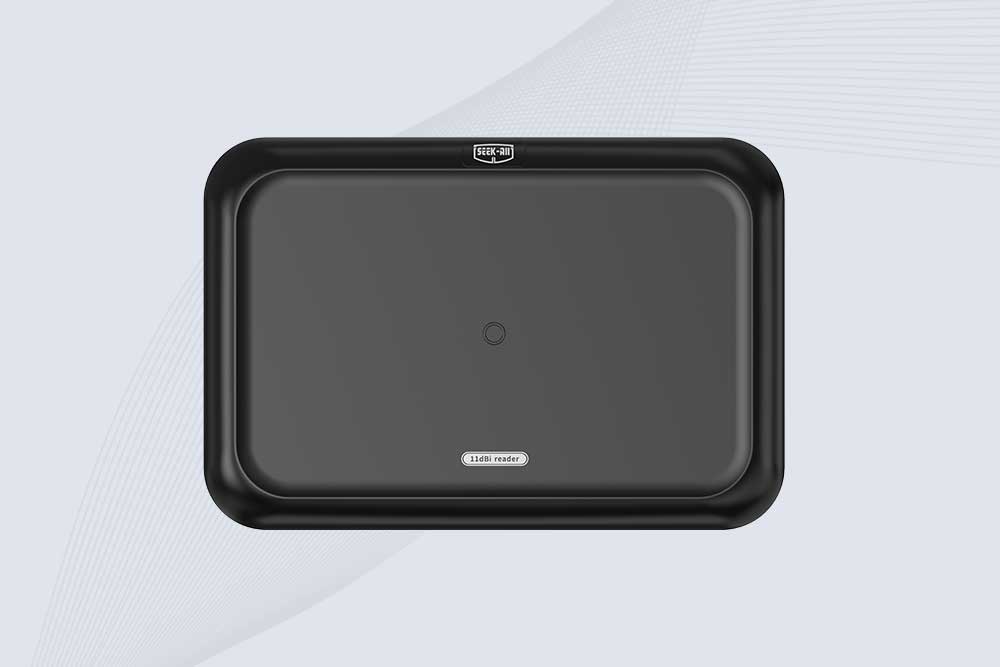
SSD-RA11L 11dBi Long Range RFID Reader
SSD-RA11L is an 11 dBi UHF RFID reader with up to 15m reading distance, 600+ tags/s speed, integrated antenna and flexible connectivity.
More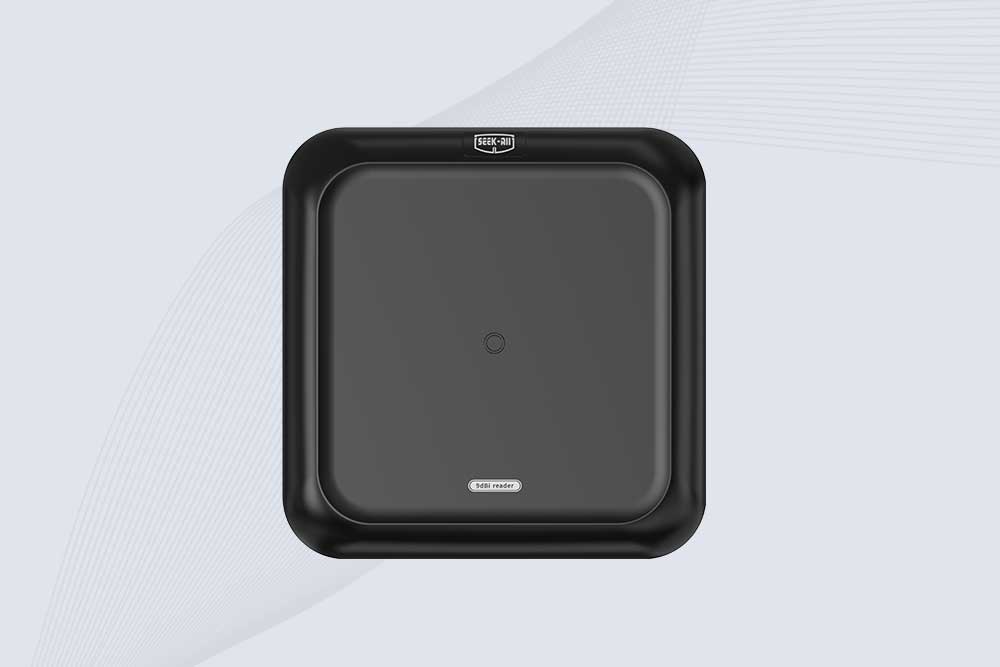
SSD-RA09L 9dBi Antenna UHF RFID Reader Device
SSD-RA09L is a long range UHF RFID reader with a built-in 9 dBi antenna, 10m reading range, 600+ tags/s speed and flexible interfaces.
More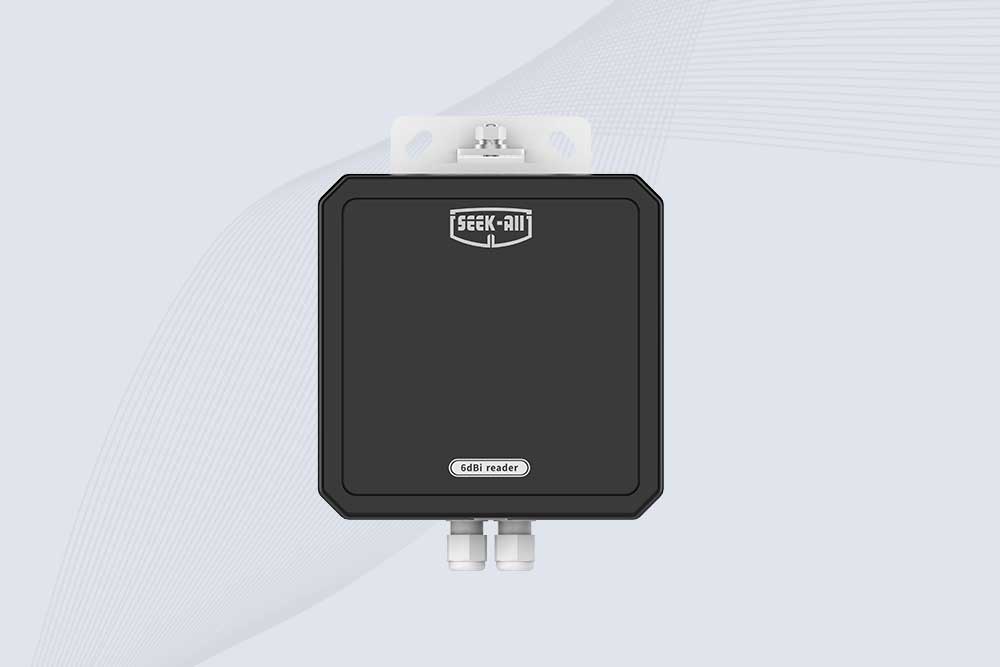
SSD-RA06L 6dBi UHF RFID Long Range Reader
SSD-RA06L is an industrial UHF RFID reader with a built-in 6 dBi antenna, 3 m read range, 600+ tags/s, Ethernet, RS232, and optional Wi-Fi, 4G, and PoE.
More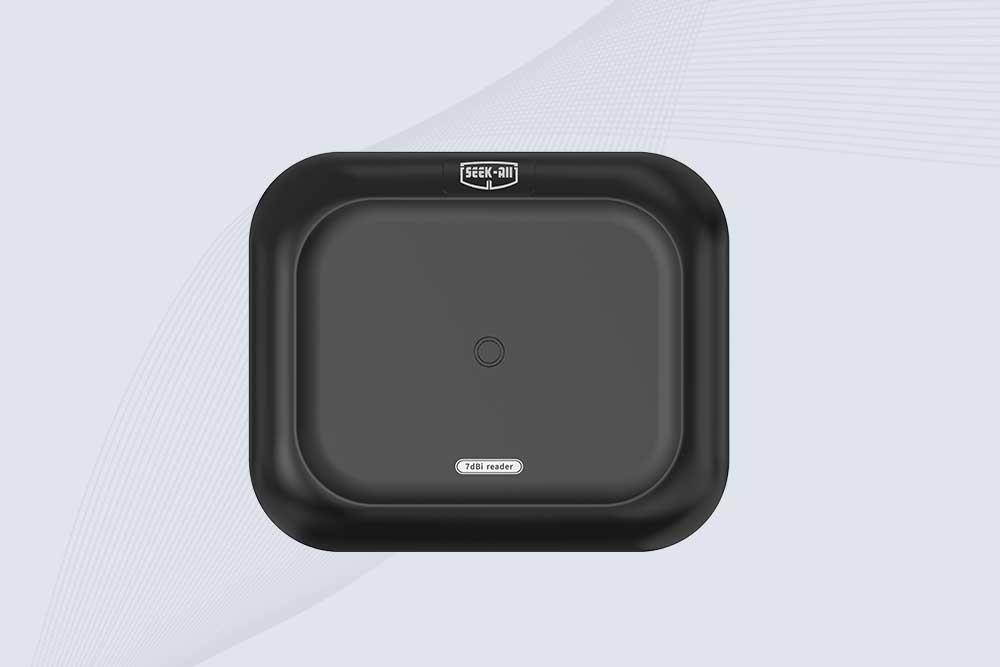
SSD-RA07L 6dBi UHF RFID Long Range Reader
SSD-RA07L industrial UHF RFID reader with integrated 7 dBi antenna, up to 6 m reading distance, over 600 tags/s, Ethernet, RS232, and optional Wi-Fi, 4G, and PoE.
More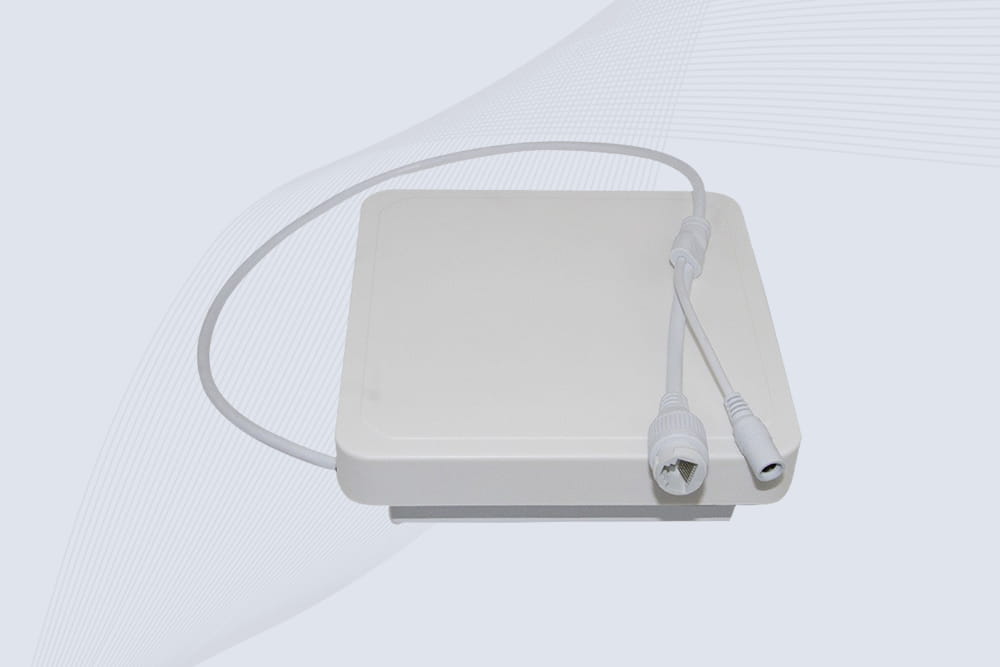
CYKEO-RA4L 4dBi Long Range RFID Reader
Cykeo's industrial long range RFID reader delivers 20-meter scanning, 500+ tags/sec speed, and IP67 waterproof design for automated warehouses, logistics, and harsh environment applications.
More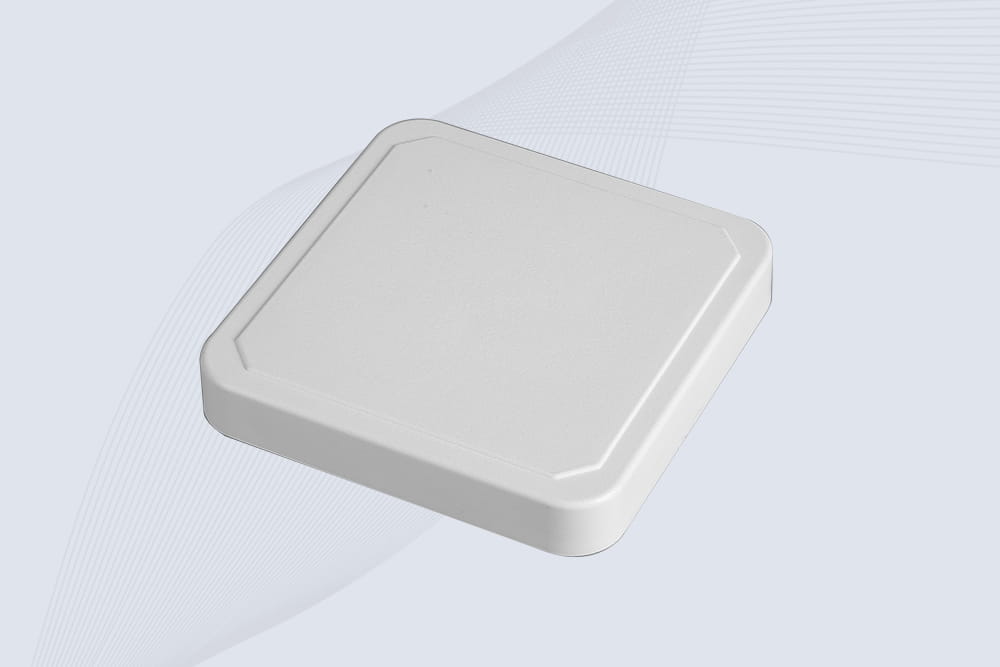
CYKEO-RA6L 6dBi UHF RFID Long Range Reader
Cykeo's CYKEO-RA6L industrial RFID long range reader features 20m read distance, 500 tags/sec speed, and IP67 protection. Ideal for warehouse automation, manufacturing WIP tracking, and smart logistics. Supports ISO 18000-6C/6B protocols.
More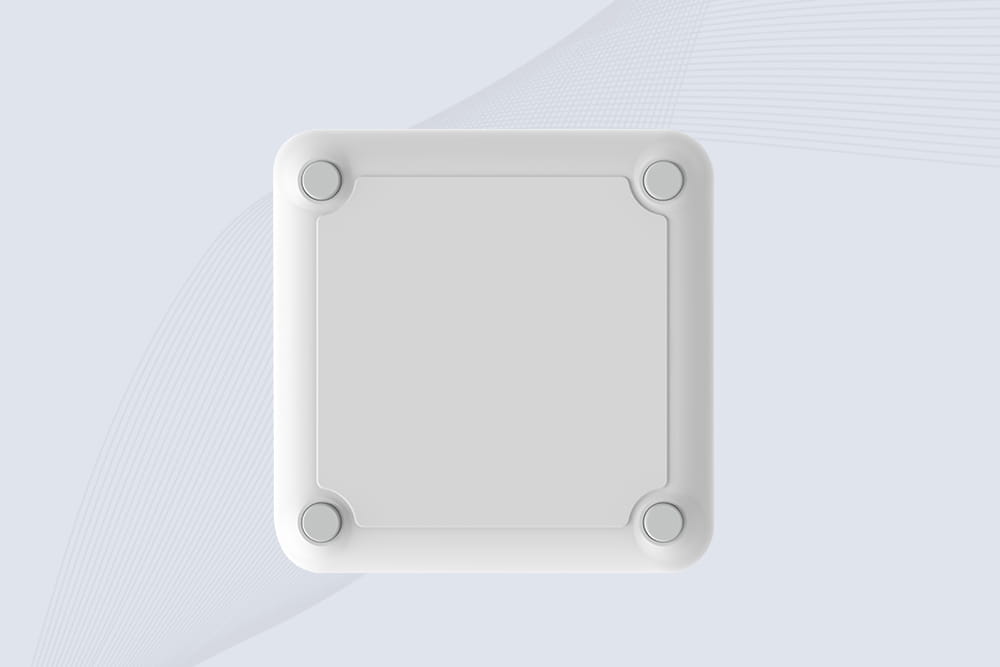
CYKEO-RA9L 9dBi Antenna UHF RFID Reader Device
CYKEO Long Range RFID Tag Reader built for outdoor and industrial operations. This Outdoor RFID Reader delivers 20m read distance, fast tag processing, and IP67 durability for wide-area tracking.
More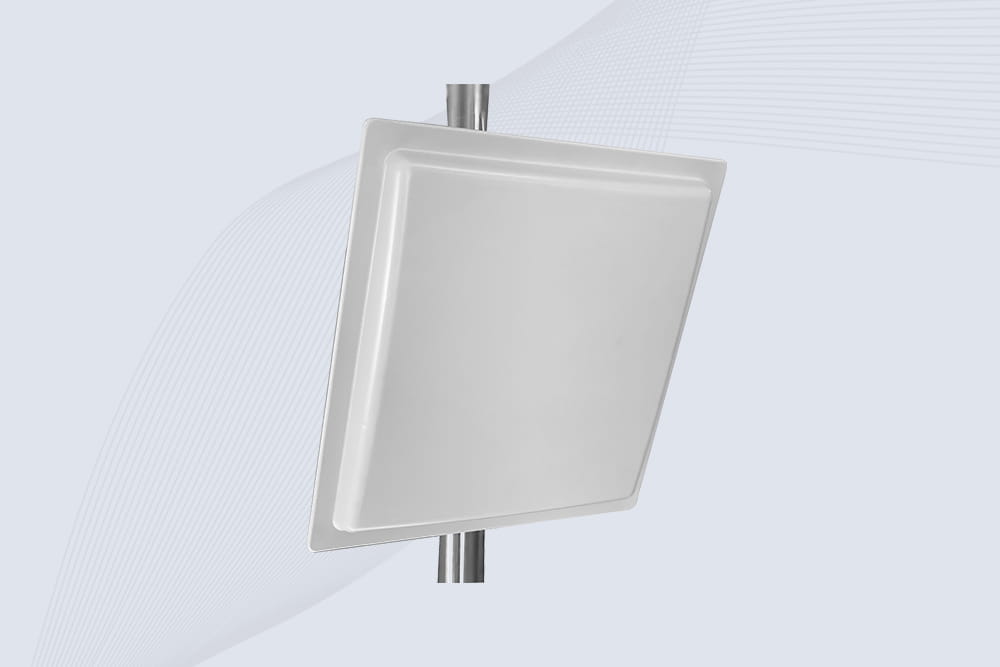
CYKEO-RA12L 12dBi Long Range RFID Reader
Cykeo CYKEO-RA12L industrial Long Range RFID Reader delivers 20m read range, 200+ tags/sec scanning, and IP67 protection for manufacturing/logistics applications. Supports ISO 18000-6C/GB protocols.
MoreMore About Long Range RFID Readers
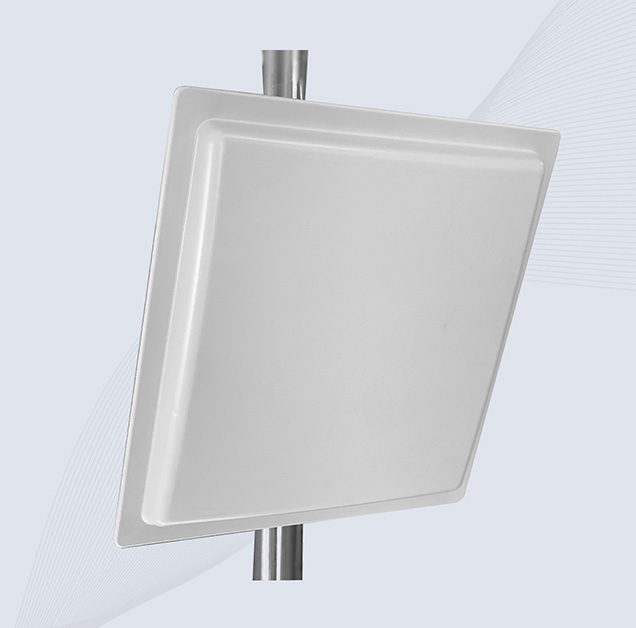
CYKEO long-range RFID readers are designed for fixed installations where consistent read range and stability matter more than portability. They are typically mounted at dock doors, conveyor lines, gates, or overhead frames to enable automatic identification without human involvement.
Cykeo offer a very strong after-sales team and rapid technical support services, including support for SDKs, APIs, software integration, system development, mobile or desktop applications, as well as any related configuration or troubleshooting assistance, making your project very convenient from planning to implementation.
More About Long Range RFID Readers
CYKEO long-range RFID readers are built for projects that run all day, every day. They are not lab devices or demo units. These readers are expected to stay online, maintain read accuracy, and keep data flowing even when environments are less than ideal. Dust, vibration, metal structures, and fluctuating tag density are part of normal operation, not edge cases.
What users notice first is consistency. Tags are read at expected distances, missed reads stay low, and performance does not drift over time. Integration is straightforward thanks to clear interfaces and stable firmware, making it easier to deploy at scale.
These readers are not designed to draw attention. They are designed to disappear into the system — doing their job reliably while the operation moves forward.
What Are Long Range RFID Readers?
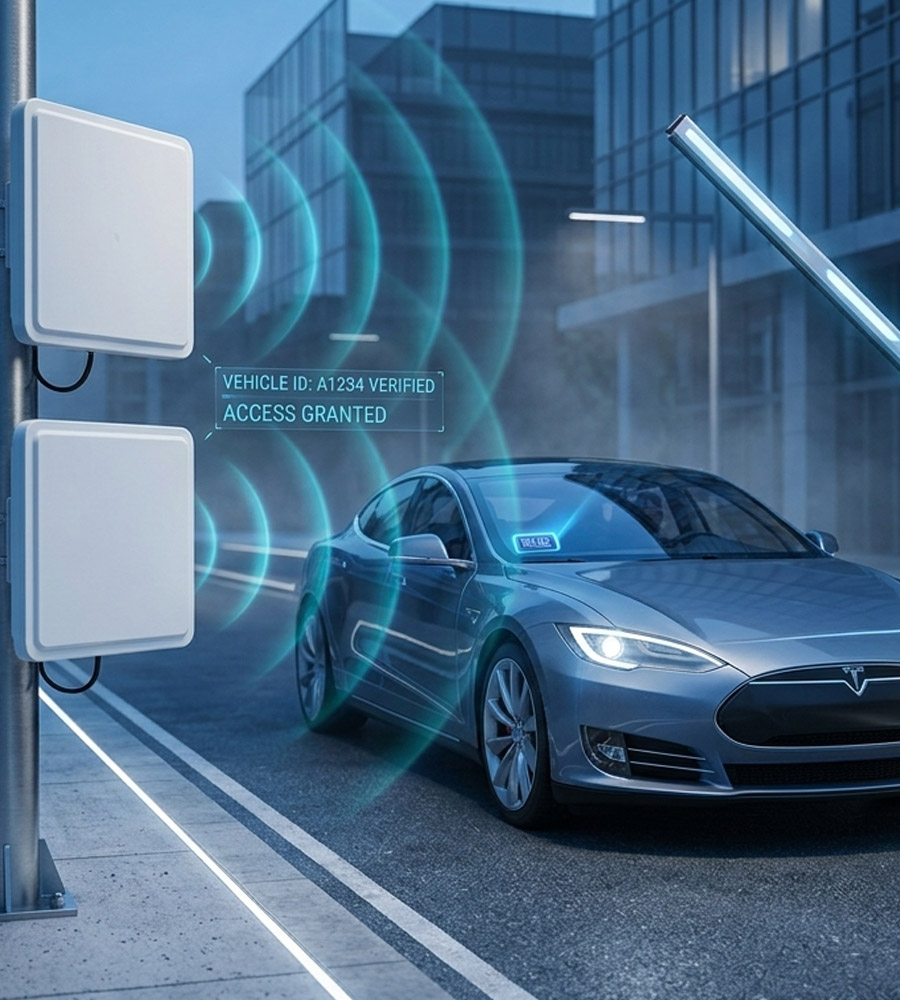
Long Range RFID Readers are high-performance identification devices designed to read RFID tags from extended distances—far beyond the capability of standard RFID systems. Instead of requiring close-range scanning, these readers can automatically detect tags from several meters away, making them ideal for fast-moving, high-volume, and industrial environments.
By using UHF (Ultra-High Frequency) technology, Long Range RFID Readers transmit radio signals to RFID tags and receive back unique ID data instantly. This enables completely contactless and hands-free identification, even when tagged objects are in motion.
Unlike handheld or short-range readers, long range models are typically installed as fixed infrastructure. They are commonly mounted at gates, warehouse doors, production lines, parking entrances, or overhead structures to automate data collection without manual intervention.
CYKEO long range RFID readers are designed for industrial-grade performance with stable read range, strong anti-interference capability, and flexible integration options. With support for multiple antenna gains (4dBi, 6dBi, 9dBi, 12dBi), they can be adapted to different installation environments—from indoor warehouses to outdoor vehicle gates.
Combined with SDKs, APIs, and system integration tools, they are widely used by system integrators and solution providers building smart logistics, asset tracking, and access control systems.
Decision Framework
When Should You Choose Long Range RFID Readers ?
Comparison of long range RFID reader use cases showing warehouse automation scenario versus short range RFID scanning in office environment for selection guidance
✓ Good Fit
Choose Long Range RFID Readers When…
- You need identification from a distance 3–20 metersWhen objects or vehicles cannot be scanned up close, long range RFID is the right solution.
- Items are moving through gates or checkpointsIdeal for warehouse entrances, logistics gates, or production line exits where tags pass automatically.
- Manual scanning is too slow or inefficientIf barcode scanning or handheld RFID is causing delays, long range systems automate the entire process.
- You want hands-free automationNo need for human operation—tags are read automatically as they enter the reading zone.
- Large-scale inventory or asset tracking is requiredBest for environments with high-volume assets like pallets, equipment, or vehicles.
- You need integration with ERP / WMS / access control systemsLong range RFID readers support APIs and SDKs for smart system integration.
✗ Poor Fit
Don't Choose Long Range RFID Readers When…
Portable RFID readers are not the best option if your application requires unattended, continuous RFID data collection.
- You only need short-range item identification 0–30 cmFor close-range scanning, desktop or handheld RFID readers are more cost-effective.
- The environment is very small or controlledIn small offices or retail checkout scenarios, long range systems are unnecessary.
- You need very precise single-item selectionLong range RFID reads multiple tags at once, not suitable for strict one-by-one control.
- Budget is very limited for the project scaleLong range RFID systems require readers, antennas, installation, and setup costs.
- RFID tags are always handled manually anywayIf users already bring tags close to the reader, long range capability is wasted.
- The installation space cannot support antennas or mounting heightPoor placement will reduce performance and make the system unstable.
Note For Partners: For manufacturers, system integrators, and software developers, long range RFID systems must be carefully designed with proper antenna layout, tag selection, interference control, and early software integration planning to ensure stable and accurate real-world performance.
Cykeo Long Range RFID Reader vsRFID Handheld Scanner
| Comparison Factor | Long Range RFID Reader | RFID Handheld Scanner |
|---|---|---|
| Device Type | Fixed RFID infrastructure system | Portable handheld RFID device |
| Working Mode | Fully automatic identification without human operation | Manual scanning controlled by users |
| Reading Range | 3–20 meters (depending on antenna configuration) | 0.5–8 meters (depending on model) |
| Coverage Area | Wide, fixed RF detection zone | Narrow, directional scanning area |
| Typical Applications | Warehouse gates, vehicle tracking, production lines, access control | Inventory counting, asset auditing, on-site inspection |
| Installation | Requires mounting, wiring, and system setup | No installation required, plug-and-play |
| System Structure | Reader + antennas + controller integration | All-in-one device (reader + screen + OS) |
| Data Collection Method | Automatic real-time batch data capture | Manual, scan-by-scan data collection |
| Processing Capacity | High throughput (bulk tag reading) | Medium throughput (operator-dependent speed) |
| System Integration | Deep integration with ERP / WMS / MES / IoT platforms | Basic integration via App, USB, or Bluetooth |
| Environmental Sensitivity | Requires RF environment tuning and interference control | Less sensitive due to mobile usage |
| Deployment Time | Medium to long (requires system design & calibration) | Short (quick deployment) |
| Cost Structure | Higher total system cost (hardware + installation + integration) | Lower entry cost per unit |
| Operator Dependency | Low (fully automated operation) | High (requires manual operation) |
| Best Use Case | Large-scale automation and fixed-point tracking systems | Flexible mobile RFID operations and field work |
Our customers give this evaluation
CYKEO Long Range RFID Readers (RA4L–RA12L) are widely used by system integrators, developers, and industrial engineers due to:Stable API integration (RESTful + SDK),Strong OEM customization capability,Reliable performance in industrial environments,Fast delivery & responsive technical support,Flexible antenna gain options for different scenarios.

Michael Turner – System Integrator (USA)
⭐⭐⭐⭐⭐
I’m based in Texas and we integrated CYKEO RA12L 12dBi readers into a warehouse gate automation project. We deployed 18 units across 3 logistics centers. The API integration with our WMS system was straightforward using RESTful interface. Our engineers mainly used Java SDK, and the documentation was clear enough to reduce debugging time.
CYKEO supported us during pre-sales with antenna layout simulation and RF tuning suggestions. Delivery was faster than expected—about 7 days for sample units and 3 weeks for bulk order. After deployment, read accuracy improved significantly compared to our previous supplier, especially in high-metal environments.
Result: Reduced manual scanning workload by around 80%.
Product used: CYKEO-RA12L 12dBi Reader
Role: System Integrator

David Cohen – IoT Developer (Israel)
⭐⭐⭐⭐⭐
We used CYKEO RA6L 6dBi readers for a smart asset tracking system in a tech campus in Tel Aviv. I worked mainly with the C# SDK. The API response was stable, and the latency was low enough for real-time tracking dashboards.
Their technical team helped us adjust the read range to avoid overlap between zones. The flexibility of power tuning was useful.
Product used: CYKEO-RA6L
Role: Software Developer
Result: Stable real-time asset visibility across 5 buildings

Ahmed Al-Farsi – Procurement Manager (UAE)
⭐⭐⭐⭐⭐
We purchased CYKEO RA9L and RA4L units for a logistics yard in Dubai. Total order was 64 units. Procurement process was smooth, and CYKEO handled OEM labeling for our local distributor brand.
Shipping was well organized with UN38.3 documentation provided. After installation, our gate entry system became fully automated.
Product used: CYKEO-RA9L / RA4L
Role: Procurement Manager
Result: Improved truck entry processing speed by 60%

Lukas Weber – Industrial Engineer (Germany)
⭐⭐⭐⭐⭐
We implemented CYKEO RA12L readers in a manufacturing plant in Bavaria. The system was integrated into our MES system. The hardware stability impressed us, especially in high metal interference zones.
CYKEO engineers assisted with antenna angle optimization, which improved read consistency.
Product used: CYKEO-RA12L
Role: Industrial Engineer
Result: Achieved 99.2% read accuracy on production line tracking
Carlos Ramirez – RFID System Installer (Mexico)
⭐⭐⭐⭐⭐
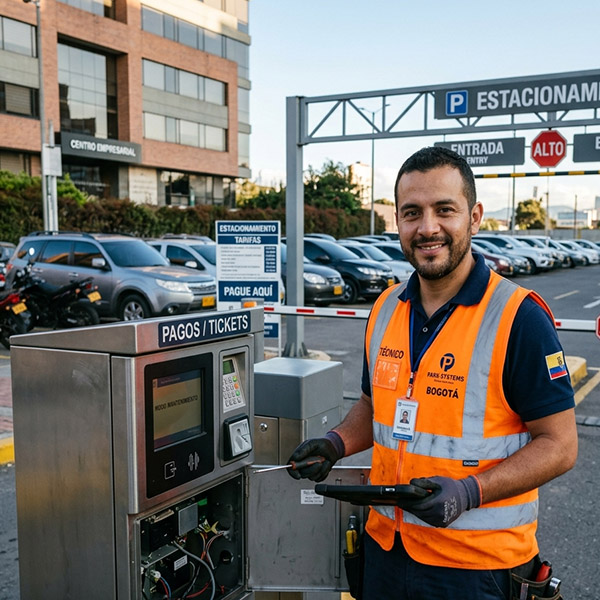
We installed CYKEO RA4L and RA6L readers for a parking access control project in Mexico City. The installation was simple and the hardware was robust.
Support team helped us adjust interference issues caused by nearby metal gates.
Product used: CYKEO-RA4L / RA6L
Role: System Installer
Result: Fully automated parking entry system deployed in 2 weeks

Peter Johansson – Technical Consultant (Sweden)
⭐⭐⭐⭐⭐
We used CYKEO RA9L in a cold-chain logistics project. Performance was stable even in low temperature environments. SDK documentation helped our Python-based backend integration.
Product used: CYKEO-RA9L
Role: Technical Consultant
Result: Improved cold-chain tracking accuracy across warehouse zones

Rajesh Kumar – Software Engineer (India)
⭐⭐⭐⭐⭐
We integrated CYKEO RA6L readers into a hospital asset tracking system in Bangalore. Java SDK worked smoothly with our backend. API stability was good even under heavy tag load.
Product used: CYKEO-RA6L
Role: Software Engineer
Result: Reduced equipment loss rate by 40%

James Walker – Channel Partner (UK)
⭐⭐⭐⭐⭐
As a CYKEO distributor in the UK, we stock RA4L to RA12L models. Demand is strong in warehouse automation and security systems. OEM customization (logo, firmware, packaging) helped us expand local sales.
Support response time is fast and consistent.
Product used: Full CYKEO RA series
Role: Distributor / Channel Partner
Result: Increased regional RFID solution sales by 35%
FAQ About Long range RFID readers
What do people usually use long range RFID readers for?
In real projects, long range RFID readers are rarely installed just because “long distance” sounds good. They are used when manual scanning becomes a bottleneck. For example, pallets moving through dock doors, vehicles entering a yard, or work-in-progress moving along a production line.
What customers actually want is not maximum distance, but automatic identification without stopping people or vehicles. A CYKEO long range RFID reader is often placed at fixed points where movement already happens. Once installed, the reader quietly collects data in the background. Operators don’t need to scan, press buttons, or aim devices. That change alone often delivers more value than the range itself.
Can long range RFID readers work reliably around metal?
Yes, but only if the system is designed with metal in mind from the beginning. Metal does not “block” RFID in a simple way. It reflects signals, bends read zones, and sometimes creates unexpected hot spots.
In projects using CYKEO long range RFID readers, metal is treated as part of the RF environment, not an obstacle to ignore. Directional antennas, adjusted angles, and metal-mount tags are commonly used. When done properly, readers can perform very consistently even in dense industrial settings. Problems usually appear when installers assume RFID behaves like Wi-Fi and skip proper testing.
Is it difficult to integrate long range RFID readers into existing systems?
Integration is usually simpler than customers expect, especially compared to vision systems or custom sensors. CYKEO long range RFID readers provide SDKs and APIs that allow developers to treat the reader as a data source.
In many projects, the reader is configured once and then left alone. The system listens for tag events and applies its own business rules. The real work often happens on the backend, not at the reader. As long as the data format and timing are clear, integration is straightforward. Most delays come from unclear process definitions rather than technical limits.
Are long range RFID readers suitable for outdoor use?
They can be, if the installation is done properly. Outdoor projects usually involve vehicle access, yard management, or container tracking. CYKEO long range RFID readers themselves are often placed in protected cabinets, while antennas are rated for outdoor exposure.
Weather is rarely the biggest challenge. Wind, vibration, and vehicle speed matter more. Outdoor installations need wider margins and careful alignment. Once set up correctly, RFID performs very reliably outdoors, even in rain or dust, where cameras and barcode systems often struggle.
Are long range RFID readers commonly used for vehicles?
Yes, vehicle identification is one of the most mature RFID use cases. Trucks, forklifts, and service vehicles can be identified automatically without stopping. CYKEO long range RFID readers are often paired with windshield or rugged vehicle tags designed for consistent orientation.
Compared to license plate recognition, RFID reacts faster and requires less processing. It also works in poor lighting and bad weather. The key is matching reader placement with vehicle approach speed. Once tuned, the system becomes almost invisible to drivers.
How far can a long range RFID reader read in practice?
This is one of the most misunderstood questions. On paper, long distances look impressive. On site, uncontrolled distance usually causes problems. In most warehouse and factory environments, a stable read range of 6 to 10 meters is already enough.
With CYKEO long range RFID readers, the actual distance depends on antenna type, tag size, mounting height, and surrounding materials. Metal racks, forklifts, and walls all affect RF behavior. Experienced installers usually reduce power rather than increase it, shaping a clean read zone instead of flooding the area. A shorter but predictable range almost always performs better in daily operation.
How many tags can a long range RFID reader read at once?
Modern long range RFID readers are designed for high tag density. In controlled conditions, hundreds of tags can be read within seconds. That said, reading capacity alone does not guarantee clean data.
In real CYKEO deployments, performance depends on how tags move through the read zone. A pallet passing once is easy. Mixed flows, overlapping zones, or looping conveyors need more planning. Most system issues are solved by adjusting antenna placement and software logic, not by changing the reader. The hardware can read fast enough; the challenge is deciding which reads actually matter.
Do long range RFID readers need regular maintenance?
Not much. Fixed RFID readers have no moving parts and are designed for continuous operation. In CYKEO installations, readers often run for years without hardware-related issues.
Maintenance usually focuses on external factors. Antennas may be bumped, cables damaged, or environments changed. New shelves, machines, or traffic routes can affect performance. When read quality drops, configuration tuning solves the issue more often than replacement. Compared to manual scanning devices, fixed readers actually reduce maintenance workload over time.
How accurate are long range RFID readers in daily operation?
Accuracy depends less on the reader and more on system design. The reader can report tag IDs accurately, but the system must decide what each read means.
In CYKEO projects, accuracy improves when read zones match physical actions. For example, a pallet crossing a door instead of sitting near it. Software filters, time windows, and location logic all help. When hardware placement and process flow are aligned, RFID accuracy is usually higher than manual scanning, simply because it removes human variation.
How should I choose the right long range RFID reader?
Start with the process, not the specification. Ask where tags move, how often, and what mistakes would be costly. In CYKEO projects, reader selection comes after understanding flow, environment, and system logic.
The “best” reader is rarely the most powerful one. It is the one that delivers stable reads with minimal adjustment over time. A well-matched reader reduces noise, avoids false reads, and quietly supports operations. That reliability is what makes RFID systems succeed in the long run.