 Cykeo RFID IoT Solution Products R&D Manufacturer
Cykeo RFID Modules
Cykeo provides RFID modules for system-level integration, including embedded modules, 1-port, 4-port, 8-port and 16-port RFID modules.
These modules are designed for developers and system integrators who need flexible RFID reading capability inside their own equipment, such as smart cabinets, RFID gates, access control devices and automated identification systems.
SDK, API and demo software are available to support fast integration into existing software platforms. For interface selection, port configuration or antenna matching, Cykeo’s technical team can provide basic engineering support during the design stage.
UHF RFID Modules
An RFID module is the core RF and protocol processing unit inside an RFID system.
Compared with finished readers, modules are intended to be embedded into customer equipment and combined with external RFID antennas to read RFID tags.
Read More
In practical use, the reading performance of an RFID module depends on antenna type, number of antenna ports, output power configuration, installation structure and the surrounding environment. Multi-port modules allow multiple antennas to be connected, enabling wider coverage or multi-direction reading within a single system.
RFID modules transmit radio signals through connected antennas and receive responses from RFID tags that contain unique identification data. This allows automatic identification without manual scanning, even when items or vehicles are moving.
Common Application Areas:
1.Smart Cabinets and Smart Lockers
RFID modules are widely used in smart cabinets where the reader needs to be embedded inside a custom enclosure. By connecting suitable antennas, the system can identify tagged items automatically when doors are opened or closed.
2.RFID Access Control Systems
Embedded or 1-port RFID modules are commonly integrated into access control terminals. Cards, badges or vehicle tags can be read without direct contact, supporting hands-free access.
3.RFID Gates and Channel Systems
4-port, 8-port or 16-port RFID modules are used in RFID gate systems where multiple antennas are required. This setup is typical in warehouses, factories and controlled passages.
4.Asset Management
Factories, hospitals and construction sites integrate RFID modules into tracking equipment to monitor tools, machines and mobile assets. Once assets are tagged, their presence can be checked automatically.
5.Logistics and Warehousing
In logistics systems, RFID modules are installed in fixed checkpoints to identify pallets and containers. Multi-antenna configurations help cover different reading zones without moving equipment.
6.Vehicle Identification Systems
RFID modules are embedded in roadside or gate equipment to identify vehicles as they approach. When combined with suitable antennas, vehicles can be identified without stopping.
7.Retail and Inventory Control
Retail warehouses integrate RFID modules into inventory systems to speed up stock checks. Multiple tagged items can be identified in a short time compared with barcode scanning.
8.Custom Industrial Equipment
Many customers with in-house machining or assembly capability use Cykeo RFID modules as the RF core of custom machines, kiosks or automated equipment, selecting antennas based on their mechanical design.
About Cykeo
Cykeo is an RFID hardware manufacturer focused on Fixed RFID readers, RFID modules and RFID antennas.
Our products are developed for software developers, system integrators, solution providers and enterprise customers who build complete RFID systems rather than using closed, off-the-shelf devices.
By offering modular hardware together with open SDKs and APIs, Cykeo allows customers to design, assemble and deploy RFID solutions that fit their own mechanical structure, software logic and project requirements.
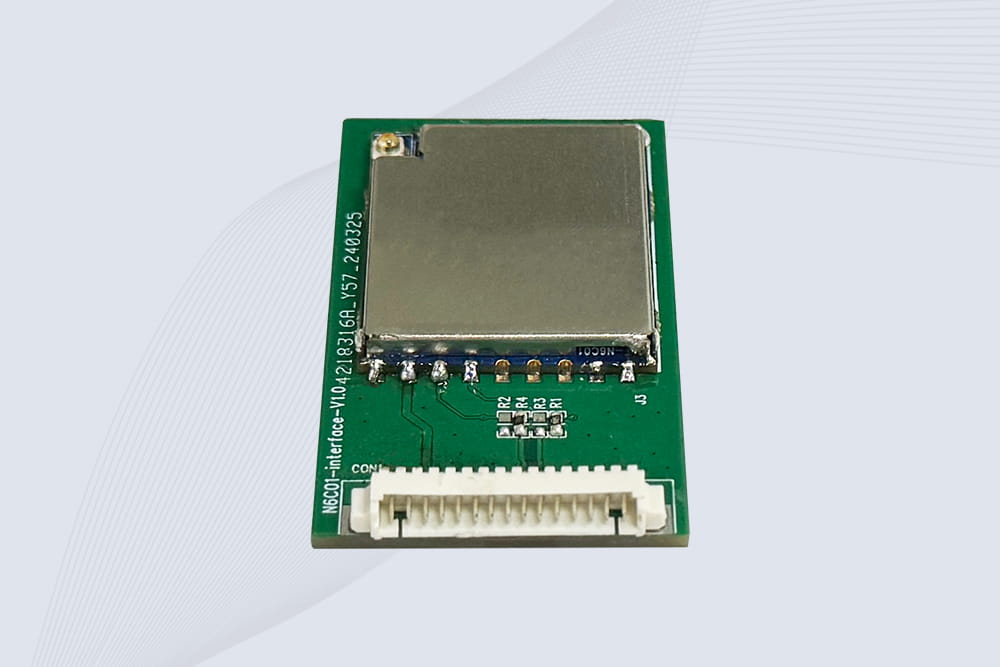
CYKEO-M1LX2 UHF Embedded RFID Modules
CYKEO Embedded RFID Modules are designed for compact industrial and IoT devices that require stable UHF performance. These UHF RFID Modules support global protocols, flexible power control, and reliable multi-tag reading for smart cabinets, production lines, and asset tracking systems.
More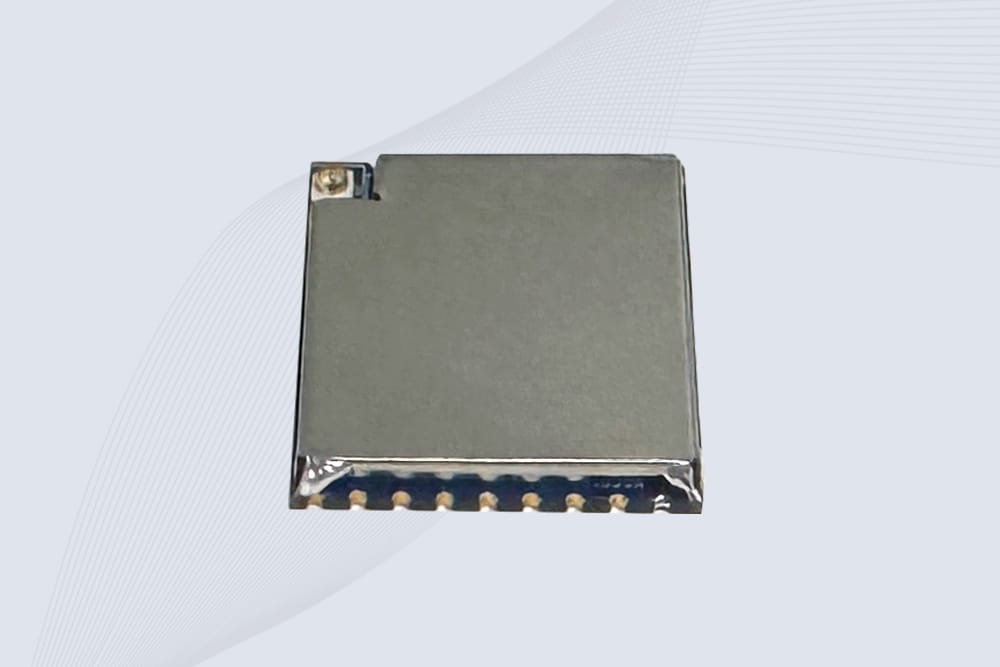
CYKEO-M1LX1 UHF Embedded RFID Module
CYKEO Embedded RFID Module is built for compact IoT and industrial devices that need stable UHF performance. This UHF module supports global protocols, low power operation, and reliable multi-tag reading for smart lockers, production lines, and always-on RFID systems.
More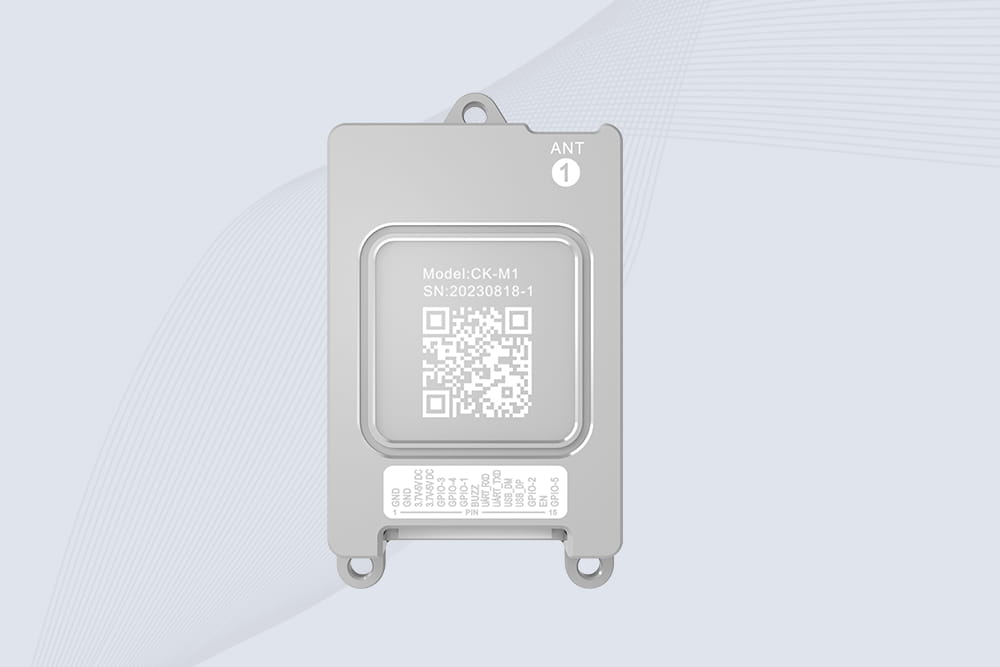
CYKEO-M1 UHF Drone RFID Module
CYKEO CYKEO-M1 drone rfid module is a compact UHF RFID reader module designed for drones and UAV platforms. It supports long-range aerial scanning, fast multi-tag reading, and stable performance in wind, vibration, and outdoor environments.
More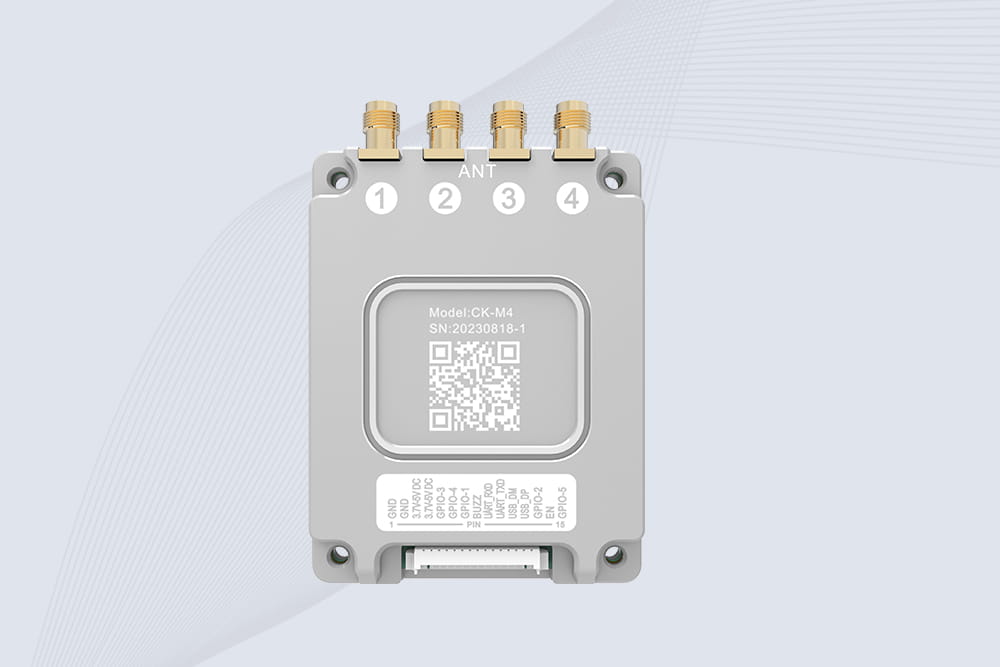
CYKEO-M4 4-Port RFID Module
CYKEO CYKEO-M4 RC522 RFID Module is an industrial-grade UHF RFID reader with 4 ports, supporting ISO, EPC, and GB protocols. High-speed, accurate reading for IoT, automation, and warehouse applications.
More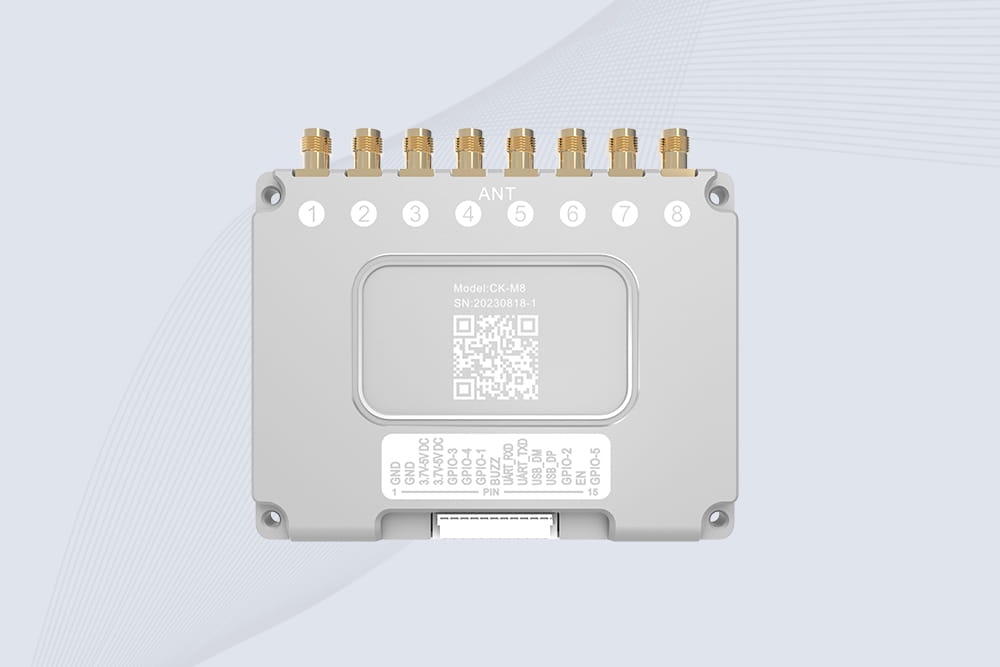
CYKEO-M8 8-port RFID Module
CYKEO CYKEO-M8 Module RFID is an 8-port UHF R2000 RFID Module designed for high-density, multi-tag environments. Stable 33dBm output, ISO & GB protocol support, ideal for warehouses, factories, and automated systems.
More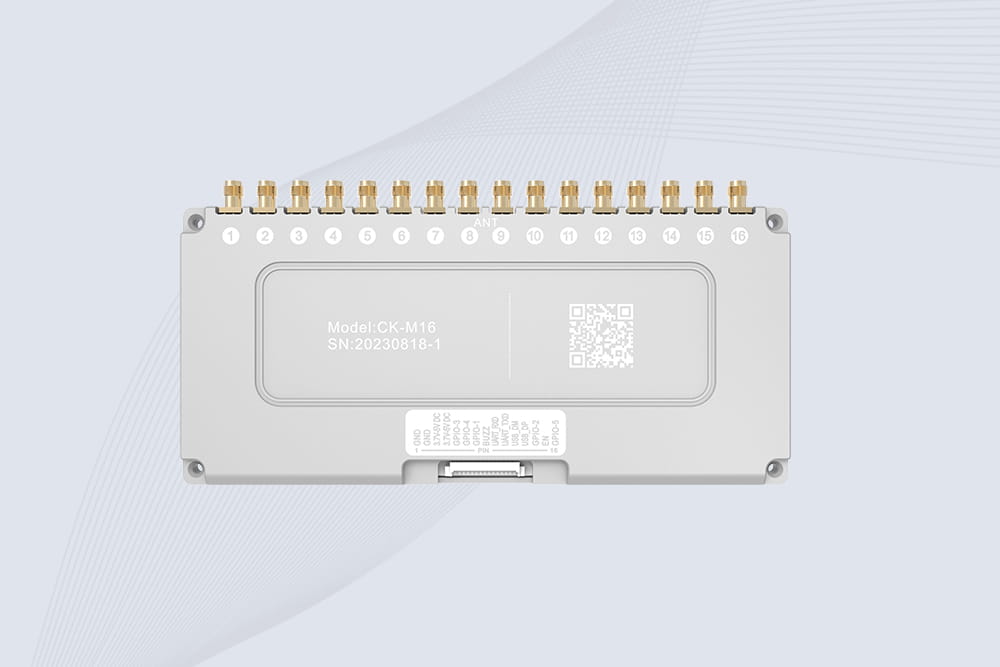
CYKEO-M16 16-Port RFID Module
CYKEO CYKEO-M16 RFID Module is a 16-port UHF RFID reader module based on the R2000 chipset. Designed for dense tag environments, it supports ISO and GB standards and delivers stable multi-antenna control for industrial automation.
More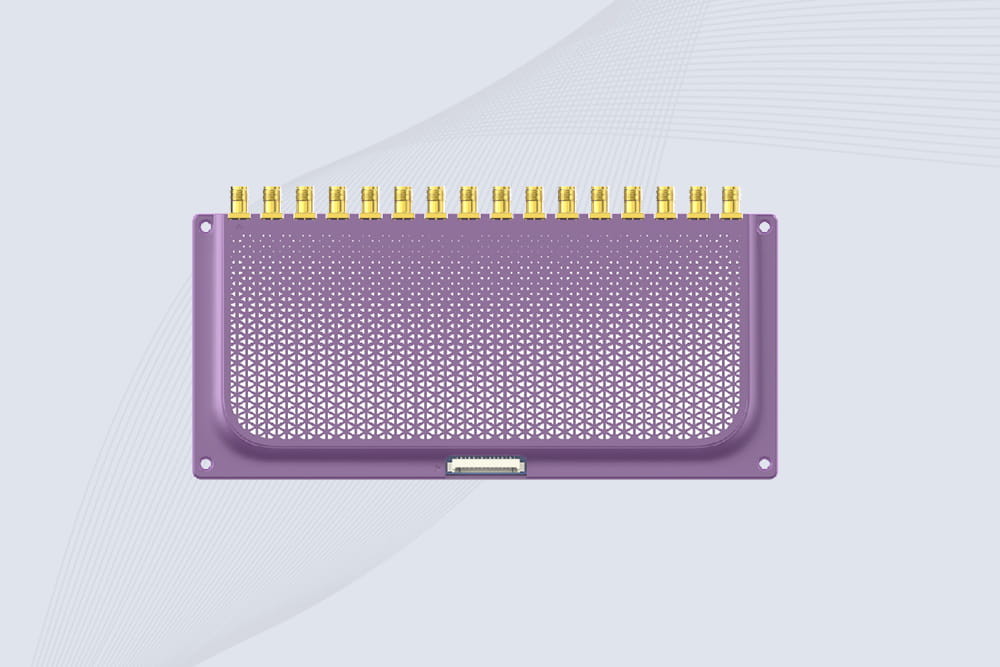
CYKEO-M16L UHF 16-PORT RFID Reader Module
The CYKEO CYKEO-M16L RFID Reader Module is a 16-channel UHF RFID core designed for dense tag environments. With adjustable 33dBm output, multi-protocol support, and stable multi-antenna control, this RFID Tag Reader Module fits industrial automation, warehouse systems, and large-scale IoT deployments.
More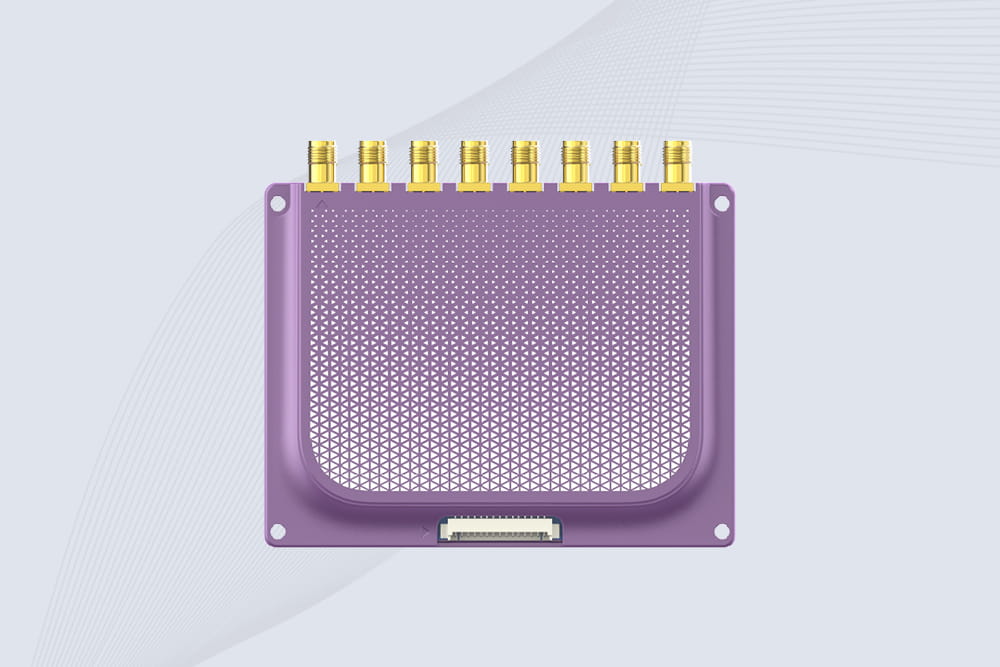
CYKEO-M8L 8-PORT UHF RFID Module
CYKEO CYKEO-M8L module RFID is a compact industrial UHF module built for dense tag and multi-antenna environments. With 8 RF ports, adjustable 33 dBm output, and ISO & GB protocol support, it is widely used in factories, warehouses, and automated tracking systems.
More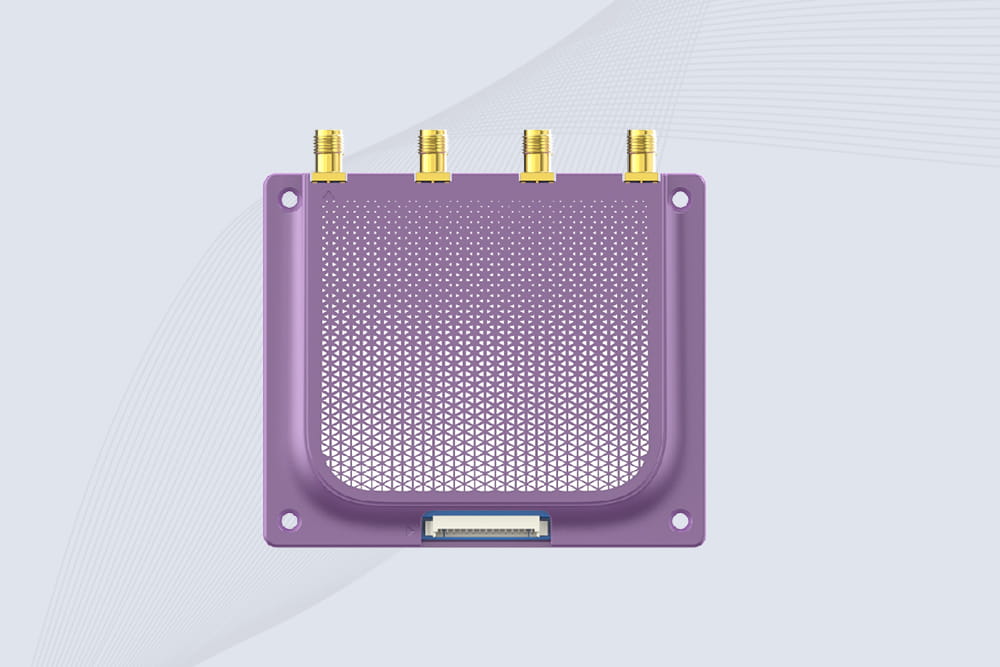
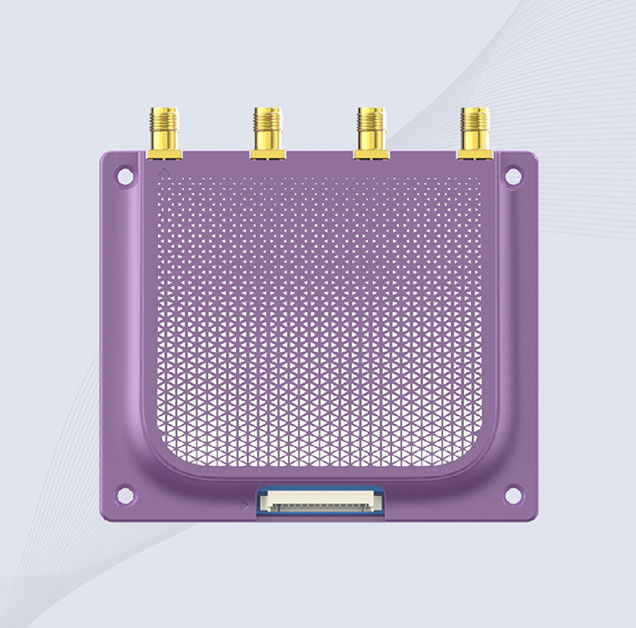
CYKEO-M4L UHF 4-CHANNELRFID MODULE
CYKEOCYKEO-M4L UHF RFID Module is a compact 4-channel RFID tag reader module designed for dense tag environments. Supporting ISO and GB protocols, it delivers stable reads up to 10 meters for industrial and IoT systems.
MoreMore about RFID Modules
RFID Modules from Cykeo deliver reliable performance and flexible integration. Our RFID Modules provide the core RF functionality required to build efficient and scalable RFID systems. An RFID Module operates as a compact radio frequency transceiver, designed to work with external RFID antennas for reading and writing data on RFID tags.
Cykeo offer a very strong after-sales team and rapid technical support services, including support for SDKs, APIs, software integration, system development, mobile or desktop applications, as well as any related configuration or troubleshooting assistance, making your project very convenient from planning to implementation.
More About RFID Reader Modules
UHF RFID reader modules are compact RF components that enable stable communication with RFID tags when integrated with external antennas, supporting efficient data capture and system automation. These RFID modules use radio frequency signals to identify and process tag data, making them a core building block for embedded systems in retail, logistics, and healthcare environments. By leveraging RFID reader modules, solution providers can reduce integration complexity, improve system accuracy, and achieve real-time visibility across operations. This technology is well suited for applications such as embedded inventory tracking, smart cabinets, access terminals, and asset management systems.
At Cykeo, we offer a wide range of RFID readers to suit various applications and industries. From handheld RFID readers, USB RFID readers, Long Range RFID Reader, Portable RFID Reader, RFID Gate Reader, and fixed RFID readers to multi-functional, multi-frequency options, our carefully developed product portfolio provides RFID hardware for any type of system and project. Whether you’re upgrading your supply chain operations or enhancing workplace security, our RFID readers deliver reliability, precision, and performance to meet your business needs.
What Are RFID reader module?
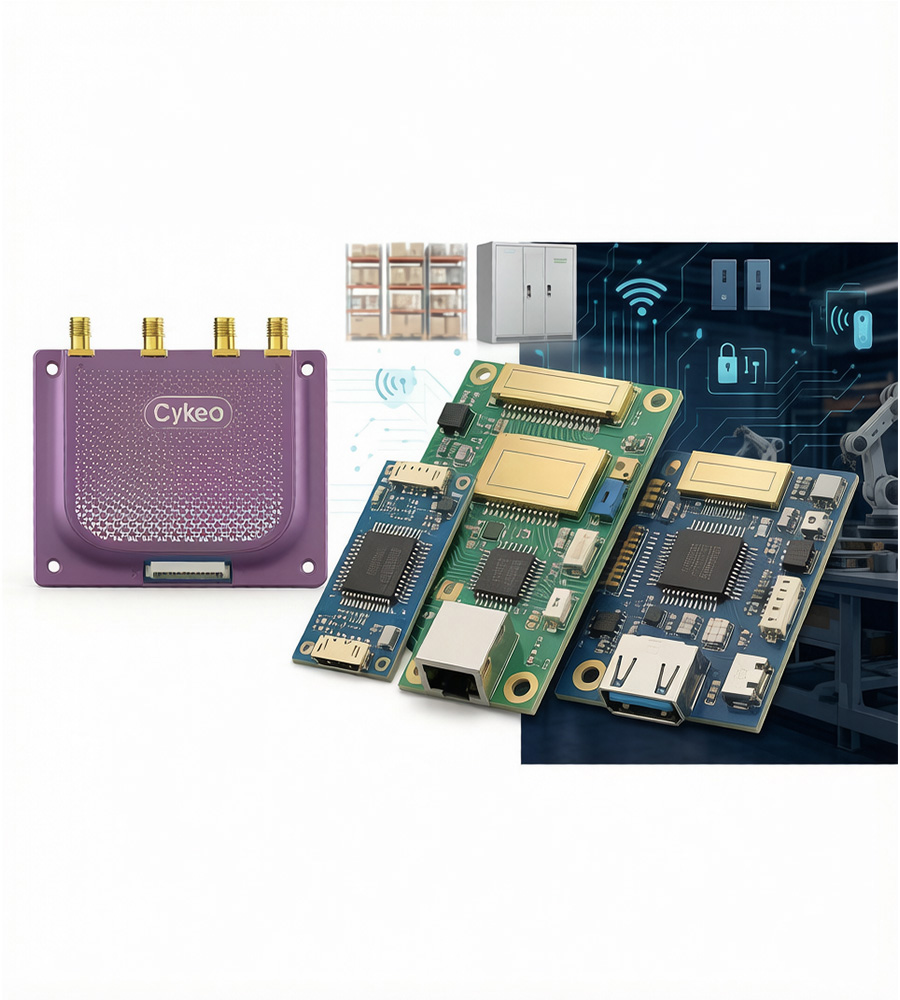
RFID reader module is the core component that enables RFID devices to identify, read, and transmit data from RFID tags. Unlike a complete RFID reader, a reader module is designed to be integrated into OEM equipment, embedded systems, kiosks, industrial machines, robots, smart cabinets, access control systems, and other custom hardware.
RFID reader modules contain the essential RF circuitry, communication interfaces, and processing capabilities required for reliable tag reading while allowing manufacturers to build their own enclosure, software, and application around the module.
CYKEO offers a wide range of UHF RFID reader modules to meet different project requirements. From compact 4-port modules for embedded applications to powerful high-performance modules supporting long-range reading and multi-tag identification, every model is engineered for stable performance in demanding industrial environments.
Our RFID modules support the global UHF RFID frequency range (840–960 MHz), comply with EPC Gen2 / ISO18000-6C standards, and provide multiple communication interfaces such as UART, USB, RS232, RS485, and Wiegand for easy integration with existing systems.
Depending on the application, customers can choose different module configurations. Compact modules are ideal for handheld readers, smart lockers, and portable terminals, while high-power modules are widely used in warehouse automation, production lines, RFID cabinets, vehicle identification, asset tracking, conveyor systems, and unmanned retail solutions.
With fast reading speed, anti-collision capability, low power consumption, and flexible SDK support, CYKEO RFID reader modules help developers shorten product development cycles and build reliable RFID solutions for industrial, commercial, and IoT applications.
Whether you are developing a custom RFID device or upgrading an existing system, choosing the right RFID reader module provides the flexibility, performance, and scalability needed for modern RFID deployments.
Decision Framework
When Should You Choose a RFID Modules?
✓ Good Fit
Choose RFID Modules When…
- You are developing custom RFID hardware such as handheld terminals, smart cabinets, kiosks, robots, or embedded devices.
- Product size and integration flexibility are important — RFID modules can be embedded into compact equipment designs.
- You need full control over software development using SDKs, APIs, and communication protocols.
- OEM or ODM projects require customized RFID functionality within existing products.
- The application demands specialized hardware design, user interfaces, or unique workflow requirements.
- Long-term product development plans include RFID as a core feature of the device or system.
✗ Poor Fit
Don't Choose RFID Modules When…
- A ready-to-deploy RFID solution is required without hardware development.
- Your team lacks experience in embedded hardware integration or firmware development.
- Fast installation and immediate operation are the primary project requirements.
- The application only needs basic RFID reading at a workstation or portal.
- Development timelines do not allow for product design, testing, and certification processes.
- Technical resources for hardware integration and ongoing product maintenance are limited.
Note For Partners: RFID modules are ideal for manufacturers, system integrators, and software developers building customized RFID products. For faster deployment, fixed RFID readers provide a complete solution, while RFID modules offer maximum flexibility for embedded applications and OEM development.
Cykeo RFID Reader Module vsRFID Readers
| Feature | RFID Reader Modules | RFID Readers |
|---|---|---|
| Product Type | Embedded RFID engine designed for OEM integration | Complete RFID device with enclosure, ready for deployment |
| Structure | Compact PCB module without housing | Fully assembled reader with industrial enclosure |
| Installation | Built into custom equipment or embedded systems | Mounted on walls, gates, conveyors, desktops, or vehicles |
| Primary Users | Device manufacturers, OEM/ODM companies, system integrators | End users, warehouses, factories, retailers, and logistics providers |
| Customization | Highly customizable hardware and software integration | Limited hardware customization, mainly software configuration |
| Development | Supports secondary development with SDK and APIs | Minimal development required, ready to use out of the box |
| Communication Interfaces | UART, USB, RS232, RS485, Wiegand, GPIO, Ethernet (model dependent) | Ethernet, Wi-Fi, RS232, RS485, USB, PoE (model dependent) |
| Power Consumption | Lower power consumption for embedded devices | Higher due to complete hardware and enclosure |
| Size | Small and lightweight PCB design | Larger industrial device with protective housing |
| Reading Performance | Depends on antenna configuration and module model | Optimized and factory-calibrated for stable field performance |
| RFID Antenna | External antenna required for most UHF modules | Internal or external antenna depending on reader type |
| Cost | Lower hardware cost for large-scale OEM production | Higher initial investment but faster deployment |
| Integration | Easily integrated into smart lockers, robots, kiosks, handheld terminals, vending machines, and industrial equipment | Installed directly in warehouses, production lines, access control systems, libraries, hospitals, and retail stores |
| Typical Applications | Smart cabinets, industrial automation, AGVs, asset tracking devices, self-service terminals, access control equipment, custom RFID products | Warehouse management, dock doors, conveyor systems, inventory management, retail, logistics, attendance, and security |
| Best Choice For | Companies building their own RFID-enabled products or embedded systems | Businesses looking for a complete RFID solution with minimal installation and configuration |
Our customers give this evaluation
Real feedback from global B2B users after deploying CYKEO RFID Reader Module in Industrial Asset Tracking,Manufacturing Automation, Factory Production Line Drone Inventory Inspection,Warehouse Logistics projects.

Michael Anderson
Senior RFID System Integrator | United States
⭐⭐⭐⭐⭐
We selected the CYKEO-M4 4-Port RFID Module for a warehouse automation project covering multiple conveyor lines. The module integrated smoothly with our existing software through the RESTful API, and our developers finished the integration much faster than expected.
What impressed us most wasn't only the hardware performance but also the engineering support. CYKEO's technical team answered our SDK questions quickly and even helped optimize the antenna configuration for different read zones.
We deployed around 60 modules together with directional RFID antennas, and the system has been running reliably for months. Delivery was on schedule and every module arrived fully tested.
Application
Warehouse Automation • Conveyor Tracking • Fixed RFID System

Lukas Schneider
RFID Software Engineer | Germany
⭐⭐⭐⭐⭐
Our software platform required a flexible embedded reader that could communicate with our ERP system. The CYKEO-M1LX2 UHF Embedded RFID Module fit perfectly.
The Java SDK was well organized, while the native API gave our developers enough flexibility for custom functions. We completed software development nearly two weeks earlier than planned.
CYKEO's engineers stayed involved throughout testing and helped us fine-tune antenna parameters for different cabinet layouts.
Application
Smart Cabinet • Industrial Asset Tracking

David Wilson
Procurement Manager | Australia
⭐⭐⭐⭐⭐
We source RFID hardware for several OEM customers, so stable supply capacity is critical. CYKEO supplied over 200 RFID Reader Modules for our production schedule without delays.
Their OEM customization service was straightforward. Labels, firmware settings and packaging were adjusted according to our requirements before shipment.
Communication was efficient throughout purchasing, production and delivery.
Product
CYKEO-M8 8-Port RFID Module
Application
Manufacturing Automation

Kenji Sato
RFID Solution Architect | Japan
⭐⭐⭐⭐⭐
We integrated the CYKEO-M16 16-Port RFID Module into a smart production monitoring system where multiple antennas were required simultaneously.
The module maintained stable communication even under continuous operation. The SDK documentation was clear, and technical questions received detailed replies from CYKEO's engineers.
Their team understands system integration rather than simply selling hardware.
Deployment
28 Modules
Application
Factory Production Line

Carlos Ramirez
IoT Developer | Mexico
⭐⭐⭐⭐⭐
CYKEO-M1 UHF Drone RFID Module became part of our UAV inventory inspection project. The module is compact enough for our drone platform while maintaining reliable reading performance.
During development we needed several firmware adjustments, and CYKEO's engineers responded quickly with updated files and testing suggestions.
That's exactly the kind of cooperation we expect from a long-term hardware supplier.
Application
Drone Inventory Inspection
Deployment
15 Modules

James Cooper
Technical Director | United Kingdom
⭐⭐⭐⭐⭐
We chose the CYKEO-M16L RFID Reader Module because our project required multiple antenna channels and future software expansion.
Integration through the C# SDK was smooth, while the REST API simplified communication with our cloud platform.
CYKEO also provided sample source code, allowing our engineering team to finish secondary development much faster than previous RFID projects.
Application
Industrial Equipment Management
Deployment
80 Modules

Ahmed Al Mansoori
RFID Project Manager | United Arab Emirates
⭐⭐⭐⭐⭐
We ordered the CYKEO-M8L 8-Port RFID Module for a logistics center where several RFID checkpoints operate simultaneously.
The modules worked well with CYKEO RFID antennas, providing stable read coverage across multiple gates.
Shipment was well organized, documentation was complete, and technical support remained available during installation.
Deployment
120 Modules
Application
Warehouse Logistics

Pierre Martin
Automation Engineer | France
⭐⭐⭐⭐⭐
Our automation equipment required a compact multi-channel RFID reader with reliable software support. We selected the CYKEO-M4L UHF 4-Channel RFID Module.
The development SDK reduced integration time considerably, while CYKEO engineers assisted us during field testing until every antenna position achieved stable reading performance.
It's a supplier that understands both hardware manufacturing and software integration.
Deployment
50 Modules
Application
Industrial Automation Equipment
RFID Reader Module Guide
FAQ About RFID Reader Module
How do RFID modules work?
RFID modules work by generating a radio frequency field through a connected antenna. When an RFID tag enters that field, the tag responds by reflecting or actively transmitting its stored data back to the module. The module demodulates the signal, decodes the protocol (such as EPC Gen2 or ISO standards), and outputs usable data to a host system.
In real deployments, performance depends less on theory and more on antenna matching, power tuning, and environmental noise. A well-configured module can read hundreds of tags per second. A poorly tuned one struggles to read a single label on metal.
How do you read data from a module RFID writer?
To read data from an RFID writer module, the host system sends a read command via the module’s communication interface (UART, USB, SPI, or Ethernet). The module then energizes the tag, accesses the specified memory bank, and returns the data payload.
In practice, engineers often start with reading EPC memory before moving to user memory. Writing works the same way but requires tighter power control and longer tag dwell time. Rushing write operations is a common mistake.
How do you connect a UHF RFID reader module to RFID antennas?
UHF RFID reader module connects to an RFID antenna using a standard RF connector such as SMA, RP-SMA, or MMCX. The antenna must match the module’s impedance, typically 50 ohms.
This step looks simple and often causes the most problems. Poor cable quality, loose connectors, or mismatched antennas can silently kill performance. Field engineers usually test VSWR before blaming the module.
How is power configured on a long-range RFID reader module?
Power on a long-range RFID reader module is typically configured through firmware commands, allowing output levels from low milliwatts up to 30+ dBm. External power supplies must be stable and capable of handling RF peaks.
Running at maximum power all the time is rarely smart. Many real systems dynamically adjust power to reduce interference and comply with regional regulations.
What is an RFID module?
RFID module is a compact electronic unit that integrates RF transmission, reception, and protocol processing for RFID communication. It is not a finished product. It is a building block.
Think of it as the engine, not the car.
How to test an RFID module?
RFID modules are tested using reference tags, calibrated antennas, spectrum analysis, and real-world scenario checks. Lab tests verify sensitivity and output power. Field tests reveal the truth.
If a module only performs well on a bench, it’s not ready.
What is an RFID reader module?
An RFID reader module is an embedded RFID solution that reads and writes RFID tags while relying on external systems for power, control, and data processing.
It is designed for integration into kiosks, cabinets, handhelds, and industrial equipment.
What is the typical range of a RFID reader module?
The range of an RFID reader module varies widely. UHF RFID modules typically support read distances from 10 cm up to 8–15 meters, depending on output power, antenna gain, tag sensitivity, and installation conditions.
It’s worth saying plainly: the module alone does not define range. The antenna, cable loss, mounting height, and surrounding materials matter just as much. In controlled lab tests, ranges look impressive. On a warehouse floor, results are earned, not assumed.
Can an RFID tag reader module read multiple tags at once?
Yes. Most UHF RFID reader modules support anti-collision algorithms, allowing them to read multiple tags simultaneously. This is one of the main reasons RFID is used instead of barcodes.
However, “multiple” does not mean unlimited. Tag density, orientation, and timing all affect success rates. Experienced integrators usually tune session settings and inventory cycles to balance speed and accuracy.
What is the difference between a UHF RFID module and a UHF Fixed RFID Reader?
UHF RFID module is an embedded component. It requires a host controller, enclosure, power design, and software integration. A UHF Fixed RFID Reader is a complete device, already packaged with power management, interfaces, and firmware.
Modules offer flexibility and lower BOM cost. Fixed readers offer speed to deployment. The choice depends on whether you are building a system or buying one.
What communication interfaces do RFID card reader modules support?
Most RFID reader modules support UART, USB, SPI, I²C, and sometimes Ethernet or CAN. The interface choice depends on system architecture and data throughput requirements.
UART remains popular for embedded systems. USB is common for rapid prototyping. Ethernet appears in industrial designs where distance and reliability matter.
How to make an RFID reader module?
Designing an RFID reader module requires RF circuit design, antenna matching, protocol firmware, and regulatory compliance. This is not a beginner project.
Most companies source certified modules from established manufacturers like CYKEO and focus their effort on system integration, not reinventing RF hardware.
How to use an RFID reader module?
Using an RFID reader module involves connecting it to a host controller, attaching a suitable antenna, configuring regional parameters, and implementing command logic.
Most problems happen during configuration, not wiring. Reading the datasheet helps. Testing patiently helps more.
Why rely on an RFID module?
Because RFID modules offer design freedom, scalability, and cost control. They allow companies to build systems that fit their workflow instead of adapting workflows to fixed hardware.
When paired with the right antenna and firmware, a good RFID module disappears into the system. That’s usually the goal.