 Cykeo RFID IoT Solution Products R&D Manufacturer
Handheld RFID Readers
Cykeo supplies handheld RFID readers and Bluetooth handheld RFID scanners for projects that require mobile operation rather than fixed installation. These devices are typically used during on-site inspection, inventory checking or system testing.
SDKs, APIs and demo tools are available for customers who need to connect the reader with their own software. Most projects only require basic interface setup. For early-stage configuration or model matching, Cykeo can provide technical guidance based on actual use cases.
RFID Handheld Scanner
Handheld RFID readers are mainly used when operators need to move between locations. In real projects, reading distance and stability depend on the RFID tag, RFID antenna orientation, scanning angle and surrounding interference.
Read More
During operation, the reader sends RF signals and waits for tag responses. Data is collected by the device and passed to the host system. Bluetooth handheld RFID scanners are often connected to mobile terminals or industrial tablets, where customer software handles data storage and processing. Compared with fixed readers, handheld devices give operators more control over where and when tags are read.
Common Application Areas:
1.Warehouse Inventory Checks
In warehouses, handheld RFID readers are used for daily or periodic stock checks. Staff can scan shelves directly without moving pallets or opening cartons.
2.Asset Inspection
Factories and hospitals use handheld readers to check tools and equipment during routine inspections. The device is carried to the asset instead of bringing the asset to a fixed reading point.
3.System Deployment and Testing
System integrators often use handheld RFID readers during commissioning. Tags are verified one by one before cabinets, gates or fixed readers go online.
4.Enterprise In-House Projects
Some enterprises purchase handheld RFID readers for internal development. These customers may build RFID smart cabinets, access control units or other custom equipment using their own machining and assembly facilities.
5.Retail Stock Audits
Retail warehouses apply handheld readers for fast inventory audits. Multiple tagged items can be identified in one scan, reducing manual counting work.
6.Libraries and Archives
Handheld RFID readers are used to verify books and documents during shelving, relocation or annual audits.
7.Healthcare Operations
Hospitals apply handheld readers to locate movable equipment and confirm asset status during daily work.
8.Temporary Access Verification
At exhibitions or short-term events, handheld RFID readers are used to check RFID badges without installing permanent infrastructure.
About Cykeo
Cykeo is an RFID hardware manufacturer specializing in RFID readers, modules and antennas. Products are supplied to software developers, system integrators, solution providers, distributors and enterprise customers building their own RFID systems.
Cykeo focuses on hardware and interfaces rather than complete software platforms. By providing open SDKs and APIs, customers are free to develop their own applications or assemble systems such as RFID cabinets, access control units or tracking equipment based on project requirements.
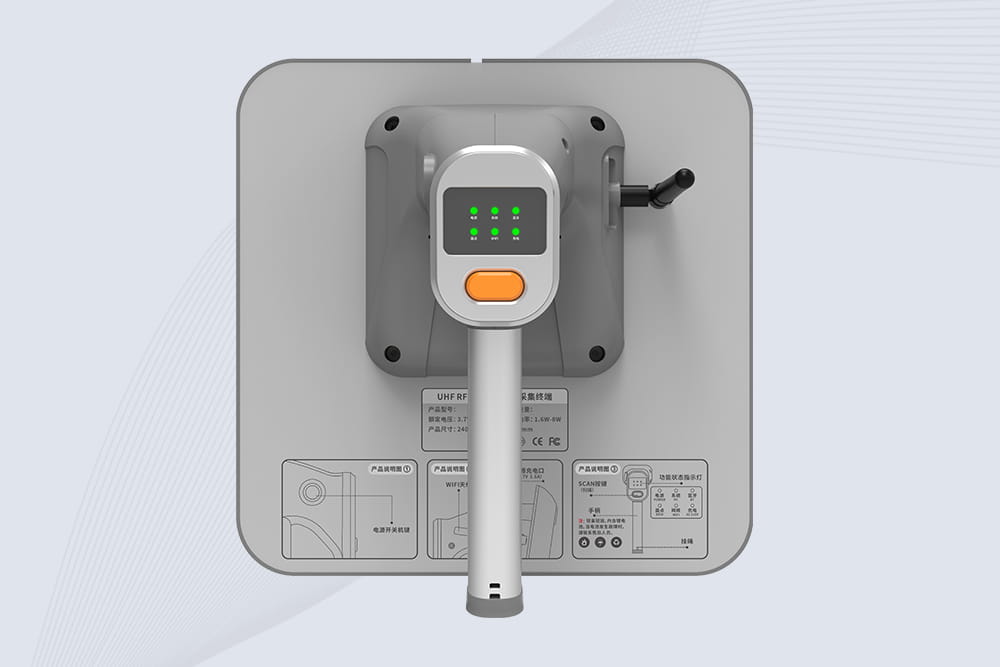
CYKEO-B9 UHF Bluetooth Handheld RFID Scanner
Cykeo CYKEO-B9 UHF Bluetooth handheld RFID scanner features 12m UHF range, 200+ tags/sec scanning, IP67 rugged design for retail/warehouse/pharma. Supports Android SDK & real-time Bluetooth 5.0 transmission.
More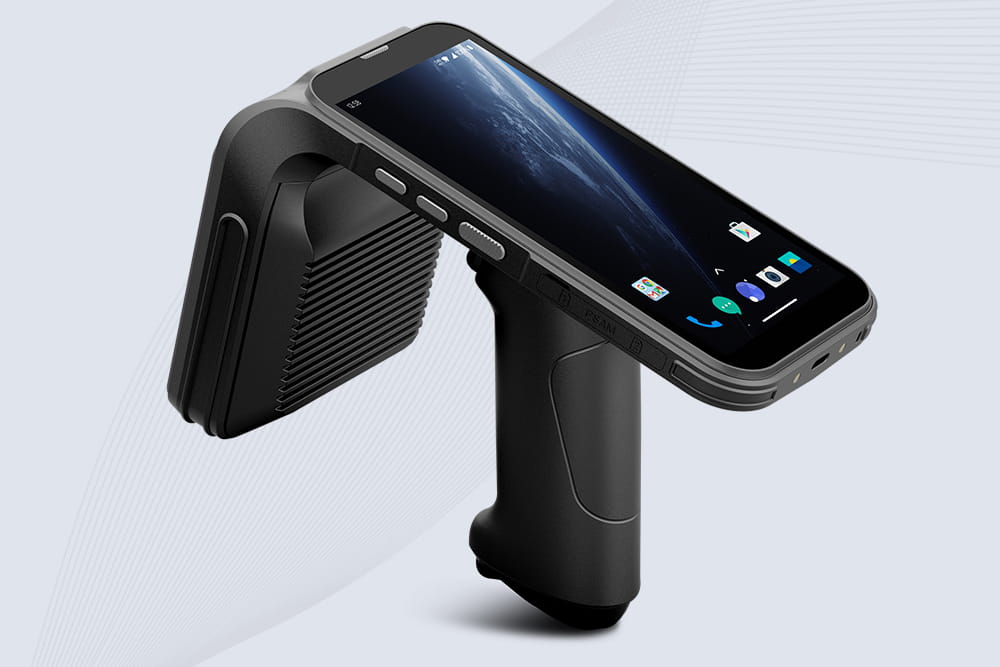
CYKEO-B4 Professional UHF Handheld RFID Reader
Cykeo CYKEO-B4 UHF Handheld RFID Reader scanner delivers 1300 tags/sec reading, 30m UHF range, and 12-hour battery life. IP65 rugged design with barcode/NFC/ID scanning for retail/manufacturing/logistics.
More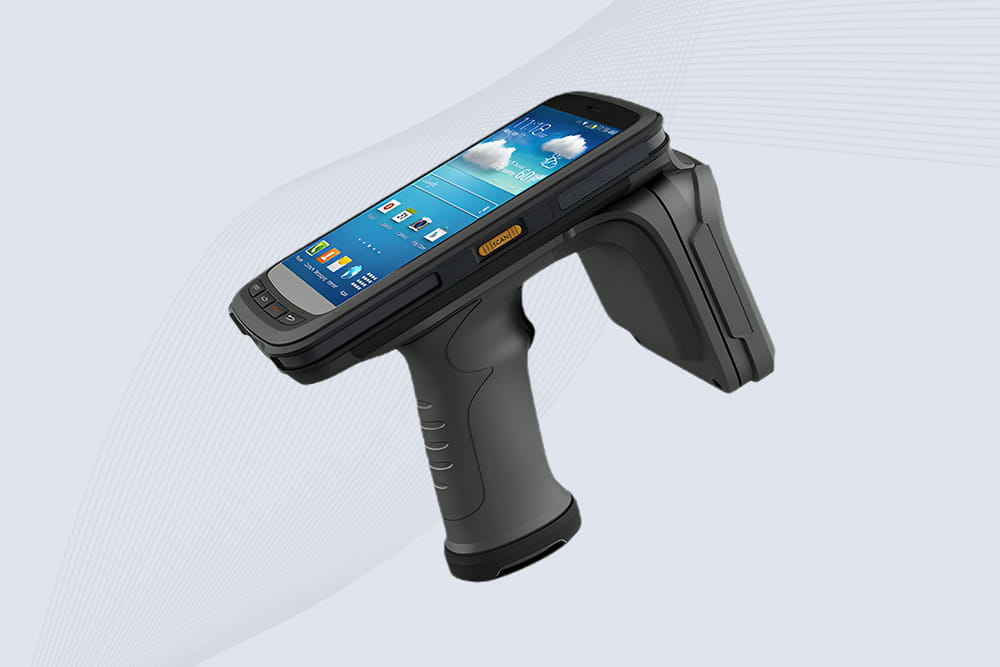
CYKEO-B2 RFID Handheld Scanner
Cykeo CYKEO-B2 industrial UHF RFID handheld Scanner offers 10m range, 500 tags/sec scanning, Android 11 OS, and IP65 rugged design for retail/warehouse/manufacturing.
More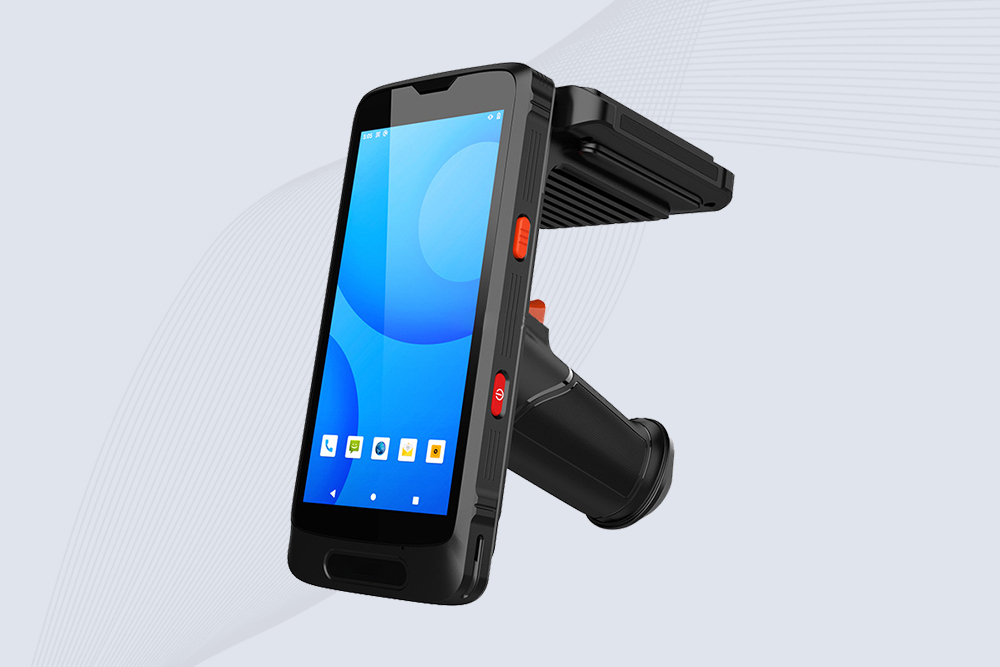
CYKEO-B3 Pro Rugged RFID Reader Handheld
Cykeo CYKEO-B3 industrial RFID Reader Handheld, terminal offers 2m read range, multi-protocol scanning (NFC/barcode/ID), Android 10 OS, and IP65 ruggedness for logistics/retail/manufacturing.
More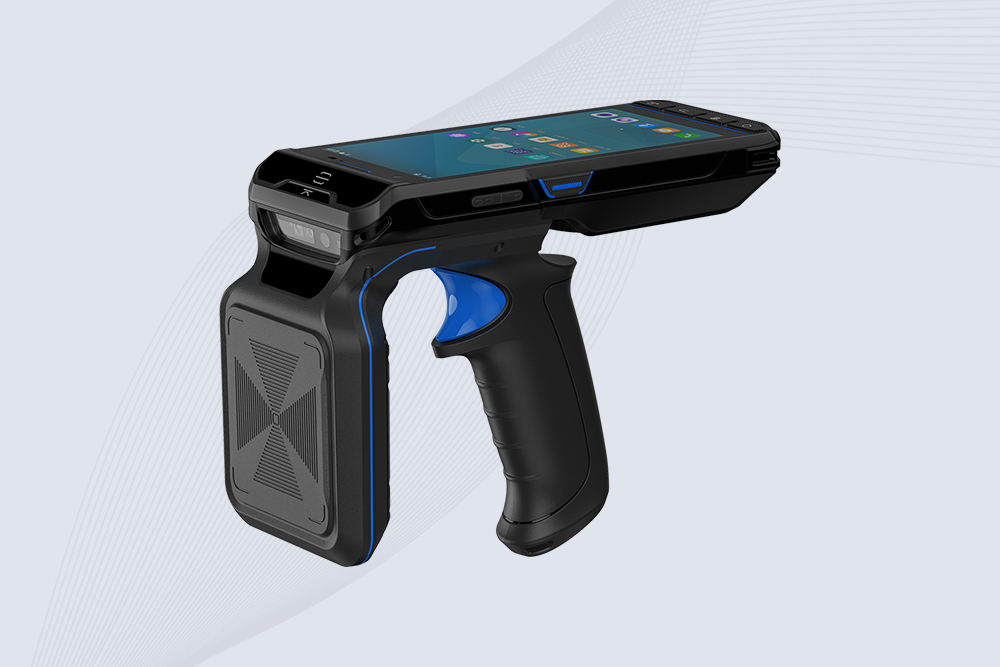
CYKEO-B3L Industrial UHF RFID Handheld Reader
Cykeo CYKEO-B3L industrial handheld UHF RFID Reader terminal features 20m read range, 500 tags/sec scanning, Android 13 OS, 12-hour battery for logistics/retail/manufacturing. Supports barcode/NFC/ID reading.
MoreMore about RFID Reader handheld
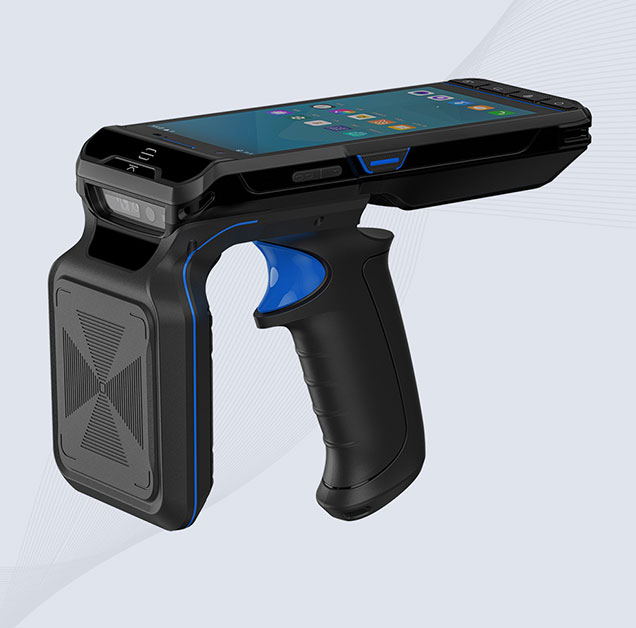
RFID handheld readers from Cykeo offer consistency in high performance as well as the functionality needed to jumpstart a successful RFID system. An RFID reader handheld is a radio frequency transmitter and receiver that can can read and write information to an RFID tag. RFID readers can also be fixed or portable. Portable, or mobile, RFID readers can be installed or carried almost anywhere.
Cykeo offer a very strong after-sales team and rapid technical support services, including support for SDKs, APIs, software integration, system development, mobile or desktop applications, as well as any related configuration or troubleshooting assistance, making your project very convenient from planning to implementation.
More About UHF RFID Handheld Reader
Cykeo RFID Handheld Readers are designed for professionals who need fast, reliable tag reading without being tied to a fixed workstation. Built for real-world use, these portable, battery-powered devices make it easy to collect RFID data while moving through warehouses, production floors, retail spaces, or outdoor sites. Operators can scan items on shelves, verify assets in storage, or perform cycle counts directly on the spot, without interrupting daily operations.
With a solid, industrial-grade housing and a user-friendly interface, Cykeo handheld readers are comfortable to use over long shifts. Wireless communication options allow data to sync smoothly with backend systems, reducing manual input and errors. Whether used for inventory checks, asset audits, or goods receiving, Cykeo handheld RFID readers provide a practical balance of mobility, durability, and performance for everyday work environments.
At Cykeo, we offer a wide range of RFID readers to suit various applications and industries. From handheld RFID readers, USB RFID readers, Long Range RFID Reader, Portable RFID Reader, RFID Gate Reader, and fixed RFID readers to multi-functional, multi-frequency options, our carefully developed product portfolio provides RFID hardware for any type of system and project. Whether you’re upgrading your supply chain operations or enhancing workplace security, our RFID readers deliver reliability, precision, and performance to meet your business needs.
More About Bluetooth RFID Reader Handheld
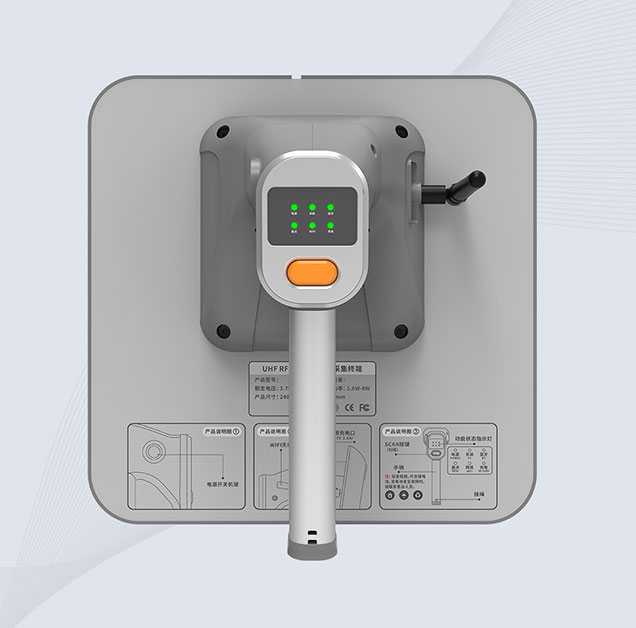
The Cykeo Bluetooth RFID Reader Handheld is built for users who want flexible RFID reading while working with their own mobile devices. By connecting directly to smartphones, tablets, or laptops via Bluetooth, this handheld reader turns existing hardware into a powerful mobile RFID solution. It’s well suited for teams that need to move quickly between locations, from warehouse aisles to field inspections or retail backrooms.
Compact and lightweight, the reader is easy to carry and simple to pair, even for non-technical users. Once connected, tag data can be viewed, stored, or transmitted in real time through compatible applications. This approach reduces equipment costs while keeping operations efficient and adaptable. For mobile inventory management, asset tracking, or on-site verification tasks, the Cykeo Bluetooth RFID handheld reader offers a straightforward, flexible option without unnecessary complexity.
What Are Handheld RFID readers?
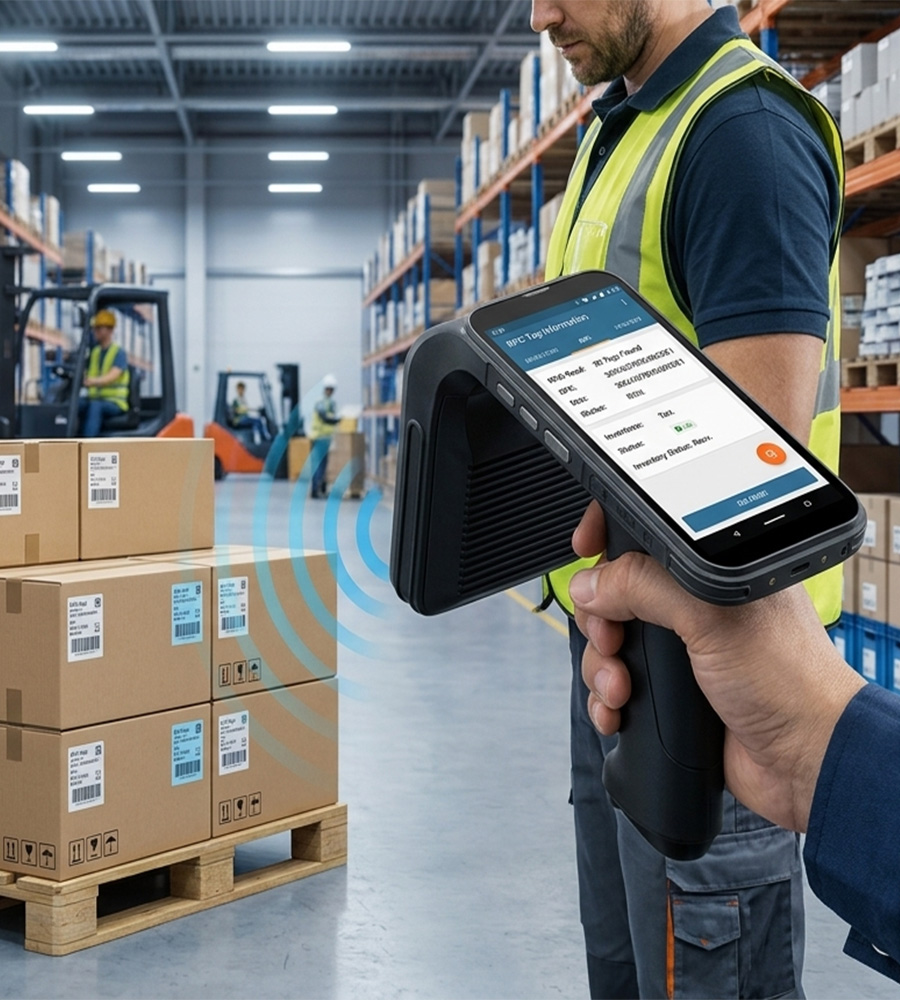
Handheld RFID readers are portable devices that allow users to identify, locate, read, and manage RFID-tagged items without installing a fixed RFID system. Unlike stationary RFID readers that monitor a specific location, handheld RFID readers give operators the freedom to move through warehouses, retail stores, factories, hospitals, libraries, and outdoor job sites while collecting RFID data in real time.
By combining an RFID reader, antenna, processor, touchscreen, wireless communication, and rechargeable battery into one compact device, handheld RFID readers make inventory management faster, more accurate, and far less labor-intensive. They can scan hundreds of RFID tags within seconds, even when the tags are hidden inside cartons, attached to pallets, or not directly visible.
Cykeo handheld RFID readers are designed for industrial environments that demand reliable mobile data collection and high-speed RFID performance. Depending on the application, users can choose from rugged Android handheld terminals with integrated UHF RFID, NFC, and barcode scanning, or compact Bluetooth and USB-C RFID readers that connect directly to Android smartphones or iPhones.
Cykeo also provides SDKs, APIs, software integration support, and technical assistance, making it easier for system integrators and software developers to deploy RFID solutions within existing business platforms. Whether the project involves warehouse management, logistics, healthcare, manufacturing, retail, or asset tracking, Cykeo handheld RFID readers help simplify RFID deployment while improving operational efficiency.
Decision Framework
When Should You Choose Handheld RFID readers?
✓ Good Fit
Choose Handheld RFID readers When…
- You perform manual inventory counts across warehouses, retail stores, or storage facilities.
- You need mobility to scan RFID tags in different rooms, buildings, or outdoor locations.
- You want a lower-cost RFID deployment without installing fixed readers and antennas.
- You need to locate specific tagged items such as tools, medical equipment, files, or apparel.
- Your staff work in the field, including maintenance, inspections, logistics, or asset management.
- You need both RFID and barcode scanning in one portable device for greater operational flexibility.
✗ Poor Fit
Don't Choose Handheld RFID readers When…
- You need automatic 24/7 RFID monitoring without requiring an operator to perform scans.
- Products continuously move through doors or conveyor lines, requiring unattended identification.
- You require real-time tracking of tagged items throughout a facility.
- Your operation handles high-volume RFID traffic, where fixed readers can capture thousands of tags automatically.
- You need wide-area RFID coverage using multiple antennas across large warehouses or production lines.
- Your workflow is fully automated, where fixed RFID readers integrate directly with conveyors, gates, robots, or access control systems.
Note For Partners: For manufacturers, system integrators, and software developers building customized handheld RFID solutions, choose a device with reliable RFID performance, comprehensive SDK/API support, flexible connectivity, and OEM/ODM customization to ensure smooth integration with your business systems.
Cykeo Handheld RFID Reader vsFixed RFID Reader
| Comparison Item | CYKEO Handheld RFID Reader | CYKEO Fixed RFID Reader |
|---|---|---|
| Mobility | Portable and mobile | Fixed installation |
| Primary Use | Manual RFID scanning | Automated RFID tracking |
| Reading Range | Up to 1–15 meters | Up to 1–20+ meters (depending on antennas) |
| Coverage Area | Operator-controlled | Multiple fixed read zones |
| Reading Speed | High | Very high |
| Multi-Tag Reading | Excellent | Excellent |
| Continuous Operation | Limited by battery life | Designed for 24/7 operation |
| External Antenna Support | Typically no | Supports multiple external antennas |
| Deployment Complexity | Simple | Moderate to advanced |
| Integration Capability | Mobile apps and field systems | WMS, ERP, MES, and enterprise platforms |
| Labor Requirement | Requires operator involvement | Fully automated operation |
| Scalability | Small to medium deployments | Medium to large deployments |
| Typical Applications | Inventory counting, asset audits, field inspections | Warehouse automation, portal tracking, production monitoring |
| Initial Investment | Lower | Higher |
| Main Advantage | Flexibility and mobility | Automation and large-area coverage |
| Best For | Spot checks and mobile RFID tasks | Continuous enterprise RFID operations |
Our customers give this evaluation
Read feedback from system integrators, software developers, engineers, and enterprise users worldwide. Their experiences highlight CYKEO's Handheld RFID Readers product reliability, technical support, integration capabilities, and performance across logistics, manufacturing, retail, and industrial RFID applications.

Michael Thompson – System Integrator (USA)
⭐⭐⭐⭐⭐
We deployed CYKEO-B3 industrial RFID Handheld Reader in a warehouse automation project in Texas, 20 units for inventory auditing and pallet tracking. The API integration with our WMS was smooth using RESTful services and Java SDK. Engineers were able to connect it within a few days. CYKEO supported customization during pre-sales and delivered samples quickly. Bulk shipment was on time, which helped us meet project deadline without delay.

David Chen – Software Developer (Singapore)
⭐⭐⭐⭐⭐
I integrated CYKEO-B4 UHF Handheld RFID Reader scanner into a logistics tracking app. The Android SDK and C# compatibility made development very efficient. We tested about 15 devices across multiple logistics nodes. The REST API structure is clean and stable. Technical support helped us debug a firmware communication issue within 24 hours.

Ahmed Al-Farsi – Procurement Manager (UAE)
⭐⭐⭐⭐⭐
We purchased CYKEO-B2 RFID Handheld Scanners (30 units) for retail inventory control in Dubai. CYKEO handled OEM branding for our distributor channel. Communication during pre-sales and shipping was clear and professional. Delivery to Jebel Ali port was smooth and well-coordinated.
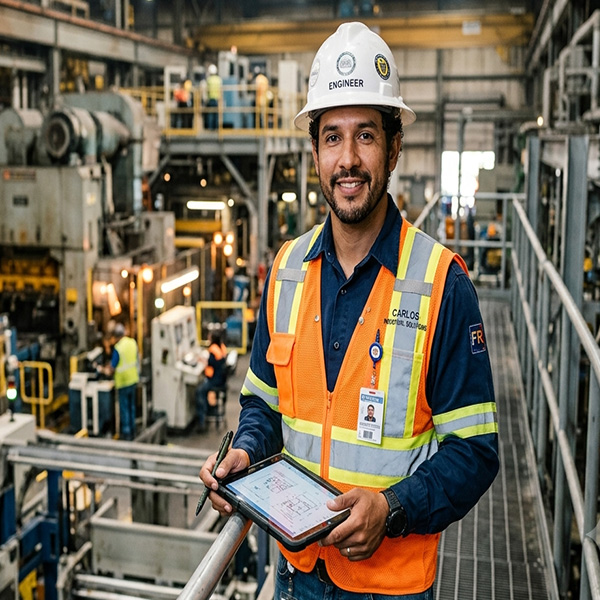
Lucas Martins – RFID Engineer (Brazil)
⭐⭐⭐⭐⭐
We tested CYKEO-B3L industrial handheld UHF RFID Reader in a manufacturing plant in São Paulo. The reading stability in metal-heavy environments was better than expected. The engineering team supported antenna tuning suggestions. SDK documentation was clear enough for fast integration into our MES system.

John Miller – Warehouse Operations Manager (Germany)
⭐⭐⭐⭐⭐
We deployed CYKEO-B9 UHF Bluetooth handheld RFID scanner in a distribution center near Hamburg. The Bluetooth connectivity allowed easy pairing with tablets used by warehouse staff. CYKEO also provided OEM customization for our internal software workflow.

Sarah Johnson – IT Project Manager (UK)
⭐⭐⭐⭐⭐
We implemented CYKEO-B4 handheld RFID readers (12 units) for a hospital asset tracking system in London. Integration with our ERP system was done via REST API. CYKEO’s technical team supported us during system testing and deployment phase. The responsiveness was excellent.

Kenji Sato – Technical Engineer (Japan)
⭐⭐⭐⭐⭐
We used CYKEO-B3 industrial RFID handheld readers (18 units) in an automotive parts warehouse in Osaka. The device stability and Japanese system compatibility were very good. SDK support for Java helped our developers integrate quickly.

Omar Hassan – RFID Solution Provider (Egypt)
⭐⭐⭐⭐⭐
We distributed CYKEO-B2 and B3 handheld RFID readers (50+ units) across multiple client projects in North Africa. CYKEO’s OEM customization capability and stable mass production helped us scale quickly. After-sales support is responsive even during cross-time-zone communication.
FAQ About Handheld RFID Scanner
How do handheld RFID readers work?
A handheld RFID reader works by sending out radio signals and listening for a response from RFID tags nearby. When a tag enters the signal area, it reflects information back to the reader. For passive tags, the energy needed to respond comes entirely from the reader itself.
In real use, the process is simple. The operator holds the device, pulls the trigger, and moves through items or shelves. The reader collects tag IDs and either shows them on screen or sends them to software. Cykeo handheld readers are designed to filter repeated reads so the same tag does not appear again and again during scanning.
How do you read data from an RFID reader handheld writer?
To read data from a handheld RFID reader writer, the user starts the reading function on the device or its app and scans a tag. The reader detects the tag and displays its ID or stored data. If the reader supports writing, it can also access specific memory areas.
In practice, most users focus on reading rather than writing. Writing is usually restricted by passwords to avoid mistakes. Cykeo handheld reader writers include confirmation steps before data is changed. This helps prevent accidental overwriting, especially when multiple staff members use the same device during daily operations.
How do you connect a handheld RFID reader writer to RFID software?
Handheld RFID readers usually connect to software through USB, Bluetooth, or Wi-Fi. The method depends on how mobile the operation needs to be. USB is stable but limits movement. Bluetooth and Wi-Fi allow real-time data transfer while walking.
Once connected, the software communicates with the reader using drivers or an SDK. Cykeo supports common integration methods so data can be sent directly into inventory or asset systems. After connection, users normally test reading, writing, and data formatting to make sure everything works as expected before full deployment.
How long is the battery life of a UHF RFID reader handheld?
Battery life depends heavily on how the reader is used. Most UHF handheld readers last a full working shift, usually around 8 to 12 hours. Constant scanning at high power drains the battery faster than occasional use.
Cykeo handheld readers are designed with power management features to extend usage time. In real operations, users typically charge devices overnight or use charging docks. For intensive environments, spare batteries or fast charging reduce downtime and keep work moving without interruption.
What is a long-range handheld RFID reader?
An industrial handheld RFID reader is built for tough working conditions. These devices are designed to survive drops, dust, temperature changes, and long daily use. Buttons and screens are made for use with gloves or in poor lighting.
Cykeo industrial handheld readers are commonly used in warehouses, factories, and outdoor sites. Beyond physical strength, they focus on stable performance. The goal is not just durability, but consistent and reliable data collection during long shifts without frequent failures or restarts.
What is an industrial handheld RFID reader?
An industrial handheld RFID reader is built for tough working conditions. These devices are designed to survive drops, dust, temperature changes, and long daily use. Buttons and screens are made for use with gloves or in poor lighting.
Cykeo industrial handheld readers are commonly used in warehouses, factories, and outdoor sites. Beyond physical strength, they focus on stable performance. The goal is not just durability, but consistent and reliable data collection during long shifts without frequent failures or restarts.
In what scenarios is an RFID UHF handheld reader used?
RFID UHF handheld readers are used in many everyday operations. Common scenarios include warehouse inventory counting, asset tracking, retail stock checks, and logistics verification.
They are also used in manufacturing to track tools and work-in-progress items. Cykeo UHF handheld readers are helpful during receiving and shipping, where large volumes must be checked quickly. Any situation that needs fast identification without direct contact is a good fit for a UHF handheld reader..
What is the typical range of an RFID handheld reader?
There is no single “standard” range for a handheld RFID reader. It depends on frequency, tag quality, antenna design, and the surrounding environment. In general, UHF handheld readers can read tags from a few meters away, sometimes up to 8 or 10 meters in open space.In real warehouses, the distance is often shorter. Metal racks, liquid products, and dense packaging all reduce performance. HF or NFC handheld readers work at very short range and are meant for close interaction. Cykeo usually recommends testing range on site, because actual conditions matter more than lab numbers.
Can handheld UHF RFID reader read multiple tags at once?
Yes, a handheld UHF RFID reader can read many tags at the same time. This is one of the main reasons UHF is used for inventory work. The reader communicates with tags using anti-collision methods, allowing each tag to respond without interfering with others.
In practical terms, this means a user can scan an entire shelf or pallet in seconds. Cykeo handheld readers manage repeated reads automatically, so the same tag is not counted again and again. This multi-tag ability saves time and reduces human error compared to barcode scanning or manual checks.
What is the difference between an RFID handheld reader writer and a UHF fixed RFID reader?
RFID handheld reader writer is meant to be carried and used manually. It is ideal for spot checks, mobile inventory, and situations where items cannot be moved. The reader goes to the item.
A UHF fixed RFID reader stays in one location and works continuously. It is used at gates, doors, or conveyors where items pass through automatically. Cykeo systems often use both types together. Fixed readers handle routine flows, while handheld readers are used for exceptions, audits, and tasks that require human judgment and flexibility.
What communication interfaces do handheld RFID tag readers support?
Most handheld RFID tag readers support multiple communication interfaces. USB is common for charging and direct data transfer. Bluetooth is widely used to connect with phones, tablets, or laptops. Wi-Fi allows the reader to send data directly to servers or cloud platforms.
Some devices also support docking stations with wired network connections. Cykeo handheld readers are built to support different workflows, so users can choose the interface that fits their environment. This flexibility is important when operations change or expand over time.
What is the effective read distance for a handheld RFID reader on Android?
Android-based handheld RFID readers typically achieve effective read distances of about 3 to 8 meters with standard UHF tags. Actual performance depends on antenna design, output power, and surroundings.
Android systems make the device easier to customize and integrate with apps. Cykeo Android handheld readers combine familiar mobile operation with industrial RFID performance. Users often adjust power settings to control the reading zone, especially in busy or crowded environments where accuracy matters more than maximum distance.
Why rely on a portable RFID handheld reader?
Portable RFID handheld readers allow work to happen where the items are. Instead of moving assets to a fixed station, staff can scan them in place. This saves time and reduces handling risks.
They are also useful when installing fixed readers is not practical. Cykeo handheld readers are easy to deploy and require minimal setup. They are especially valuable for audits, exception handling, and temporary tasks where flexibility is more important than automation.