 Cykeo RFID IoT Solution Products R&D Manufacturer
RFID Gate Readers
Cykeo offers RFID gate readers for fixed passage identification in logistics, access control and asset flow monitoring. The product range includes RFID Portal Readers, Ceiling-Mounted RFID Gate Readers and Wall-Mounted RFID Gate Readers, suitable for different installation environments.
SDKs, APIs and demo software are available to support fast integration with existing software systems. For gate width, antenna layout or installation method selection, Cykeo’s engineering team can provide basic technical guidance.
RFID Gate Readers
RFID gate readers are designed to identify RFID tags automatically when tagged objects pass through a defined gate or corridor. In practical applications, reading performance depends on antenna configuration, tag orientation, passage speed and surrounding structures.
Read More
These devices work by creating a controlled RFID reading zone using fixed antennas. When a tagged item moves through the gate, the reader captures tag data without manual scanning. Compared with handheld or short-range reading, gate-based identification supports continuous flow and reduces missed reads in high-traffic areas.
Common Application Areas
1.Warehousing and Logistics Centers
In warehouses, Cykeo RFID gate readers are installed at inbound and outbound passages. Pallets, cartons or containers are identified automatically when passing through the gate, helping operators record movements without stopping forklifts or unpacking goods.
2.Manufacturing and Work-In-Progress Tracking
Factories use RFID gate readers to monitor material flow between production stages. As components move through designated gates, status updates are recorded in real time, supporting traceability and process control.
3.Asset Control and Equipment Tracking
In industrial facilities and hospitals, RFID gate readers help monitor the movement of tools and mobile equipment. Unauthorized removal or incorrect transfers can be detected based on gate events.
4.Library and Archive Management
Libraries apply RFID gate readers at exits to identify books and documents leaving the area. This reduces manual checks and supports automated circulation management.
4.Retail Back-of-House Operations
Retail distribution centers use RFID gate readers to track goods entering storage or dispatch areas. Compared with barcode scanning, multiple tagged items can be identified at once, improving efficiency.
5.Event and Venue Access Points
At exhibitions or controlled venues, RFID gate readers identify badges or passes as people move through entrances, supporting access control and visitor flow analysis.
6.Smart Cabinet and Storage Systems
System integrators combine Cykeo RFID gate readers with cabinets or storage enclosures. The gate reader handles identification, while the software manages access records and inventory status.
About Cykeo
Cykeo is an RFID hardware manufacturer focused on Fixed RFID Readers, RFID modules and RFID antennas.
Our products are developed for software developers, system integrators, solution providers, agents and enterprise customers who build their own RFID-based systems, such as smart cabinets, RFID access control solutions and automated logistics equipment.
Rather than delivering closed systems, Cykeo supplies stable hardware with open SDKs and APIs. This allows customers to design, integrate and deploy RFID solutions that fit their specific application and mechanical structure.
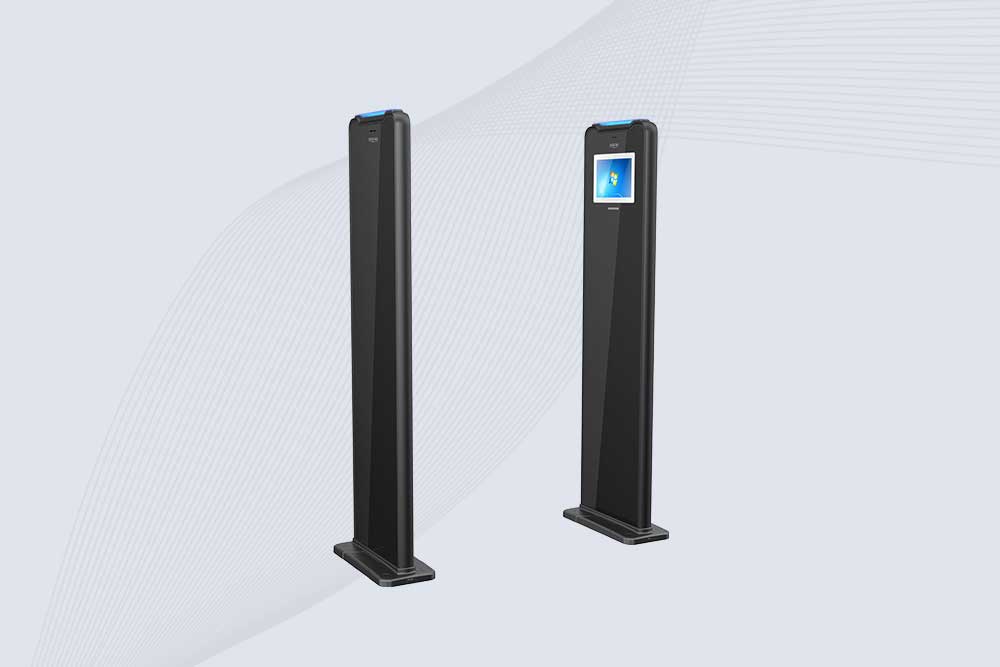
SSD-T4A-P Fixed RFID Gate Reader
SSD-T4A-P Smart access control with real-time crowd tracking ✔️ AI Tag Filtering for Reduced Misreads SSD-T4A-P supports AI-based tag filtering and up to 6 EPC filtering sets, helping reduce unwanted reads and improve identification accuracy in busy entrances, exits, and retail environments. ✔️ Fast In & Out Detection with Visual & Audio...
More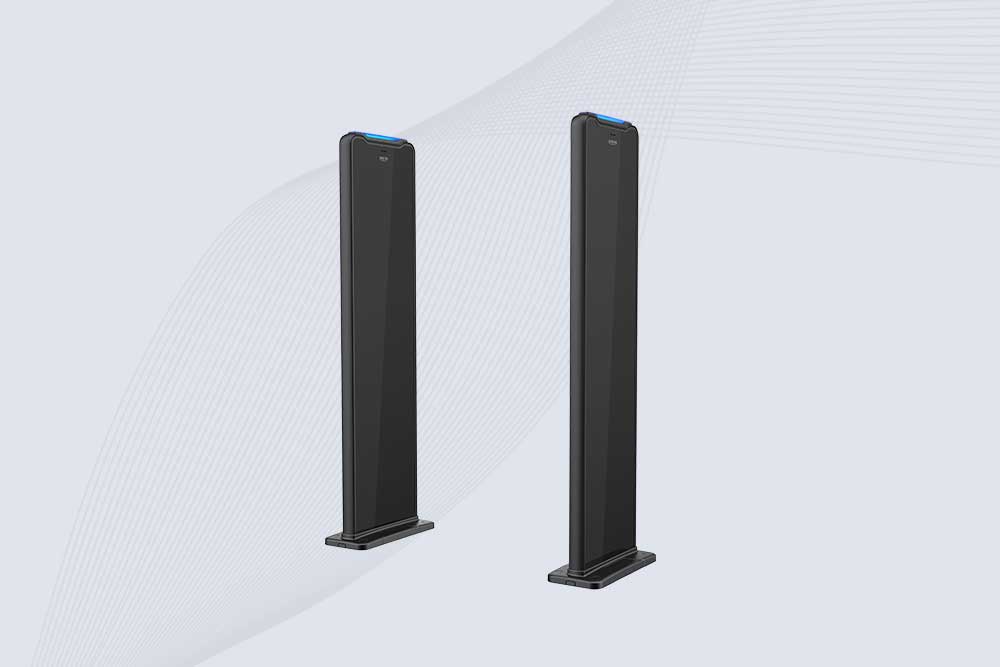
SSD-T4A Fixed RFID Gate Reader
SSD-T4A UHF RFID Gate Reader with 11 dBi antenna, up to 10 m reading distance, AI tag filtering, in/out detection, 300,000 data storage, and TCP/HTTP/MQTT support.
More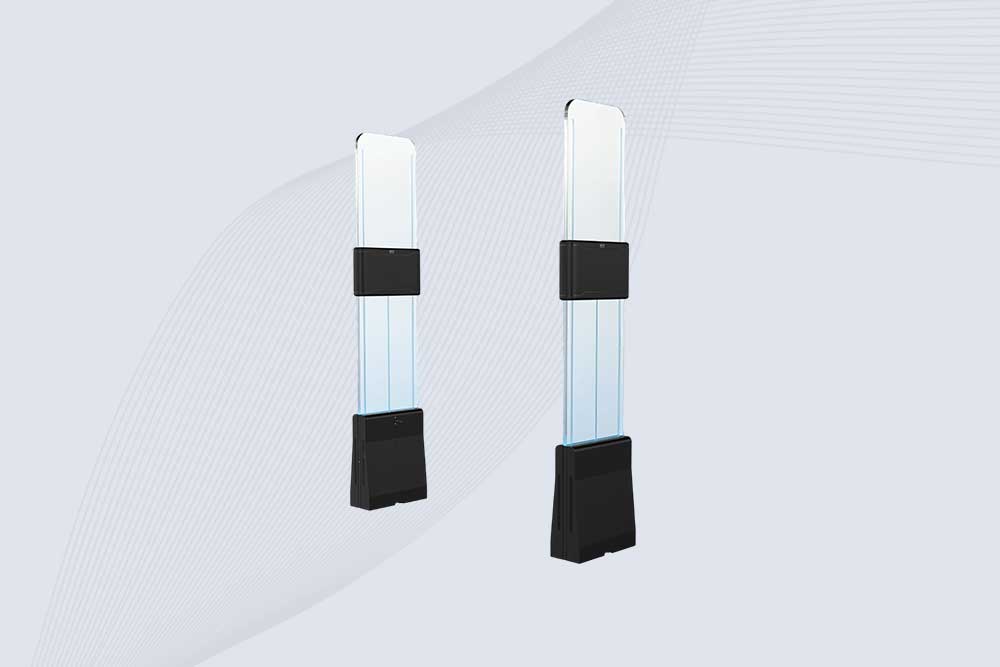
SSD-T2D Ultra-Slim Gate Barrier RFID Reader
SSD-T2D UHF RFID Gate Reader with 11dBi circular antenna, Impinj E710/X3M1 chipset, up to 10m reading distance, AI tag filtering, in/out detection, and audio-visual alarms.
More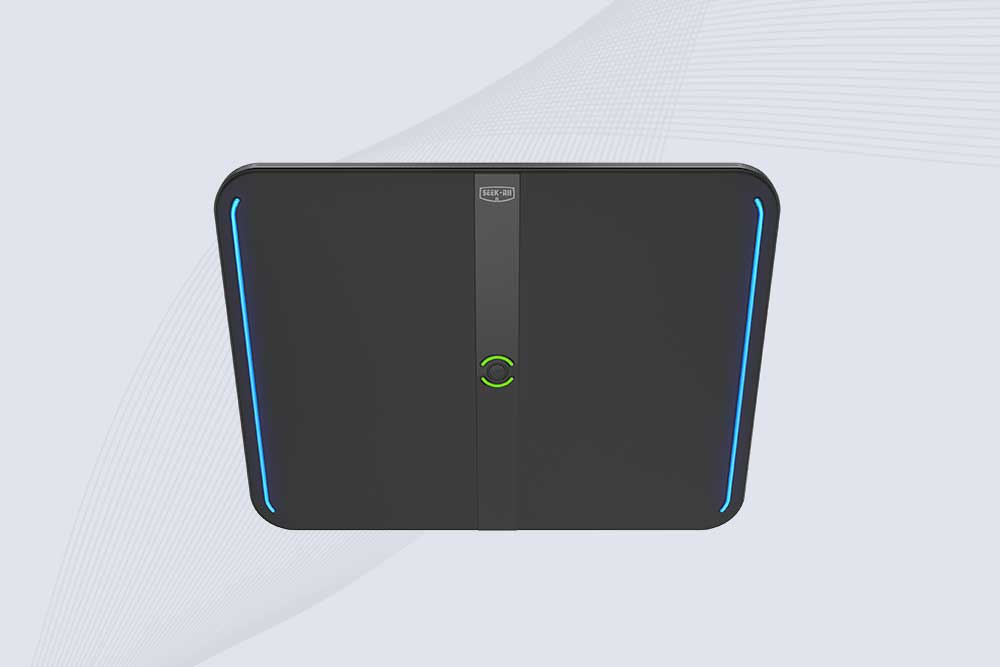
SSD-T1 7dBi RFID Ceiling/Overhead RFID Reader
SSD-T1 ✔️ AI-Powered Tag Filtering SSD-T1 supports AI-based tag filtering with up to 6 EPC filtering sets, helping reduce unwanted tag reads and improve identification accuracy in busy retail and access-control environments. ✔️ Reliable In & Out Detection With a 7dBi antenna and a reading range of up to 2.5 meters, SSD-T1 can detect tagged i...
More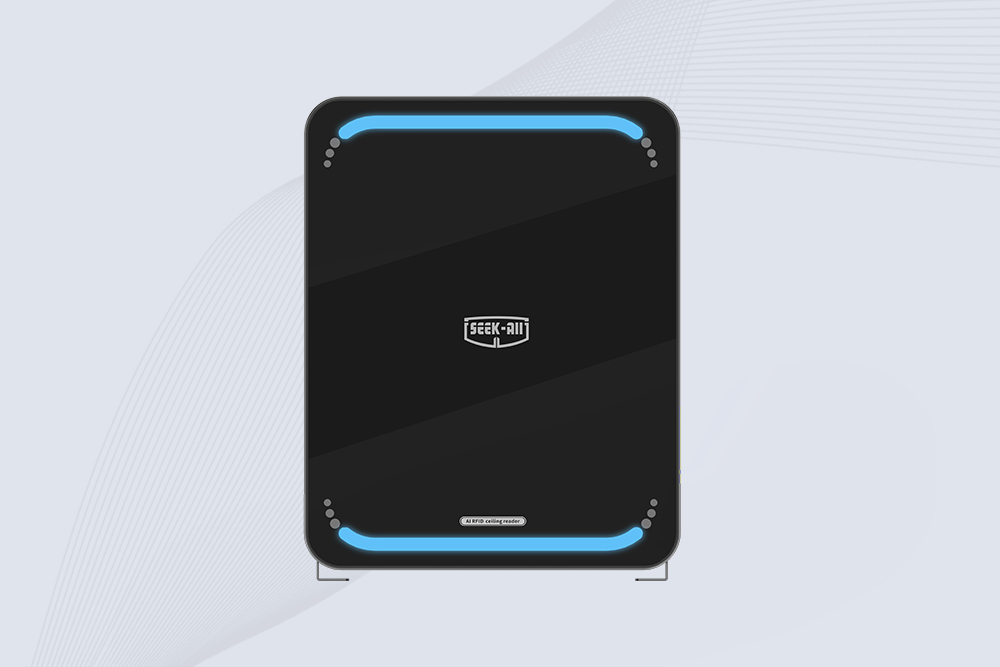
SSD-T1G UHF RFID Ceiling Integrated Reader System
SSD-T1G is a 12 dBi AI RFID ceiling-mounted reader with 10m reading range, In/Out detection, AI tag filtering, 300,000-record storage, and TCP/HTTP/MQTT support.
More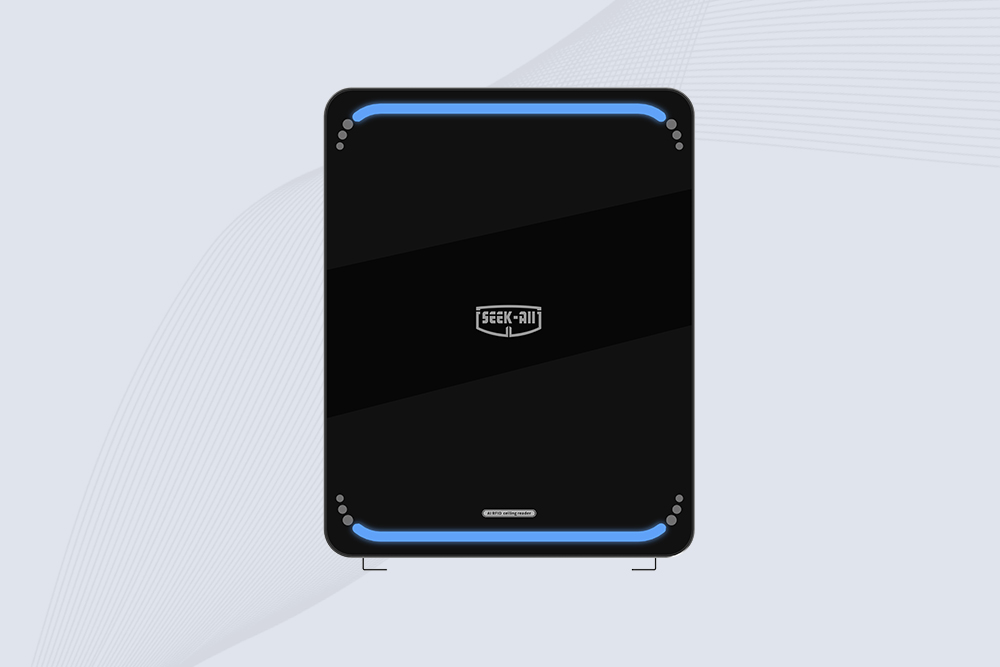
SSD-T1H UHF RFID Ceiling Integrated Reader System
SSD-T1H 9dBi AI ceiling-mounted UHF RFID reader with up to 10m reading range, AI tag filtering, 300,000 data storage, and TCP/HTTP/MQTT support.
More
CYKEO-T1D Ceiling-Mounted RFID access control reader
Cykeo's CYKEO-T1D industrial RFID ceiling reader features 500 tags/sec scanning, IP54 protection, and -20℃~60℃ operation for retail/warehouse security. Supports ISO18000-6C and GB/T29768 protocols.
More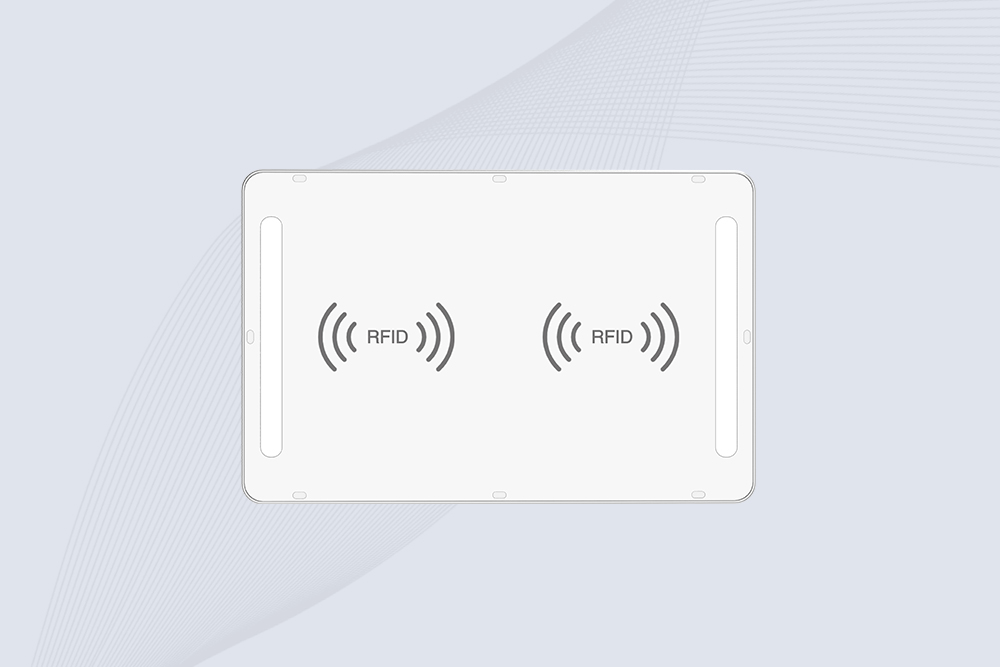
CYKEO-T1C RFID Ceiling Tunnel Reader
Cykeo's ceiling-mounted RFID reader enables hands-free 5m inventory tracking with 500 tags/min speed. Features dual alerts, ERP integration, and IP54 rating for warehouse security.
More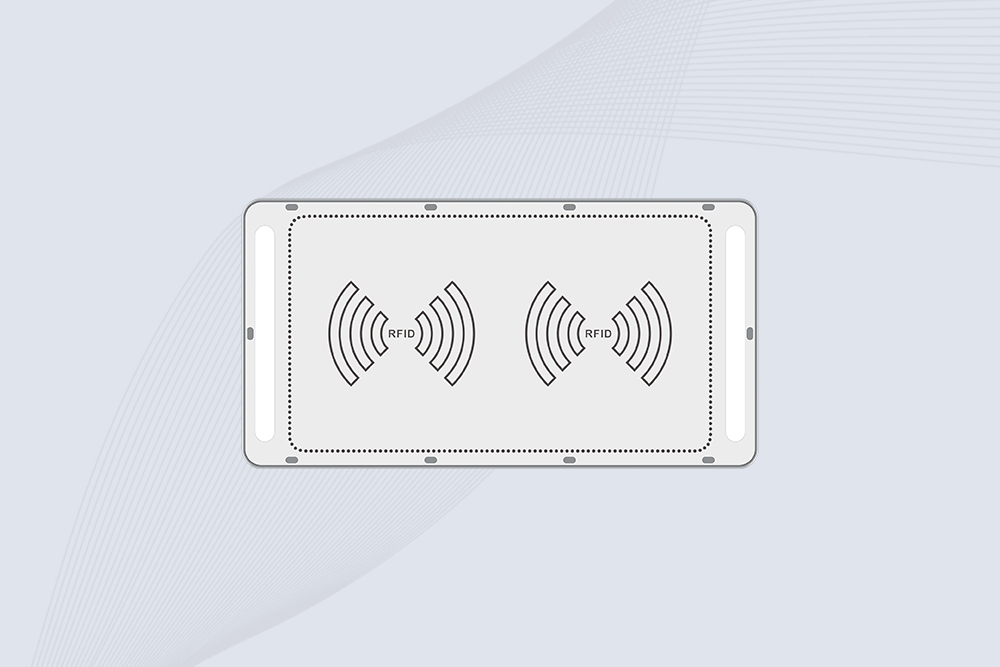
CYKEO-T1E Phased Array RFID Gate System
Cykeo CK-T1E RFID gate system features 120° coverage, AI motion filtering, and 5m detection for retail/warehouse security. IP67 rugged design with ERP integration.
More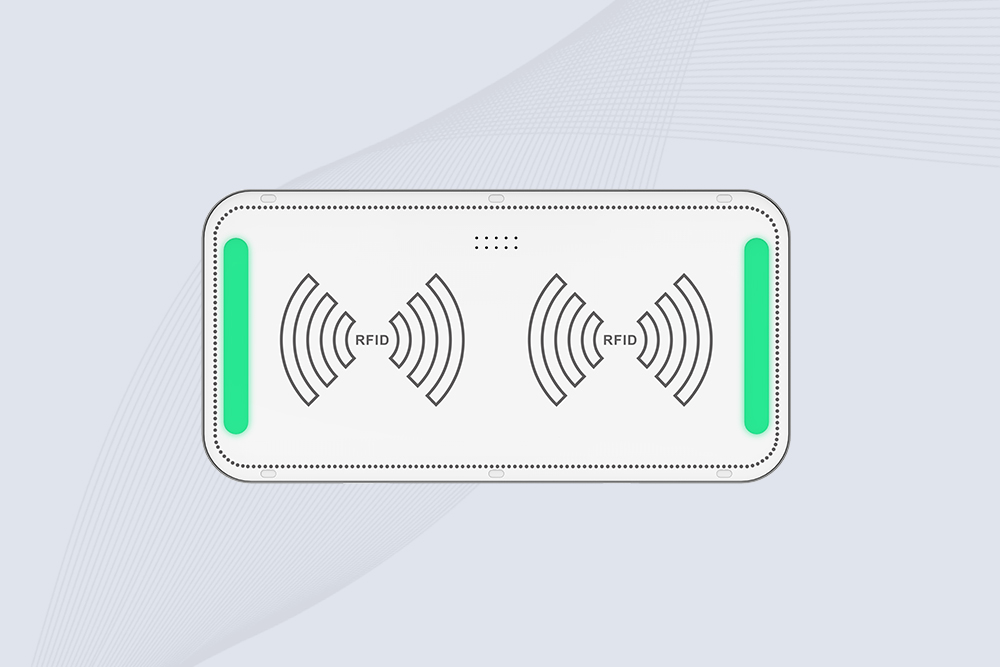
CYKEO-T1A RFID Ceiling-mounted integrated reader
Cykeo CYKEO-T1A industrial ceiling RFID system offers 10-20m read range, 500+ tags/sec speed, and IP65 protection for smart warehousing. Supports multi-protocol integration and real-time inventory alerts.
More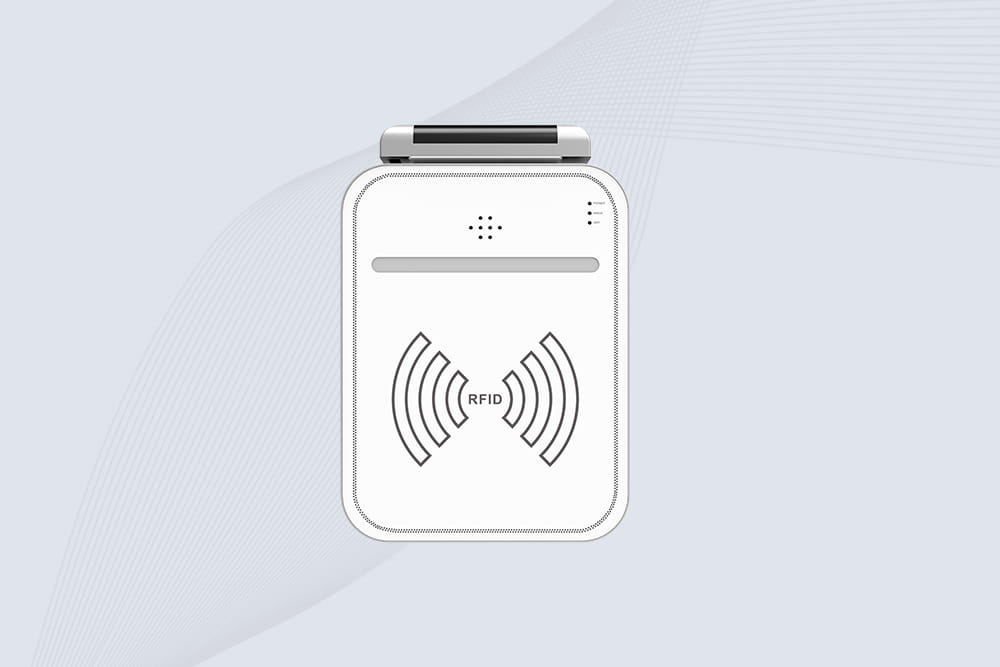
CYKEO-T1 Ceiling-Mounted RFID Access system
Cykeo's CYKEO-T1 ceiling-mounted UHF RFID reader offers 500tags/sec scanning, ISO18000-6C compliance, and -20℃~60℃ operation for smart retail/warehouse management. Supports TCP/IP & Android integration.
More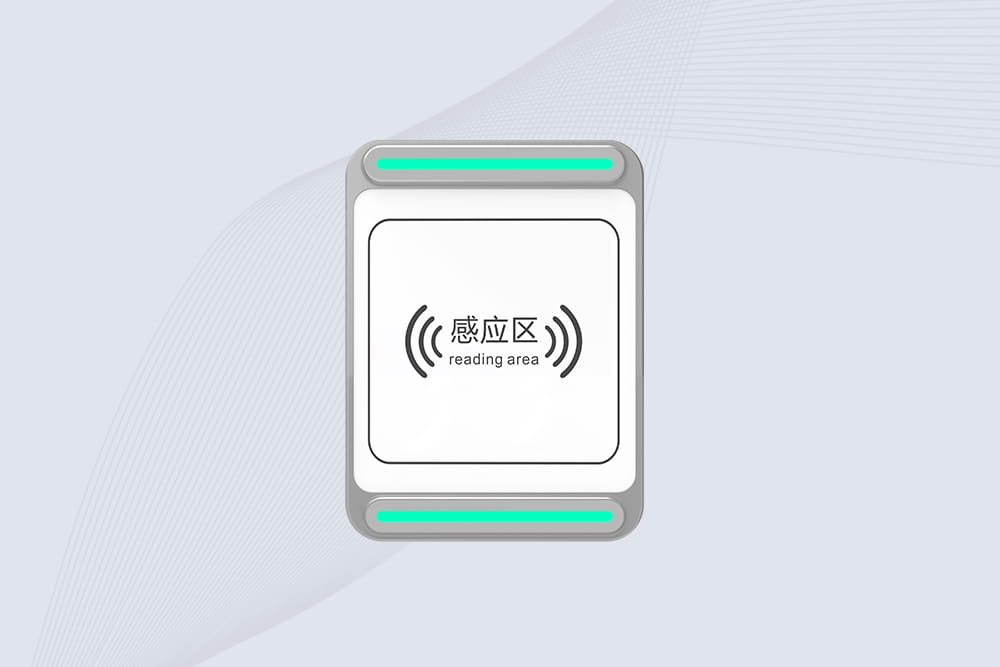
CYKEO-T1B UHF RFID Ceiling Integrated Reader System
Cykeo CYKEO-T1B ceiling-mounted RFID system delivers 10-20m reading range, 500+ tags/sec processing, and integrated security alarms. Ideal for warehouse/logistics automation with Android-compatible SDK.
More
CYKEO-T1G Ceiling Type UHF RFID Portal Reader
Cykeo's industrial ceiling-mounted RFID reader offers 10m+ automated inventory tracking, ISO-18000 compliance, and anti-theft alarms. Designed for retail/warehouse/logistics facilities.
More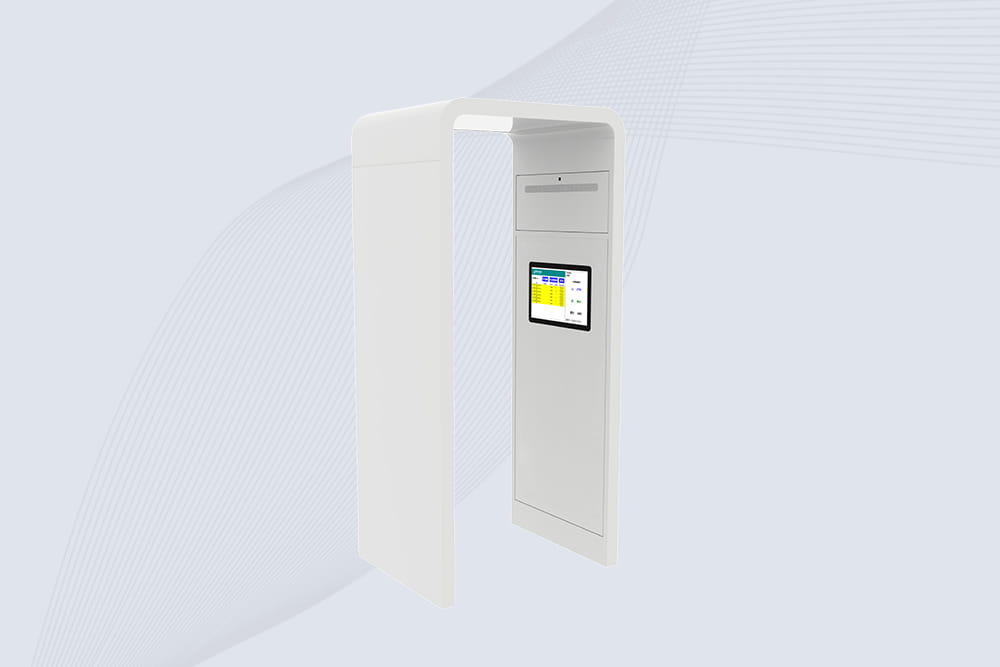
CYKEO-T8 Arch Gate RFID Reader
Cykeo CYKEO-T8 industrial arch gate RFID reader delivers 800+ tags/min scanning, 4m detection range, and Android touchscreen for libraries/retail stores. Supports SAP integration & dual EAS alarms.
More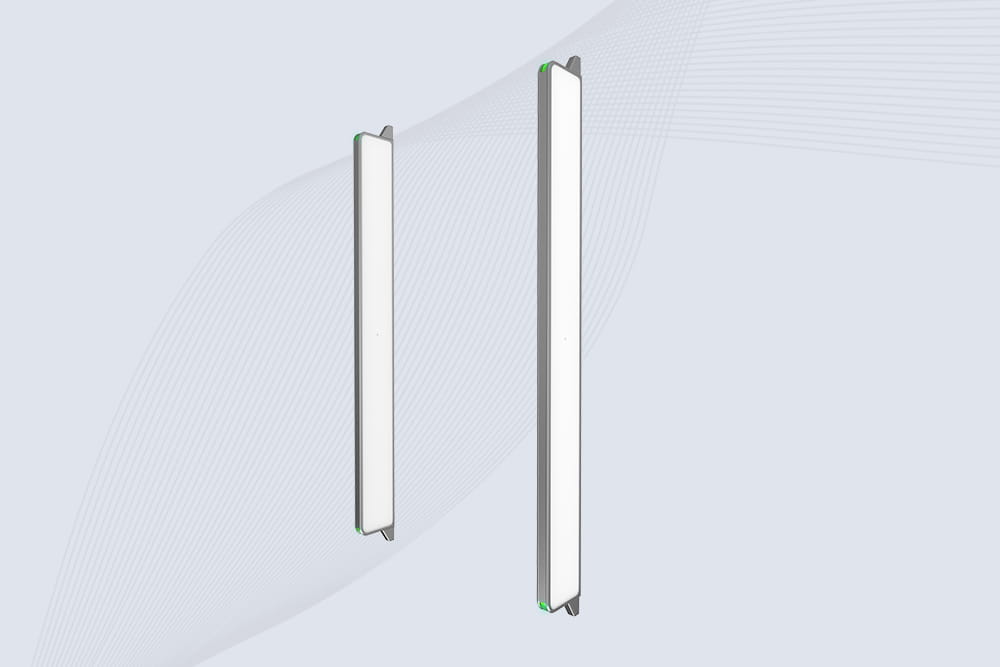
CYKEO-T3 Wall-Mounted RFID Gate Reader
Cykeo CYKEO-T3 industrial RFID gate reader features 200cm detection, infrared triggering, and dual alarm modes for warehouses/libraries. Supports WiFi/4G and Java/C# SDK integration.
More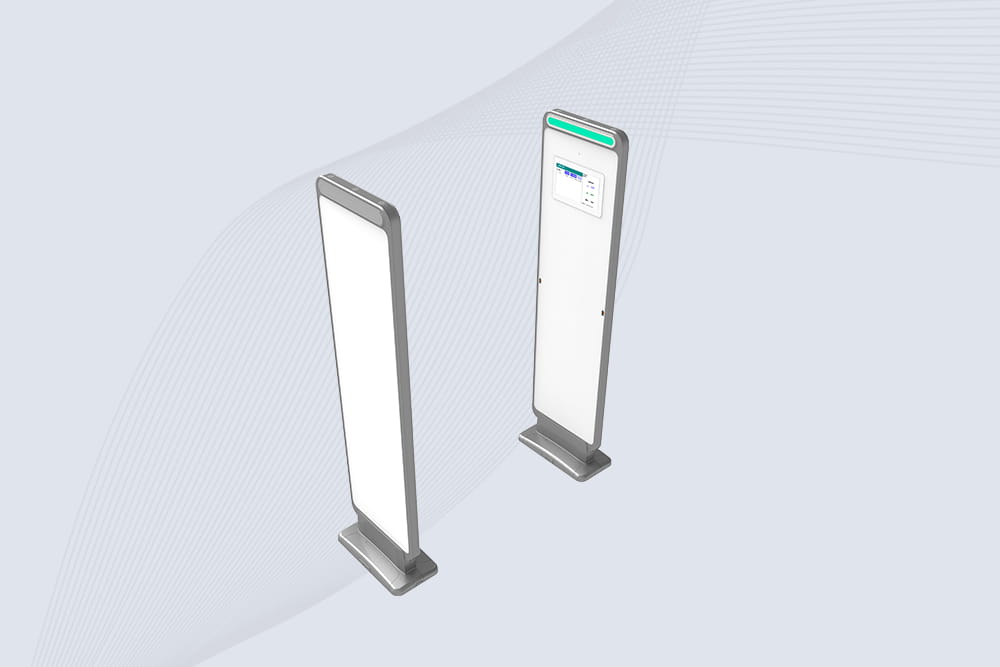
CYKEO-T4 UHF RFID SECURITY GATE SYSTEM
Cykeo CYKEO-T4 industrial RFID gate system features 4-antenna array, 99.9% detection accuracy, dual EAS alarms, and WiFi/4G connectivity for library/warehouse/retail security. ISO 18000-6C compliant.
More
CYKEO-T5 UHF RFID Gate Terminal
Cykeo's CYKEO-T5 UHF RFID gate reader features 600cm detection, infrared tracking, and dual-mode alarms for retail/library security. Supports crowd counting and multi-protocol integration.
More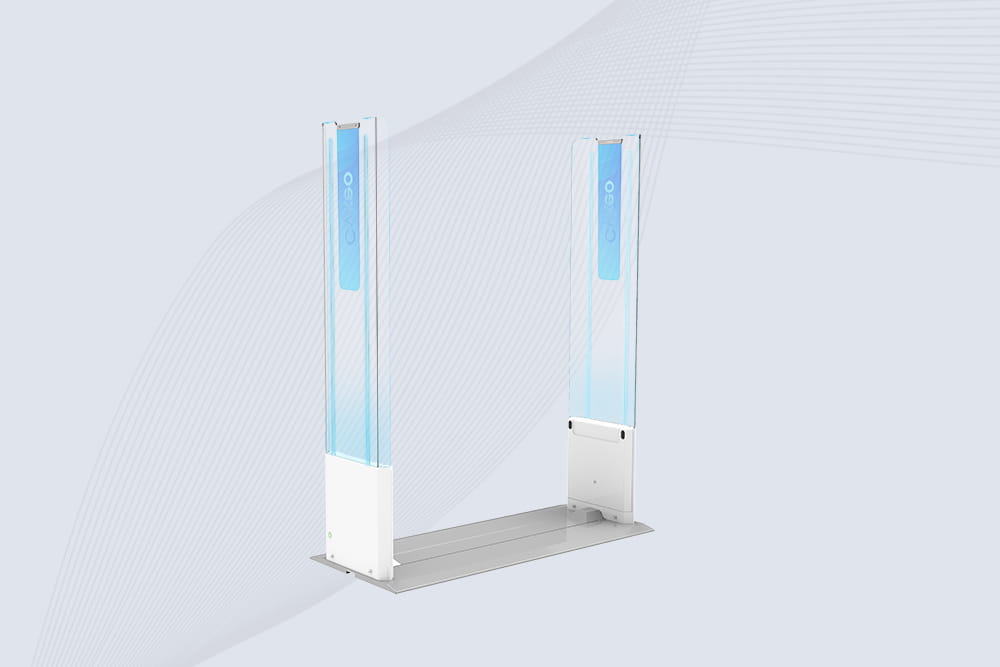
CYKEO-T2A Ultra-Slim Gate Barrier RFID Reader
Cykeo CYKEO-T2A industrial Gate Barrier RFID Reader system features 6m detection, 200 tags/sec scanning, IP54 durability. Perfect for retail security, warehouse access control. Supports EPC C1G2, WiFi/4G, ERP integration.
More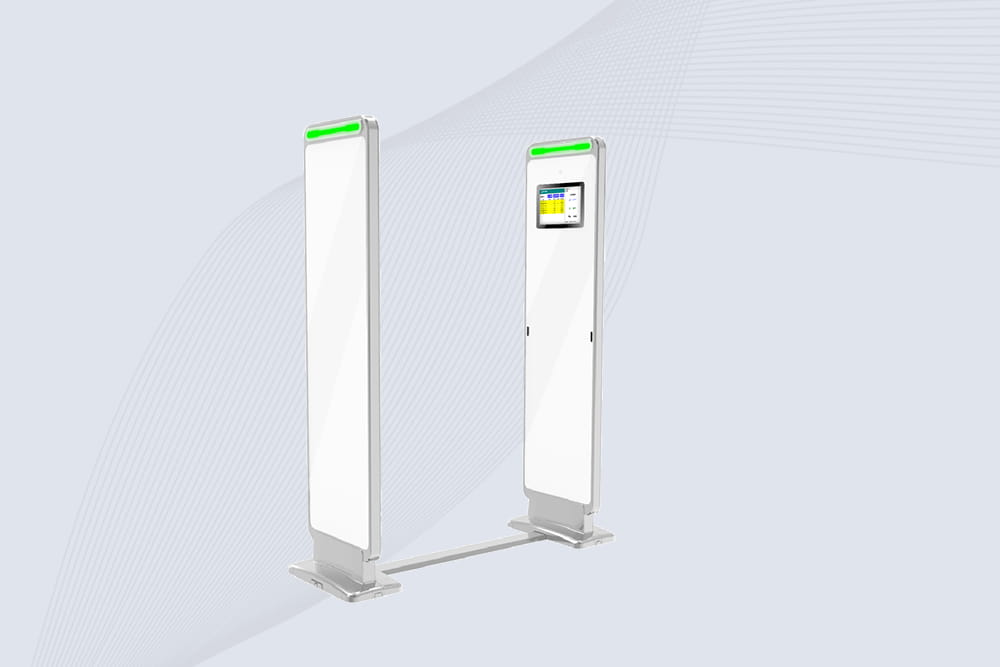
CYKEO-T4 UHF RFID Gate Reader System
Cykeo’s CYKEO-T4 RFID Gate Reader system offers 200+ tags/sec scanning, EAS alarms, and rugged design for libraries/warehouses. Supports WiFi/4G and Windows/Android OS.
More
CYKEO-T9 HF RFID Gate Reade
Cykeo HF RFID gate reader offers 90cm detection range, ISO15693/18000-6C compliance, and industrial-grade durability for libraries/retail. Features EAS alarms, infrared traffic analysis, and 3D omni-directional scanning.
More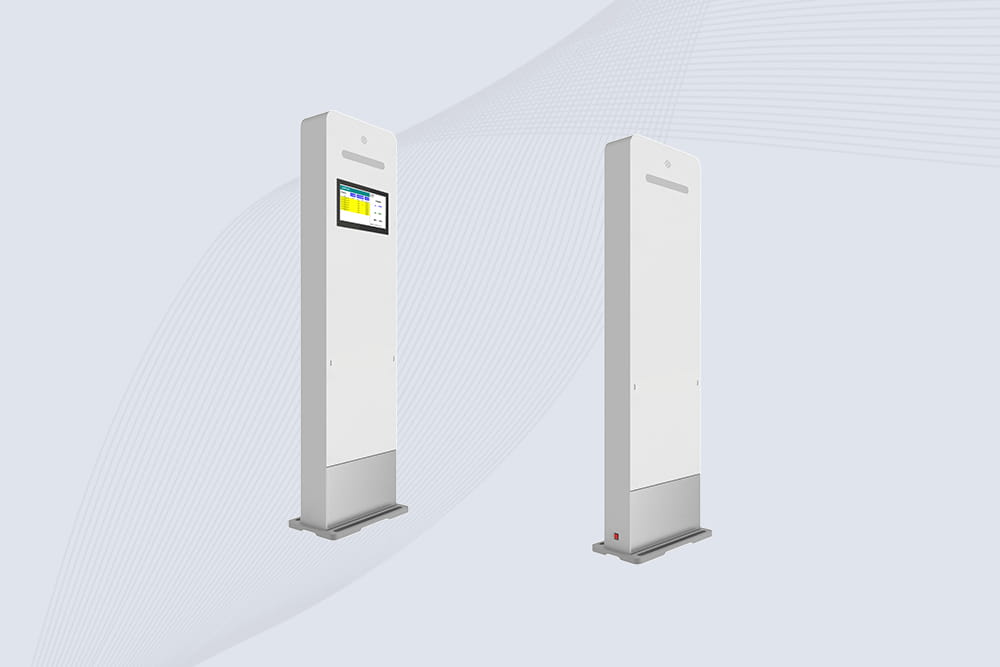
CYKEO-T7 UHF RFID Gate Reader
Cykeo CYKEO-T7 UHF RFID Gate Reader system delivers 600cm read range, 99.9% tag accuracy, real-time personnel counting, and SAP integration for logistics/warehouse/manufacturing. Supports dual OS & offline alarms.
More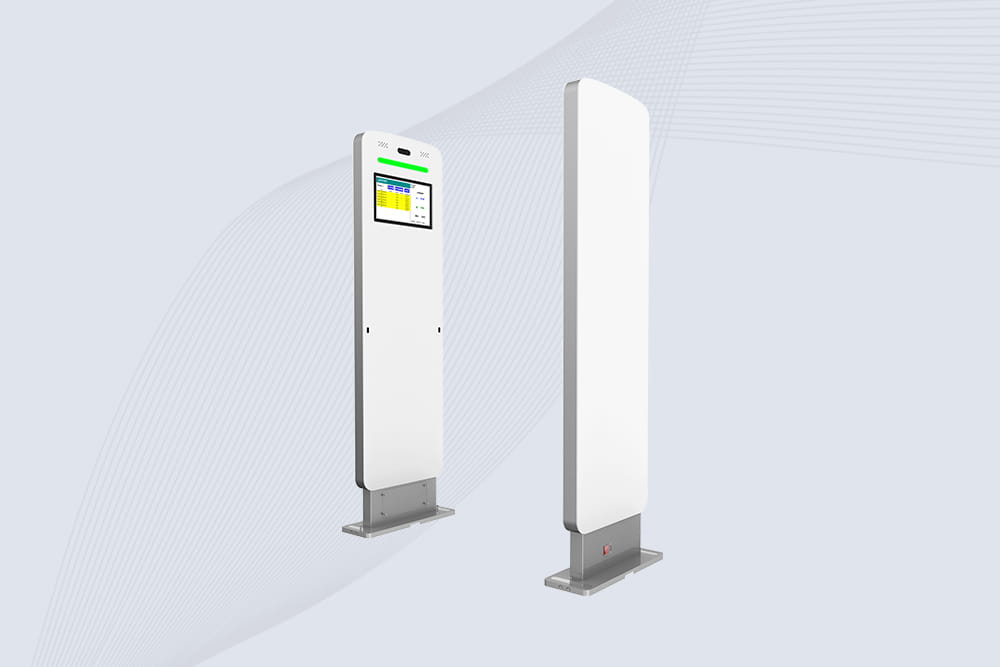
CYKEO-T6 Professional Gate RFID Reader System
Cykeo CYKEO-T6 gate RFID reader features 1,200+ tags/min scanning, 6m detection range, and industrial-grade durability for libraries/stores/warehouses. Supports ISO 18000-6C and waterproof installations.
More
CYKEO-T9HA HIGH-FREQUENCYRFID SECURITY GATE
Cykeo CYKEO-T9HA industrial HF RFID gate reader offers 100cm range, 100+ tags/sec scanning, ISO 15693/14443A protocols, and IP66 durability for libraries, archives, and retail. Supports offline alarms and SAP integration.
More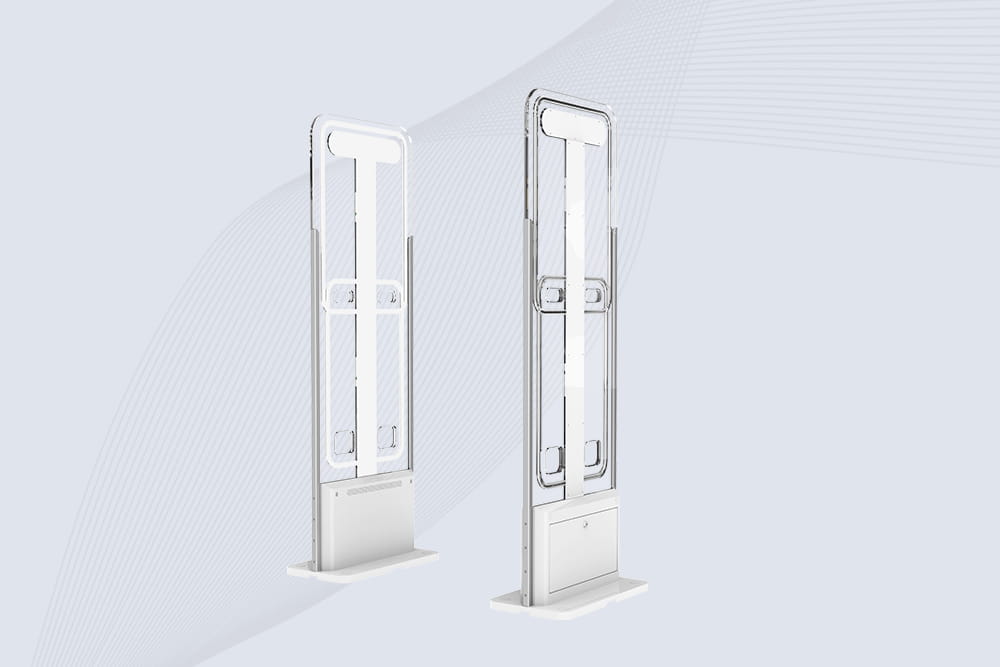
CYKEO-T9UH UHF RFID Gate Reader
Cykeo CYKEO-T9UH UHF RFID gate reader offers 90cm detection width, EAS/AFI anti-theft alerts, IP54 rugged design, and multi-protocol support for libraries, retail, and logistics.
More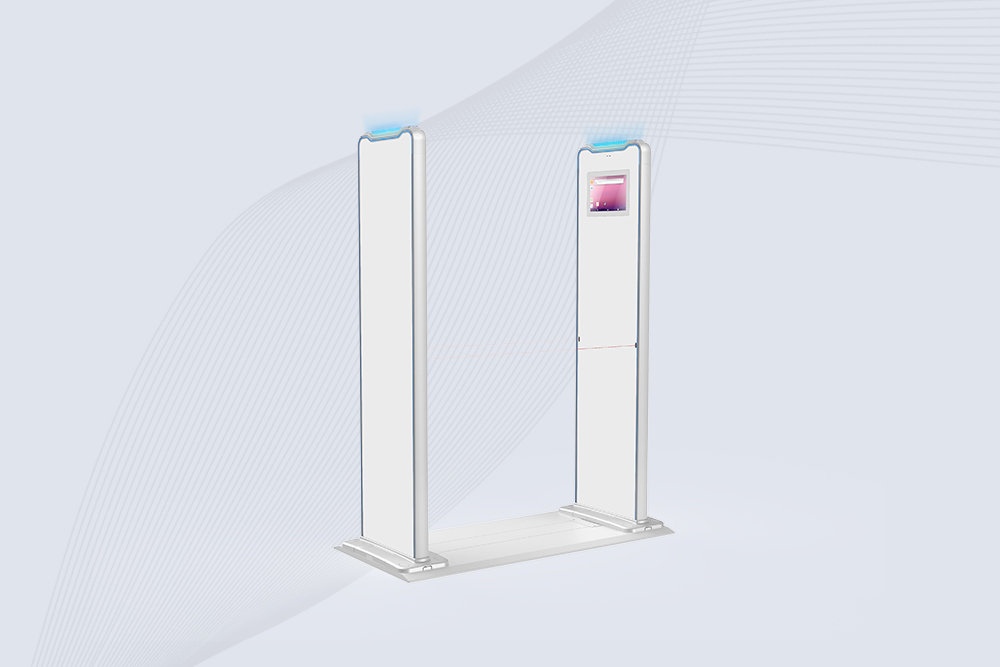
CYKEO-T4A Fixed RFID Gate Reader
Cykeo's Fixed RFID Gate Reader features 60 tags/sec scanning, IP54 rugged design, and dual-mode EAS alarm. Ideal for library/warehouse/event access control with real-time crowd analytics.
More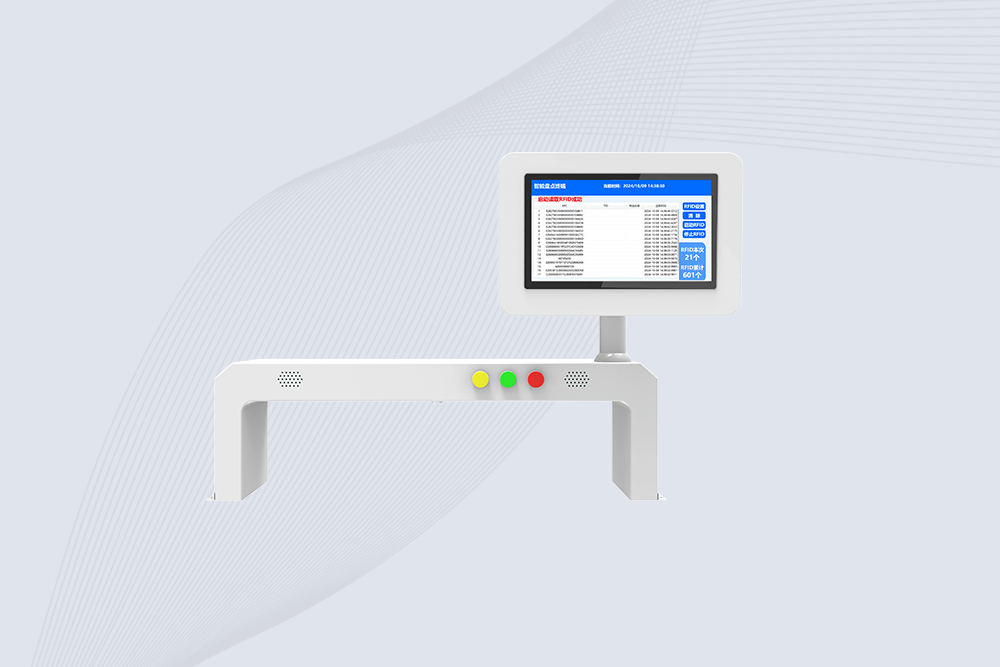
CYKEO-T8A INDUSTRIAL RFID SCANNING GATE
Cykeo CYKEO-T8A rfid gate access control system features IP68 enclosure, 400 tags/sec scanning, and 6-antenna array for warehouse/manufacturing security.
More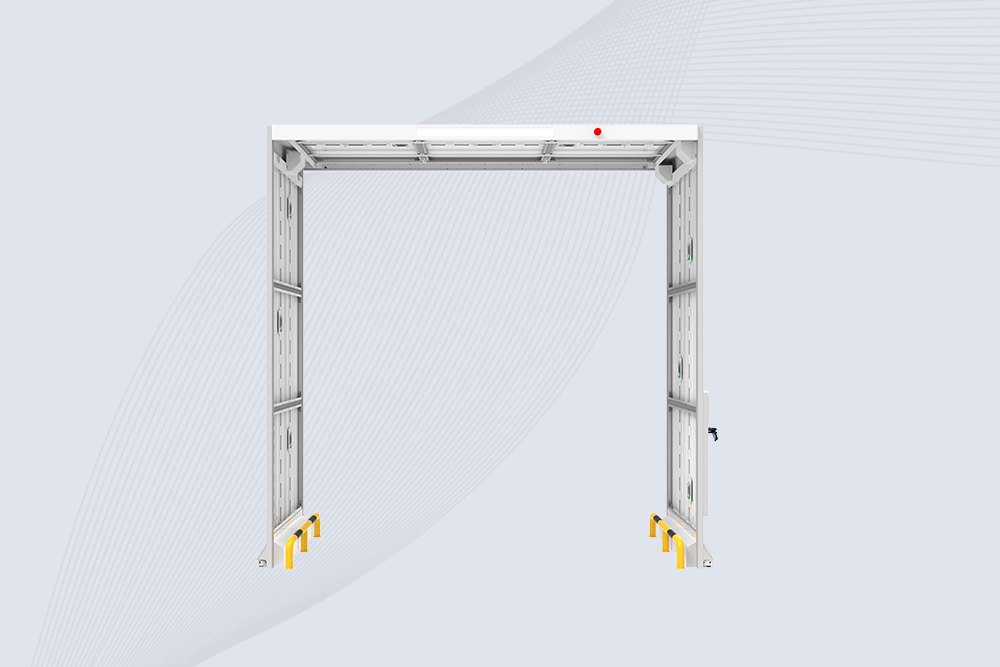
CYKEO-T8F UHF RFID GATE READER
Cykeo CYKEO-T8F RFID gate entry systems deliver 200+ tags/sec scanning, EPC C1G2 compliance, and EAS alarms for warehouse/production gates. Supports Windows/Android OS.
More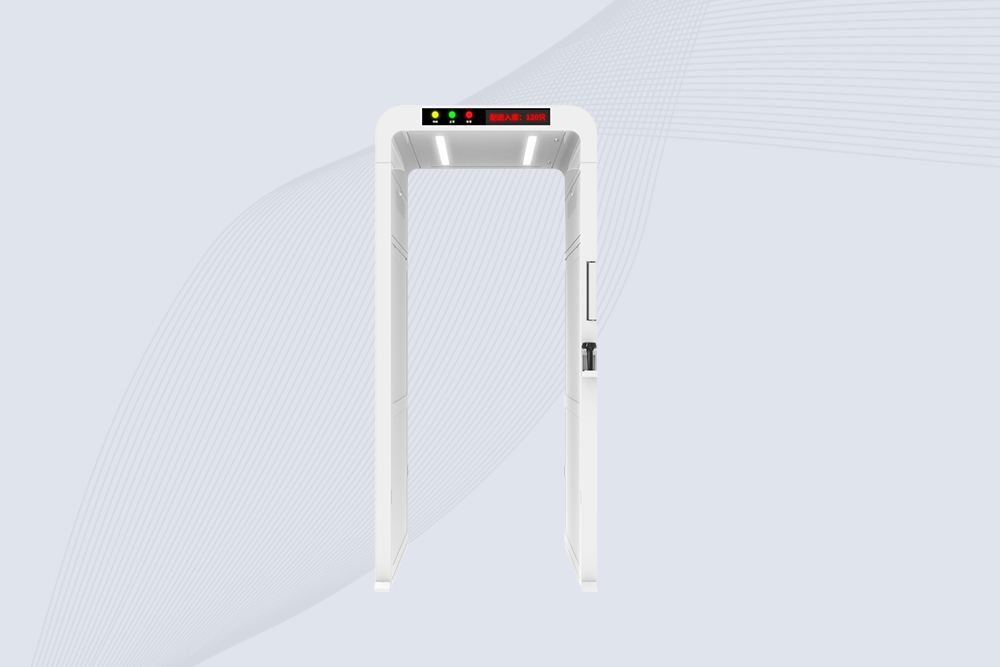
CYKEO-T8C UHF RFID GATE READER
Cykeo CYKEO-T8C RFID gate opener delivers 200+ tags/sec scanning, ISO 18000-6C compliance, and facial recognition for logistics/secure facilities. Supports Windows/Android OS.
More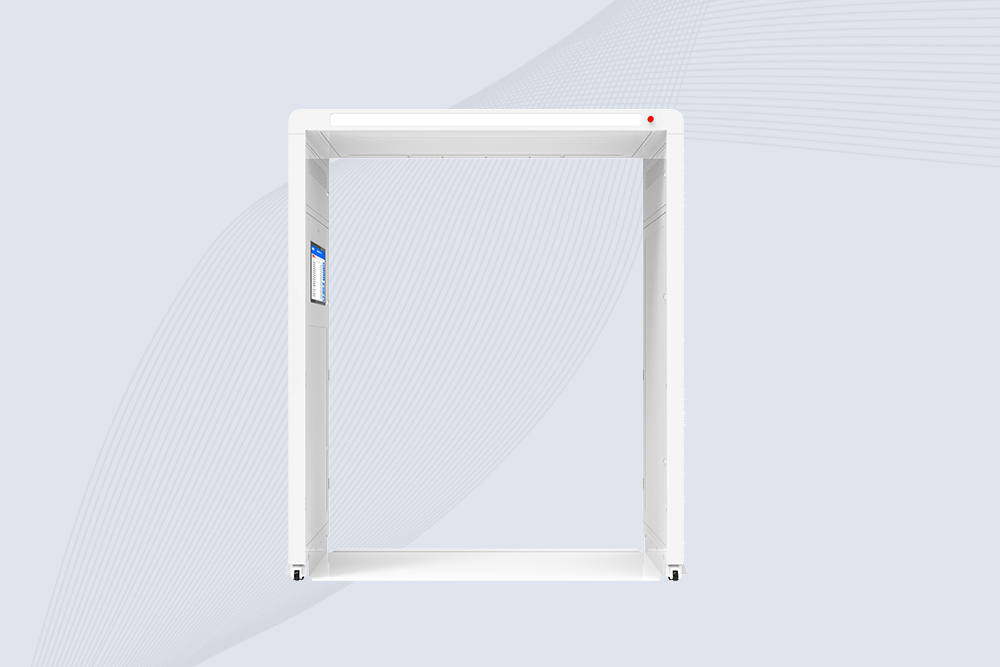
CYKEO-T8D UHF RFID GATE READER
Cykeo CYKEO-T8D RFID gate access control system features 4-antenna 99.98% accuracy, ISO 18000-6C compliance, and real-time theft prevention for libraries/warehouses. Supports Windows/Android OS.
More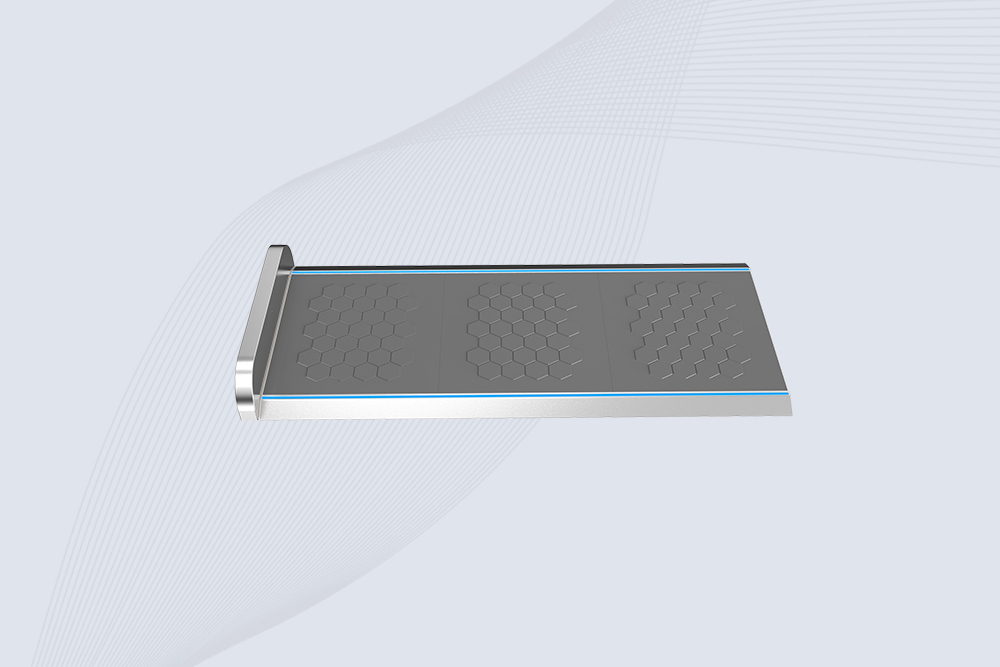
CYKEO-T2 INDUSTRIALFLOOR-STEP RFID GATE
Cykeo CYKEO-T2 industrial RFID gate features 500+ tags/sec scanning, 0-3m vertical detection, and cloud management for warehouse automation and inventory control.
MoreMore About RFID Gate Readers
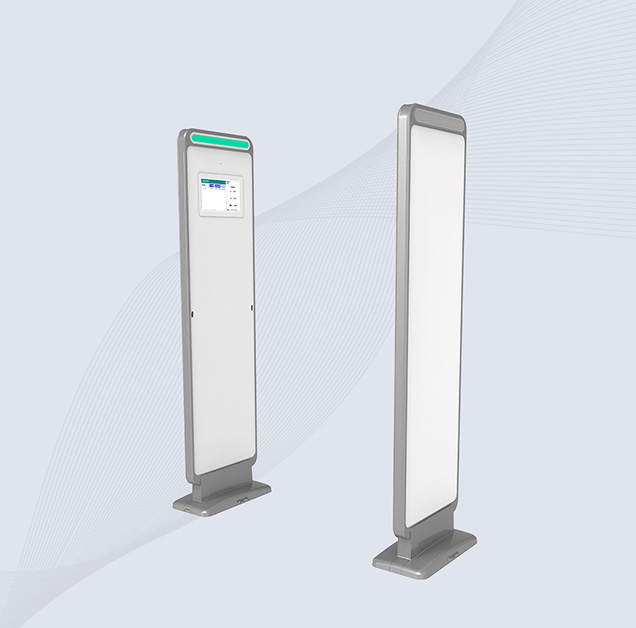
CYKEO RFID Gate Readers, also known as RFID Portal Readers, are designed for places where items move continuously and manual scanning simply doesn’t work anymore. You see them most often at warehouse exits, dock doors, production transfer points, and controlled access areas.
View more
Instead of relying on staff to stop, scan, or double-check labels, gate readers identify tagged items automatically as they pass through. Once installed, the system works quietly in the background. Pallets, cartons, or assets are captured in real time without interrupting normal workflows.
CYKEO gate readers are built to stay stable under daily industrial conditions. Dense tag populations, metal racking, forklifts, and high traffic volumes are expected, not exceptions. With open SDKs and flexible interfaces, customers integrate the readers into WMS, MES, or custom platforms without locking themselves into fixed logic.
Cykeo offer a very strong after-sales team and rapid technical support services, including support for SDKs, APIs, software integration, system development, mobile or desktop applications, as well as any related configuration or troubleshooting assistance, making your project very convenient from planning to implementation.
More About RFID Gate Readers
RFID Gate Readers are usually chosen when accuracy at transition points matters more than raw read distance. These readers are installed where goods physically move from one process to another — for example, from storage to shipping, or from production to packaging.
CYKEO RFID Gate Readers focus on controlled read zones. The goal is not to read everything everywhere, but to read the right items at the right moment. Directional antennas, adjustable power levels, and timing filters help reduce false reads and duplicate data.
In real projects, most tuning happens after installation. Once optimized, the system requires very little attention. Operators don’t interact with the reader directly, which reduces human error. Over time, this automation delivers cleaner inventory data and fewer disputes between systems and physical stock.
More About RFID Portal Readers
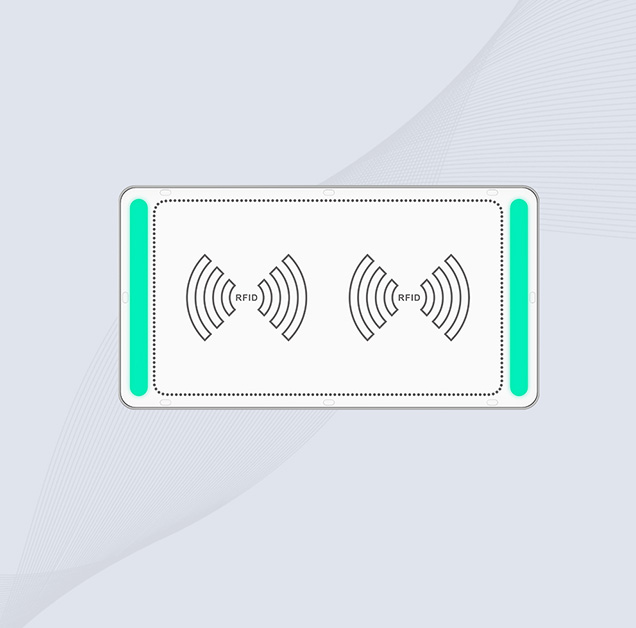
RFID Portal Readers are essentially the same technology, viewed from a system design perspective rather than a physical one. The word “portal” highlights the idea of a logical checkpoint — a place where items are expected to be seen, recorded, and confirmed.
CYKEO RFID Portal Readers are often used when companies want traceability without slowing down operations. Trucks passing through yard entrances, pallets leaving a warehouse, or materials entering a controlled zone can all be tracked automatically.
What matters most here is consistency. A portal reader should behave the same way every day, regardless of lighting, dust, or operator habits. CYKEO designs its portal solutions to stay predictable over long periods, so system data reflects reality instead of creating noise that needs constant cleanup.
What Are RFID Gate Readers?
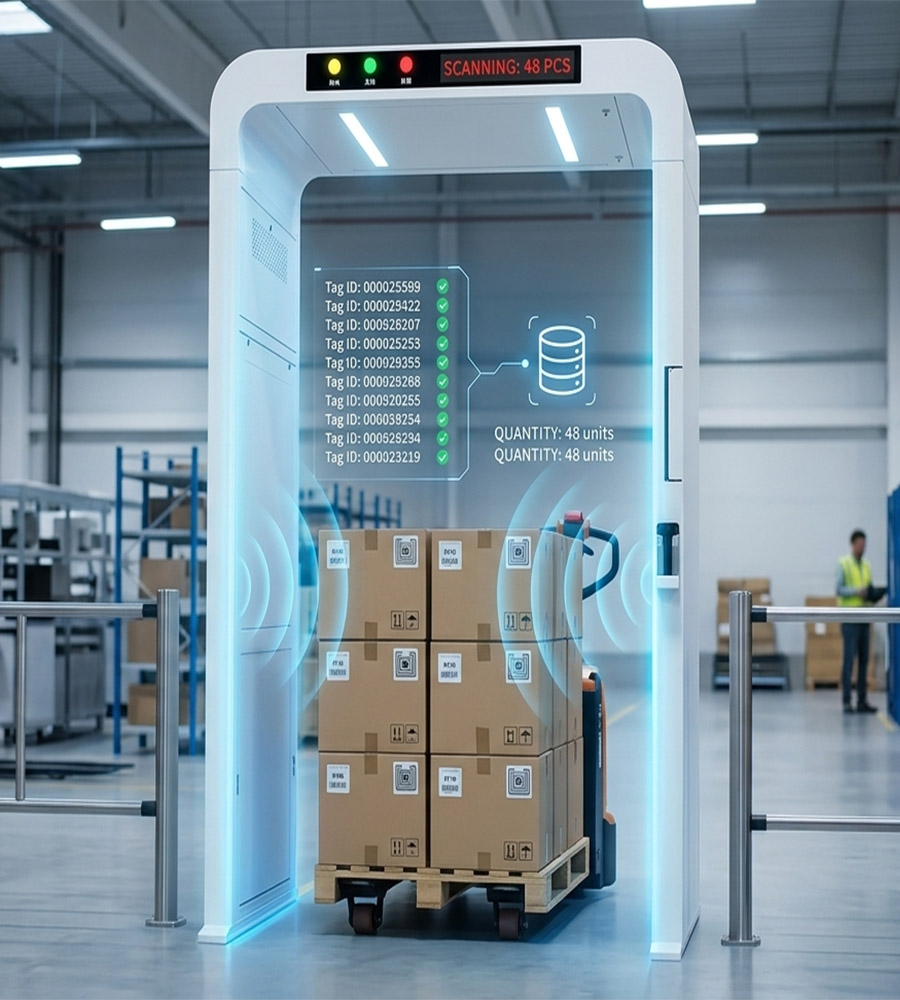
RFID Gate Reader is a fixed-position RFID system designed to automatically identify tagged objects as they pass through a controlled entry or exit point. Instead of requiring manual scanning, the system creates a defined reading zone—often in the form of a gate, portal, or corridor—where RFID tags are captured instantly during movement.
In real-world applications, RFID Gate Readers are installed at high-traffic transition points such as warehouse dock doors, production line handover zones, library exits, retail backrooms, and security checkpoints. As items, pallets, or people pass through the gate, the reader detects multiple tags at once and records data in real time, without stopping workflow.
CYKEO RFID Gate Readers are built around this concept of “hands-free identification.” By using fixed antennas and optimized reading zones, the system ensures that only tags within the gate area are captured, reducing interference from surrounding environments and improving data accuracy in busy industrial conditions.
Unlike handheld RFID scanners, gate readers are designed for continuous operation. They work in the background, automatically collecting movement data and integrating it into WMS, MES, or security systems through SDKs and APIs. This makes them ideal for automation-focused environments where speed, accuracy, and traceability are critical.
Another important advantage is system integration. CYKEO Gate Readers provide open SDKs and APIs, allowing developers and system integrators to connect RFID data directly into enterprise software, enabling full visibility of asset movement across operations.
Decision Framework
When Should You Choose RFID Gate Reader?
RFID Gate Readers are powerful tools for automated tracking, but they are not suitable for every scenario. Understanding when to use them helps improve system performance, reduce cost waste, and ensure better RFID deployment results.
✓ Good Fit
Choose RFID Gate Reader When…
- You need automatic bulk scanning at entry/exit pointsIdeal for warehouses, dock doors, or production gates where many items pass through at once.
- Manual scanning is slowing down operationsWhen barcode or handheld RFID scanning becomes a bottleneck in workflow efficiency.
- You require real-time inventory visibilityPerfect for systems that need instant updates when goods move in or out.
- You manage high-volume logistics or manufacturing flowSuitable for pallet-level or carton-level tracking in fast-moving environments.
- You need multi-tag reading in secondsRFID Gate Readers can capture hundreds of tags simultaneously without line-of-sight requirements.
- You want integration with enterprise systems WMS/MES/ERPSupports APIs and SDKs for seamless data connection with backend software systems.
✗ Poor Fit
Don't RFID Gate Reader When…
- Your tracking points are mobile or non-fixedGate readers are fixed installations and cannot be used for mobile scanning needs.
- You only scan a few items occasionallyA handheld RFID reader is more cost-effective for low-frequency use.
- Your environment has no defined entry/exit flowIf items move freely without checkpoints, gate readers lose their advantage.
- Installation space is very limitedRFID gates require structured mounting space and controlled layout.
- Budget is extremely limited for initial deploymentGate systems involve antennas, readers, and integration setup costs.
- You need long-distance tracking across open areasGate readers are designed for controlled zones, not wide-area tracking.
Note For Partners: For manufacturers, system integrators, and software developers building customized RFID Gate Readers, the key is to align hardware stability, site-specific installation design, and high-performance real-time data processing to ensure accurate, interference-free, and scalable RFID tracking in real-world industrial environments.
RFID Gate Readers vs RFID Handheld Reader
| Feature | RFID Gate Reader | RFID Handheld Reader |
|---|---|---|
| Working Mode | Fixed installation at entry/exit points | Mobile, operated by user manually |
| Scanning Type | Automatic bulk scanning | One-by-one or small batch scanning |
| Efficiency | Very high, real-time mass detection | Medium, depends on operator speed |
| Use Case | Warehouses, production lines, logistics gates | Inventory check, asset auditing, field operations |
| Mobility | Fixed position, non-mobile | Fully portable and flexible |
| Reading Volume | Hundreds of tags simultaneously | Limited tags per scan |
| Accuracy in Flow Control | High, ideal for tracking movement in/out | Depends on human operation consistency |
| Installation | Requires gate structure, antennas, fixed setup | No installation required, plug-and-play |
| Cost Structure | Higher initial system cost, long-term efficiency | Lower entry cost, scalable per device |
| Best For | Automation, high-volume logistics, smart warehouses | Flexible inspections, small/medium operations |
Our customers give this evaluation
Real feedback from global B2B users after deploying CYKEO fixed RFID readers in logistics, manufacturing, and automation projects.

Michael Turner — Warehouse Automation Engineer (USA, Texas)
⭐⭐⭐⭐⭐
We deployed CYKEO T8C RFID Gate Reader in our Dallas distribution center, mainly for inbound/outbound pallet tracking. We integrated it with our WMS using REST API. The system handles around 200+ tags per second without freezing or duplicate reads.
We started with 6 units for pilot testing and later scaled to 20 gates. CYKEO supported us during integration with SDK samples in C#, which saved a lot of time.
OEM customization was smooth, especially antenna tuning for our metal-heavy environment. Delivery was faster than expected—about 12 days for bulk shipment.
Result: Reduced manual scanning workload by about 70%.

Daniel Schmidt — System Integrator (Germany, Hamburg)
⭐⭐⭐⭐⭐
We integrated CYKEO T1E phased array RFID gate system for a retail security project across multiple stores. The 9-beam AI filtering actually helped reduce false alarms caused by static inventory tags.
Previously we had issues with alarm noise from other vendors. After switching to CYKEO, the system stability improved significantly.
Technical support responded quickly, especially during MQTT cloud integration setup. Documentation was clear enough for our Java backend team.
Result: Reduced false alarms by around 80%.

Sarah Collins — Retail Operations Manager (UK, Manchester)
⭐⭐⭐⭐⭐
We installed CYKEO T1C RFID tunnel reader in our warehouse sorting line. It helped us scan cartons automatically before dispatch. The 5-meter reading range was consistent even during peak hours.
We used about 4 units across different conveyor lines. Lights and alarm alerts are helpful for operators.
CYKEO’s OEM team adjusted firmware logic for our SKU structure, which improved accuracy during mixed batch shipments.
Result: Faster outbound processing and fewer shipment errors.

Ahmed Al-Mansoori — Logistics Director (UAE, Dubai)
⭐⭐⭐⭐⭐
We implemented CYKEO T1B ceiling-mounted RFID system in our logistics hub. The system reads up to 10 meters and integrates directly with our cloud ERP.
What impressed me most is installation flexibility. No floor space required, which is important in our high-density warehouse.
CYKEO supported Arabic interface customization and API integration with our existing SAP system.
Result: Real-time inventory visibility improved significantly.

Kenji Watanabe — Automation Engineer (Japan, Osaka)
⭐⭐⭐⭐⭐
We used CYKEO T1A ceiling RFID reader for a manufacturing WIP tracking system. It connects via TCP/IP and integrates easily with our MES.
Reading performance is stable even in metal-heavy production zones. We tested around 300 tags per batch without missing data.
CYKEO provided fast technical feedback during integration testing, especially for latency optimization.
Result: Improved production traceability accuracy.

Carlos Rivera — Warehouse IT Manager (Mexico, Monterrey)
⭐⭐⭐⭐⭐
We deployed CYKEO T1 RFID ceiling system across our storage facility. It helped automate asset tracking without installing ground equipment.
We run around 12 units connected via REST API to our cloud platform. SDK support in Java made development straightforward.
CYKEO also helped us adjust read zones to avoid cross interference between adjacent gates.
Result: Reduced inventory loss and manual audits.

Olivia Brown — Security System Consultant (Australia, Sydney)
⭐⭐⭐⭐⭐
We used CYKEO T1D ceiling-mounted access control reader in a secure storage facility. The combination of RFID + millimeter-wave sensing improved zone detection accuracy.
Built-in alarm and light indicators are useful for security response teams.
CYKEO’s customization team adjusted sensitivity levels based on our site layout, which reduced unnecessary alerts.
Result: Strong improvement in access security control.

David Johnson — OEM Project Manager (USA, California)
⭐⭐⭐⭐⭐
We worked with CYKEO on a customized T8A industrial RFID gate system for a smart warehouse project. Required NVIDIA Jetson edge processing for real-time filtering.
CYKEO handled OEM production well, including hardware enclosure customization and firmware tuning.
We ordered 30 units in batches. Production consistency was solid, and lead time stayed predictable even during scaling.
Result: Delivered a full AI-based RFID gate solution to our client ahead of schedule.
FAQ About RFID Gate Readers
What is an RFID Gate Reader and how is it different from a normal RFID reader?
RFID Gate Reader is designed to work at fixed transition points where items physically pass through, such as dock doors, warehouse exits, or production handover zones. Unlike handheld or desktop readers, it doesn’t rely on an operator to aim or trigger a scan.
In practice, the reader works automatically in the background. As tagged items move through the gate, the system captures data without stopping the flow. RFID Portal Readers follow the same concept, but the term “portal” usually emphasizes system logic rather than the physical frame. The main difference is not hardware power, but how the reader is deployed and controlled.
Are RFID Gate Readers the same as RFID Portal Readers?
Technically, yes — the core technology is the same. The difference is mostly how people describe the system. “Gate reader” usually refers to the physical setup, including frames, antennas, and mounting structures. “Portal reader” focuses more on the logical checkpoint in the system.
In real projects, CYKEO often uses both terms interchangeably. What matters more is how the read zone is controlled. A portal that reads too much data creates confusion, not value. Whether you call it a gate or a portal, the design goal is always clean, predictable reads at a specific point in the process.
Can RFID Gate Readers handle metal environments?
A fixed RFID reader does one thing continuously: it sends out radio signals and waits.
Yes, but they need to be designed and configured properly. Metal is a constant factor in logistics and manufacturing, not a special case. CYKEO RFID Gate Readers are often paired with metal-mount RFID tags and directional antennas to control reflections.
Instead of trying to read everything at maximum power, the system focuses on defining a narrow, predictable read zone. In metal-heavy environments, less power often delivers better results. Portal readers installed near steel doors or conveyors usually require on-site tuning, but once adjusted, performance remains consistent.
How difficult is it to integrate RFID Gate Readers into existing systems?
The reader itself focuses on reliable data capture, not business rules. That separation helps long-term flexibility. RFID Portal Readers often send raw events, and filtering happens at the software layer. This approach avoids hardcoding assumptions into hardware, which is a common cause of failure in large RFID projects.
Can RFID Gate Readers control direction of movement?
Yes, direction detection is one of the most valuable features when implemented correctly. By using multiple antennas and timing logic, CYKEO RFID Gate Readers can determine whether items are entering or leaving a zone.
This is especially important for inventory accuracy. Without direction control, systems quickly accumulate errors. RFID Portal Readers often use software-level filtering combined with antenna placement to achieve this. Direction detection is not automatic — it must be designed into the layout from the beginning.
Where are RFID Gate Readers usually installed?
Most CYKEO RFID Gate Readers are installed at locations where goods naturally slow down or pass through a defined space. Common examples include dock doors, conveyor transfer points, cleanroom entrances, and warehouse zone boundaries.
These are places where manual scanning would interrupt operations or simply be ignored under pressure. By fixing the reader in position, the system removes human behavior from the equation. In some projects, RFID Portal Readers are installed without visible gates at all, using walls or ceilings to define the read zone. The physical layout always depends on how goods actually move, not on theory.
How accurate are RFID Gate Readers in busy environments?
Accuracy depends more on setup than on raw reader specifications. In busy warehouses with forklifts, metal racks, and dense tag populations, poorly tuned systems will struggle. CYKEO RFID Gate Readers are designed to allow fine adjustment of power, antenna orientation, and timing filters.
During commissioning, engineers usually spend time reducing cross-reads and duplicate events. Once that work is done, accuracy becomes very stable. In many sites, gate readers operate for months without adjustment. This is why real-world testing matters more than lab numbers when evaluating RFID Portal Reader performance.
Do RFID Gate Readers replace handheld RFID scanners?
Not completely. They serve different purposes. RFID Gate Readers automate fixed checkpoints, while handheld readers are still useful for exception handling, audits, and mobile tasks.
In many CYKEO deployments, both exist side by side. The gate reader captures routine movements automatically, and handheld devices are used when staff need to investigate discrepancies or locate specific items. RFID Portal Readers reduce workload, but they don’t eliminate the need for human tools. Instead, they shift labor from repetitive scanning to problem-solving.
What kind of maintenance do RFID Gate Readers require?
Once installed and tuned, RFID Gate Readers require surprisingly little maintenance. There are no moving parts, and firmware updates are infrequent. Most issues arise from environmental changes rather than hardware failure.
For example, adding metal racks near a portal or changing traffic flow can affect read behavior. Regular visual inspections and occasional performance checks are usually enough. CYKEO designs gate readers for long-term uptime, knowing that access to dock doors or production lines is limited during normal operations.
When does it make sense to choose RFID Portal Readers instead of other RFID solutions?
RFID Portal Readers make sense when speed, volume, and consistency matter more than individual scans. If items move frequently and stopping them causes delays or mistakes, a portal approach usually pays for itself quickly.
CYKEO often recommends portal readers for dock doors, production transitions, and controlled access points. They are not the cheapest RFID option upfront, but they reduce labor dependency and data errors over time. In many cases, the real return comes from fewer disputes between system records and physical reality.