Cykeo RFID IoT Solution Products R&D Manufacturer
























Submit your request to us
We will contact you as soon as possible.
All RFID Product
SSD-A09
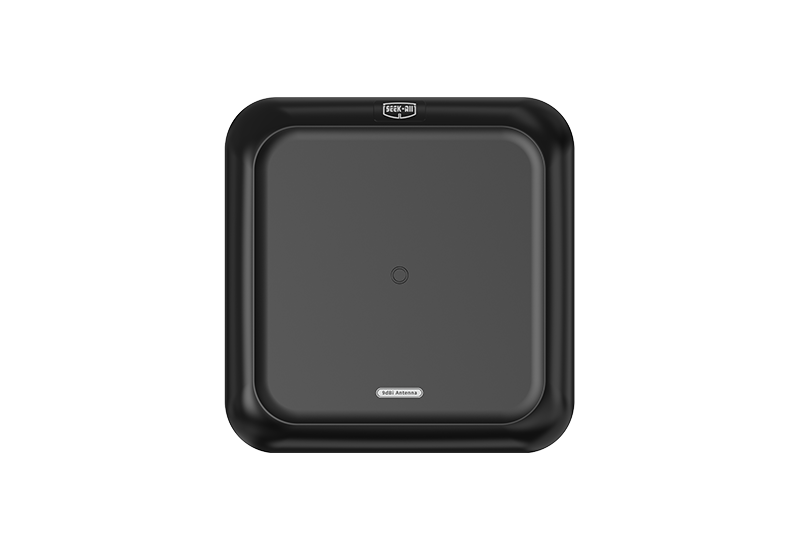
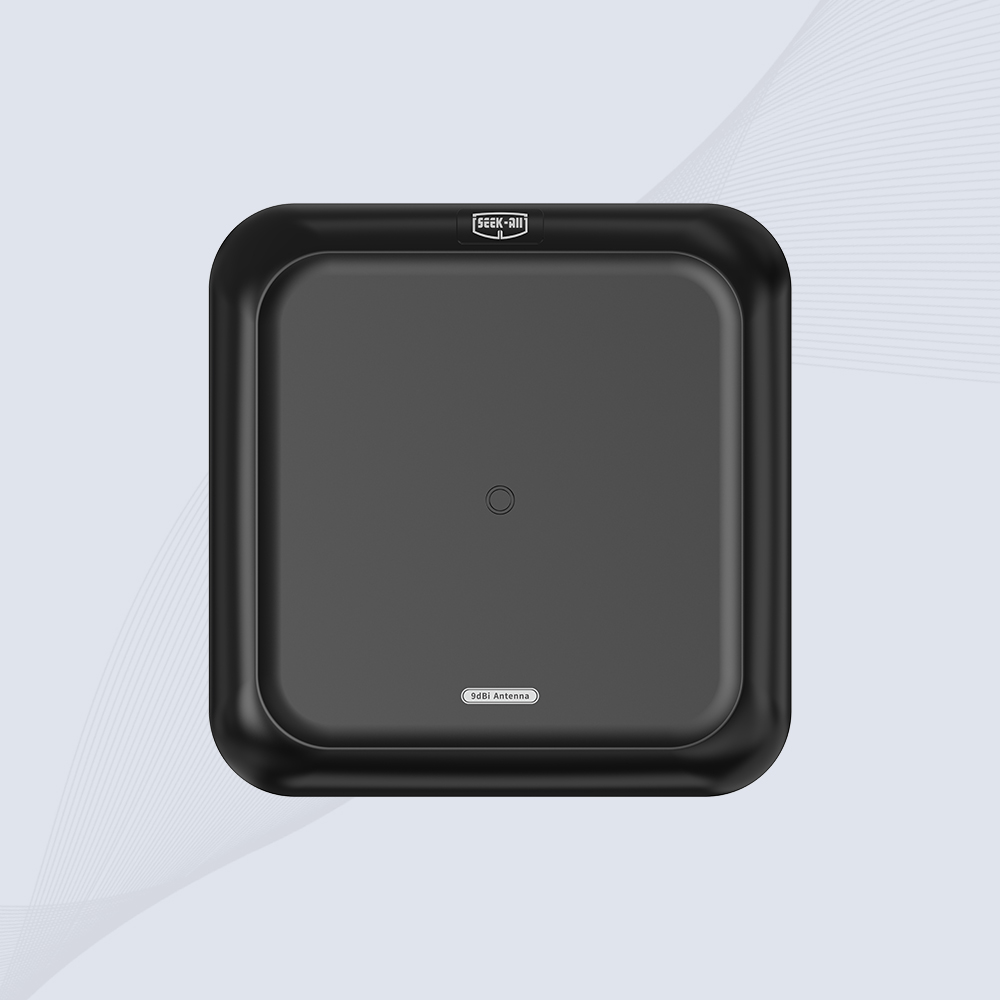
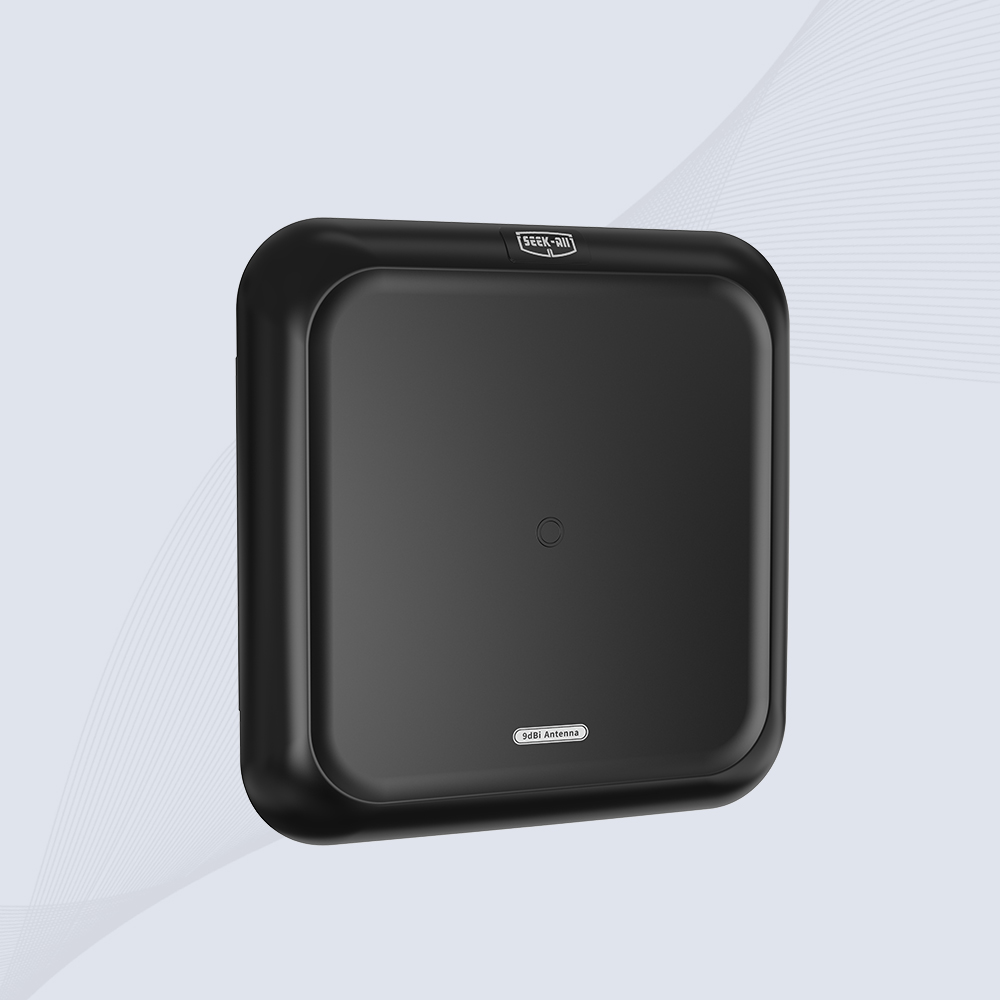
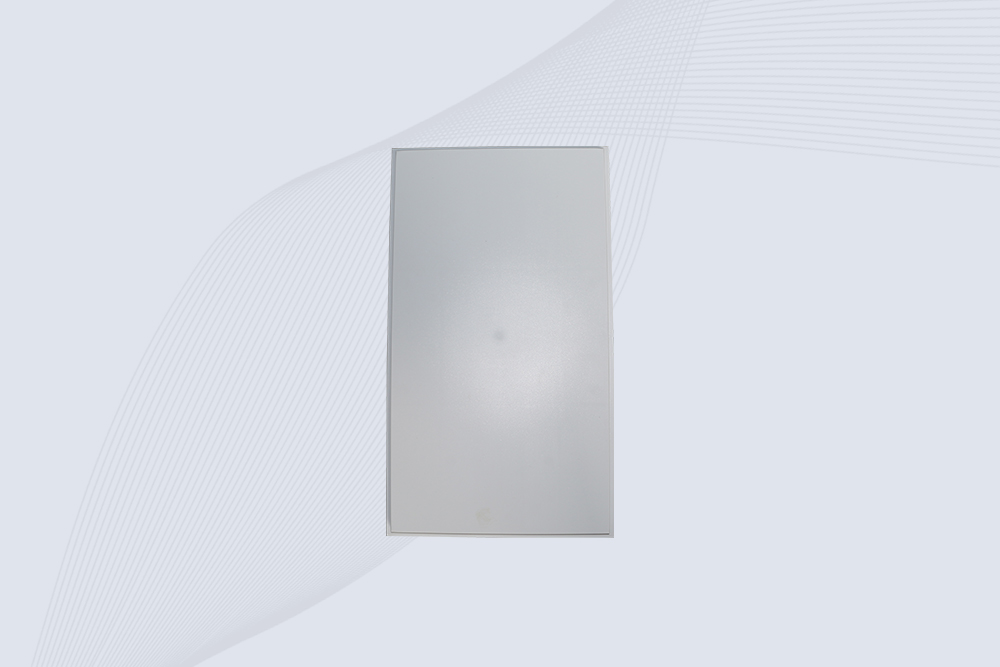
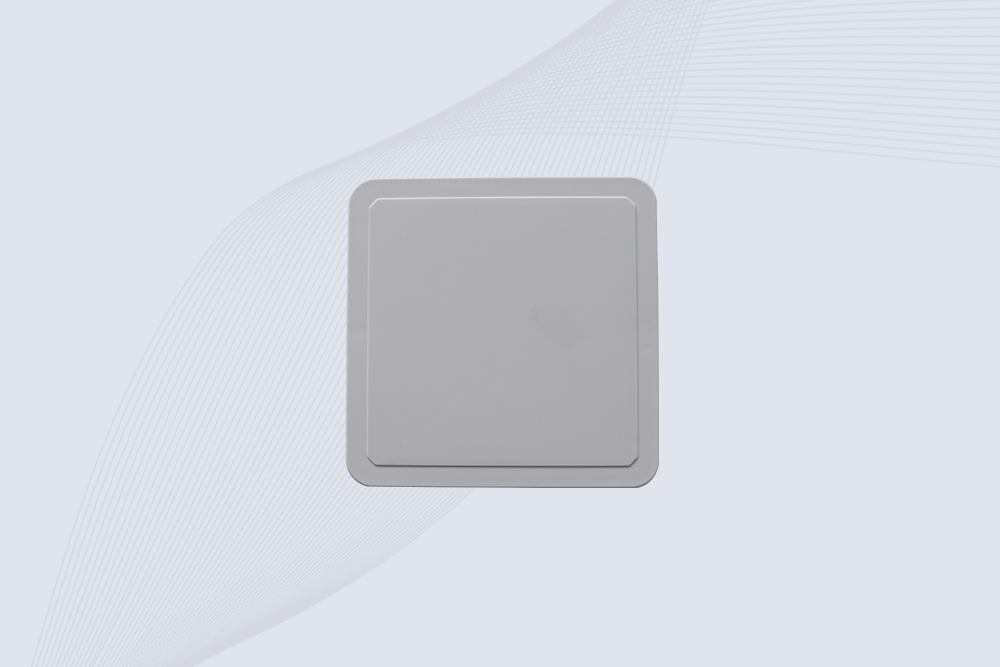
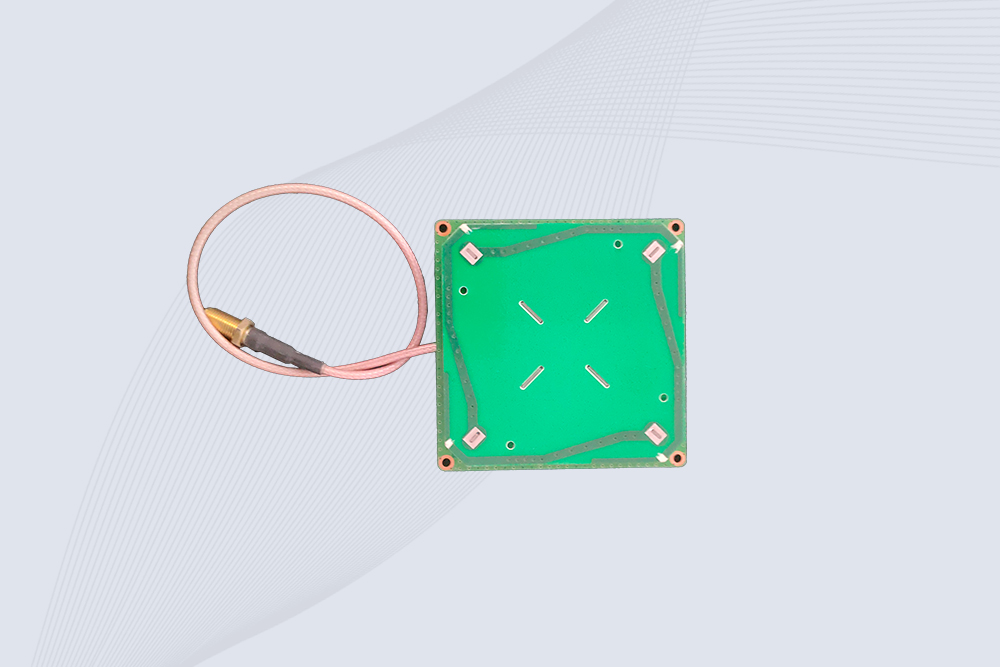
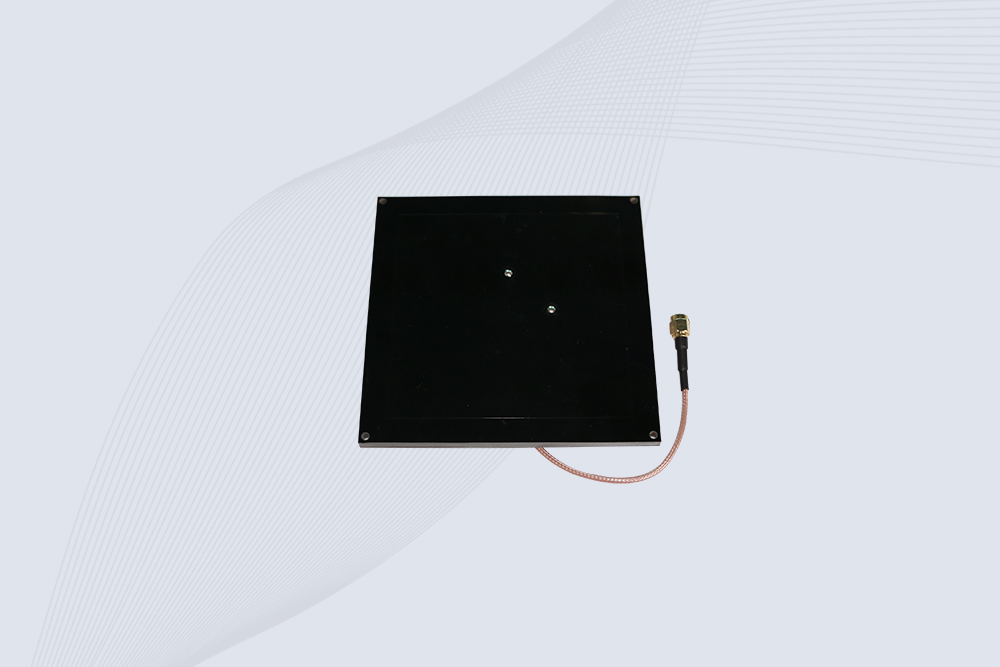
Enterprise-Grade Far-Field Antenna for High-Performance RFID Systems
✔️Full-Band UHF RFID Coverage
Supports an adjustable frequency range of 840–960 MHz, covering major UHF RFID frequency bands for different regional deployments.
✔️ 9 dBi High-Gain Circular Polarization
With a peak gain of ≥9 dBi and circular polarization, SSD-A09 helps maintain stable tag reading when tag orientations vary.
✔️ Directional Design for Stable Reading
60° × 60° beamwidth provides focused RF coverage, making it suitable for controlled reading zones in warehouses, retail, logistics, and industrial applications.
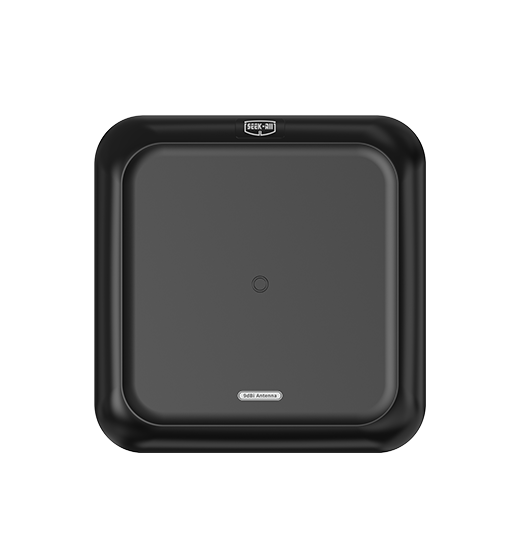
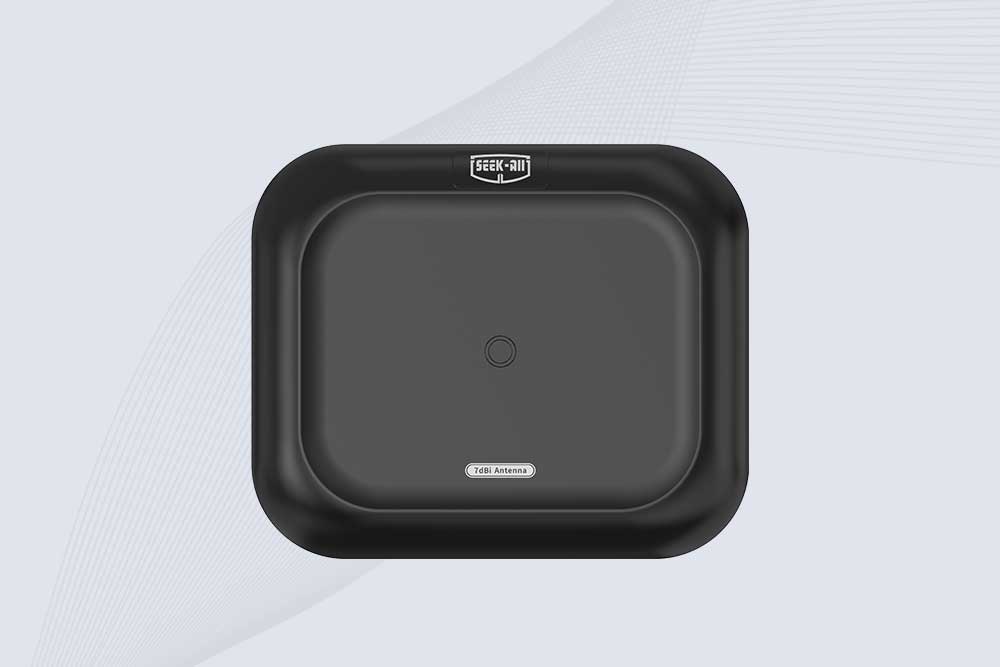
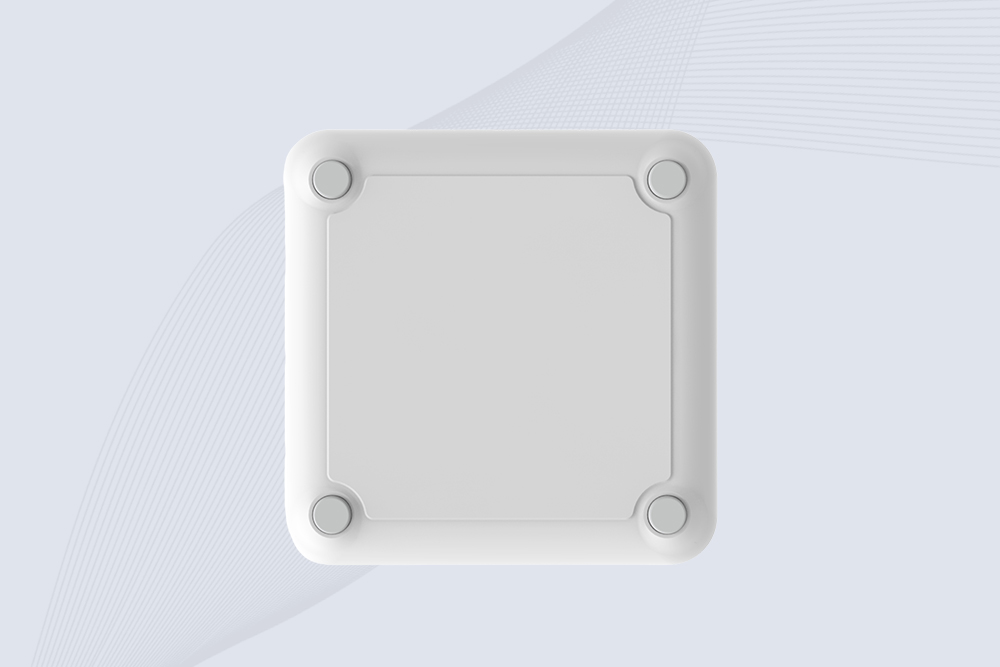
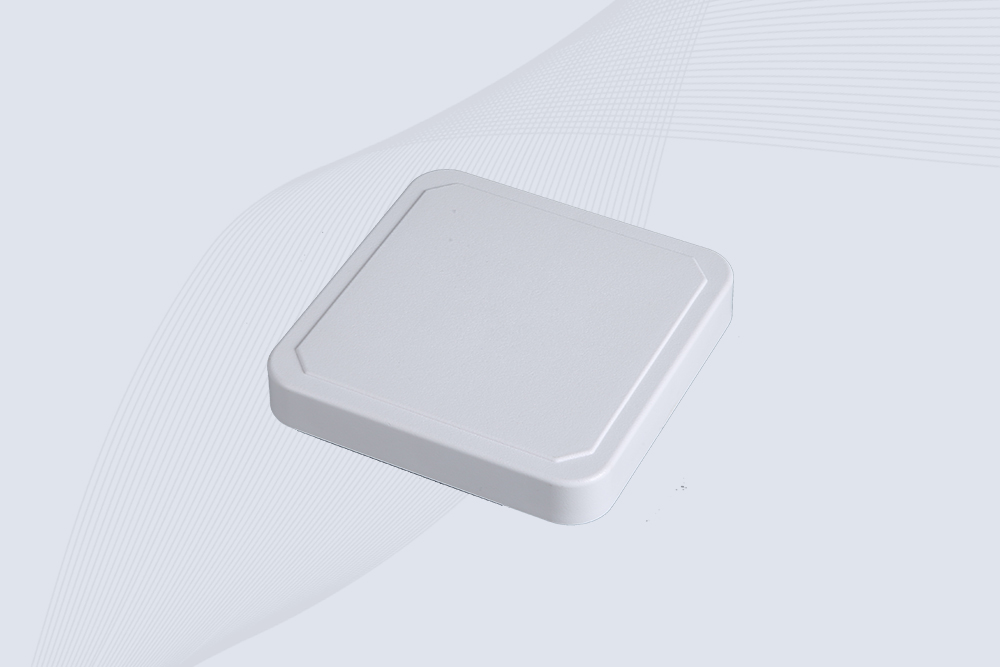
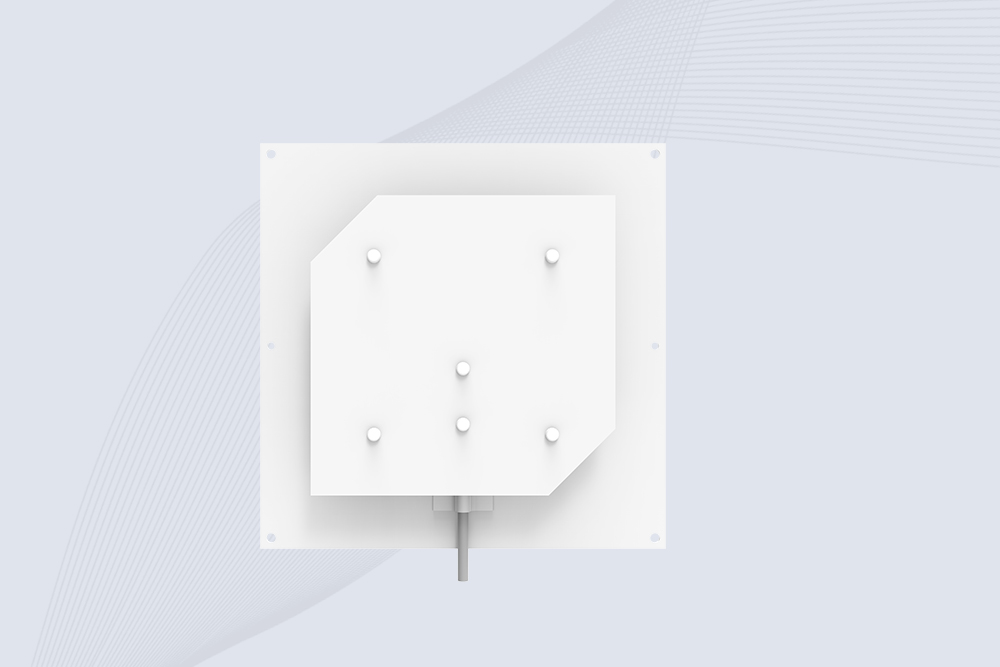
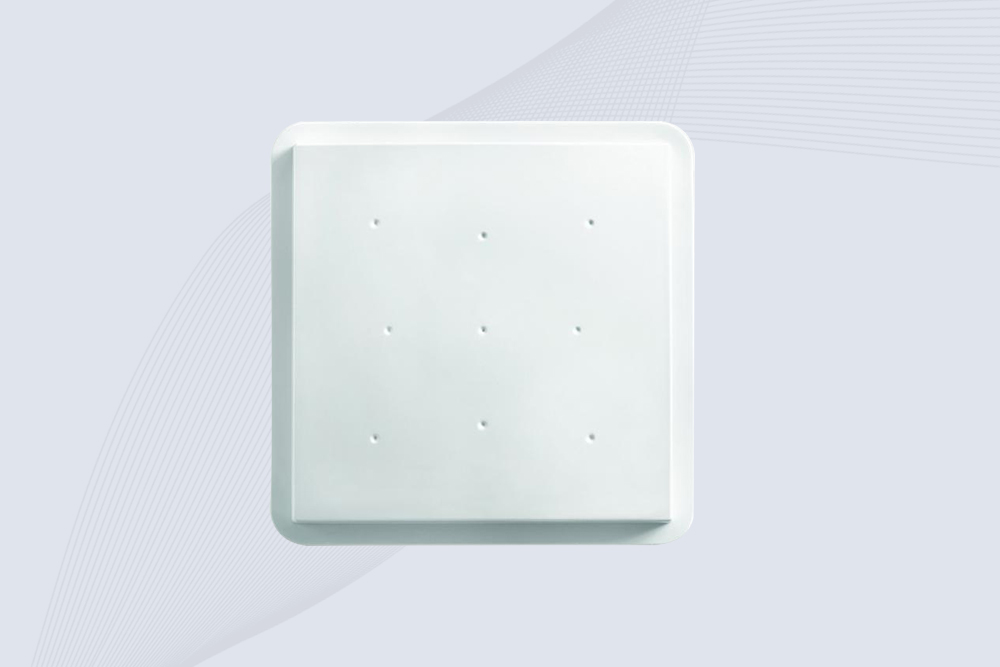
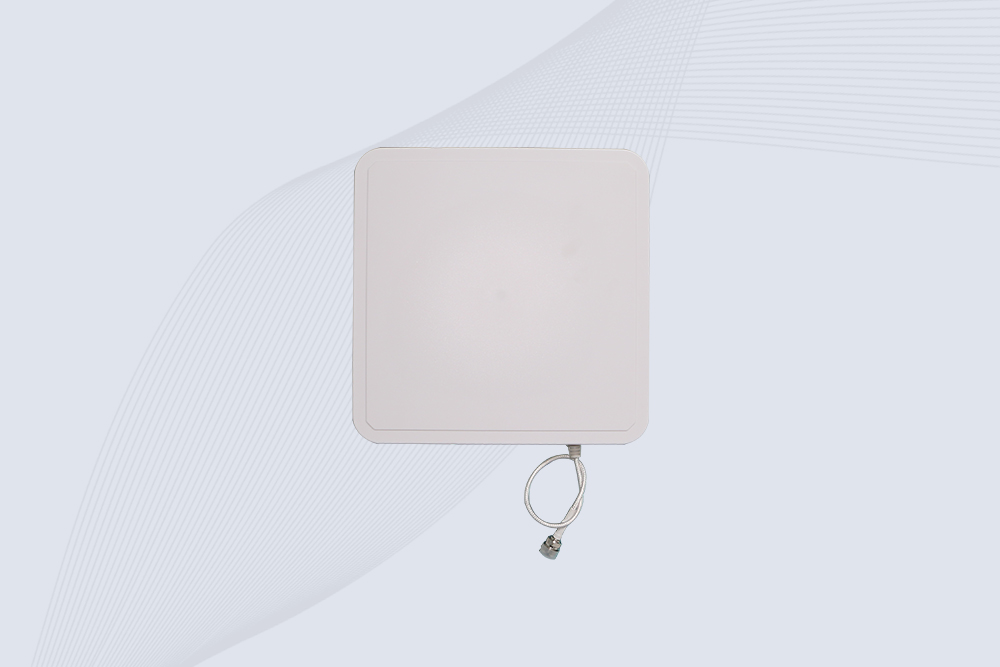
SSD-A09 UHF RFID antenna is designed for RFID systems that require stable directional coverage and reliable tag reading. It operates across an adjustable 840–960 MHz frequency range and uses circular polarization to reduce performance loss caused by different tag orientations. With a peak gain of ≥9 dBi and a 60° × 60° beamwidth, the antenna provides focused coverage for RFID reader systems. It can be used with fixed RFID readers in warehouses, logistics centers, retail stores, production lines, access control areas, and inventory management systems. For rfid antenna manufacturers and system integrators, SSD-A09 can serve as a practical rfid reader antenna for customized UHF RFID deployments.
.
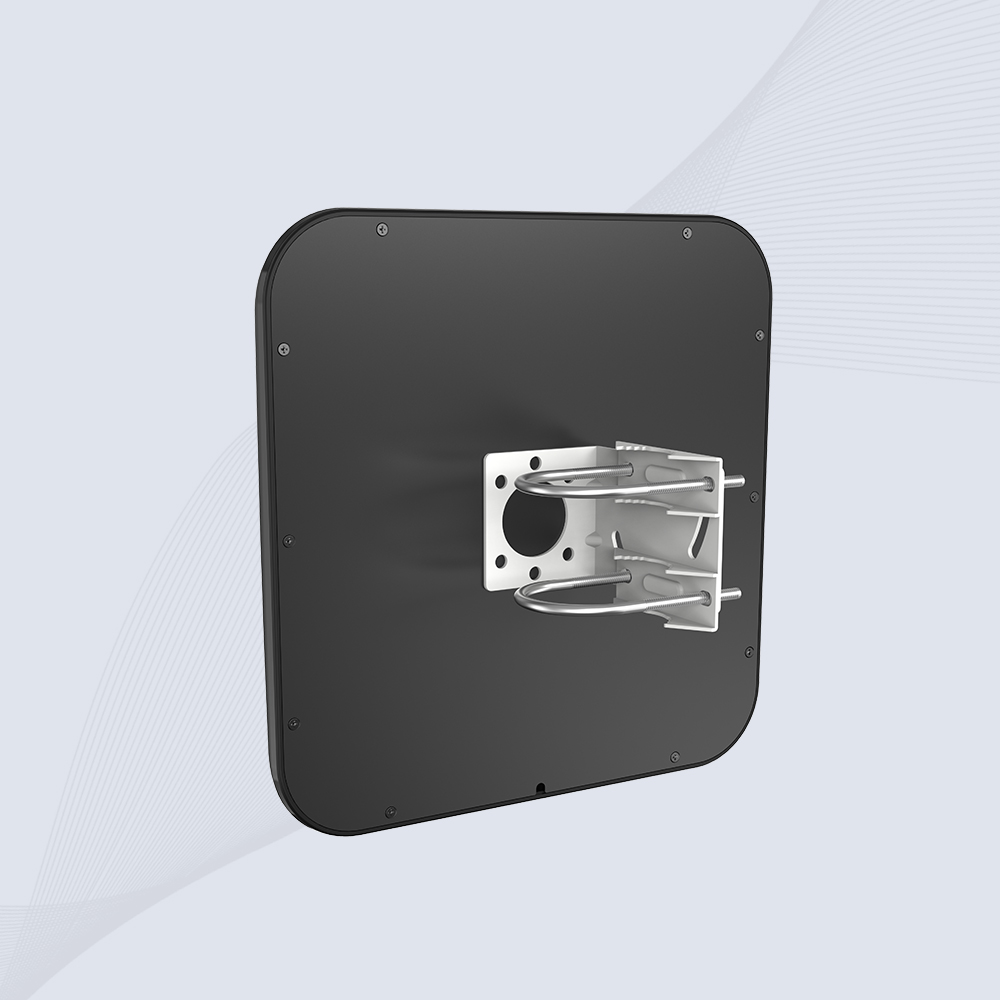
SSD-A09 9 dBi antenna can read tags up to 10 m if installed right. Mount it vertically with the connector down to keep moisture out, and use the included pole bracket for stability. Keep it at least 30 cm from big metal objects, and tilt 25° up in metal-heavy areas to use its 56° vertical beam. Pair with regional UHF readers (865–868 MHz EU, 902–928 MHz FCC) and check VSWR stays under 1.3. For full coverage, set up 4+ antennas in a circle with 5 m spacing, which cuts dead zones by 70%. Done right, you can hit 99.5% read accuracy for pallet tracking in logistics hubs.
It can be integrated into warehouse, logistics, retail, industrial, inventory, access-control, and other fixed-reader RFID systems.
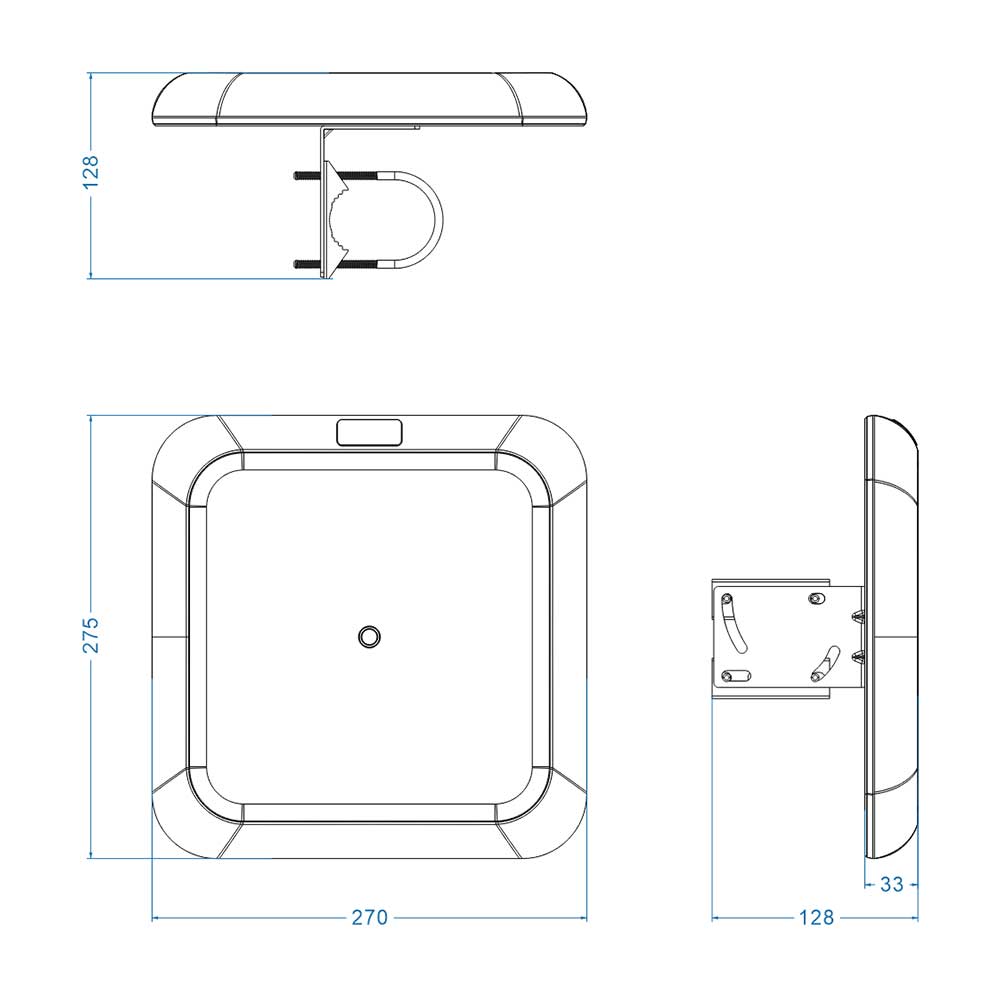
The dimensions are 270 × 275 × 128 mm.
The RFID antenna uses ABS+PP, providing a practical housing solution for indoor RFID deployments.
The standard connector is SMA-K, with a characteristic impedance of 50Ω.
SSD-A09 has a 60° × 60° beamwidth, providing directional RF coverage.
The antenna provides a peak gain of ≥9 dBi, helping achieve focused and stable RFID coverage.
Yes. It uses circular polarization to improve tag reading performance when tags are placed in different orientations.
SSD-A09 supports an adjustable frequency range of 840–960 MHz, covering major UHF RFID applications.
Yes, the SSD-A09 works with Zebra and Impinj readers. Its 50 Ω impedance and N-type connector make integration easy. With Zebra FX9600/FX7500, use short LMR-400 cables and 30 dBm power for 8 m+ reads. With Impinj R700/R2000, turn on Dense Reader Mode and its <3 dB axial ratio supports FastID at 600 tags/sec. For Android or hybrid handhelds, add a WiFi/Bluetooth filter to cut interference. Its 840–960 MHz band covers EU, US, and China standards, so it works globally with ISO 18000-6C/6D systems.
SSD-A09 is built for tough sites. It runs from –40°C to 85°C, and a heated radome option works down to –50°C. The ABS housing won’t get brittle in the cold. With IP65 protection, it handles water jets and dust, and the aluminum base resists acids and concrete splashes. For underground mining, use IP67 tags and place antennas at tunnel intersections for full 360° coverage of vehicles and tools.
Strategy for Choosing RFID Antennas: A Complete Guide for Optimal RFID System Performance
Retail Smart Shelves and UHF RFID Antennas: What Actually Works in Real Stores
RFID Antenna Design Unpacked: Theory · Practice · Lessons Learned
How to Optimize RFID Antenna Design for Maximum Read Range and Accuracy
How Do I Design 125kHz Antenna for a 1-Meter RFID Reader?
A Practical Guide to Antenna RFID Linear: What You Should Really Know
Cykeo RFID solutions empower cross-industry operations, delivering precision tracking for supply chain optimization, industrial IoT deployments, and mission-critical asset management across logistics, healthcare, aviation, smart manufacturing, energy infrastructure, and security systems.