 Cykeo RFID IoT Solution Products R&D Manufacturer





















What is the RFID: Complete Guide to Radio Frequency Identification Technology
137What is the RFID? Discover how RFID technology works, why industries use RFID systems, and how Cykeo provides reliable RFID identification solutions.
MoreAll RFID Product
RFID systems live and die by their antennas. A poorly designed or positioned antenna can turn a cutting-edge tracking system into a costly paperweight, missing tags and misreading data. Whether you’re tracking warehouse pallets or medical devices, optimizing your RFID antenna design is non-negotiable for reliability. Here’s how to balance read range, accuracy, and real-world chaos.

RFID antennas come in two polarization types: linear and circular. Your choice impacts performance dramatically:
Pro Tip: In mixed settings, use dual-polarized antennas or combine linear and circular antennas strategically.
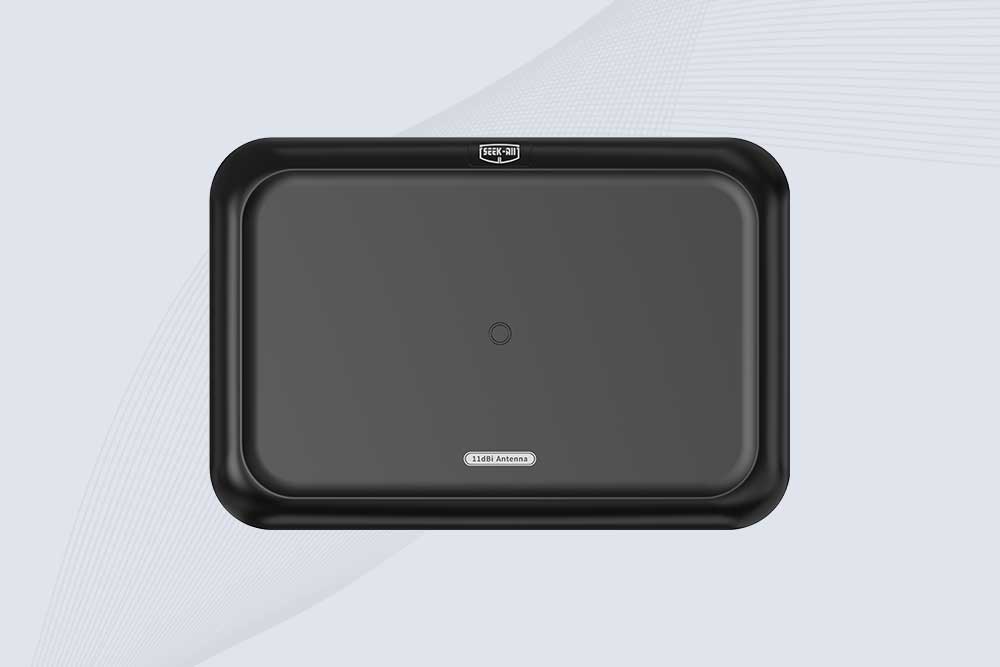
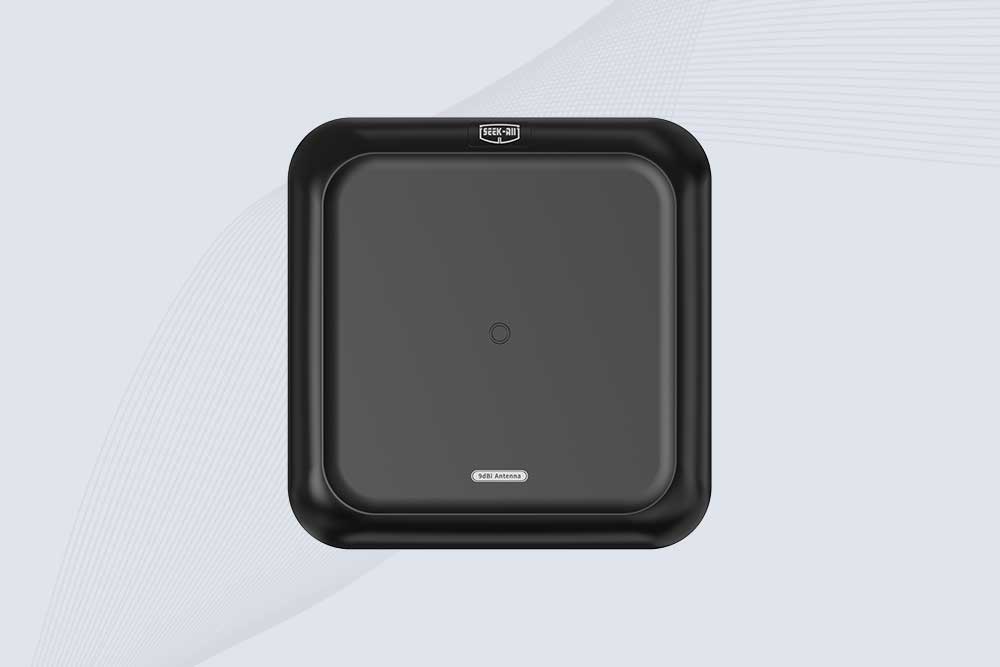
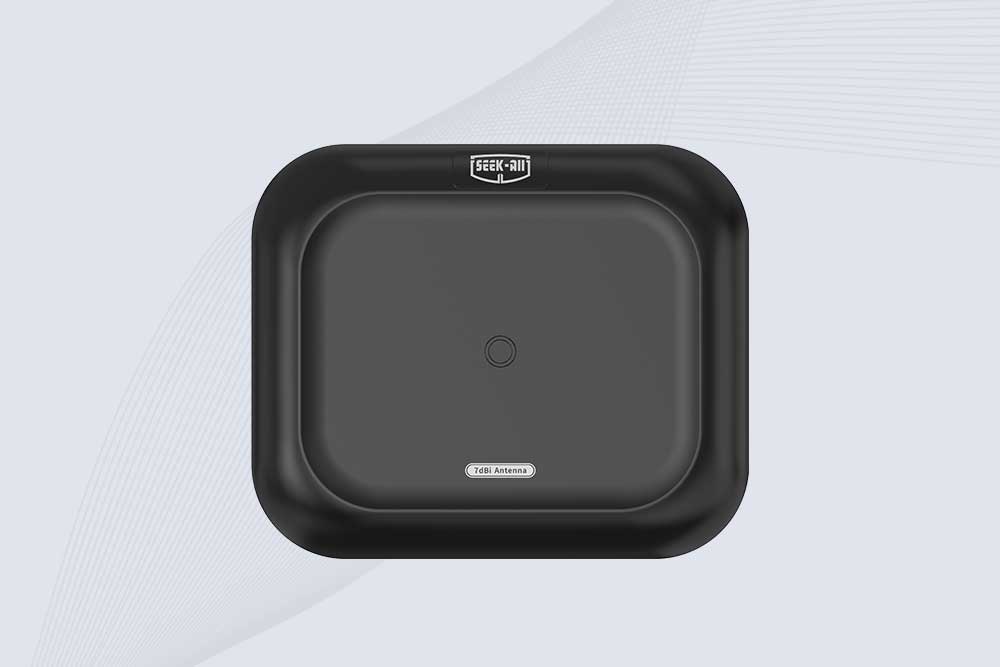
Higher gain (measured in dBi) doesn’t always mean better performance.
Formula for Success:
Antenna Height=4Desired Read Range×Wavelength
For UHF RFID (915 MHz), wavelength ≈ 32.8 cm. Aiming for 10m range? Mount antennas ~8.2m high.
Even the best antenna fails if placed wrong. Follow these rules:
Case Study: A Cykeo-powered warehouse reduced misreads by 75% after repositioning antennas using 3D spatial modeling.
RF noise from Wi-Fi, machinery, or other RFID systems can cripple accuracy.
Simulation tools like ANSYS HFSS predict antenna performance, but real-world testing is irreplaceable:
Quick Fix: If tags are consistently missed, boost reader power by 10% increments (but stay within regulatory limits).
Cykeo’s modular antennas allow on-the-fly adjustments via Bluetooth-connected apps. A medical device manufacturer used them to maintain 99.9% read accuracy across sterile rooms and metal-heavy MRI areas.
A misconfigured antenna system can:
Takeaway: Optimizing RFID antennas isn’t a one-time task—it’s a mix of physics, experimentation, and humility. By prioritizing flexibility and rigorous testing, businesses turn “good enough” into “flawless,” one decibel at a time.

What is the RFID? Discover how RFID technology works, why industries use RFID systems, and how Cykeo provides reliable RFID identification solutions.
More
Discover radio frequency identification rfid tags from Cykeo for asset tracking, inventory accuracy, and industrial automation. Improve visibility and efficiency with reliable RFID technology.
More
Wondering "can a phone read RFID"? We explain what modern phones can and absolutely cannot do with RFID tags, and when you need professional hardware.
More
Learn how to test RFID tags using your smartphone’s NFC feature. Discover apps, DIY methods, and troubleshooting tips for quick verification.
More