Answer: RFID reader for inventory management enables businesses to identify, count, and track inventory automatically with over 99% accuracy, reducing manual labor while providing real-time visibility across warehouses, retail stores, and asset management environments.
Managing inventory manually is still one of the most expensive hidden costs in warehousing and manufacturing. After more than a decade working with RFID-based inventory projects, I have seen companies spend hours counting stock that an RFID system can verify in minutes. A properly deployed RFID reader for inventory management does far more than automate counting—it creates a live digital record of inventory movement.
What Is an RFID Reader for Inventory Management?
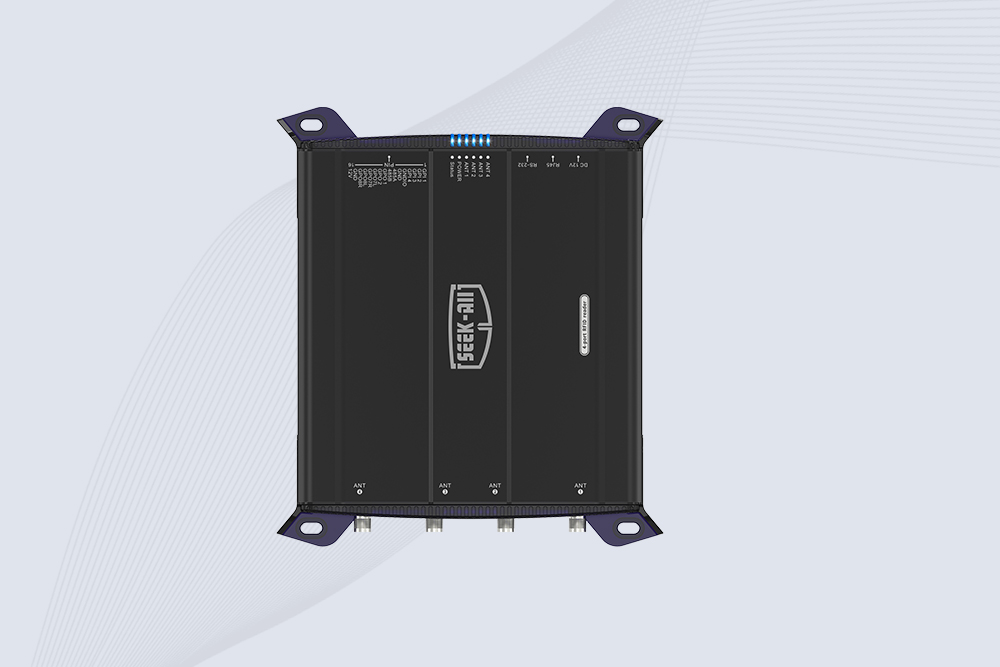
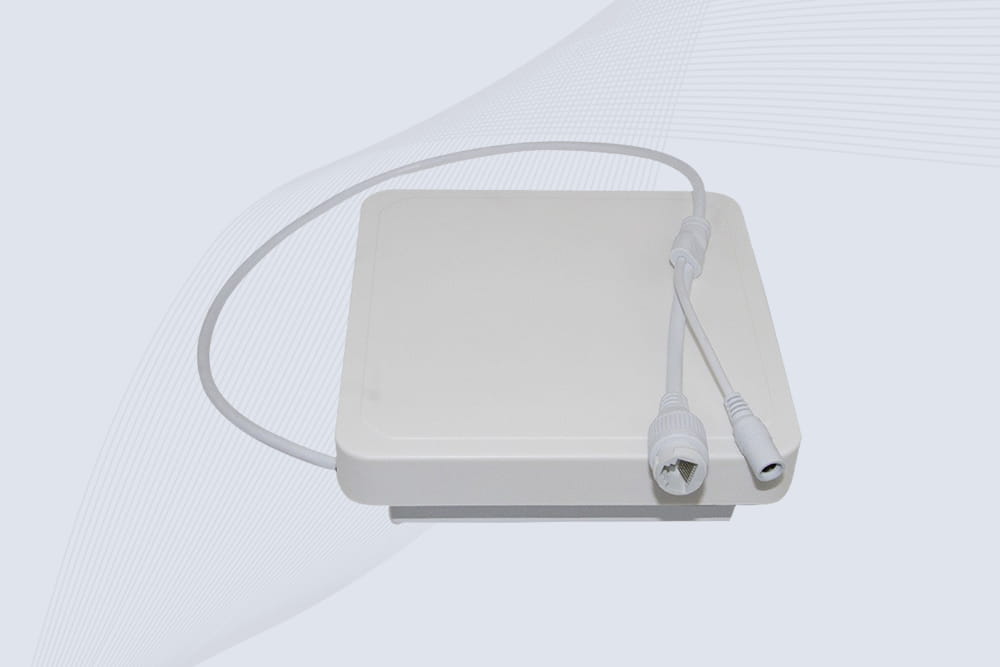
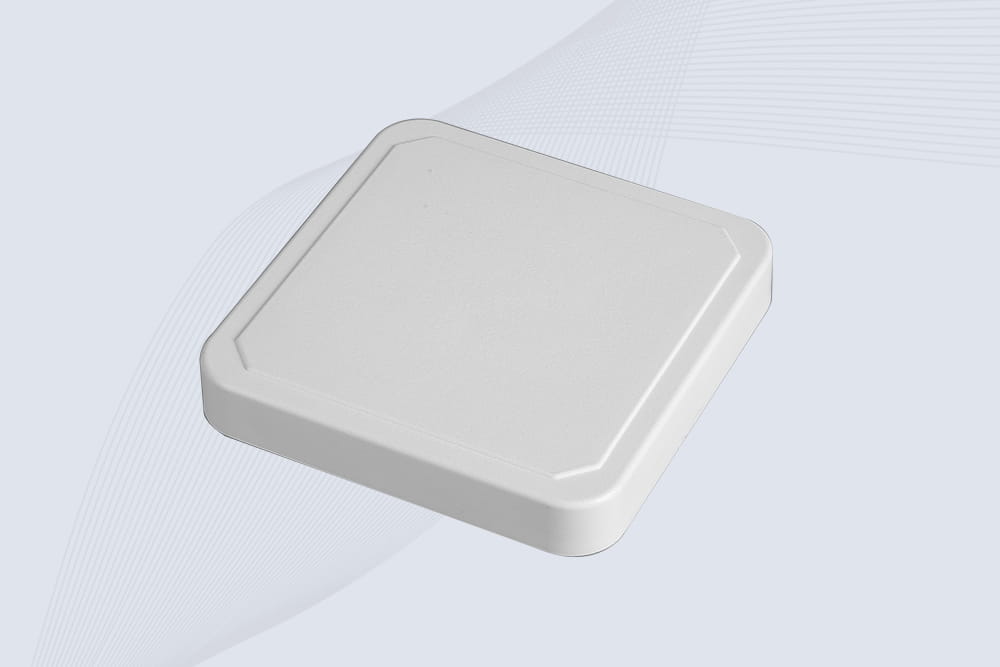
An RFID reader for inventory management is a device that communicates with RFID tags attached to products, cartons, tools, or assets. Unlike barcode scanners that require line-of-sight scanning, RFID readers can capture multiple tagged items simultaneously.
The system typically includes:
RFID tags
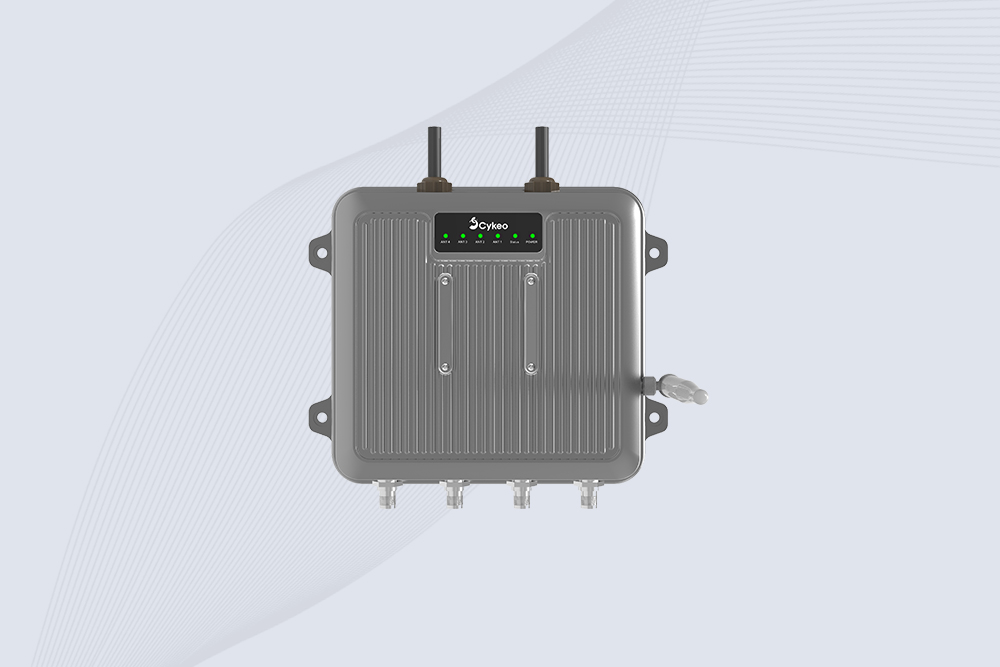
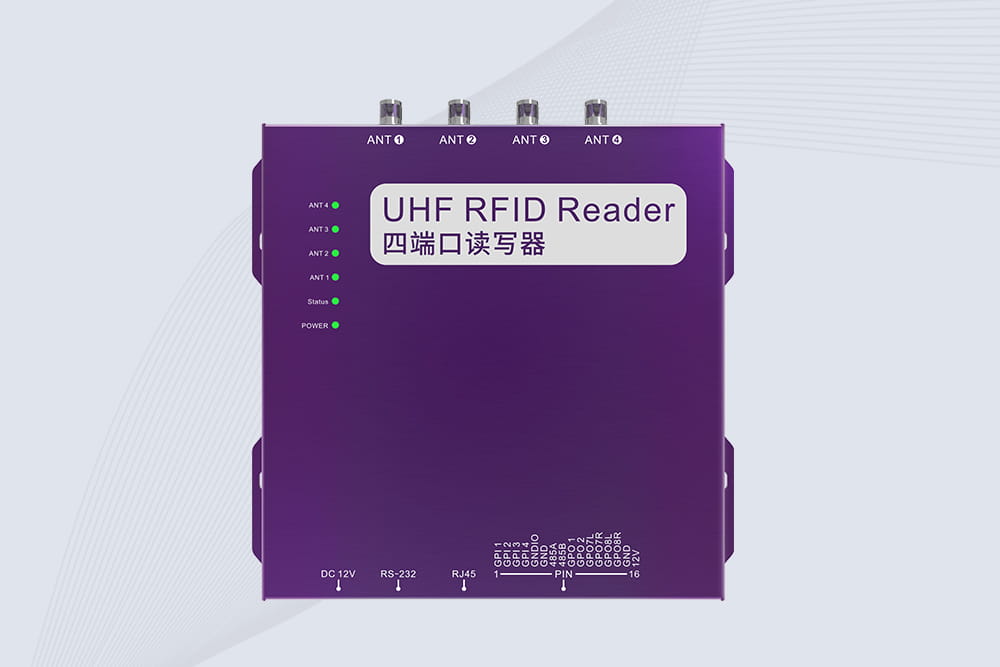
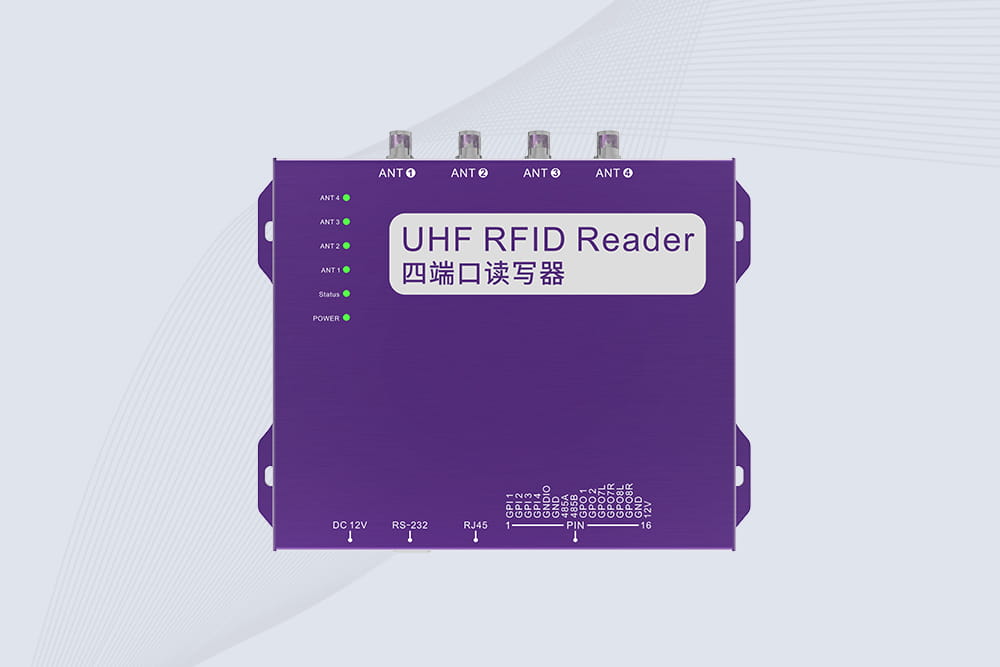
RFID readers
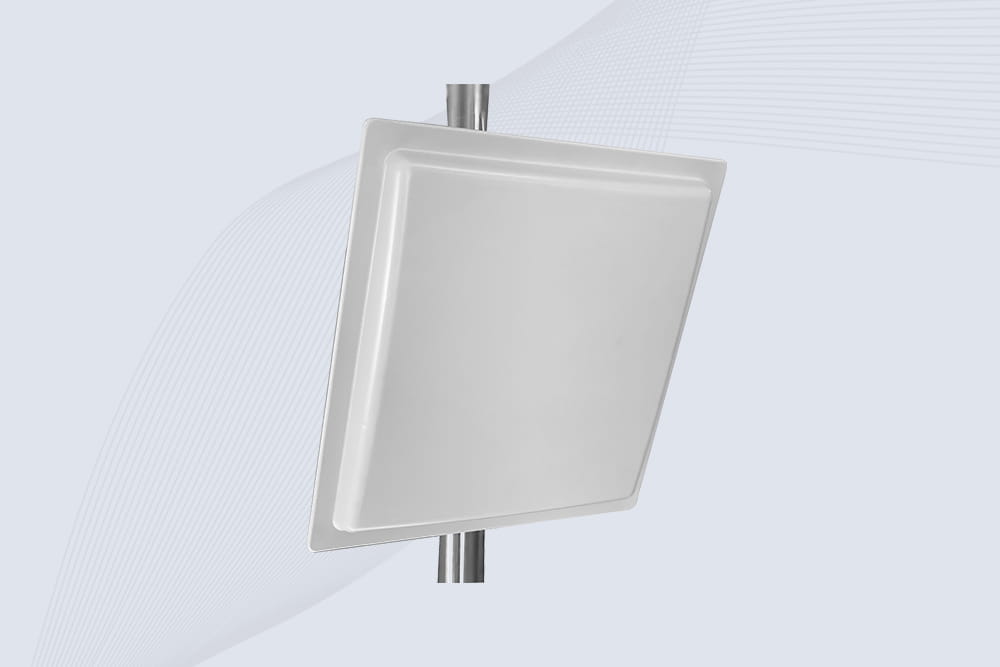
RFID antennas
Inventory management software
Database integration
Once installed, inventory data is collected automatically whenever tagged items pass through a reading zone.
Key Benefits
Function
Barcode System
RFID System
Line-of-sight required
Yes
No
Bulk reading
No
Yes
Real-time inventory
Limited
Yes
Labor requirement
High
Low
Inventory accuracy
60-80% typical
Up to 99%+
According to the official website of Auburn University RFID Lab, RFID implementations in retail environments frequently achieve inventory accuracy levels above 95%, significantly improving stock visibility.
Why Businesses Are Replacing Manual Inventory Counts
During a warehouse deployment we supported for industrial equipment storage, staff previously spent nearly four hours every week counting stock manually.
After implementing fixed RFID reading zones:
Inventory checks became automated
Missing assets were identified instantly
Labor costs decreased significantly
Stock discrepancies dropped sharply
The biggest surprise was not speed—it was visibility.
Management finally knew where inventory was located without waiting for periodic audits.
RFID Inventory Tracking in Warehouse Operations
Receiving Goods
When tagged products enter the warehouse, RFID readers automatically record:
Product ID
Quantity
Arrival time
Storage location
No manual data entry is required.
Storage Monitoring
RFID readers installed at storage areas continuously monitor inventory movement.
Benefits include:
Real-time stock updates
Reduced misplaced inventory
Faster replenishment decisions
Improved cycle counting
Shipping Verification
Before shipment leaves the facility, RFID readers verify order contents automatically.
This helps reduce:
Shipping errors
Missing products
Wrong-item deliveries
According to the official website of RAIN Alliance, billions of RAIN RFID tags are now deployed annually worldwide across retail, logistics, healthcare, and manufacturing sectors.
Real-World Applications of RFID Reader for Inventory Management
Manufacturing
Manufacturers use RFID readers to track:
Work-in-progress inventory
Raw materials
Production tools
Finished products
Retail
Retailers deploy RFID to improve:
Stock accuracy
Omnichannel fulfillment
Loss prevention
Shelf availability
Healthcare
Hospitals use RFID systems to manage:
Medical devices
Surgical instruments
Consumables
Pharmaceutical inventory
Logistics
Distribution centers rely on RFID readers for:
Automated receiving
Shipment verification
Cross-docking operations
Inventory audits
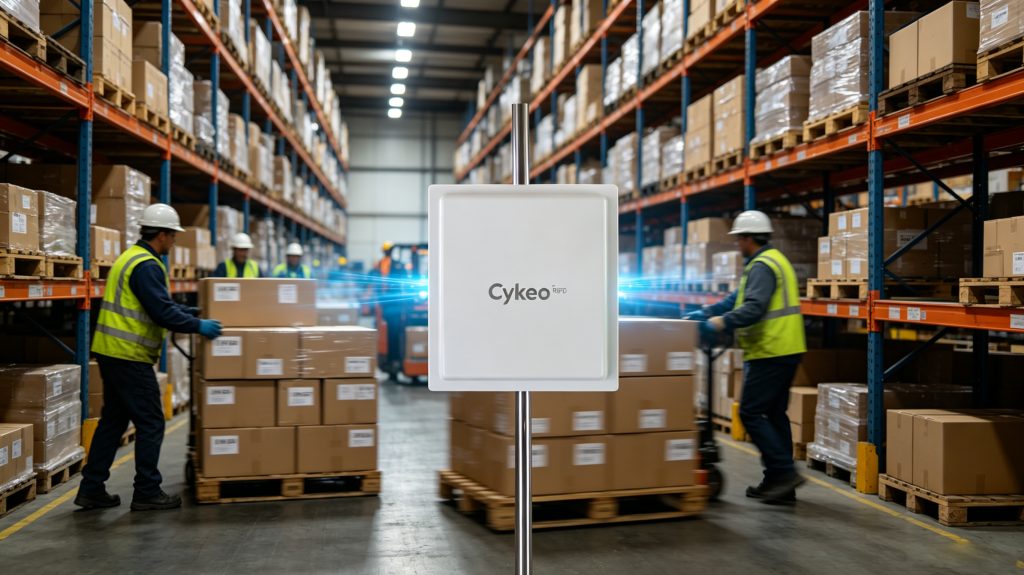
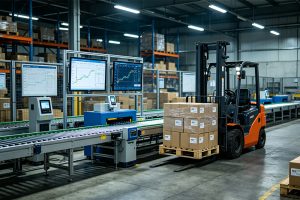
Automated RFID inventory counting inside a high-volume distribution center.
How Cykeo RFID Readers Improve Inventory Accuracy
At Cykeo, we focus on practical deployment rather than laboratory performance figures.
Our RFID reader solutions are designed for:
High-speed tag reading
Multi-tag identification
Long-term industrial operation
Software integration
Real-time inventory management
In demanding environments, readers must perform consistently despite metal shelving, dense inventory, and constant movement.
That is where system design becomes more important than theoretical read distance.
Typical Results Reported by Customers
Metric
Before RFID
After RFID
Inventory count time
Hours
Minutes
Inventory visibility
Partial
Real-time
Data entry errors
Frequent
Minimal
Asset search time
Long
Instant
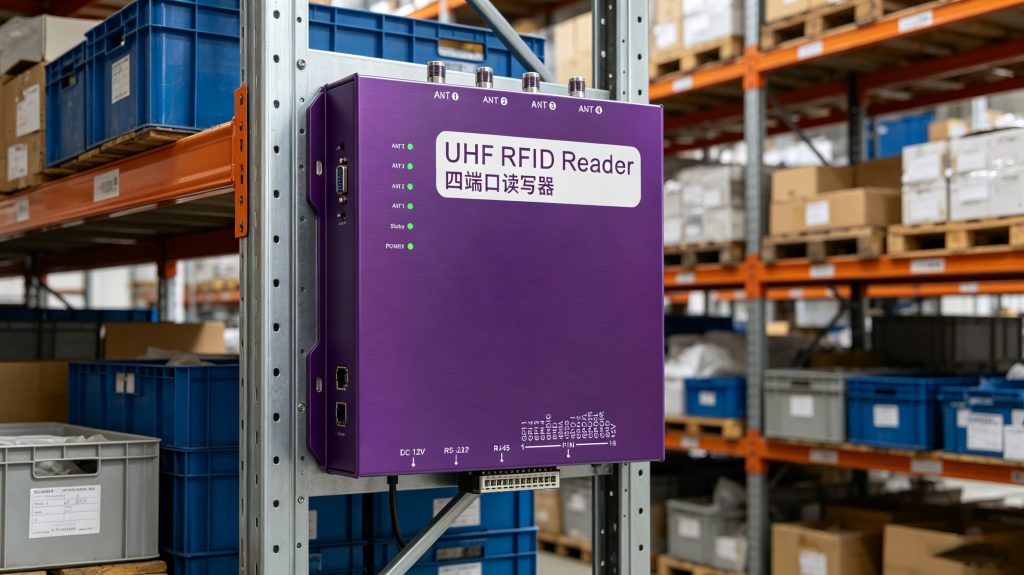
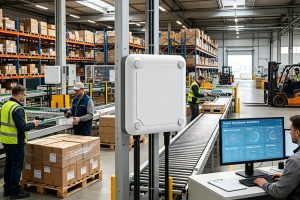
Continuous inventory monitoring using fixed RFID infrastructure.
FAQ About RFID Reader for Inventory Management
How accurate is RFID inventory management?
A properly designed RFID system can achieve inventory accuracy exceeding 95%, with many deployments reporting accuracy levels approaching 99%.
Can RFID readers scan multiple items at once?
Yes. RFID readers can simultaneously identify dozens or even hundreds of tagged items without direct line-of-sight.
Is RFID better than barcode scanning?
For large-scale inventory management, RFID typically provides faster counting, higher visibility, and reduced labor requirements.
What industries use RFID inventory systems?
Manufacturing, logistics, healthcare, retail, libraries, utilities, and government organizations all use RFID inventory management solutions.
Does RFID work in real-time?
Yes. RFID readers continuously update inventory data whenever tagged assets enter or leave reading zones.
Conclusion
A modern rfid reader for inventory management transforms inventory from a periodic counting exercise into a real-time operational asset. Businesses gain faster audits, higher inventory accuracy, improved visibility, and lower labor costs. For organizations seeking scalable inventory automation, Cykeo RFID solutions provide a practical and proven path toward intelligent inventory management.
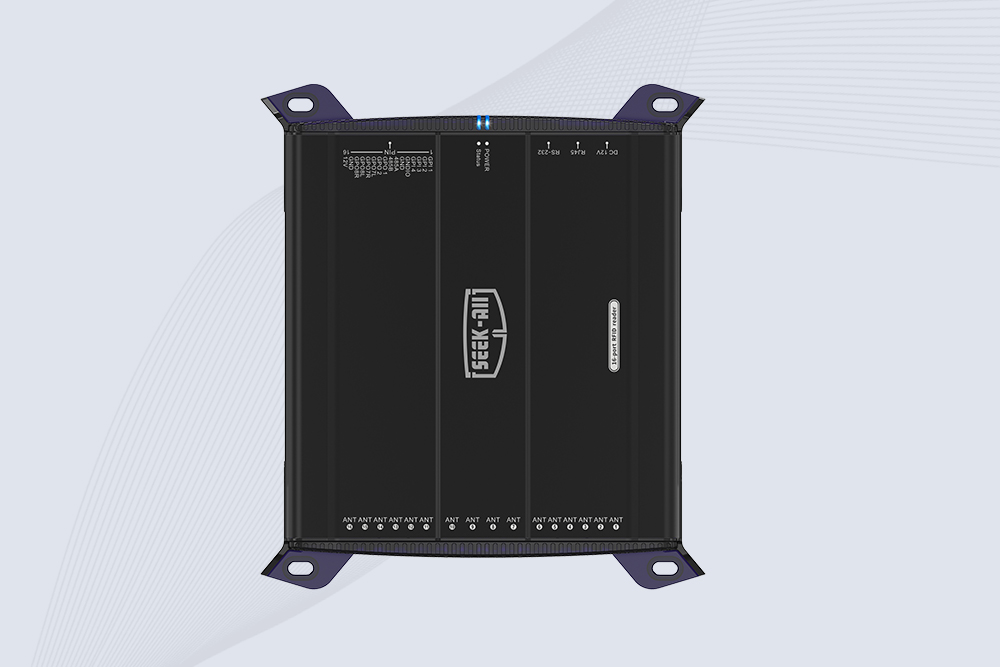
SSD-R16L Multi-Channel RFID Infrastructure for Automated Inventory Management ✔️ 16-Port High-Density RFID Reading Equipped with 16 SMA antenna ports, SSD-R16L supports multi-antenna deployment for warehouses, retail stores, logistics, production lines, and large-area RFID identification. ✔️ High-Speed & Long-Range Performance With up to 33…
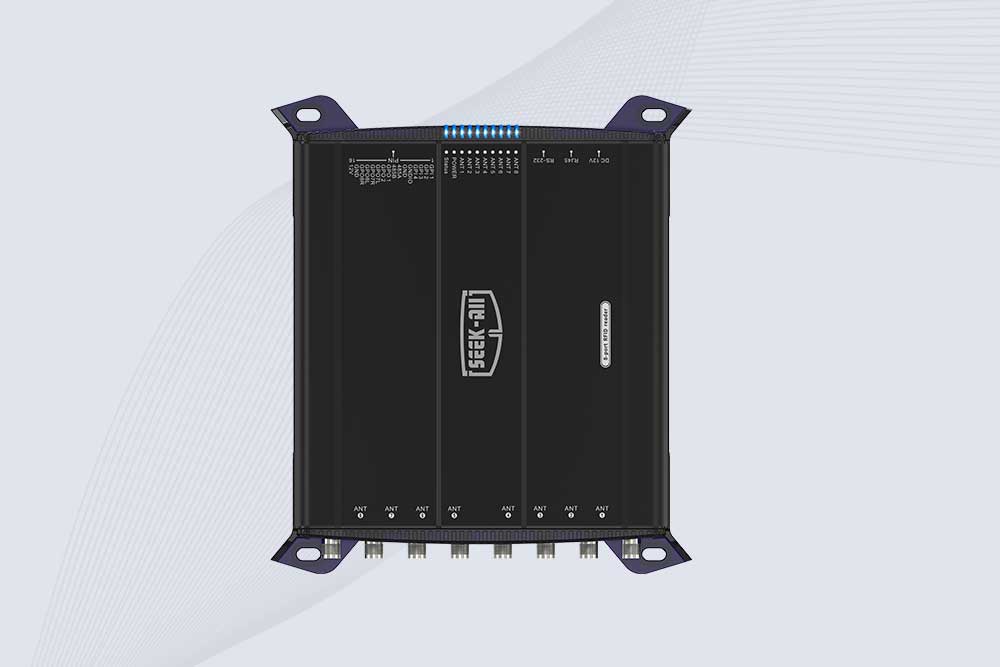
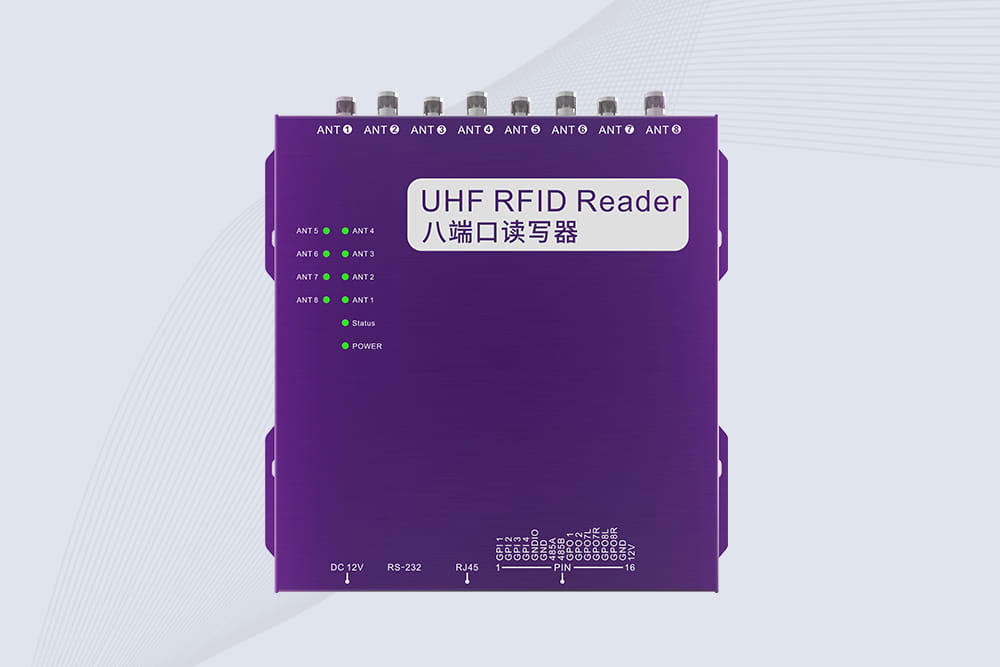
SSD-R8L 8-port UHF RFID reader with 33dBm output, up to 20m reading range and 600+ tags/s recognition. Ideal for warehouse, logistics, retail and asset tracking.
Cykeo’s industrial long range RFID reader delivers 20-meter scanning, 500+ tags/sec speed, and IP67 waterproof design for automated warehouses, logistics, and harsh environment applications.
Cykeo’s CYKEO-RA6L industrial RFID long range reader features 20m read distance, 500 tags/sec speed, and IP67 protection. Ideal for warehouse automation, manufacturing WIP tracking, and smart logistics. Supports ISO 18000-6C/6B protocols.
CYKEO Long Range RFID Tag Reader built for outdoor and industrial operations. This Outdoor RFID Reader delivers 20m read distance, fast tag processing, and IP67 durability for wide-area tracking.
Cykeo CYKEO-RA12L industrial Long Range RFID Reader delivers 20m read range, 200+ tags/sec scanning, and IP67 protection for manufacturing/logistics applications. Supports ISO 18000-6C/GB protocols.
Cykeo CYKEO-C1 industrial Forklift RFID Reader features 20m read range, 600 tags/sec scanning, Impinj R2000 chipset, and IP67 rugged design. Ideal for warehouse logistics and manufacturing. Supports ISO 18000-6C/6B protocols.
Cykeo CYKEO-R4 industrial UHF RFID Fixed Reader features 4 TNC ports, 400+ tags/sec speed, IP67 housing, and global frequency compliance for vehicle inspection, smart warehouse, and asset management systems.
CYKEO CYKEO-R8L Fixed RFID Reader with 8-port UHF design, Impinj-based RF core and up to 20m read range. An industrial Fixed RFID Reader for vehicle inspection, warehouse portals, smart manufacturing lines and secure access checkpoints.
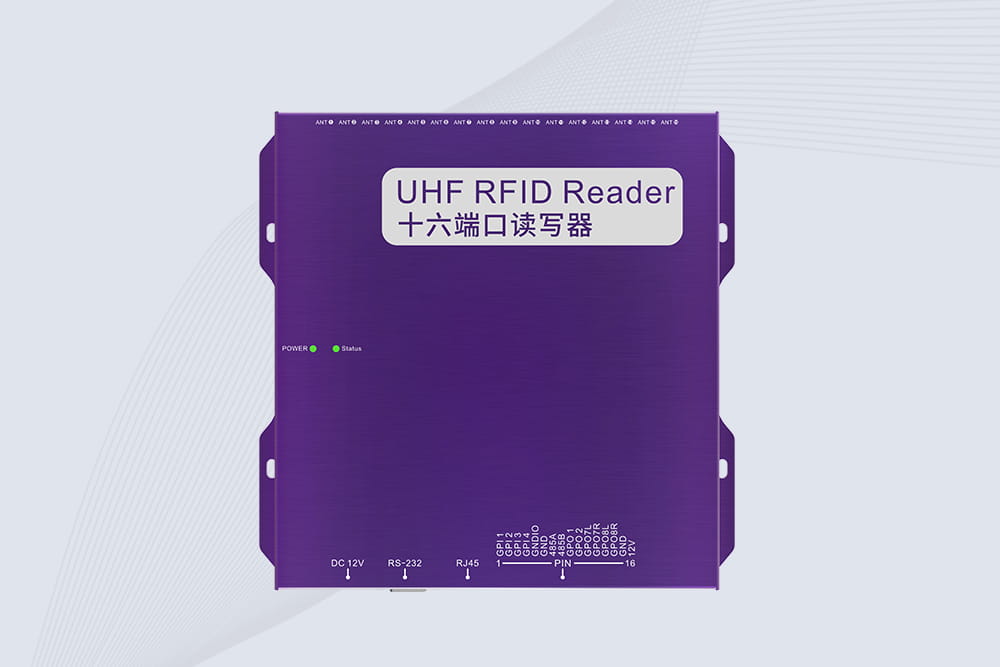
RFID Fixed Reader from CYKEO – the CYKEO-R16L 16-port UHF fixed reader for warehouses, smart cabinets, and production lines. Long-range, multi-tag reading, stable performance for 24/7 industrial use.
Learn how RFID reader modules are used in warehouse inventory management, pallet tracking, conveyor automation, and real-time logistics visibility systems.
Discover rfid reading technology from Cykeo for fast and accurate tag identification. Improve inventory, asset tracking, and automation with reliable RFID data capture solutions.
Improve hospital linen control with the Cykeo CK-G2224 RFID smart cabinet — real-time tracking, automated inventory, reduced loss, and full workflow digitization.
Wondering "what does RFID interface module model 941B0405 do in trucks"? Get the plain-English answer from CYKEO. Learn how this device controls truck access, boosts fleet security, and simplifies management.
 Cykeo RFID IoT Solution Products R&D Manufacturer