To use RFID for tracking, attach a compatible RFID tag to each asset, configure readers at the required tracking points, capture tag IDs, and connect the reader data to software that records movement, location, and status. The key is not simply reading tags; it is creating reliable read zones and turning repeated tag observations into usable tracking events.
How RFID Tracking Works in a Real Operation
RFID tracking starts with an identity attached to the physical object. In a UHF RAIN RFID deployment, the tag normally carries an EPC or another identifier, while the reader captures that identifier when the tagged item enters its RF field. GS1 describes RAIN RFID as passive UHF RFID using the 860–930 MHz range and identifies fast asset identification, inventory, and tracking as major applications.
That sounds straightforward on paper. On an actual warehouse floor, the difficult part is deciding where a read means something.
A reader at a receiving doorway may represent “goods received.” A reader at a packing station may represent “processed.” A handheld reader walking through storage locations may represent “inventory confirmed.” The RFID tag has not changed. The meaning of the read comes from the location, timing, reader configuration, and business system.
Tracking requirement
Typical RFID approach
Useful tracking event
Warehouse inventory
Handheld UHF RFID reader
Asset found at a storage area
Receiving
Fixed reader at dock or doorway
Asset entered receiving zone
Production movement
Fixed or embedded readers
Work-in-process moved through a station
Tool tracking
Handheld or fixed RFID readers
Tool identified during issue, return, or inspection
Gate monitoring
Reader plus directional antennas
Tagged asset passed a defined gate
RFID Tracks Events, Not GPS Coordinates
This distinction is often missed when someone first asks how to use RFID for tracking. A conventional passive UHF tag does not continuously broadcast its location like a GPS device. The system knows that a tag was detected by a particular reader or antenna at a particular time.
GS1’s EPCIS standard is designed to capture and share information about the what, when, where, why, and how of products and assets, including movement and chain of custody. That is much closer to how serious RFID tracking systems should be designed.
Choosing the Right RFID Tracking Method
Use the tracking point to determine the reader type, rather than choosing a reader first and trying to make the workflow fit afterward. A handheld reader makes sense when staff need to search shelves, verify assets, or perform cycle counts. A fixed reader is more appropriate when tagged objects repeatedly pass a known doorway, conveyor, workstation, or loading point.
Handheld RFID: useful for inventory, search, inspection, and mobile verification. Fixed RFID: useful for repeatable movement through controlled read zones. Embedded RFID: useful when RFID functionality needs to be integrated into equipment or a custom device. Multiple-reader systems: useful when several locations need to contribute tracking events to one application.
GS1 notes that RAIN RFID does not require line-of-sight and can read tags inside sealed containers or beneath other products. It also reports that one handheld reader can count hundreds of assets in approximately the same time as a single barcode scan, with average inventory time reduced by approximately 95% in the cited RAIN RFID use case.
Those numbers are useful as a benchmark, not a promise. In commissioning work, I would measure the actual aisle, pallet, carton, tag orientation, and operator movement before estimating productivity gains. A clean laboratory read is not the same thing as a warehouse inventory cycle.
A handheld UHF RFID reader identifies tagged warehouse assets during a real inventory and tracking operation.
How to Track an Asset With RFID
The first practical decision is how much identity information belongs on the tag. For many tracking applications, the EPC functions as the unique identifier while additional business information remains in the software system. GS1 explains that EPC provides a way to serialize GS1 identifiers for visibility and traceability applications.
A useful tracking record might therefore look like this:
Data
Purpose
RFID EPC
Identifies the individual tagged object
Reader ID
Identifies the reading location or equipment
Timestamp
Records when the detection occurred
Zone / antenna
Provides additional location context
Business status
Links the RFID event to receiving, storage, shipment, inspection, or another process
GS1 also notes that RAIN RFID tags can contain more than an identifier. User Memory can carry additional application information, while EPC memory is commonly used for serialized identification. For most tracking architectures, however, putting every operational detail onto the tag is unnecessary. Keeping the changing business record in the application makes the system easier to manage.
Designing Reliable RFID Tracking Zones
RFID tracking becomes useful when a reader observation can be interpreted with confidence. A read at the center of a warehouse aisle may only tell you that an asset is somewhere nearby. A controlled doorway read, combined with reader ID, antenna information, timestamp, and business rules, can provide a much more meaningful movement event.
In practical deployments, I treat the read zone as part of the tracking system itself. Antenna position, tag orientation, reader power, nearby metal, and unwanted tag reads all affect the result. GS1 states that RFID read range is not a universal fixed value and depends on factors including reader antenna directivity and gain, polarization, tag orientation, and the surrounding environment.
Preventing Unwanted RFID Reads
A common mistake is trying to maximize range everywhere. If a loading-door reader can detect tags several meters beyond the intended passage, the database may record an asset as leaving before it has actually crossed the gate.
For this reason, field testing should include the boundary of the intended zone—not just the center. Walk tagged assets toward the reader from different directions. Test nearby shelves. Leave adjacent pallets in place. Then check whether the software produces the expected events.
Define the physical tracking zone. Position antennas around the intended movement path. Adjust reader power to suit the zone. Filter duplicate or unwanted tag observations. Test tags approaching from both directions. Confirm that the software interprets reads correctly.
RFID Tracking Around Metal, Liquids, and Dense Inventory
Warehouse conditions are rarely RF-friendly. Metal racks, machinery, liquid containers, foil packaging, and densely packed cartons can change tag performance. GS1 explains that metal can reflect or diffract radio waves, while water can absorb RF energy and detune RFID tags. Specialized tag designs can help mitigate these effects.
This is where tag selection becomes part of tracking accuracy. A general-purpose label may work well on corrugated cartons but behave differently when attached directly to metal equipment. I would never approve a tracking installation from a desk based only on a reader’s maximum specification. The actual asset, tag placement, rack structure, and movement path need to be tested together.
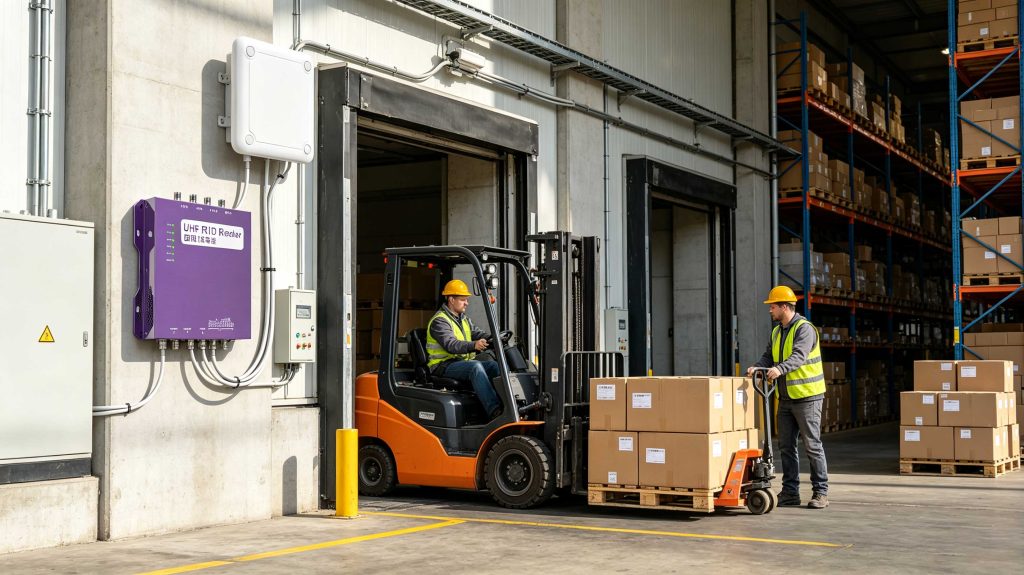
Fixed UHF RFID readers capture tagged pallet movement through a defined warehouse tracking zone.
Handheld vs. Fixed RFID Tracking
The choice between handheld and fixed RFID is mainly a workflow decision.
Factor
Handheld RFID
Fixed RFID
Operator movement
Reader moves with the operator
Reader remains installed
Inventory work
Strong fit
Useful for automated checkpoints
Doorway tracking
Possible, but operator-dependent
Strong fit for controlled passages
Asset search
Strong fit
Limited to installed zones
Automation
Requires operator interaction
Can continuously monitor defined zones
For example, a maintenance department may use handheld RFID to locate tools during an inventory check, while fixed readers can record movement through a workshop entrance. Combining the two does not mean duplicating the same function. Each reader type observes a different part of the workflow.
Cykeo RFID Tracking Considerations
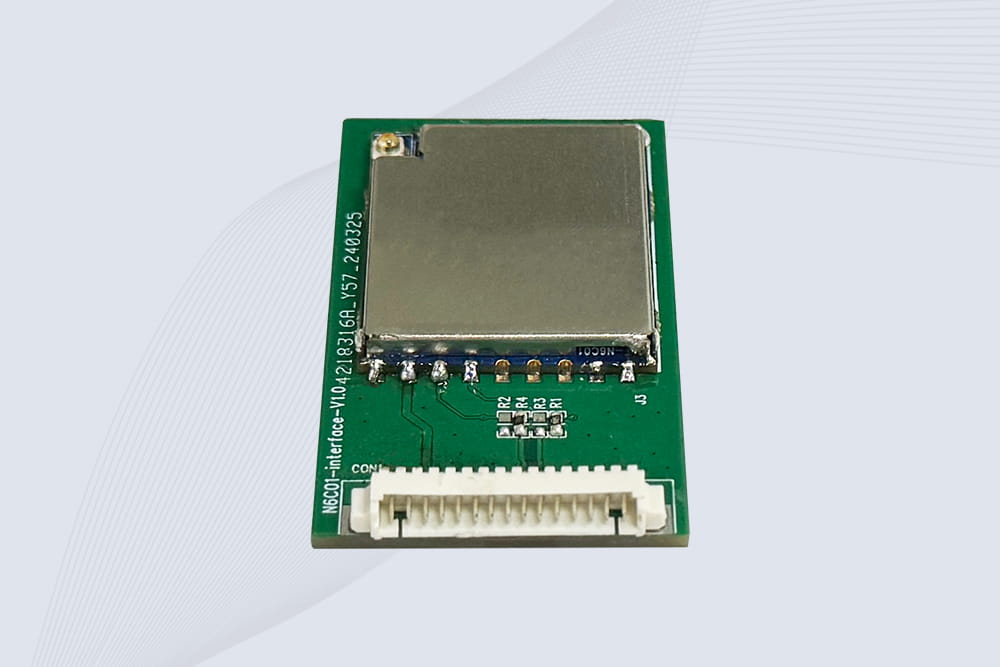
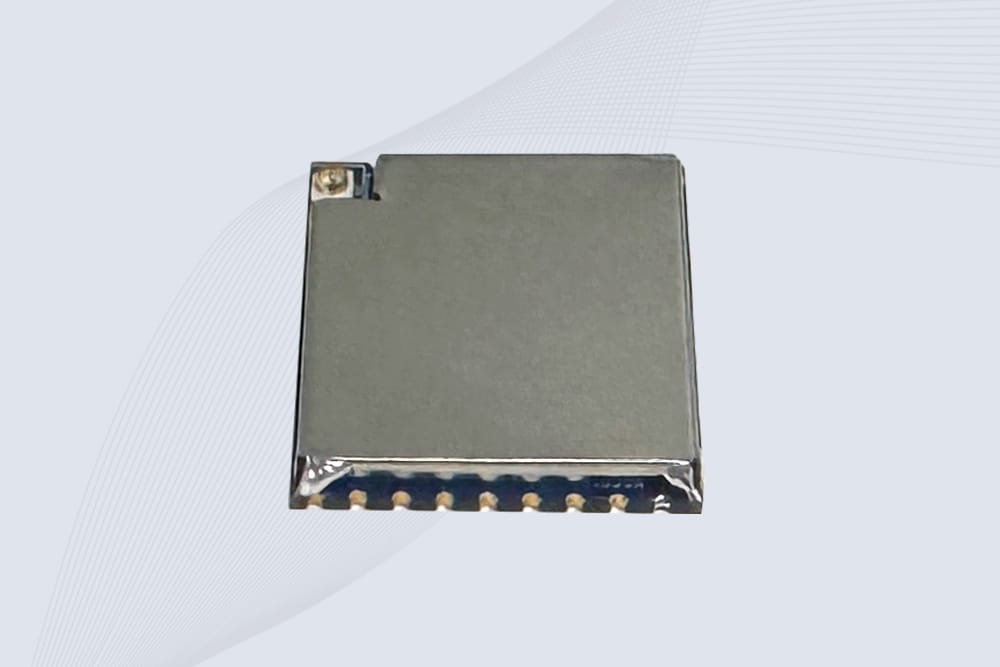
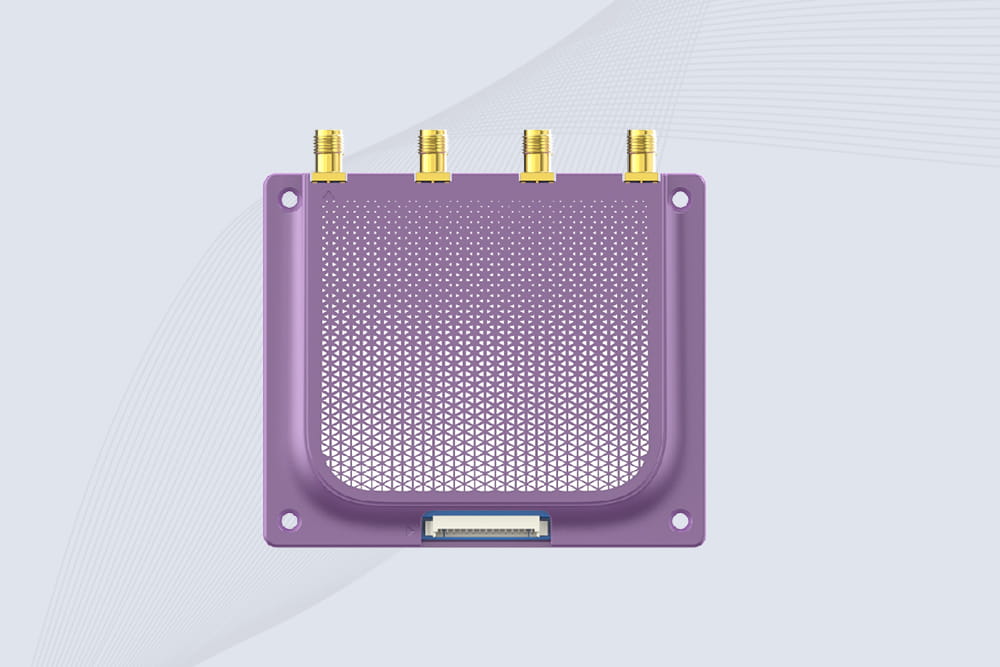
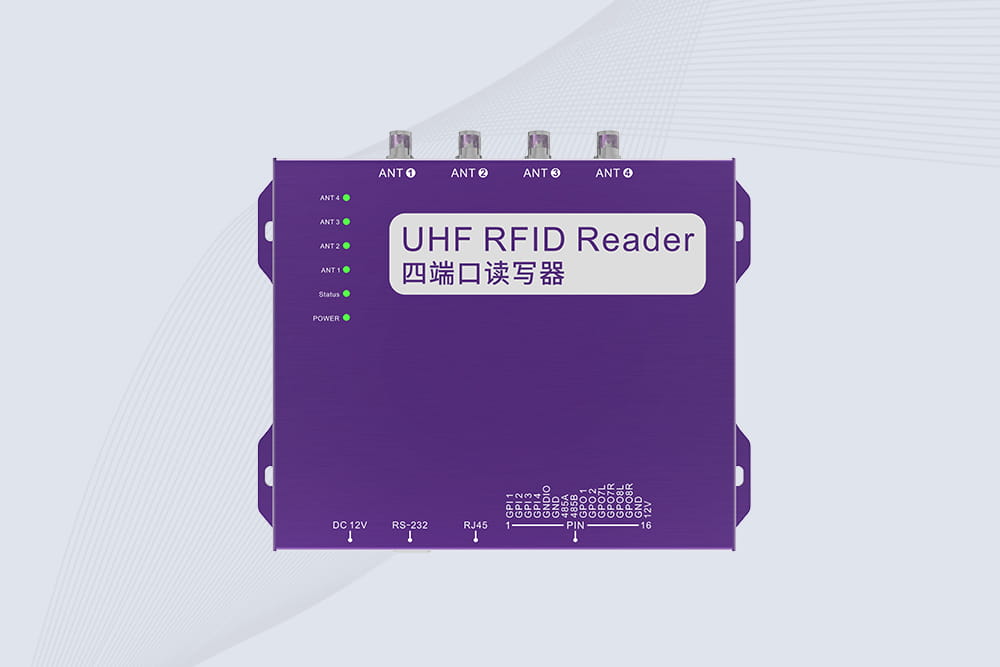
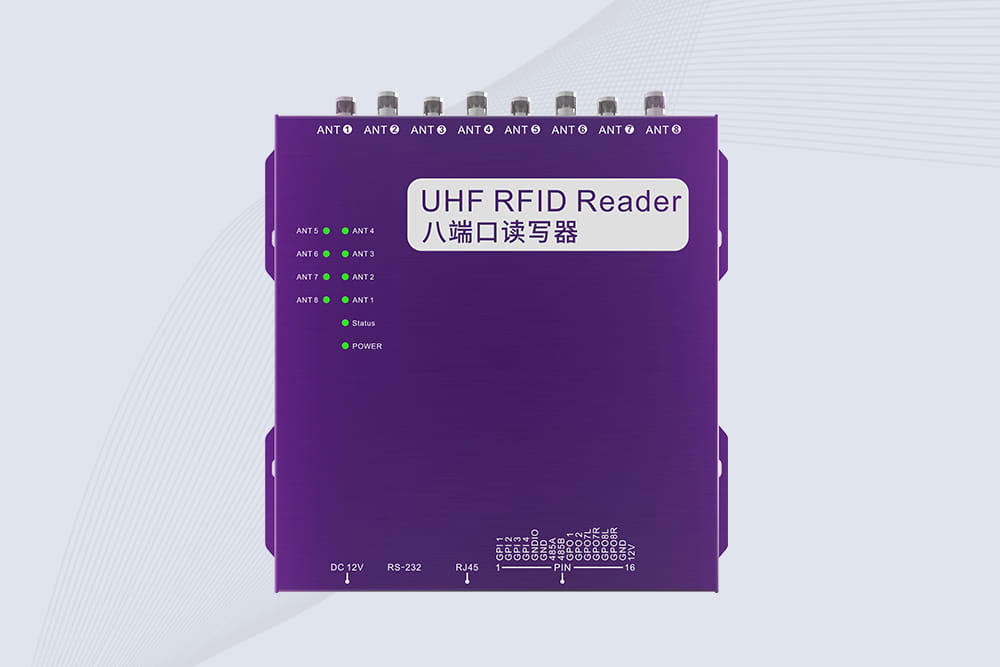
For UHF tracking projects, Cykeo provides reader and module options that can be integrated into different system architectures. The CYKEO-M4L module supports ISO18000-6C/EPC C1G2, adjustable output power up to 33 dBm, filtering and anti-collision functions, API resources, and firmware upgrade capability. Its specification states recognition of more than 400 tags per second under dense multi-tag conditions.
These functions become relevant when tracking involves many tags in the same RF field. A production system needs more than raw tag detection. It needs to distinguish useful observations from background reads and pass the resulting information into the application reliably.
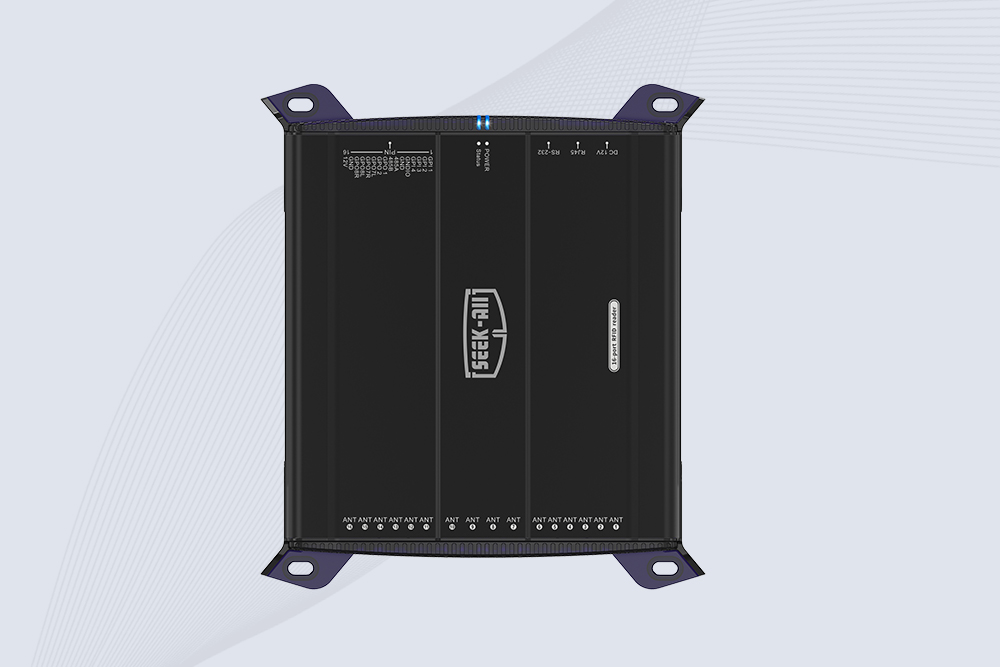
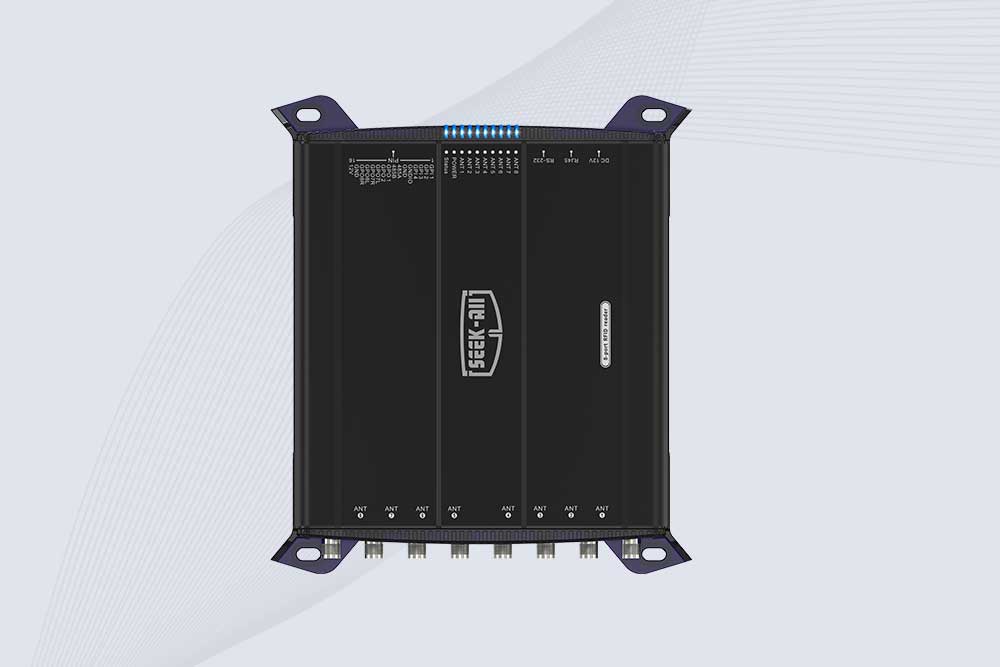
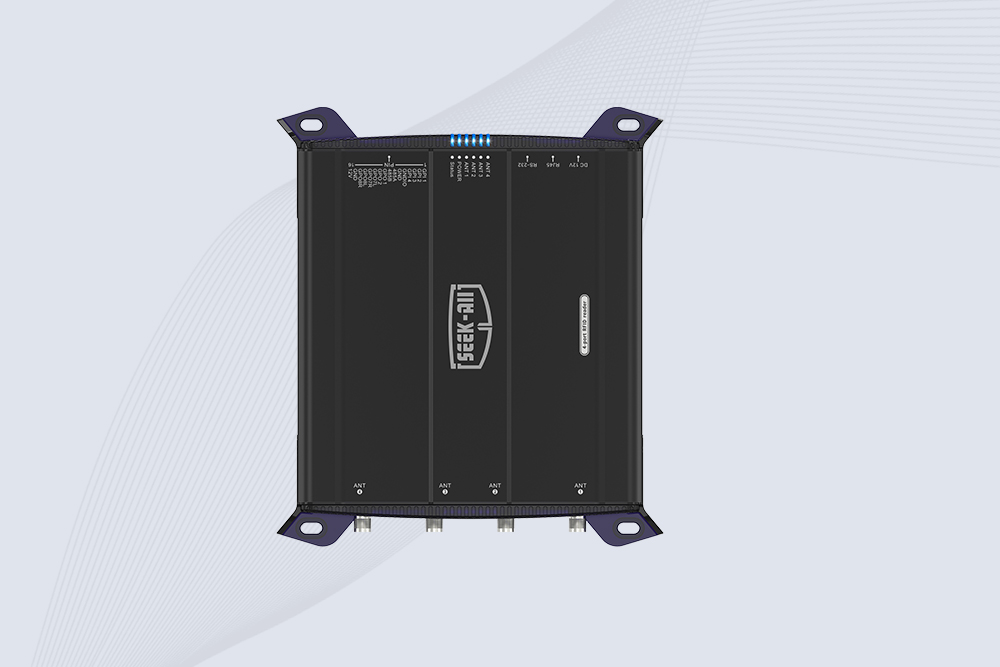
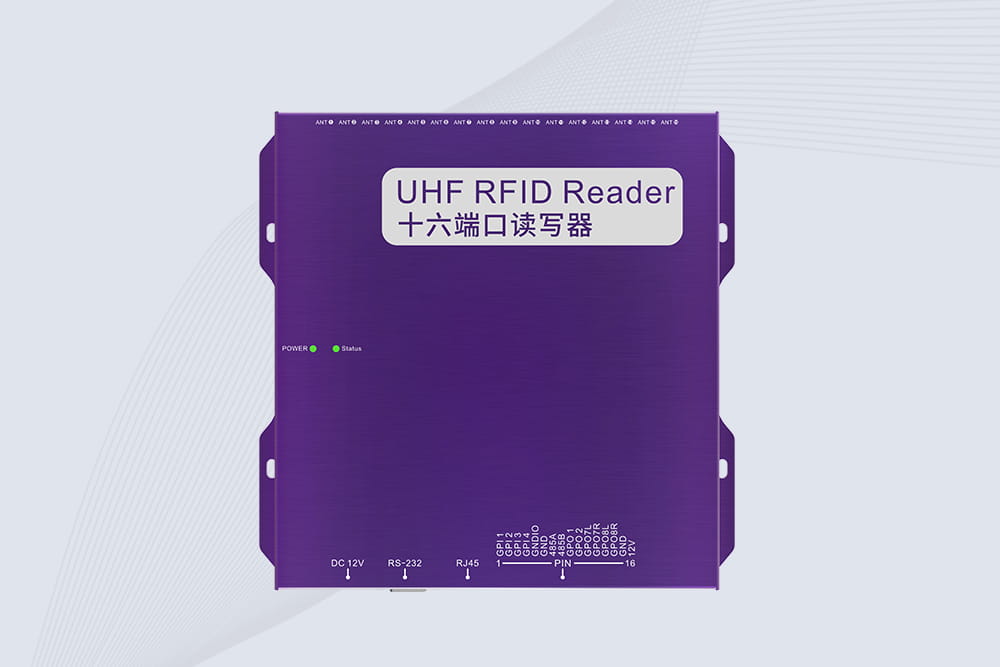
Cykeo’s RA9L/CK-D9L fixed-reader architecture is also suited to applications where UHF RFID hardware needs to be installed at defined tracking points, with Ethernet and RS-232 interfaces available for system integration. Selection should still be based on the actual read zone, tag type, installation environment, and software requirements rather than reader specifications alone.
RFID Tracking Troubleshooting Checklist
Observed issue
What to investigate first
Asset is missed
Tag orientation, tag type, reader position, RF environment
Asset appears twice
Duplicate-event filtering and application logic
Wrong location recorded
Reader/antenna ID and physical zone mapping
Unexpected asset detected
Read-zone boundaries and reader power
Performance changes near equipment
Metal, liquids, machinery, and tag placement
A useful commissioning record should contain more than a percentage such as “98% read rate.” Record which tag was used, where it was attached, its orientation, which antenna detected it, and whether the business system created the correct event. That gives the engineering team something actionable when performance changes later.
FAQ: how to use rfid for tracking
Can RFID track the exact location of an asset?
RFID can identify where an asset was detected when readers are installed at known locations, but passive UHF RFID does not normally provide continuous GPS-style coordinates. Tracking accuracy depends on reader placement, antenna coverage, tag performance, and how the software interprets reader events.
What RFID tags are best for asset tracking?
For many warehouse and industrial applications, passive UHF RAIN RFID tags are a practical choice because they support longer-range identification and multi-tag reading. The correct tag still depends on the asset material. Metal equipment, liquid containers, and unusual surfaces may require specialized tag designs.
Can RFID track multiple assets at the same time?
Yes. UHF RAIN RFID is designed for rapid identification of multiple tagged objects. GS1 notes that handheld RAIN RFID readers can count hundreds of assets in roughly the time needed for a single barcode scan in appropriate inventory applications.
How far can RFID track an asset?
There is no single universal distance. GS1 states that passive UHF RFID typically operates over several meters, with longer ranges possible under suitable conditions. Reader antenna gain, tag orientation, reader power, installation, and the surrounding environment all influence the practical range.
Can RFID track assets through a warehouse doorway?
Yes. Fixed UHF RFID readers and antennas can be installed around defined doorways or gates to detect tagged assets as they pass. The system should be tested for both directions of movement and configured to prevent reads from adjacent storage areas from being interpreted as doorway events.
Does RFID tracking require line of sight?
No. Passive UHF RFID does not require the same direct visual alignment as barcode scanning. Tags can be identified without the operator visually locating the label, although materials, tag orientation, metal, liquids, and dense product arrangements can still affect performance.
How does RFID tracking data reach business software?
The reader captures the RFID tag identifier and sends the resulting data through its available communication interface or integration layer. The application can then associate the tag with an asset record and use reader location, timestamp, and other event information to support inventory, movement, receiving, shipping, or asset-management workflows.
Final takeaway:
how to use rfid for tracking is ultimately a question of designing meaningful read events around physical movement. The strongest systems do not chase maximum range everywhere. They place the right RFID technology at the right tracking point, control unwanted reads, select tags for the actual asset surface, and connect reader observations to business records that people can act on.
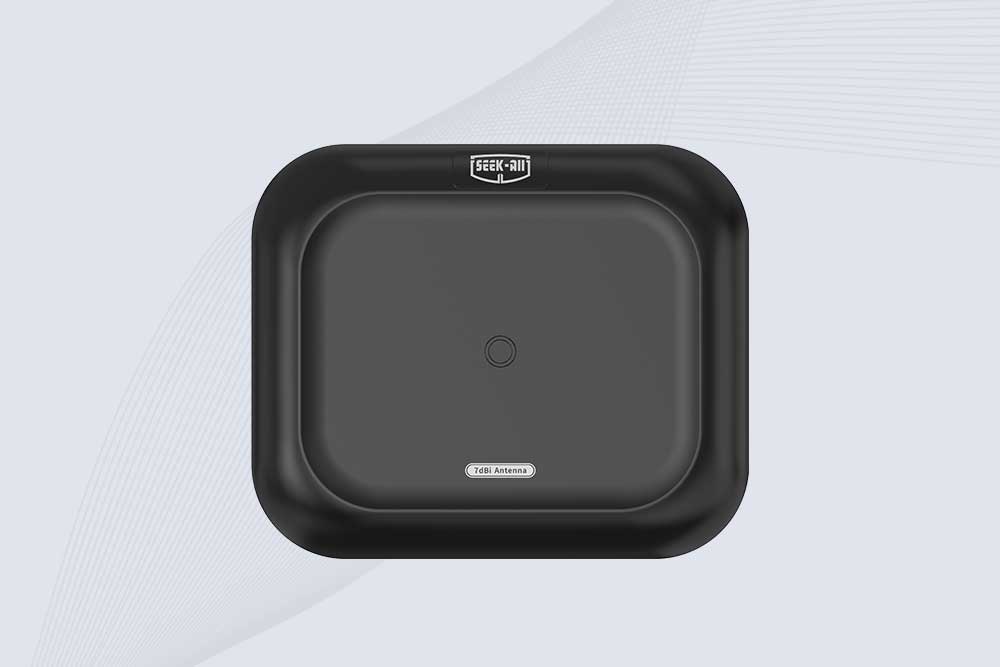
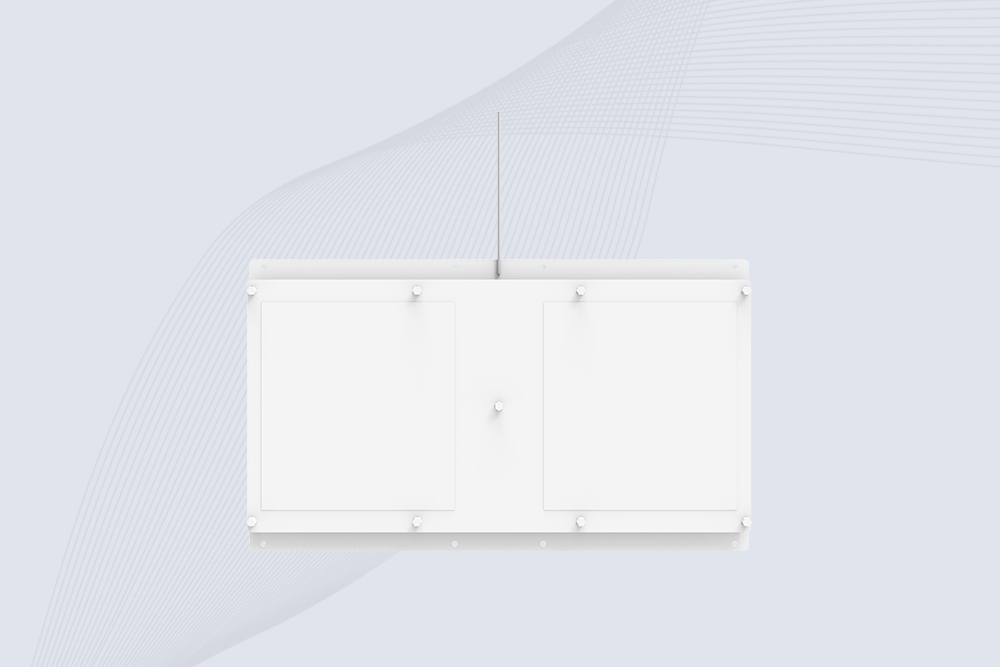
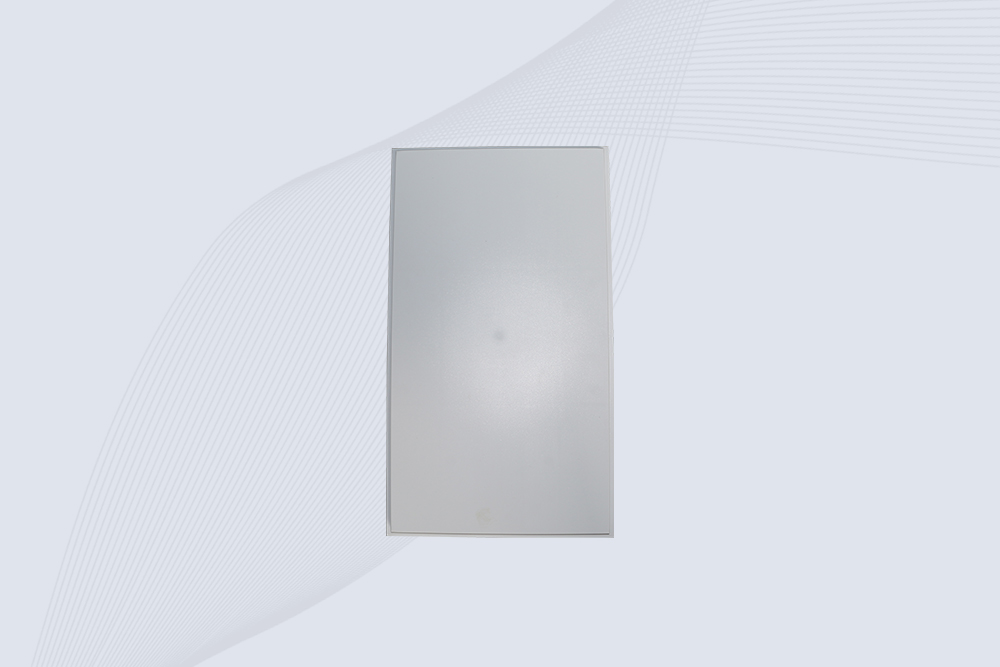
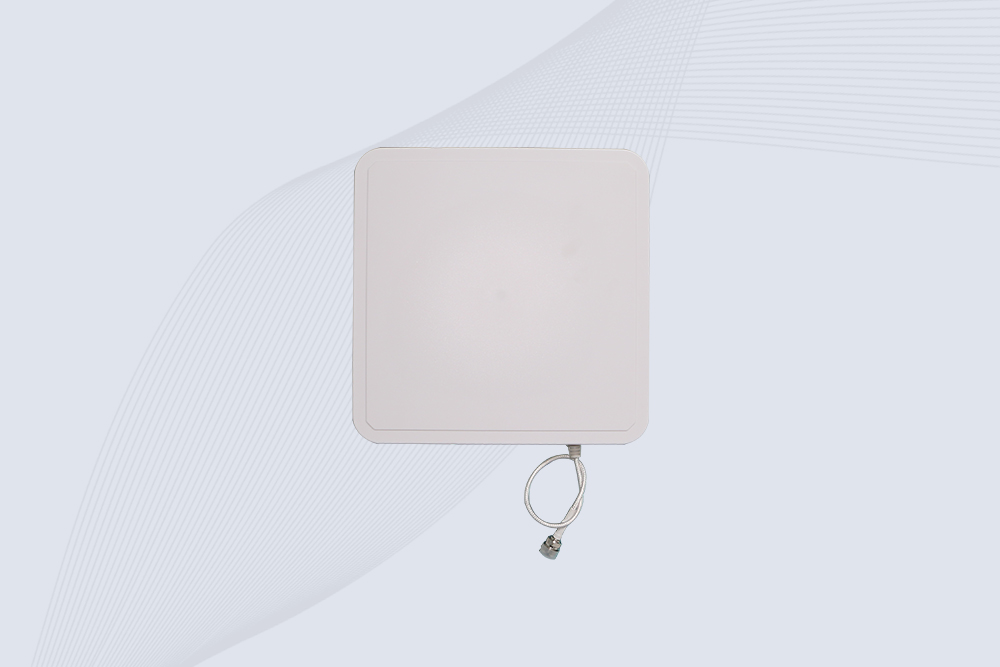
Explore the SSD-A07 UHF RFID antenna with 7 dBi gain, circular polarization, adjustable 840–960 MHz frequency, and 60°/75° beamwidth for stable RFID read/write performance.
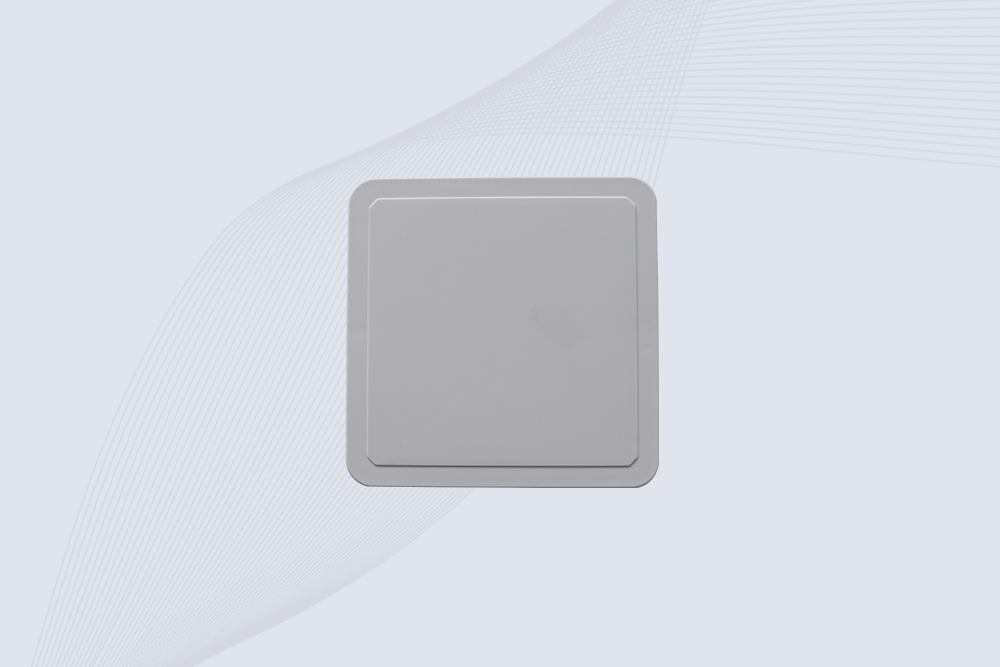
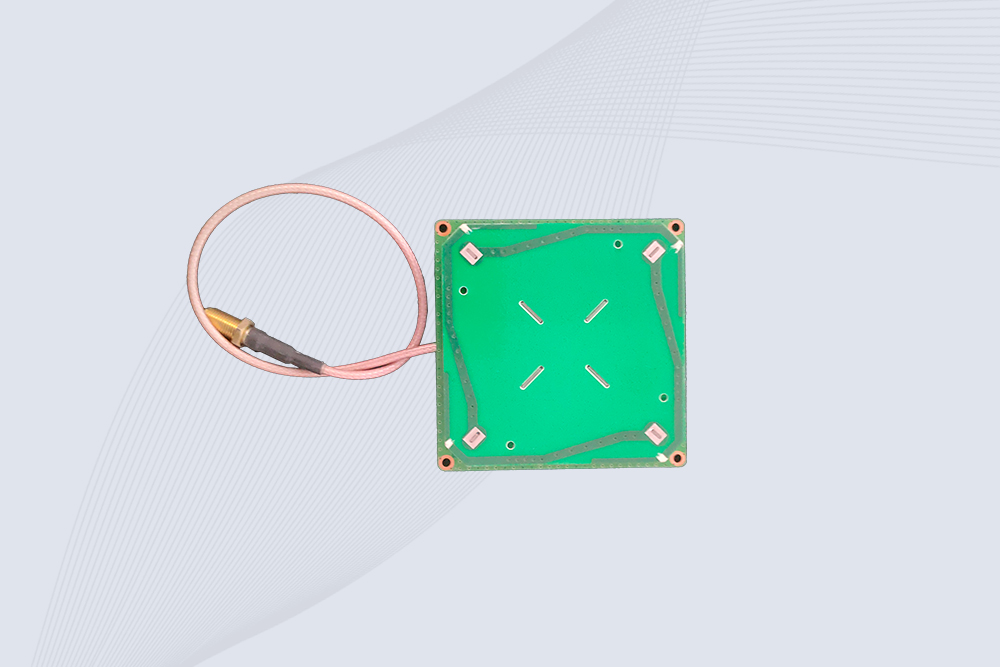
SSD-A06 UHF RFID antenna with circular polarization, adjustable 840–960 MHz frequency, ≥4.5 dBi gain, and a compact directional design for RFID systems.
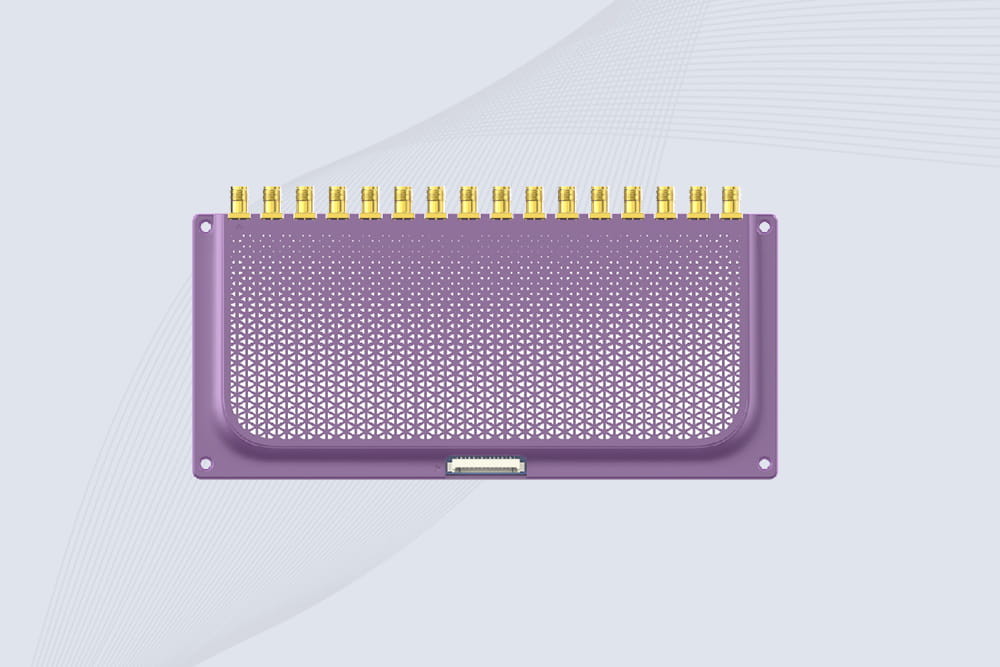
SSD-R16L Multi-Channel RFID Infrastructure for Automated Inventory Management ✔️ 16-Port High-Density RFID Reading Equipped with 16 SMA antenna ports, SSD-R16L supports multi-antenna deployment for warehouses, retail stores, logistics, production lines, and large-area RFID identification. ✔️ High-Speed & Long-Range Performance With up to 33…
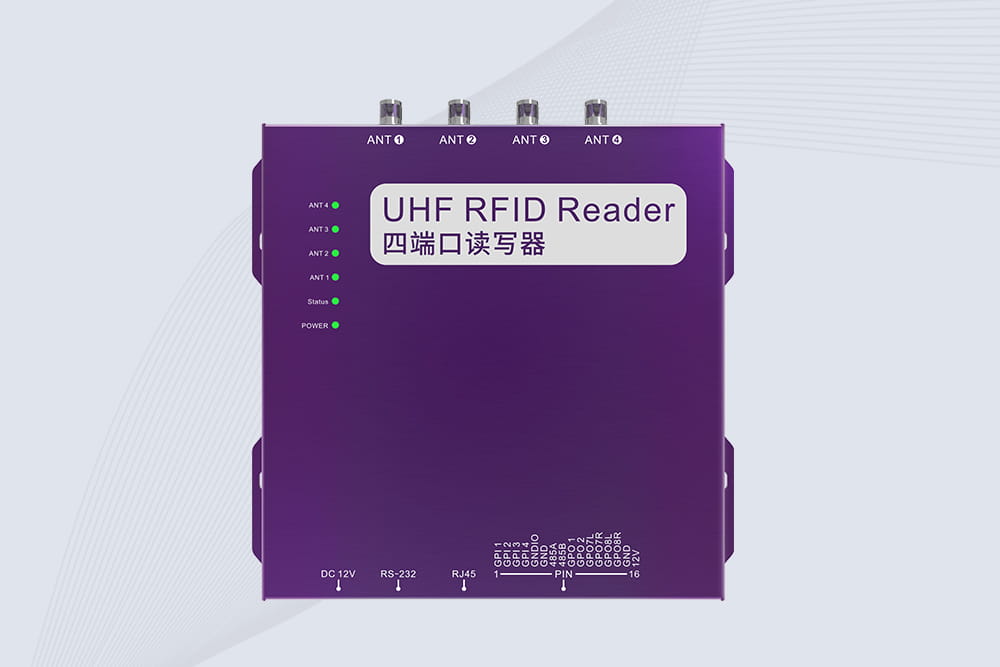
SSD-R8L 8-port UHF RFID reader with 33dBm output, up to 20m reading range and 600+ tags/s recognition. Ideal for warehouse, logistics, retail and asset tracking.
CYKEO Embedded RFID Modules are designed for compact industrial and IoT devices that require stable UHF performance. These UHF RFID Modules support global protocols, flexible power control, and reliable multi-tag reading for smart cabinets, production lines, and asset tracking systems.
CYKEO Embedded RFID Module is built for compact IoT and industrial devices that need stable UHF performance. This UHF module supports global protocols, low power operation, and reliable multi-tag reading for smart lockers, production lines, and always-on RFID systems.
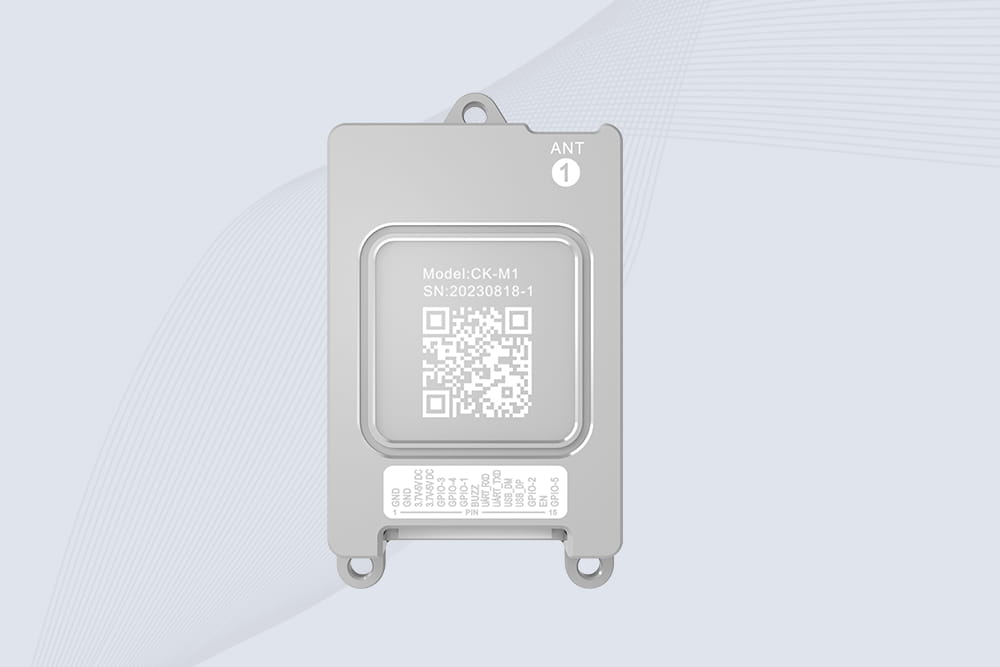
CYKEO CYKEO-M1 drone rfid module is a compact UHF RFID reader module designed for drones and UAV platforms. It supports long-range aerial scanning, fast multi-tag reading, and stable performance in wind, vibration, and outdoor environments.
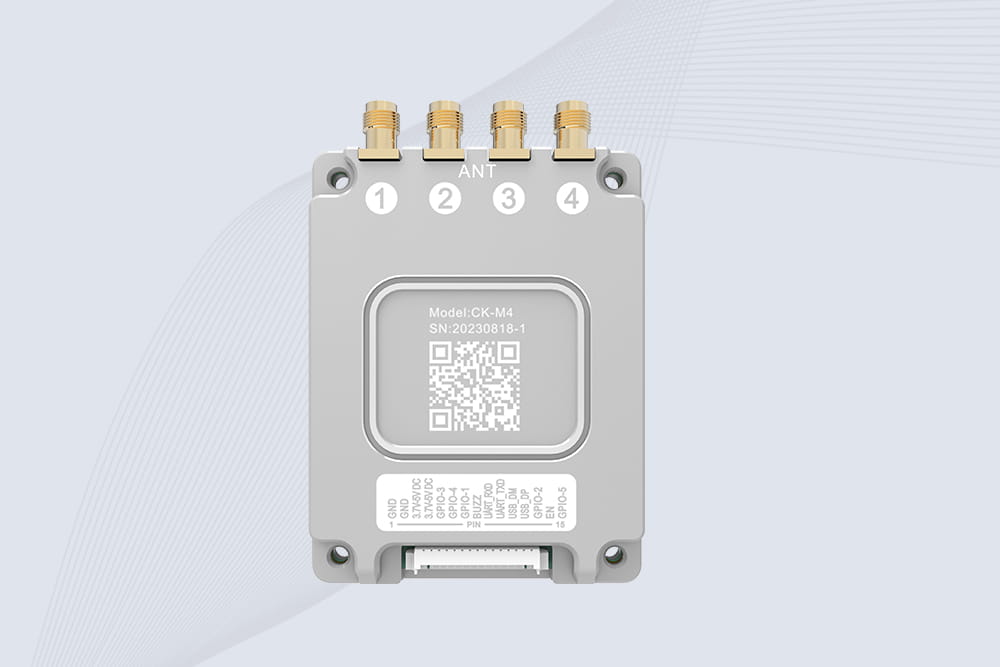
CYKEO CYKEO-M4 RC522 RFID Module is an industrial-grade UHF RFID reader with 4 ports, supporting ISO, EPC, and GB protocols. High-speed, accurate reading for IoT, automation, and warehouse applications.
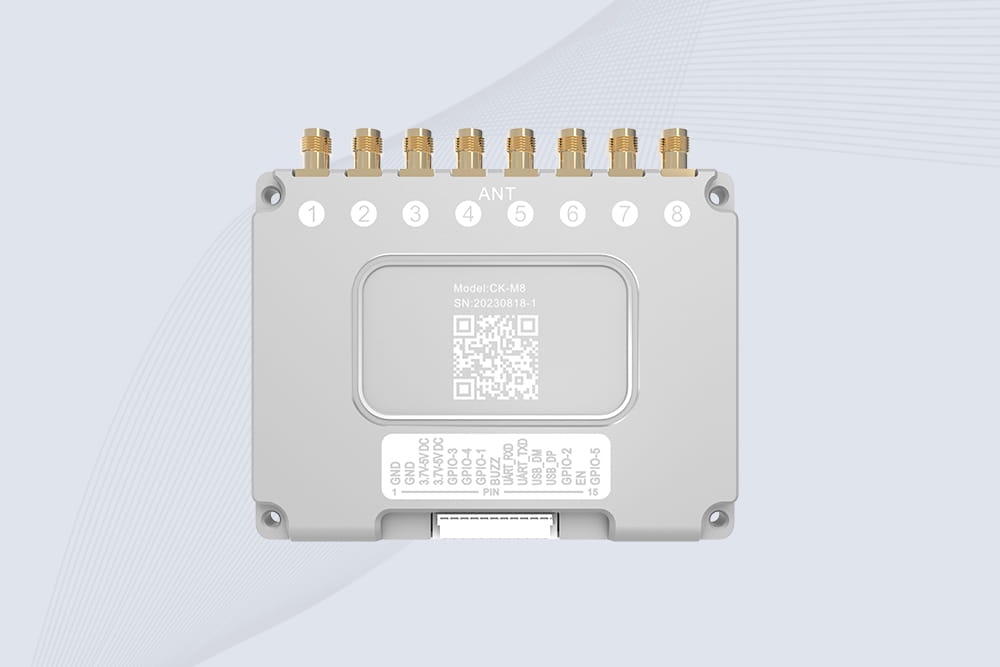
CYKEO CYKEO-M8 Module RFID is an 8-port UHF R2000 RFID Module designed for high-density, multi-tag environments. Stable 33dBm output, ISO & GB protocol support, ideal for warehouses, factories, and automated systems.
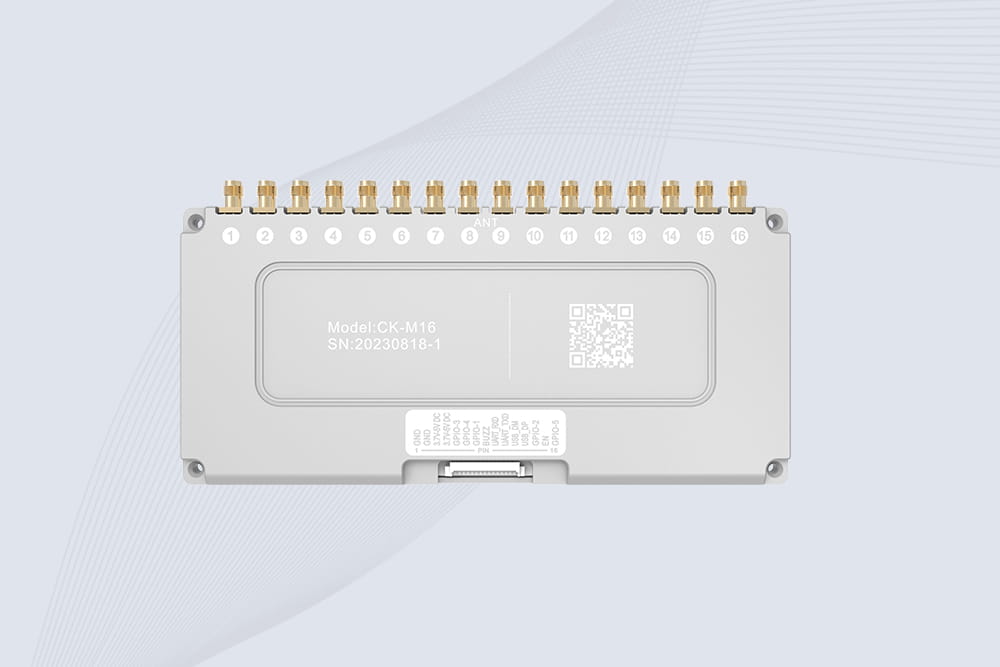
CYKEO CYKEO-M16 RFID Module is a 16-port UHF RFID reader module based on the R2000 chipset. Designed for dense tag environments, it supports ISO and GB standards and delivers stable multi-antenna control for industrial automation.
The CYKEO CYKEO-M16L RFID Reader Module is a 16-channel UHF RFID core designed for dense tag environments. With adjustable 33dBm output, multi-protocol support, and stable multi-antenna control, this RFID Tag Reader Module fits industrial automation, warehouse systems, and large-scale IoT deployments.
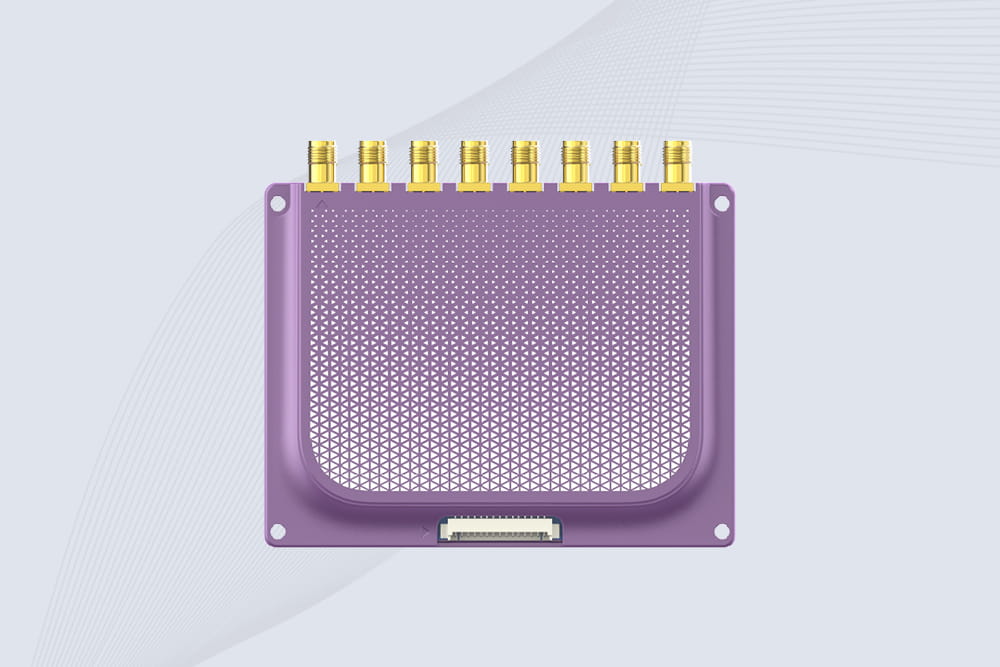
CYKEO CYKEO-M8L module RFID is a compact industrial UHF module built for dense tag and multi-antenna environments. With 8 RF ports, adjustable 33 dBm output, and ISO & GB protocol support, it is widely used in factories, warehouses, and automated tracking systems.
CYKEOCYKEO-M4L UHF RFID Module is a compact 4-channel RFID tag reader module designed for dense tag environments. Supporting ISO and GB protocols, it delivers stable reads up to 10 meters for industrial and IoT systems.
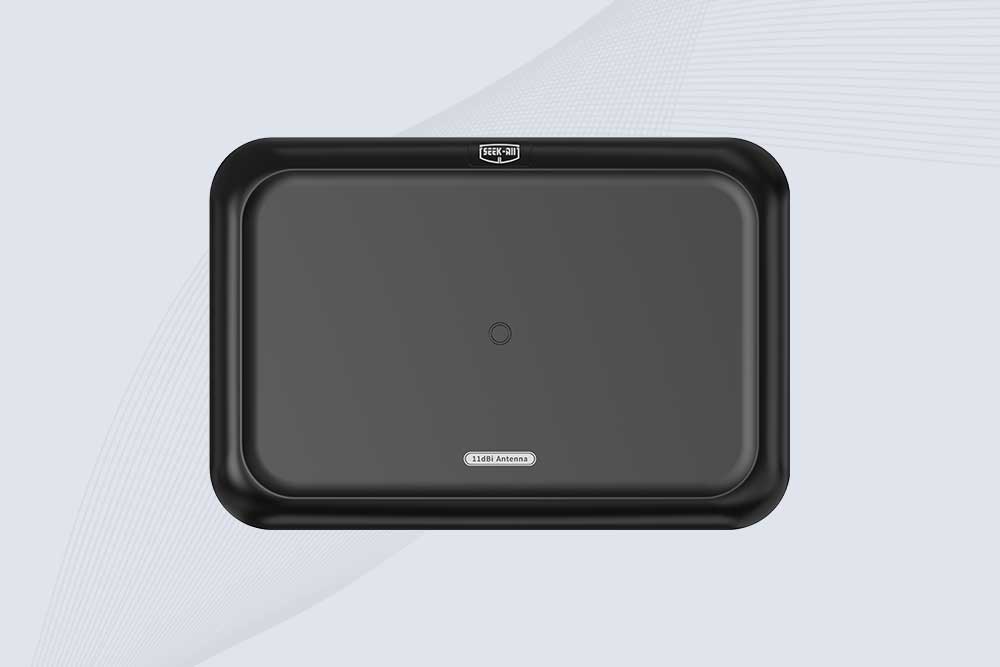
Cykeo CYKEO-A11 UHF RFID reader antenna delivers 11dBi gain, 840-960MHz frequency range, and IP65 ruggedness for retail, logistics, and industrial RFID systems. Features low VSWR and easy installation.
CYKEO Antenna RFID Reader delivers stable long-range UHF performance with a 10.5dBi directional design, built for warehouses, conveyor portals, and industrial RFID systems. This rfid reader antenna provides 20m+ read distance and rugged IP67 protection.
Cykeo CYKEO-A5B industrial Linear RFID Antenna delivers 5dBi gain, ≤1.5:1 VSWR, and IP65 rugged design for warehouse, production line, and logistics UHF systems.
Cykeo’s CYKEO-B12 Long Range RFID Antenna delivers 15m+ read range with 12dBi gain, IP65 rugged design, and global 840-960MHz UHF support. Ideal for warehouse/logistics asset tracking.
Cykeo CYKEO-B10 Long Distance RFID Antenna offers 10dBi gain, 840-960MHz frequency range, IP65 rating, and 20m+ coverage for logistics/warehousing/ETC systems. Low VSWR ensures stable signal transmission.
Cykeo CYKEO-A6 UHF RFID panel antenna features 6dBi gain, 840-960MHz broadband, IP65 metal-ready housing for logistics/smart retail. 18mm ultra-thin design with tool-free mounting.
Cykeo CK-A3 industrial antenna RFID UHF offers 5m+ tag detection, ≤1.3:1 VSWR, IP65 rugged design, and global UHF spectrum compatibility (840-960MHz) for warehouses, factories, and retail.
Cykeo CYKEO-B5 directional RFID antenna provides 5dBi gain with 60° narrow beamwidth for precise inventory tracking. IP65-rated, global UHF frequency support, and low VSWR.
Create your own high-performance DIY RFID antenna! 5dBi gain, 840-960MHz tunable, step-by-step guides. Compatible with Arduino, Raspberry Pi, and commercial UHF readers.
Cykeo CYKEO-A7 Flexible RFID Antenna features 840-960MHz wideband tuning, 7dBi gain, and IP68 rating for medical/retail/industrial curved surface deployments. 98% read accuracy with peel-and-stick installation.
Cykeo CYKEO-B5A industrial Passive RFID Antenna delivers 5dBi gain, 70° beamwidth, and -40°C~55°C operation for warehouses/smart cabinets. Compatible with Zebra/Impinj readers.
Cykeo’s CYKEO-A9B High Gain RFID Antenna delivers 15m+ read range with 9dBi amplification. Features IP54 rugged design, 840-960MHz bandwidth, and 80° beamwidth for warehouse/manufacturing RFID systems.
Cykeo’s enterprise-grade 8dbi Impinj RFID Antenna 10m+ read range with 840-960MHz tuning. Features IP65 housing, 1.4 VSWR, 35° beamwidth for retail/warehouse RFID systems.
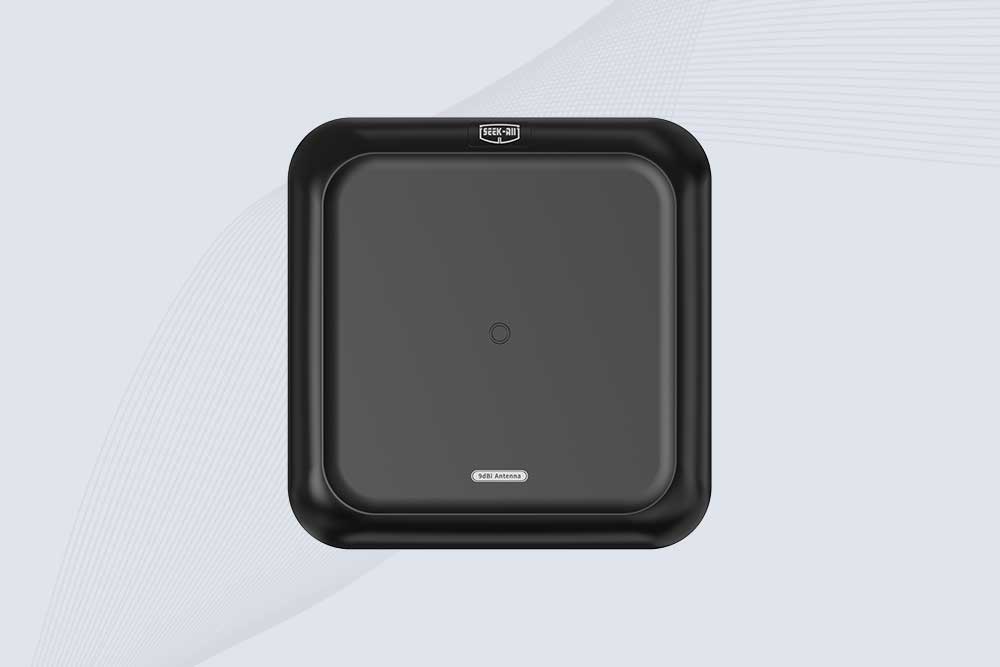
Cykeo CYKEO-A9 industrial UHF RFID antenna delivers 9dBi gain, 840-960MHz frequency range, and IP65 protection for warehouse/logistics/retail RFID systems. Features N-type connector and ≤1.3:1 VSWR.
CYKEO UHF RFID Antenna built for long-distance and industrial applications. This antenna rfid uhf delivers strong gain, outdoor durability, and reliable tag performance in warehouses, yards, and vehicle ID systems.
CYKEO Antenna RFID delivers reliable long-range UHF performance in warehouses, retail shelves, and cold-chain environments. This compact uhf rfid antenna provides stable reads with circular polarization and ultra-wide 840–960 MHz support, ideal for industrial tracking, smart shelves, and asset monitoring.
Cykeo’s CYKEO-C8 UHF RFID antennas delivers 8dBi gain, 840-960MHz full-band coverage, and IP65 ruggedness for manufacturing/warehouse RFID systems. Industrial RFID Antennas Features
Cykeo’s 8dBi UHF RFID antenna and reader kit delivers 10m+ range, 840-960MHz broadband, and IP65 ruggedness for factories, warehouses, and logistics. ISO 18000-6C & EPC Gen2 certified.
Cykeo’s CYKEO-A12C UHF Large RFID Antenna delivers 12dBi gain, 840-960MHz global frequency, IP65 ruggedness for logistics/warehousing/automotive. 40° beamwidth ensures stable 15m+ tag reads.
CYKEO Near Field RFID Antenna provides precise 5–30 cm reading for shelves, cabinets, and workstations. This compact rfid shelf antenna delivers stable short-range performance around metal and clutter, ideal for pharmacies, libraries, and electronics sorting.
Cykeo CYKEO-C1 industrial Forklift RFID Reader features 20m read range, 600 tags/sec scanning, Impinj R2000 chipset, and IP67 rugged design. Ideal for warehouse logistics and manufacturing. Supports ISO 18000-6C/6B protocols.
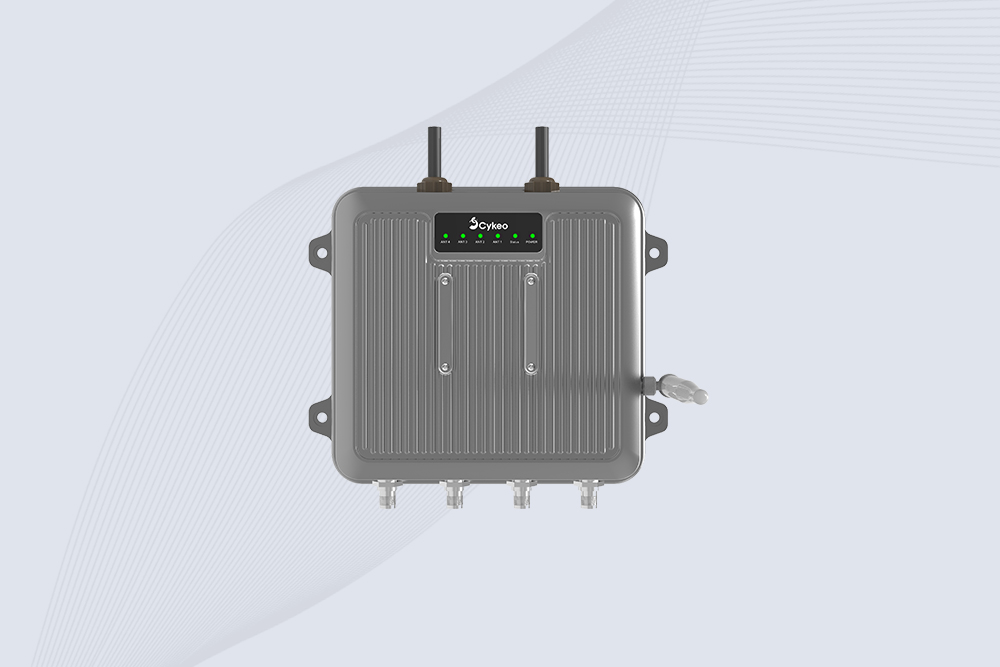
Cykeo CYKEO-R4 industrial UHF RFID Fixed Reader features 4 TNC ports, 400+ tags/sec speed, IP67 housing, and global frequency compliance for vehicle inspection, smart warehouse, and asset management systems.
CYKEO CYKEO-R8L Fixed RFID Reader with 8-port UHF design, Impinj-based RF core and up to 20m read range. An industrial Fixed RFID Reader for vehicle inspection, warehouse portals, smart manufacturing lines and secure access checkpoints.
RFID Fixed Reader from CYKEO – the CYKEO-R16L 16-port UHF fixed reader for warehouses, smart cabinets, and production lines. Long-range, multi-tag reading, stable performance for 24/7 industrial use.
how RFID technology and the CK-G0628 Smart RFID Book Locker create a 24/7 self-service borrowing and returning system for libraries, schools, archives, and institutions. Boost efficiency, security, and user experience with RFID-driven automation.
A practical breakdown of RFID hardware layer design in industrial tool tracking systems, including UHF RFID tags, rugged labeling methods, handheld readers, smart tool cabinets, and gate systems used in real factory environments. OEM and B2B inqui...
How does RFID work? Learn RFID tag communication, reader technology, and real applications with Cykeo RFID experts. Discover smarter identification solutions.
If you’ve ever tried replacing an RFID card or matching it with a new reader, you’ve probably run into the same problem most people do: you don’t actually know what frequency the card uses. At first glance, RFID cards all look almost identical. Bu...
 Cykeo RFID IoT Solution Products R&D Manufacturer