To use an RFID card, bring it within the reader’s operating field, allow the reader to identify the card, and let the connected system process its stored identifier or authorized data. The exact method depends on the card technology, reader, frequency, and application, such as access control, identification, ticketing, or payment.
That distinction matters more than many first-time deployments expect. “RFID card” is not one technical specification. GS1 identifies LF, HF, and UHF as different RFID frequency families, with different communication characteristics and applications. HF systems commonly operate at 13.56 MHz, while passive UHF RFID operates across the 860–930 MHz range.
How an RFID Card Works With a Reader
An RFID card normally contains an integrated circuit and antenna. The reader generates the RF field, detects the card, establishes communication, and sends the relevant information to the application system. With contactless proximity cards following ISO/IEC 14443, the standard specifically defines physical characteristics, RF communication, initialization, and anti-collision procedures.
In practical deployment work, I pay attention to the reader-card combination before looking at software. A card that works perfectly at one terminal may appear completely inactive on another reader simply because the frequency or protocol does not match.
RFID card type
Typical frequency
Common applications
Typical operating characteristic
LF
125/134 kHz
Access control, identification
Short range, relatively tolerant of interference
HF
13.56 MHz
Cards, ticketing, payment, secure documents
Short-range contactless communication
UHF / RAIN RFID
860–930 MHz
Asset identification, inventory, tracking
Longer read range and fast tag identification
GS1 reports that HF RFID commonly has reading ranges from about 10 cm to 1 m, while payment, access-control, and secure-document applications are generally designed for only a few centimeters. Passive UHF systems can reach several meters and, under special conditions, considerably farther.
Start With the Card, Not the Reader
Before using an RFID card, identify what is actually inside it. Check the card specification, operating frequency, supported protocol, memory structure, and whether the card is intended only for identification or also supports application data.
Confirm the RFID frequency. Match the reader to the card protocol. Check whether the card is read-only or writable. Identify which identifier or memory area the application needs. Confirm the reader interface and software compatibility.
This is particularly important when replacing existing access cards. A plastic card’s appearance tells you almost nothing about its RF behavior. Two visually identical cards can use different chips, communication protocols, or security mechanisms.
Using an RFID Card for Identification
The most straightforward application is identification. The user presents the card near the reader. The reader detects the card and passes its identifier to the connected access-control, attendance, membership, transport, or other application system.
ISO/IEC 14443 specifically includes mechanisms for detecting contactless proximity cards entering the reader field and selecting one card when several cards are present. That sounds theoretical until a real reader is installed beside a busy doorway: wallets, multiple badges, phones, and cards can all enter the RF field within seconds.
For that reason, the useful test is not simply “does the card read?” A better commissioning test asks:
Does the intended card read consistently? Does the reader ignore or correctly handle unintended cards? Does the application receive the correct identifier? Is the response fast enough for the actual workflow? Does performance remain stable at the installed mounting position?
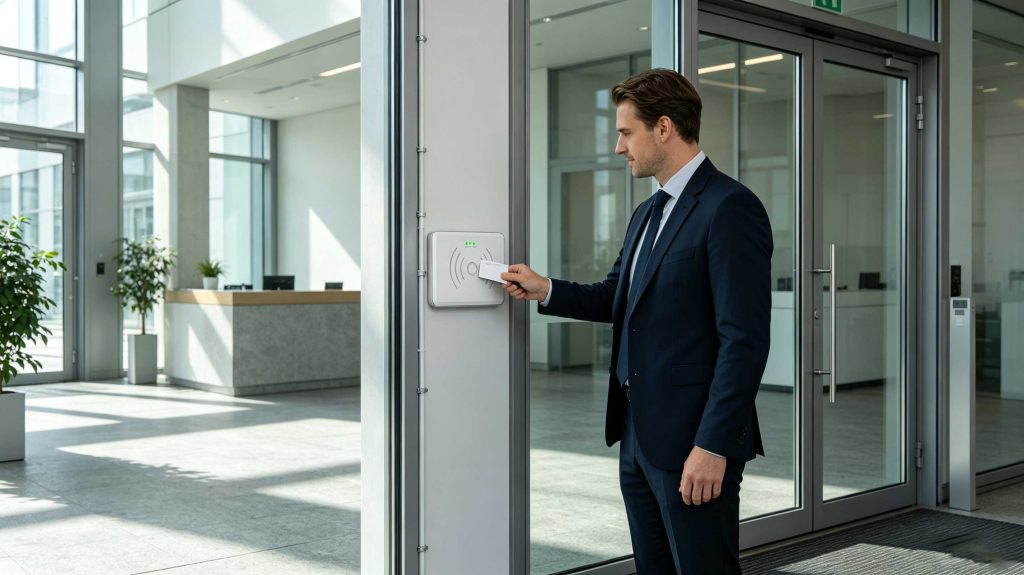
A contactless RFID card is presented within the reader’s operating field for identification.
RFID Card Reading Distance Is Application-Specific
Do not treat maximum read distance as the definition of a good RFID card system. GS1 notes that passive RFID read range depends on frequency, reader power, interference, antenna characteristics, and tag orientation. For HF applications such as access control and payment, operation may intentionally be limited to a few centimeters.
That short distance is often desirable. At an office door, for example, the system should identify the person deliberately presenting a credential rather than reading every nearby credential inside a handbag or pocket.
For UHF applications, the design objective changes. GS1 describes RAIN RFID as suitable for fast asset identification, inventory, and tracking, with passive UHF systems using 860–930 MHz and read ranges that can reach up to about 10 m depending on conditions.
Using RFID Cards in Real-World Systems
Once the card can be read reliably, the next question is what the reader does with that identification. In a working deployment, an RFID card is rarely useful by itself. The reader passes the card data to an access-control platform, attendance application, membership database, ticketing system, or another business application.
During system commissioning, I prefer testing the complete path rather than stopping when the reader produces a card ID. Present the card, confirm the reader detects it, check the returned identifier, then verify that the software applies the correct permission or transaction. A reader can be technically functional while the application still maps the card to the wrong user.
Access Control and Employee Identification
For access control, the card normally acts as a credential. The reader identifies it and the control system decides whether access should be granted. The physical presentation distance is intentionally short in many contactless-card applications, which helps make the action deliberate.
Present the card directly in front of the reader. Wait for the reader’s confirmation signal. Allow the access system to validate the card ID. Check that the correct door or permission is associated with the credential.
Do not assume that copying a visible card number is equivalent to reproducing the credential. Modern contactless systems can incorporate authentication and security mechanisms. ISO/IEC 14443 covers communication and initialization procedures for proximity cards, while specific card technologies may implement additional security functions. ([iso.org]
How to Use RFID Card for Inventory or Asset Applications
When the requirement changes from “identify one person” to “identify many objects,” UHF RFID becomes much more relevant. RAIN RFID readers can identify multiple tagged objects without requiring every tag to be individually presented to the reader.
GS1 reports that one handheld RAIN RFID reader can count hundreds of assets in approximately the same time required to scan a single barcode, and says RAIN RFID can reduce average inventory time by approximately 95%. These figures describe the technology’s potential in appropriate inventory workflows, not a guaranteed result for every installation.
That difference changes how an operator uses the technology. Instead of tapping one card repeatedly, the reader may inventory a group of tagged assets, filter the results, and send the relevant records to the application.
Requirement
Practical RFID approach
One credential at a door
Short-range contactless card reader
Employee identification
RFID card linked to an identity database
Asset inventory
UHF RFID reader with multiple-tag capability
Card or tag programming
Compatible RFID read/write device and software
Large-scale tracking
Reader, antenna, middleware, and business system integration
What to Check When an RFID Card Does Not Read
If an RFID card does not read, first check frequency and reader compatibility before assuming the card is damaged. This simple check eliminates a surprising number of troubleshooting cases. A 13.56 MHz card cannot be treated as interchangeable with a UHF card simply because both are described commercially as “RFID.”
Common Problems in the Field
Problem
Likely cause
What to check
No response
Frequency or protocol mismatch
Card and reader specifications
Intermittent reading
Position, interference, or installation issue
Card orientation and reader location
Wrong user appears
Incorrect database mapping
Card ID and application record
Shorter-than-expected range
Environment or antenna limitations
Mounting position and nearby materials
Several credentials detected
Multiple cards inside the RF field
Reader selection and anti-collision behavior
Metal and liquids deserve particular attention in RFID installations. GS1 explains that metal can reflect or diffract radio waves, while water can absorb RF energy and affect tag performance. The impact varies with the application and hardware, so an installation test is more useful than relying on a nominal distance printed on a product sheet.
Choosing RFID Readers for Different Card Applications
The reader should be selected around the card technology and the actual workflow. For a controlled access point, a compact reader designed for the relevant contactless-card technology is usually more appropriate than a long-range UHF reader. For warehouse assets, the opposite may be true.
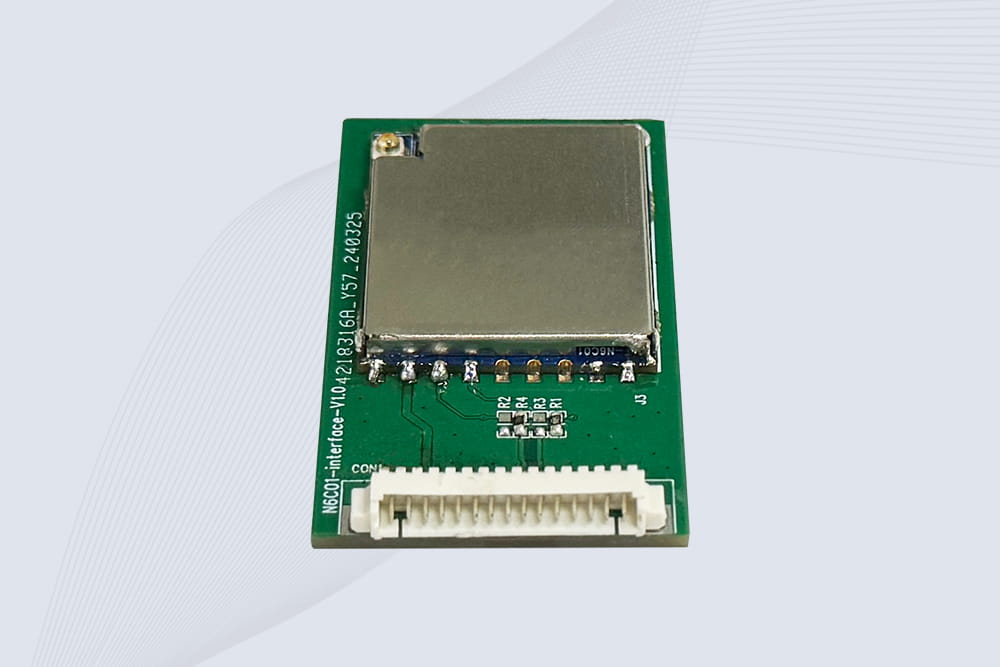
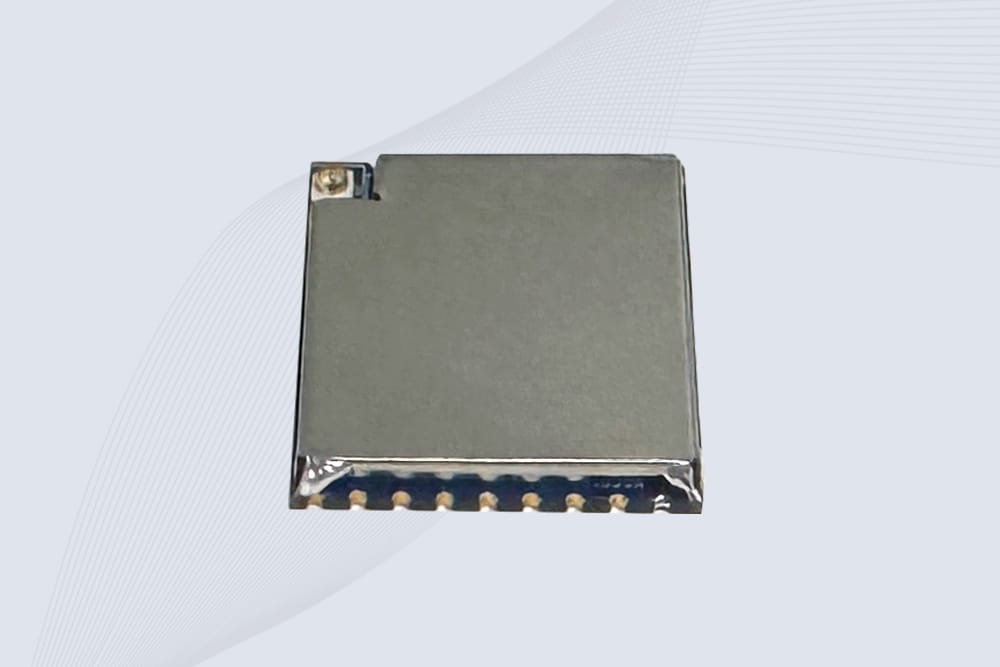
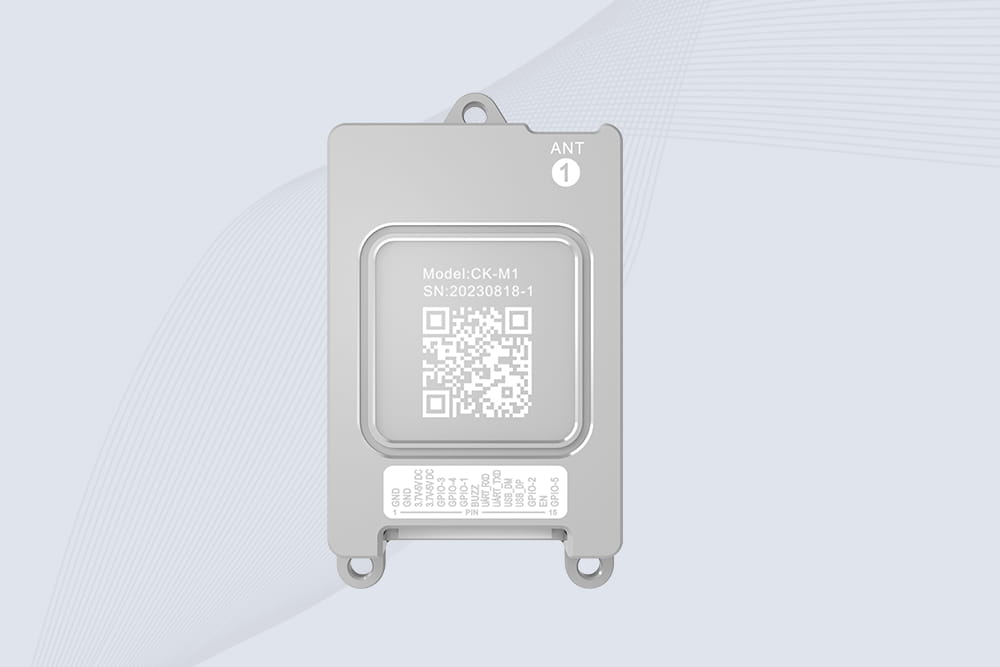
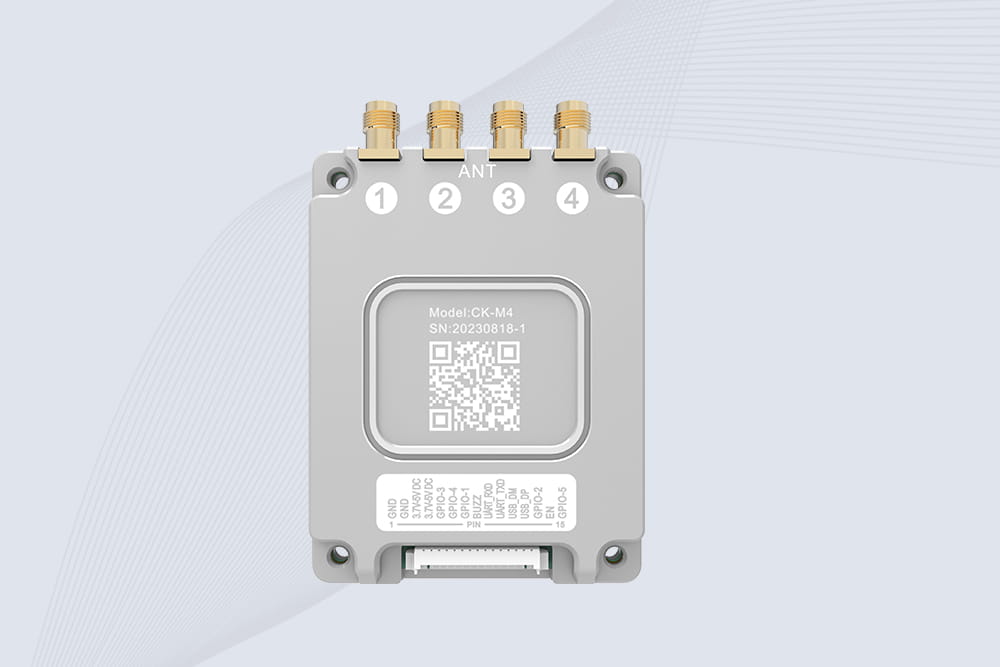
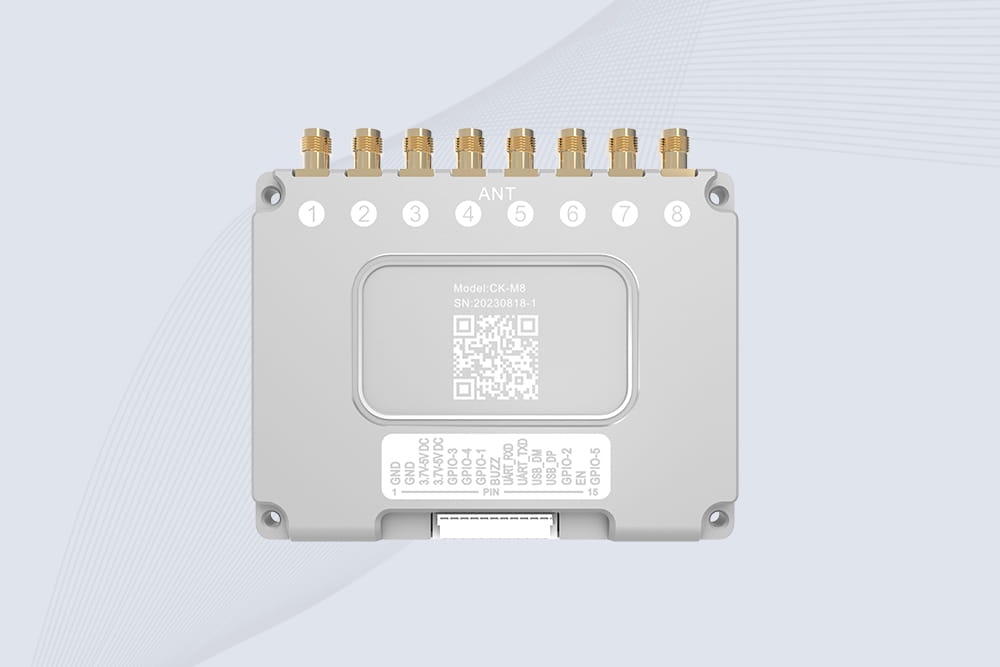
For Cykeo projects involving UHF RFID, reader integration can also be designed around the application layer. The CYKEO-M4L module supports ISO18000-6C/EPC C1G2 and provides API resources, filtering, anti-collision functions, firmware upgrade capability, and adjustable output power up to 33 dBm. Its specification also states recognition of more than 400 tags per second under dense multi-tag conditions.
Those capabilities matter when the requirement is no longer simply “read an RFID card.” In a production environment, filtering unwanted reads, handling multiple tags, controlling read zones, and passing reliable data to software can matter more than maximum theoretical range.
RFID card identification connects a contactless credential with an access-control application.
RFID Card Use: Practical Deployment Checklist
Identify the card frequency and protocol before selecting a reader. Confirm the reader supports the required card technology. Define exactly which identifier or application data the software needs. Test the card at its actual installation position. Check for metal, liquids, nearby electronics, and other environmental influences. Test multiple credentials where several cards may enter the reading field. Verify the complete reader-to-software data path. Record successful and failed reads during commissioning rather than testing only once.
FAQ About How to Use RFID Card
Can I use any RFID card with any RFID reader?
No. RFID cards and readers must use compatible frequencies, protocols, and communication technologies. A card operating at 13.56 MHz, for example, should not be assumed to work with a UHF reader. Always verify the card and reader specifications before installation.
How close should an RFID card be to a reader?
The required distance depends on the RFID technology and application. Contactless HF cards are often designed for very short-range operation, while passive UHF RFID can operate over several meters. The practical range also depends on reader design, antenna characteristics, card or tag orientation, and the surrounding environment.
Can an RFID card store information?
Some RFID cards can store application data, while others are primarily used as identifiers. The available memory, writable areas, security features, and data format depend on the specific chip and card technology. Do not assume that every RFID card can be freely rewritten.
Can I use an RFID card with a smartphone?
Some smartphones support NFC and can interact with compatible HF contactless cards, but this does not mean every RFID card can be read by a phone. NFC compatibility depends on the phone hardware, card technology, protocol, and application. UHF RFID cards and tags generally require dedicated UHF reader hardware.
Why does my RFID card work at one reader but not another?
The most common reason is a technology mismatch, such as different frequencies or supported protocols. Installation conditions can also affect performance. Check the card specification, reader specification, reader configuration, mounting environment, and application mapping before replacing the card.
Can RFID cards be used for access control?
Yes. RFID and contactless cards are widely used as credentials for access-control systems. The reader identifies the card, while the connected access-control system determines whether the associated credential has permission. The security level depends on the specific card technology, authentication method, reader, and system design.
Is RFID card technology suitable for warehouse tracking?
It depends on the requirement. Short-range contactless cards are well suited to deliberate identification at a reader. For warehouse inventory and asset tracking, UHF RAIN RFID is generally more appropriate because it can identify multiple tagged objects at longer distances without requiring each item to be individually presented.
Final takeaway:
how to use rfid card correctly starts with identifying the card technology and matching it with the right reader. For access control and personal identification, short-range contactless operation is often intentional; for inventory and asset tracking, UHF RFID provides a different operating model. The most reliable deployment is tested as a complete system—from card detection to the final software action.
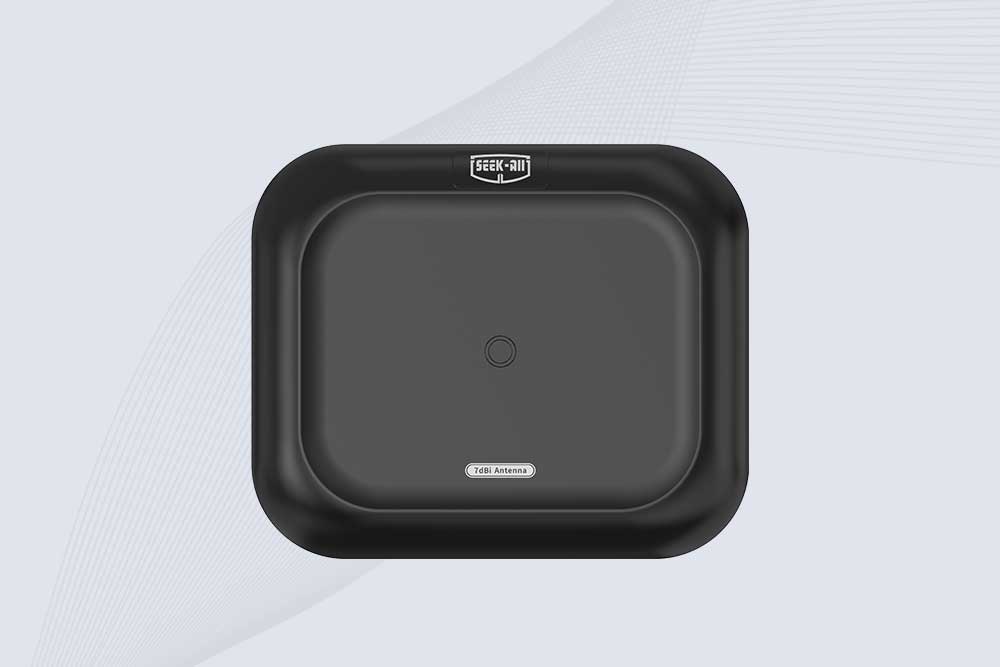
Explore the SSD-A07 UHF RFID antenna with 7 dBi gain, circular polarization, adjustable 840–960 MHz frequency, and 60°/75° beamwidth for stable RFID read/write performance.
SSD-A06 UHF RFID antenna with circular polarization, adjustable 840–960 MHz frequency, ≥4.5 dBi gain, and a compact directional design for RFID systems.
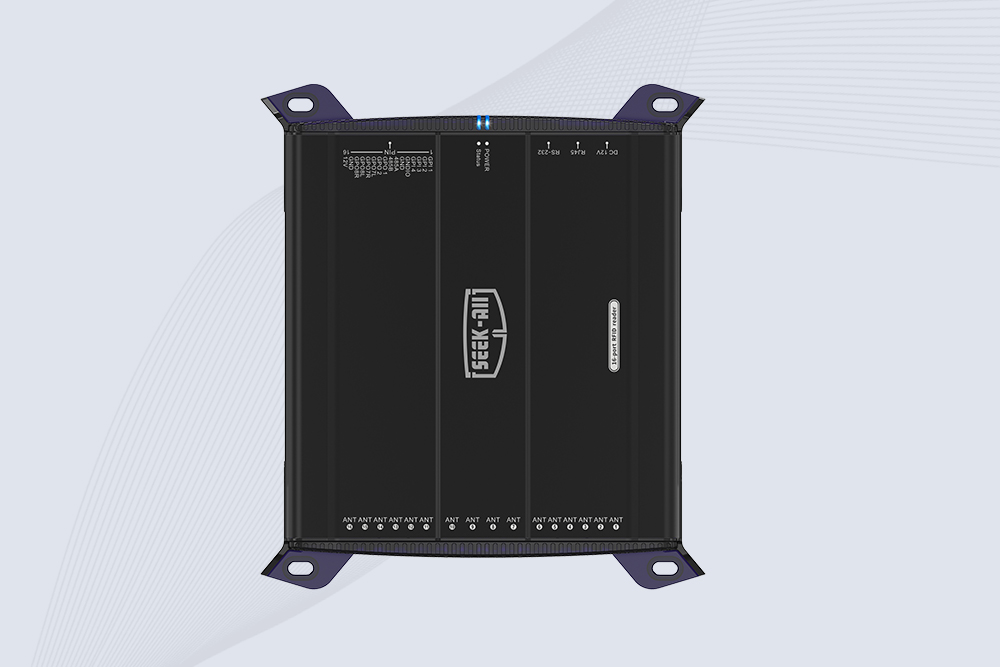
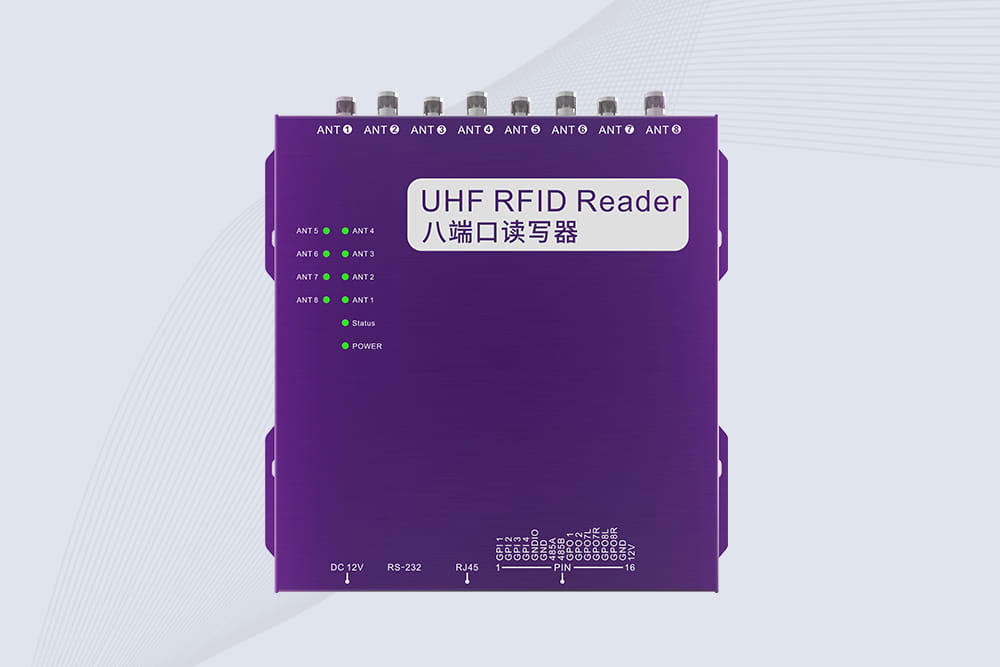
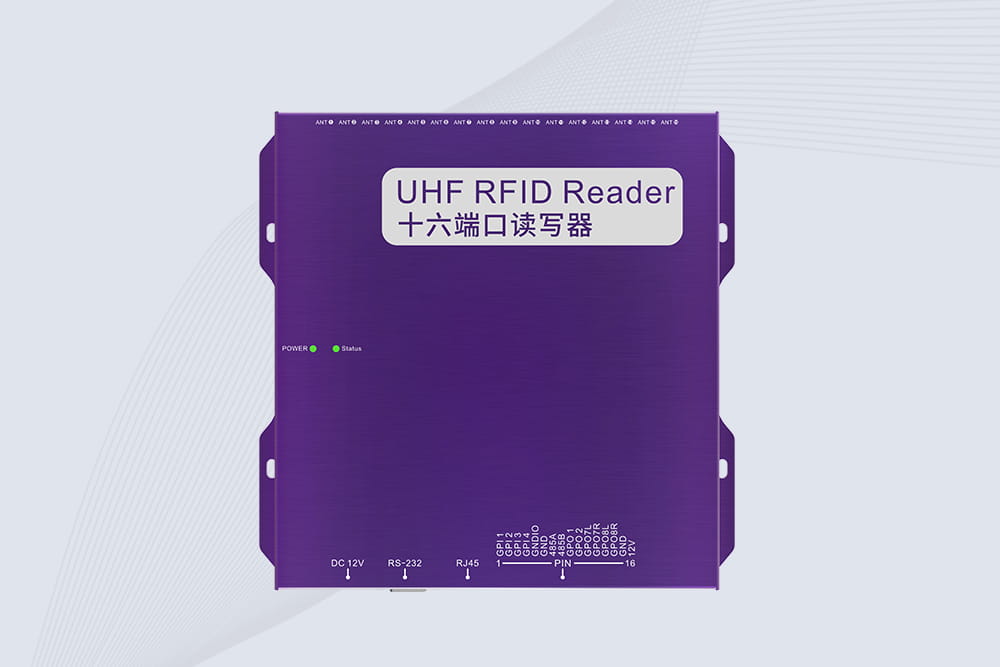
SSD-R16L Multi-Channel RFID Infrastructure for Automated Inventory Management ✔️ 16-Port High-Density RFID Reading Equipped with 16 SMA antenna ports, SSD-R16L supports multi-antenna deployment for warehouses, retail stores, logistics, production lines, and large-area RFID identification. ✔️ High-Speed & Long-Range Performance With up to 33…
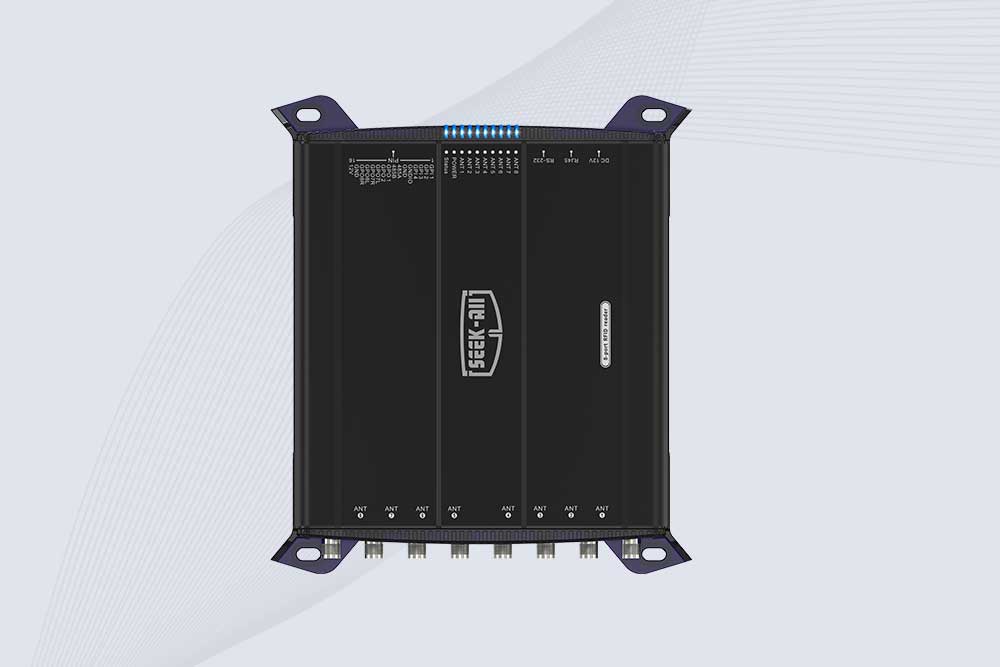
SSD-R8L 8-port UHF RFID reader with 33dBm output, up to 20m reading range and 600+ tags/s recognition. Ideal for warehouse, logistics, retail and asset tracking.
CYKEO Embedded RFID Modules are designed for compact industrial and IoT devices that require stable UHF performance. These UHF RFID Modules support global protocols, flexible power control, and reliable multi-tag reading for smart cabinets, production lines, and asset tracking systems.
CYKEO Embedded RFID Module is built for compact IoT and industrial devices that need stable UHF performance. This UHF module supports global protocols, low power operation, and reliable multi-tag reading for smart lockers, production lines, and always-on RFID systems.
CYKEO CYKEO-M1 drone rfid module is a compact UHF RFID reader module designed for drones and UAV platforms. It supports long-range aerial scanning, fast multi-tag reading, and stable performance in wind, vibration, and outdoor environments.
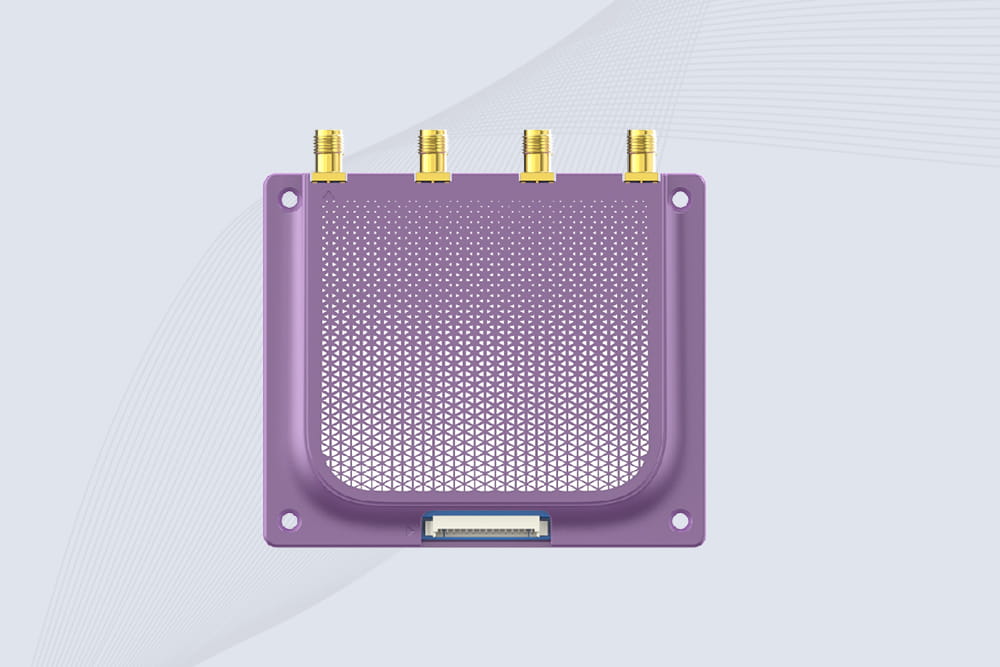
CYKEO CYKEO-M4 RC522 RFID Module is an industrial-grade UHF RFID reader with 4 ports, supporting ISO, EPC, and GB protocols. High-speed, accurate reading for IoT, automation, and warehouse applications.
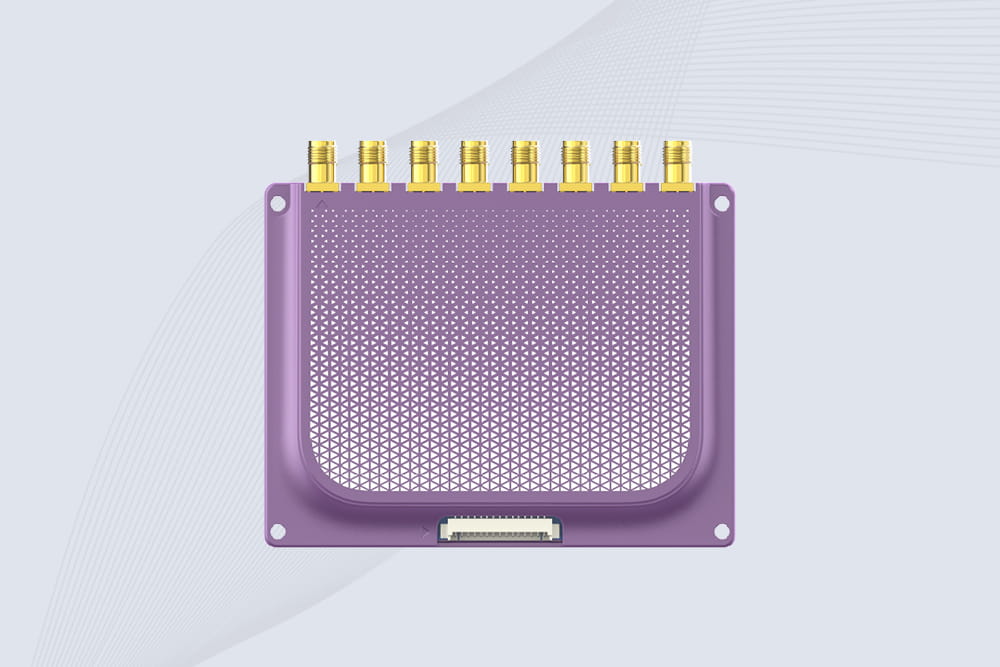
CYKEO CYKEO-M8 Module RFID is an 8-port UHF R2000 RFID Module designed for high-density, multi-tag environments. Stable 33dBm output, ISO & GB protocol support, ideal for warehouses, factories, and automated systems.
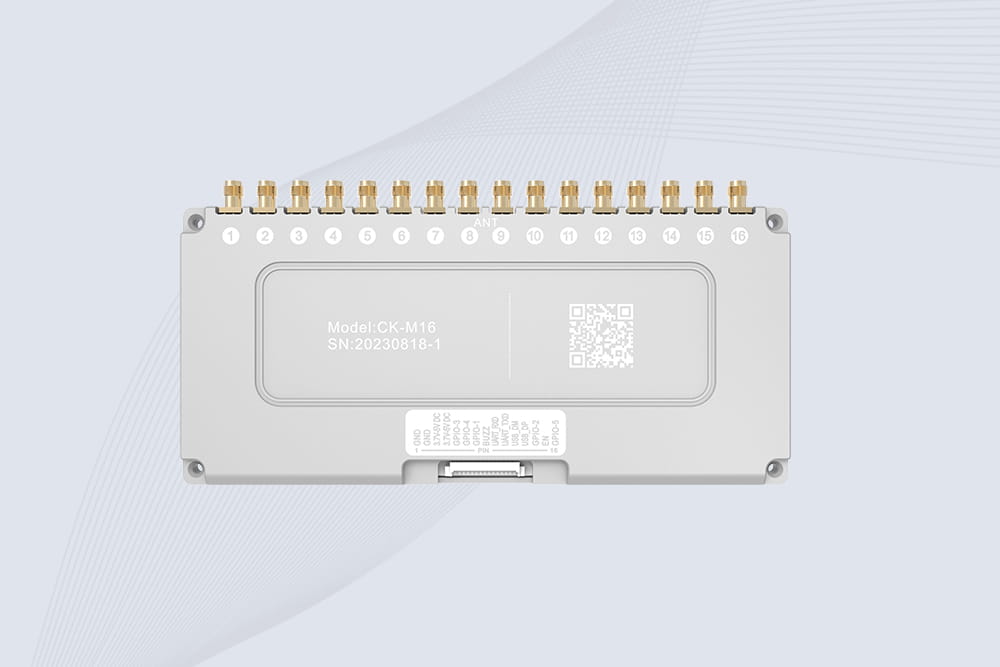
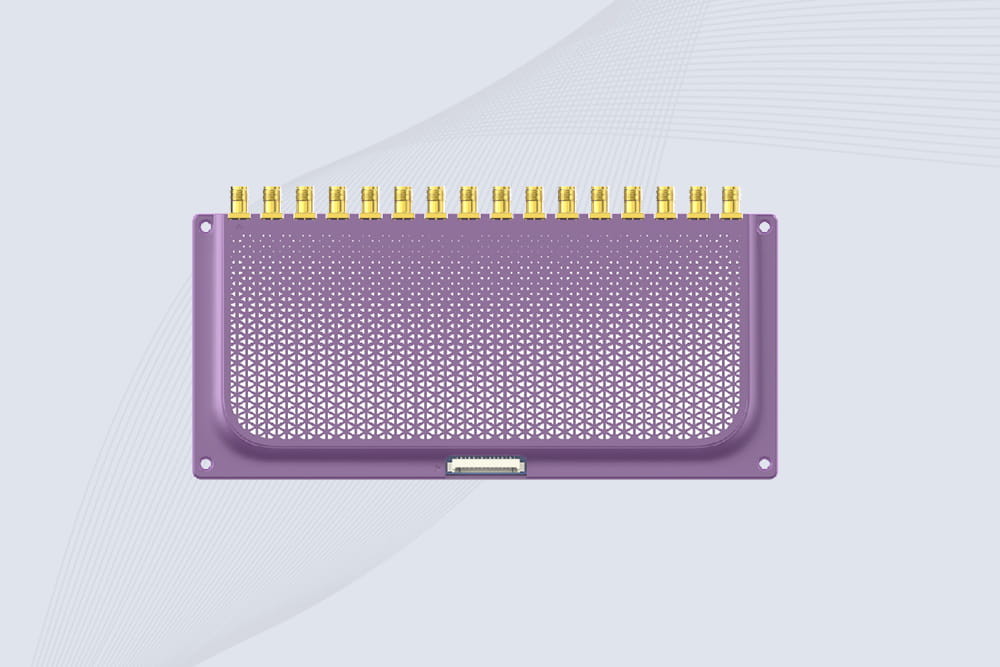
CYKEO CYKEO-M16 RFID Module is a 16-port UHF RFID reader module based on the R2000 chipset. Designed for dense tag environments, it supports ISO and GB standards and delivers stable multi-antenna control for industrial automation.
The CYKEO CYKEO-M16L RFID Reader Module is a 16-channel UHF RFID core designed for dense tag environments. With adjustable 33dBm output, multi-protocol support, and stable multi-antenna control, this RFID Tag Reader Module fits industrial automation, warehouse systems, and large-scale IoT deployments.
CYKEO CYKEO-M8L module RFID is a compact industrial UHF module built for dense tag and multi-antenna environments. With 8 RF ports, adjustable 33 dBm output, and ISO & GB protocol support, it is widely used in factories, warehouses, and automated tracking systems.
CYKEOCYKEO-M4L UHF RFID Module is a compact 4-channel RFID tag reader module designed for dense tag environments. Supporting ISO and GB protocols, it delivers stable reads up to 10 meters for industrial and IoT systems.
Cykeo CYKEO-A11 UHF RFID reader antenna delivers 11dBi gain, 840-960MHz frequency range, and IP65 ruggedness for retail, logistics, and industrial RFID systems. Features low VSWR and easy installation.
CYKEO Antenna RFID Reader delivers stable long-range UHF performance with a 10.5dBi directional design, built for warehouses, conveyor portals, and industrial RFID systems. This rfid reader antenna provides 20m+ read distance and rugged IP67 protection.
Cykeo CYKEO-A5B industrial Linear RFID Antenna delivers 5dBi gain, ≤1.5:1 VSWR, and IP65 rugged design for warehouse, production line, and logistics UHF systems.
Cykeo’s CYKEO-B12 Long Range RFID Antenna delivers 15m+ read range with 12dBi gain, IP65 rugged design, and global 840-960MHz UHF support. Ideal for warehouse/logistics asset tracking.
Cykeo CYKEO-B10 Long Distance RFID Antenna offers 10dBi gain, 840-960MHz frequency range, IP65 rating, and 20m+ coverage for logistics/warehousing/ETC systems. Low VSWR ensures stable signal transmission.
Cykeo CYKEO-A6 UHF RFID panel antenna features 6dBi gain, 840-960MHz broadband, IP65 metal-ready housing for logistics/smart retail. 18mm ultra-thin design with tool-free mounting.
Cykeo CK-A3 industrial antenna RFID UHF offers 5m+ tag detection, ≤1.3:1 VSWR, IP65 rugged design, and global UHF spectrum compatibility (840-960MHz) for warehouses, factories, and retail.
Cykeo CYKEO-B5 directional RFID antenna provides 5dBi gain with 60° narrow beamwidth for precise inventory tracking. IP65-rated, global UHF frequency support, and low VSWR.
Create your own high-performance DIY RFID antenna! 5dBi gain, 840-960MHz tunable, step-by-step guides. Compatible with Arduino, Raspberry Pi, and commercial UHF readers.
Cykeo CYKEO-A7 Flexible RFID Antenna features 840-960MHz wideband tuning, 7dBi gain, and IP68 rating for medical/retail/industrial curved surface deployments. 98% read accuracy with peel-and-stick installation.
Cykeo CYKEO-B5A industrial Passive RFID Antenna delivers 5dBi gain, 70° beamwidth, and -40°C~55°C operation for warehouses/smart cabinets. Compatible with Zebra/Impinj readers.
Cykeo’s CYKEO-A9B High Gain RFID Antenna delivers 15m+ read range with 9dBi amplification. Features IP54 rugged design, 840-960MHz bandwidth, and 80° beamwidth for warehouse/manufacturing RFID systems.
Cykeo’s enterprise-grade 8dbi Impinj RFID Antenna 10m+ read range with 840-960MHz tuning. Features IP65 housing, 1.4 VSWR, 35° beamwidth for retail/warehouse RFID systems.
Cykeo CYKEO-A9 industrial UHF RFID antenna delivers 9dBi gain, 840-960MHz frequency range, and IP65 protection for warehouse/logistics/retail RFID systems. Features N-type connector and ≤1.3:1 VSWR.
CYKEO UHF RFID Antenna built for long-distance and industrial applications. This antenna rfid uhf delivers strong gain, outdoor durability, and reliable tag performance in warehouses, yards, and vehicle ID systems.
CYKEO Antenna RFID delivers reliable long-range UHF performance in warehouses, retail shelves, and cold-chain environments. This compact uhf rfid antenna provides stable reads with circular polarization and ultra-wide 840–960 MHz support, ideal for industrial tracking, smart shelves, and asset monitoring.
Cykeo’s CYKEO-C8 UHF RFID antennas delivers 8dBi gain, 840-960MHz full-band coverage, and IP65 ruggedness for manufacturing/warehouse RFID systems. Industrial RFID Antennas Features
Cykeo’s 8dBi UHF RFID antenna and reader kit delivers 10m+ range, 840-960MHz broadband, and IP65 ruggedness for factories, warehouses, and logistics. ISO 18000-6C & EPC Gen2 certified.
Cykeo’s CYKEO-A12C UHF Large RFID Antenna delivers 12dBi gain, 840-960MHz global frequency, IP65 ruggedness for logistics/warehousing/automotive. 40° beamwidth ensures stable 15m+ tag reads.
CYKEO Near Field RFID Antenna provides precise 5–30 cm reading for shelves, cabinets, and workstations. This compact rfid shelf antenna delivers stable short-range performance around metal and clutter, ideal for pharmacies, libraries, and electronics sorting.
Cykeo CYKEO-C1 industrial Forklift RFID Reader features 20m read range, 600 tags/sec scanning, Impinj R2000 chipset, and IP67 rugged design. Ideal for warehouse logistics and manufacturing. Supports ISO 18000-6C/6B protocols.
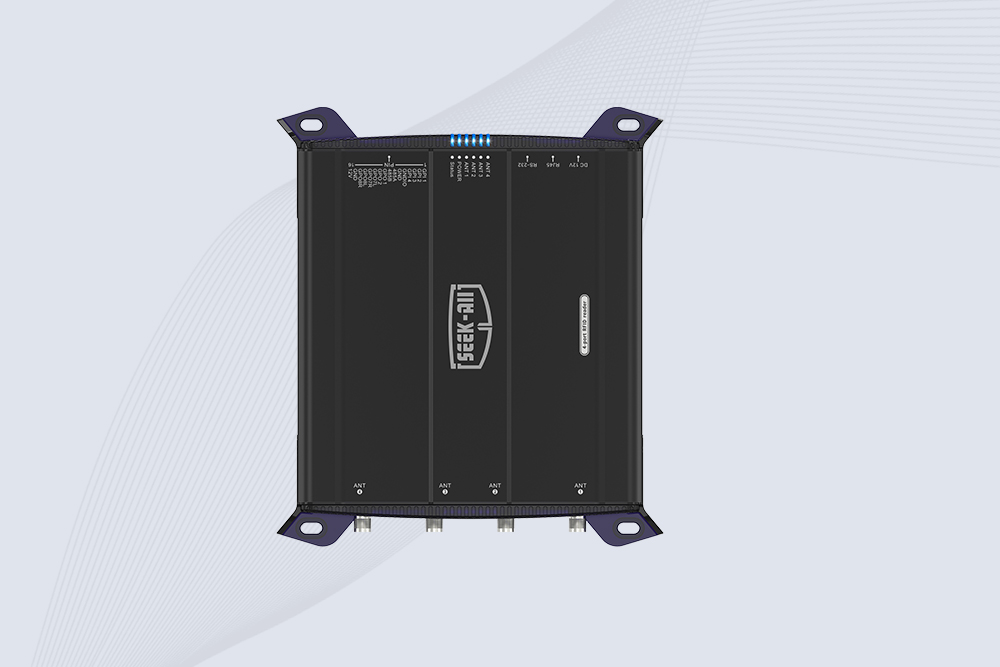
Cykeo CYKEO-R4 industrial UHF RFID Fixed Reader features 4 TNC ports, 400+ tags/sec speed, IP67 housing, and global frequency compliance for vehicle inspection, smart warehouse, and asset management systems.
CYKEO CYKEO-R8L Fixed RFID Reader with 8-port UHF design, Impinj-based RF core and up to 20m read range. An industrial Fixed RFID Reader for vehicle inspection, warehouse portals, smart manufacturing lines and secure access checkpoints.
RFID Fixed Reader from CYKEO – the CYKEO-R16L 16-port UHF fixed reader for warehouses, smart cabinets, and production lines. Long-range, multi-tag reading, stable performance for 24/7 industrial use.
Discover how IoT-powered RFID systems enable real-time data collection for supply chains, healthcare, and smart cities. Learn about Cykeo’s industrial-grade solutions for accurate asset tracking.
Wondering whether RFID security tags can be bypassed? Learn how RFID anti-theft systems work, common security risks, and what retailers can do to protect inventory and reduce losses.
 Cykeo RFID IoT Solution Products R&D Manufacturer