 Cykeo RFID IoT Solution Products R&D Manufacturer
Small RFID Tags: How Do They Work When Space Is Limited?
222Small RFID tags make it possible to track assets in tight spaces without changing workflows. See how compact RFID tags are used in real projects.
MoreAll RFID Product
What are RFID systems? RFID systems are identification solutions that use radio waves to read and exchange data between RFID tags and readers without requiring direct line-of-sight. In modern industrial applications, passive UHF RFID is widely used for inventory, asset identification, logistics, production tracking, and automated data collection.
For a typical UHF deployment, the system is not simply “an RFID reader.” It is a combination of tags, antennas, readers, communication interfaces, software, and the physical reading environment. That distinction becomes important once the equipment moves from a test bench into a warehouse or production line.
A practical RFID system normally contains several layers:
RFID tags: Attached to products, cartons, tools, pallets, equipment, or other assets.
RFID reader: Sends RF commands and receives tag responses.
RFID antenna: Creates the radio-frequency reading zone.
Connection interface: Transfers reader data to a host computer or industrial network.
Software: Converts tag reads into usable inventory or operational events.
Business system: WMS, ERP, MES, asset-management software, or a custom application.
GS1 describes an EPC/RFID infrastructure as one or more readers working with one or more tags. In a passive UHF configuration, the reader provides operating energy through its RF signal, while the tag responds through backscatter.
UHF RFID is particularly important for industrial RFID systems because it supports fast identification of multiple tagged objects and is commonly used for inventory and asset applications. GS1 identifies passive UHF RFID, also called RAIN RFID, as operating in the 860–930 MHz band, with read ranges that can reach up to 10 meters depending on the environment.
The basic interaction is straightforward:
The reader transmits a radio signal through its antenna.
A passive tag receives energy from the RF field.
The tag responds by modulating the reflected signal.
The reader decodes the response and obtains the tag information.
Software processes the read and associates it with a business event.
The current GS1 EPC Gen2 UHF RFID standard is version 3.0.1, published on February 26, 2026. The standard specifies the air-interface protocol for communications in the 860–930 MHz range.
In real installations, the objective is not simply to make a tag readable from the greatest possible distance.
A receiving dock may need to detect tags on one pallet while ignoring another pallet passing through the neighboring lane. A production workstation may need to identify a component only when it reaches a particular station. A tool cabinet may need a tightly controlled internal reading area.
That makes antenna placement, reader power, tag orientation, surrounding materials, and RF reflections part of the system design—not afterthoughts.
Passive UHF RFID is especially useful when large numbers of inexpensive tags need to be identified repeatedly without batteries inside the tags.
| Application | Typical RFID System | Primary Reading Event |
|---|---|---|
| Warehouse receiving | Fixed reader + antennas + UHF tags | Goods entering a receiving zone |
| Conveyor tracking | Fixed reader + directional antennas | Items passing a defined point |
| Asset management | Handheld or fixed reader | Asset identification and inventory |
| Production line | Fixed reader or embedded module | Component or work-in-process movement |
| Tool management | Cabinet reader + internal antennas | Tool removal and return |
This is where RFID engineering experience matters. During deployment, I would not evaluate only whether a reader can detect a tag. I would check whether it detects the right tag, at the right location, at the right time, and whether the software can turn that detection into a useful event.
There is measurable field evidence behind RFID’s inventory applications. Auburn University’s RFID research examined RFID-enabled inventory processes in retail environments. One field experiment covered 13 stores over 23 weeks and reported approximately a 26% reduction in inventory record inaccuracy when RFID-enabled inventory adjustment was used.
Another Auburn study examined eight RFID test stores and eight control stores over 23 weeks and reported a relative reduction in understated inventory inaccuracy of about 13%.
These numbers should not be treated as a universal RFID performance guarantee. Product category, tagging method, reader placement, operating procedures, and system integration all affect results. What the studies demonstrate is more useful: RFID can change the quality and frequency of inventory visibility when it is integrated into an actual operating process.
A common industrial architecture looks like this:
UHF RFID Tag → RFID Antenna → Fixed RFID Reader → Network/API → RFID Middleware → WMS/ERP/MES
GS1 also defines standards beyond the tag-reader air interface. Its EPC Tag Data Standard defines how EPC and other information can be represented on RAIN RFID tags, while Low Level Reader Protocol provides a standardized interface between software and RFID readers.
That separation is useful in engineering projects. The RF layer identifies an object; the software layer decides what the detection means.
The difficult part is rarely getting one tag to read.
It is getting hundreds of tagged objects to behave predictably around metal shelving, liquids, moving equipment, neighboring lanes, changing tag orientations, and other RF-reflective materials.
For a UHF RFID pilot, I would normally test:
Actual production tags rather than demonstration tags.
Real product packaging and materials.
Different tag orientations.
Maximum expected tag population.
Reader power at several settings.
Potential reads from adjacent areas.
Network and software behavior during repeated reads.
GS1 notes that RAIN RFID systems can read and write tagged items and connect those events to information systems. For an industrial deployment, that connection between physical identification and operational data is what turns individual RFID hardware into a complete system.
Cykeo focuses on UHF RFID equipment for applications where the reading zone, tag population, communication interface, and installation environment all have to work together.
Depending on the project, that can mean a fixed UHF RFID reader with Ethernet or RS-232, a desktop RFID writer for tag encoding, an embedded RFID module for OEM equipment, or a handheld solution for mobile inventory work.
The reader specification is only one part of the decision. Antenna arrangement, tag selection, mounting position, software filtering, and the intended business event need to be considered at the same time.
That is the practical meaning of what are RFID systems: not one device, but a coordinated UHF identification infrastructure designed around a real physical workflow.

An RFID system should be designed around the physical event it needs to capture. For UHF applications, that means matching the tag, reader, antenna, RF environment, communication protocol, and software workflow rather than selecting hardware from a specification sheet alone.
What are RFID systems? They are integrated identification infrastructures that connect physical tagged objects with readers and business software—and that connection is where UHF RFID becomes operationally useful.
A working UHF RFID system has two sides: the RF side and the information side.
On the RF side, the tag, antenna, reader, power settings, tag orientation, and surrounding materials determine whether the identification event happens reliably. On the information side, the reader communicates with middleware or an application that decides what the read means.
A typical architecture is:
Passive UHF RFID Tag → RFID Antenna → UHF RFID Reader → Ethernet / RS-232 → Middleware or API → WMS / ERP / MES
This distinction is important in commissioning. A reader may successfully return an EPC while the application still produces duplicate or meaningless events. The RF system is working; the business logic is not.
| Application | Common UHF RFID configuration | Main design concern |
|---|---|---|
| Warehouse dock | Fixed reader + directional antennas | Controlled portal zone |
| Conveyor | Fixed reader + antennas | Movement and tag orientation |
| Production station | Fixed reader / embedded module | Repeatable detection |
| Tool cabinet | Integrated reader + internal antennas | Contained reading area |
| Asset inventory | Handheld UHF reader | Operator mobility |
| Tag encoding | Desktop RFID writer | Reliable read/write |
For example, a warehouse dock normally benefits from a fixed installation because the detection point does not move. A maintenance team walking through an equipment room has a different requirement; mobility becomes more valuable than permanent coverage.
RFID does not require the optical line-of-sight used by conventional barcode scanning. A reader can communicate with tags within its RF field, allowing multiple tagged objects to be identified during an inventory event.
That does not mean every tag in a building will automatically be detected.
The reading area still needs to be engineered.
Metal surfaces, liquids, dense product packaging, tag orientation, antenna polarization, reader power, and reflections can all influence UHF performance. In a production environment, these details matter more than a headline maximum read-distance number.
A useful field test therefore asks:
Those questions reveal whether an RFID system is actually suitable for the application.
Fixed RFID systems are particularly useful when objects pass through repeatable locations.
A receiving gate is a good example.
A pallet enters a defined area. The antennas create a reading zone. The reader captures EPC information. The software receives the event and associates the tag with the receiving transaction.
The same principle can be used at:
The physical installation should be designed so that the RFID event corresponds to a real operational event.
That sounds obvious, but it is one of the most common differences between a demonstration and a production deployment.
Handheld UHF RFID systems solve a different problem.
Instead of creating a permanent reading zone, the operator carries the reader to the inventory.
This approach is useful for:
The operator can move along a rack and scan several positions without individually presenting every tag to the reader.
For large inventories, the software should also distinguish between a newly detected tag and repeated reads of the same tag. Otherwise, the raw RF data can become noisy very quickly.
A common mistake during pilot testing is to place one tag in front of an antenna, confirm that it reads, and consider the RFID system validated.
That is not enough.
A better test uses the actual operating conditions.
Use the exact UHF RFID tag intended for production. A different inlay, antenna design, or attachment method can change performance.
Place the tag on the actual carton, plastic container, metal tool, equipment, or finished product.
Rotate the tag.
Move it closer to the edge.
Place it behind other products.
Change the distance from the antenna.
If a shipment may contain dozens or hundreds of tags, reproduce that situation during the pilot.
Place tagged products outside the intended reading zone.
A good RFID system must identify the correct objects while minimizing detections from neighboring areas.
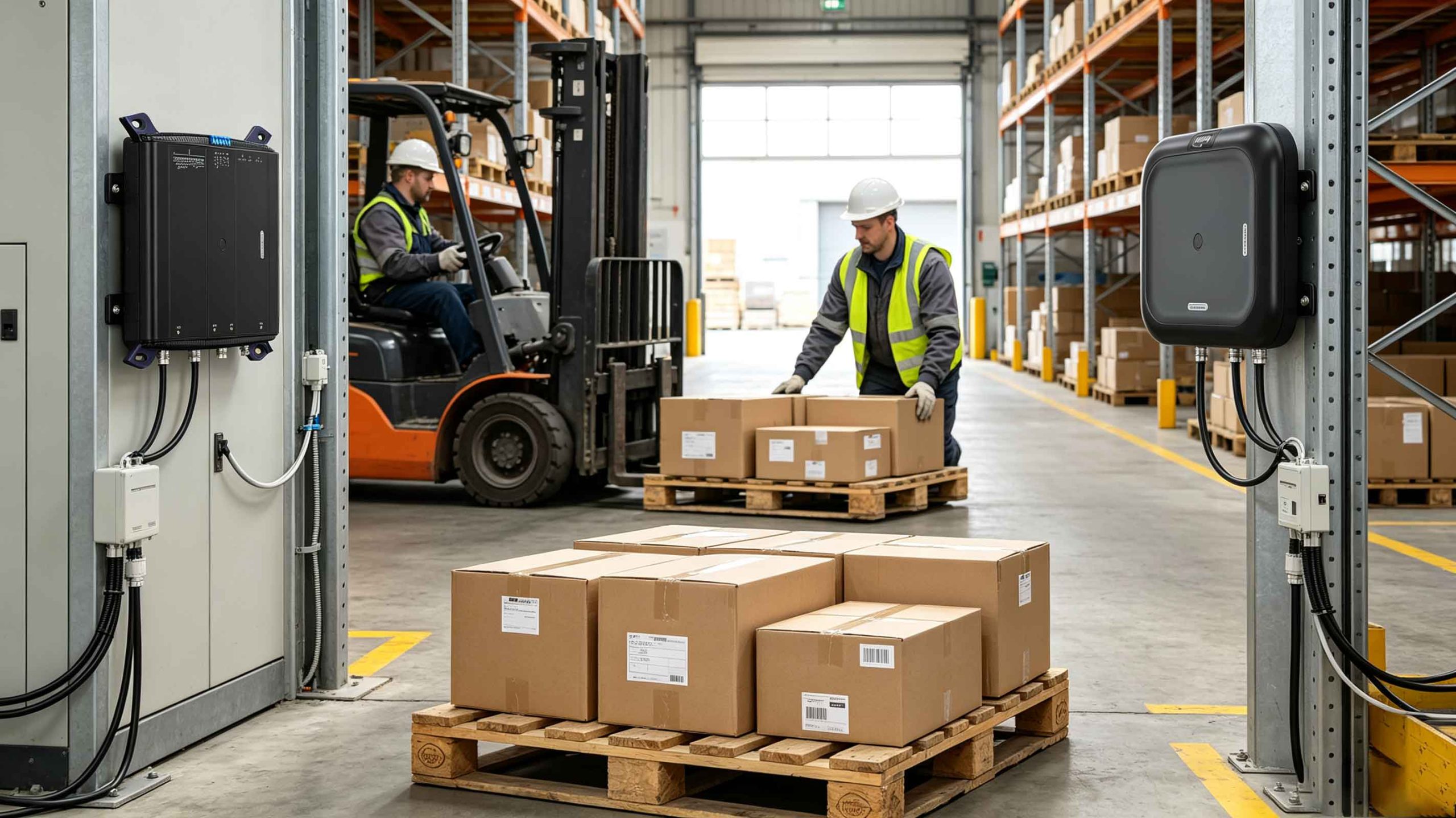
The reader is only one component.
For a warehouse application, software may need to:
For a manufacturing application, the event could instead be connected to a production order or workstation.
This is why RFID projects should define the business event before finalizing the hardware.
A system designed around “read as many tags as possible” is often less useful than one designed around “identify the correct tags at this exact checkpoint.”
Before moving from pilot to production, check the following:
| Check | Question |
|---|---|
| Tag | Is the selected tag suitable for the product surface? |
| Reader | Does the reader support the required UHF protocol and interfaces? |
| Antenna | Is the antenna pattern suitable for the intended zone? |
| Power | Is output power configured for the application rather than simply maximum? |
| Environment | Have metal, liquid, machinery, and RF reflections been considered? |
| Population | Has the system been tested with the expected number of tags? |
| Software | Are duplicate reads and business events handled correctly? |
| Network | What happens during temporary communication failure? |
| Validation | Have unwanted reads outside the intended area been measured? |
The last two checks are often overlooked.
An RFID system may perform perfectly for ten minutes and still create operational problems if network interruptions or repeated reads are not handled correctly.
RFID systems are used to identify and track tagged objects in applications such as inventory management, logistics, asset management, manufacturing, tool control, retail, and automated material handling.
A UHF RFID system uses ultra-high-frequency radio communication between RFID readers and compatible tags. Passive UHF systems are commonly used when organizations need to identify many tagged objects quickly within a defined reading area.
A typical system contains RFID tags, readers, antennas, communication interfaces, software or middleware, and a business application such as a WMS, ERP, MES, or asset-management platform.
Yes. UHF RFID technology is designed for multi-tag identification. Actual performance depends on tag design, reader capability, antenna configuration, tag orientation, product materials, reader settings, and the surrounding RF environment.
There is no single practical distance for every installation. GS1 notes that passive UHF/RAIN RFID can reach read ranges of up to about 10 meters under appropriate conditions, but actual range depends heavily on the tag, reader, antenna, environment, and configuration.
No. UHF RFID does not require the optical line of sight associated with barcode scanning. However, physical materials and tag orientation still affect RF performance, so the absence of line-of-sight does not mean the system can ignore installation conditions.
Yes. RFID readers can communicate with software through supported interfaces, SDKs, APIs, or network protocols. The integration layer can convert individual tag reads into receiving, shipping, inventory, or asset-management events.
For technical validation, the following standards and research sources are useful starting points:
For industrial deployments, standards provide the technical foundation, while field testing determines whether a particular tag-reader-antenna configuration works in the actual environment.
What are RFID systems? They are integrated identification systems that connect RFID tags, readers, antennas, communication interfaces, and software to identify physical objects automatically.
For Cykeo and other UHF RFID deployments, the useful engineering question is not simply how far a reader can read. It is whether the system can produce a repeatable, correctly located, software-usable identification event.
That requires the right tag, controlled RF zone, suitable reader, correctly positioned antenna, reliable communication, and application logic working together.
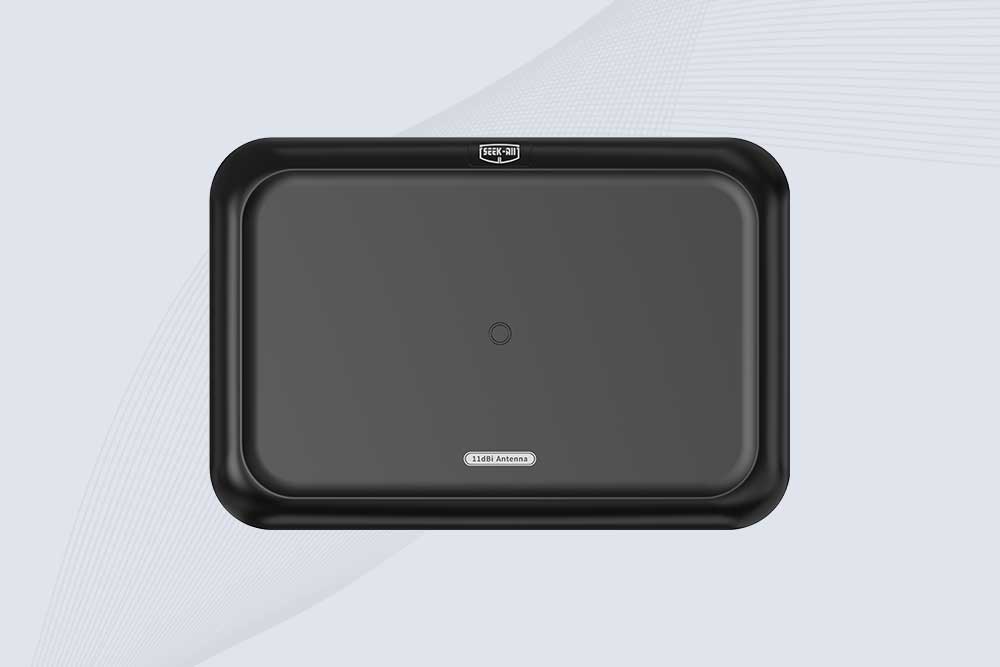
SSD-A11 UHF RFID antenna features 840–960 MHz adjustable frequency, ≥10.5 dBi gain, circular polarization and 50Ω impedance for fixed RFID systems.
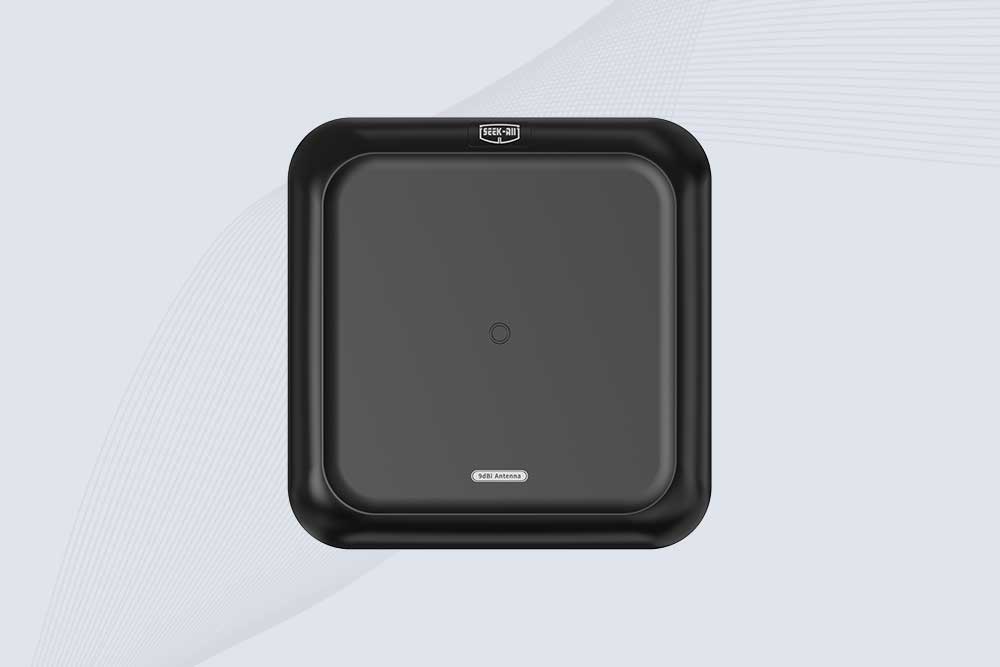
SSD-A09 is a 9 dBi UHF RFID antenna with 840–960 MHz adjustable frequency, circular polarization, 50Ω impedance and directional 60° × 60° coverage.
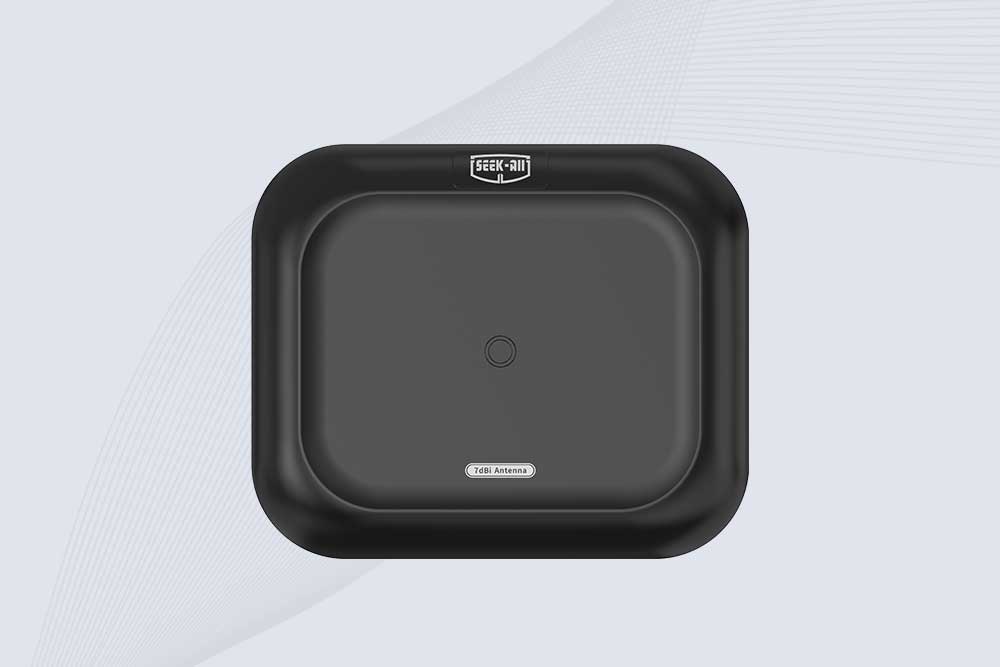
Explore the SSD-A07 UHF RFID antenna with 7 dBi gain, circular polarization, adjustable 840–960 MHz frequency, and 60°/75° beamwidth for stable RFID read/write performance.

SSD-A06 UHF RFID antenna with circular polarization, adjustable 840–960 MHz frequency, ≥4.5 dBi gain, and a compact directional design for RFID systems.
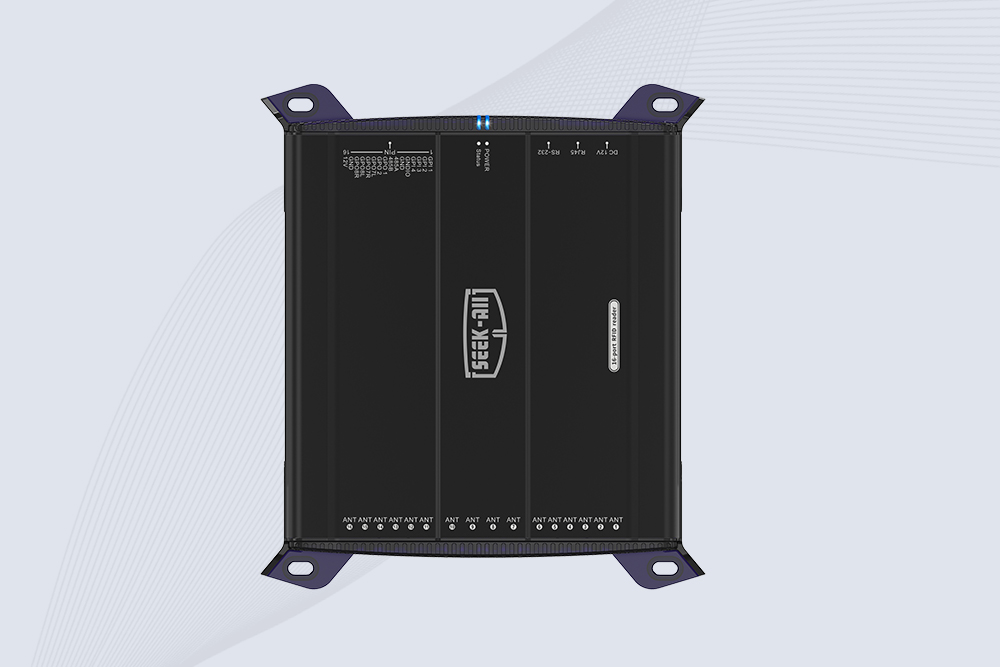
SSD-R16L Multi-Channel RFID Infrastructure for Automated Inventory Management ✔️ 16-Port High-Density RFID Reading Equipped with 16 SMA antenna ports, SSD-R16L supports multi-antenna deployment for warehouses, retail stores, logistics, production lines, and large-area RFID identification. ✔️ High-Speed & Long-Range Performance With up to 33…
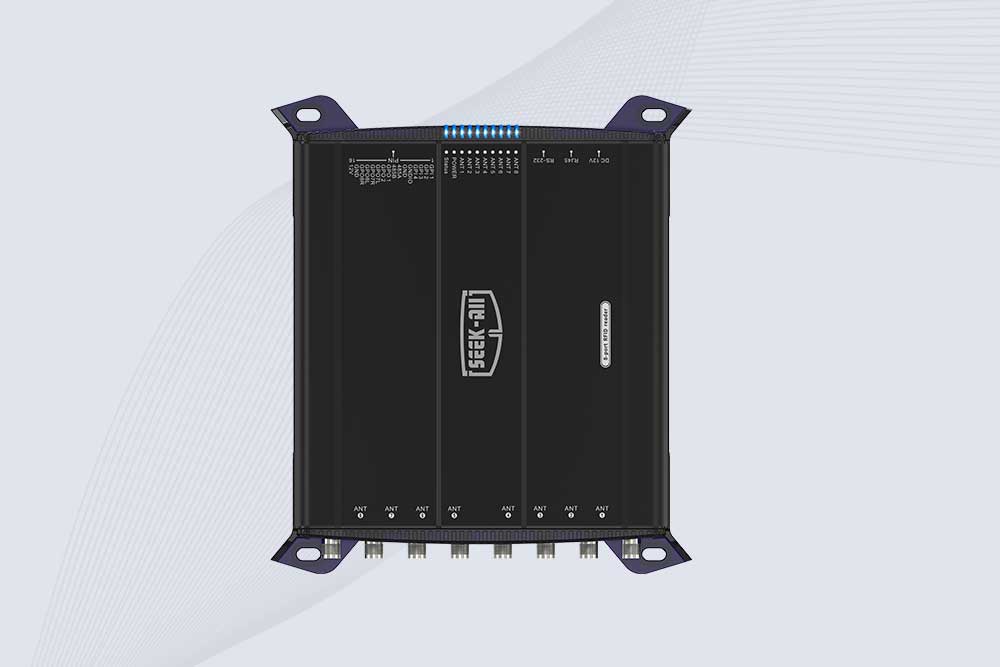
SSD-R8L 8-port UHF RFID reader with 33dBm output, up to 20m reading range and 600+ tags/s recognition. Ideal for warehouse, logistics, retail and asset tracking.
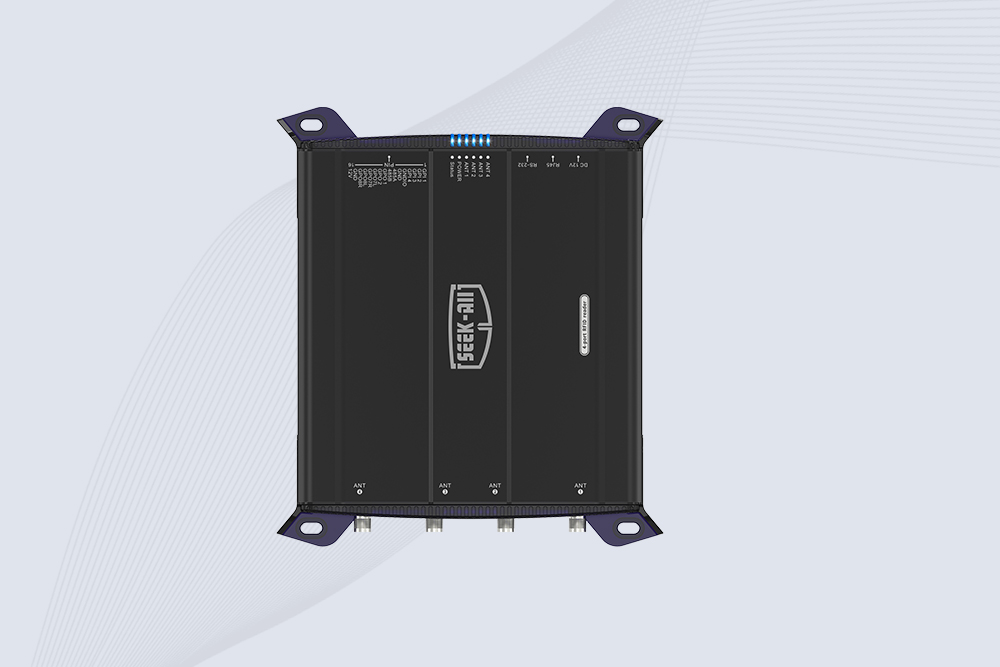
SSD-R4L is a 4-port UHF RFID fixed reader with 33dBm output power, up to 20m reading range, EPC C1G2 support and 600+ tags/s reading speed.
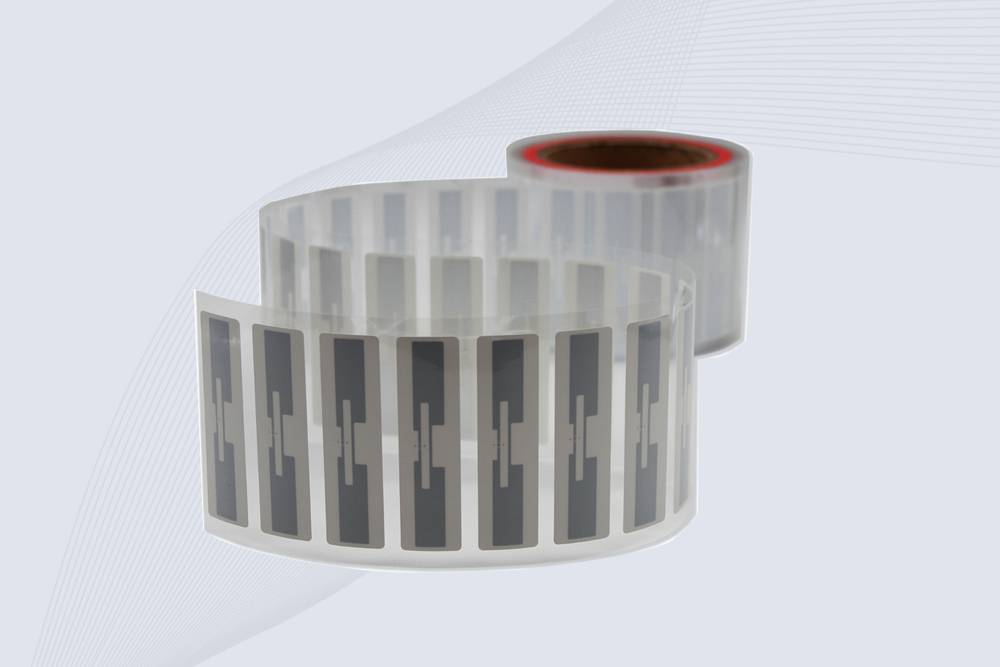
CYKEO Passive RFID Tags are made for wet and high-humidity environments where standard labels do not last. This rfid passive tag is often used around liquids, chemicals and temperature changes, providing stable reading distance and long data life for industrial tracking.
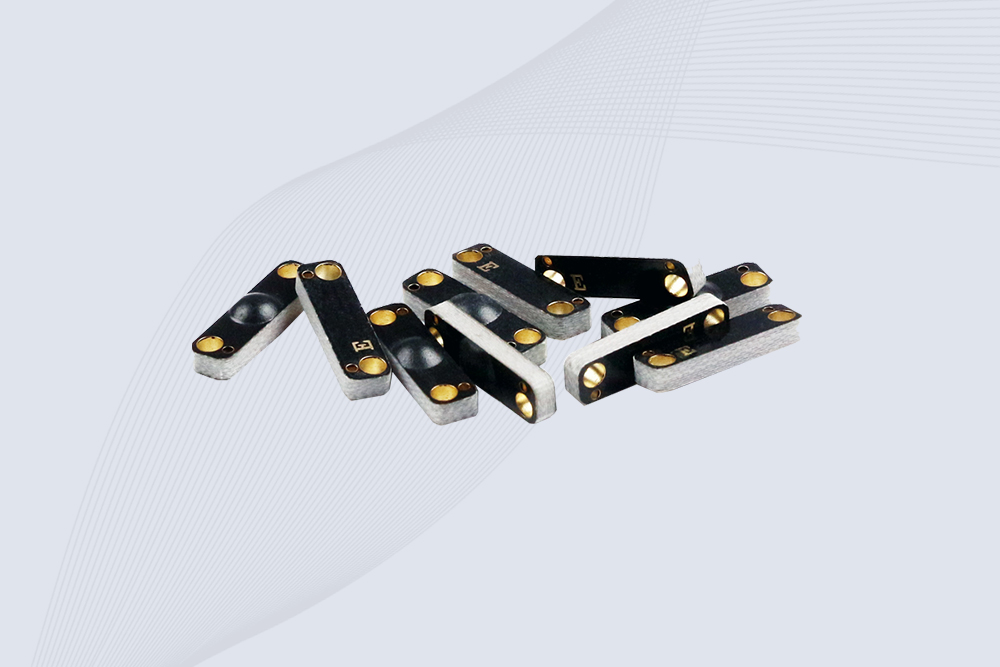
CYKEO CYKEO-PCB1504 Metal RFID Tags is a compact anti-metal UHF RFID solution built for direct mounting on metal surfaces. With stable 8-meter read range, Ucode-8 chip, and long data retention, this rfid metal tag fits tools, containers, automotive parts, and industrial asset tracking.
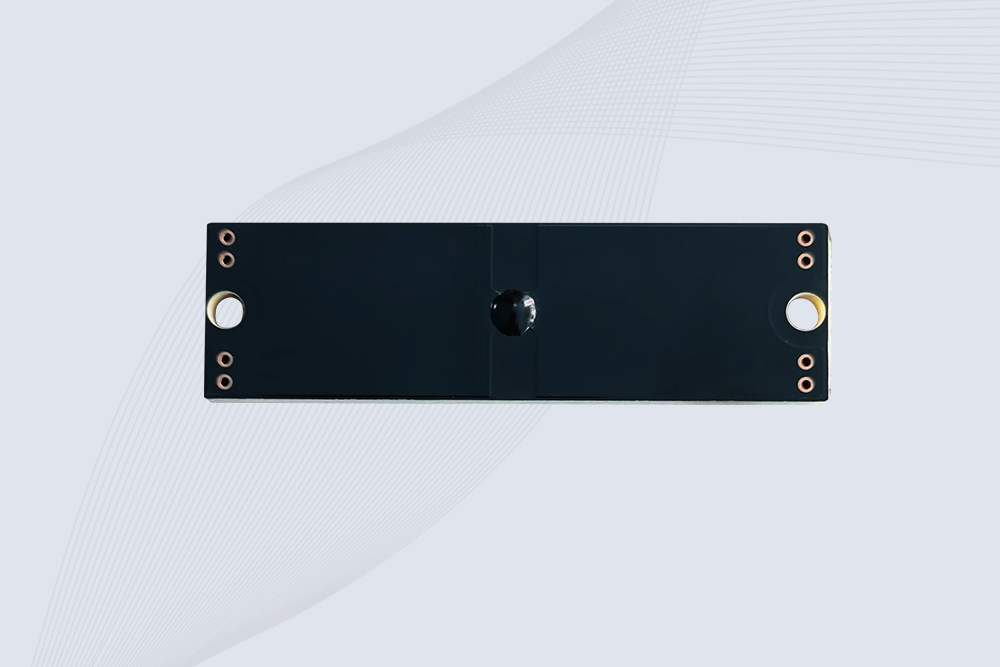
CYKEO CYKEO-PCB7020 On-Metal RFID Tags are designed for reliable tracking on steel and metal surfaces. Built with an FR4 epoxy body and industrial-grade chips, these On-Metal RFID Tags deliver stable performance, long data life, and chemical resistance, making them a dependable RFID anti-metal tag for harsh environments.
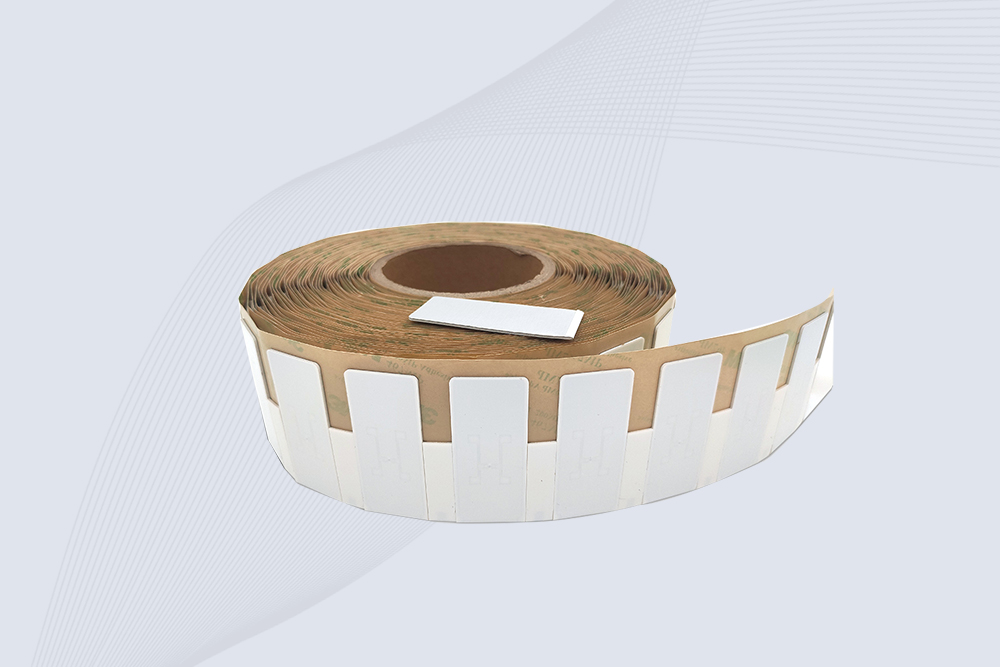
The CYKEO CYKEO-60-25 Anti-Metal RFID Tag is built for metal surfaces where standard tags fail. Designed for long-range performance, harsh environments, and stable data retention, this Anti-Metal RFID Tag is ideal for industrial assets, containers, and equipment tracking using on metal RFID tags.
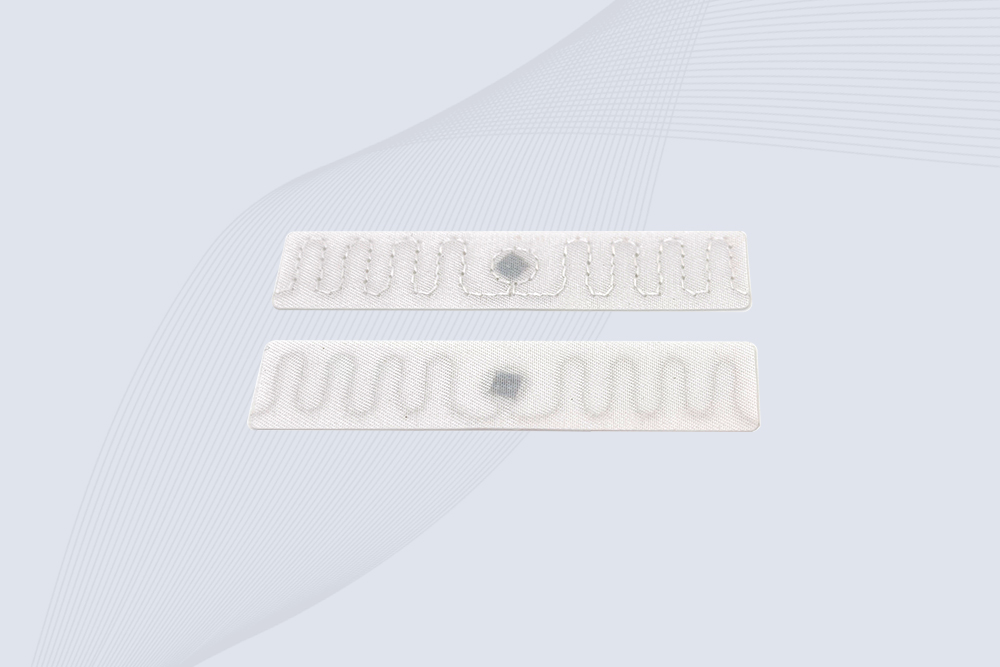
The CYKEO RFID Laundry Tag is designed for long-term textile identification in harsh laundry environments. Built to withstand high heat, chemicals, and repeated washing, this RFID Laundry Tag delivers stable performance for hotels, hospitals, and industrial laundry operations using laundry rfid tags at scale.
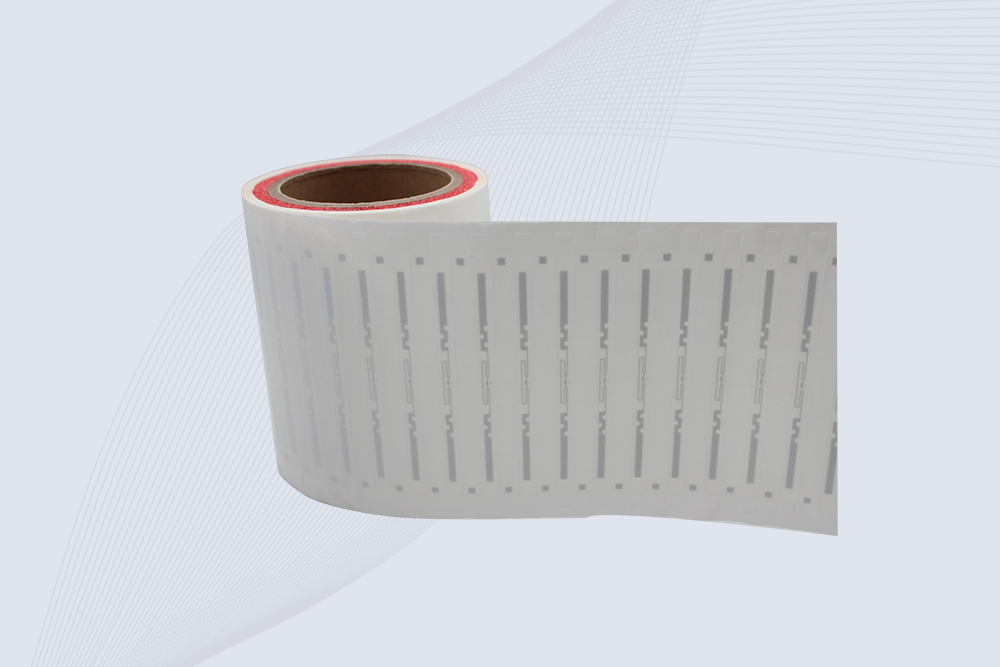
The CYKEO CYKEO-125-7 RFID Book Tag is designed for reliable book and document tracking in libraries and archives. This RFID Book Tag delivers long read range, dense placement support, and stable performance on shelves, making it a practical rfid tag on books for library automation, file management, and archival systems.
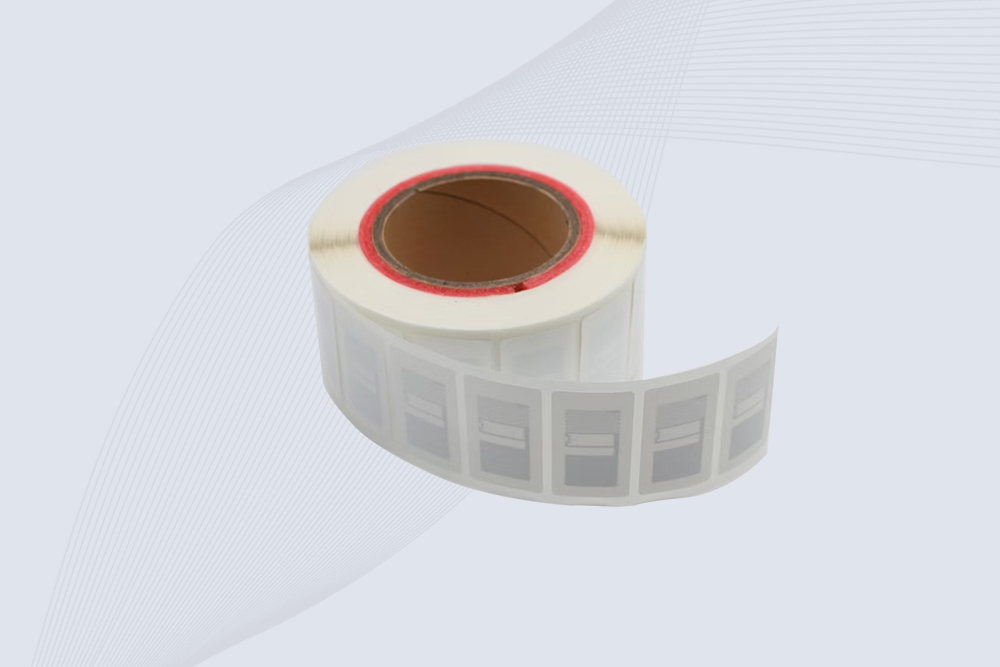
CYKEO RFID tags in hospitals are designed for sterile environments where accuracy matters. These autoclavable RFID tags support long-term tracking of surgical tools, implants, and medications, helping hospitals improve visibility, compliance, and patient safety.

CYKEO RFID Cable Tie Tag is built for reliable identification on metal surfaces. This UHF RFID Cable Tie Tag is widely used in rfid tags for inventory systems, industrial asset management and Hospital RFID Tags, offering stable read performance, long service life and global EPC Gen2 compatibility.
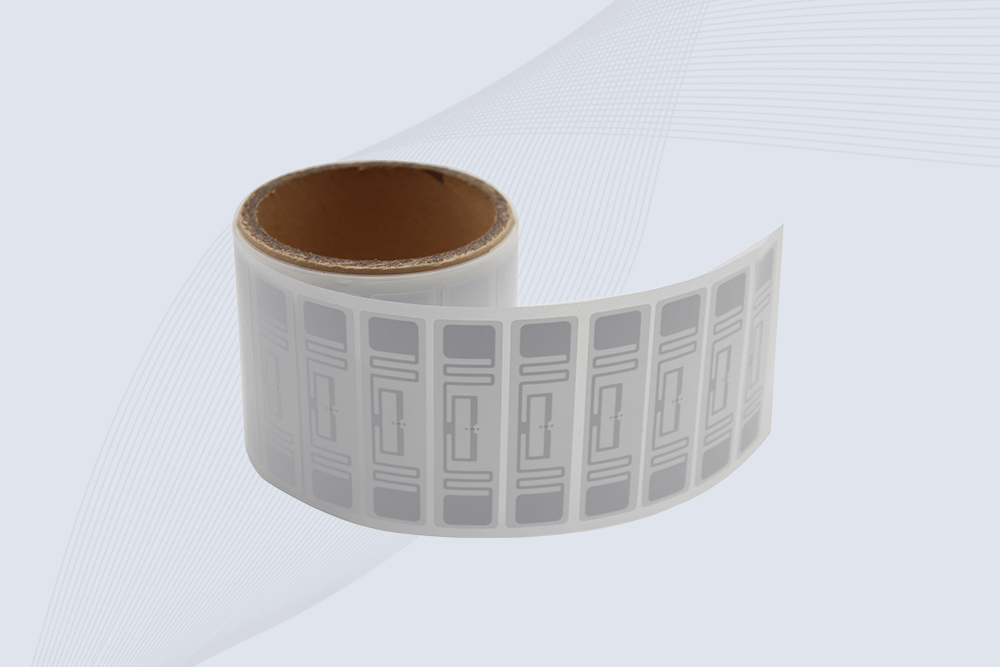
CYKEO RFID Asset Tag is designed for stable identification of metal assets in industrial environments. This UHF RFID Asset Tag is commonly used for rfid tag asset tracking on equipment, tools and containers, providing reliable reads, long service life and ISO/IEC 18000-6C support.

CYKEO UHF RFID Card is designed for fast identification and long-term use in industrial and commercial systems. Supporting ISO 18000-6C, this UHF RFID Card works at 860–960 MHz and is suitable for custom RFID cards used in asset tracking, access control and inventory management.
CYKEO HF RFID Cards are designed for secure and stable access control systems. These 13.56 MHz RFID key cards support ISO 14443-A, reliable rewriting and long service life, making HF RFID Cards suitable for offices, campuses, events and membership management.
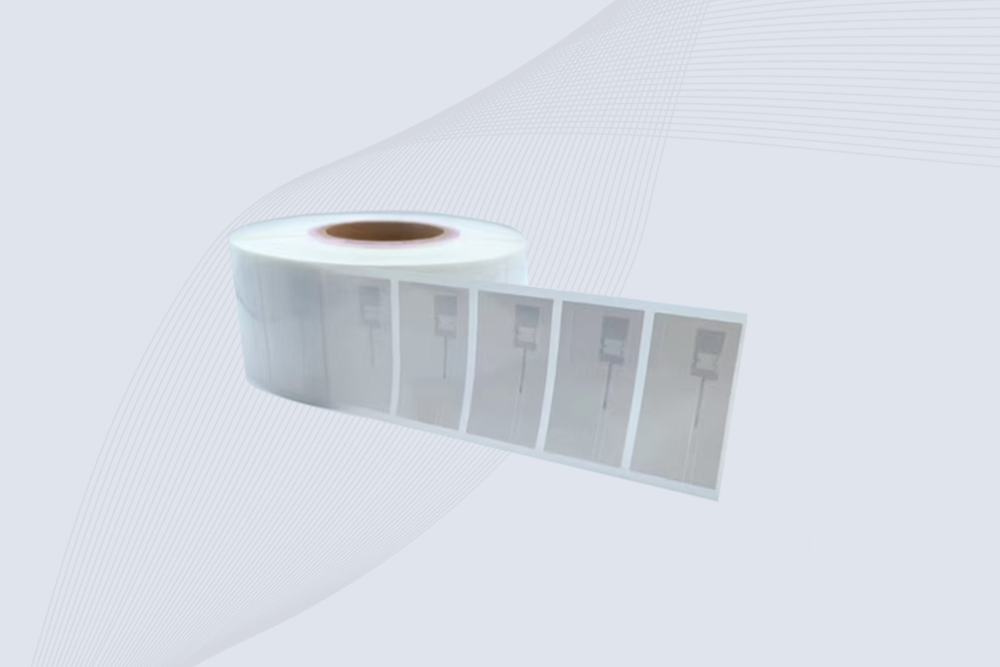
CYKEO UHF RFID Tag is designed for reliable tracking of metal jewelry and high-value items. This Jewelry RFID Tag supports long-range reading up to 8 meters, anti-counterfeit protection and stable performance on metal, making it suitable for retail, inventory control and asset management.
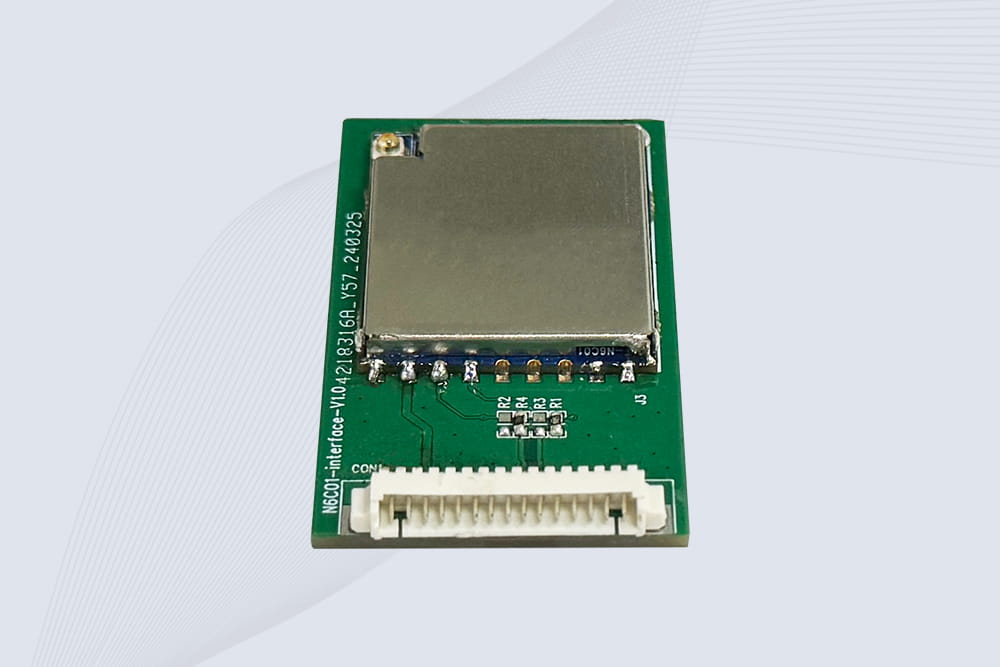
CYKEO Embedded RFID Modules are designed for compact industrial and IoT devices that require stable UHF performance. These UHF RFID Modules support global protocols, flexible power control, and reliable multi-tag reading for smart cabinets, production lines, and asset tracking systems.
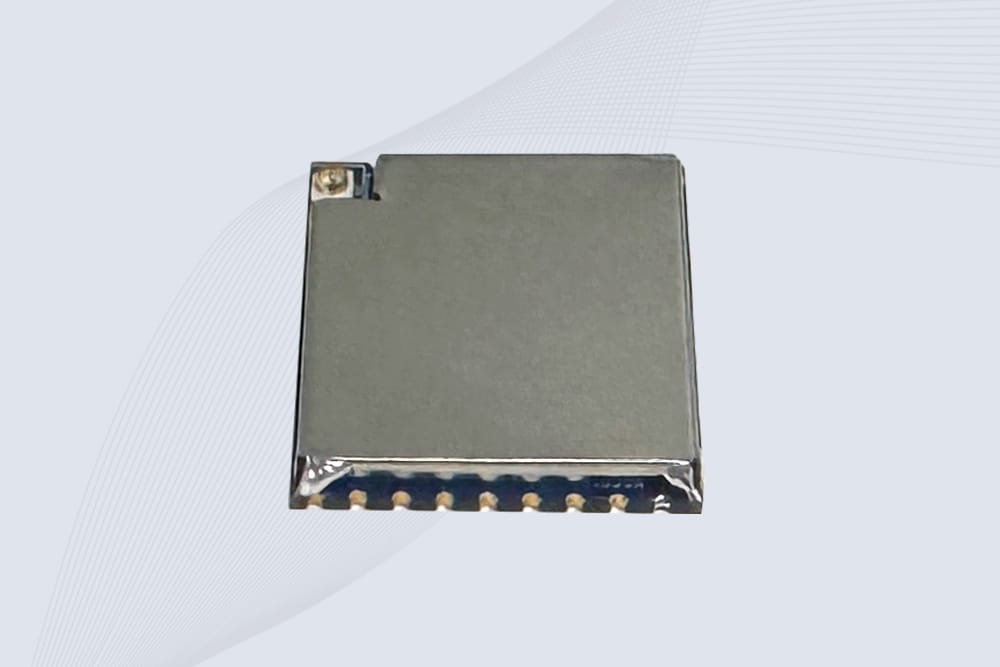
CYKEO Embedded RFID Module is built for compact IoT and industrial devices that need stable UHF performance. This UHF module supports global protocols, low power operation, and reliable multi-tag reading for smart lockers, production lines, and always-on RFID systems.
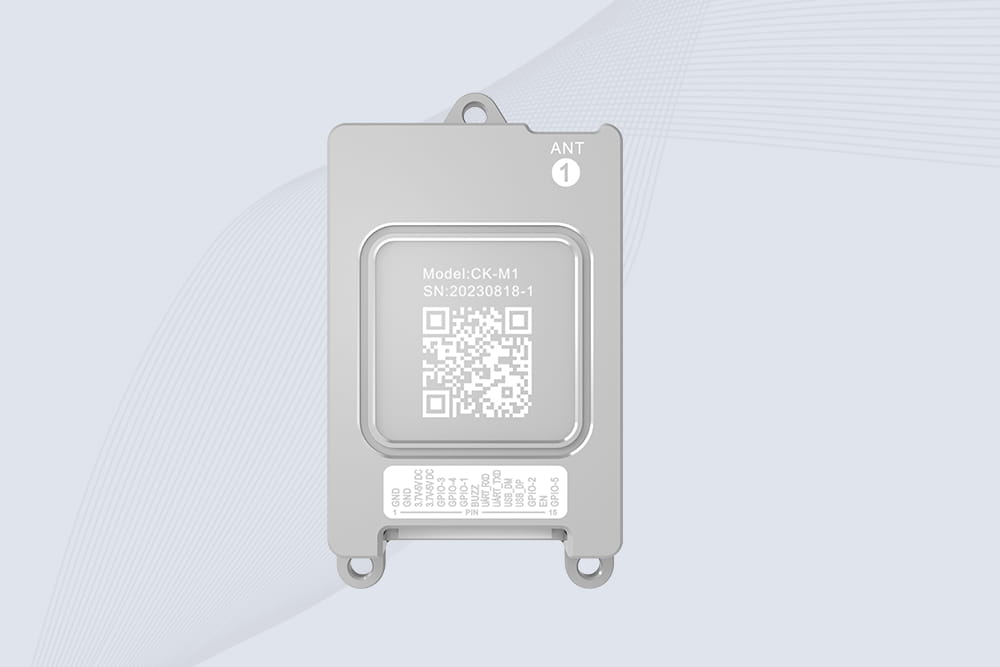
CYKEO CYKEO-M1 drone rfid module is a compact UHF RFID reader module designed for drones and UAV platforms. It supports long-range aerial scanning, fast multi-tag reading, and stable performance in wind, vibration, and outdoor environments.
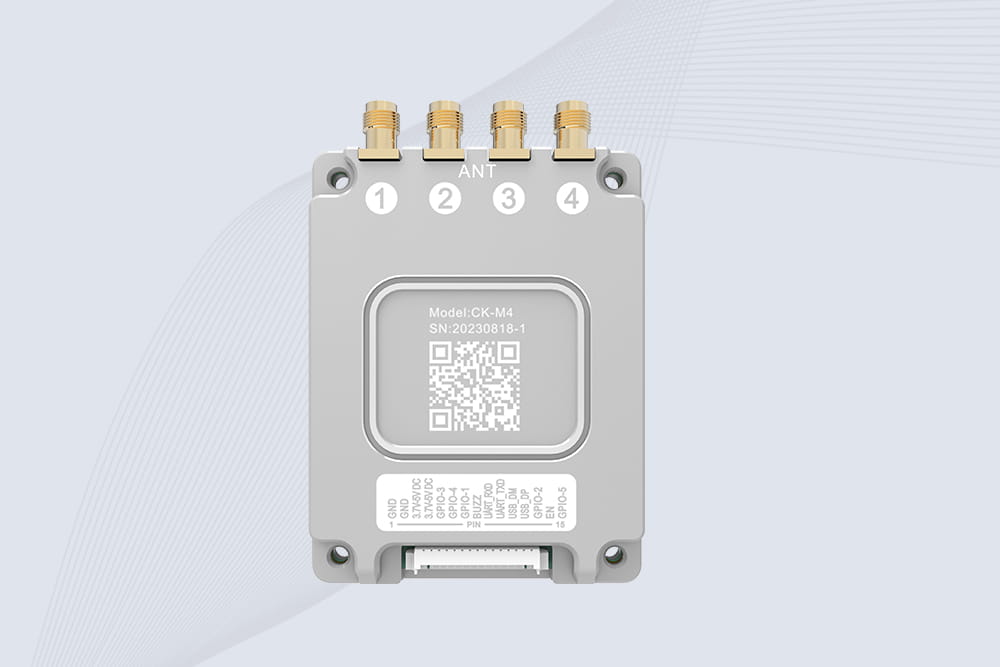
CYKEO CYKEO-M4 RC522 RFID Module is an industrial-grade UHF RFID reader with 4 ports, supporting ISO, EPC, and GB protocols. High-speed, accurate reading for IoT, automation, and warehouse applications.
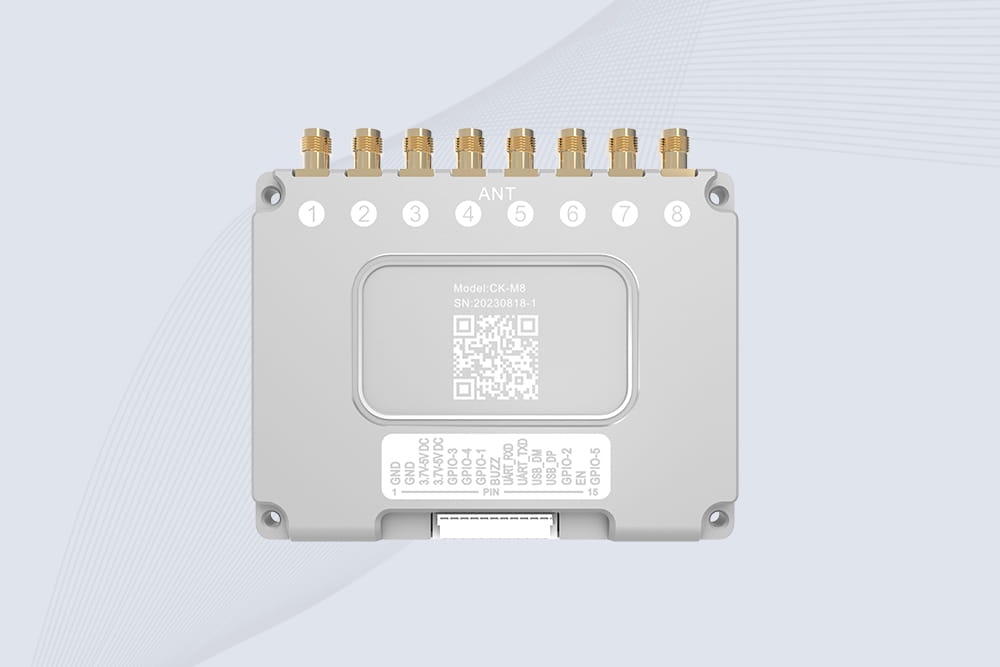
CYKEO CYKEO-M8 Module RFID is an 8-port UHF R2000 RFID Module designed for high-density, multi-tag environments. Stable 33dBm output, ISO & GB protocol support, ideal for warehouses, factories, and automated systems.
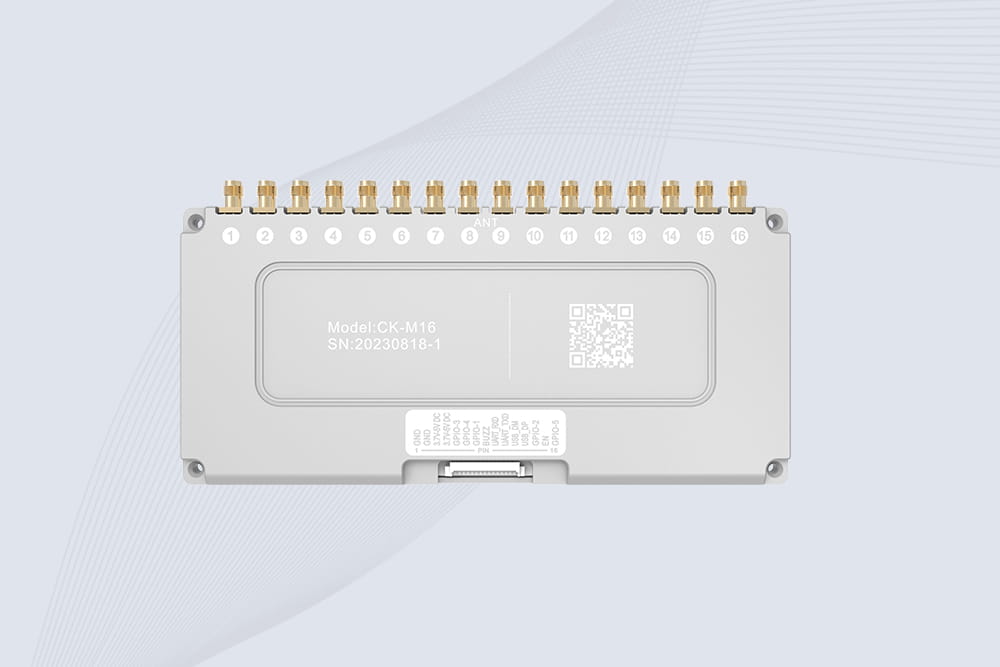
CYKEO CYKEO-M16 RFID Module is a 16-port UHF RFID reader module based on the R2000 chipset. Designed for dense tag environments, it supports ISO and GB standards and delivers stable multi-antenna control for industrial automation.
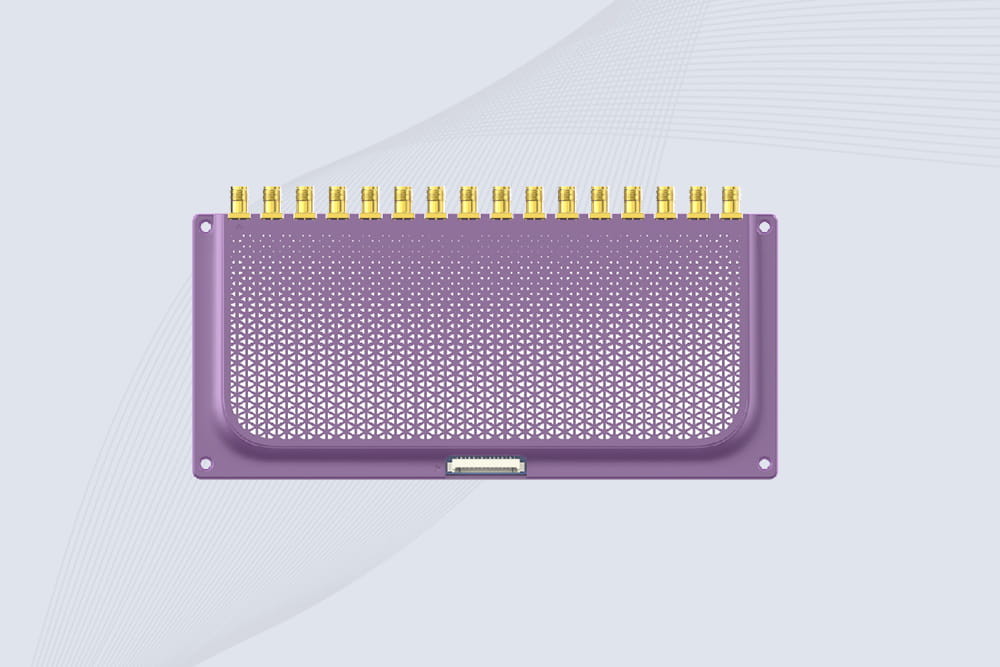
The CYKEO CYKEO-M16L RFID Reader Module is a 16-channel UHF RFID core designed for dense tag environments. With adjustable 33dBm output, multi-protocol support, and stable multi-antenna control, this RFID Tag Reader Module fits industrial automation, warehouse systems, and large-scale IoT deployments.
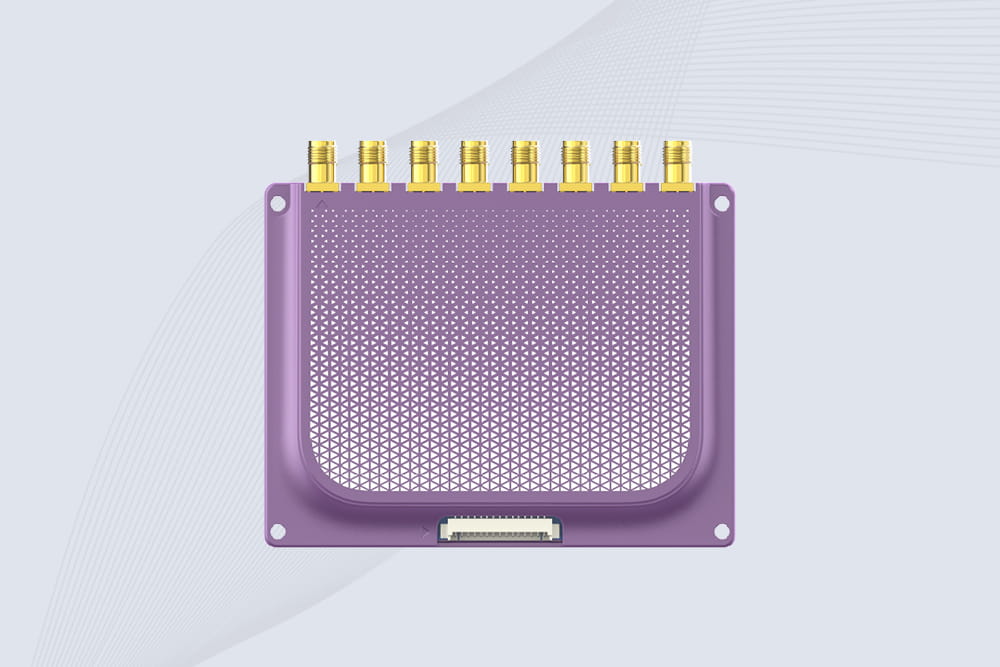
CYKEO CYKEO-M8L module RFID is a compact industrial UHF module built for dense tag and multi-antenna environments. With 8 RF ports, adjustable 33 dBm output, and ISO & GB protocol support, it is widely used in factories, warehouses, and automated tracking systems.
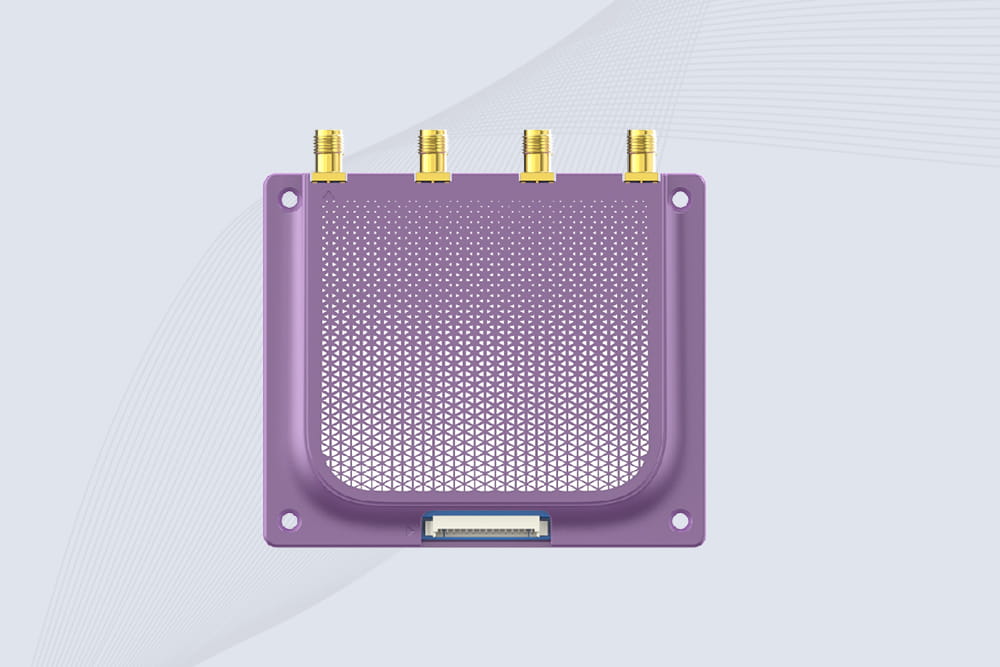
CYKEOCYKEO-M4L UHF RFID Module is a compact 4-channel RFID tag reader module designed for dense tag environments. Supporting ISO and GB protocols, it delivers stable reads up to 10 meters for industrial and IoT systems.
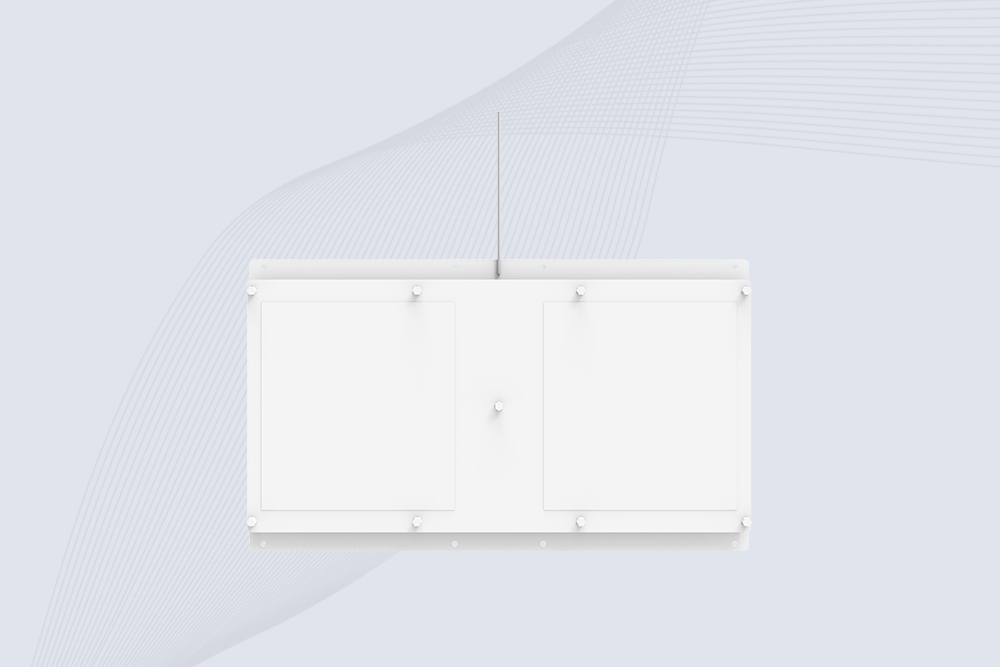
Cykeo CYKEO-A11 UHF RFID reader antenna delivers 11dBi gain, 840-960MHz frequency range, and IP65 ruggedness for retail, logistics, and industrial RFID systems. Features low VSWR and easy installation.

CYKEO Antenna RFID Reader delivers stable long-range UHF performance with a 10.5dBi directional design, built for warehouses, conveyor portals, and industrial RFID systems. This rfid reader antenna provides 20m+ read distance and rugged IP67 protection.

Cykeo CYKEO-PHF3 industrial HF RFID Antenna offers 24-point dynamic tracking, ISO 14443A/15693 protocols, metal-environment stability for archives/libraries/manufacturing.

Cykeo CYKEO-A5B industrial Linear RFID Antenna delivers 5dBi gain, ≤1.5:1 VSWR, and IP65 rugged design for warehouse, production line, and logistics UHF systems.

Cykeo’s CYKEO-B12 Long Range RFID Antenna delivers 15m+ read range with 12dBi gain, IP65 rugged design, and global 840-960MHz UHF support. Ideal for warehouse/logistics asset tracking.
Cykeo CYKEO-B10 Long Distance RFID Antenna offers 10dBi gain, 840-960MHz frequency range, IP65 rating, and 20m+ coverage for logistics/warehousing/ETC systems. Low VSWR ensures stable signal transmission.
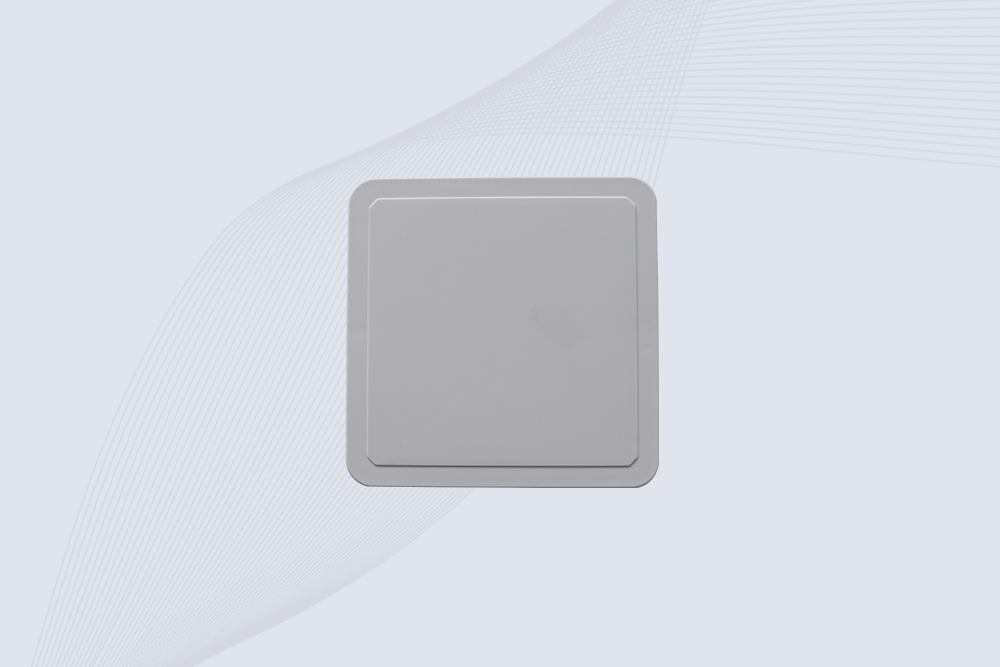
Cykeo CYKEO-A6 UHF RFID panel antenna features 6dBi gain, 840-960MHz broadband, IP65 metal-ready housing for logistics/smart retail. 18mm ultra-thin design with tool-free mounting.

Cykeo CK-A3 industrial antenna RFID UHF offers 5m+ tag detection, ≤1.3:1 VSWR, IP65 rugged design, and global UHF spectrum compatibility (840-960MHz) for warehouses, factories, and retail.
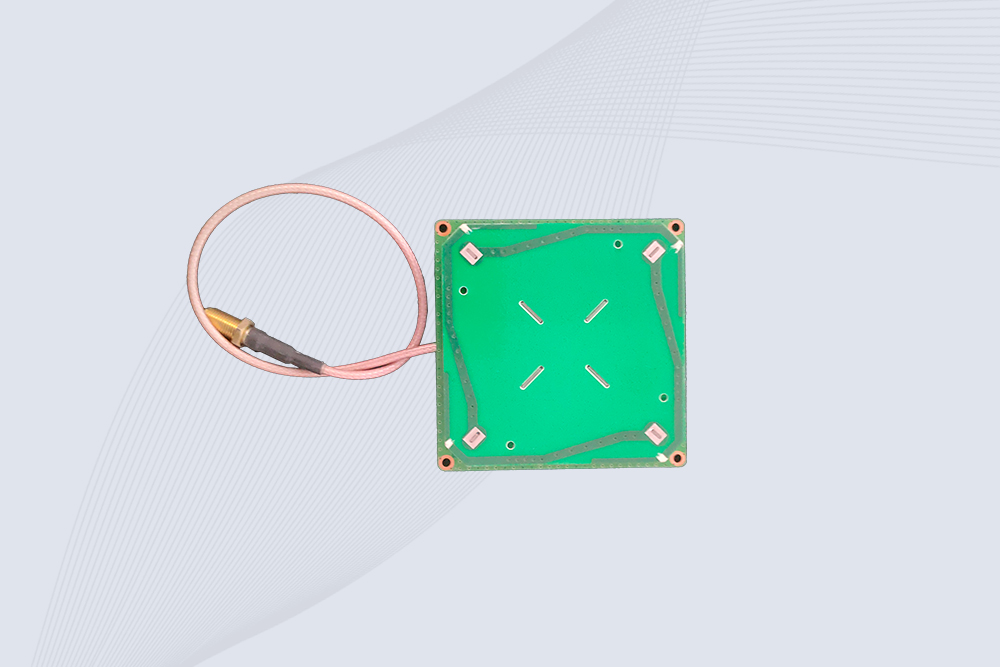
Cykeo CYKEO-B5 directional RFID antenna provides 5dBi gain with 60° narrow beamwidth for precise inventory tracking. IP65-rated, global UHF frequency support, and low VSWR.
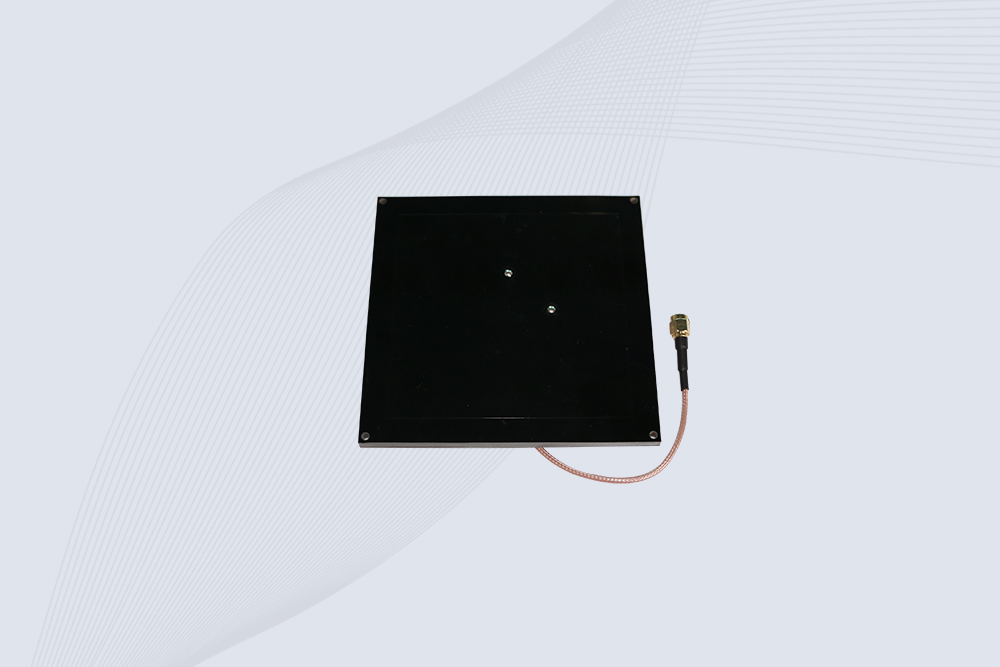
Create your own high-performance DIY RFID antenna! 5dBi gain, 840-960MHz tunable, step-by-step guides. Compatible with Arduino, Raspberry Pi, and commercial UHF readers.
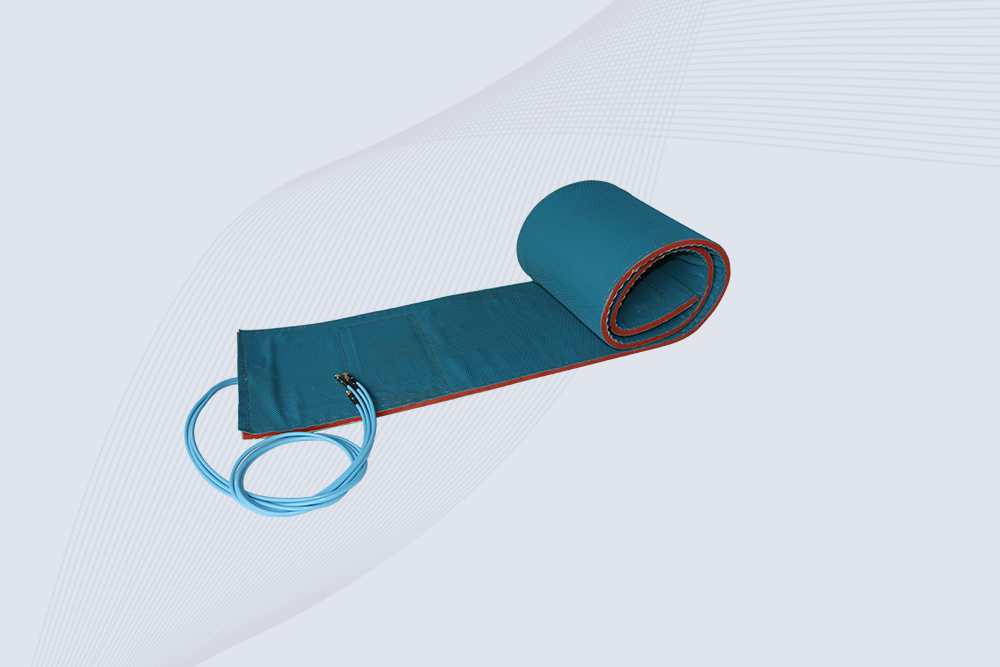
Cykeo CYKEO-A7 Flexible RFID Antenna features 840-960MHz wideband tuning, 7dBi gain, and IP68 rating for medical/retail/industrial curved surface deployments. 98% read accuracy with peel-and-stick installation.

Cykeo CYKEO-B5A industrial Passive RFID Antenna delivers 5dBi gain, 70° beamwidth, and -40°C~55°C operation for warehouses/smart cabinets. Compatible with Zebra/Impinj readers.
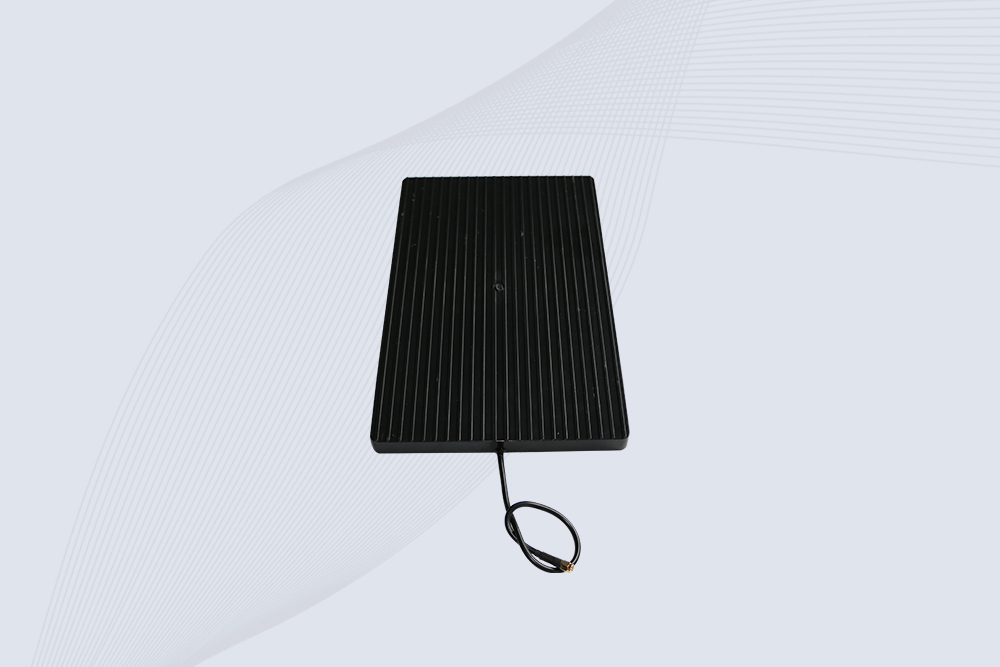
Cykeo’s CYKEO-A9B High Gain RFID Antenna delivers 15m+ read range with 9dBi amplification. Features IP54 rugged design, 840-960MHz bandwidth, and 80° beamwidth for warehouse/manufacturing RFID systems.

Cykeo’s enterprise-grade 8dbi Impinj RFID Antenna 10m+ read range with 840-960MHz tuning. Features IP65 housing, 1.4 VSWR, 35° beamwidth for retail/warehouse RFID systems.
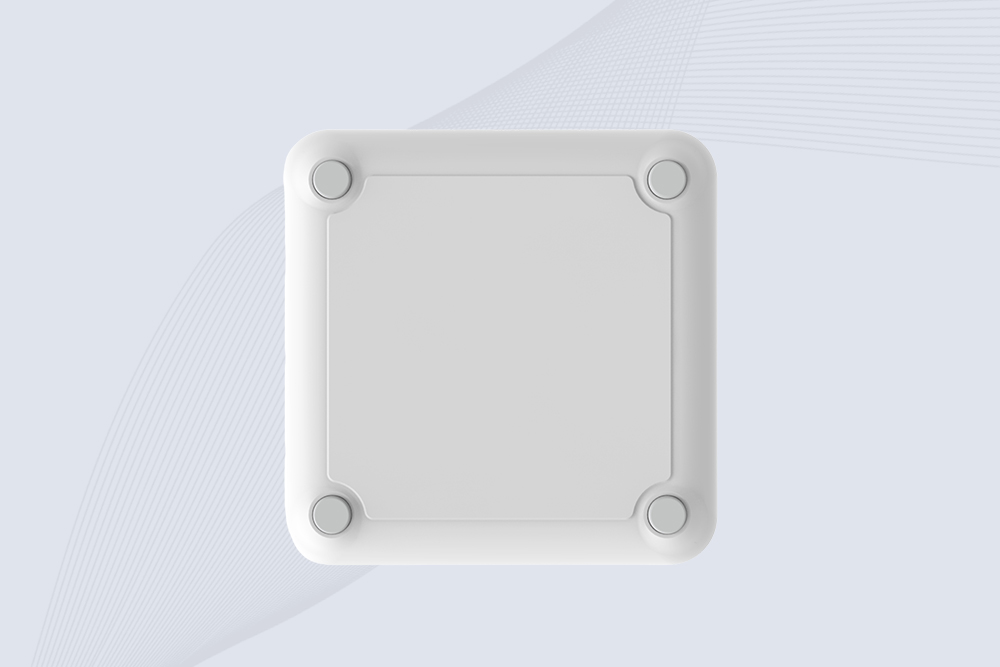
Cykeo CYKEO-A9 industrial UHF RFID antenna delivers 9dBi gain, 840-960MHz frequency range, and IP65 protection for warehouse/logistics/retail RFID systems. Features N-type connector and ≤1.3:1 VSWR.
CYKEO UHF RFID Antenna built for long-distance and industrial applications. This antenna rfid uhf delivers strong gain, outdoor durability, and reliable tag performance in warehouses, yards, and vehicle ID systems.
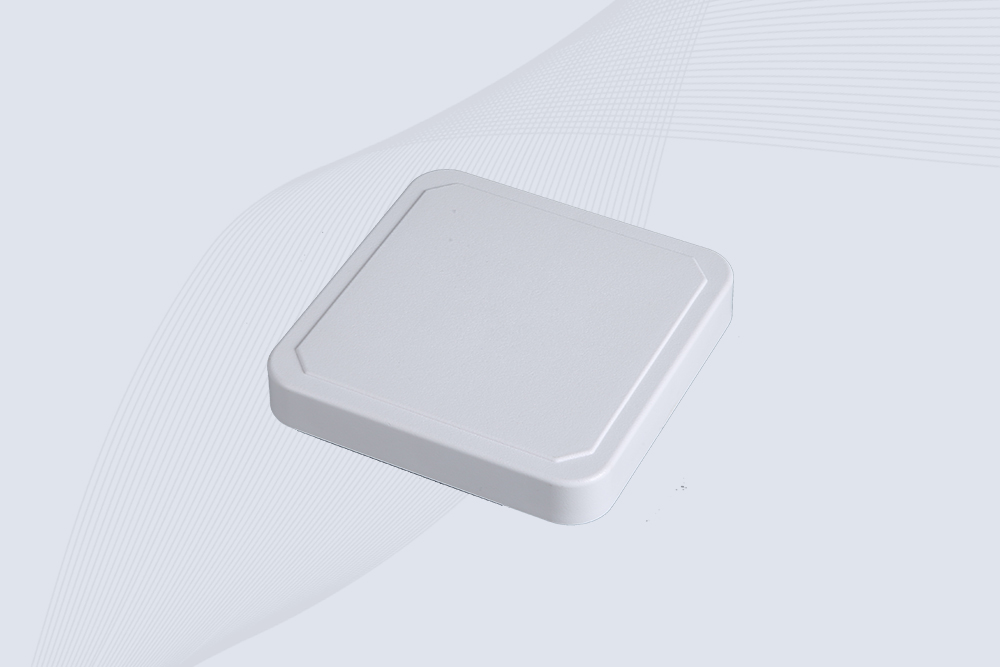
CYKEO Antenna RFID delivers reliable long-range UHF performance in warehouses, retail shelves, and cold-chain environments. This compact uhf rfid antenna provides stable reads with circular polarization and ultra-wide 840–960 MHz support, ideal for industrial tracking, smart shelves, and asset monitoring.
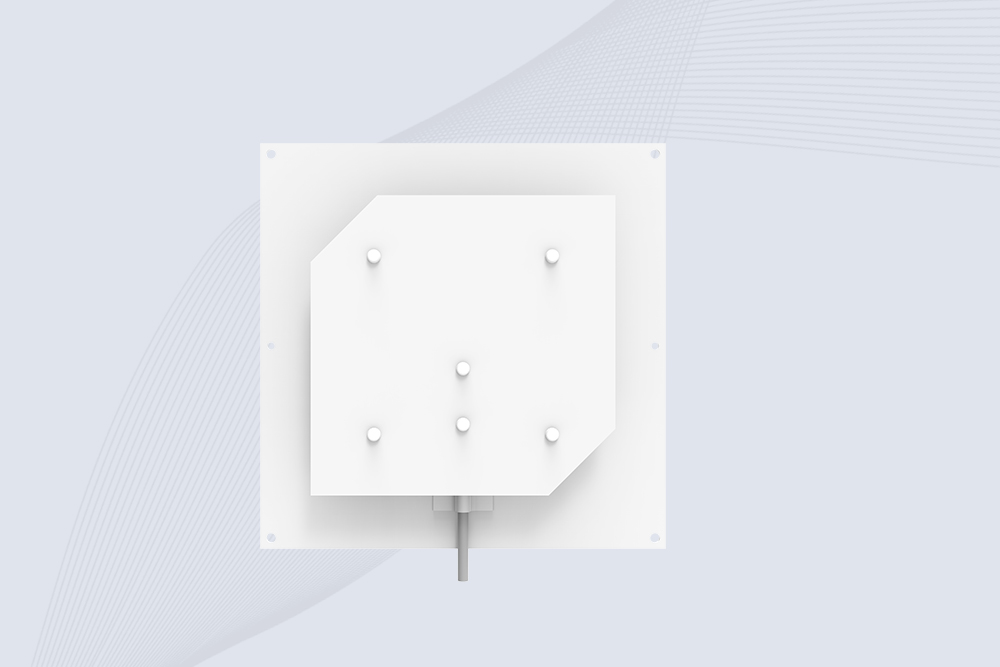
Cykeo’s CYKEO-C8 UHF RFID antennas delivers 8dBi gain, 840-960MHz full-band coverage, and IP65 ruggedness for manufacturing/warehouse RFID systems. Industrial RFID Antennas Features
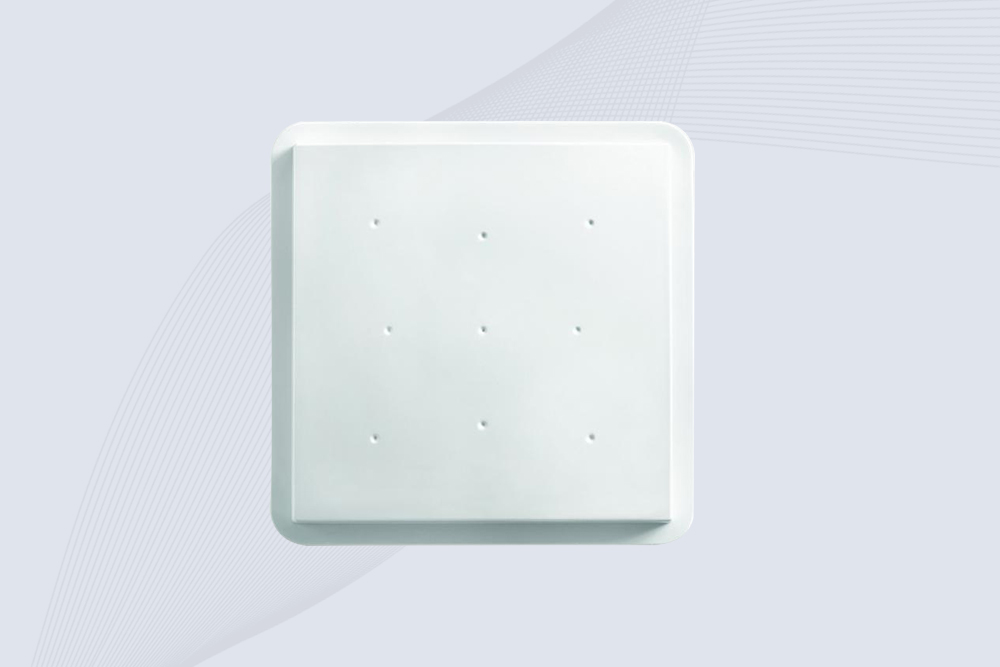
Cykeo’s 8dBi UHF RFID antenna and reader kit delivers 10m+ range, 840-960MHz broadband, and IP65 ruggedness for factories, warehouses, and logistics. ISO 18000-6C & EPC Gen2 certified.
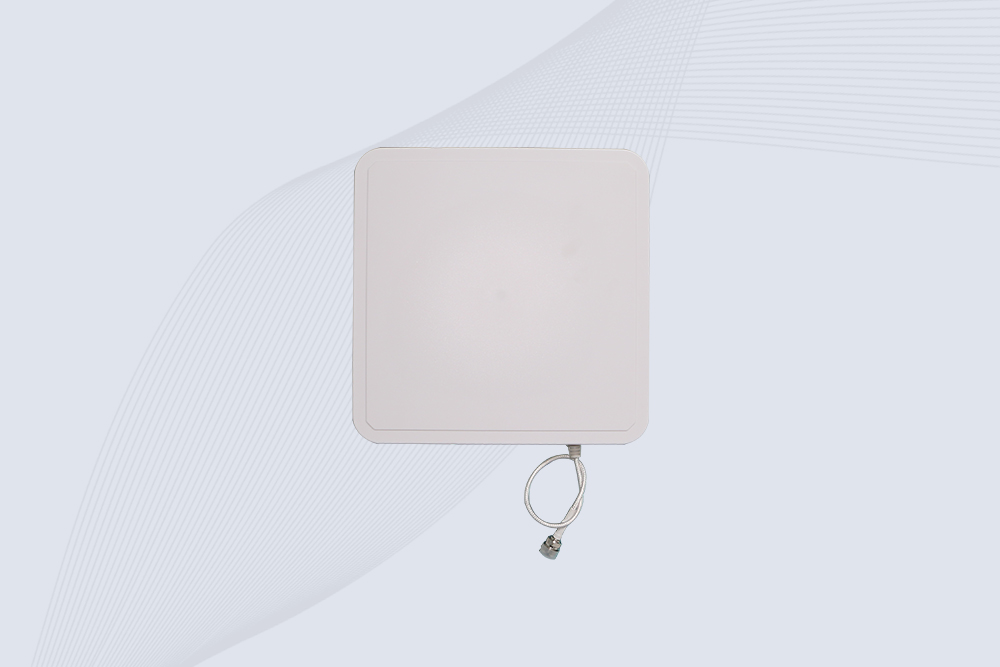
Cykeo CYKEO-A9A industrial UHF RFID reader and antenna kit delivers 10m range, 500 tags/sec, IP65 ruggedness for manufacturing/logistics. Supports EPC Gen2, ISO18000-6C.
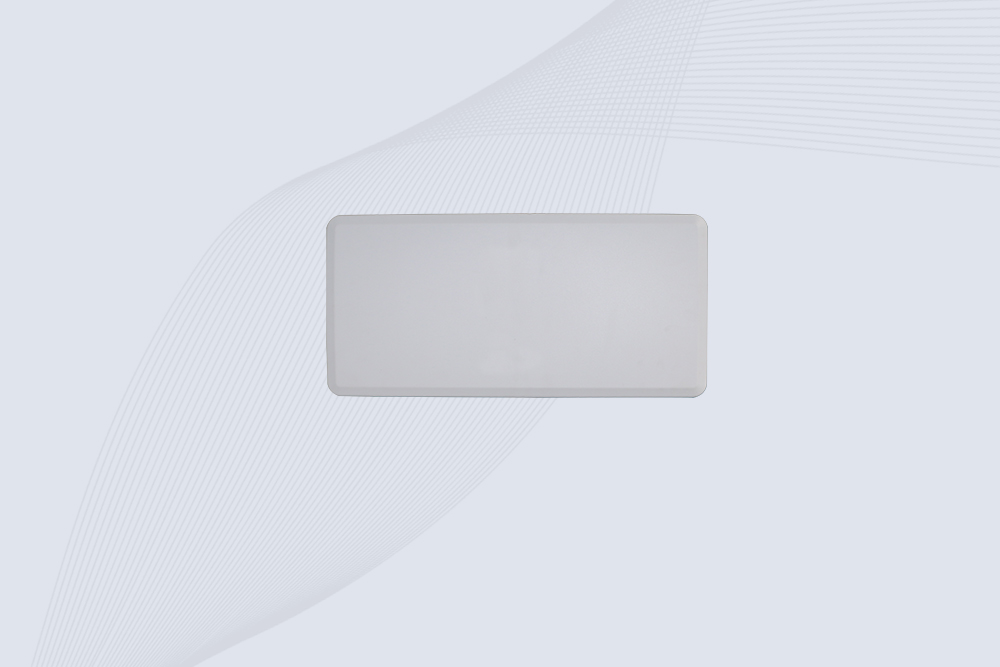
Cykeo’s CYKEO-A12C UHF Large RFID Antenna delivers 12dBi gain, 840-960MHz global frequency, IP65 ruggedness for logistics/warehousing/automotive. 40° beamwidth ensures stable 15m+ tag reads.

CYKEO Near Field RFID Antenna provides precise 5–30 cm reading for shelves, cabinets, and workstations. This compact rfid shelf antenna delivers stable short-range performance around metal and clutter, ideal for pharmacies, libraries, and electronics sorting.

Small RFID tags make it possible to track assets in tight spaces without changing workflows. See how compact RFID tags are used in real projects.
More
Stop getting lost in theory. Learn what is antenna in RFID systems practically, why its placement matters more than specs, and how it impacts your project's success.
More
Discover the best handheld RFID readers for construction tool tracking. Compare rugged designs, UHF performance, GPS integration, and software compatibility for job sites.
More
The Guide breaks down the working principles, applications, and benefits of RFID technology in warehouses
More