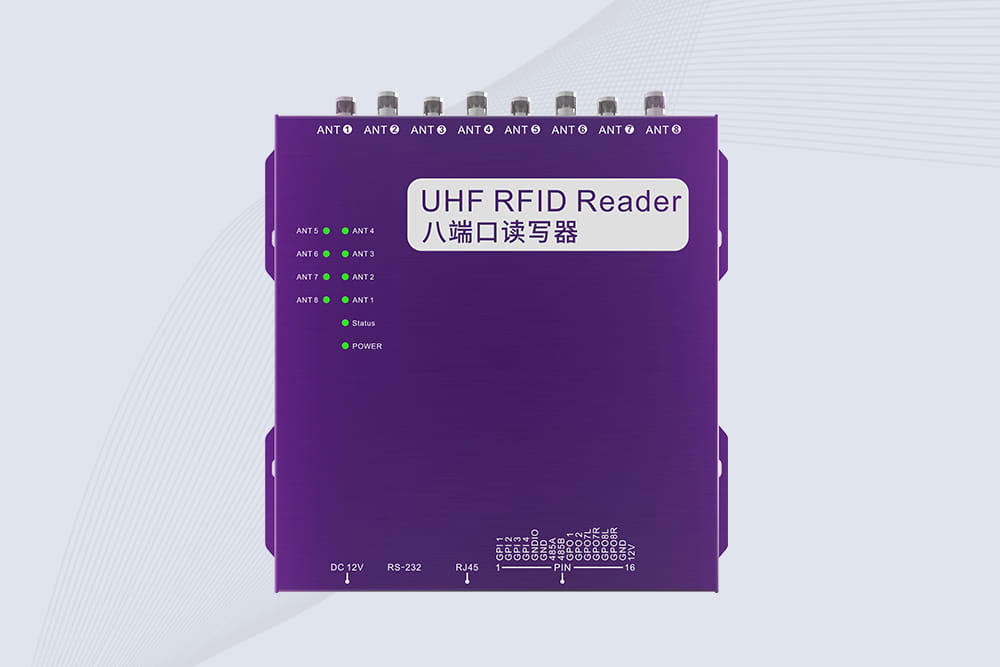
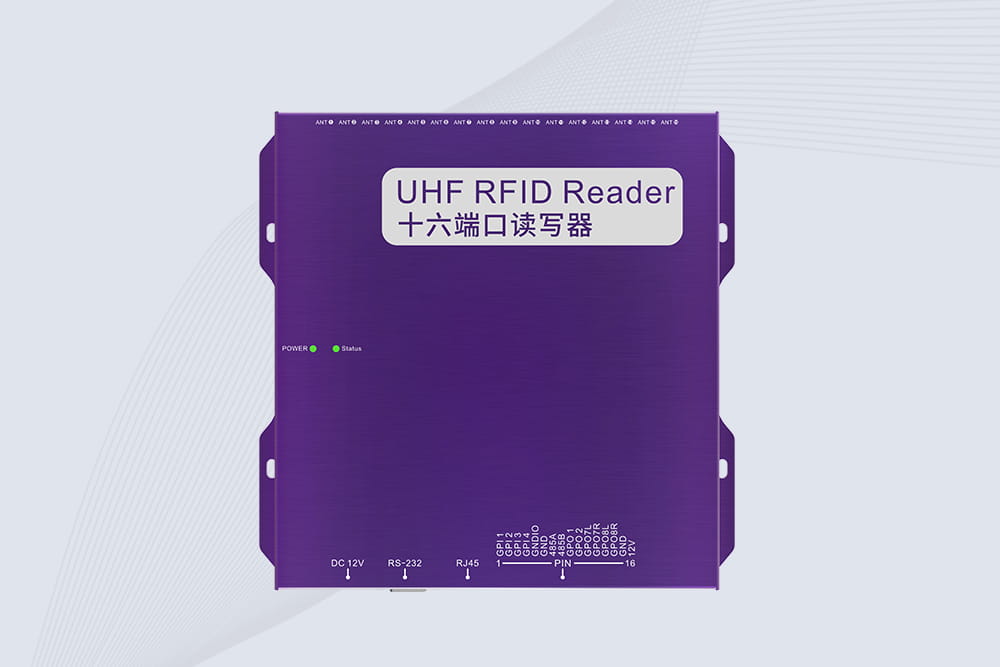
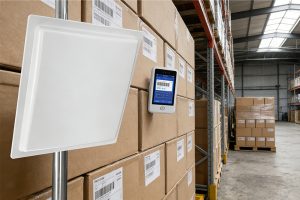
An RFID tracking system is a connected identification system that uses RFID tags, readers, antennas, and software to identify and record tagged objects as they move through defined locations. Unlike a barcode process that normally requires a direct scan, UHF RFID can identify multiple tagged items without positioning each label directly in front of the reader.
In practical deployments, the important question is not simply whether a reader can detect a tag. It is whether the system can produce reliable location and movement events at the points where the business actually needs them.
That distinction matters.
A warehouse may need to know when a pallet enters a receiving zone. A hospital may care about whether an infusion pump is in a storage room or already assigned to a department. A retailer may need item-level inventory visibility rather than a simple count at checkout.
The RFID system has to be designed around those events.
How an RFID Tracking System Works
A typical system contains four physical and software layers:
The reader does not inherently know that “a shipment has arrived” or “a tool has been returned.”
It receives tag observations.
The software determines what those observations mean.
GS1 describes RFID applications in which item-level identifiers are captured by readers and converted into inventory events, including receiving, replenishment, point-of-sale, and movement through the supply chain.
That is the part of RFID deployment that is often underestimated.
RFID Tracking Is More Than Tag Detection
During RFID implementation work, I tend to look at the read zone before looking at the dashboard.
A technically impressive interface cannot compensate for a poorly controlled RF environment.
For example, imagine a warehouse doorway with a fixed UHF reader. A pallet passes through the portal, but the antenna also catches tags sitting two meters away on a nearby rack. The reader is technically working. The tracking system is not.
This is why deployment decisions often include:
Antenna orientation and polarization
Reader transmit power
Read-zone dimensions
Tag placement
Tag sensitivity
Metal and liquid interference
Conveyor or vehicle speed
Reader-to-software event filtering
Physical separation between adjacent zones
RAIN RFID commonly uses passive UHF technology, with UHF Gen2 technology standardized internationally through ISO/IEC 18000-63.
For a real installation, however, the standard is only the beginning. The tag, reader, antenna, mounting surface, and surrounding materials determine what happens on the floor.
What Data Does an RFID Tracking System Capture?
An RFID tag generally provides an identifier. The surrounding system adds context.
A single read can become an event such as:
Tag ID → Reader → Antenna/Zone → Timestamp → Software Rule → Business Event
For example:
RFID Tag: EPC 3014… Reader: Receiving Door 02 Time: 08:42:17 Event: Goods Received Location: Warehouse A
That event can then update inventory records or trigger another application.
This is where RFID becomes operational rather than merely technological.
Auburn University RFID Lab field research has shown why this matters. In one retail experiment involving 62 stores and five product categories, RFID-enabled inventory processes were studied for their effect on inventory record inaccuracy. An earlier field experiment across 13 stores reported approximately a 26% reduction in inventory record inaccuracy when RFID data was used to adjust inventory records.
The figures should not be treated as a universal RFID guarantee. Product mix, tag placement, infrastructure, operating procedures, and system integration all affect results.
That caveat is important.
RFID Tracking System vs. Barcode Tracking
Capability
RFID Tracking
Barcode Tracking
Line of sight
Usually not required
Normally required
Multiple-item reading
Yes
Usually sequential
Item-level identification
Yes
Yes
Automatic zone detection
Possible
Limited
Manual scanning
Often reduced
Usually required
Environmental sensitivity
Tag/application dependent
Label visibility dependent
Real-time event capture
Strong when properly deployed
More operator-dependent
GS1 identifies RAIN RFID as a technology capable of increasing supply-chain visibility and inventory accuracy.
But RFID should not automatically replace every barcode.
For low-volume transactions where an employee already holds an item and deliberately scans it, barcode can remain cheaper and simpler. RFID becomes particularly interesting when many objects must be identified quickly or when the act of scanning itself is the bottleneck.
Where RFID Tracking Systems Are Used
The architecture can be adapted to very different operating environments.
Warehouse and Logistics
RFID can be deployed at:
Receiving doors
Shipping portals
Conveyor lines
Storage areas
Return processing stations
Pallet and carton checkpoints
The objective is usually to capture movement without requiring workers to scan every individual item.
Retail
Item-level RFID can support:
Inventory counting
Replenishment
Omnichannel fulfillment
Self-checkout
Loss prevention
Product location
Returns
A GS1 retail study reported RFID inventory accuracy levels of 93–99% among participating retailers, with inventory accuracy improving by more than 50% in the cases studied.
Again, those are reported study results—not a guaranteed performance specification for every installation.
Hospitals and Asset Management
RFID tracking can be used for equipment and inventory visibility, particularly where staff spend time searching for mobile assets.
The system can associate a tagged object with defined reader zones rather than attempting to provide GPS-style continuous positioning.
That difference prevents unrealistic expectations.
Cykeo Perspective: Design the Event, Then Design the Reader
At Cykeo, an RFID project should start with the physical event:
What needs to be recognized, where, how quickly, and under what conditions?
Only then should the reader and antenna configuration be selected.
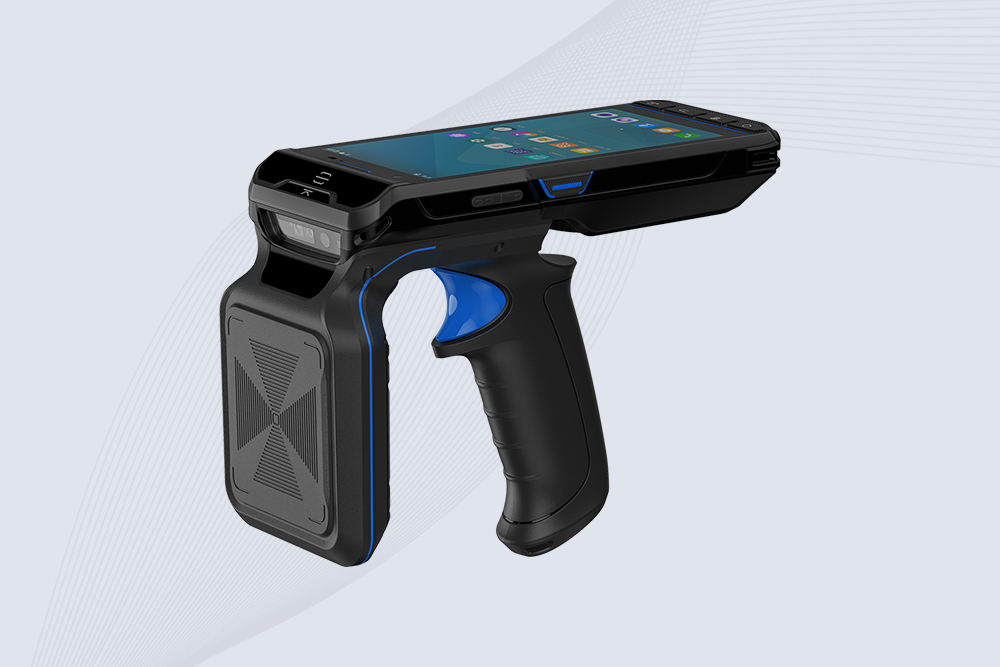
For a controlled doorway, an integrated UHF RFID portal may make sense. For a workbench, a short-range reader may be better. For mobile inventory counting, a handheld reader can be more practical. For metal tools, the tag construction becomes critical before reader selection even begins.
The reader is only one component.
The useful system is the combination of tag + RF environment + reader + middleware + business database + operating process.
That is what makes what is rfid tracking system a system-design question rather than simply a definition of RFID.
Cykeo RFID Technical Advantages
A useful RFID tracking system is not created by maximizing reader power. It is created by controlling where a tag can be detected, what that detection means, and how quickly the event reaches the business system.
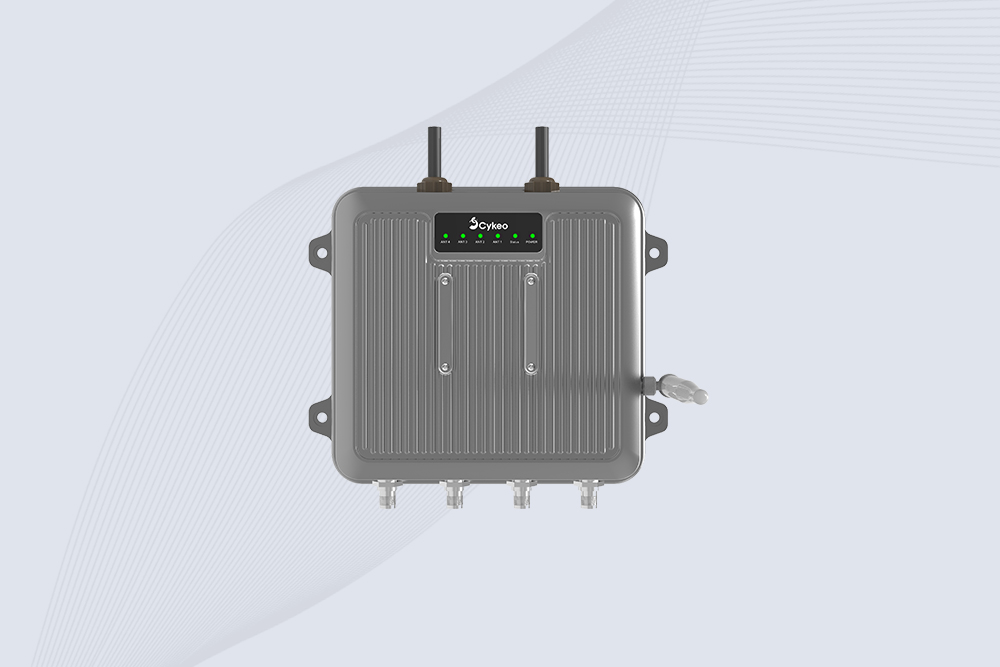
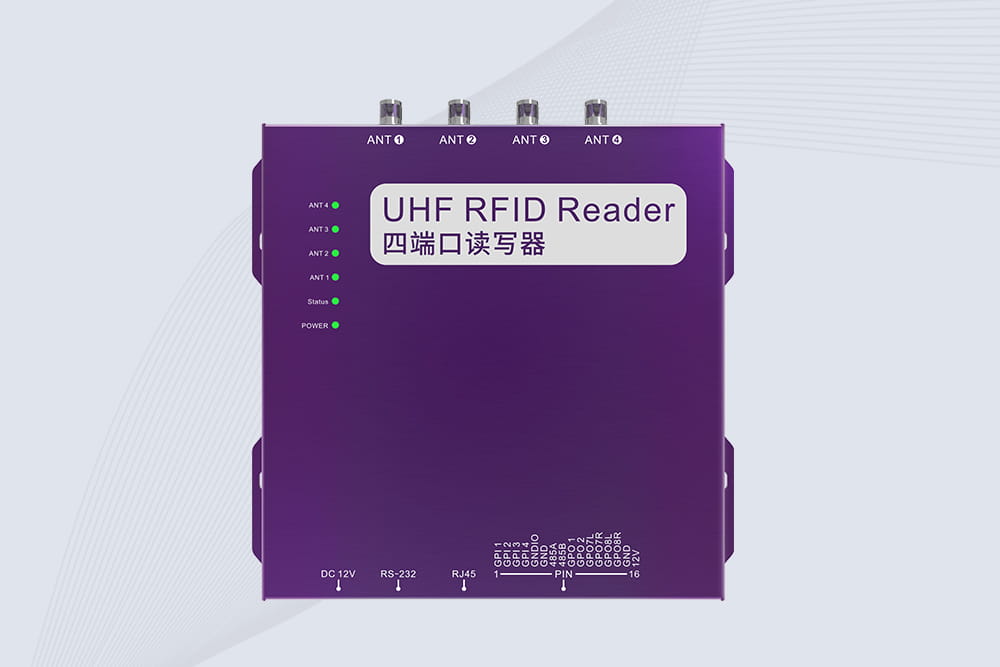
Cykeo’s UHF RFID solutions are designed around this principle, with reader, antenna, tag, communication interface, and software integration treated as one deployment rather than isolated hardware.
For applicable Cykeo UHF reader platforms, technical capabilities can include:
Up to 33 dBm RF output, with adjustable transmit power
Multi-tag identification and anti-collision processing
Support for ISO 18000-6C / EPC C1G2
Support for selected ISO 18000-6B and GB/T29768-2013 applications
Ethernet or serial communication options depending on model
Adjustable output power for controlling read-zone behavior
SDK/API integration for host applications
Filtering and tag-data processing at the reader/software layer
The practical advantage is not simply a longer read distance. In a warehouse or retail environment, excessive range can actually create false events.
A reader that sees the correct 20 items inside a checkout zone is more useful than one that sees 80 items, including products sitting on the neighboring shelf.
RFID System Architecture Deep Dive
A production RFID tracking system normally has several layers.
1. RFID Tag Layer
Each physical asset receives an RFID tag containing an identifier such as an EPC.
The tag becomes the digital identity of the physical object.
For example:
Product → EPC → Database Record → Inventory Status
GS1 explains that EPCs provide unique identifiers for physical objects, unit loads, locations, and other business entities. GS1 also notes that UHF passive RFID, commonly called RAIN RFID, is widely implemented for supply-chain applications.
2. Reader and Antenna Layer
The RFID reader generates the RF interrogation field and receives responses from tags.
The antenna determines much of the physical read zone.
This is where field engineering becomes important.
A portal positioned beside a metal rack behaves differently from the same reader mounted in an open corridor. A tag attached directly to steel behaves differently from a paper label attached to cardboard.
For that reason, we normally evaluate:
Tag material and mounting surface
Antenna polarization
Reader output power
Antenna height
Tag orientation
Expected item density
Movement speed
Nearby RF reflections
Required read-zone boundaries
3. Edge Processing and Middleware
Raw tag observations are rarely suitable as business events.
The middleware can remove duplicate reads, apply time windows, associate antenna ports with locations, and determine whether a tag has actually crossed a defined checkpoint.
A simplified event structure looks like:
EPC → Reader ID → Antenna Port → Timestamp → Zone → Business Event
GS1 identifies LLRP, Reader Management, and Application Level Events among the standards used around RFID software and reader communication.
4. Business Application Layer
The final layer connects RFID events with:
WMS
ERP
POS
Inventory databases
Retail management systems
Hospital asset systems
MES
Cloud platforms
Custom enterprise software
This is where an RFID “read” becomes something operational:
Received → Stored → Picked → Shipped → Sold → Returned
That distinction is central to a serious RFID deployment.
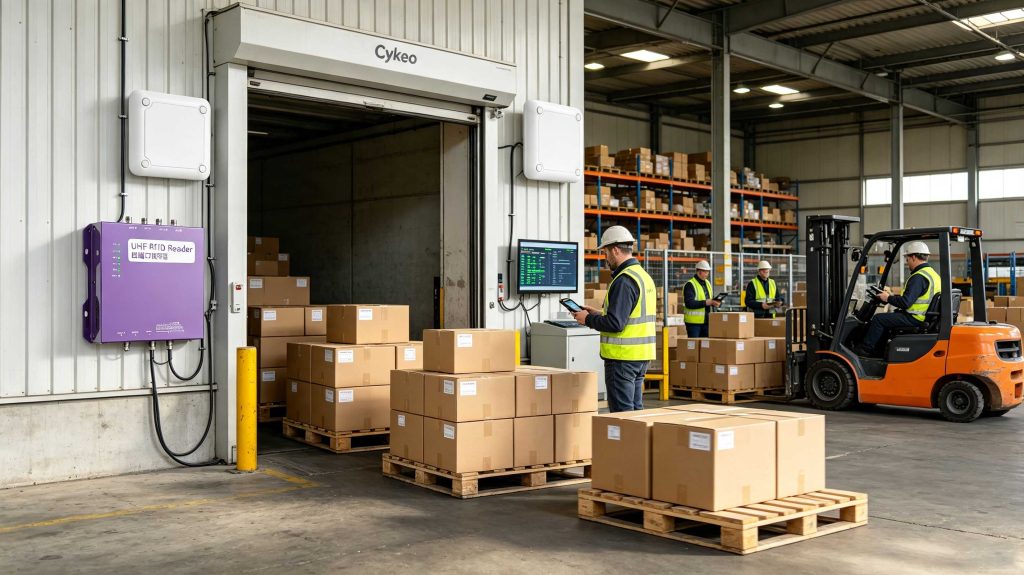
A controlled RFID read zone captures multiple tagged items as they pass through a warehouse receiving checkpoint.
RFID Tracking Performance: What Should Actually Be Measured?
Read distance is only one specification.
A better acceptance test measures several variables together.
Performance Factor
What to Measure
Read rate
Percentage of expected tags successfully detected
Read speed
Tags processed per unit of time
False reads
Tags detected outside the intended zone
Read-zone control
Physical boundary of reliable detection
Tag orientation
Performance under realistic placement
Dense-tag performance
Behavior when many tags are present
Write performance
Reliability when tag memory must be changed
Event latency
Time from physical read to database update
Integration reliability
Reader-to-WMS/ERP communication stability
GS1 specifically recommends evaluating factors such as inventory volume, labor requirements, required accuracy, real-time visibility, and whether individual items can be scanned with line of sight when deciding between barcode and RAIN RFID.
That is a better starting point than asking for a theoretical “maximum reading distance.”
RFID vs Barcode: Where the Difference Becomes Operational
Barcode remains extremely effective when an operator intentionally scans one known item.
RFID changes the workflow when the system needs to recognize many items without individually aiming a scanner.
Requirement
RFID
Barcode
Multiple-item identification
Strong
Usually sequential
Direct line of sight
Not normally required
Normally required
Automated doorway detection
Strong
Limited
Fast bulk inventory
Strong
Labor intensive
Low-cost single-item identification
Moderate
Excellent
Existing barcode infrastructure
Requires additional hardware
Already widespread
Automatic movement events
Strong potential
More dependent on operator action
GS1 notes that RAIN RFID can capture tags without line-of-sight contact and can read multiple tagged items within range, making it particularly relevant where large inventories would otherwise require substantial scanning labor.
RFID does not make barcode obsolete.
In many real deployments, the stronger architecture is RFID + barcode, with each technology handling the task it performs best.
RFID Industry Case Studies
Retail: Item-Level Inventory and Checkout
Fashion retail is one of the clearest examples.
A garment can receive a UHF RFID tag during production or distribution. At the store, fixed readers, handheld readers, smart shelves, or RFID-enabled checkout equipment can identify products without requiring the employee to scan each barcode manually.
Research from Auburn University provides useful field evidence rather than marketing estimates. One study covered 13 stores over 23 weeks, while a second expanded to 62 stores and five product categories. The first study reported approximately a 26% reduction in inventory record inaccuracy associated with RFID-enabled visibility. Across categories in the second study, the reported effect ranged from no statistically significant improvement to 81%, showing why RFID performance depends heavily on the product and operating environment.
That variation is important.
RFID is not a universal “26% improvement” button.
It works best when the underlying inventory problem is clearly understood.
A fixed reader can automatically record tagged items passing through a controlled portal. Handheld RFID readers can then support exception handling and cycle counts.
The warehouse gains something barcode alone struggles to provide: a continuous stream of identification events without requiring an employee to deliberately scan every package.
Hospitals
Hospitals have a different problem.
The expensive item is not necessarily the inventory unit. It may be the staff time spent looking for equipment.
RFID can be applied to:
Medical equipment
Surgical instruments
Linen
Consumables
Pharmacy inventory
Mobile devices
The system can associate a tag with a room, department, storage zone, or checkpoint.
The goal is not GPS-level positioning unless additional infrastructure supports that requirement. In many projects, zone-level visibility is sufficient.
Manufacturing and Tool Management
RFID tags can be attached to tools, work-in-process materials, containers, and production assets.
For metal objects, however, ordinary labels are not automatically suitable. An on-metal RFID tag may be necessary because the metal surface changes antenna behavior.
This is one of the places where tag selection matters more than a reader datasheet.
RFID Deployment Strategy
A controlled pilot is usually more informative than a large first-stage installation.
Phase 1 — Define the Business Event
Start with one measurable event:
“A pallet has entered receiving.”
“A garment has been sold.”
“A tool has left the tool room.”
“A medical device has moved into another department.”
Phase 2 — Test the Physical Environment
Test actual tags on actual products.
Do not test only a loose tag on a laboratory table.
Include:
Real packaging
Real shelving
Metal surfaces
Liquids where applicable
Maximum expected tag density
Actual worker movement
Realistic tag orientation
Phase 3 — Establish the Read Zone
Adjust antenna position and reader power until the system can distinguish:
inside the zone from outside the zone.
This is often the most important engineering step.
Phase 4 — Connect the Business System
Map RFID events into the WMS, ERP, POS, or other application.
Avoid sending every raw read directly into the business database. Filtering and event logic should happen before the transaction layer whenever practical.
Phase 5 — Measure Before Scaling
Track:
Read success rate
False-positive rate
Event latency
Labor time
Inventory accuracy
Transaction throughput
Maintenance frequency
Only after these numbers stabilize should additional portals or zones be added.
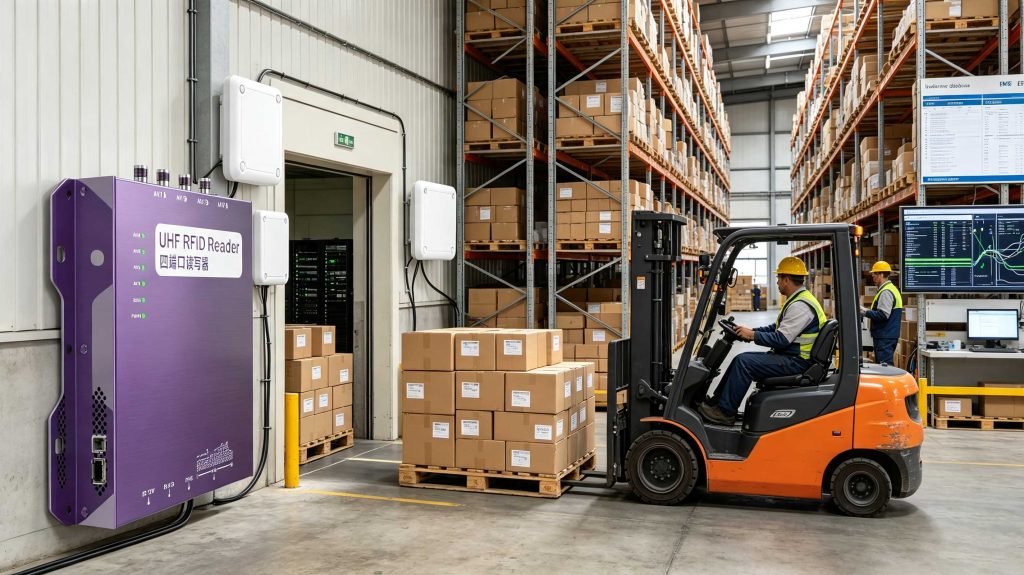
A practical RFID tracking architecture connects physical tagged assets with readers, event processing, and enterprise applications.
FAQ: RFID Tracking Systems
1. Can RFID track an item in real time?
RFID can provide near-real-time identification events when readers are positioned at relevant zones. Passive UHF RFID does not inherently provide continuous GPS-style location.
2. How far can an RFID tracking system read?
The practical range depends on tag design, reader power, antenna configuration, frequency regulations, orientation, and surrounding materials. A published maximum range should never replace an on-site RF test.
3. Can RFID read multiple tags simultaneously?
Yes. UHF RFID uses anti-collision mechanisms that allow readers to identify multiple tags within the RF field. GS1 identifies high-speed multi-tag capture as a key characteristic of RAIN RFID.
4. Does RFID require line of sight?
Passive UHF RFID generally does not require optical line of sight. However, materials, tag orientation, metal, liquids, and physical obstruction can strongly influence performance.
5. Is RFID better than barcode?
Not universally. Barcode is often more economical for deliberate single-item scanning. RFID becomes more compelling when bulk identification, automated movement detection, or reduced manual scanning is important.
6. Can RFID connect to an existing WMS or ERP?
Yes. RFID readers can communicate with middleware and enterprise applications through interfaces such as Ethernet, serial communication, APIs, or standardized reader protocols, depending on the hardware architecture.
7. What is the biggest RFID deployment mistake?
Choosing the reader before testing the tag and environment. The strongest reader cannot compensate for an unsuitable tag, uncontrolled read zone, poor antenna placement, or weak event-processing logic.
SEO Ending
The most useful way to understand what is rfid tracking system is to stop thinking of RFID as a reader that “scans” objects.
It is an identification infrastructure.
The tag gives the object a digital identity. The reader detects it. The antenna defines where detection happens. Middleware turns repeated RF observations into meaningful events. Enterprise software turns those events into inventory, logistics, retail, hospital, or manufacturing actions.
Cykeo approaches RFID deployment from that complete system perspective—because reliable tracking is ultimately determined by what happens between the tag and the business decision.
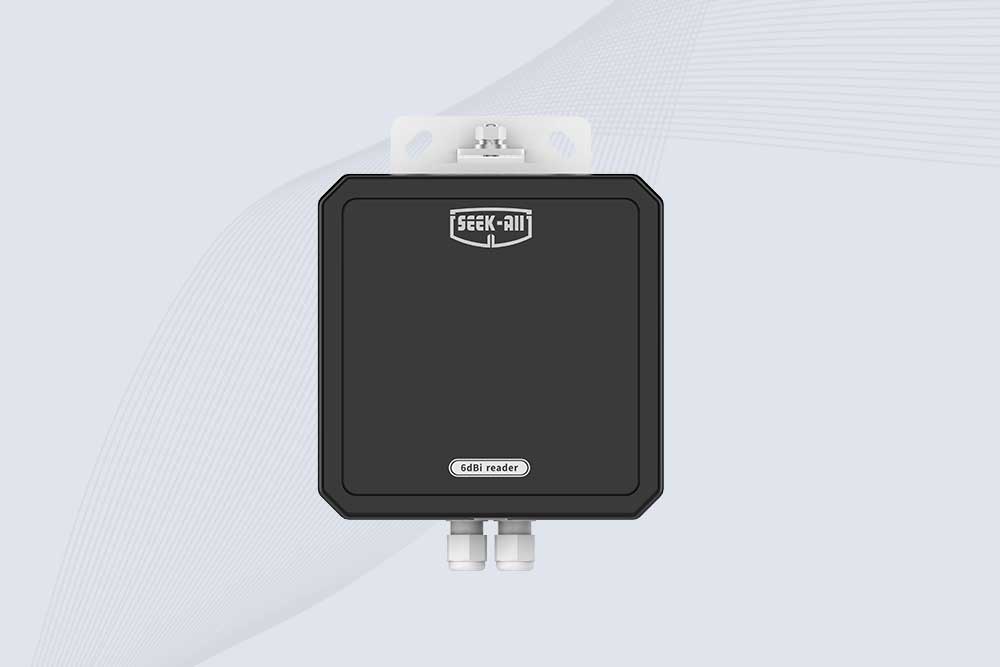
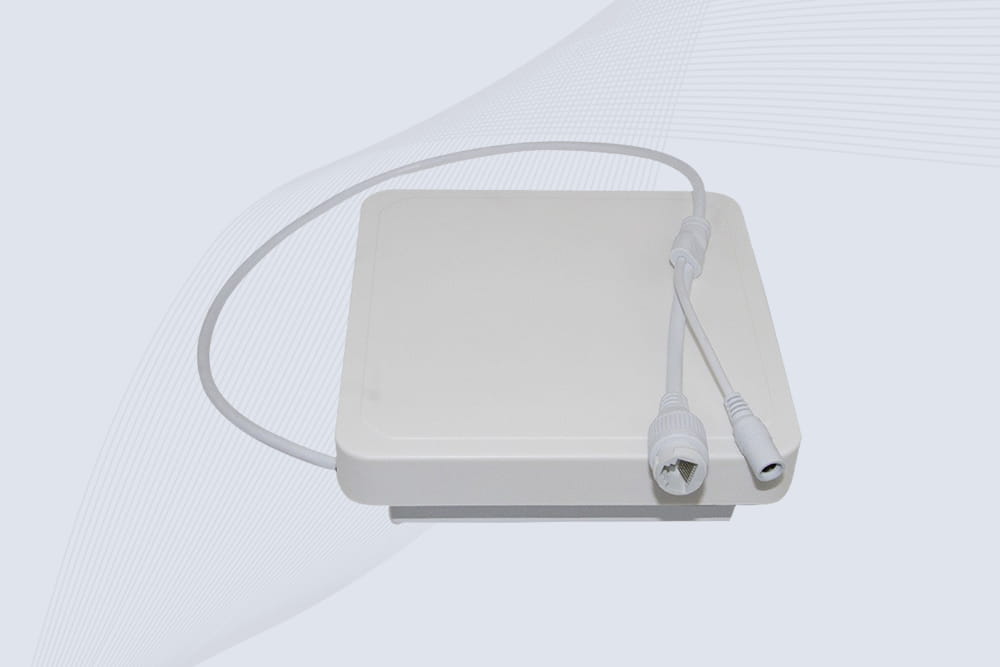
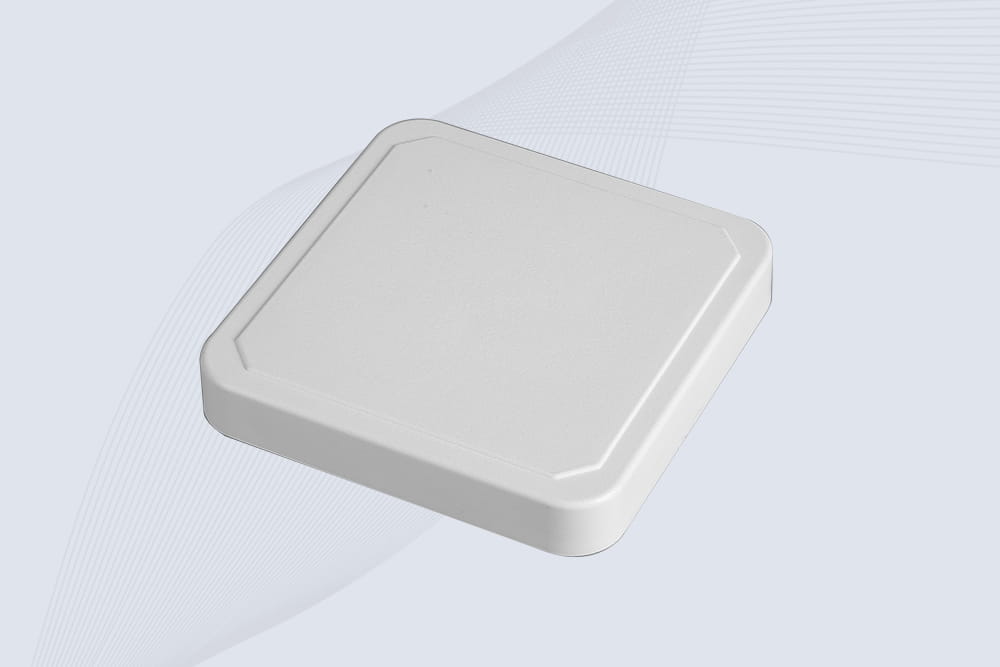
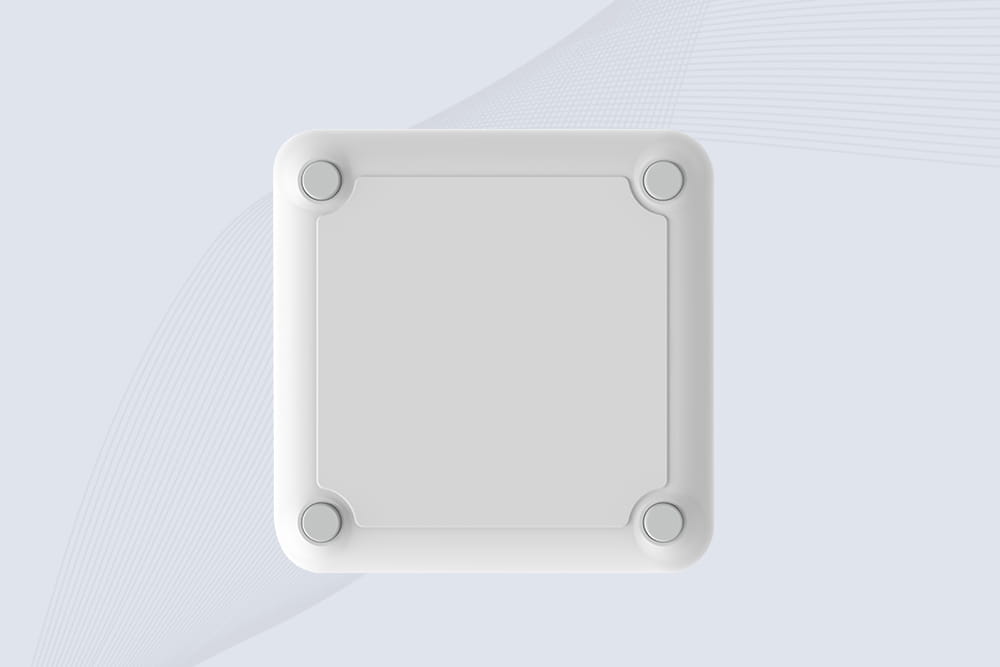
SSD-RA06L is an industrial UHF RFID reader with a built-in 6 dBi antenna, 3 m read range, 600+ tags/s, Ethernet, RS232, and optional Wi-Fi, 4G, and PoE.
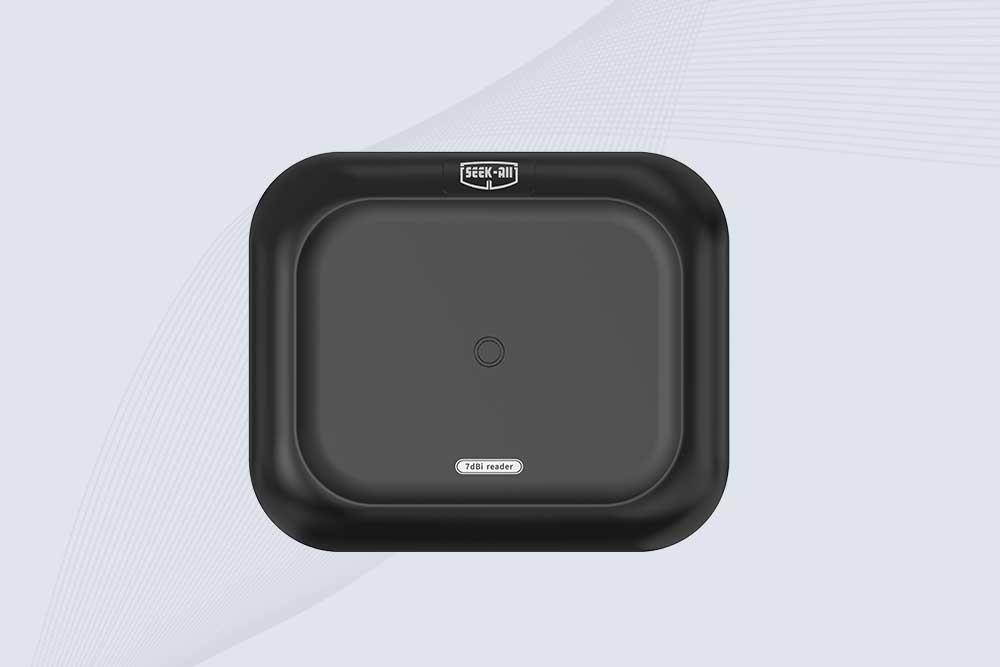
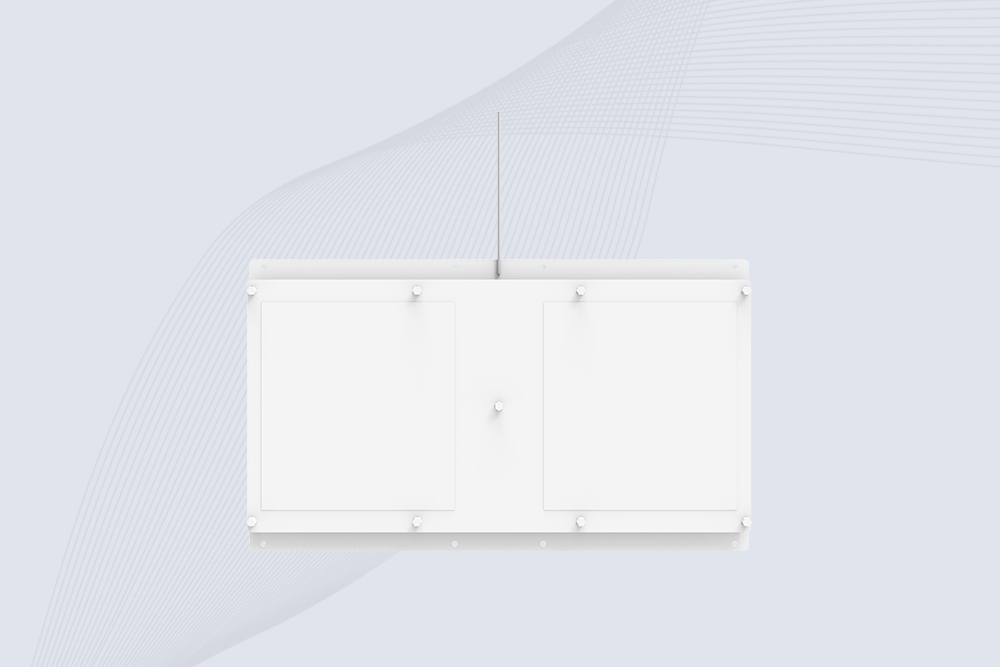
SSD-RA07L industrial UHF RFID reader with integrated 7 dBi antenna, up to 6 m reading distance, over 600 tags/s, Ethernet, RS232, and optional Wi-Fi, 4G, and PoE.
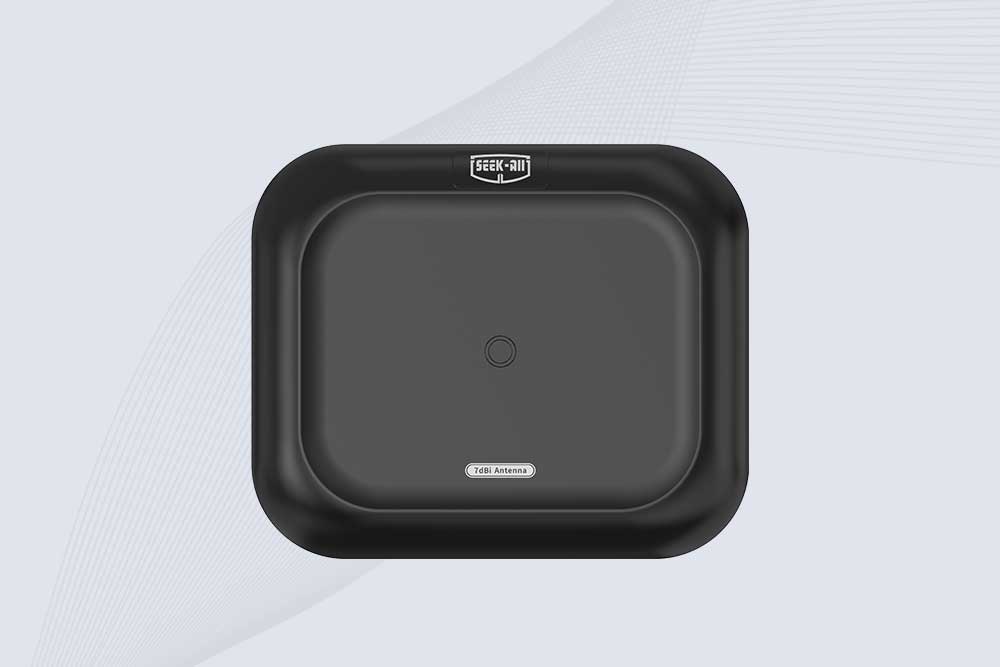
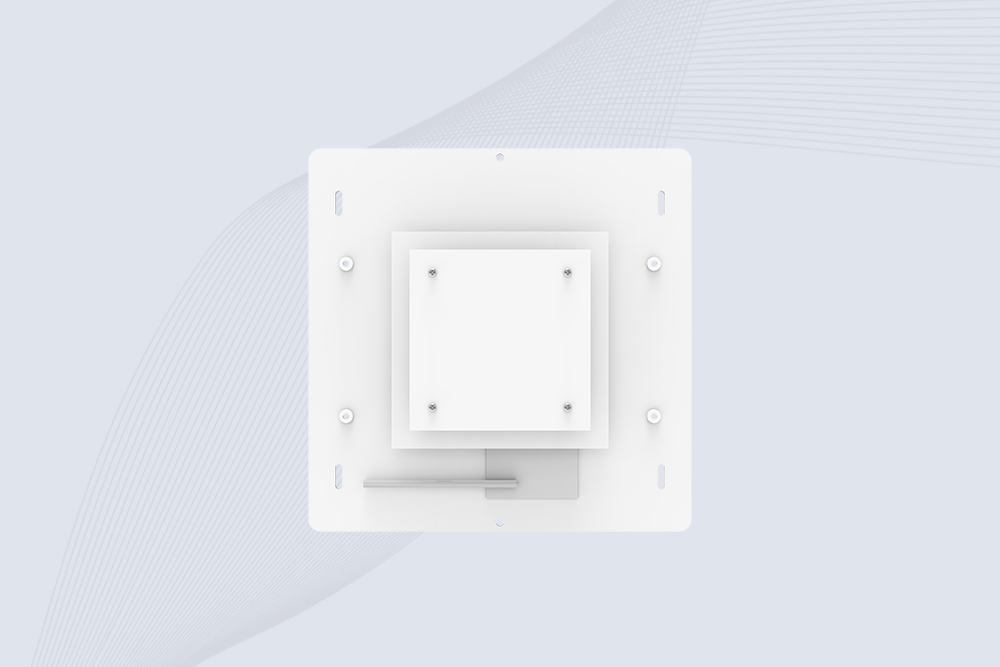
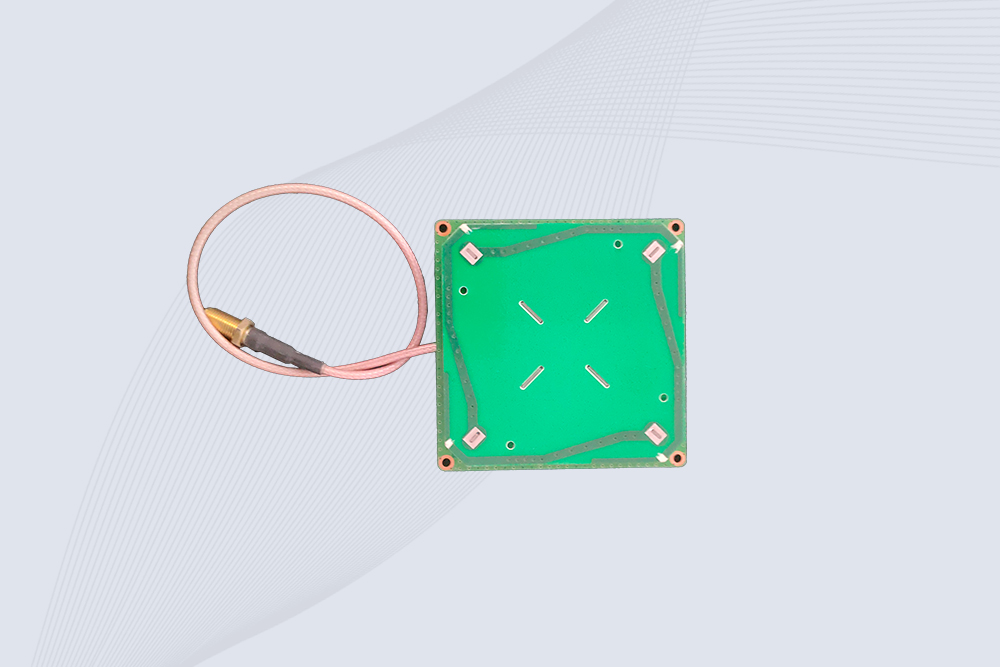
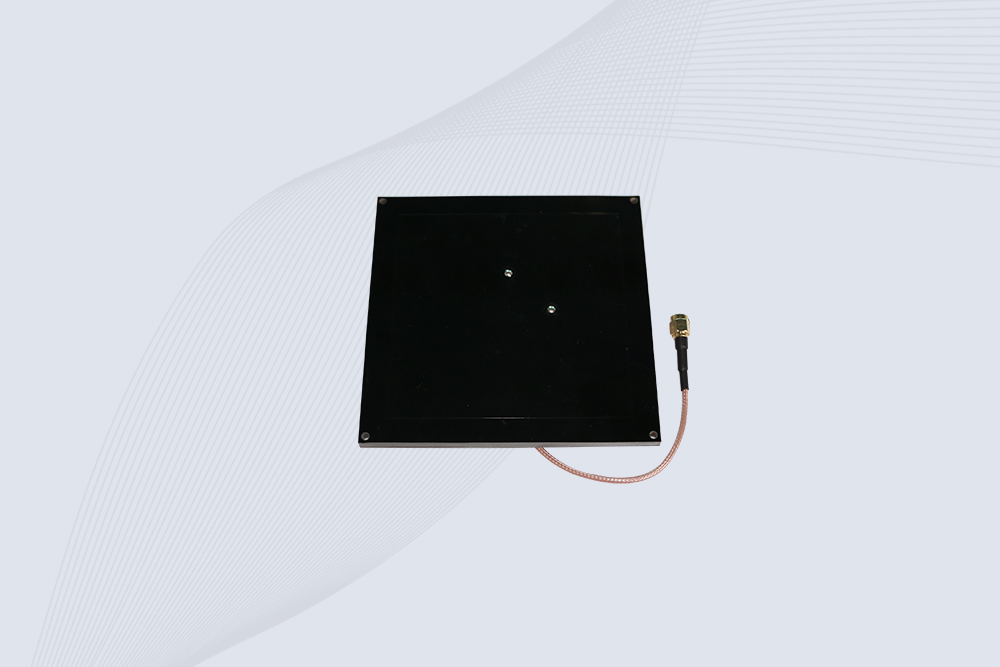
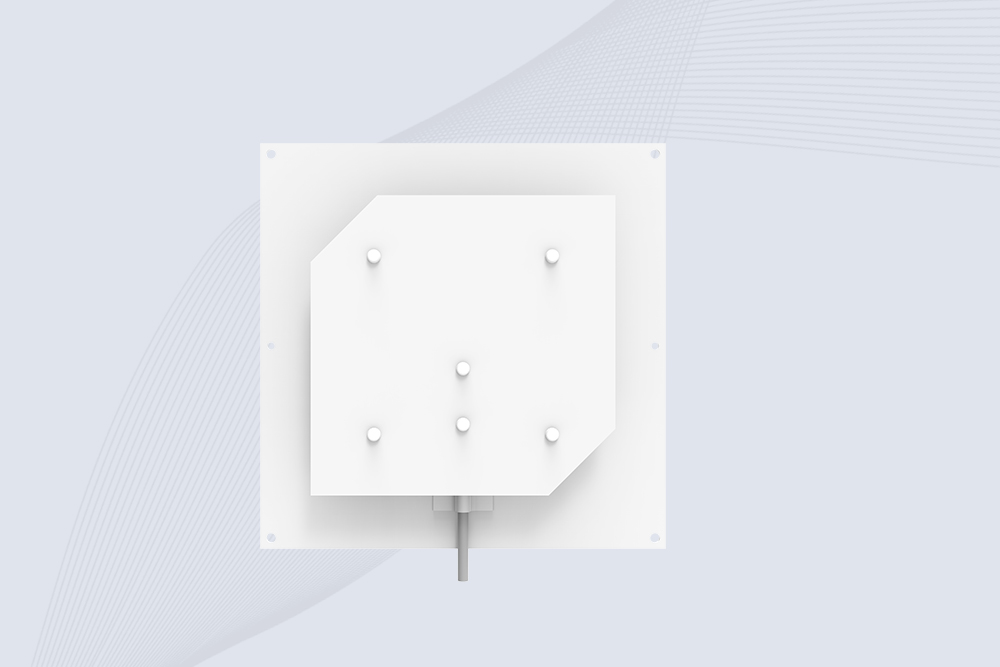
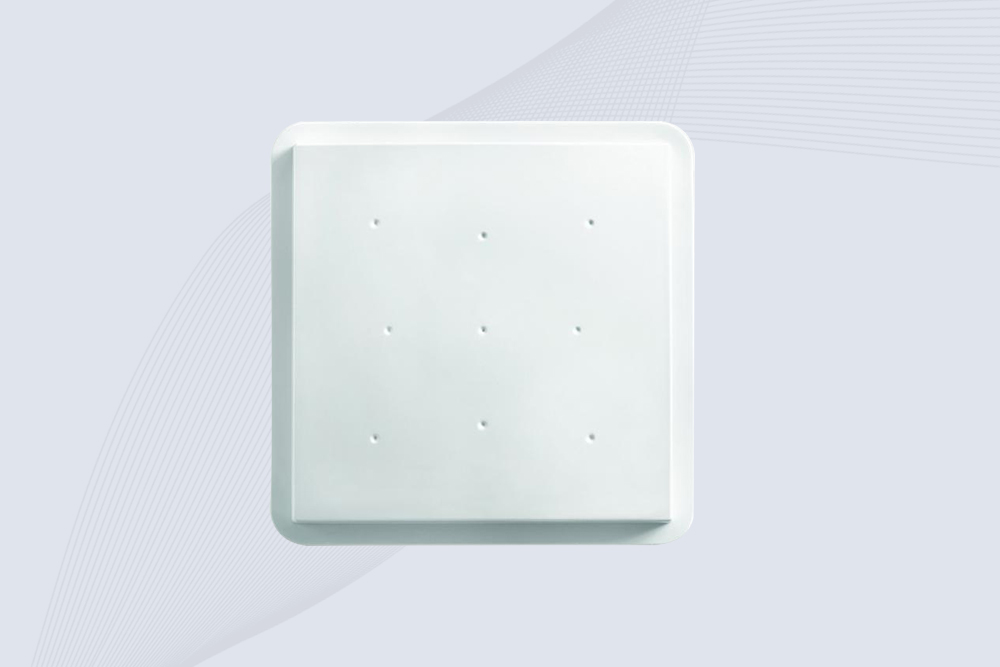
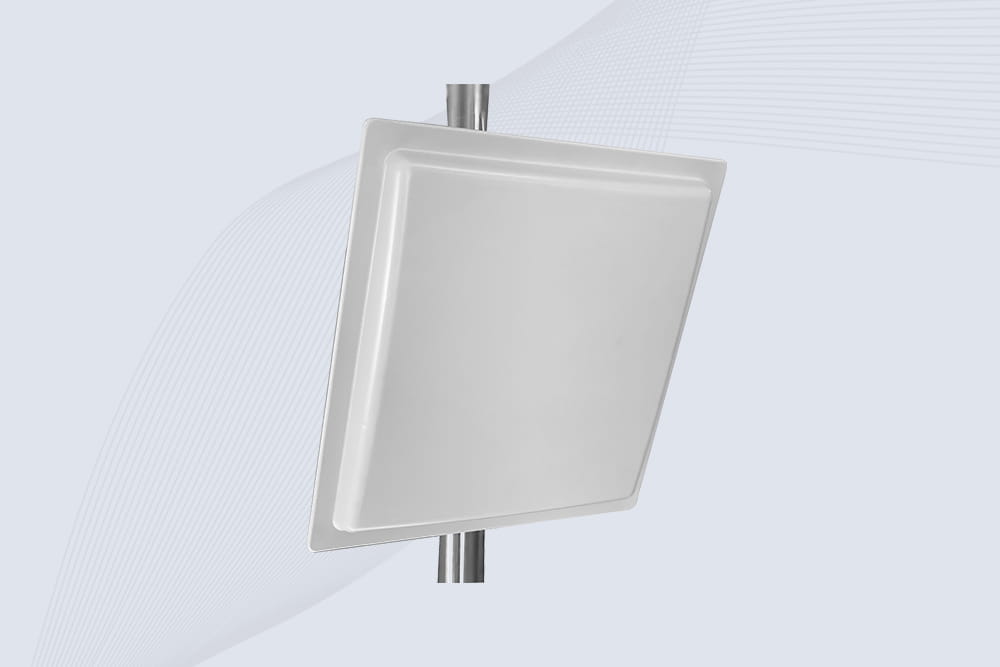
Explore the SSD-A07 UHF RFID antenna with 7 dBi gain, circular polarization, adjustable 840–960 MHz frequency, and 60°/75° beamwidth for stable RFID read/write performance.
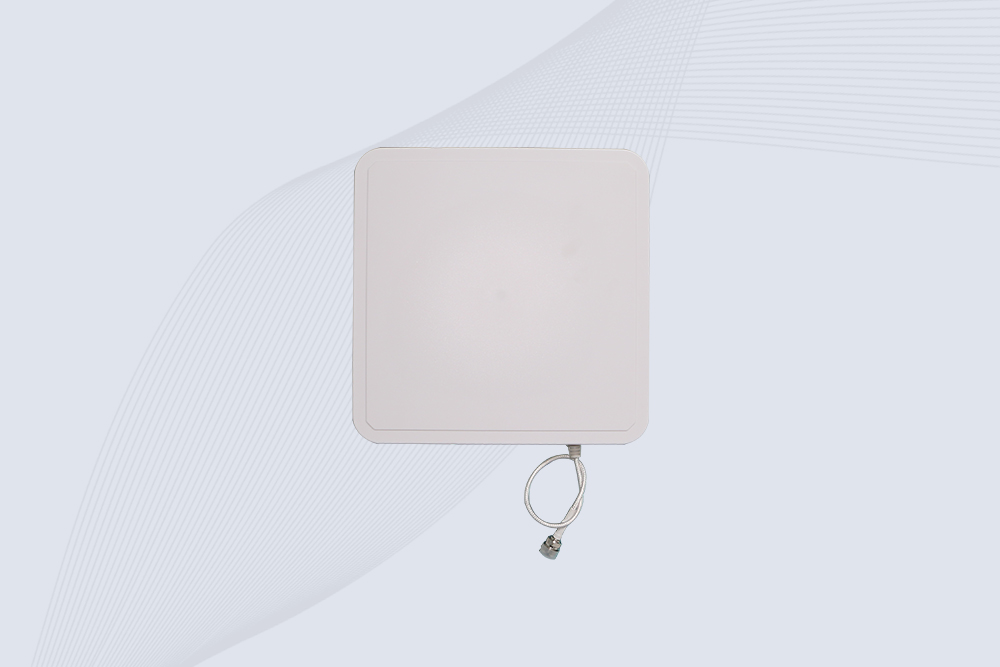
SSD-A06 UHF RFID antenna with circular polarization, adjustable 840–960 MHz frequency, ≥4.5 dBi gain, and a compact directional design for RFID systems.
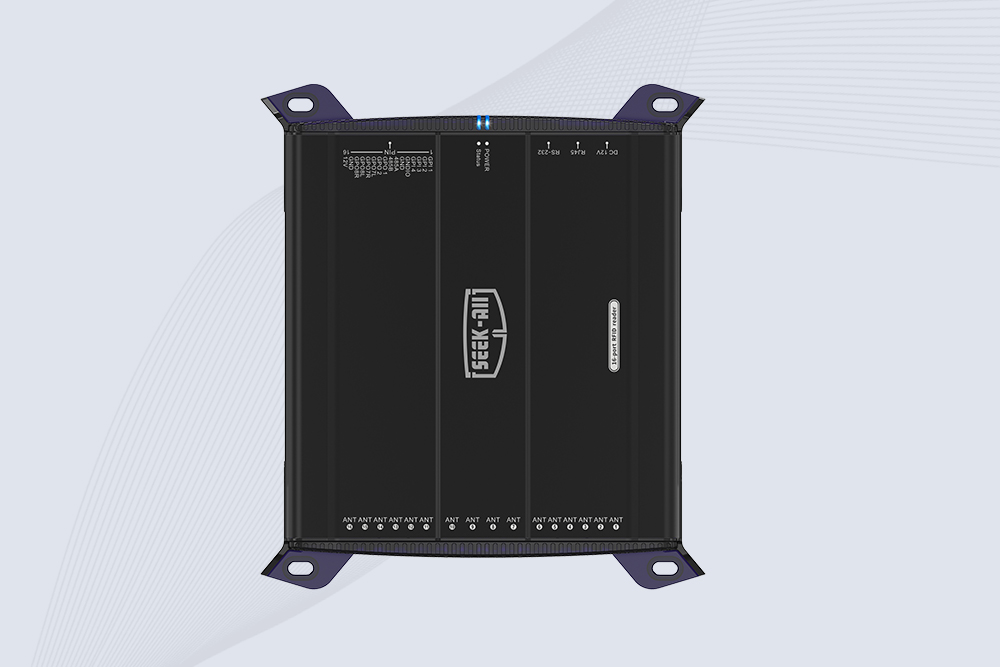
SSD-R16L Multi-Channel RFID Infrastructure for Automated Inventory Management ✔️ 16-Port High-Density RFID Reading Equipped with 16 SMA antenna ports, SSD-R16L supports multi-antenna deployment for warehouses, retail stores, logistics, production lines, and large-area RFID identification. ✔️ High-Speed & Long-Range Performance With up to 33…
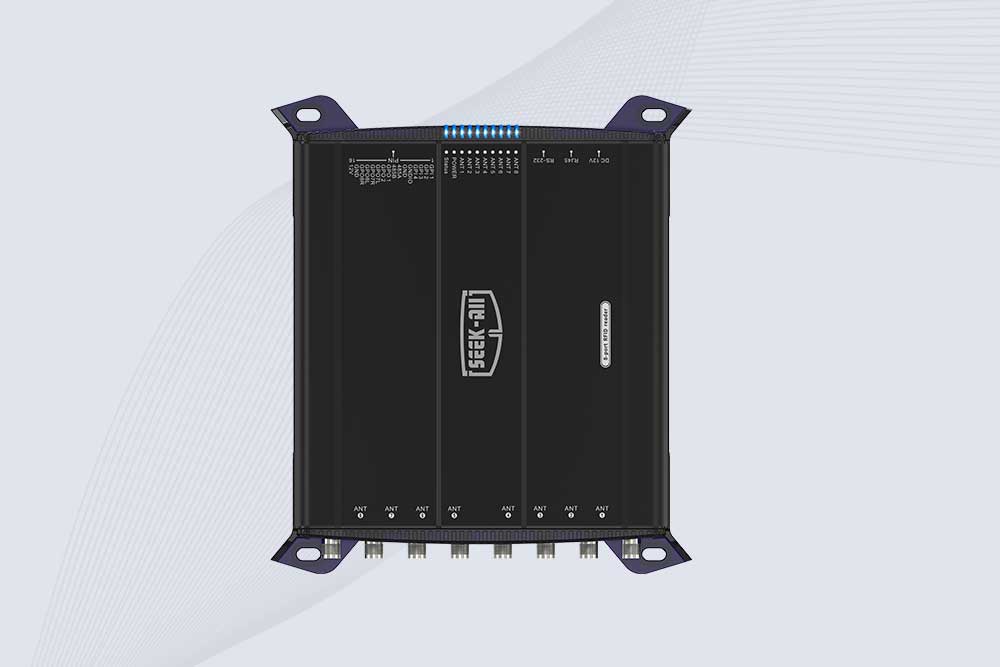
SSD-R8L 8-port UHF RFID reader with 33dBm output, up to 20m reading range and 600+ tags/s recognition. Ideal for warehouse, logistics, retail and asset tracking.
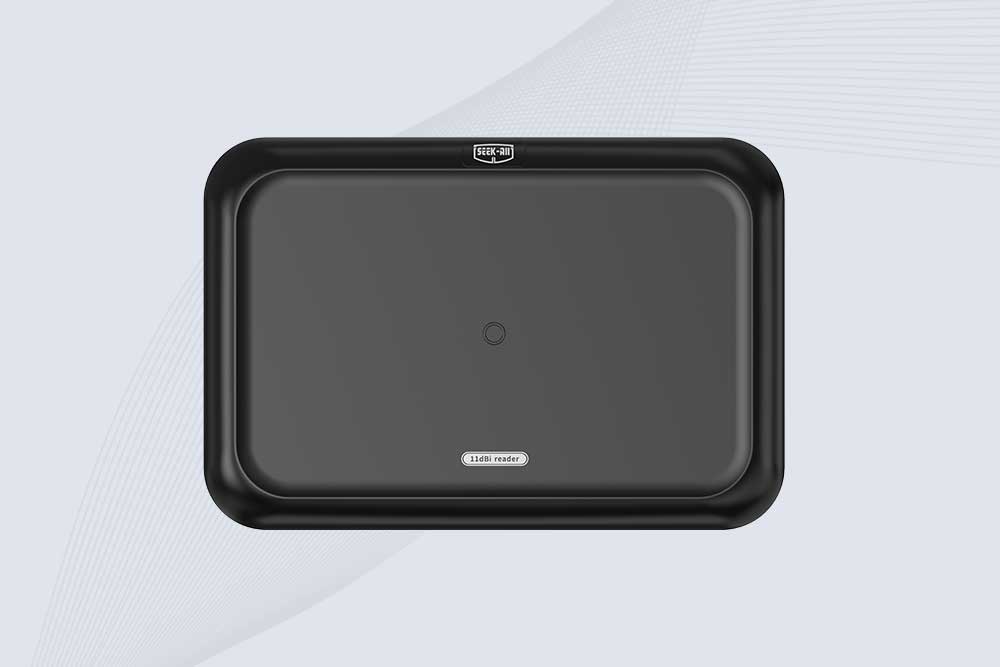
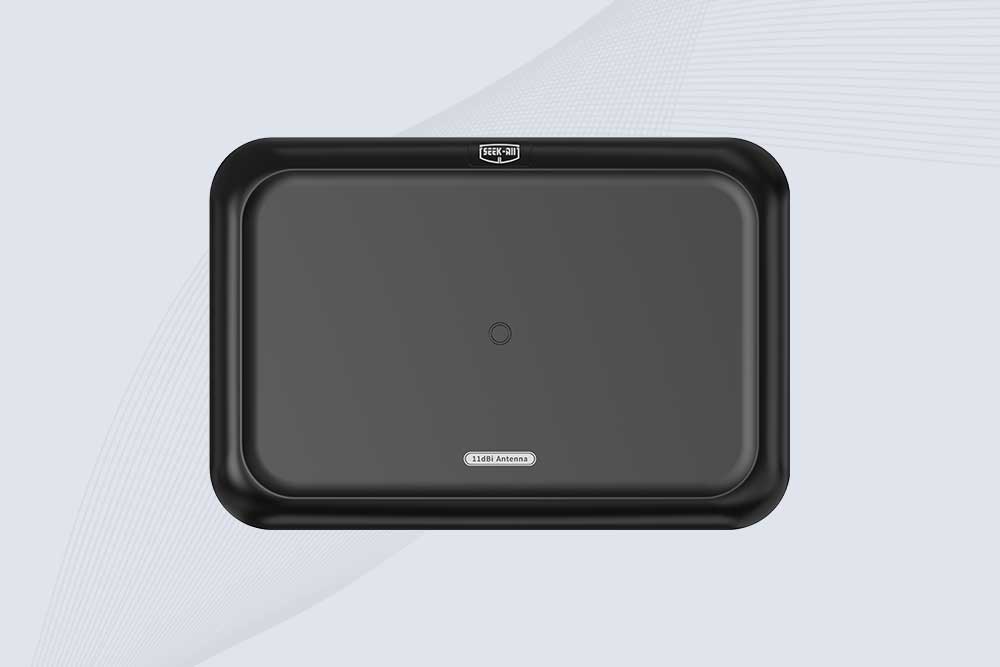
Cykeo CYKEO-A11 UHF RFID reader antenna delivers 11dBi gain, 840-960MHz frequency range, and IP65 ruggedness for retail, logistics, and industrial RFID systems. Features low VSWR and easy installation.
CYKEO Antenna RFID Reader delivers stable long-range UHF performance with a 10.5dBi directional design, built for warehouses, conveyor portals, and industrial RFID systems. This rfid reader antenna provides 20m+ read distance and rugged IP67 protection.
Cykeo CYKEO-A5B industrial Linear RFID Antenna delivers 5dBi gain, ≤1.5:1 VSWR, and IP65 rugged design for warehouse, production line, and logistics UHF systems.
Cykeo’s CYKEO-B12 Long Range RFID Antenna delivers 15m+ read range with 12dBi gain, IP65 rugged design, and global 840-960MHz UHF support. Ideal for warehouse/logistics asset tracking.
Cykeo CYKEO-B10 Long Distance RFID Antenna offers 10dBi gain, 840-960MHz frequency range, IP65 rating, and 20m+ coverage for logistics/warehousing/ETC systems. Low VSWR ensures stable signal transmission.
Cykeo CYKEO-A6 UHF RFID panel antenna features 6dBi gain, 840-960MHz broadband, IP65 metal-ready housing for logistics/smart retail. 18mm ultra-thin design with tool-free mounting.
Cykeo CK-A3 industrial antenna RFID UHF offers 5m+ tag detection, ≤1.3:1 VSWR, IP65 rugged design, and global UHF spectrum compatibility (840-960MHz) for warehouses, factories, and retail.
Cykeo CYKEO-B5 directional RFID antenna provides 5dBi gain with 60° narrow beamwidth for precise inventory tracking. IP65-rated, global UHF frequency support, and low VSWR.
Create your own high-performance DIY RFID antenna! 5dBi gain, 840-960MHz tunable, step-by-step guides. Compatible with Arduino, Raspberry Pi, and commercial UHF readers.
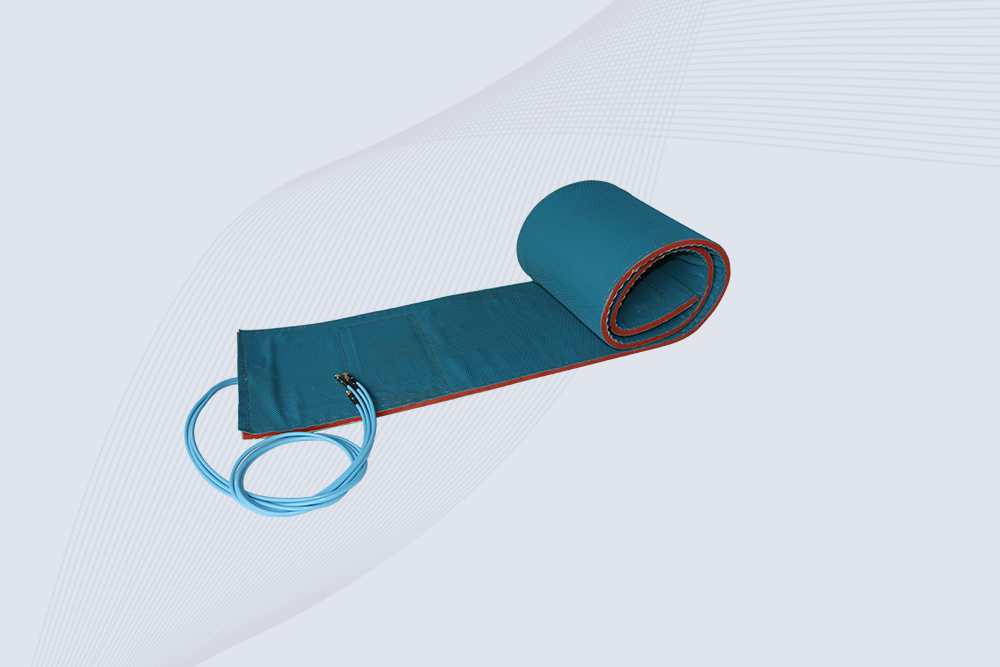
Cykeo CYKEO-A7 Flexible RFID Antenna features 840-960MHz wideband tuning, 7dBi gain, and IP68 rating for medical/retail/industrial curved surface deployments. 98% read accuracy with peel-and-stick installation.
Cykeo CYKEO-B5A industrial Passive RFID Antenna delivers 5dBi gain, 70° beamwidth, and -40°C~55°C operation for warehouses/smart cabinets. Compatible with Zebra/Impinj readers.
Cykeo’s CYKEO-A9B High Gain RFID Antenna delivers 15m+ read range with 9dBi amplification. Features IP54 rugged design, 840-960MHz bandwidth, and 80° beamwidth for warehouse/manufacturing RFID systems.
Cykeo’s enterprise-grade 8dbi Impinj RFID Antenna 10m+ read range with 840-960MHz tuning. Features IP65 housing, 1.4 VSWR, 35° beamwidth for retail/warehouse RFID systems.
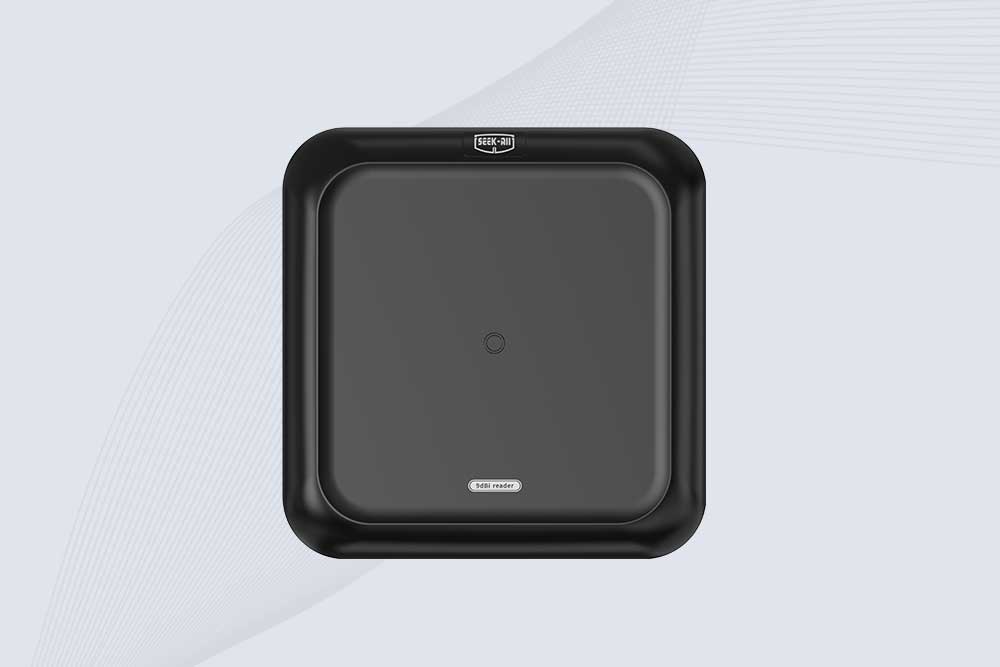
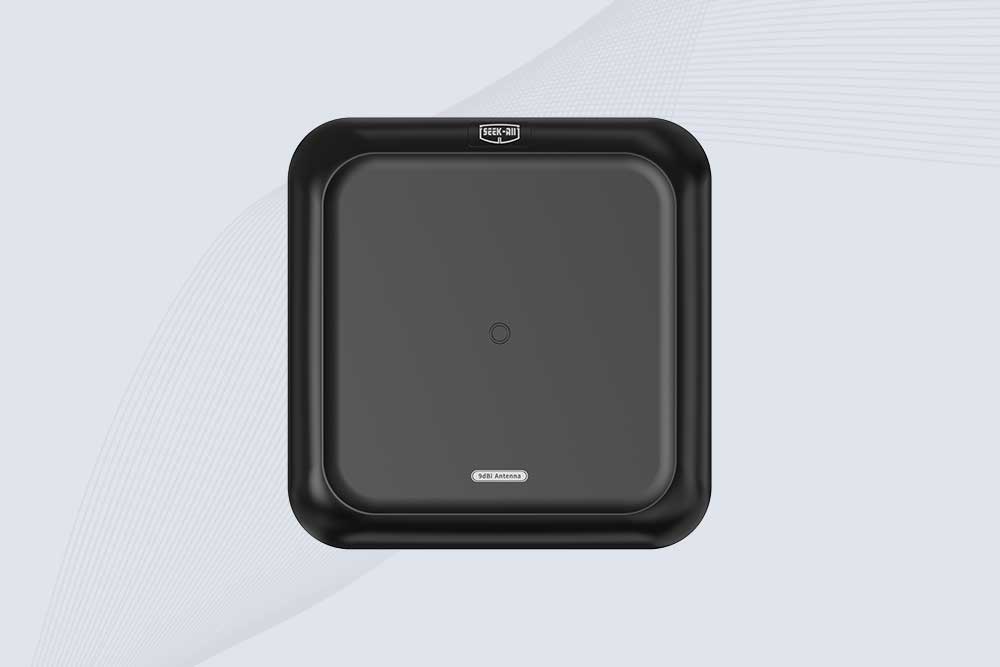
Cykeo CYKEO-A9 industrial UHF RFID antenna delivers 9dBi gain, 840-960MHz frequency range, and IP65 protection for warehouse/logistics/retail RFID systems. Features N-type connector and ≤1.3:1 VSWR.
CYKEO UHF RFID Antenna built for long-distance and industrial applications. This antenna rfid uhf delivers strong gain, outdoor durability, and reliable tag performance in warehouses, yards, and vehicle ID systems.
CYKEO Antenna RFID delivers reliable long-range UHF performance in warehouses, retail shelves, and cold-chain environments. This compact uhf rfid antenna provides stable reads with circular polarization and ultra-wide 840–960 MHz support, ideal for industrial tracking, smart shelves, and asset monitoring.
Cykeo’s CYKEO-C8 UHF RFID antennas delivers 8dBi gain, 840-960MHz full-band coverage, and IP65 ruggedness for manufacturing/warehouse RFID systems. Industrial RFID Antennas Features
Cykeo’s 8dBi UHF RFID antenna and reader kit delivers 10m+ range, 840-960MHz broadband, and IP65 ruggedness for factories, warehouses, and logistics. ISO 18000-6C & EPC Gen2 certified.
Cykeo’s CYKEO-A12C UHF Large RFID Antenna delivers 12dBi gain, 840-960MHz global frequency, IP65 ruggedness for logistics/warehousing/automotive. 40° beamwidth ensures stable 15m+ tag reads.
CYKEO Near Field RFID Antenna provides precise 5–30 cm reading for shelves, cabinets, and workstations. This compact rfid shelf antenna delivers stable short-range performance around metal and clutter, ideal for pharmacies, libraries, and electronics sorting.
Cykeo’s industrial long range RFID reader delivers 20-meter scanning, 500+ tags/sec speed, and IP67 waterproof design for automated warehouses, logistics, and harsh environment applications.
Cykeo’s CYKEO-RA6L industrial RFID long range reader features 20m read distance, 500 tags/sec speed, and IP67 protection. Ideal for warehouse automation, manufacturing WIP tracking, and smart logistics. Supports ISO 18000-6C/6B protocols.
CYKEO Long Range RFID Tag Reader built for outdoor and industrial operations. This Outdoor RFID Reader delivers 20m read distance, fast tag processing, and IP67 durability for wide-area tracking.
Cykeo CYKEO-RA12L industrial Long Range RFID Reader delivers 20m read range, 200+ tags/sec scanning, and IP67 protection for manufacturing/logistics applications. Supports ISO 18000-6C/GB protocols.
Cykeo CYKEO-C1 industrial Forklift RFID Reader features 20m read range, 600 tags/sec scanning, Impinj R2000 chipset, and IP67 rugged design. Ideal for warehouse logistics and manufacturing. Supports ISO 18000-6C/6B protocols.
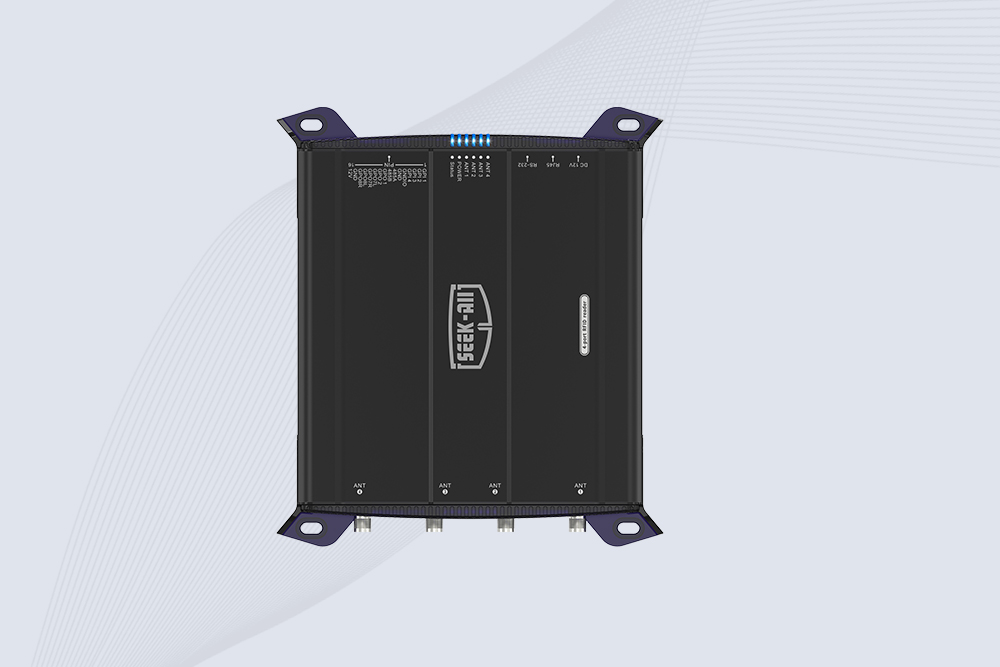
Cykeo CYKEO-R4 industrial UHF RFID Fixed Reader features 4 TNC ports, 400+ tags/sec speed, IP67 housing, and global frequency compliance for vehicle inspection, smart warehouse, and asset management systems.
CYKEO CYKEO-R8L Fixed RFID Reader with 8-port UHF design, Impinj-based RF core and up to 20m read range. An industrial Fixed RFID Reader for vehicle inspection, warehouse portals, smart manufacturing lines and secure access checkpoints.
RFID Fixed Reader from CYKEO – the CYKEO-R16L 16-port UHF fixed reader for warehouses, smart cabinets, and production lines. Long-range, multi-tag reading, stable performance for 24/7 industrial use.
Learn how RFID for tools helps factories track, manage, and secure tools in real time. Discover how RFID tool cabinets improve efficiency, reduce loss, and support industrial operations.
Avoid common setup mistakes. This practical guide on how to set up an RFID reader covers physical install, network woes, and the config settings that actually matter.
Cykeo’s medical RFID systems reduce hospital compliance risks by 82%. Learn FDA/ISO standards for surgical tools tracking, patient wristbands & data security.
Wondering "how far does a RFID reader pickup"? Get straight answers for LF, HF, UHF, and active readers. Real ranges for access control, inventory, and parking with CYKEO.
 Cykeo RFID IoT Solution Products R&D Manufacturer