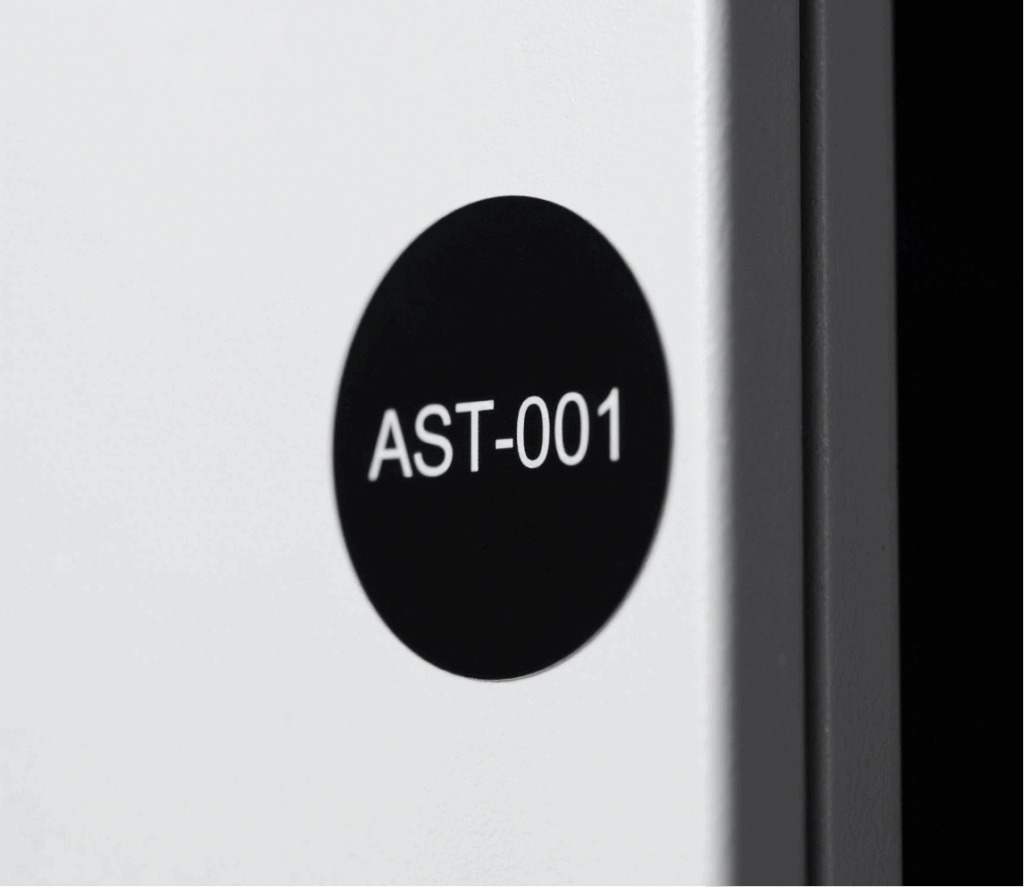
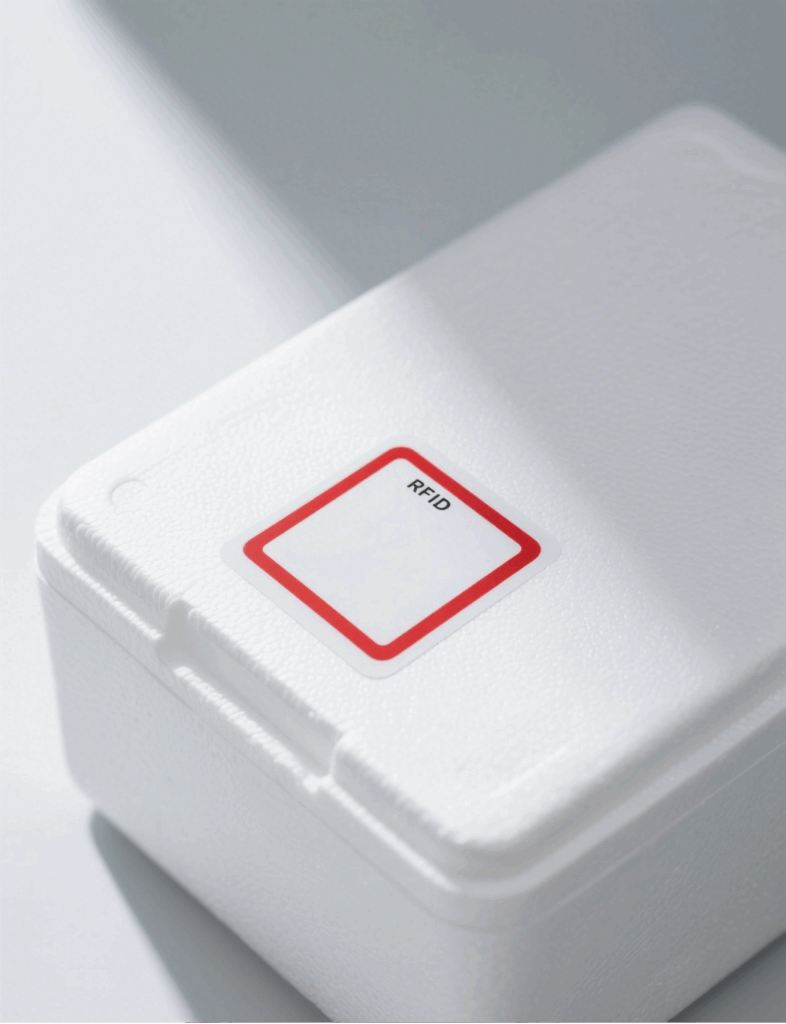
RFID stickers work by using an embedded antenna to receive radio signals from reader, allowing data exchange. Improper placement, angle, or surface contact may result in:
Significantly reduced read range
Read/write errors or failures
Sticker detachment or malfunction
In particular, installation on metal surfaces or in high-temperature, humid environments can lead to system instability if done incorrectly.
RFID Sticker Structure & Installation Basics
A standard RFID sticker consists of:
Chip (IC): Stores a unique ID
Antenna: Transmits/receives RF signals
Encapsulation material (e.g., PET, paper): Protects internal components
Adhesive layer: For application on surfaces
Different frequency bands (LF 125kHz, HF 13.56MHz, UHF 860-960MHz) react differently to surface materials. UHF tags, for example, are more sensitive to metal reflections and require specific installation methods.
Installation Techniques for Different Surfaces
Non-metal Surfaces (Plastic, Glass, Cardboard)
Clean the surface to remove dust, oil, or moisture
Apply to flat, unobstructed areas
Avoid curved, recessed, or vibration-prone zones
For low-surface-energy (LSE) materials like PP/PE, ensure adhesive compatibility
Metal Surfaces (Device Housing, Shelving)
Metal interferes with RF signals. To address this:
Use on-metal RFID tags designed for such surfaces
Or apply a foam spacer between the tag and metal to reduce coupling interference
Ensure tag faces the reader and isn’t blocked
Note: Do not use standard RFID stickers directly on metal—read failures are inevitable.
Fabric, Irregular or Curved Surfaces
Use flexible RFID tags or sew-in labels
Industrial hot-melt adhesives can enhance bond strength
Avoid stretching or bending the tag to prevent antenna damage
Common in apparel, tools, containers, etc., where flexibility and durability are crucial
Tag Orientation & Read Performance
Tag orientation should align with the reader’s polarization (UHF = linear polarization)
For horizontally mounted tags, position the reader accordingly
Avoid blocking the tag with metal components or other tags
Tip: Conduct on-site simulations to determine the best angle and tag type before full deployment
Standard RFID Sticker Installation Process
Manual Installation
Clean the surface (alcohol wipes recommended)
Peel off the backing, avoiding finger contact with the chip area
Apply the tag from one end to the other, pressing out air bubbles
Hold firmly for several seconds, then test for readability
Automated Mass Deployment
Use auto-labeling or print-and-apply machines
Integrate with PLC systems for assembly line automation
Ideal for libraries, warehouses, asset tracking, and logistics
Common Installation Errors & Troubleshooting
Problem
Cause
Recommended Solution
Tag not readable
Metal interference
Use on-metal tags or add a spacer
Poor adhesion
Unclean surface or incompatible glue
Clean surface, switch to proper adhesive tag
Short read range
Misaligned or angled tag
Adjust orientation and alignment
Multiple tag confusion
Tags too close, signal collision
Space out tags or enable anti-collision mode
The Right Tag + Proper Installation = Efficient Performance
RFID system success depends not only on tag quality but also on installation precision. After choosing the right tag type, businesses should tailor deployment strategies to fit material types, environments, and scale.
Behind a seemingly simple sticker lies the key to system stability and efficiency.
If you need a reliable RFID sticker solution for warehouse management, asset tracking, logistics, or anti-counterfeiting applications, feel free to contact us for expert installation guidance and customized support.
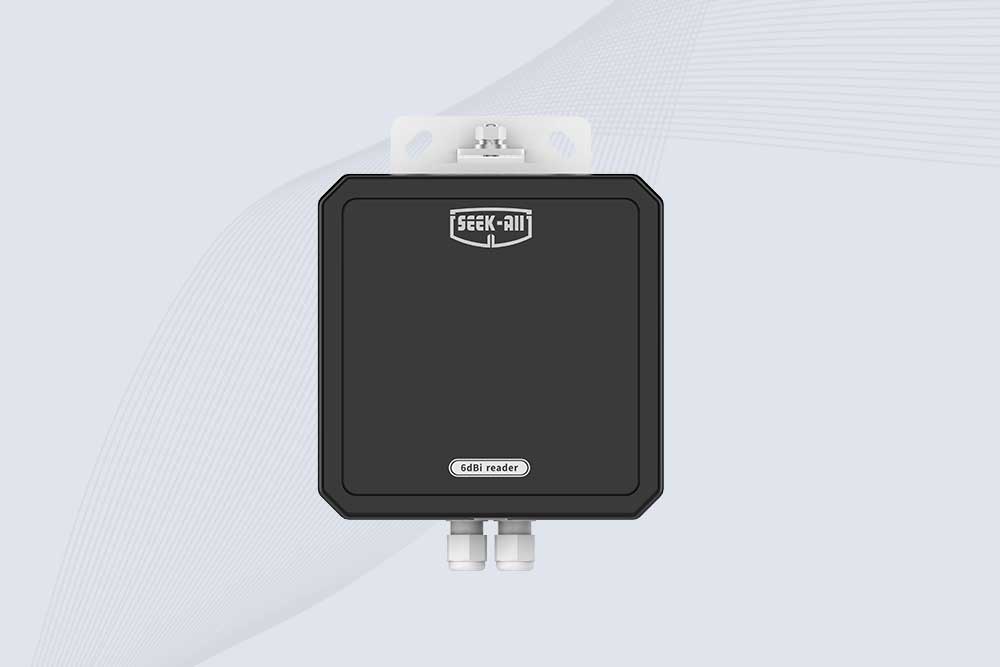
SSD-RA06L is an industrial UHF RFID reader with a built-in 6 dBi antenna, 3 m read range, 600+ tags/s, Ethernet, RS232, and optional Wi-Fi, 4G, and PoE.
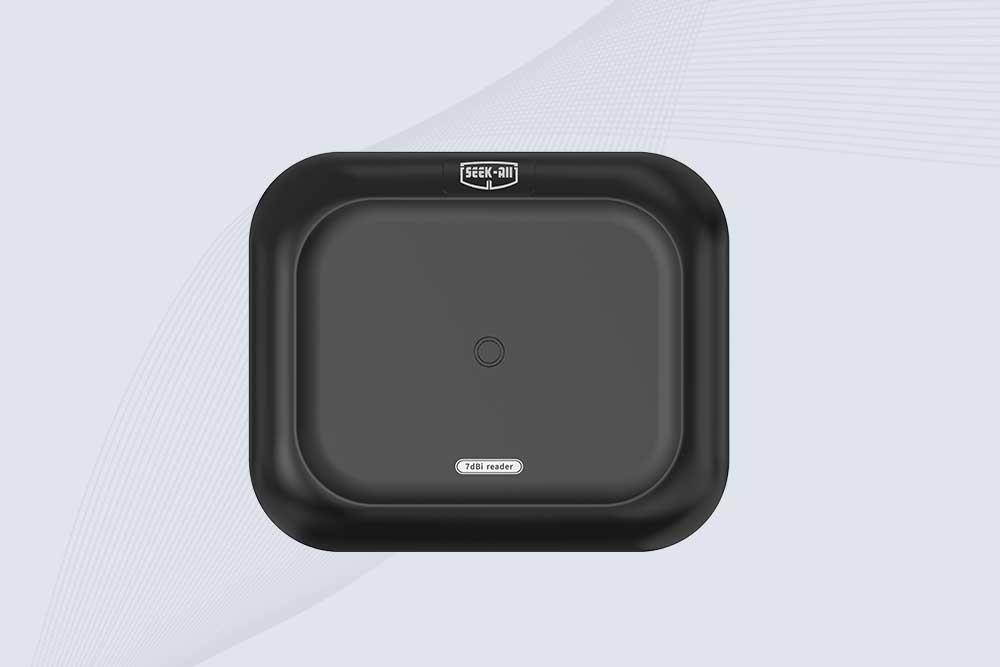
SSD-RA07L industrial UHF RFID reader with integrated 7 dBi antenna, up to 6 m reading distance, over 600 tags/s, Ethernet, RS232, and optional Wi-Fi, 4G, and PoE.
Learn how RFID systems are used in inventory control to improve stock accuracy, speed up warehouse operations, reduce inventory loss, and simplify inventory management across retail, logistics, healthcare, and manufacturing.
Discover how RFID tool tracking systems improve industrial asset visibility, equipment room access control, and tool management. Learn how RFID antennas help manufacturers reduce lost tools and automate asset tracking.
Worried about contactless skimming? Here's how to block RFID readers effectively with wallets, sleeves, and simple habits. Learn what works and what's just hype.
Planning a diy rfid reader project? Learn real build tips, hardware choices, range limits, and when DIY works or fails. Practical insights from CYKEO RFID engineers.
 Cykeo RFID IoT Solution Products R&D Manufacturer