 Cykeo RFID IoT Solution Products R&D Manufacturer
Why Relay on RFID Module?
319Need a physical action from an RFID scan? Learn why relay on RFID module is key for access control, automation, and safety systems. See real-world setup examples.
MoreAll RFID Product
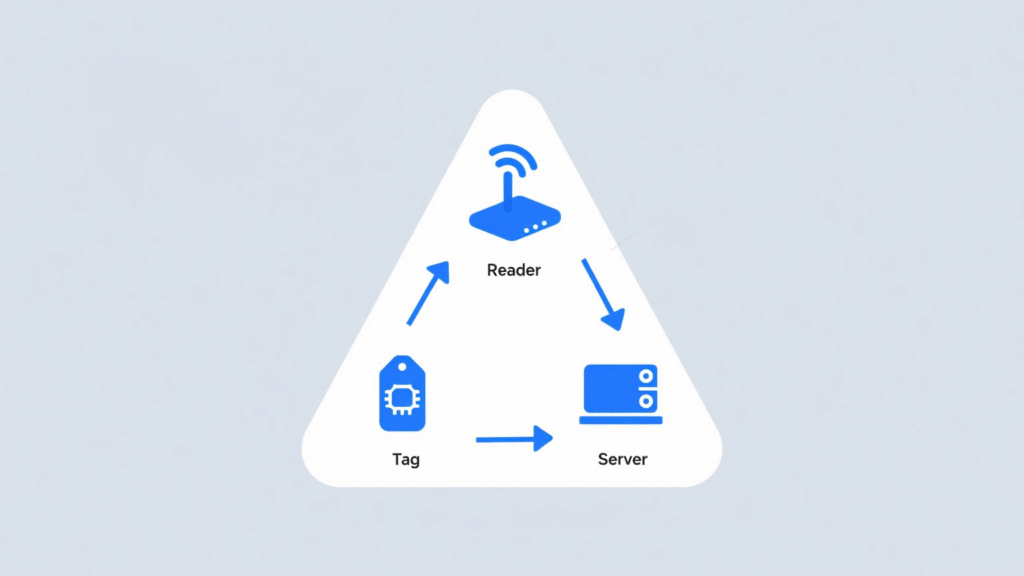
RFID (Radio Frequency Identification) is a technology that uses radio waves for automatic identification. It’s widely applied in logistics, warehousing, asset tracking, and smart retail. An RFID system mainly consists of three components: Tag, Reader, and Backend Management System.
Based on the power source, RFID tags fall into two categories:
Due to their battery-free and easy-to-deploy nature, passive RFID tags have become the most widely used type today.
Many users wonder:
How can a batteryless tag communicate with a reader?
This is precisely the charm of passive RFID technology.
A passive RFID tag consists of only two parts:
They’re often encapsulated in thin layers and stuck onto objects for tracking.
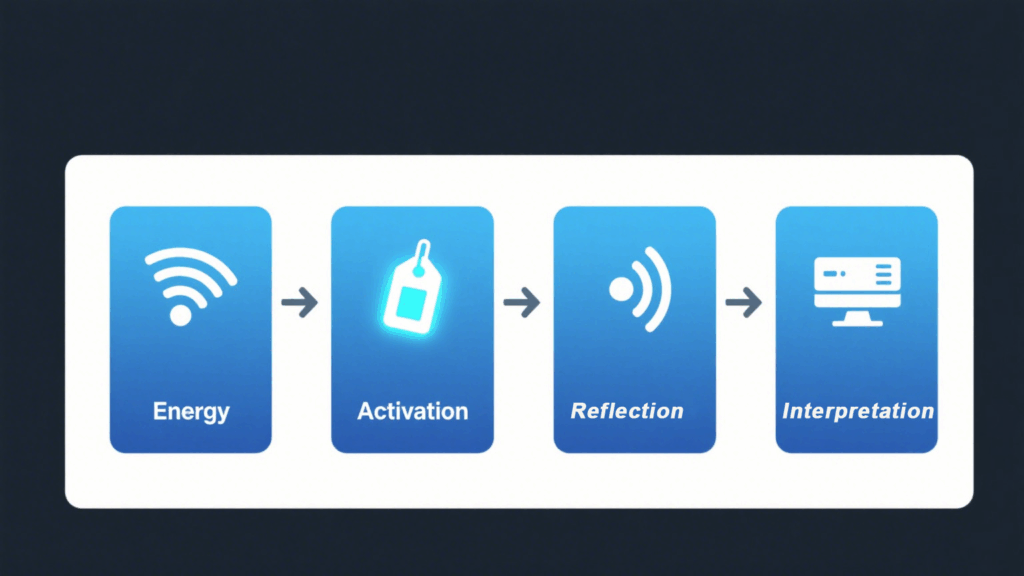
When the reader approaches, a passive RFID tag follows these steps:
This communication method requires no internal power source, making it ideal for short-range, high-frequency data interactions.
Different RFID tag types serve different purposes. Here’s a comparison of key attributes:
| Comparison Metric | Passive RFID Tag | Active RFID Tag |
|---|---|---|
| Power Source | No battery (powered by reader) | Built-in battery |
| Cost | Low (ideal for large-scale use) | High (for high-value tracking) |
| Size | Compact and easy to embed | Larger |
| Reading Distance | Short (0.1~5 meters) | Long (30~100+ meters) |
| Lifespan | Long (no battery constraint) | Battery-limited (1–5 years) |
| Ideal Use Cases | Logistics, retail, inventory, ticketing | Vehicles, containers, high-value assets |
Passive tags are favored for their cost-efficiency, small size, and maintenance-free operation — the go-to option for most enterprises.
Passive RFID is suitable for:
Active RFID suits more specialized scenarios:
Business Tips:

Q1: How does a passive RFID tag “power on”?
A: It harvests energy from the electromagnetic field emitted by the reader and rectifies it to activate the chip.
Q2: How do the tag and reader communicate?
A: Via backscatter communication — the tag reflects and modulates the reader’s signal to embed its data.
Q3: Are signals affected by metal surfaces?
A: Yes. Metal can reflect or absorb signals. Use anti-metal tags or maintain adequate separation.
Q4: What’s the lifespan of passive tags?
A: Since there’s no battery involved, passive RFID tags can last over 10 years with almost no maintenance.
Driven by the rise of IoT and smart manufacturing, passive RFID is constantly advancing:
Passive RFID is becoming a key enabler of the Internet of Everything (IoE).
Thanks to its low cost, easy deployment, and long life, passive RFID plays a central role in industries such as logistics, retail, and healthcare. By understanding its principles and applications, businesses can make informed decisions when selecting RFID solutions, accelerating their path to digital transformation.
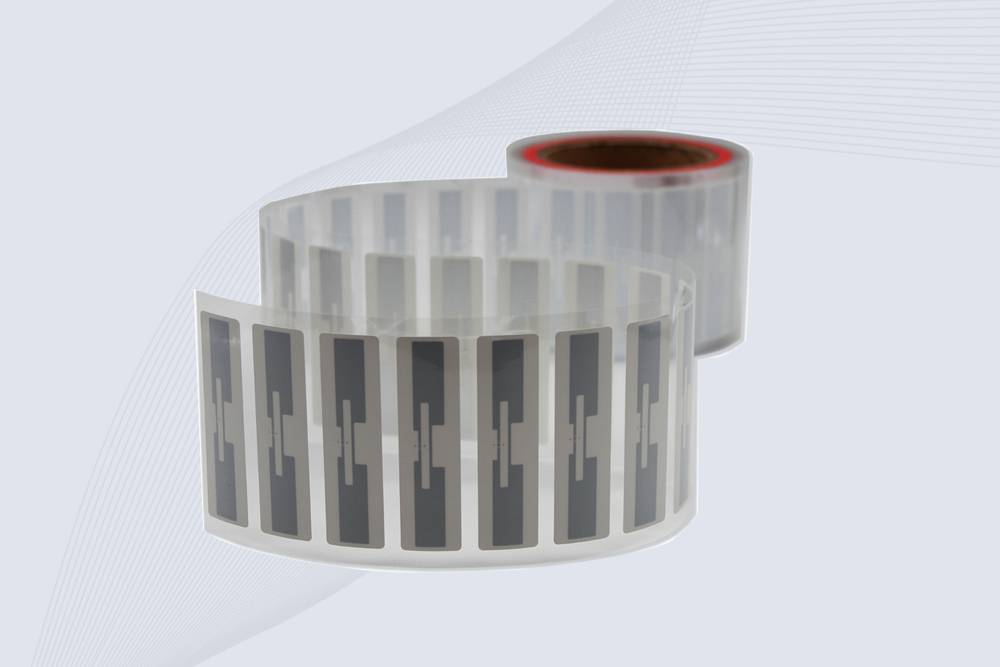
CYKEO Passive RFID Tags are made for wet and high-humidity environments where standard labels do not last. This rfid passive tag is often used around liquids, chemicals and temperature changes, providing stable reading distance and long data life for industrial tracking.
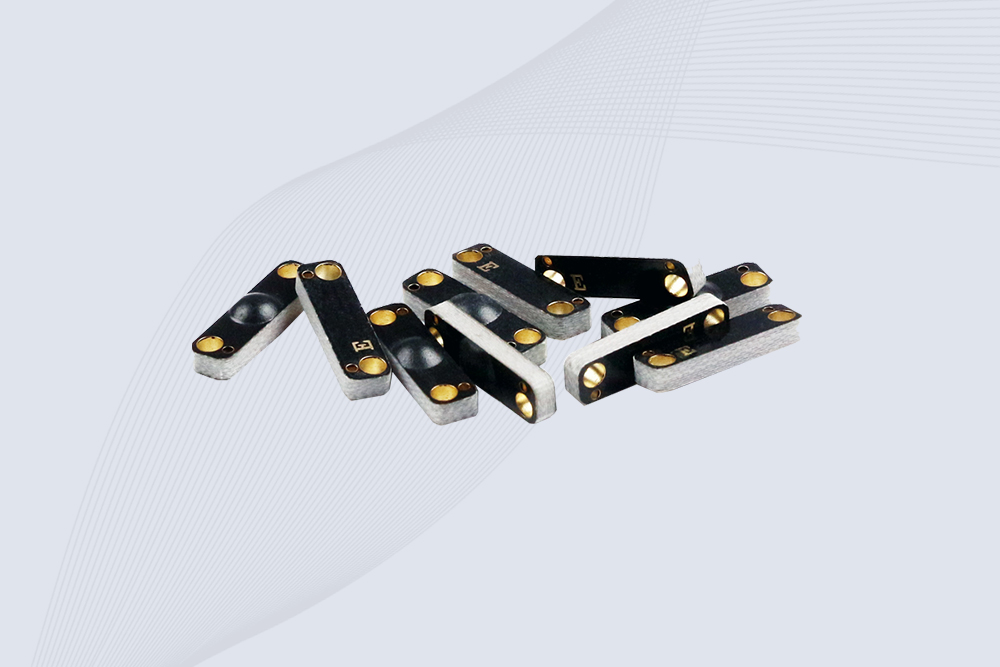
CYKEO CYKEO-PCB1504 Metal RFID Tags is a compact anti-metal UHF RFID solution built for direct mounting on metal surfaces. With stable 8-meter read range, Ucode-8 chip, and long data retention, this rfid metal tag fits tools, containers, automotive parts, and industrial asset tracking.
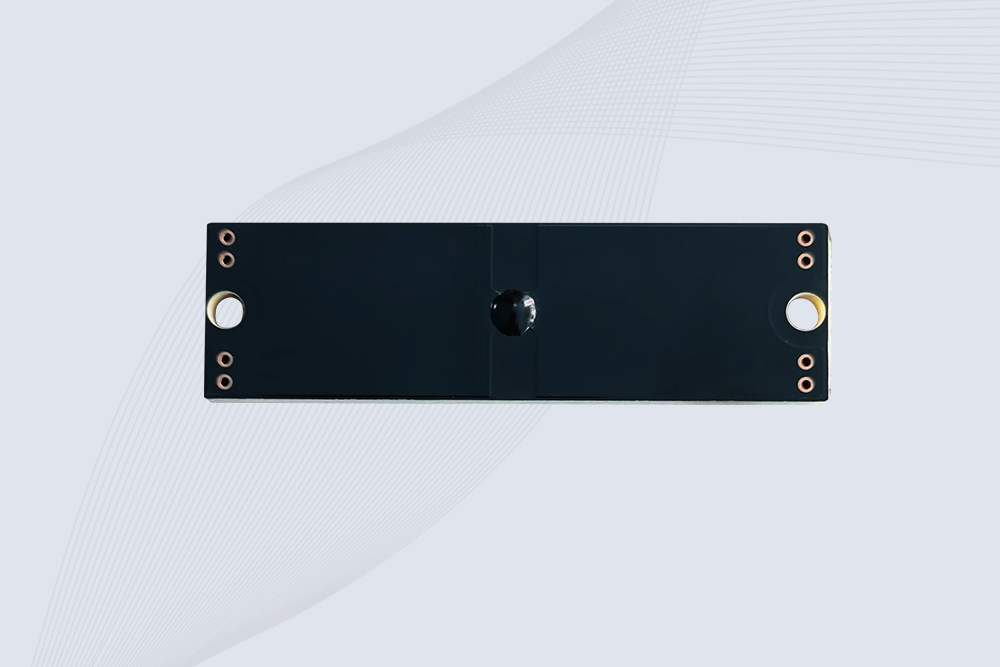
CYKEO CYKEO-PCB7020 On-Metal RFID Tags are designed for reliable tracking on steel and metal surfaces. Built with an FR4 epoxy body and industrial-grade chips, these On-Metal RFID Tags deliver stable performance, long data life, and chemical resistance, making them a dependable RFID anti-metal tag for harsh environments.
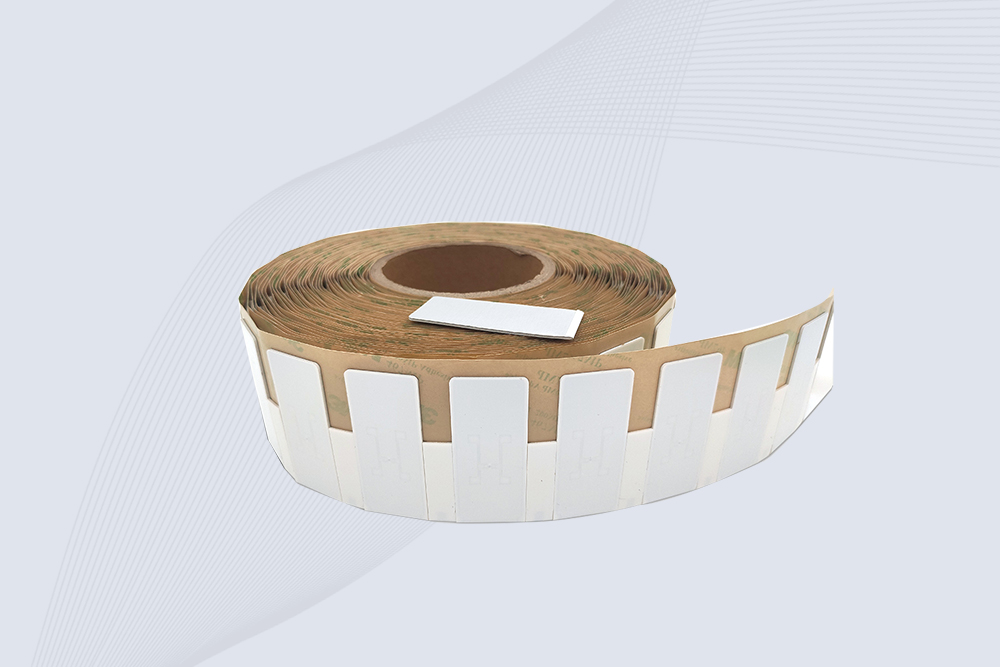
The CYKEO CYKEO-60-25 Anti-Metal RFID Tag is built for metal surfaces where standard tags fail. Designed for long-range performance, harsh environments, and stable data retention, this Anti-Metal RFID Tag is ideal for industrial assets, containers, and equipment tracking using on metal RFID tags.

Need a physical action from an RFID scan? Learn why relay on RFID module is key for access control, automation, and safety systems. See real-world setup examples.
More
Explore the technical structure of a hospital parking system using RFID, including reader modules, antennas, and how Cykeo RFID hardware integrates into complex hospital environments.
More
RFID inventory tracking systems provide real-time inventory visibility, faster stock counts, and higher accuracy. Discover how Cykeo RFID solutions streamline warehouse operations.
More
Learn how do rfid readers work, including RFID signal processing, tag communication, and Cykeo desktop RFID readers for smart identification systems.
More