Cut through the tech hype and discover which solution actually fits your workflow.
Picture this: Your team spends hours scanning boxes in a warehouse. Barcode wands beep slowly; RFID promises speed but costs more. Which really wins? Let’s ditch the jargon and compare these tools like real users.
1. How They Work: Core Tech Differences
(No Engineering Degree Required)
Barcode Readers: → Use lasers/cameras to “see” black-and-white lines → Require direct line-of-sight (you must aim precisely) → Scan one item per second (manual trigger)
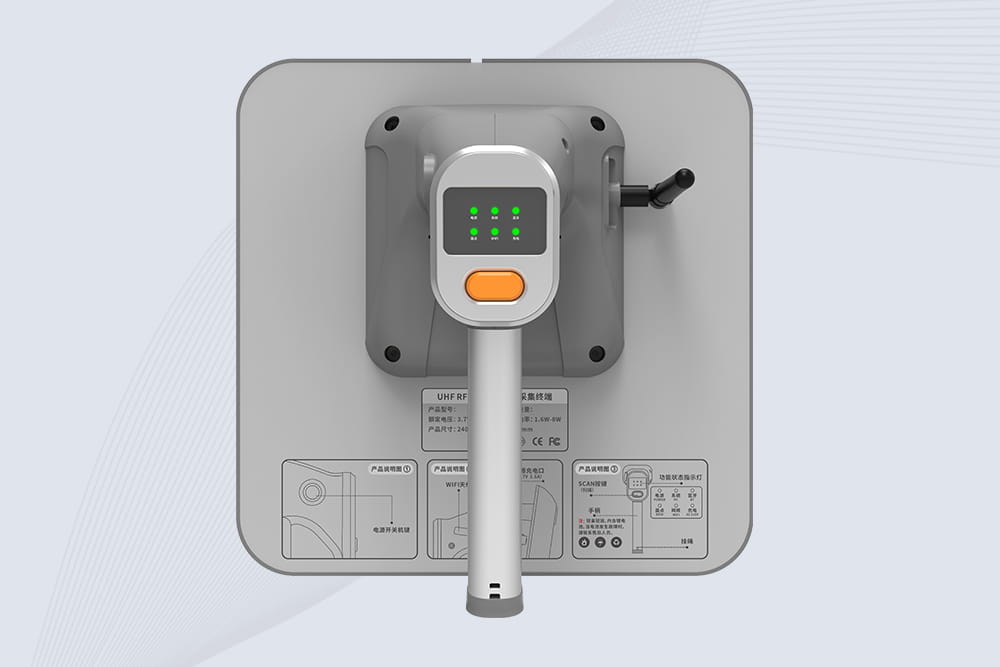
RFID Readers: → Emit radio waves to power nearby tags → Read through materials (boxes, fabrics) → Scan 100+ items per second automatically
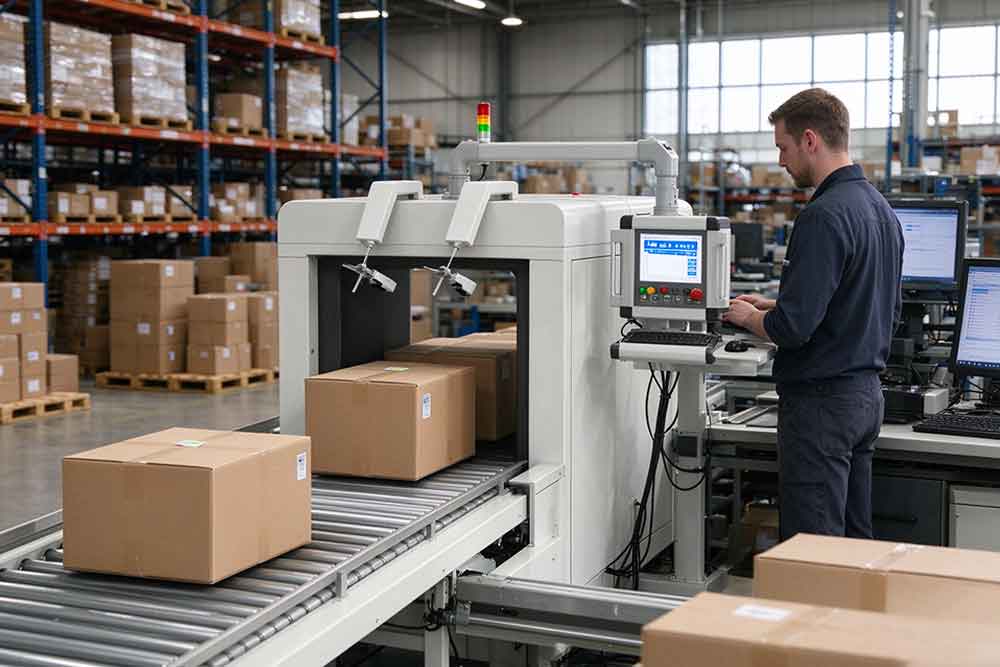
🚀 Real Impact: Fixed RFID Reader inventory a pallet in 3 seconds; barcode readers take 15 minutes.
2. Where Each Excels (and Falls Short)
Factor
Barcode Reader
RFID Reader
Speed
Slow (1 tag/sec)
Blazing (100+ tags/sec)
Visibility
Needs clear line-of-sight
Scans hidden/stacked items
Durability
Labels fade/scratch easily
Tags survive dirt, moisture
Cost
$50-$300/reader
$500-$2,000/reader
Metal/Liquid
Works flawlessly
Signal interference risks
Barcode Wins When:
Budget is tight
Scanning single items (e.g., retail checkout)
Metal/liquid environments (oil drums, toolboxes)
RFID Dominates For:
High-volume warehouses (pallets, containers)
Automated workflows (no human scanning)
Harsh environments (construction, agriculture)
3. Hybrid Solutions: Best of Both Worlds?
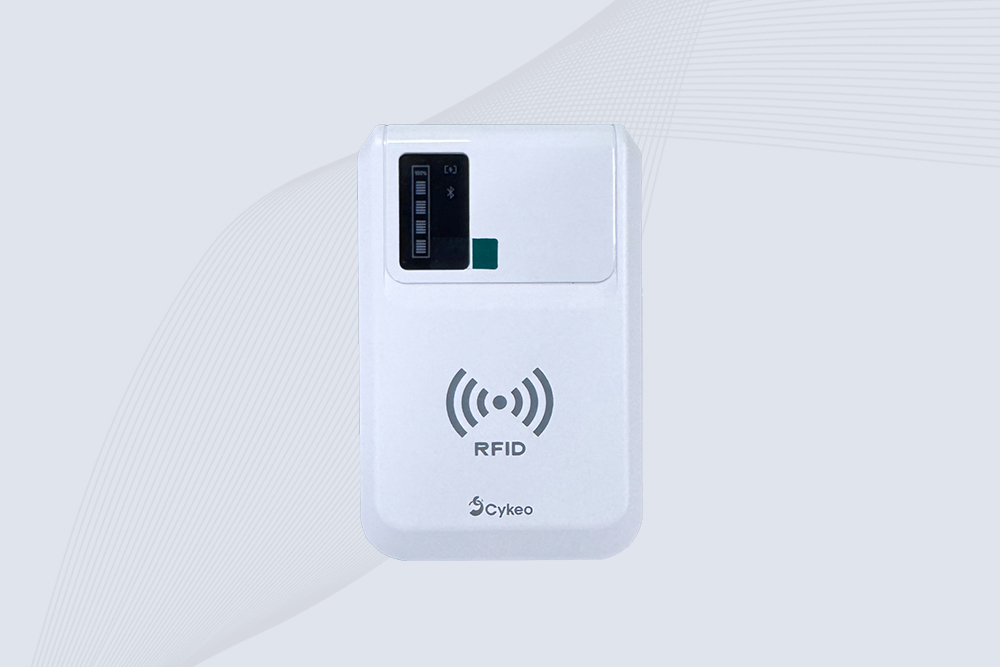
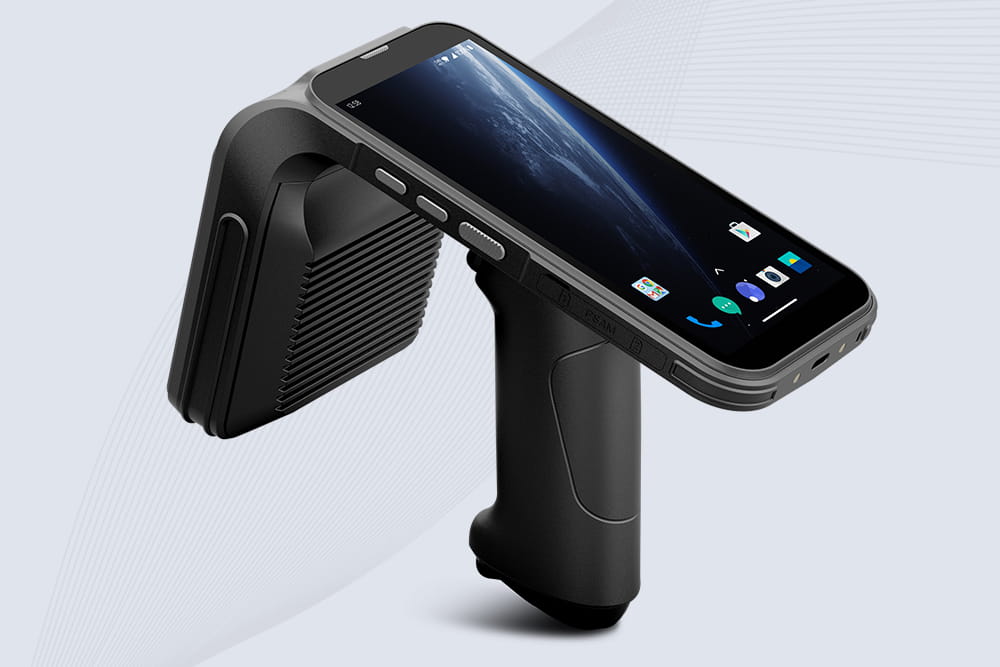
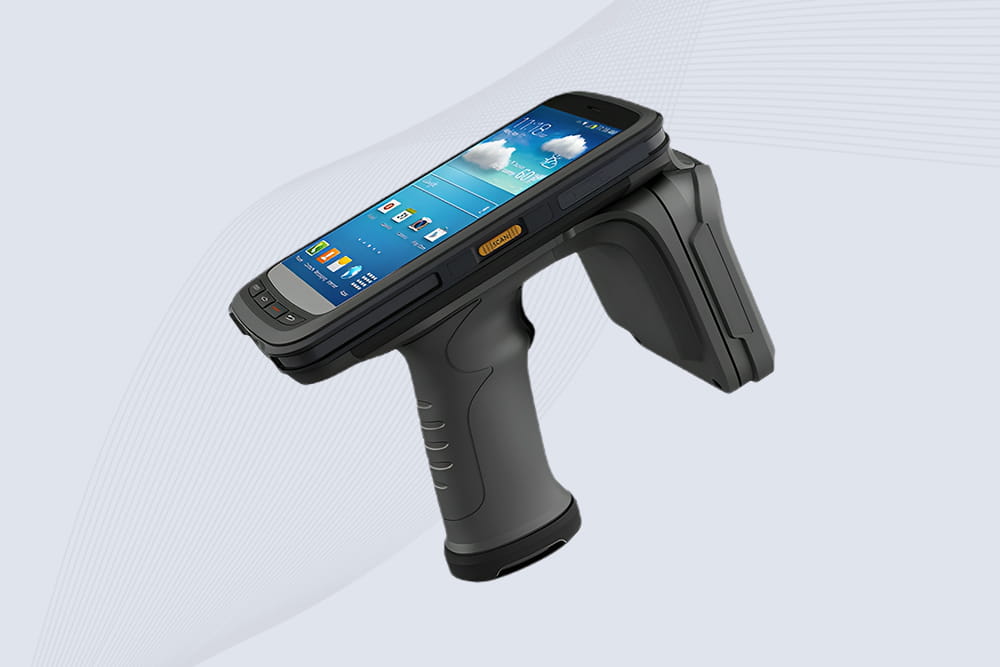
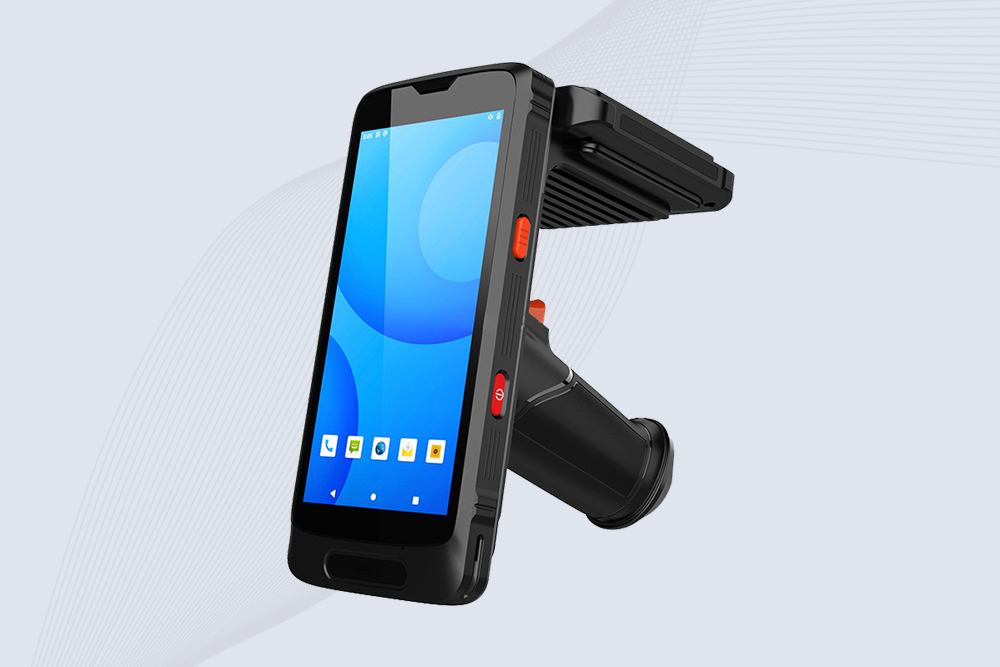
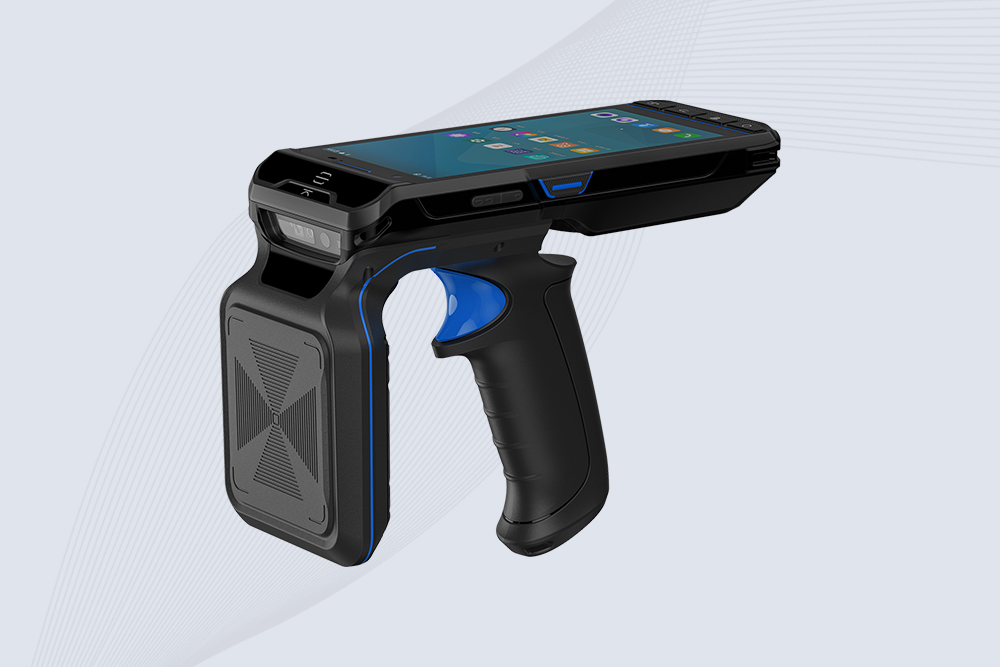
Why choose? Tools like Cykeo’s Fusion Hybrid Reader tackle both:
Scan barcodes for single items
Activate RFID for bulk inventory
One device, two technologies (Ideal for retail stockrooms or mixed warehouses)
4. Key Decision Factors
Ask these questions before investing:
Volume:*Scanning 100+ items/day? RFID pays off.*
Environment:Dusty/wet? RFID tags handle it; barcodes smudge.
Automation Goals:Want hands-free scans? RFID is mandatory.
Budget:Start with barcodes; upgrade later with hybrid readers.
5. The Verdict
Choose Barcode Readers If: ✔️ You’re a small business or startup ✔️ Items are scanned individually ✔️ Metal/liquids dominate your workspace
Choose RFID Readers If: ✔️ Speed is critical (e.g., shipping docks) ✔️ You scan bulk items daily ✔️ Tags can be embedded (no labels peeling off)
💡 Pro Tip: 70% of Cykeo’s clients start with barcodes and add RFID as they scale. Hybrid readers ease the transition.
Discover how the anti metal RFID tag improves tracking accuracy on metal assets. Learn expert insights, real-world applications, and proven RFID performance with Cykeo.
RFID in logistics uses radio frequency identification to identify goods, automate inventory checks, verify shipments, and improve warehouse visibility. By co...
Learn what EPC in RFID means, how Electronic Product Codes work, and why EPC data is essential for RFID asset tracking, inventory management, and supply chain visibility.
 Cykeo RFID IoT Solution Products R&D Manufacturer