 Cykeo RFID IoT Solution Products R&D Manufacturer

How to Read RFID Tags: Professional RFID Tag Reading Guide
115Learn how to read rfid tags with professional RFID technology. Explore RFID readers, tag communication, inventory applications, and Cykeo solutions.
MoreAll RFID Product
A long range RFID scanner is designed for automatic identification over fixed areas such as warehouse gates, production lines, and vehicle checkpoints, while a handheld RFID scanner is used for mobile inventory checking and manual searching. The better choice depends on the application. Fixed long range RFID scanners are usually preferred for automated tracking, while handheld RFID scanners are better for flexible, on-site operations.
When companies start planning an RFID project, one question appears quite often:
“Should we use a long range RFID scanner or a handheld RFID scanner?”
At first, the answer seems simple.
A fixed scanner is for automation.
A handheld scanner is for mobile work.
But real projects are usually not that straightforward.
A warehouse may need automatic tracking at the loading gate, but employees may still need handheld devices to find missing items inside storage areas.
In many cases, the best RFID system is not choosing one or the other. It is understanding where each solution creates more value.
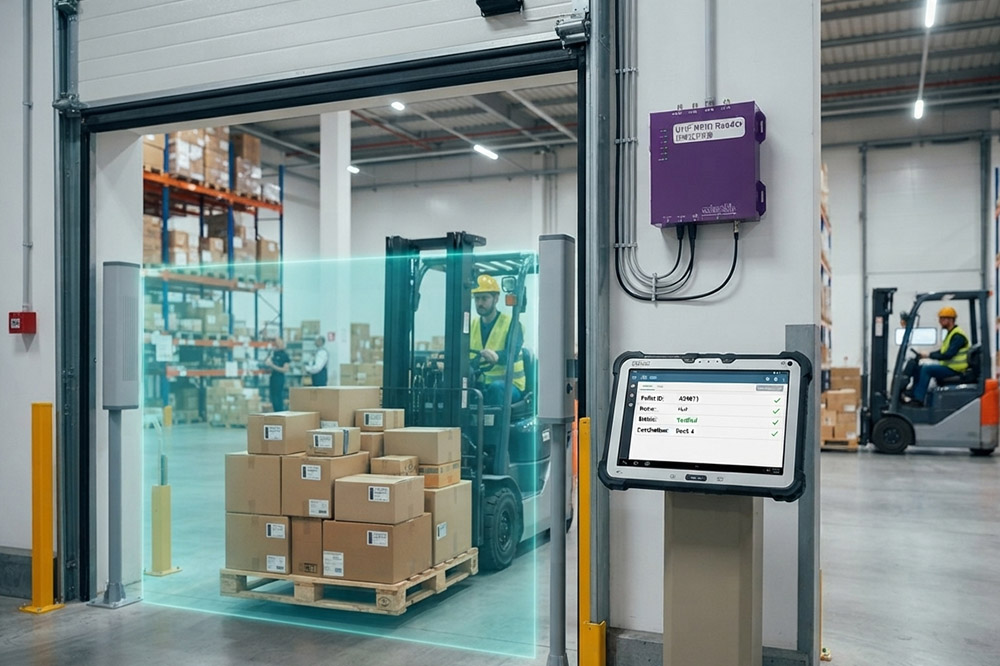
A long range RFID scanner and a handheld RFID scanner are built for different working environments.
A fixed long range RFID scanner is normally installed in a permanent location.
Examples:
The scanner works automatically without someone operating it.
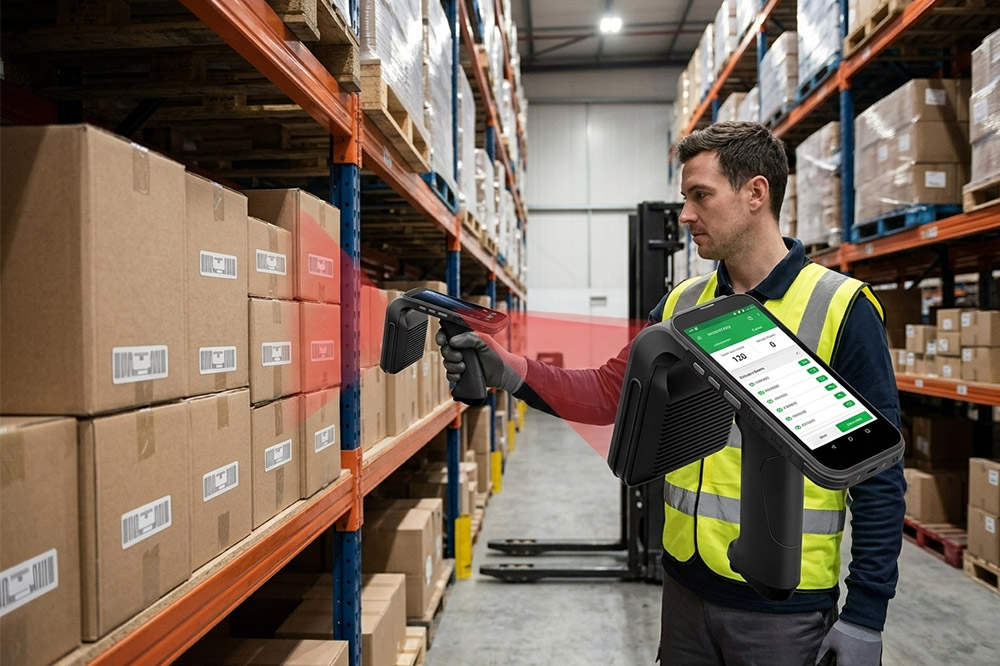
A handheld RFID scanner is designed for mobility.
Examples:
The operator carries the device and scans where needed.
The difference is not only hardware design. It is also about how information is collected.
For automated processes, fixed RFID scanners usually have a clear advantage.
Imagine a distribution center receiving hundreds of pallets every day.
Without RFID:
Workers check documents.
They scan labels.
They update records manually.
With a long range RFID scanner installed at the receiving gate:
The process becomes faster and requires less manual action.
This is why fixed RFID readers are commonly used in smart warehouses.
However, fixed scanners cannot solve every problem.
A warehouse worker may need to find one specific item among thousands of products.
A fixed reader cannot walk around the warehouse.
This is where handheld RFID scanners become useful.
For example:
A company has 20,000 tools stored across multiple areas.
The system shows that a tool is missing.
An employee can use a handheld RFID scanner to search nearby locations quickly.
This type of task is difficult for fixed readers.
One major difference is working range.
A long range RFID scanner can often cover several meters depending on:
It is suitable for creating fixed reading zones.
A handheld RFID scanner usually has a shorter practical range because it is designed for controlled operation by workers.
But longer distance is not always better.
In warehouse projects, uncontrolled reading can create problems.
For example:
A fixed scanner at a warehouse door should detect goods passing through the entrance.
It should not read every tag stored nearby.
A controlled reading area is often more valuable than maximum distance.
Long range RFID scanners require planning.
Engineers need to consider:
A poorly installed reader may miss tags or collect unnecessary information.
Handheld RFID scanners are easier to deploy.
Usually, workers only need basic training.
This flexibility makes them popular for warehouses that are still testing RFID adoption.
For distributors and system integrators, project cost is always important.
A fixed RFID solution may require:
The initial investment can be higher.
A handheld RFID solution may start with fewer devices.
However, labor costs should also be considered.
If workers spend several hours every day manually checking inventory, automation may provide better long-term value.
Yes.
Actually, many professional RFID deployments combine both.
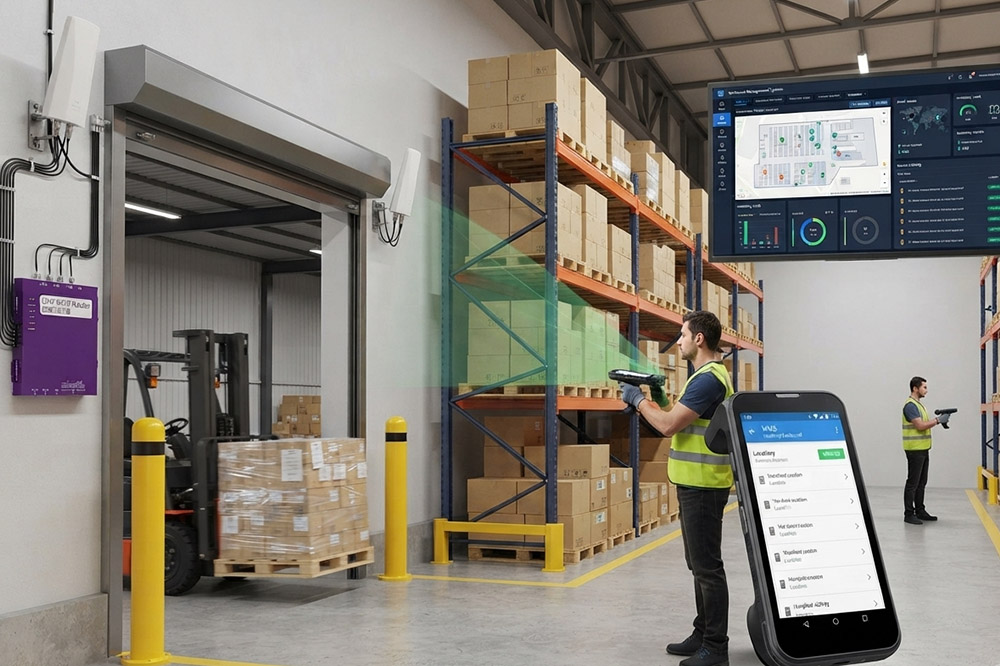
A typical warehouse solution may look like this:
Receiving area:
Long range RFID scanner automatically records incoming pallets.
Storage area:
Handheld RFID scanner helps workers locate items.
Inventory checking:
Workers use handheld devices for verification.
Shipping area:
Fixed RFID readers confirm outgoing goods.
This combination creates a more complete tracking system.
For RFID distributors and system integrators, choosing hardware is not only about specifications.
Important questions include:
Is the customer trying to automate movement or improve manual searching?
Does the system connect with:
A small warehouse today may become a larger automated facility later.
The selected RFID hardware should support future upgrades.
Low-cost hardware may create higher installation problems later.
RFID performance changes in real warehouses.
Different applications require different solutions.
RFID projects often need configuration and integration assistance.
For bulk buyers and solution providers, the supplier relationship can influence project success.
A reliable RFID manufacturer should provide:
Many customers do not only need a scanner.
They need a complete RFID solution that can work in their environment.
Long range RFID scanners and handheld RFID scanners are not competitors in every situation.
They solve different operational problems.
Fixed RFID scanners are better for automatic tracking points.
Handheld RFID scanners are better for flexible searching and verification.
For warehouses, factories, and logistics companies, the right choice depends on workflow, environment, and future expansion plans.
If you are looking for RFID scanners for distribution, OEM projects, or industrial applications, choosing the right hardware partner can make the deployment process much easier.
We provide UHF RFID readers, long range RFID scanners, handheld RFID solutions, rfid antennas, and customized RFID systems for warehouses, logistics companies, and industrial integrators.
Contact us for bulk pricing, technical support, and OEM cooperation.
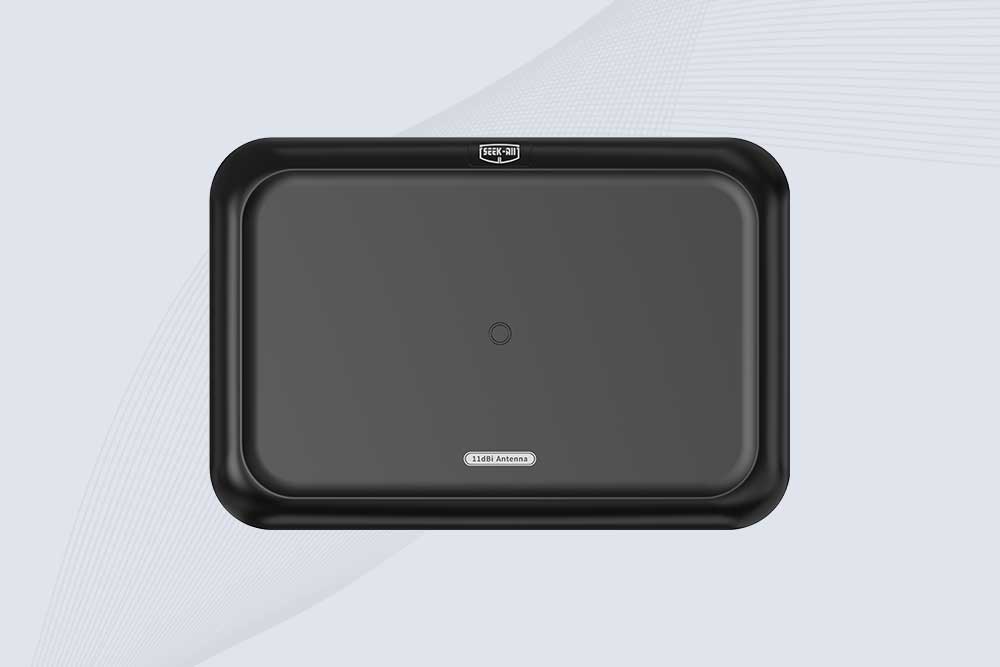
SSD-A11 UHF RFID antenna features 840–960 MHz adjustable frequency, ≥10.5 dBi gain, circular polarization and 50Ω impedance for fixed RFID systems.
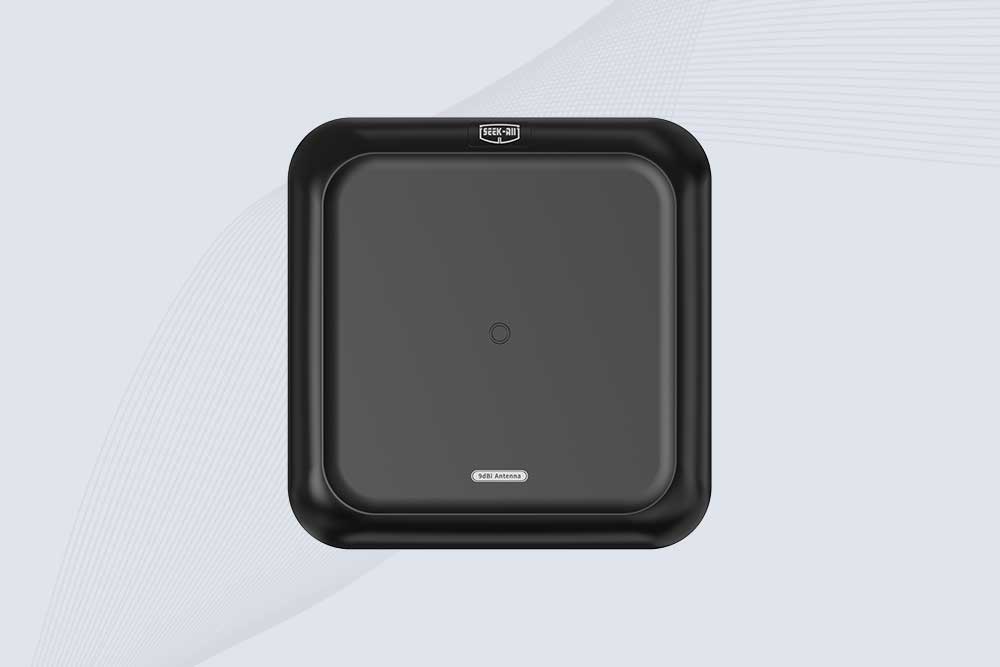
SSD-A09 is a 9 dBi UHF RFID antenna with 840–960 MHz adjustable frequency, circular polarization, 50Ω impedance and directional 60° × 60° coverage.
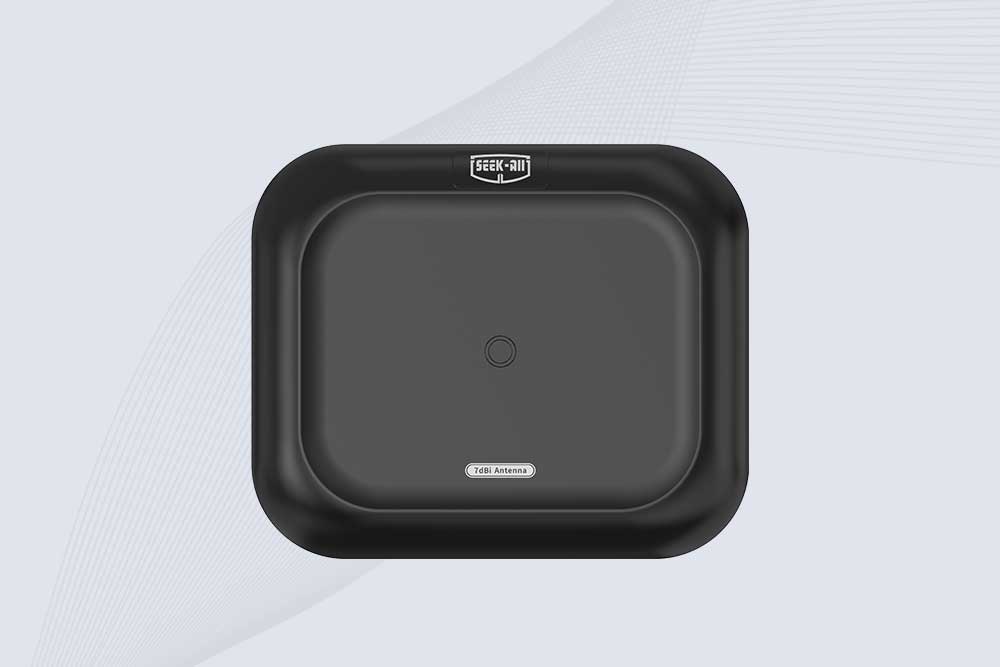
Explore the SSD-A07 UHF RFID antenna with 7 dBi gain, circular polarization, adjustable 840–960 MHz frequency, and 60°/75° beamwidth for stable RFID read/write performance.

SSD-A06 UHF RFID antenna with circular polarization, adjustable 840–960 MHz frequency, ≥4.5 dBi gain, and a compact directional design for RFID systems.
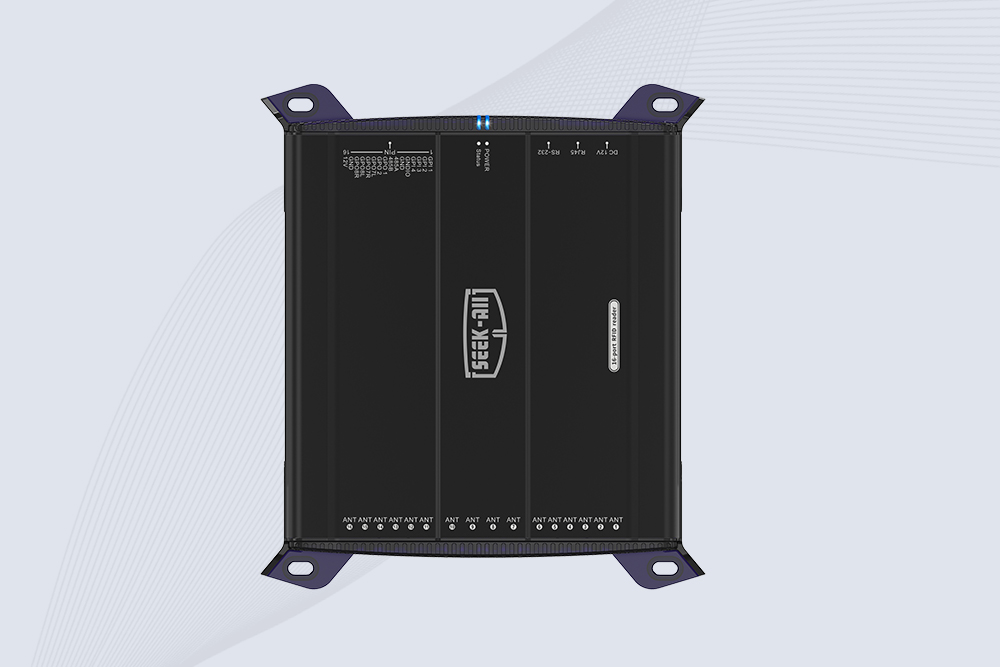
SSD-R16L Multi-Channel RFID Infrastructure for Automated Inventory Management ✔️ 16-Port High-Density RFID Reading Equipped with 16 SMA antenna ports, SSD-R16L supports multi-antenna deployment for warehouses, retail stores, logistics, production lines, and large-area RFID identification. ✔️ High-Speed & Long-Range Performance With up to 33…
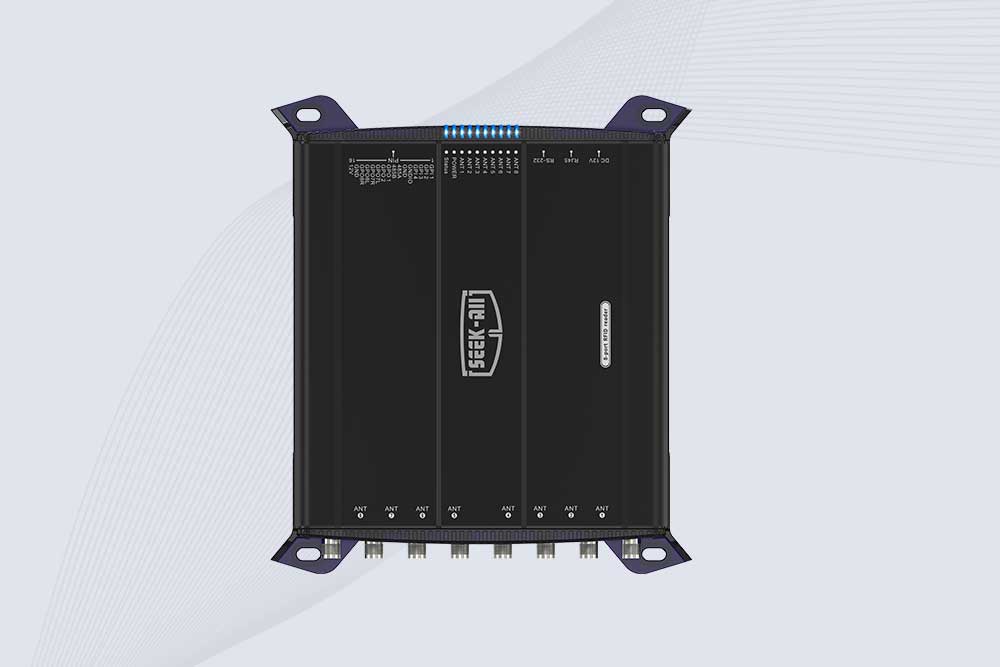
SSD-R8L 8-port UHF RFID reader with 33dBm output, up to 20m reading range and 600+ tags/s recognition. Ideal for warehouse, logistics, retail and asset tracking.
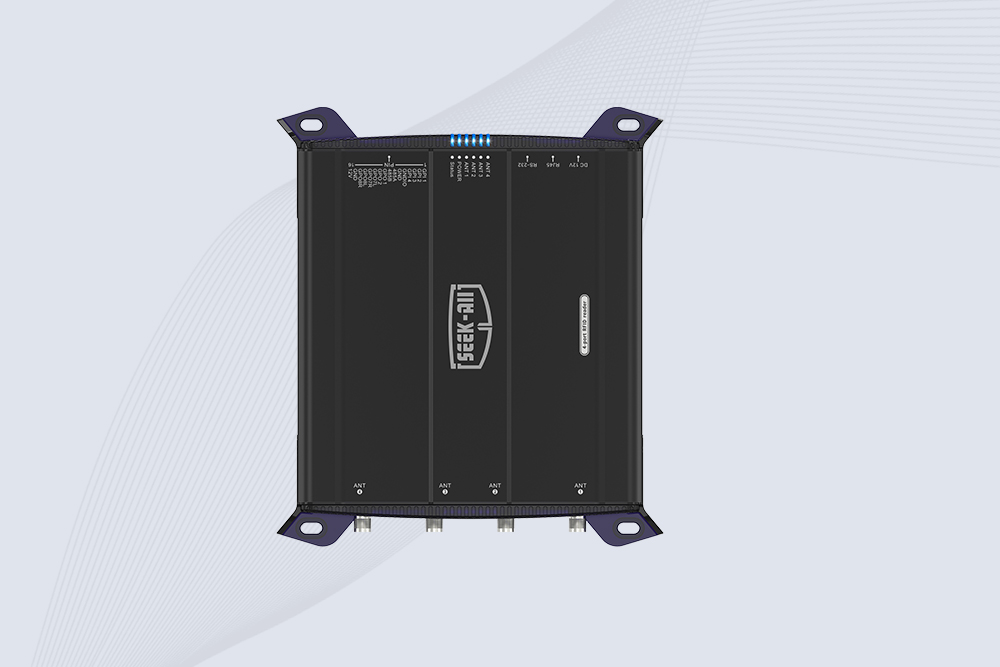
SSD-R4L is a 4-port UHF RFID fixed reader with 33dBm output power, up to 20m reading range, EPC C1G2 support and 600+ tags/s reading speed.
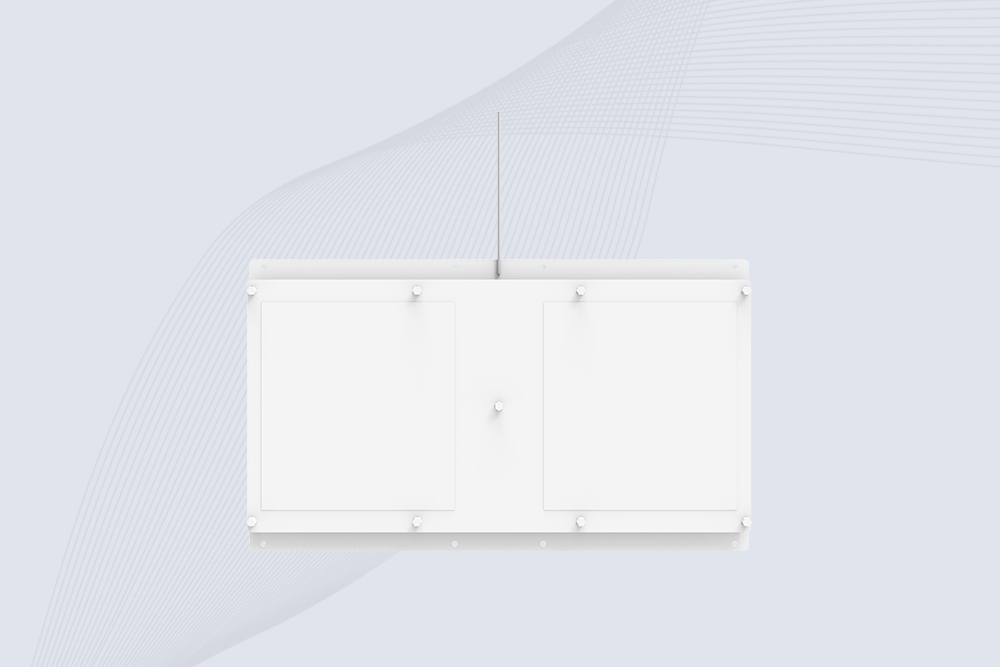
Cykeo CYKEO-A11 UHF RFID reader antenna delivers 11dBi gain, 840-960MHz frequency range, and IP65 ruggedness for retail, logistics, and industrial RFID systems. Features low VSWR and easy installation.
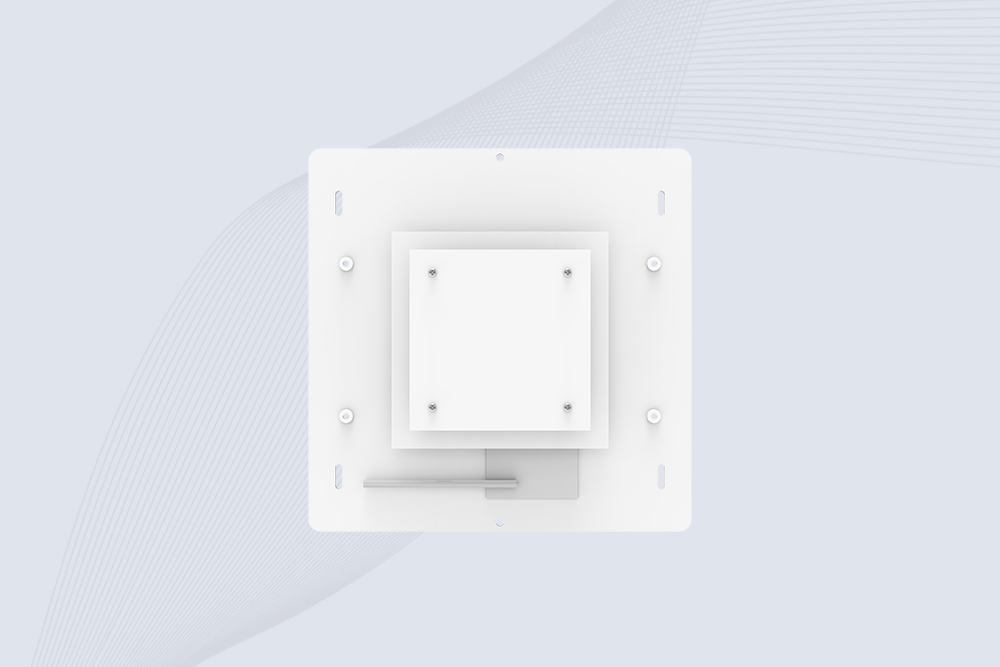
CYKEO Antenna RFID Reader delivers stable long-range UHF performance with a 10.5dBi directional design, built for warehouses, conveyor portals, and industrial RFID systems. This rfid reader antenna provides 20m+ read distance and rugged IP67 protection.

Cykeo CYKEO-PHF3 industrial HF RFID Antenna offers 24-point dynamic tracking, ISO 14443A/15693 protocols, metal-environment stability for archives/libraries/manufacturing.

Cykeo CYKEO-A5B industrial Linear RFID Antenna delivers 5dBi gain, ≤1.5:1 VSWR, and IP65 rugged design for warehouse, production line, and logistics UHF systems.

Cykeo’s CYKEO-B12 Long Range RFID Antenna delivers 15m+ read range with 12dBi gain, IP65 rugged design, and global 840-960MHz UHF support. Ideal for warehouse/logistics asset tracking.
Cykeo CYKEO-B10 Long Distance RFID Antenna offers 10dBi gain, 840-960MHz frequency range, IP65 rating, and 20m+ coverage for logistics/warehousing/ETC systems. Low VSWR ensures stable signal transmission.
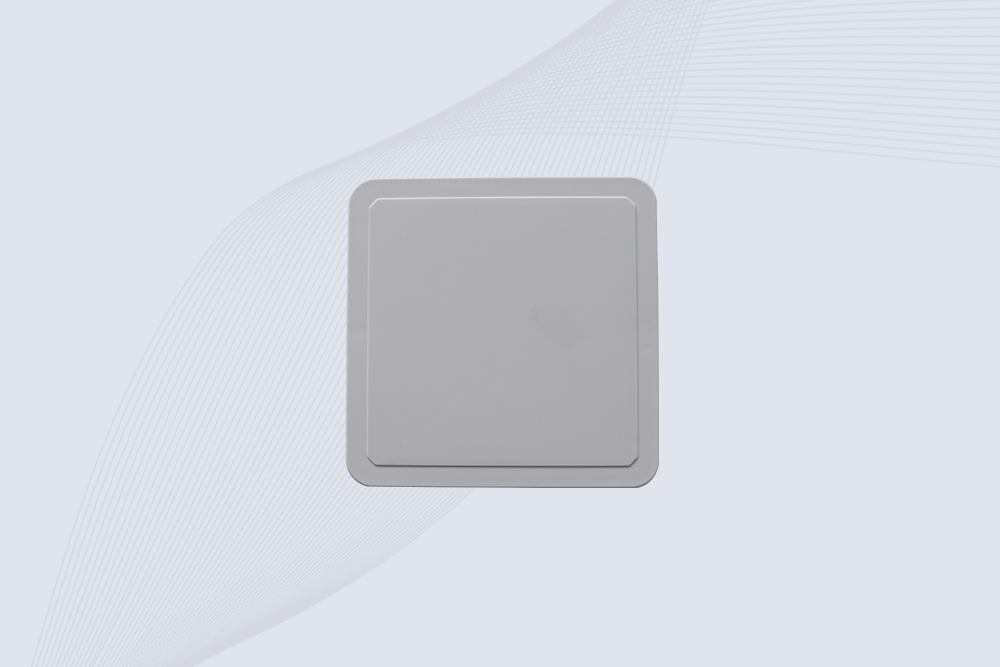
Cykeo CYKEO-A6 UHF RFID panel antenna features 6dBi gain, 840-960MHz broadband, IP65 metal-ready housing for logistics/smart retail. 18mm ultra-thin design with tool-free mounting.

Cykeo CK-A3 industrial antenna RFID UHF offers 5m+ tag detection, ≤1.3:1 VSWR, IP65 rugged design, and global UHF spectrum compatibility (840-960MHz) for warehouses, factories, and retail.
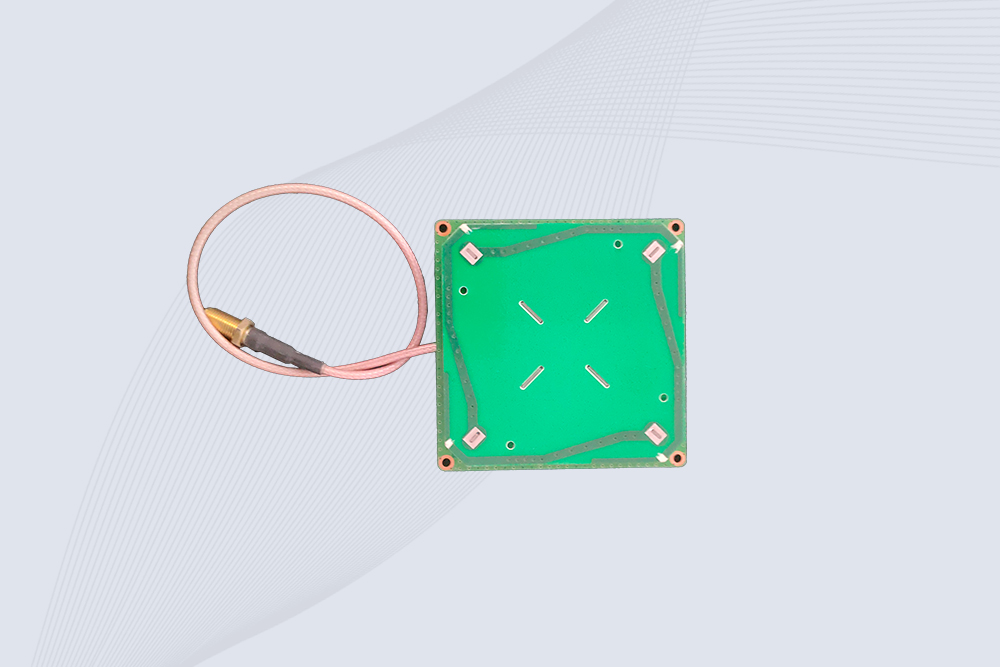
Cykeo CYKEO-B5 directional RFID antenna provides 5dBi gain with 60° narrow beamwidth for precise inventory tracking. IP65-rated, global UHF frequency support, and low VSWR.
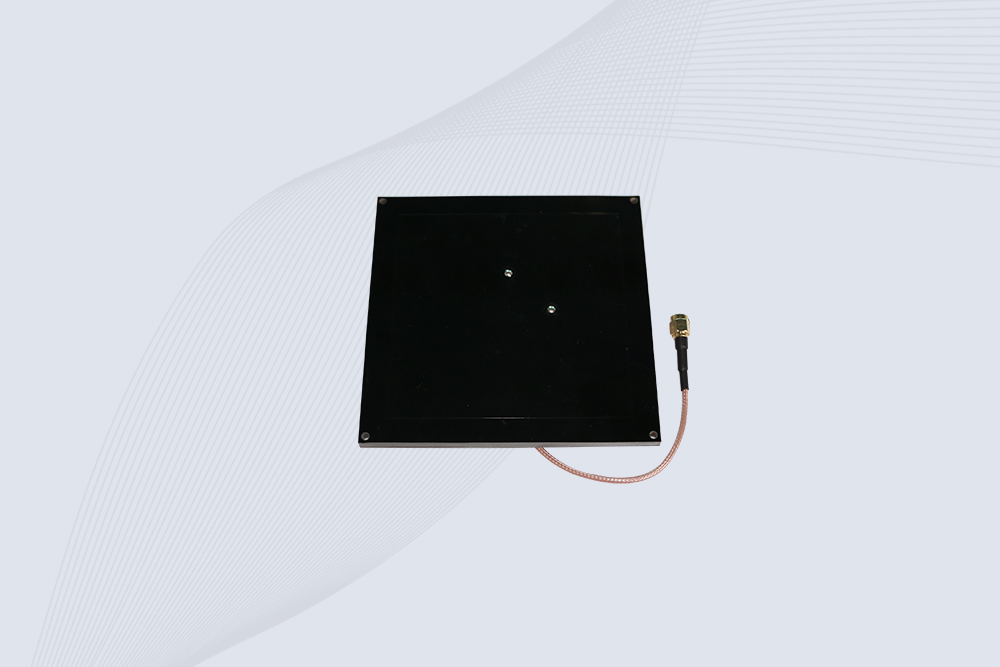
Create your own high-performance DIY RFID antenna! 5dBi gain, 840-960MHz tunable, step-by-step guides. Compatible with Arduino, Raspberry Pi, and commercial UHF readers.
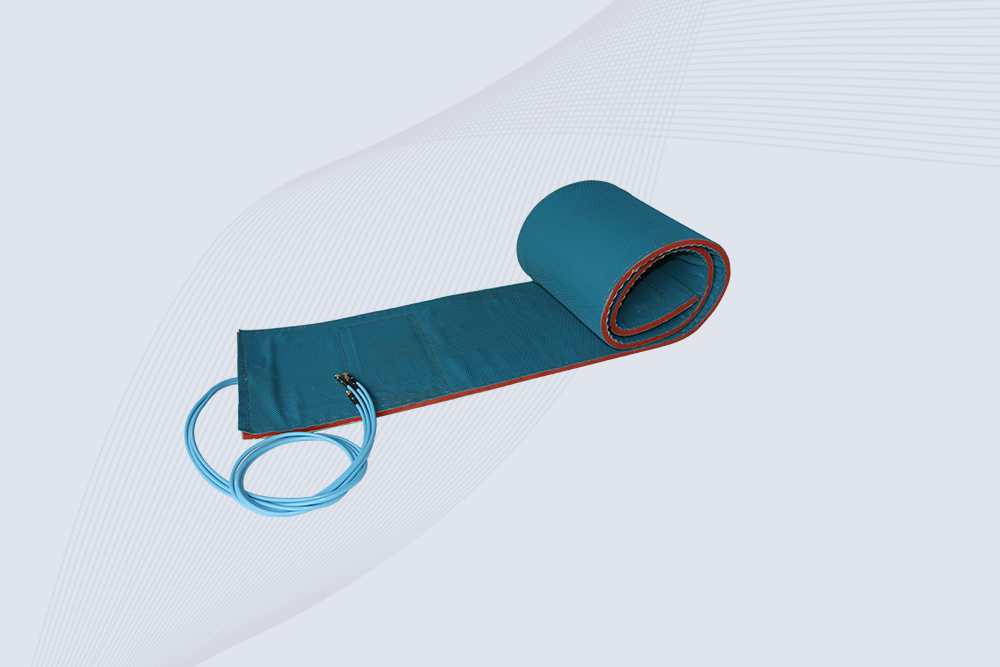
Cykeo CYKEO-A7 Flexible RFID Antenna features 840-960MHz wideband tuning, 7dBi gain, and IP68 rating for medical/retail/industrial curved surface deployments. 98% read accuracy with peel-and-stick installation.
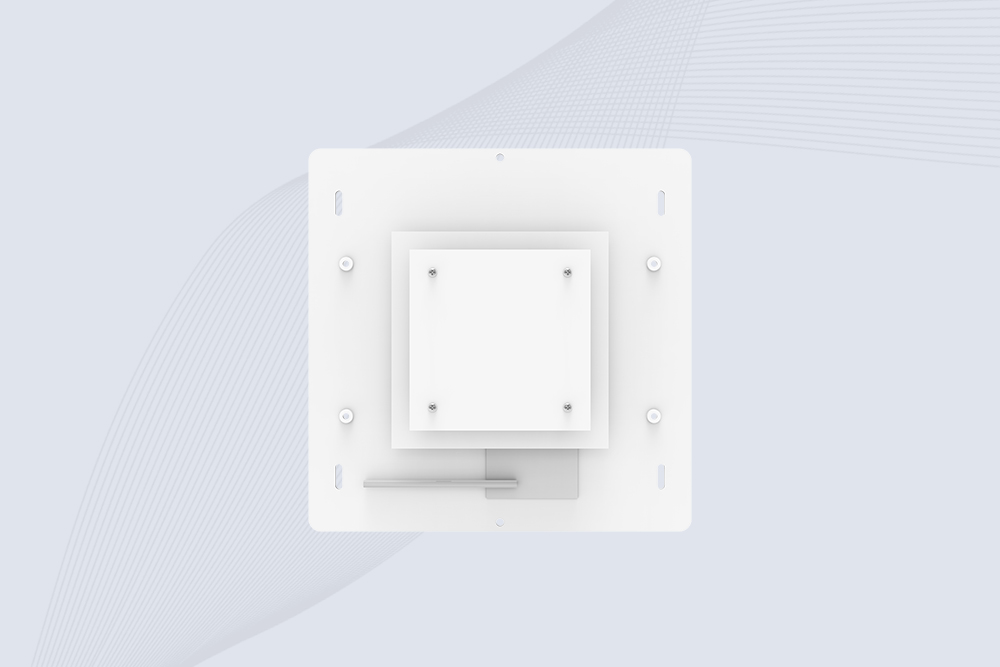
Cykeo CYKEO-B5A industrial Passive RFID Antenna delivers 5dBi gain, 70° beamwidth, and -40°C~55°C operation for warehouses/smart cabinets. Compatible with Zebra/Impinj readers.
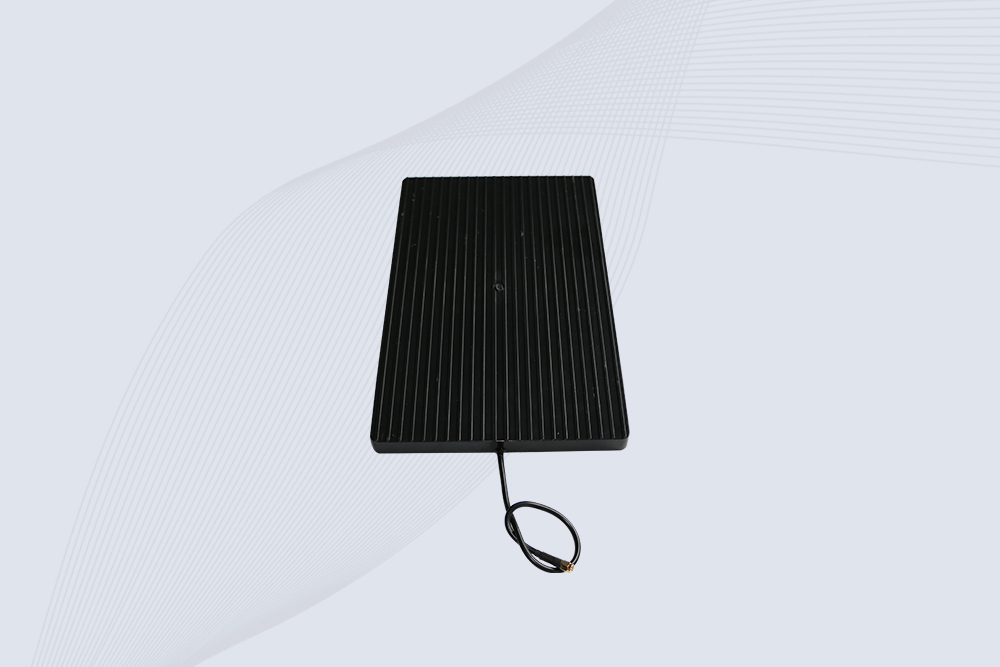
Cykeo’s CYKEO-A9B High Gain RFID Antenna delivers 15m+ read range with 9dBi amplification. Features IP54 rugged design, 840-960MHz bandwidth, and 80° beamwidth for warehouse/manufacturing RFID systems.

Cykeo’s enterprise-grade 8dbi Impinj RFID Antenna 10m+ read range with 840-960MHz tuning. Features IP65 housing, 1.4 VSWR, 35° beamwidth for retail/warehouse RFID systems.
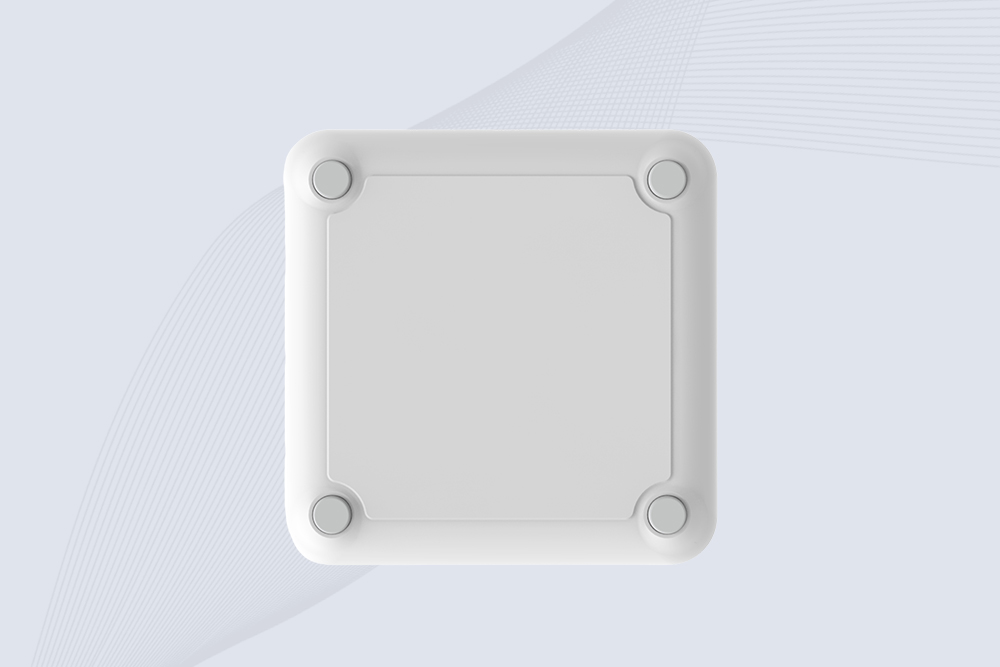
Cykeo CYKEO-A9 industrial UHF RFID antenna delivers 9dBi gain, 840-960MHz frequency range, and IP65 protection for warehouse/logistics/retail RFID systems. Features N-type connector and ≤1.3:1 VSWR.
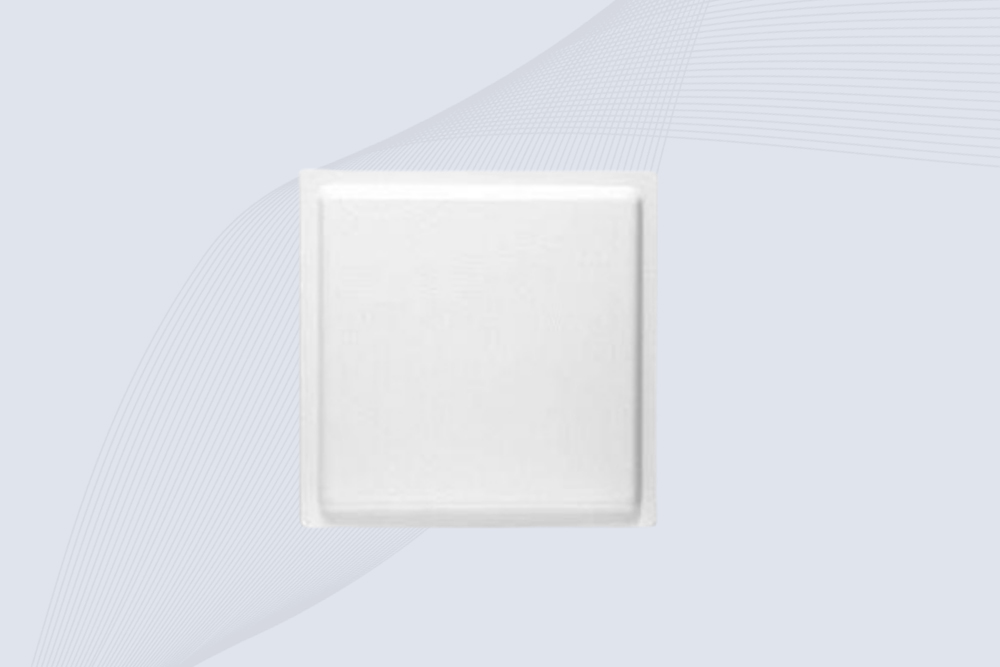
CYKEO UHF RFID Antenna built for long-distance and industrial applications. This antenna rfid uhf delivers strong gain, outdoor durability, and reliable tag performance in warehouses, yards, and vehicle ID systems.
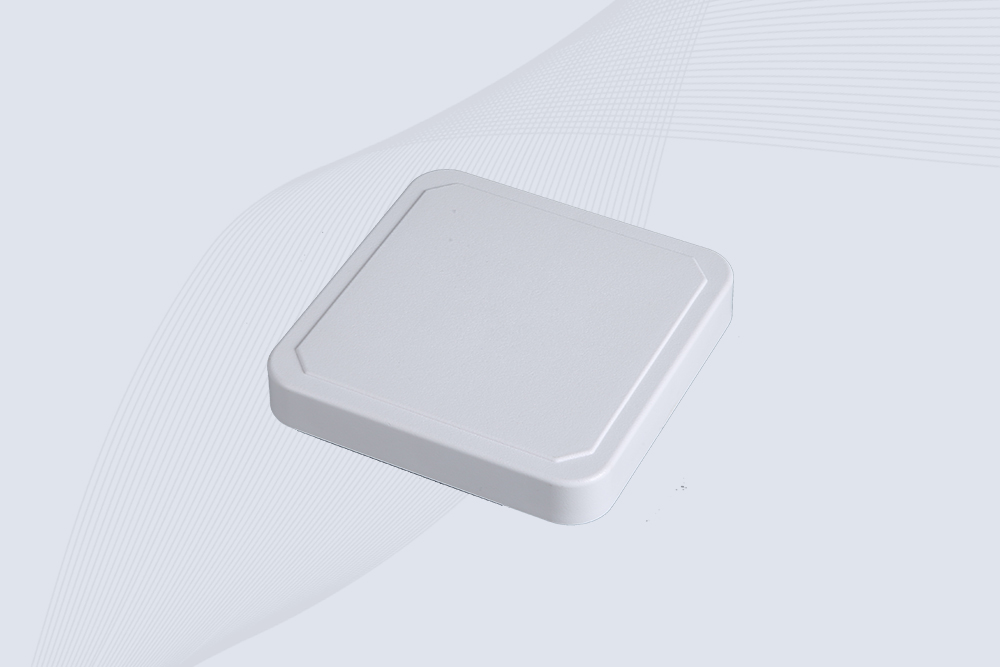
CYKEO Antenna RFID delivers reliable long-range UHF performance in warehouses, retail shelves, and cold-chain environments. This compact uhf rfid antenna provides stable reads with circular polarization and ultra-wide 840–960 MHz support, ideal for industrial tracking, smart shelves, and asset monitoring.
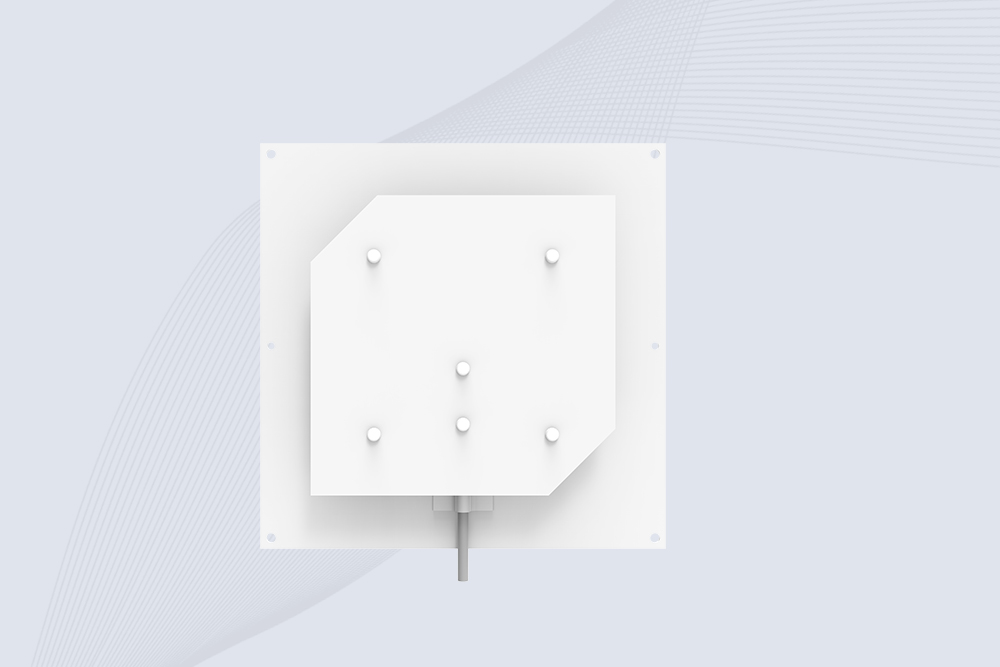
Cykeo’s CYKEO-C8 UHF RFID antennas delivers 8dBi gain, 840-960MHz full-band coverage, and IP65 ruggedness for manufacturing/warehouse RFID systems. Industrial RFID Antennas Features
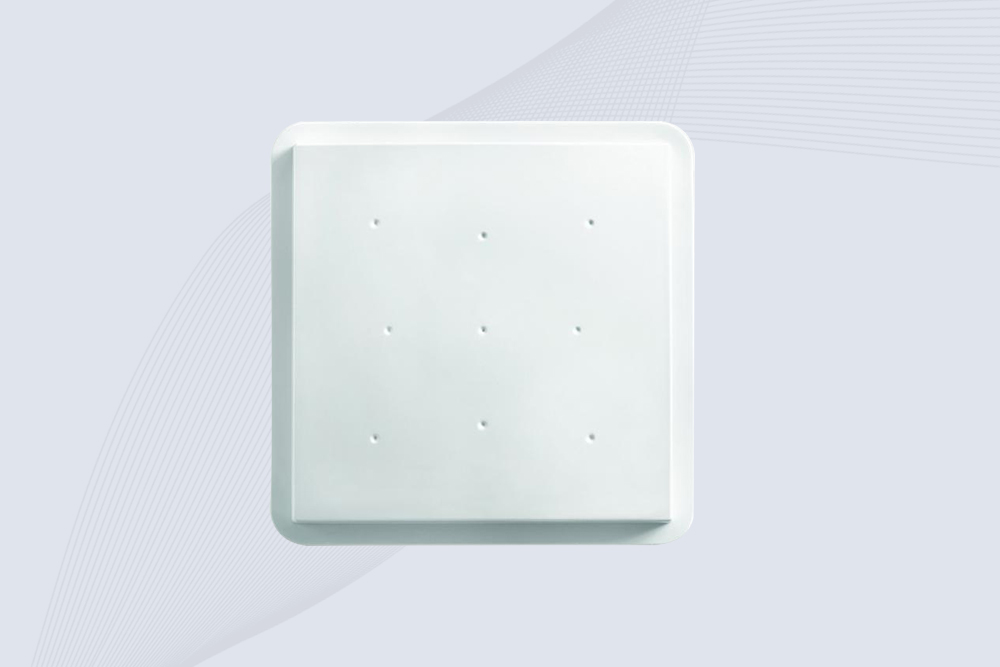
Cykeo’s 8dBi UHF RFID antenna and reader kit delivers 10m+ range, 840-960MHz broadband, and IP65 ruggedness for factories, warehouses, and logistics. ISO 18000-6C & EPC Gen2 certified.
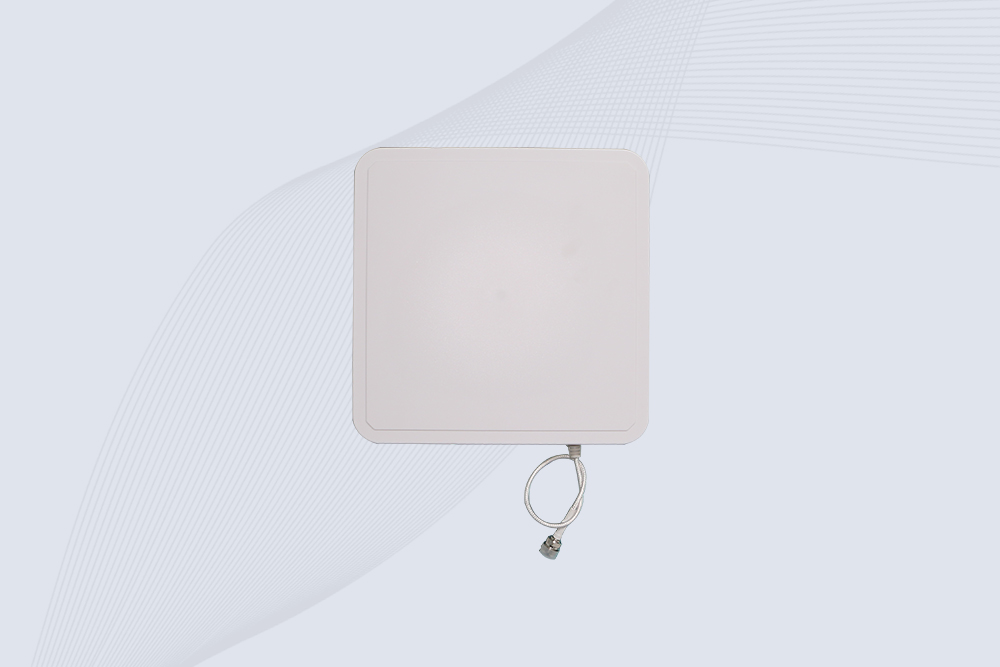
Cykeo CYKEO-A9A industrial UHF RFID reader and antenna kit delivers 10m range, 500 tags/sec, IP65 ruggedness for manufacturing/logistics. Supports EPC Gen2, ISO18000-6C.
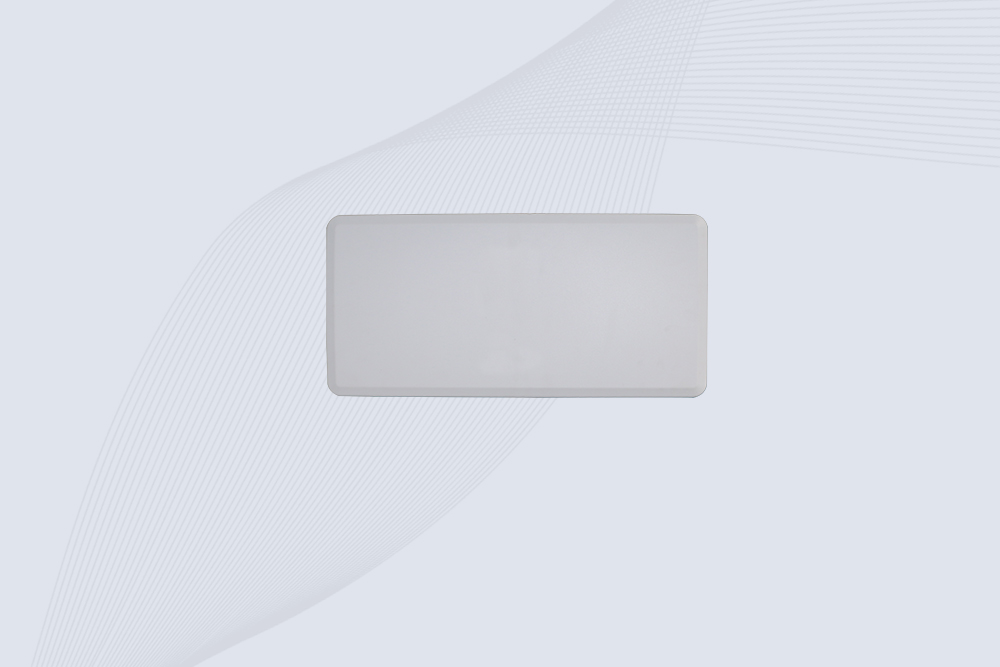
Cykeo’s CYKEO-A12C UHF Large RFID Antenna delivers 12dBi gain, 840-960MHz global frequency, IP65 ruggedness for logistics/warehousing/automotive. 40° beamwidth ensures stable 15m+ tag reads.

CYKEO Near Field RFID Antenna provides precise 5–30 cm reading for shelves, cabinets, and workstations. This compact rfid shelf antenna delivers stable short-range performance around metal and clutter, ideal for pharmacies, libraries, and electronics sorting.
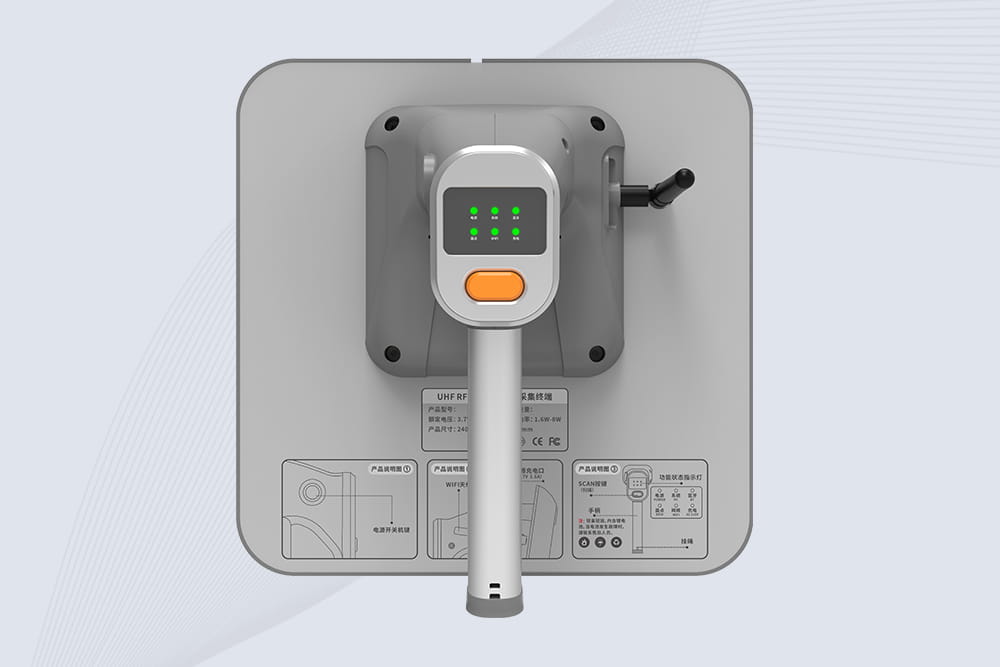
Cykeo CYKEO-B9 UHF Bluetooth handheld RFID scanner features 12m UHF range, 200+ tags/sec scanning, IP67 rugged design for retail/warehouse/pharma. Supports Android SDK & real-time Bluetooth 5.0 transmission.
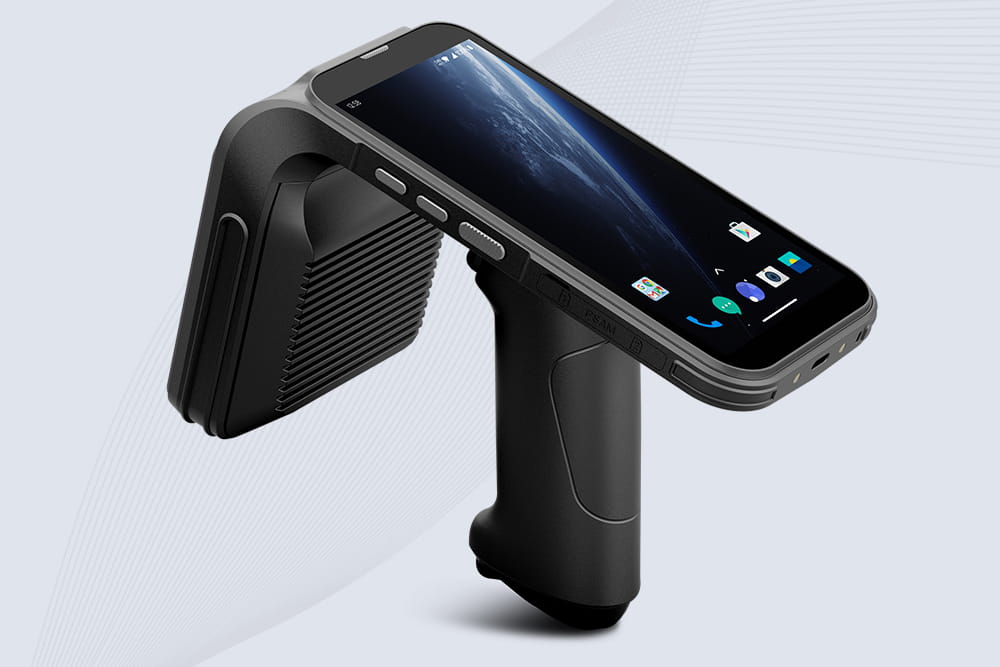
Cykeo CYKEO-B4 UHF Handheld RFID Reader scanner delivers 1300 tags/sec reading, 30m UHF range, and 12-hour battery life. IP65 rugged design with barcode/NFC/ID scanning for retail/manufacturing/logistics.
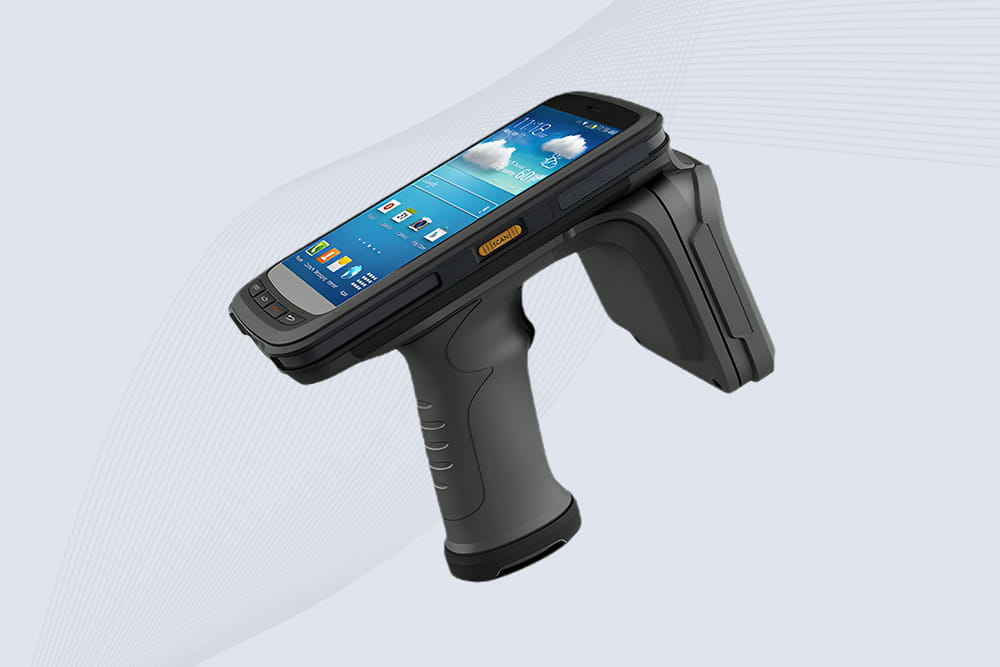
Cykeo CYKEO-B2 industrial UHF RFID handheld Scanner offers 10m range, 500 tags/sec scanning, Android 11 OS, and IP65 rugged design for retail/warehouse/manufacturing.
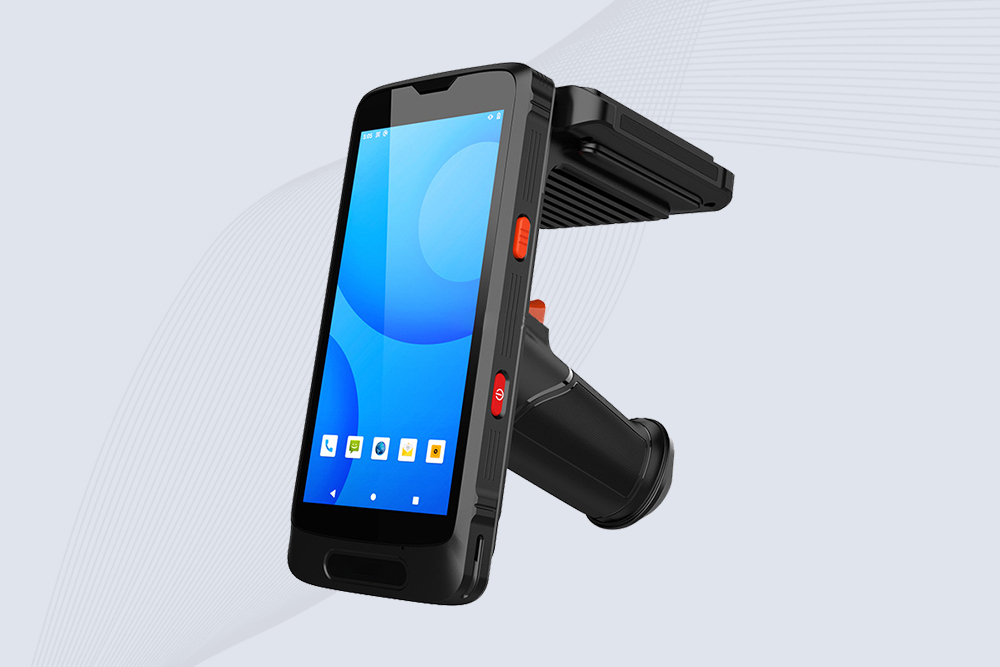
Cykeo CYKEO-B3 industrial RFID Reader Handheld, terminal offers 2m read range, multi-protocol scanning (NFC/barcode/ID), Android 10 OS, and IP65 ruggedness for logistics/retail/manufacturing.
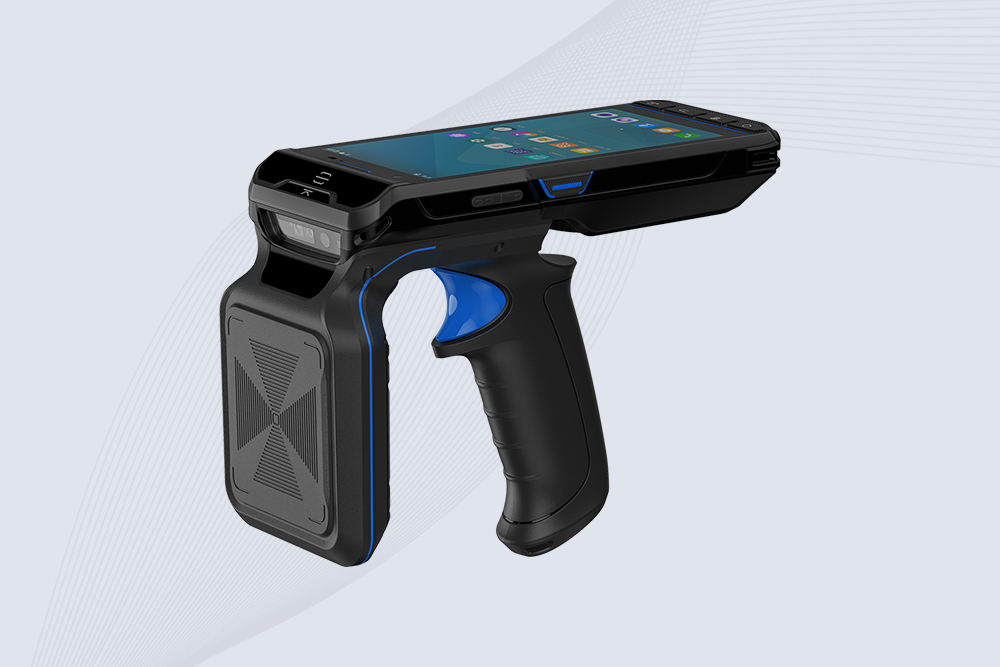
Cykeo CYKEO-B3L industrial handheld UHF RFID Reader terminal features 20m read range, 500 tags/sec scanning, Android 13 OS, 12-hour battery for logistics/retail/manufacturing. Supports barcode/NFC/ID reading.
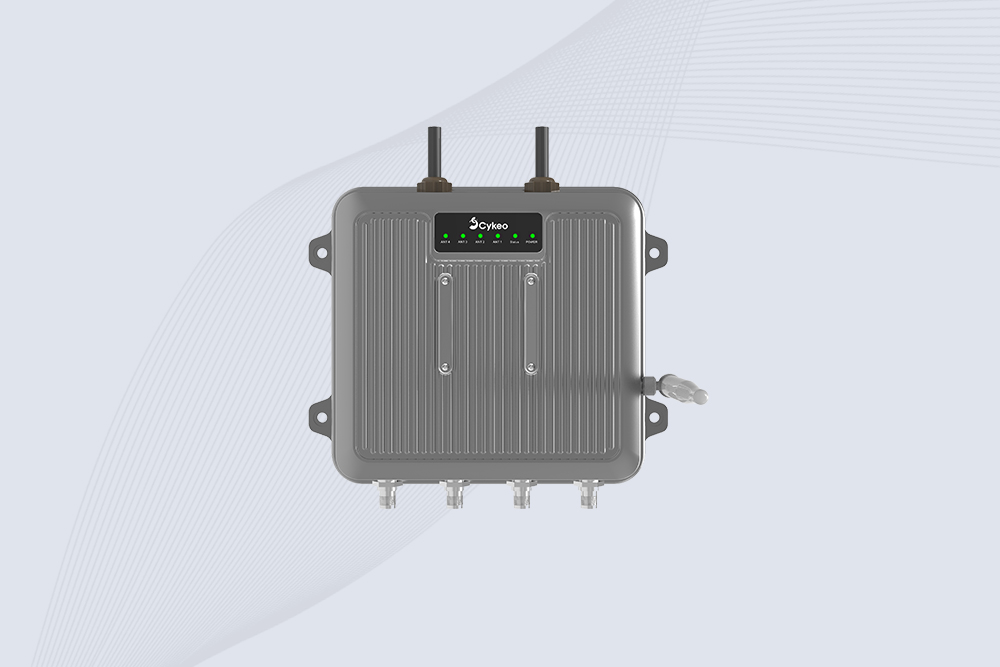
Cykeo CYKEO-C1 industrial Forklift RFID Reader features 20m read range, 600 tags/sec scanning, Impinj R2000 chipset, and IP67 rugged design. Ideal for warehouse logistics and manufacturing. Supports ISO 18000-6C/6B protocols.
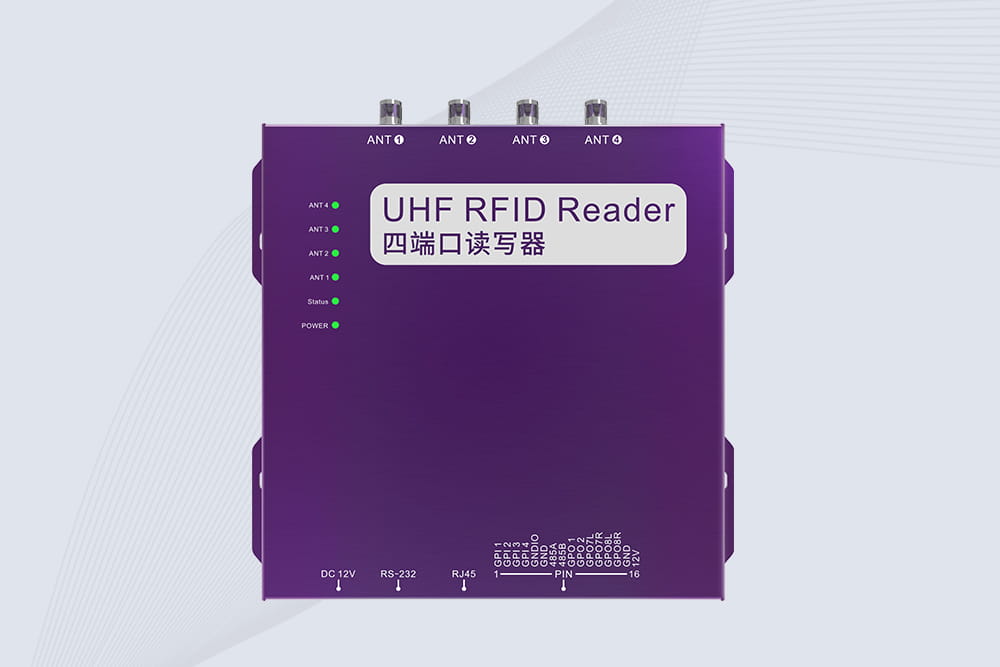
Cykeo CYKEO-R4 industrial UHF RFID Fixed Reader features 4 TNC ports, 400+ tags/sec speed, IP67 housing, and global frequency compliance for vehicle inspection, smart warehouse, and asset management systems.
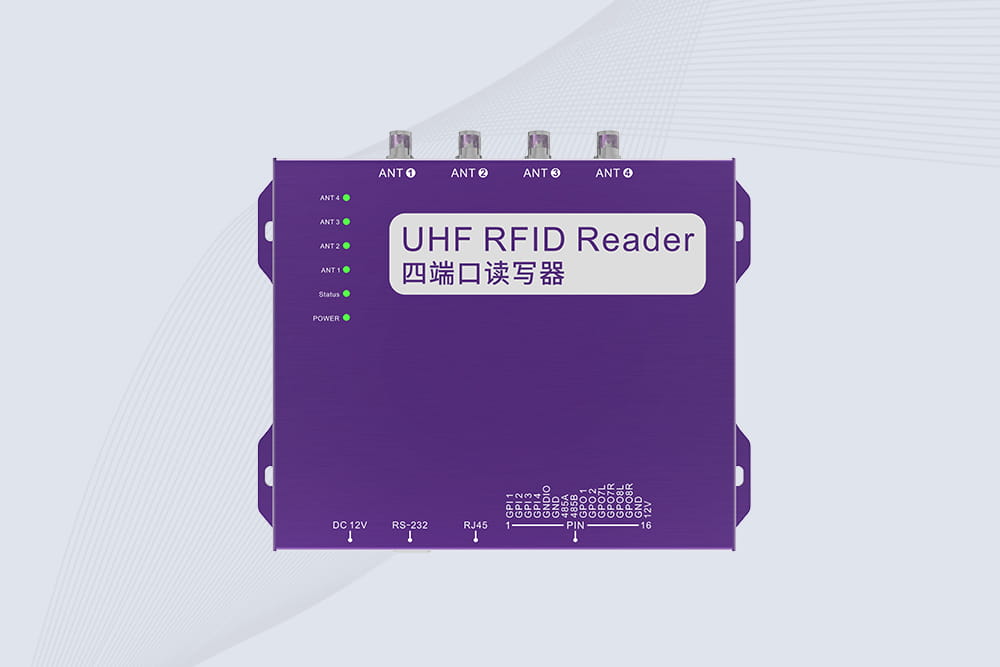
Cykeo’s CYKEO-R4L 4-port Fixed UHF RFID Reader delivers 400 tags/sec scanning, ISO 18000-6C compliance, and IP65 protection. Ideal for warehouse automation, manufacturing WIP tracking, and logistics management.
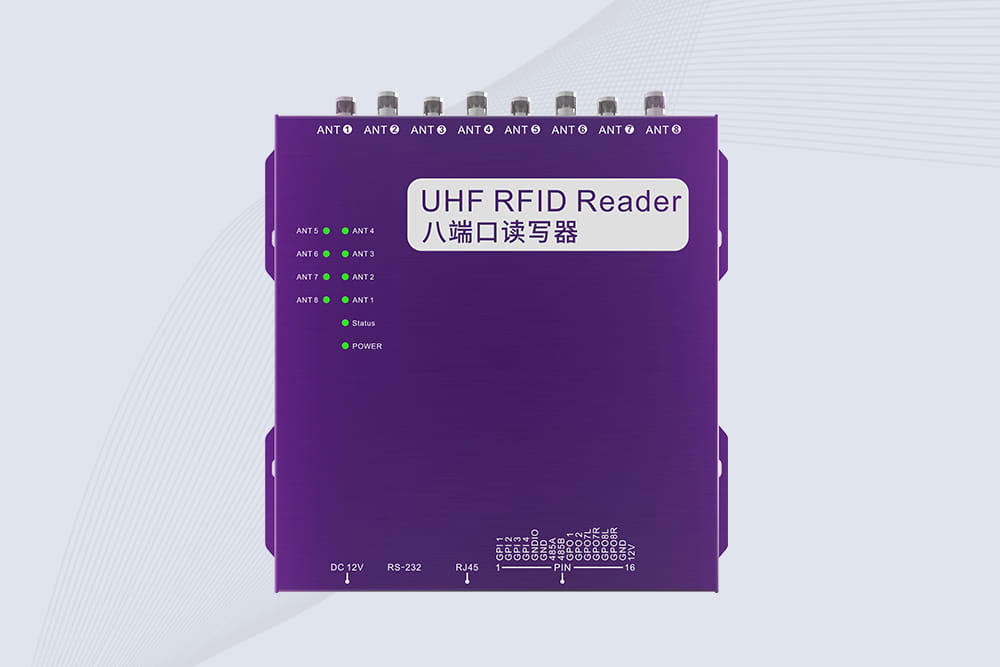
CYKEO CYKEO-R8L Fixed RFID Reader with 8-port UHF design, Impinj-based RF core and up to 20m read range. An industrial Fixed RFID Reader for vehicle inspection, warehouse portals, smart manufacturing lines and secure access checkpoints.
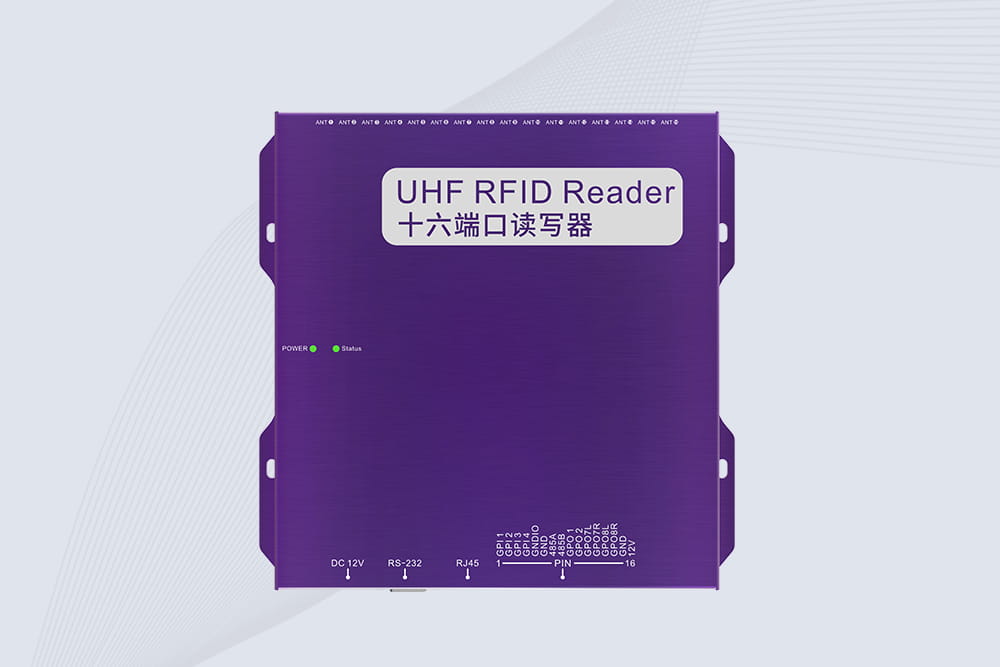
RFID Fixed Reader from CYKEO – the CYKEO-R16L 16-port UHF fixed reader for warehouses, smart cabinets, and production lines. Long-range, multi-tag reading, stable performance for 24/7 industrial use.
RFID Industry Writer | IoT & Asset Tracking Analyst
James writes about RFID technology, asset tracking, and the practical challenges of digital transformation across warehousing, retail, manufacturing, and logistics.
His work focuses on how RFID is applied in real-world operations—improving inventory visibility, automating workflows, and helping businesses manage assets with greater accuracy and efficiency.
He regularly covers topics including UHF RFID, smart cabinets, RFID portals, tool tracking, warehouse automation, and industrial IoT trends..

Learn how to read rfid tags with professional RFID technology. Explore RFID readers, tag communication, inventory applications, and Cykeo solutions.
More
Choosing the right UHF RFID fixed reader? Learn how to select the right model based on range, antenna ports, environment, and system integration for your project.
More
Discover radio frequency identification rfid tags from Cykeo for asset tracking, inventory accuracy, and industrial automation. Improve visibility and efficiency with reliable RFID technology.
More
Learn how to maintain fixed RFID readers in high-dust environments. Discover Cykeo’s dustproofing strategies, cleaning routines, and firmware updates for reliable performance.
More