 Cykeo RFID IoT Solution Products R&D Manufacturer
What Are HF RFID Tags?
90HF RFID tags enable accurate document tracking, archive management, and secure file identification. Discover how Cykeo HF RFID solutions improve visibility, security, and efficiency.
MoreAll RFID Product
A desktop reader enables stable ultra high frequency RFID tag encoding, fast batch registration, and accurate short-range RFID management for libraries, archives, retail counters, and industrial asset systems.
The interesting thing about RFID projects is this: the biggest operational issue is rarely the server, middleware, or database. It is usually the registration desk.
That is where tags are initialized, rewritten, filtered, verified, and corrected. If the desktop reader behaves inconsistently, the entire RFID workflow slowly becomes unreliable.
At Cykeo, we developed the CYKEO-D1L desktop reader specifically for controlled UHF RFID writing environments where operators repeatedly process tags throughout the day. Instead of chasing excessive read distance, the design focuses on stable near-field recognition and high write accuracy.
That design choice came directly from field experience.
In real deployments, RFID encoding is rarely as clean as lab demonstrations.
Books pile together. Laundry tags overlap. Asset labels sit too close to each other. Operators rush. Nearby RFID tags interfere unexpectedly.
A poorly controlled RF field creates duplicate reads and failed writes almost immediately.
The CYKEO-D1L desktop rfid reader uses a near-field antenna structure to intentionally limit the
effective recognition range:
| Function | Distance |
|---|---|
| Read Range | Within 30 cm |
| Write Range | Within 10 cm |
That controlled range sounds conservative until you watch operators process hundreds of tags per shift without shielding nearby labels by hand.
According to Auburn University RFID Lab research, dense-tag environments significantly affect encoding consistency and data reliability.
GS1 also emphasizes that accurate EPC encoding is essential for traceability and supply-chain integrity.
Those recommendations align closely with what we observed during actual deployment testing.
The CYKEO-D1L desktop reader supports:
Maximum output reaches 33 dBm, but raw power is not the most valuable characteristic here.
Control is.
One library integrator we worked with originally used a generic long-range desktop encoder. Nearby books triggered repeated tag collisions during registration. Operators slowed down because they had to separate books manually before every write attempt.
After moving to controlled short-range UHF encoding, write failures dropped noticeably during the first operational week.
No dramatic redesign. Just better RF behavior.
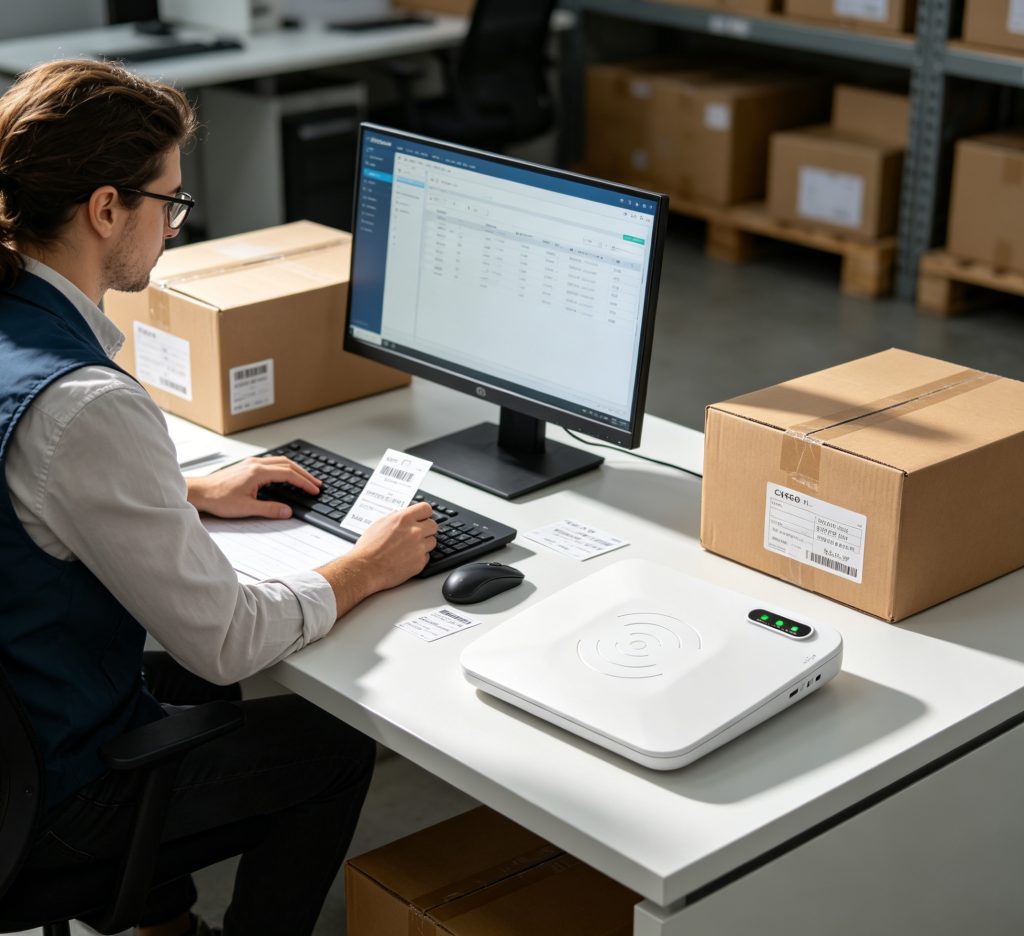
Libraries often process large groups of tagged books simultaneously. Wide RF zones easily create duplicate reads.
A compact desktop reader with controlled recognition distance prevents unnecessary interference.
Retail suppliers frequently batch-write EPC data before shipment.
The CYKEO-D1L supports rapid writing while maintaining short-range precision.
Laundry environments are difficult because RFID tags overlap continuously.
Near-field UHF recognition helps isolate individual textile tags during rewrite operations.
Maintenance departments use RFID encoding stations to assign tools to departments, workers, or inspection schedules.
The device supports quick filtering and repeated rewriting without requiring complicated operator training.
Large desktop readers may look powerful, but operators often work inside crowded counters with limited space.
The compact structure of the CYKEO-D1L makes daily operation easier during long encoding sessions.
Older serial interfaces still appear in many industrial RFID systems. Unfortunately, modern laptops increasingly remove those ports.
Type-C communication avoids adapter problems during workstation installation.
Many RFID projects fail during software integration rather than hardware deployment.
The included C# and Java development resources shorten implementation cycles for system integrators and internal IT teams.
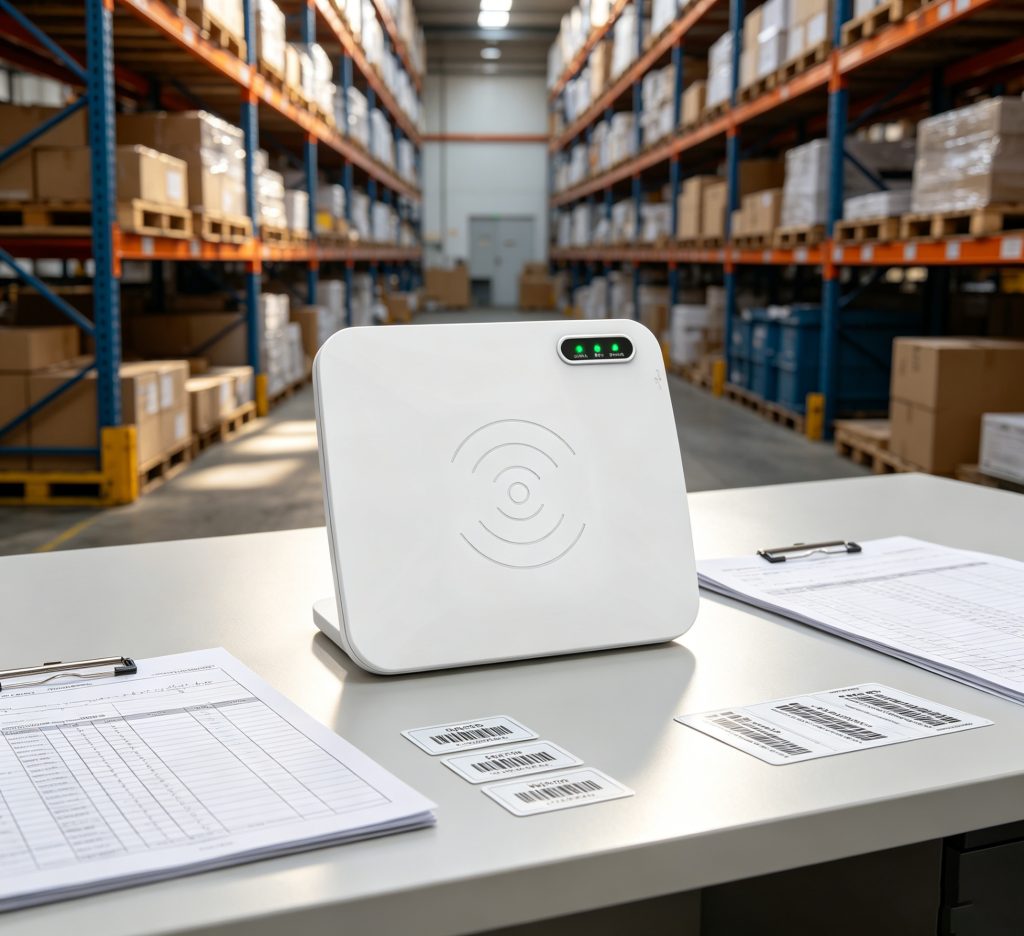
One operational detail surprised even experienced integrators.
Operators do not necessarily care about maximum read distance. They care about repeatability.
If a desktop reader behaves slightly differently every few minutes, productivity drops because staff begin second-guessing every write attempt.
During pilot deployments, users consistently preferred stable near-field control over aggressive long-range performance.
That preference becomes obvious in registration-heavy environments like archives, libraries, and repair departments.
Another overlooked issue is accidental multi-tag encoding. A wider RF zone can silently overwrite nearby RFID tags if operators are not careful.
Controlled recognition distance dramatically lowers that risk.
A desktop reader is used to encode, register, read, and manage RFID tags in controlled short-range environments such as libraries, retail counters, and asset tracking stations.
Yes. The device supports ultra high frequency RFID protocols including ISO 18000-6C / EPC Gen2.
The desktop reader uses a controlled near-field antenna with approximately 30 cm read distance and 10 cm write distance.
Yes. The CYKEO-D1L supports batch encoding, tag filtering, and rapid RFID rewriting workflows.
Cykeo provides C# and Java development materials for software integration.

Discover SSD-D4AL, a USB-HID UHF RFID reader with 4/8/16 antenna options, Impinj E710/X3M1 chipset, plug-and-play USB power, and OEM customization.
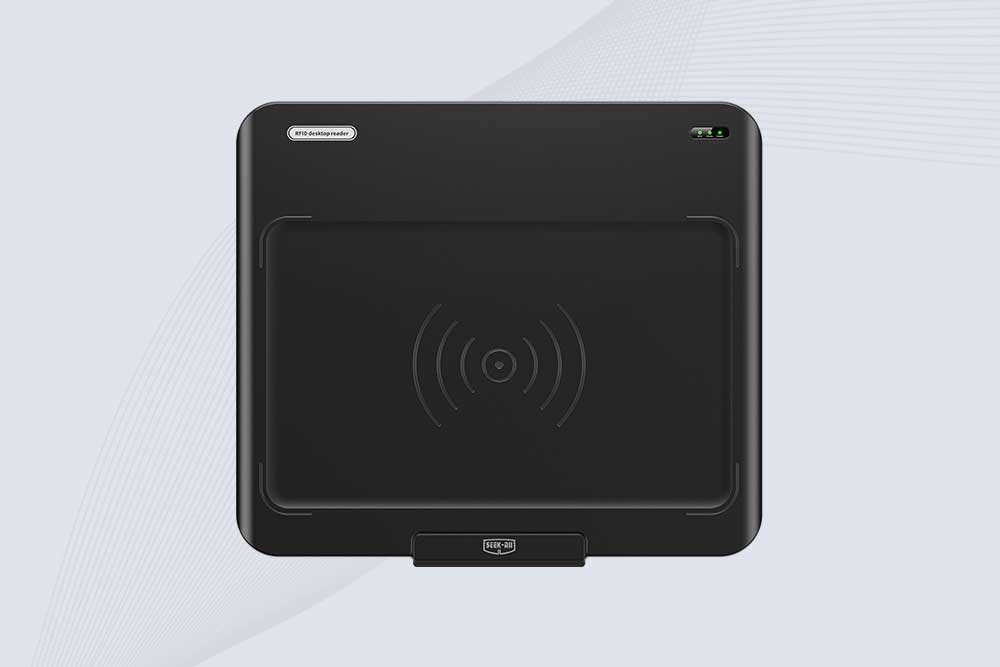
SSD-D3AL is a USB-HID UHF RFID reader with 0–30 cm reading, 0–15 cm writing, over 600 tags/s recognition, USB plug-and-play operation and OEM Logo customization.
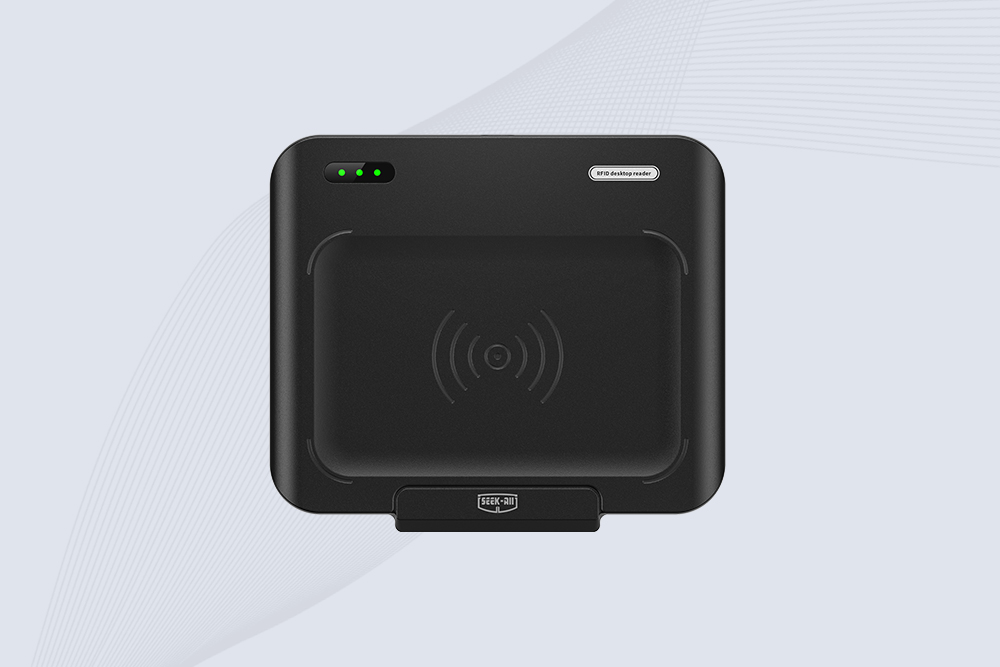
SSD-D1AL is a compact USB UHF RFID reader with Impinj E710/X3M1 chipset, USB-HID, 600+ tags/s recognition, 4/8/16 antenna support and plug-and-play USB power.

CYKEO CYKEO-D1LA USB RFID Reader is a compact desktop solution with near-field control for precise tag reading and encoding. Powered by USB, supporting ISO 18000-6C, and built for stable batch writing, this usb rfid tag reader fits retail, libraries, offices, and controlled RFID encoding tasks.
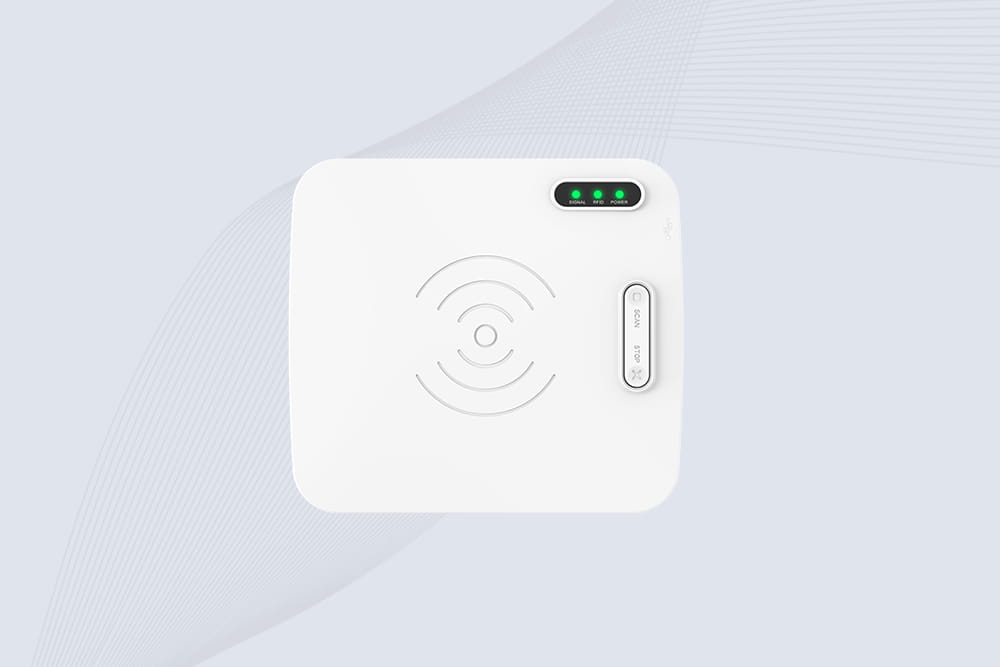
CYKEO CYKEO-D1L RFID scanner USB is a compact desktop UHF RFID scanner designed for short-range tag writing and verification. This usb rfid scanner supports batch encoding, stable 0–26 dBm output, and works across Windows, Linux, and Android systems.
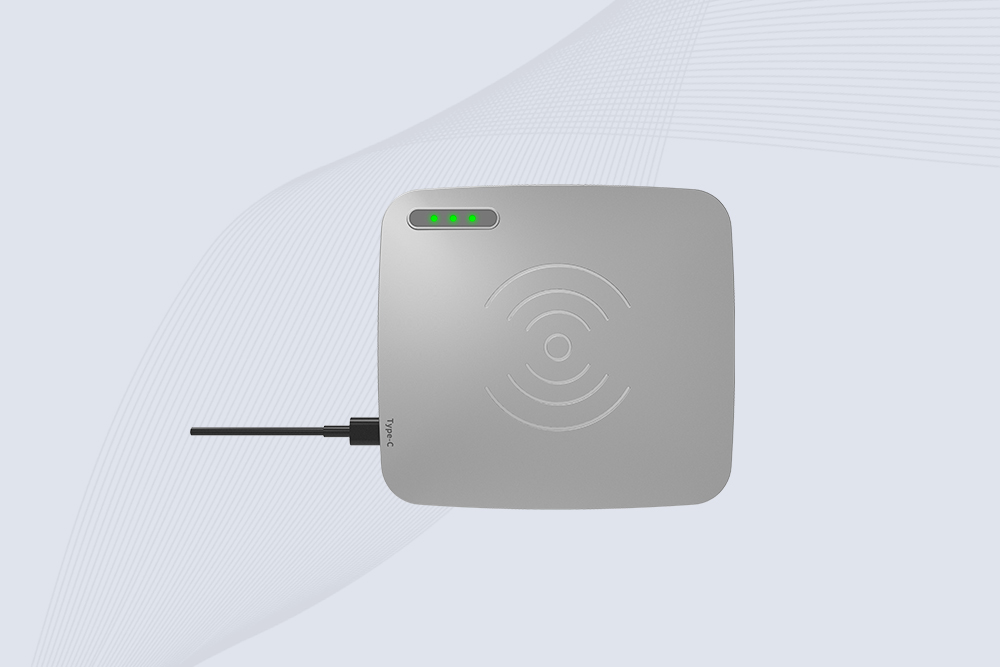
CYKEO CYKEO-D1C USB RFID Card Reader is a near-field UHF desktop writer designed for secure, short-range tag encoding. With USB-C connectivity and stable 26 dBm output, this rfid reader usb c is ideal for badge issuance, label encoding, and controlled desktop RFID workflows.
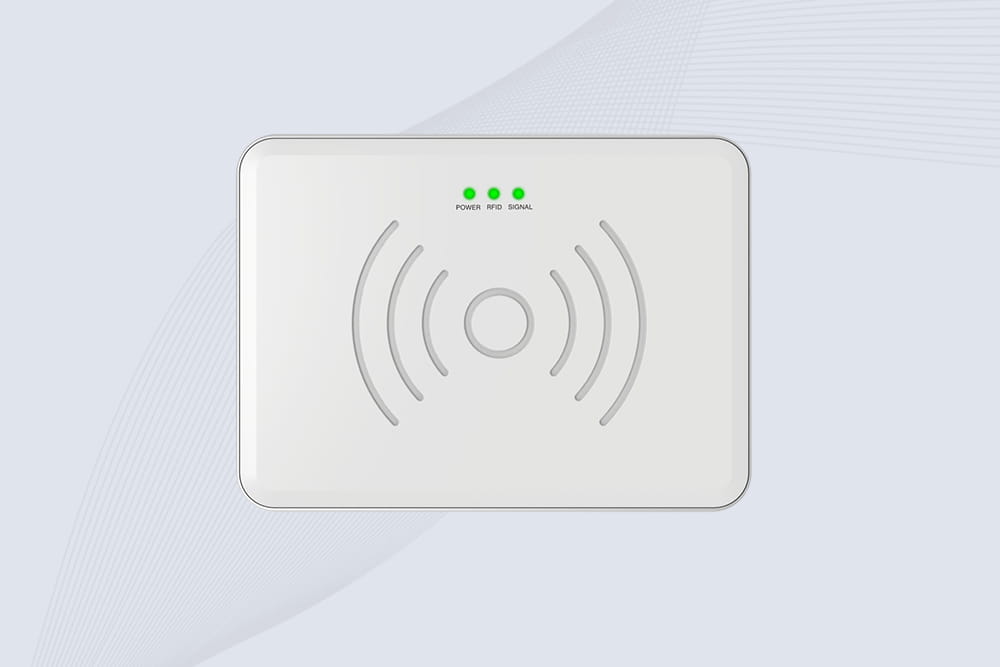
CYKEO CYKEO-D2L RFID Reader USB is a compact desktop encoder built on the Impinj R500 chip. With near-field control and stable USB power, this usb rfid card reader delivers precise tag writing for offices, retail counters, and small-scale logistics encoding tasks.
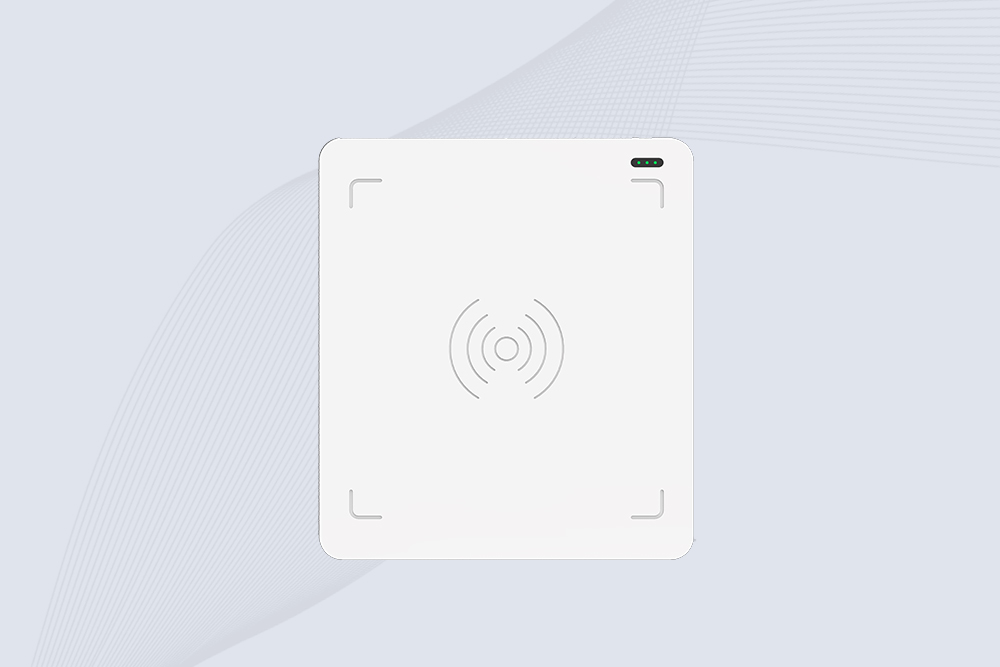
CYKEO CYKEO-D3L USB RFID Tag Reader delivers stable UHF tag reading and writing for daily desktop and light industrial tasks. Designed for controlled short-range operation, this USB RFID Tag Reader works reliably with rfid tag and reader systems in libraries, tool tracking, and inventory registration.
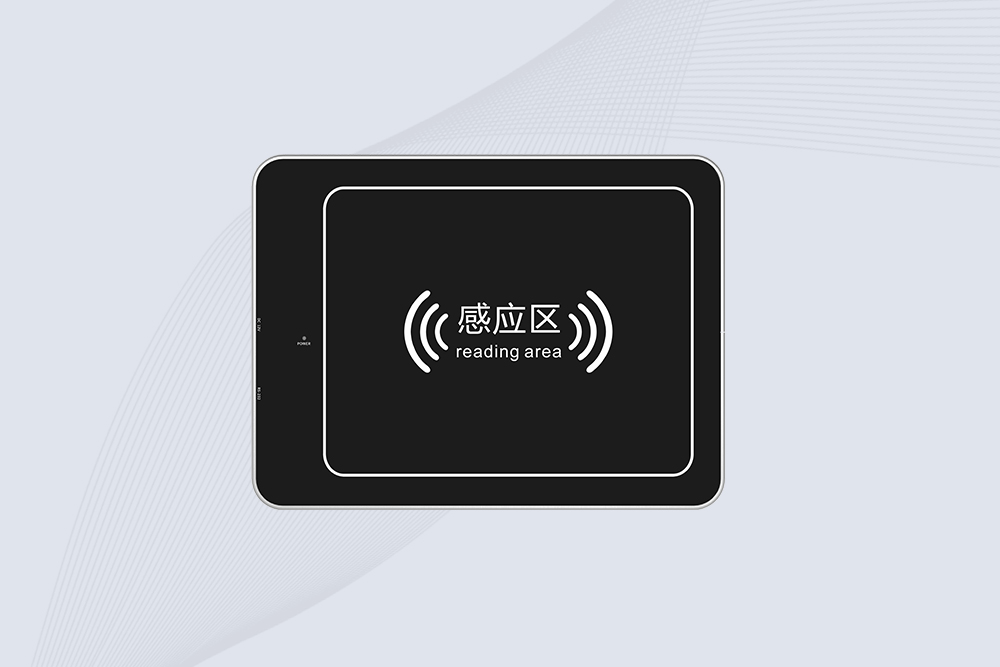
The CYKEO CYKEO-D4L UHF RFID Tag Reader is a stable Desktop RFID Reader designed for accurate tag registration, borrowing, and return workflows. Built with the Impinj R2000 chip, this UHF RFID Tag Reader delivers controlled short-range reads for libraries, asset tracking, and inventory management environments.
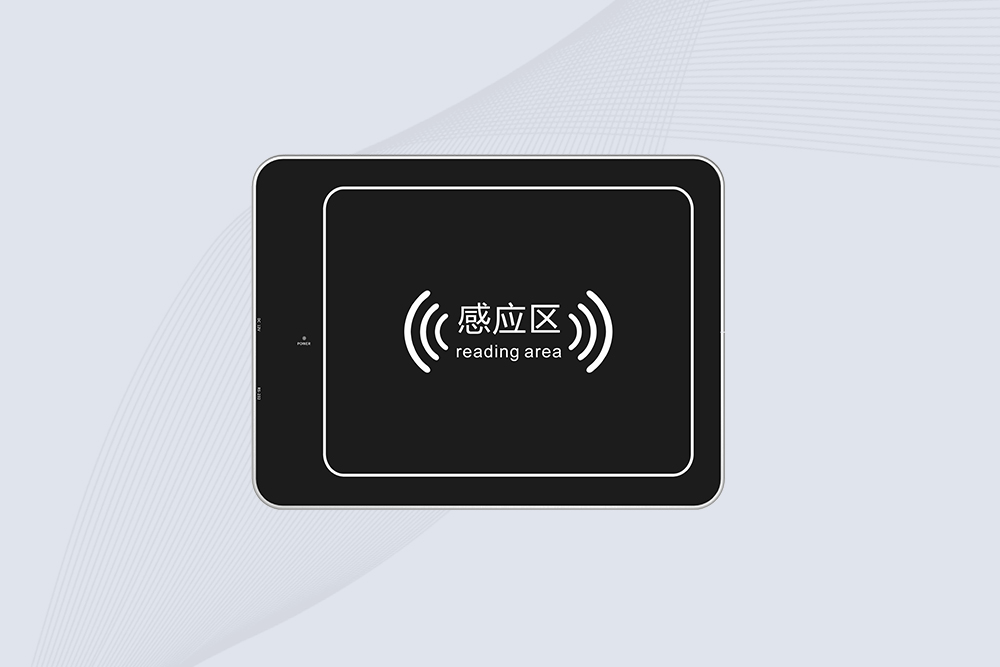
The CYKEO CYKEO-D5L Desktop RFID Card Reader is a stable UHF RFID Card Reader designed for controlled short-range reading and writing. Built for libraries, tool rooms, and asset desks, this UHF RFID Card Reader supports dense tag handling, secure data processing, and easy USB integration.
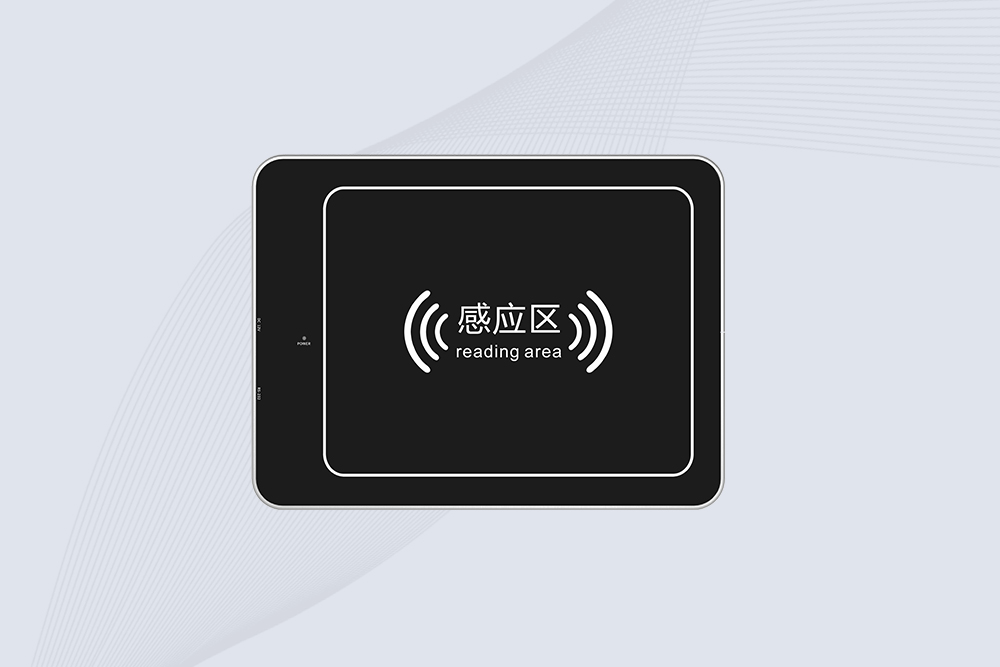
The CYKEO CYKEO-D6L RFID Reader Writer is a heavy-duty Desktop RFID Reader designed for short-range, high-accuracy tag programming. Built for libraries, labs, and asset desks, this RFID Reader Writer supports batch processing, stable 33dBm output, and seamless integration with existing management systems.
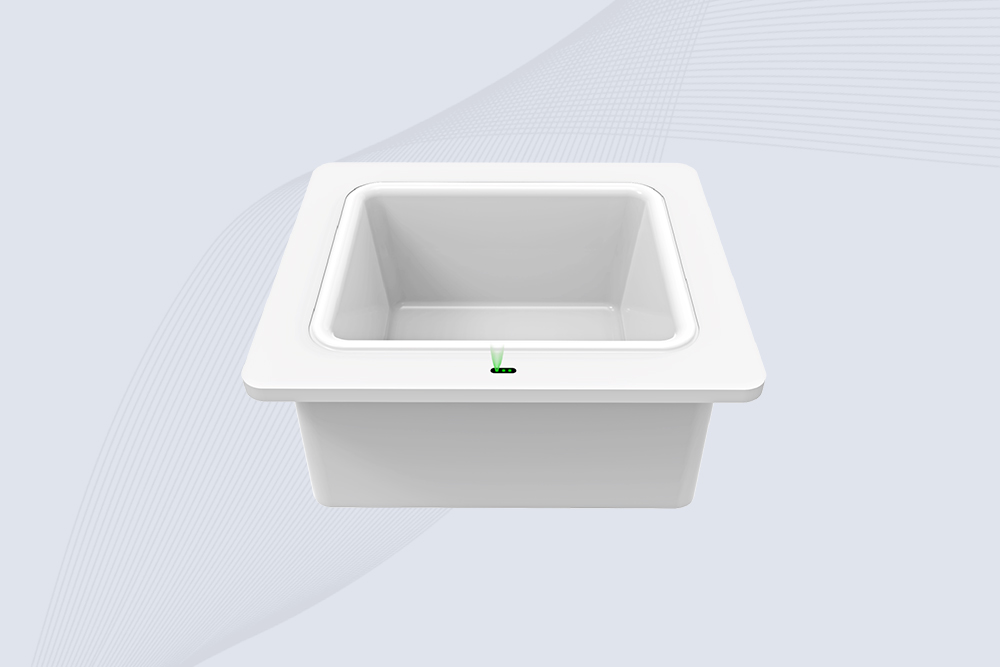
Cykeo CYKEO-D8B UHF RFID tunnel and RFID Desktop Reader features 30+ items batch reading,
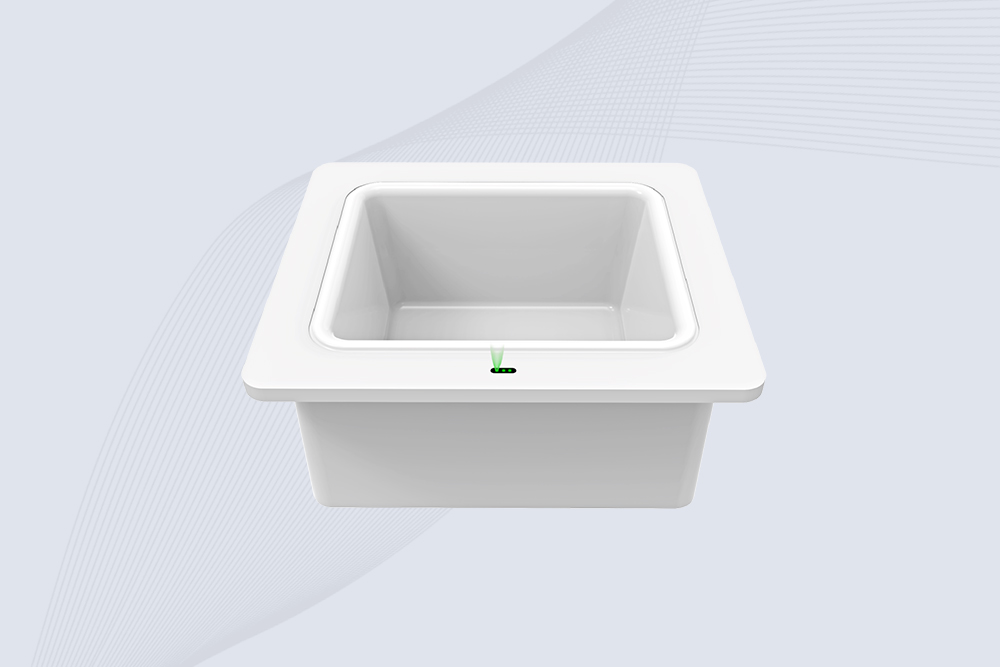
Cykeo CYKEO-D8A embedded RFID badge reader offers 30+ tags/sec scanning, 20cm anti-crosstalk precision, and DC 12V power for unmanned stores, warehouses, and smart inventory systems.
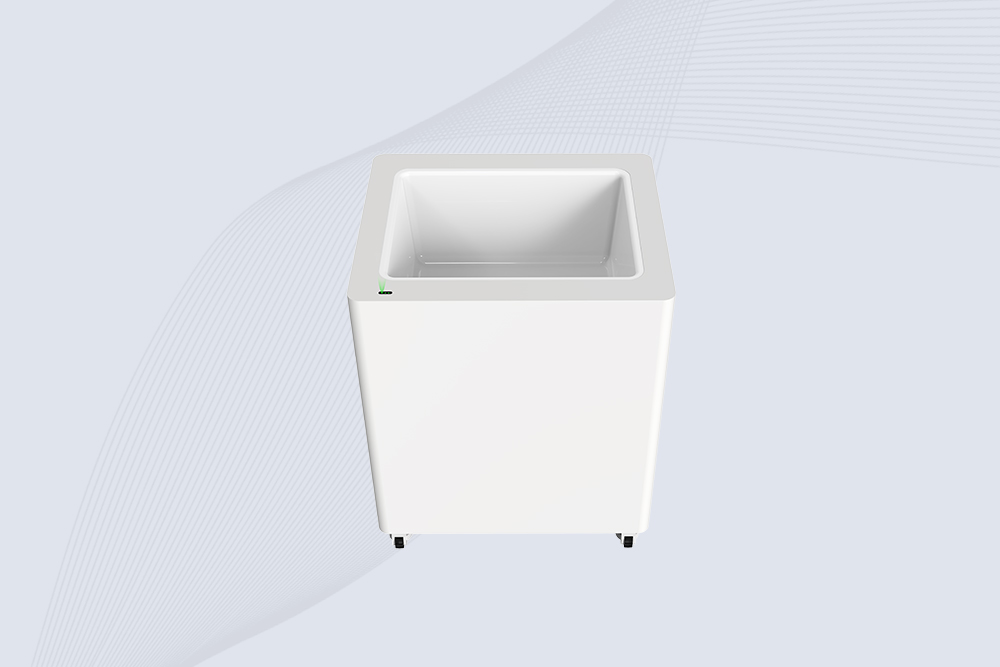
Cykeo’s CYKEO-D8C UHF RFID gate reader achieves 200-tag/batch scanning with adjustable power control, ideal for retail inventory and smart warehouse management.

HF RFID tags enable accurate document tracking, archive management, and secure file identification. Discover how Cykeo HF RFID solutions improve visibility, security, and efficiency.
More
RFID plate solutions improve industrial asset tracking, warehouse visibility, and equipment identification with durable UHF RFID technology from Cykeo.
More
Explore rfid production in retail with smart RFID gates. Improve tracking accuracy, reduce shrinkage, and automate inventory using Cykeo intelligent solutions.
More
How property managers and integrators deploy RFID key cabinets, manage keys across multiple sites, and streamline operations in real-world projects.
More