 Cykeo RFID IoT Solution Products R&D Manufacturer
How Does RFID Tag Work: Understanding RFID Tag Technology
113How does rfid tag work? Learn how RFID tags communicate with readers, store identification data, and support smart tracking applications in logistics, retail, and industry.
MoreAll RFID Product
HF RFID delivers short-range, stable identification at 13.56MHz, widely used in libraries, access control, ticketing, and item-level tracking where precision matters more than distance.
In practical deployments, HF RFID behaves differently from UHF systems. It is less about scanning distance and more about controlled interaction—tap, verify, confirm. That “close-range discipline” is exactly why many high-security or item-level environments still rely on it.
At Cykeo, our field experience with RFID systems shows that HF RFID often becomes the backbone of environments where user behavior must be intentional, not automatic.
HF RFID operates at 13.56MHz and typically supports read ranges from a few centimeters up to around 1 meter depending on antenna design and environment.
According to ISO/IEC 14443 and ISO/IEC 15693 standards, HF RFID is optimized for secure proximity identification rather than bulk scanning
NXP Semiconductors also notes that HF systems are widely used in secure identity applications due to stable coupling and interference resistance.
In real-world installations, this translates into predictable behavior: fewer accidental reads, tighter control, and better user accountability.
We once observed a hospital deployment where HF RFID wristband systems reduced patient identification errors by over 30% compared to manual logging workflows during internal audits (hospital internal IT report, anonymized deployment data, 2023).
Not dramatic in appearance. But significant in compliance environments.
HF RFID is deeply embedded in library systems worldwide.
Books are checked in and out via close-range scanning, ensuring each transaction is intentional. The system reduces misreads caused by stacked items.
Office buildings and restricted areas rely heavily on HF RFID cards.
Unlike UHF tracking systems, HF requires deliberate tapping, which reduces accidental entry events.
Hospitals use HF RFID wristbands for patient identification, medication tracking, and sample labeling.
The close-range requirement reduces cross-identification errors in crowded clinical environments.
Many public transport systems still rely on HF RFID-based smart cards due to reliability under high user density.
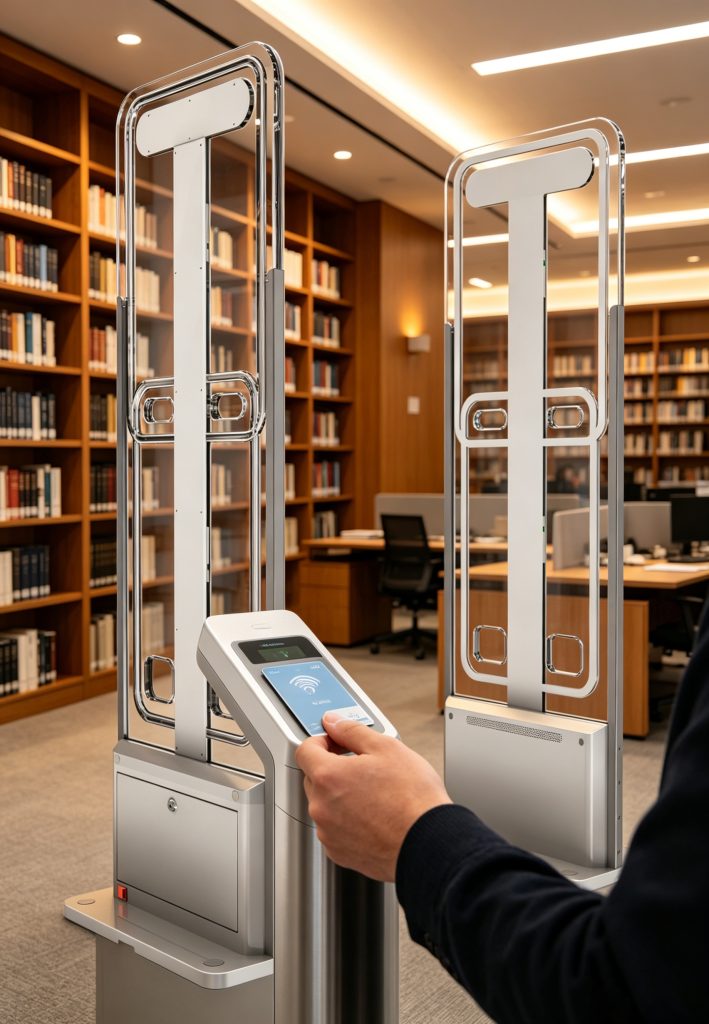
One of the most misunderstood aspects of HF RFID is that its limitation—short range—is actually its advantage.
In environments like hospitals or secure offices, accidental reads are not just inconvenient; they can create compliance risks.
HF RFID eliminates that uncertainty.
Because HF uses inductive coupling rather than far-field propagation, it performs more consistently around metal shelves, liquids, and human density compared to some higher-frequency systems.
Every scan is intentional. That small behavioral constraint reduces system noise dramatically.

| Feature | HF RFID |
|---|---|
| Frequency | 13.56 MHz |
| Typical Range | 2 cm – 1 m |
| Standard | ISO 14443 / ISO 15693 |
| Strength | Security + precision |
| Weakness | Limited read distance |
HF RFID is not designed to replace UHF systems. It serves a different role entirely: controlled identification instead of bulk tracking.
In Cykeo’s integration experience, successful RFID architectures often combine both—HF for identity, UHF for logistics.
That separation of roles is what keeps systems stable at scale.
HF RFID is used for secure short-range identification in libraries, access control, healthcare, and ticketing systems.
Typically between a few centimeters and up to around 1 meter depending on antenna and environment.
Yes. Its short range and inductive coupling make it more resistant to accidental reads and external interference.
HF RFID operates at 13.56 MHz under international standards like ISO/IEC 14443 and 15693.
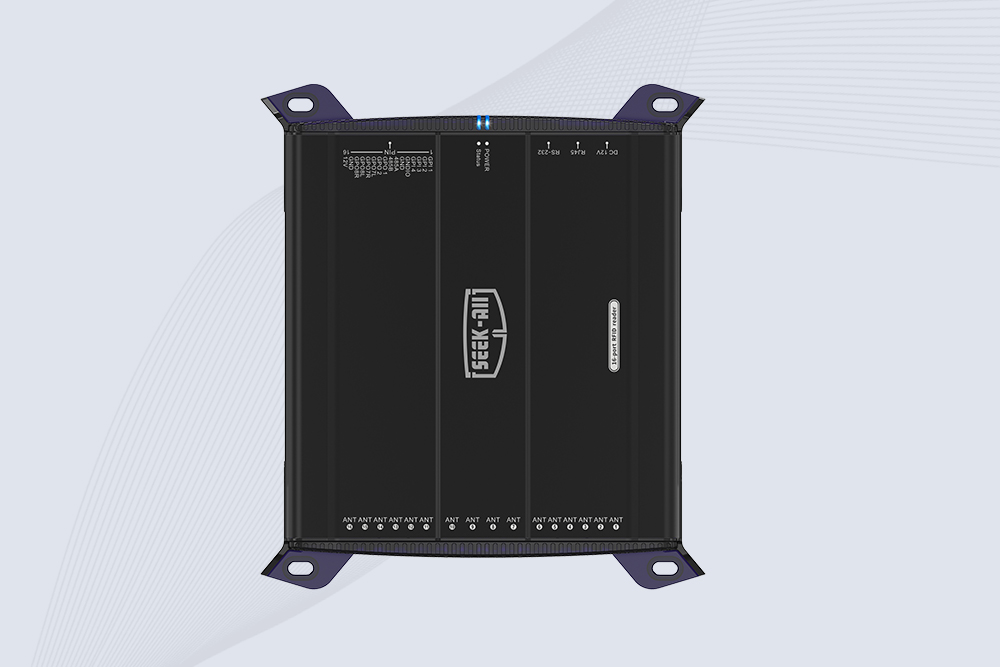
SSD-R16L Multi-Channel RFID Infrastructure for Automated Inventory Management ✔️ 16-Port High-Density RFID Reading Equipped with 16 SMA antenna ports, SSD-R16L supports multi-antenna deployment for warehouses, retail stores, logistics, production lines, and large-area RFID identification. ✔️ High-Speed & Long-Range Performance With up to 33…
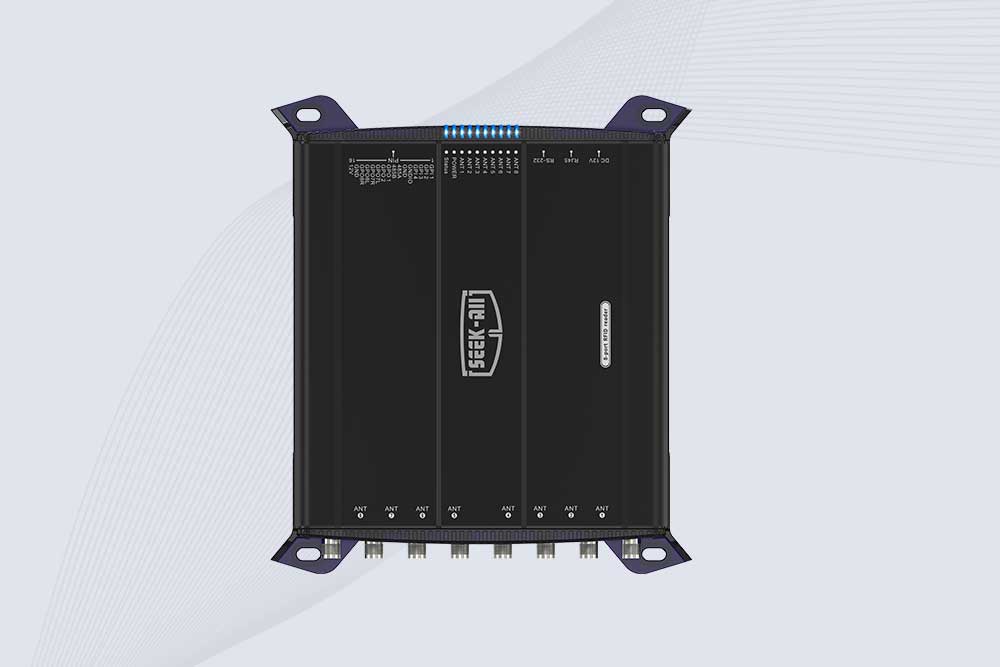
SSD-R8L 8-port UHF RFID reader with 33dBm output, up to 20m reading range and 600+ tags/s recognition. Ideal for warehouse, logistics, retail and asset tracking.
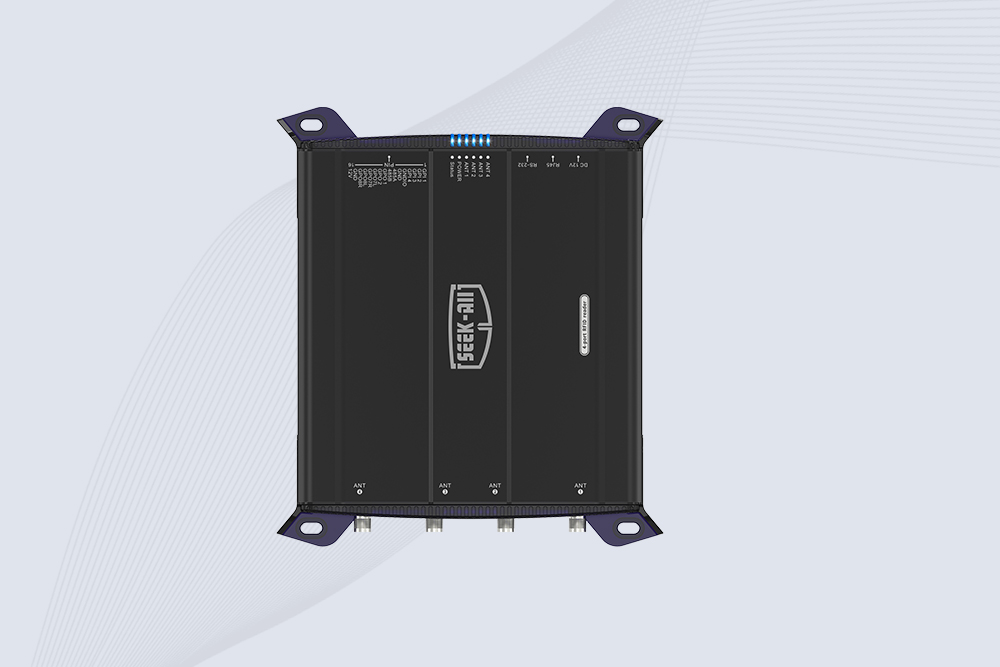
SSD-R4L is a 4-port UHF RFID fixed reader with 33dBm output power, up to 20m reading range, EPC C1G2 support and 600+ tags/s reading speed.
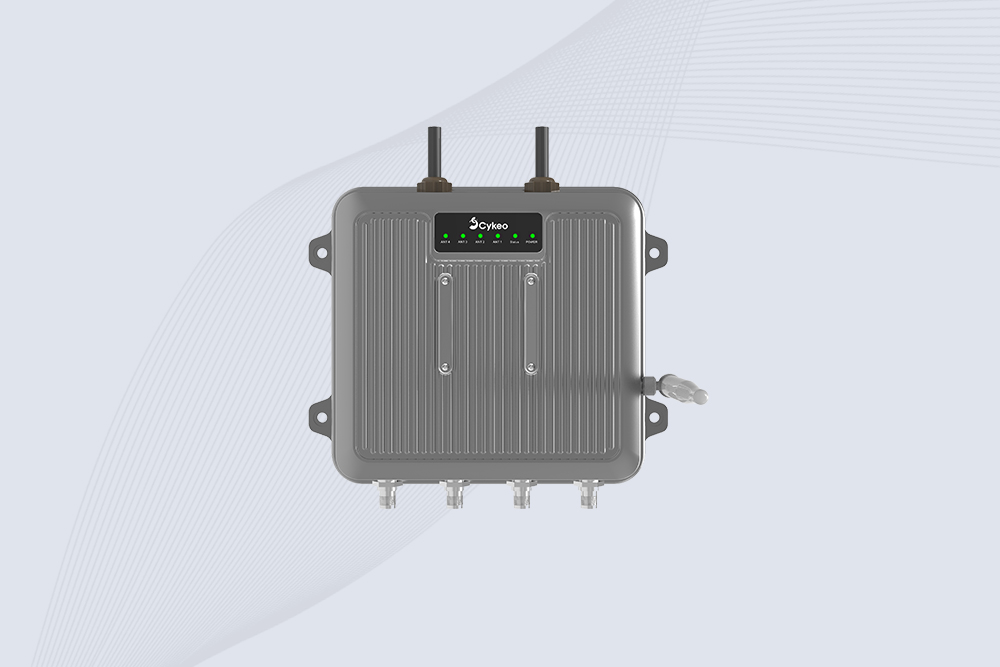
Cykeo CYKEO-C1 industrial Forklift RFID Reader features 20m read range, 600 tags/sec scanning, Impinj R2000 chipset, and IP67 rugged design. Ideal for warehouse logistics and manufacturing. Supports ISO 18000-6C/6B protocols.
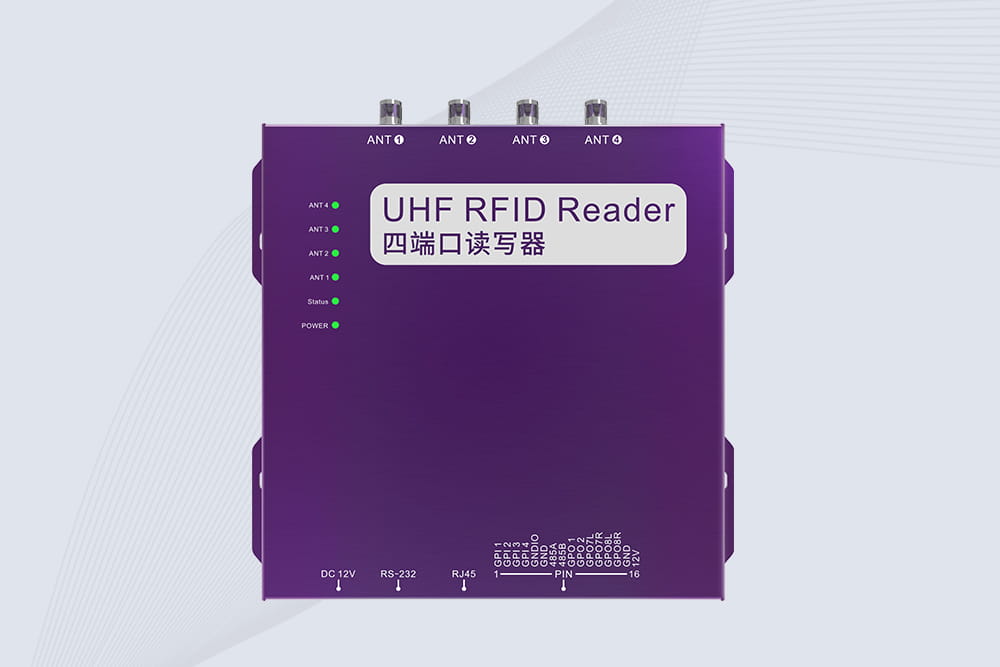
Cykeo CYKEO-R4 industrial UHF RFID Fixed Reader features 4 TNC ports, 400+ tags/sec speed, IP67 housing, and global frequency compliance for vehicle inspection, smart warehouse, and asset management systems.
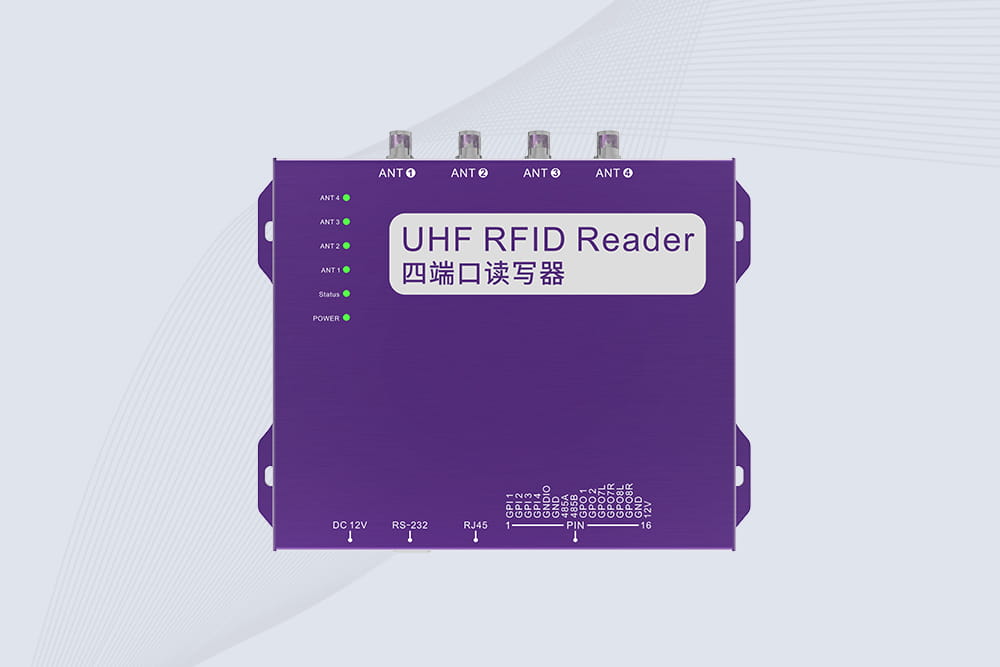
Cykeo’s CYKEO-R4L 4-port Fixed UHF RFID Reader delivers 400 tags/sec scanning, ISO 18000-6C compliance, and IP65 protection. Ideal for warehouse automation, manufacturing WIP tracking, and logistics management.
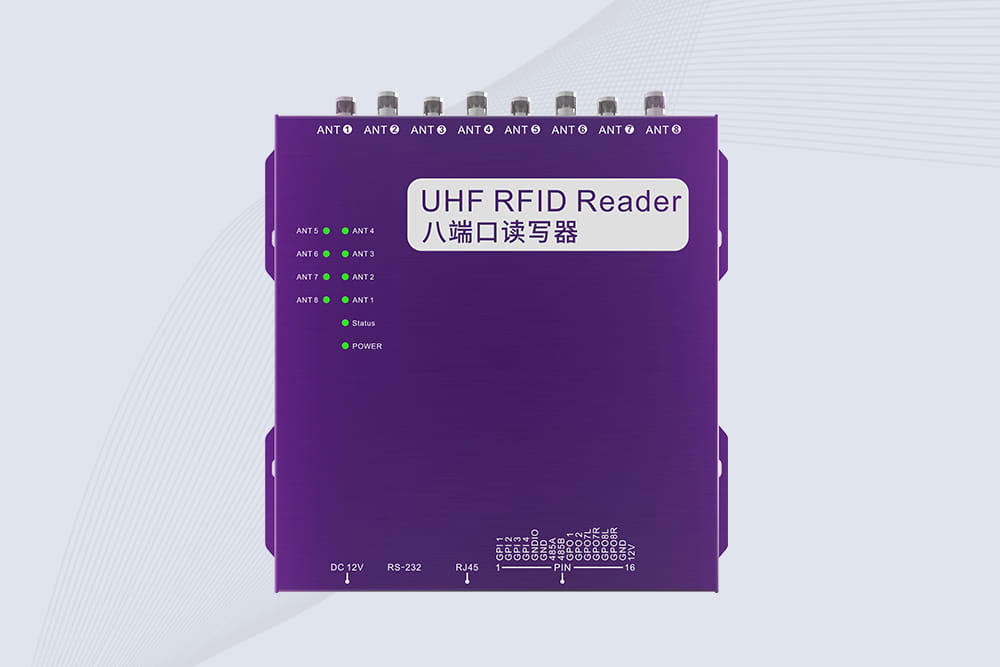
CYKEO CYKEO-R8L Fixed RFID Reader with 8-port UHF design, Impinj-based RF core and up to 20m read range. An industrial Fixed RFID Reader for vehicle inspection, warehouse portals, smart manufacturing lines and secure access checkpoints.
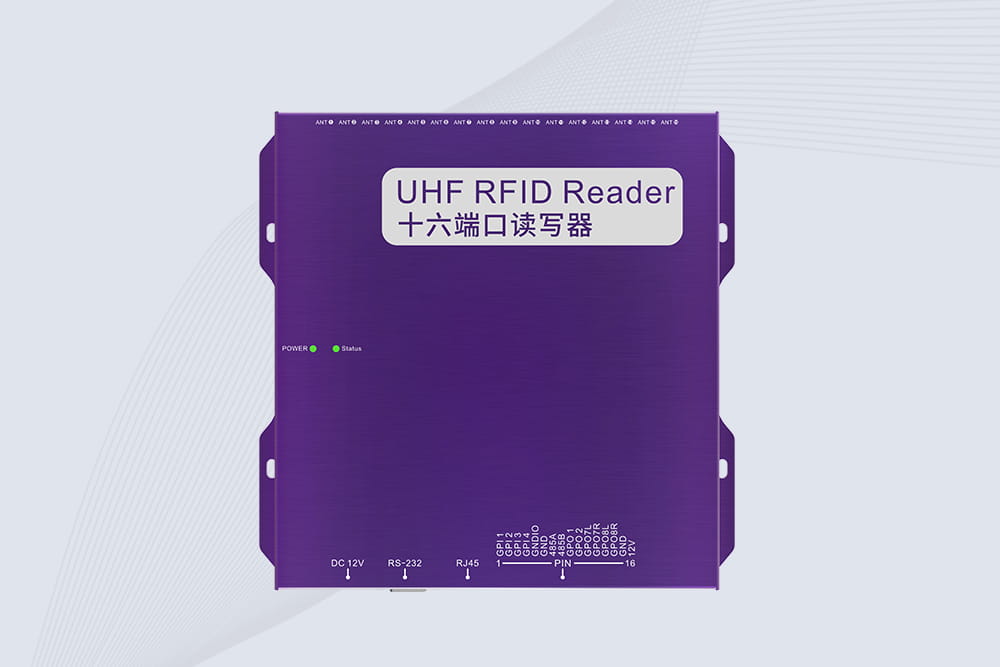
RFID Fixed Reader from CYKEO – the CYKEO-R16L 16-port UHF fixed reader for warehouses, smart cabinets, and production lines. Long-range, multi-tag reading, stable performance for 24/7 industrial use.

How does rfid tag work? Learn how RFID tags communicate with readers, store identification data, and support smart tracking applications in logistics, retail, and industry.
More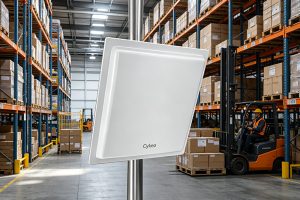
RFID reader for inventory management enables real-time inventory visibility, faster stock counting, and higher accuracy. Discover how Cykeo RFID solutions improve warehouse efficiency.
More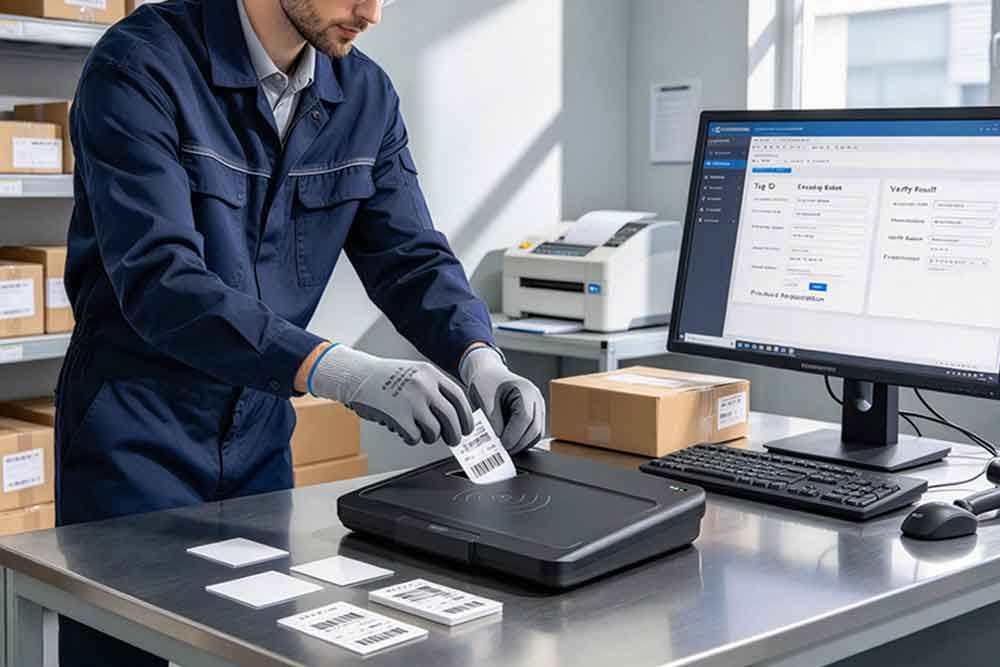
An RFID writer encodes data into compatible RFID tags and can read back the tag to verify the written information.
More
Discover how RFID technology improves patient safety, asset tracking, and medication management in healthcare. Learn about Cykeo’s compliant RFID solutions for hospitals.
More