 Cykeo RFID IoT Solution Products R&D Manufacturer
Building Flexible and Open USB RFID Tag Writing Solution
266how USB RFID Readers with open SDK support streamline RFID tag writing, batch encoding, and system integration. Perfect for solution providers, developers, and warehouse automation.
MoreAll RFID Product
In the RFID world, there’s a saying: “Metal is the enemy of RFID.” Many first-time deployments—whether in server rooms, warehouse shelves, or medical equipment—run into the same problem: you stick a tag on, scan it, and nothing happens. Only later do you learn about Anti-Metal Tags.
Why does metal “kill” RFID signals?
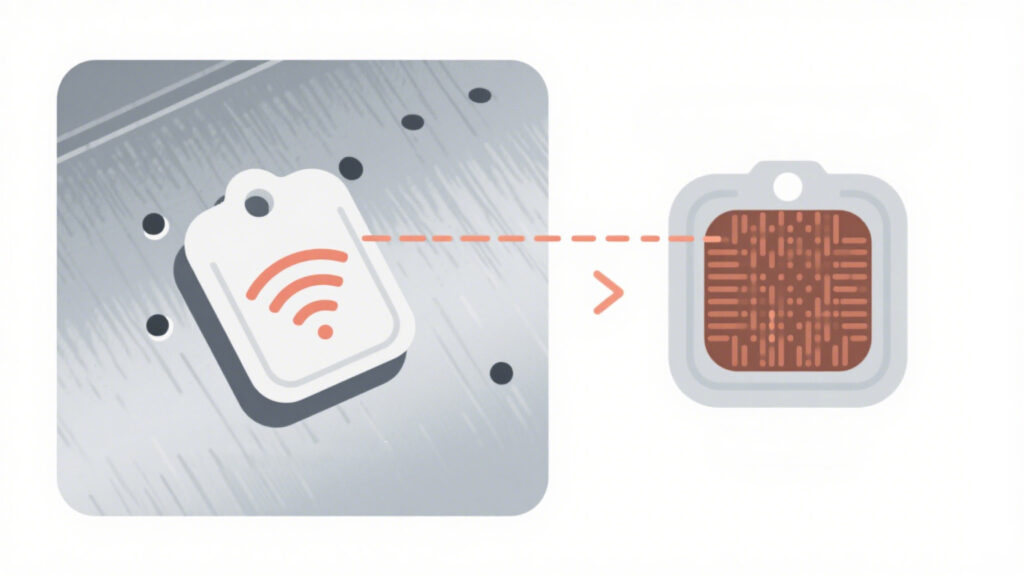
It’s actually simple. RFID relies on electromagnetic coupling, and metal surfaces reflect and interfere with signals—like trying to get a phone signal in an underground parking lot. Regular tags on steel plates, iron racks, or cabinets basically become unreadable.
Anti-Metal Tags solve this by inserting a “buffer layer” between the antenna and the metal. Some use foam, others ceramic or special materials, effectively “lifting” the signal off the metal and restoring read/write performance.
In real projects, three types are most common:
The market offers a wide range of specs. Many look great on paper, but field performance can differ. For example, in a cold-chain warehouse project in Shenzhen Yantian, a tag that read 2 meters in the lab could only reach 1 meter on a freezer door. Adjusting the reader angle was the only fix.
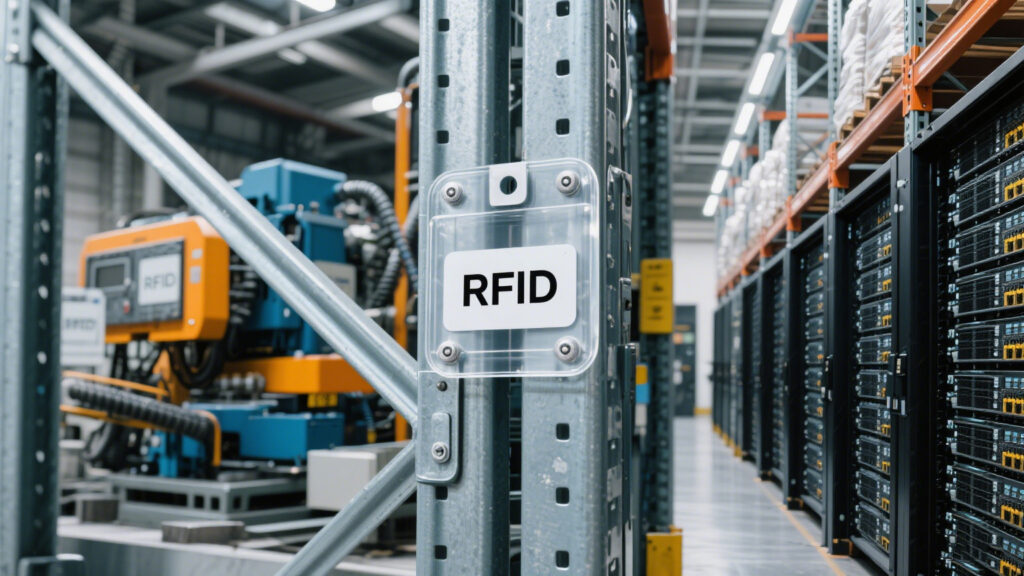
My first Anti-Metal Tag deployment was at a large automotive parts factory in Guangzhou. I made a rookie mistake: I stuck flexible tags directly on oily robotic arms. Less than a week later, they all fell off. Industrial environments require screws or epoxy adhesives; relying on the backing alone won’t last. Think of the tag as “planted” on the equipment rather than just stuck.
Some argue that Anti-Metal Tags are expensive and unnecessary for every scenario. Others say that as readers become more sensitive, Anti-Metal designs may eventually be obsolete. My experience: in any environment with large metal surfaces, Anti-Metal Tags are the only reliable solution. You may grumble about the cost, but you can’t ignore their necessity.
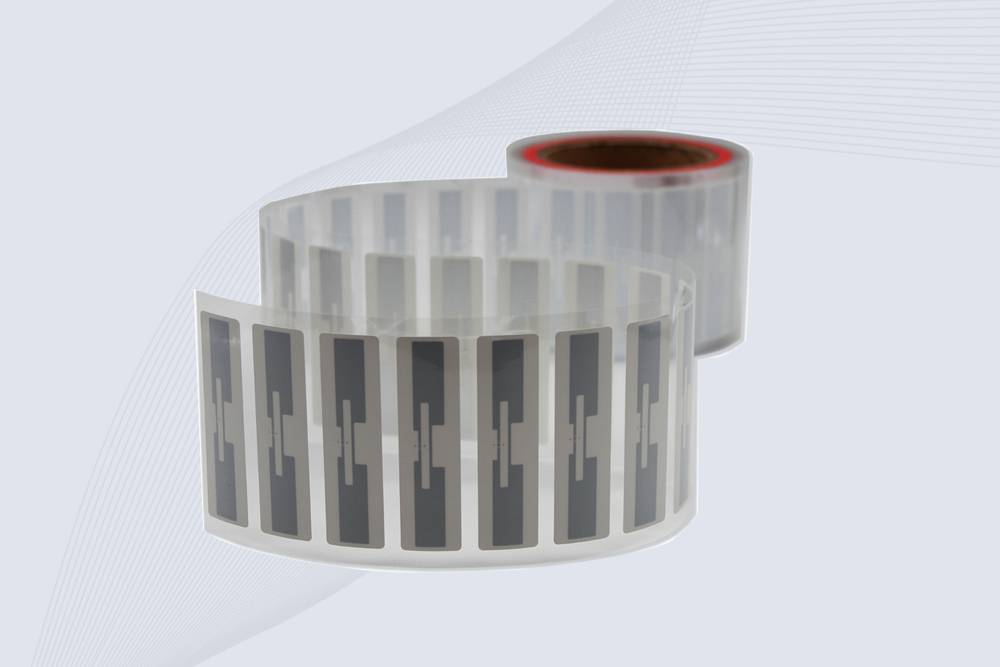
CYKEO Passive RFID Tags are made for wet and high-humidity environments where standard labels do not last. This rfid passive tag is often used around liquids, chemicals and temperature changes, providing stable reading distance and long data life for industrial tracking.
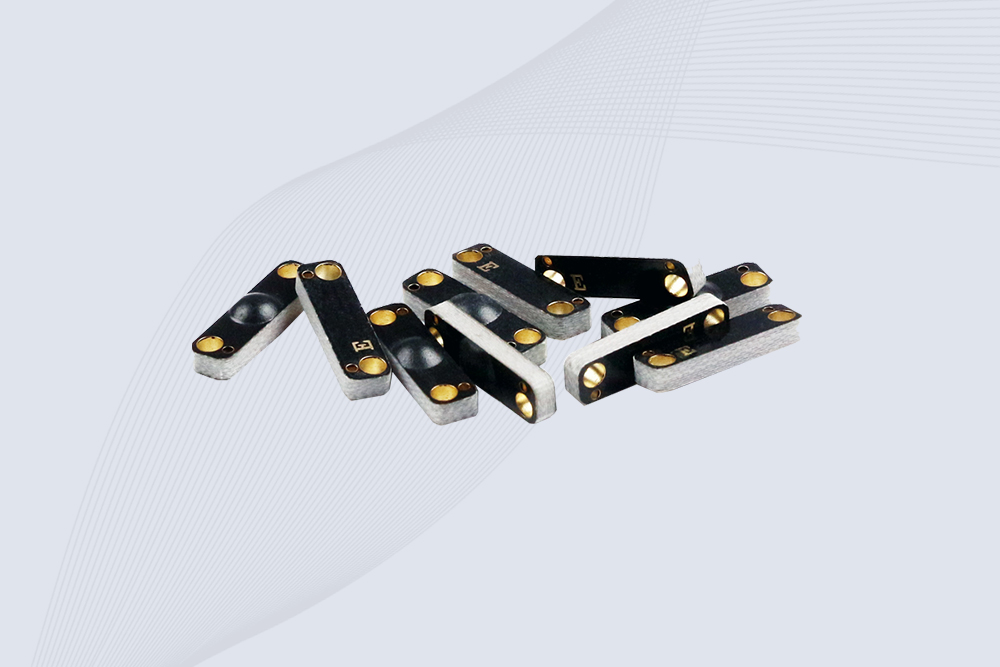
CYKEO CYKEO-PCB1504 Metal RFID Tags is a compact anti-metal UHF RFID solution built for direct mounting on metal surfaces. With stable 8-meter read range, Ucode-8 chip, and long data retention, this rfid metal tag fits tools, containers, automotive parts, and industrial asset tracking.
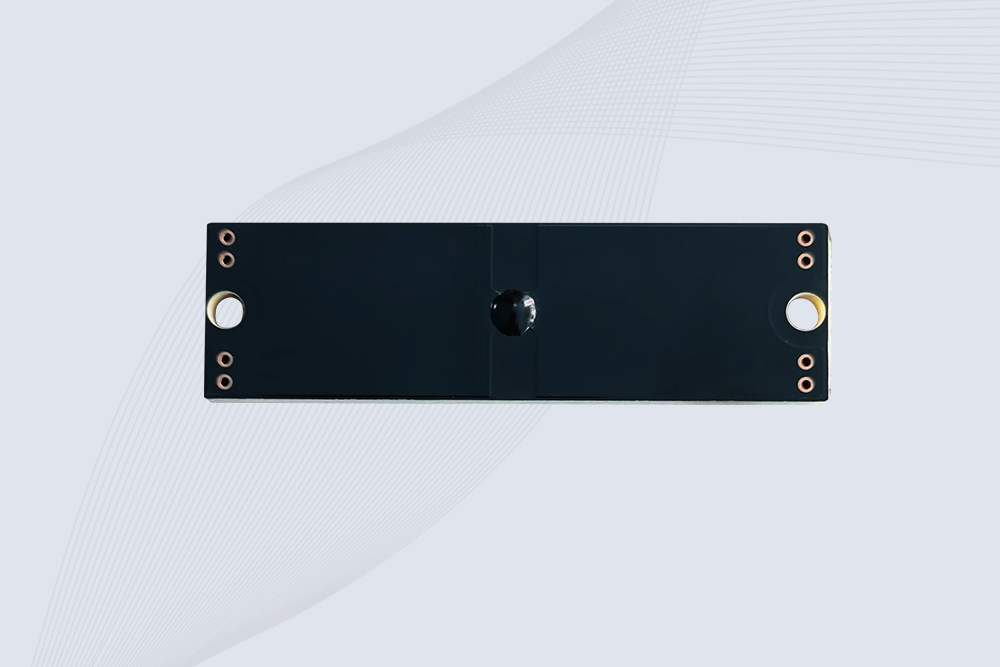
CYKEO CYKEO-PCB7020 On-Metal RFID Tags are designed for reliable tracking on steel and metal surfaces. Built with an FR4 epoxy body and industrial-grade chips, these On-Metal RFID Tags deliver stable performance, long data life, and chemical resistance, making them a dependable RFID anti-metal tag for harsh environments.
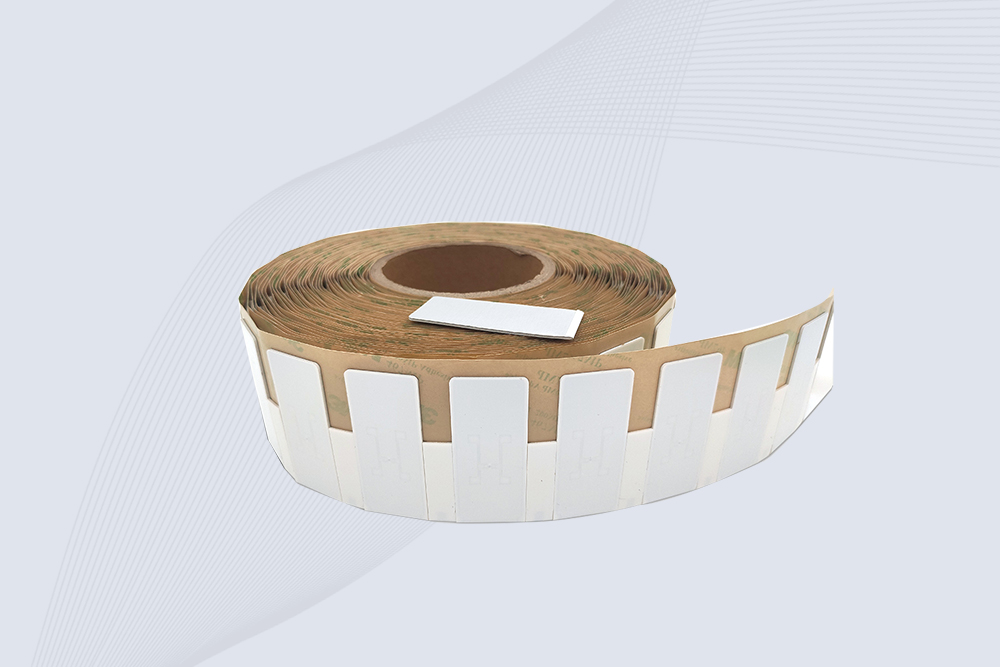
The CYKEO CYKEO-60-25 Anti-Metal RFID Tag is built for metal surfaces where standard tags fail. Designed for long-range performance, harsh environments, and stable data retention, this Anti-Metal RFID Tag is ideal for industrial assets, containers, and equipment tracking using on metal RFID tags.

how USB RFID Readers with open SDK support streamline RFID tag writing, batch encoding, and system integration. Perfect for solution providers, developers, and warehouse automation.
More
Discover what an RFID reader is. This guide explains how readers power tags, capture data, and drive real-world applications from logistics to access control.
More
Discover how passive RFID transforms inventory management with faster scans, zero human counting, and 99.9% accuracy. Cut stockouts and labor costs today.
More
As someone who spent two years wrangling inventory in a New York warehouse, I can tell you bluntly: RFID readers are not a miracle drug. They can save a ton of time in stocktaking, but unexpected issues always pop up—tags falling off, metal interf...
More