Surgical instruments go through high-temperature, high-pressure sterilization every day. Relying on manual counting is slow and error-prone. In big hospitals, the Central Sterile Supply Department (CSSD) handles hundreds of instruments daily, and mistakes in logging can delay surgeries and mess up reports.
For example, a top-tier hospital in Guangzhou processes around 300 instruments each week. Before RFID, missed or duplicated entries happened occasionally, causing stress for nurses and doctors. After implementing RFID, tracking became much more efficient, and errors dropped noticeably.
Not all RFID tags are the same—each type has its strengths:
HF (13.56 MHz): Short-range, heat-resistant, works well in dense trays.
UHF (860–960 MHz): Fast, can read multiple items from a distance, but steam can cause reading errors.
On-metal tags: Stick to stainless steel trays, but placement is critical to avoid interference.
Hospitals usually tag valuable or frequently used instruments. Tags on joints or screws exposed to direct steam can fail, so careful placement is important. Before rolling out fully, testing at least 200 sterilization cycles ensures tags hold up.
Real-World Examples
Dental Hospital A batch of 20 surgical kits (about 300 instruments) goes into the autoclave. Nurses need to complete inventory updates within five minutes after the cycle. HF tags placed on tray corners stay readable, making tracking accurate and keeping nursing workflow smooth. Tagging everything, however, can be overkill and create clutter.
Private Hospital Only orthopedic power tools are tagged, saving about 200 hours of manual counting per year. The head nurse noted that tagging all instruments could slow down work rather than help.
FAQs
Should every instrument be tagged? Not necessarily. Valuable or frequently used items are worth tagging; others can be tracked manually.
HF or UHF—which is better? HF works best for short-range, crowded trays. UHF is better for long-range, multi-item reading. On-site testing is key.
How long do tags last in high heat? Lab tests show 500–1000 cycles, but in practice, 250–300 cycles is typical. Regular replacement is recommended.
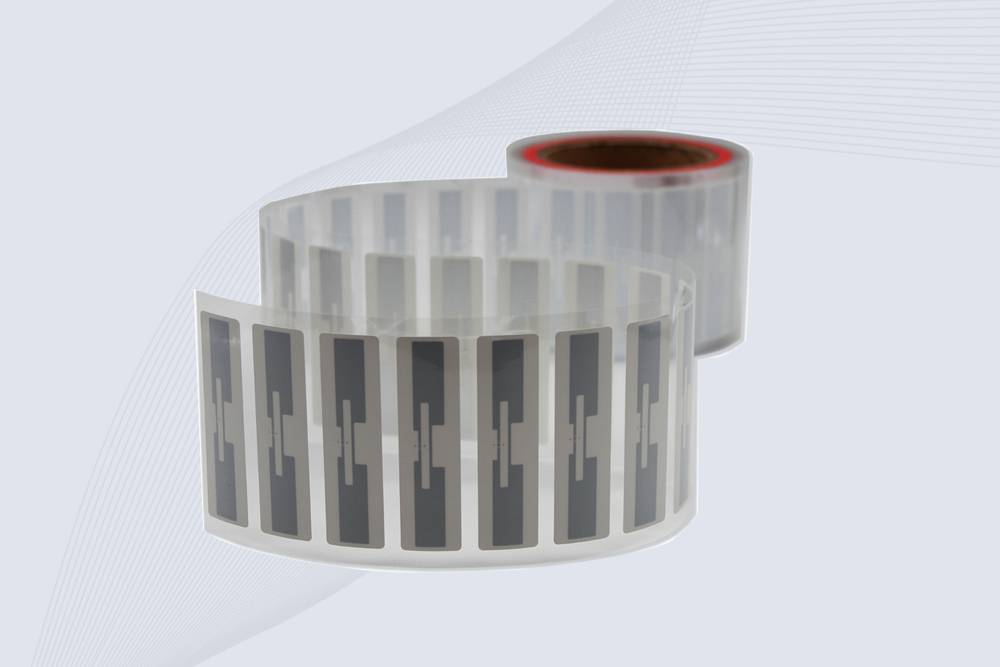
CYKEO Passive RFID Tags are made for wet and high-humidity environments where standard labels do not last. This rfid passive tag is often used around liquids, chemicals and temperature changes, providing stable reading distance and long data life for industrial tracking.
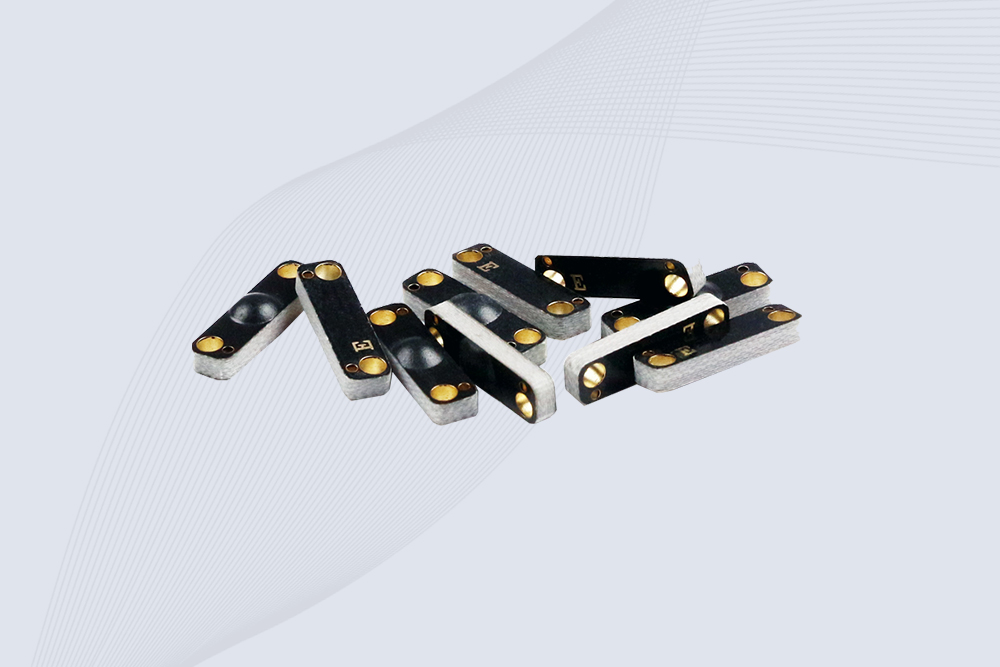
CYKEO CYKEO-PCB1504 Metal RFID Tags is a compact anti-metal UHF RFID solution built for direct mounting on metal surfaces. With stable 8-meter read range, Ucode-8 chip, and long data retention, this rfid metal tag fits tools, containers, automotive parts, and industrial asset tracking.
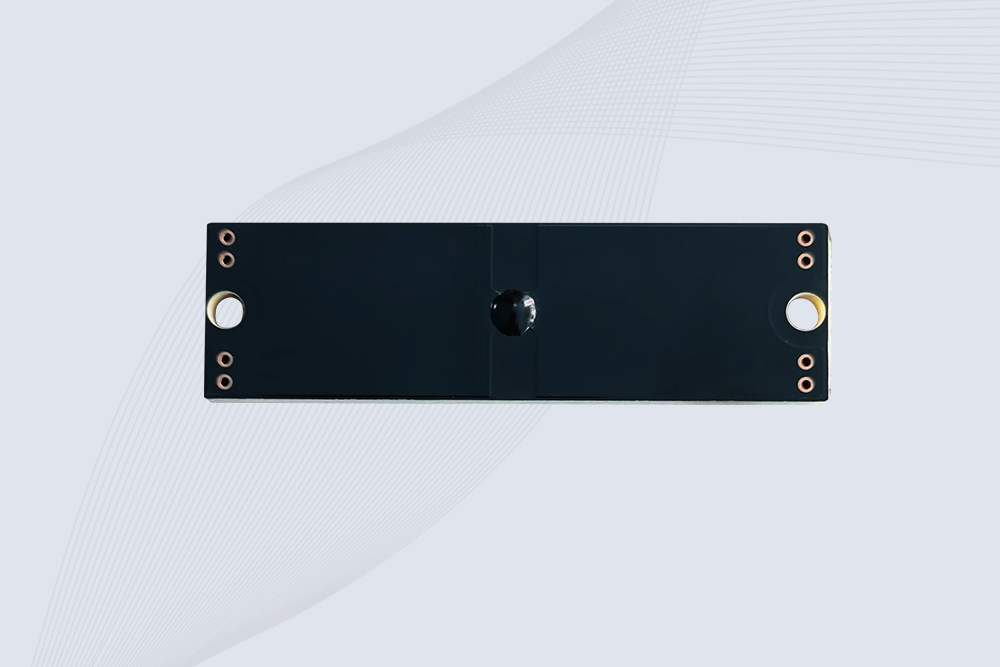
CYKEO CYKEO-PCB7020 On-Metal RFID Tags are designed for reliable tracking on steel and metal surfaces. Built with an FR4 epoxy body and industrial-grade chips, these On-Metal RFID Tags deliver stable performance, long data life, and chemical resistance, making them a dependable RFID anti-metal tag for harsh environments.
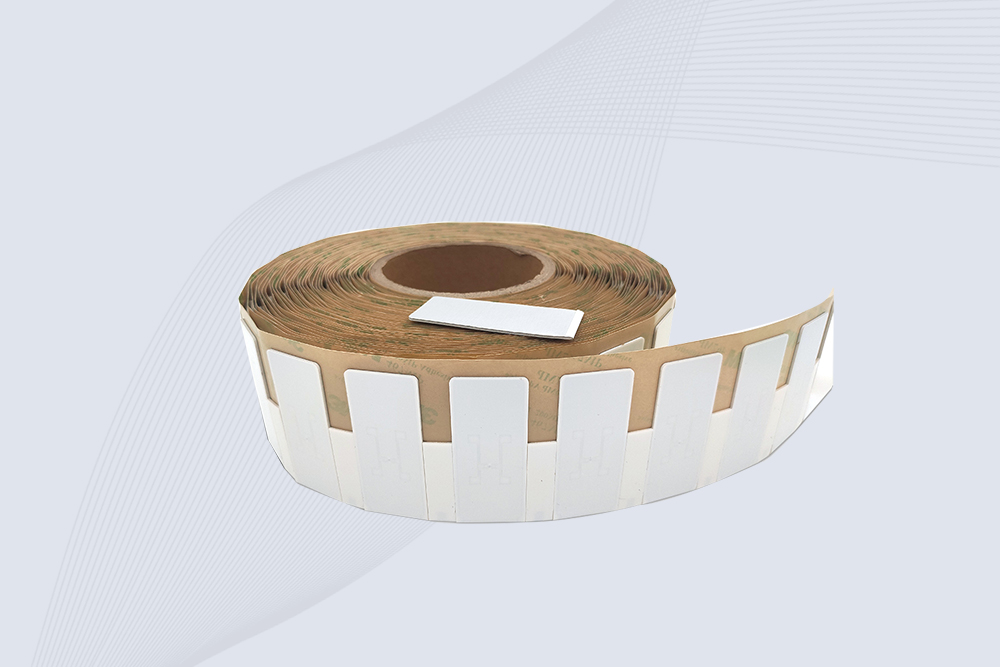
The CYKEO CYKEO-60-25 Anti-Metal RFID Tag is built for metal surfaces where standard tags fail. Designed for long-range performance, harsh environments, and stable data retention, this Anti-Metal RFID Tag is ideal for industrial assets, containers, and equipment tracking using on metal RFID tags.
A field-style breakdown of directional RFID antennas for integrators and wholesalers. Real deployment notes, beam control issues, warehouse gate behavior, and what actually matters when building stable RFID reading zones.
Discover how RFID technology really works in manufacturing. Real-world experiences, practical tips, and lessons learned from implementing RFID systems for inventory, production, and quality control.
Learn what RFID cable tie tags are, how they work, and why industries use them for asset tracking, cable management, and inventory control. A practical guide for buyers and engineers.
Learn how RFID access control improves event security, prevents ticket fraud, speeds up attendee entry, and enhances VIP area management. Discover practical RFID solutions for festivals, conferences, stadiums, exhibitions, and large-scale events.
 Cykeo RFID IoT Solution Products R&D Manufacturer