 Cykeo RFID IoT Solution Products R&D Manufacturer

NFC Tags vs RFID: What’s the Actual Difference?
1207NFC tags vs RFID: Understand range, cost & use cases. Learn when NFC’s phone compatibility beats RFID’s industrial power. No jargon, just clear answers.
MoreAll RFID Product
Anyone who has managed a large event knows the feeling.
The gates open at 9:00 AM.
By 8:45, hundreds of attendees are already lining up outside.
Security staff are checking tickets manually. A few people claim they purchased tickets but cannot find confirmation emails. Someone presents a screenshot that has already been used. A VIP guest is accidentally directed into the general admission queue.
Within minutes, congestion appears.
Ironically, most security problems at events begin before attendees even enter the venue.
This is one reason why RFID access control has become increasingly common at festivals, exhibitions, sports venues, conferences, and corporate events. Event organizers are realizing that security is not just about preventing unauthorized access. It is also about controlling movement, verifying identities, reducing human error, and maintaining visibility across the entire venue.
On paper, traditional methods seem straightforward.
The problem is that large events rarely go according to plan.
People lose badges.
Screenshots of QR codes get shared.
Counterfeit tickets appear online.
Volunteers sometimes overlook access restrictions during peak traffic.
When attendance reaches thousands—or even tens of thousands—the risk multiplies quickly.
A single unauthorized person entering a restricted area may create operational issues. Multiple breaches can become a serious safety concern.
RFID introduces automation into this process.
Instead of relying solely on human judgment, every entry point can verify access permissions automatically within seconds.
At its core, an RFID access control system consists of:
When an attendee approaches a checkpoint, the RFID reader identifies the credential instantly.
The system checks:
The decision happens almost immediately.
No manual verification.
No searching through attendee lists.
No visual guessing.
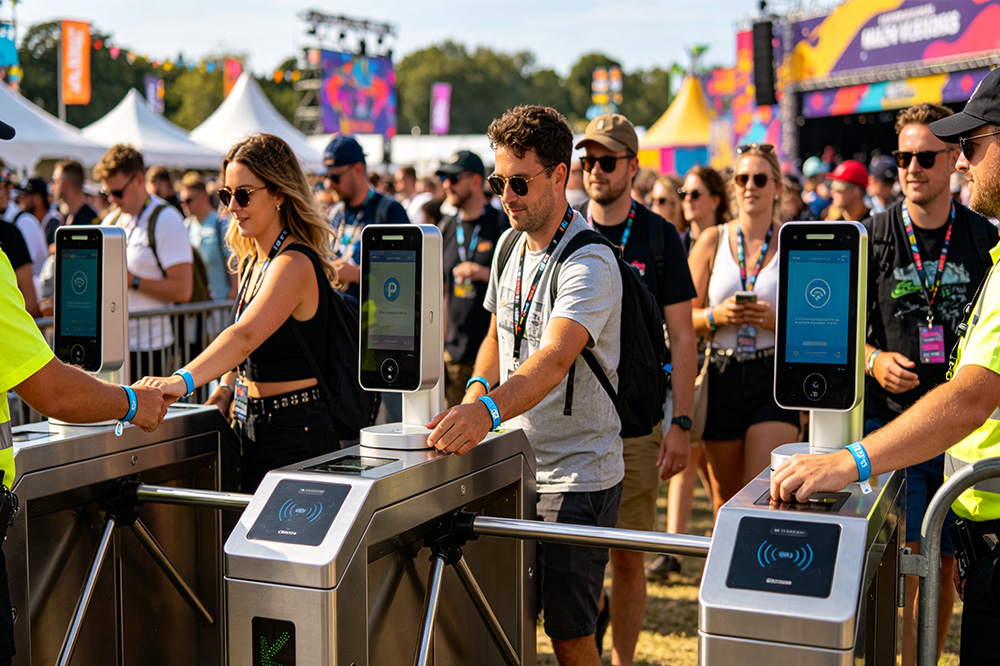
Security and attendee experience are often treated as separate goals.
In reality, they are closely connected.
Long lines create frustration.
Frustrated attendees create pressure on security teams.
Under pressure, mistakes happen.
RFID access control significantly reduces entry processing time compared with manual verification.
Imagine a music festival with 20,000 attendees.
If every attendee requires 10–15 seconds for manual verification, entry bottlenecks become unavoidable.
With RFID wristbands, attendees simply walk up to a gate and tap or pass through a reader zone.
The transaction takes a fraction of the time.
Less waiting.
Less crowd buildup.
Less opportunity for disputes at the gate.
One issue that repeatedly appears at large events is ticket duplication.
A QR code can be photographed.
A PDF ticket can be forwarded.
A screenshot can be shared among multiple people.
RFID credentials are much harder to duplicate successfully because each tag contains a unique identifier linked directly to the event management platform.
If a wristband has already been validated, the system can reject additional attempts automatically.
Some organizers have reported that fraudulent entry attempts become visible immediately once RFID validation is implemented.
Instead of discovering problems after the event, they see suspicious activity in real time.
A large venue usually contains multiple access levels:
Managing these groups manually becomes complicated very quickly.
RFID allows organizers to assign permissions to specific individuals or groups.
For example:
A media badge may allow access to press rooms but not backstage areas.
A VIP wristband may unlock hospitality lounges.
A contractor badge may only work during setup and teardown periods.
The same RFID infrastructure can manage hundreds of different access rules simultaneously.

Most discussions focus on entry control.
What often gets overlooked is movement visibility.
RFID systems can provide real-time records showing:
If an incident occurs, organizers have an audit trail instead of relying solely on witness accounts.
This can be especially valuable for:
Sometimes knowing where someone was is just as important as knowing who entered.
Consider a three-day music festival.
Thousands of attendees are moving around the venue.
Several artists are performing.
Equipment suppliers are working behind the scenes.
Without access control, backstage security often depends on staff visually checking credentials.
This works until peak periods arrive.
Now imagine RFID-enabled wristbands.
An artist’s credential automatically unlocks backstage access.
A food vendor’s credential does not.
A temporary contractor can enter only during approved hours.
The decision is made instantly by the system rather than by a stressed security guard trying to remember access rules.
That difference sounds small.
At scale, it becomes enormous.

Emergency management is another area where RFID offers advantages.
Suppose an evacuation becomes necessary.
Organizers may need to determine:
RFID-generated attendance records can provide valuable information during incident response.
While RFID is not a replacement for emergency planning, it can provide an additional layer of operational awareness.
The strongest event security strategies rarely depend on a single technology.
Many organizers now combine RFID with:
RFID becomes the data layer connecting these systems together.
The result is a more coordinated security operation rather than isolated tools working independently.
Different event types require different RFID formats.
Best suited for:
Advantages:
Common at:
Advantages:
Often used for:
Advantages:
The first question is rarely about technology.
It is usually:
“Will it slow down my event?”
In practice, RFID is often adopted because organizers are trying to eliminate delays rather than create new ones.
The second question is cost.
For small events, basic barcode systems may still be sufficient.
However, as attendance grows and access levels become more complex, RFID frequently becomes less expensive than dealing with security incidents, staffing inefficiencies, counterfeit tickets, and entry bottlenecks.
The third question is scalability.
A properly designed RFID access control system can support anything from a few hundred attendees to major festivals attracting tens of thousands of visitors.
Over the next few years, event access control will likely become more intelligent rather than simply faster.
We’re already seeing increased demand for:
RFID sits at the center of many of these developments because it provides something every event needs: reliable identification.
Not flashy.
Not complicated.
Just dependable.
And when thousands of people are arriving at the same gate within a short period of time, dependable systems tend to matter more than impressive ones.
For event organizers, the challenge isn’t finding RFID technology.
The challenge is deploying a system that works reliably under real-world conditions—crowded entrances, metal structures, weather exposure, multiple access levels, and continuous attendee movement.
An experienced RFID solution provider can help with:
✔ RFID wristbands and event badges
✔ UHF and HF/NFC access control systems
✔ RFID security gates and turnstiles
✔ Real-time attendee tracking
✔ VIP and restricted-area management
✔ Custom event software integration
✔ Large-scale deployment support
Whether you’re planning a conference with 500 attendees or a festival with 50,000 visitors, the right RFID infrastructure can improve security while creating a smoother attendee experience.
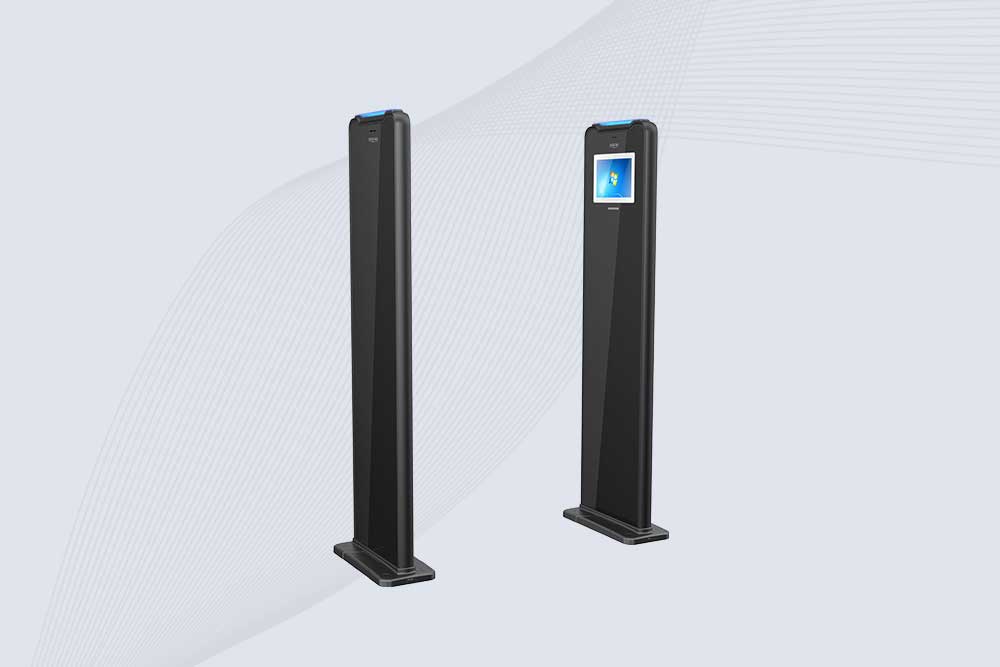
SSD-T4A-P Smart access control with real-time crowd tracking ✔️ AI Tag Filtering for Reduced Misreads SSD-T4A-P supports AI-based tag filtering and up to 6 EPC filtering sets, helping reduce unwanted reads and improve identification accuracy in busy entrances, exits, and retail environments. ✔️ Fast In & Out Detection with Visual & Audio…
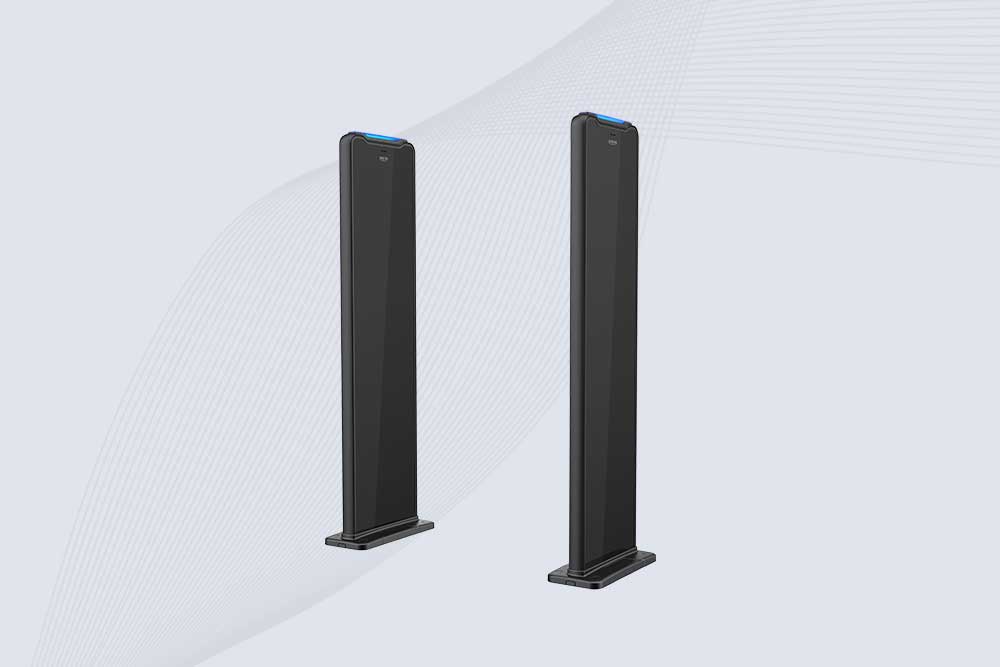
SSD-T4A UHF RFID Gate Reader with 11 dBi antenna, up to 10 m reading distance, AI tag filtering, in/out detection, 300,000 data storage, and TCP/HTTP/MQTT support.
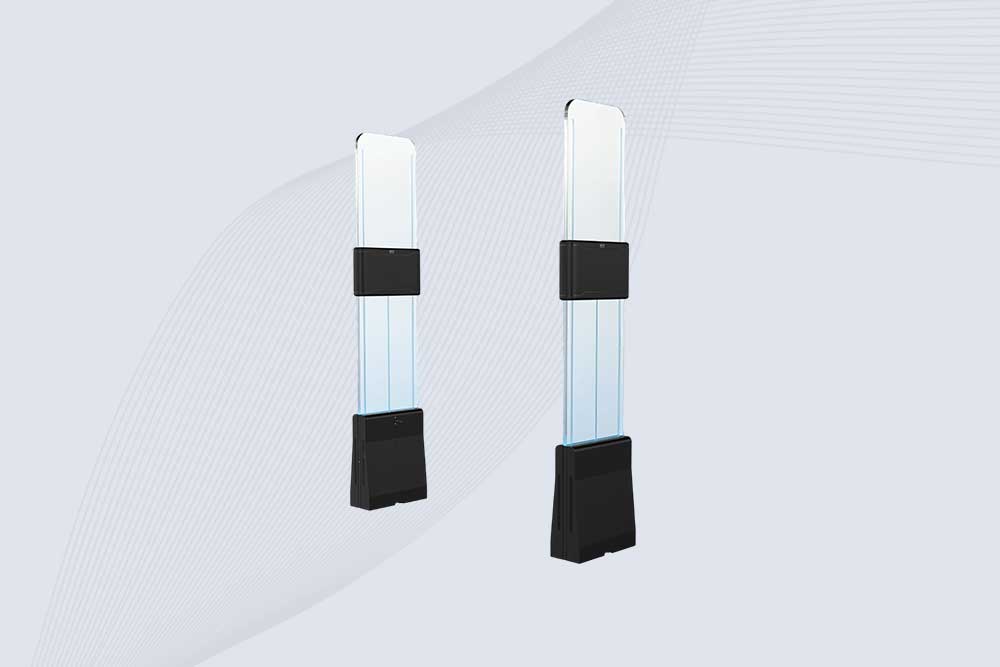
SSD-T2D UHF RFID Gate Reader with 11dBi circular antenna, Impinj E710/X3M1 chipset, up to 10m reading distance, AI tag filtering, in/out detection, and audio-visual alarms.
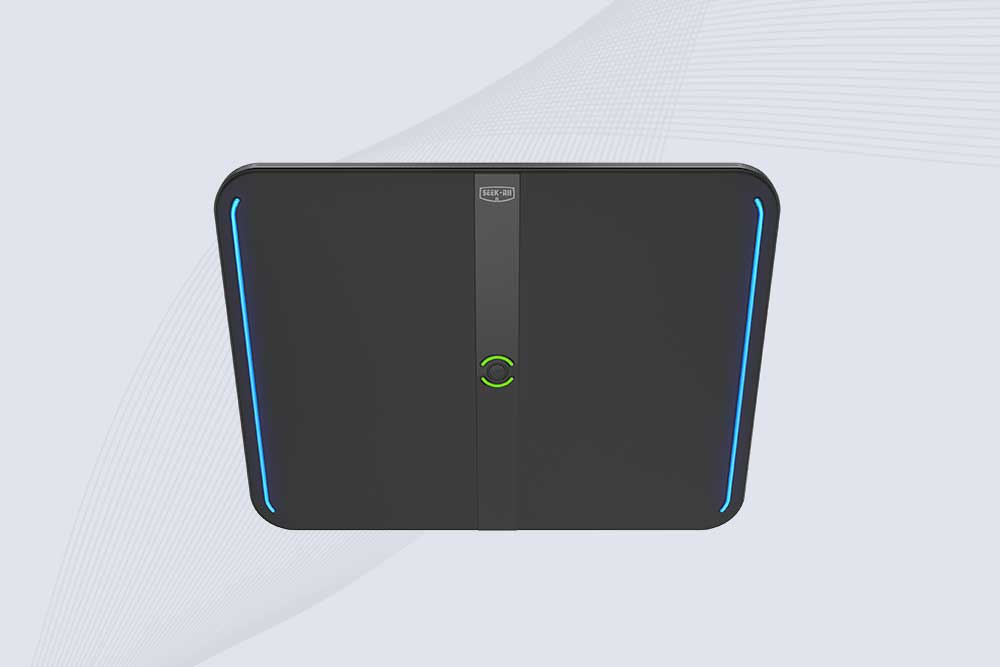
SSD-T1 ✔️ AI-Powered Tag Filtering SSD-T1 supports AI-based tag filtering with up to 6 EPC filtering sets, helping reduce unwanted tag reads and improve identification accuracy in busy retail and access-control environments. ✔️ Reliable In & Out Detection With a 7dBi antenna and a reading range of up to 2.5 meters, SSD-T1 can detect tagged i…
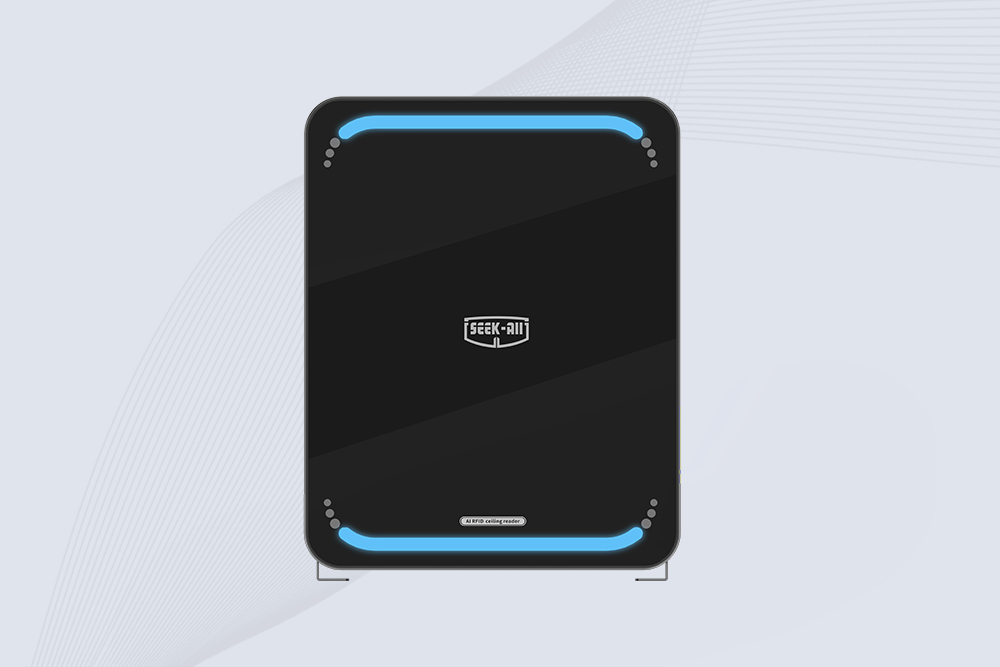
SSD-T1G is a 12 dBi AI RFID ceiling-mounted reader with 10m reading range, In/Out detection, AI tag filtering, 300,000-record storage, and TCP/HTTP/MQTT support.
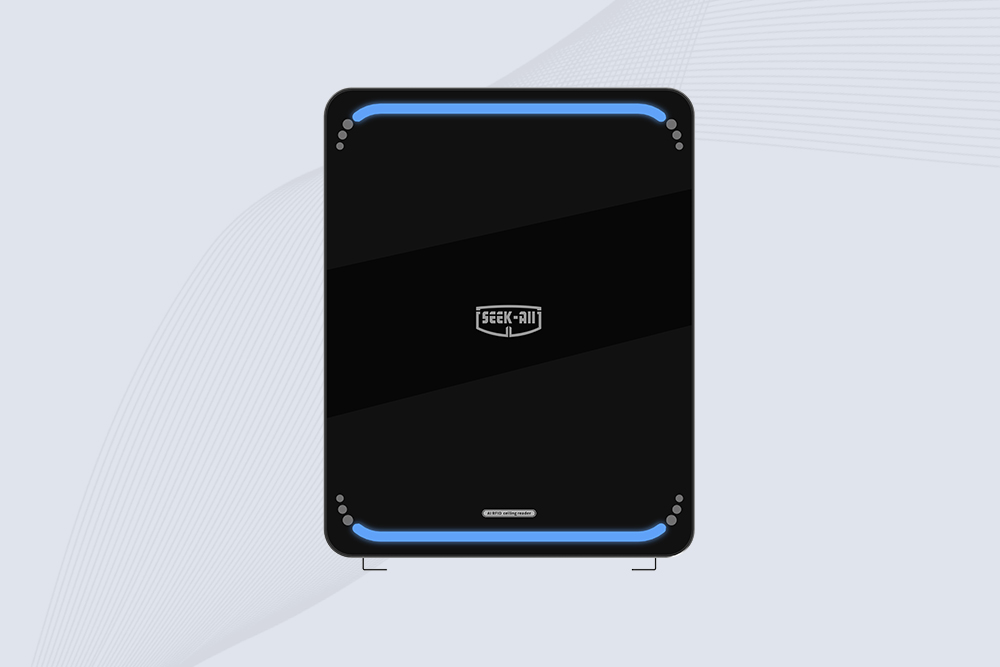
SSD-T1H 9dBi AI ceiling-mounted UHF RFID reader with up to 10m reading range, AI tag filtering, 300,000 data storage, and TCP/HTTP/MQTT support.

Cykeo’s CYKEO-T1D industrial RFID ceiling reader features 500 tags/sec scanning, IP54 protection, and -20℃~60℃ operation for retail/warehouse security. Supports ISO18000-6C and GB/T29768 protocols.
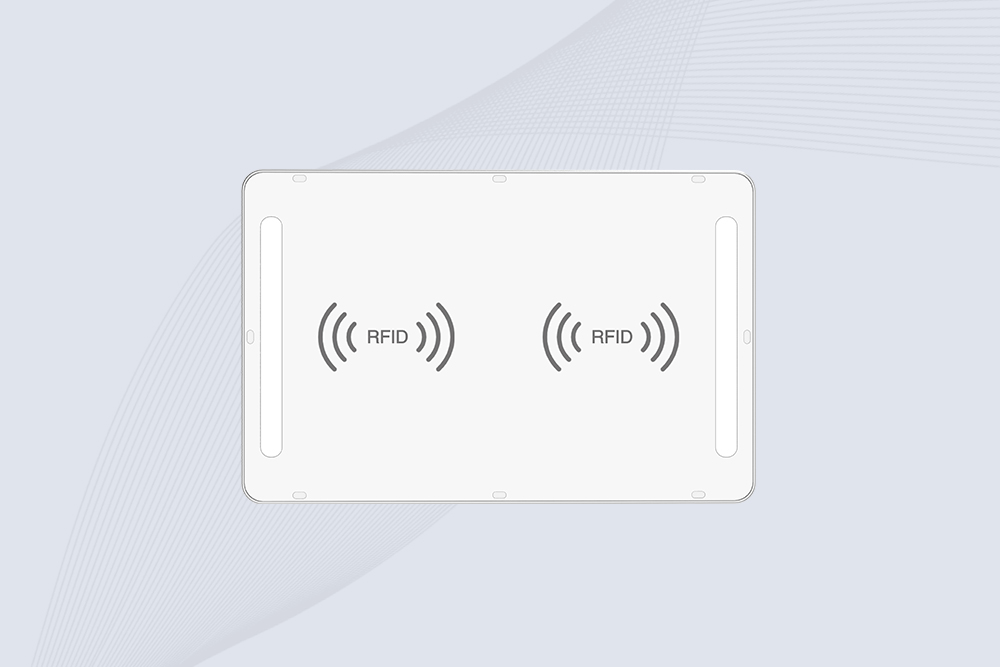
Cykeo’s ceiling-mounted RFID reader enables hands-free 5m inventory tracking with 500 tags/min speed. Features dual alerts, ERP integration, and IP54 rating for warehouse security.
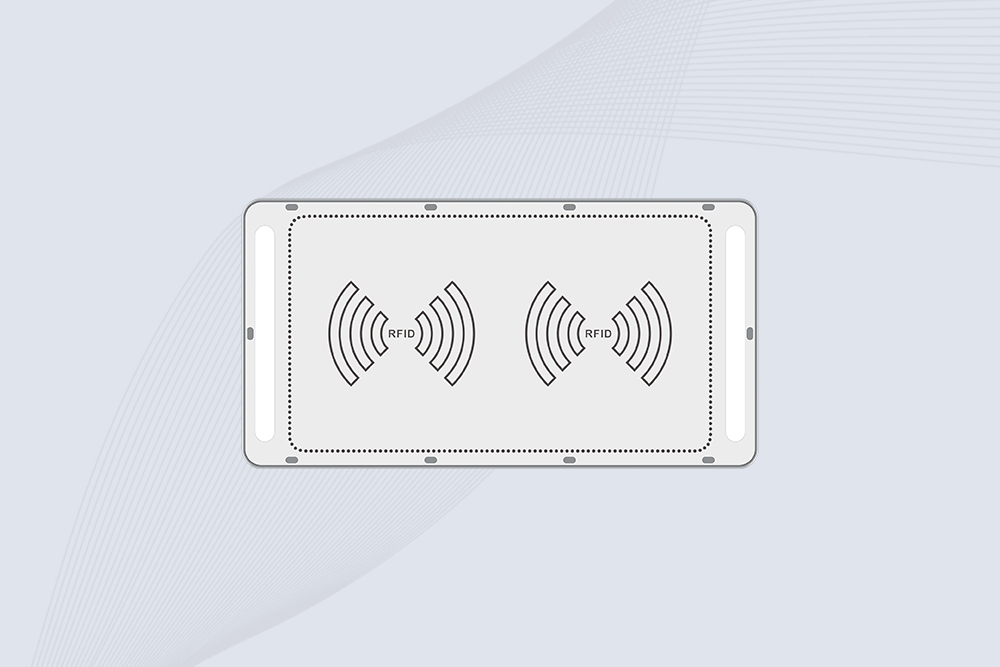
Cykeo CK-T1E RFID gate system features 120° coverage, AI motion filtering, and 5m detection for retail/warehouse security. IP67 rugged design with ERP integration.
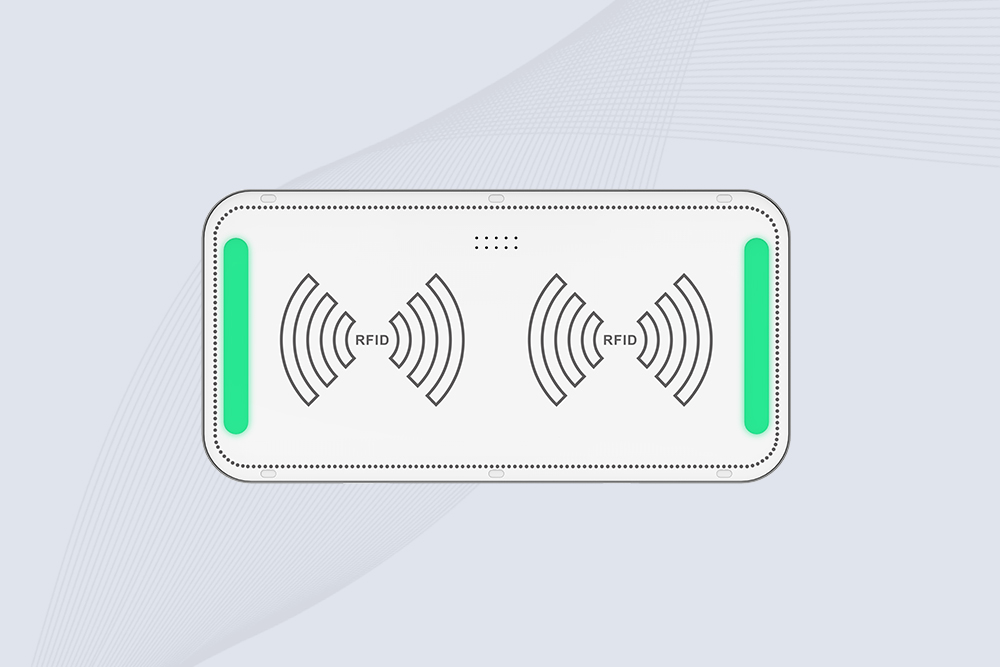
Cykeo CYKEO-T1A industrial ceiling RFID system offers 10-20m read range, 500+ tags/sec speed, and IP65 protection for smart warehousing. Supports multi-protocol integration and real-time inventory alerts.
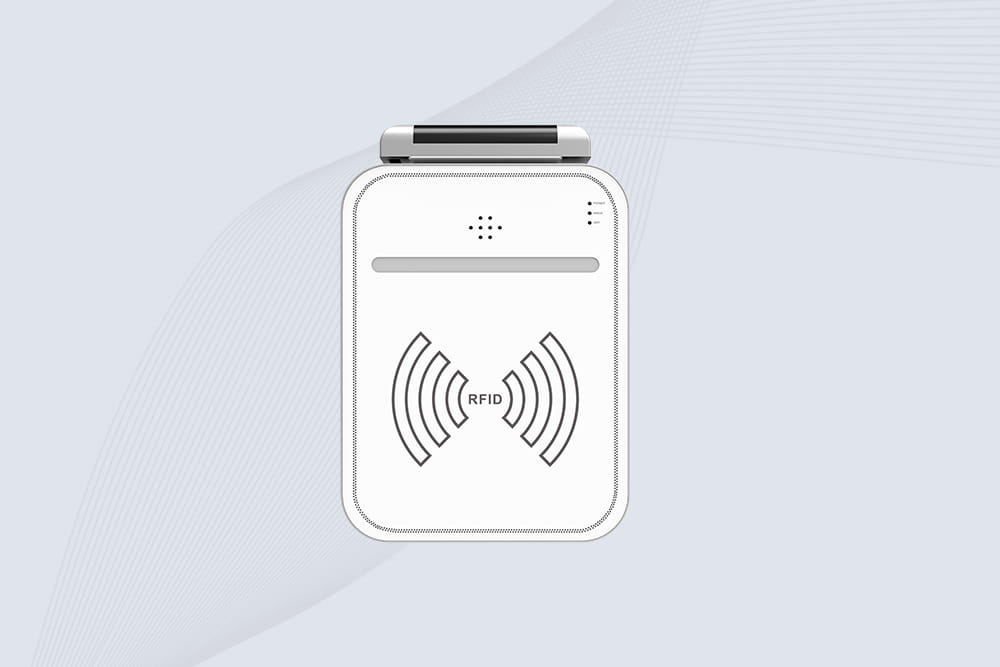
Cykeo’s CYKEO-T1 ceiling-mounted UHF RFID reader offers 500tags/sec scanning, ISO18000-6C compliance, and -20℃~60℃ operation for smart retail/warehouse management. Supports TCP/IP & Android integration.
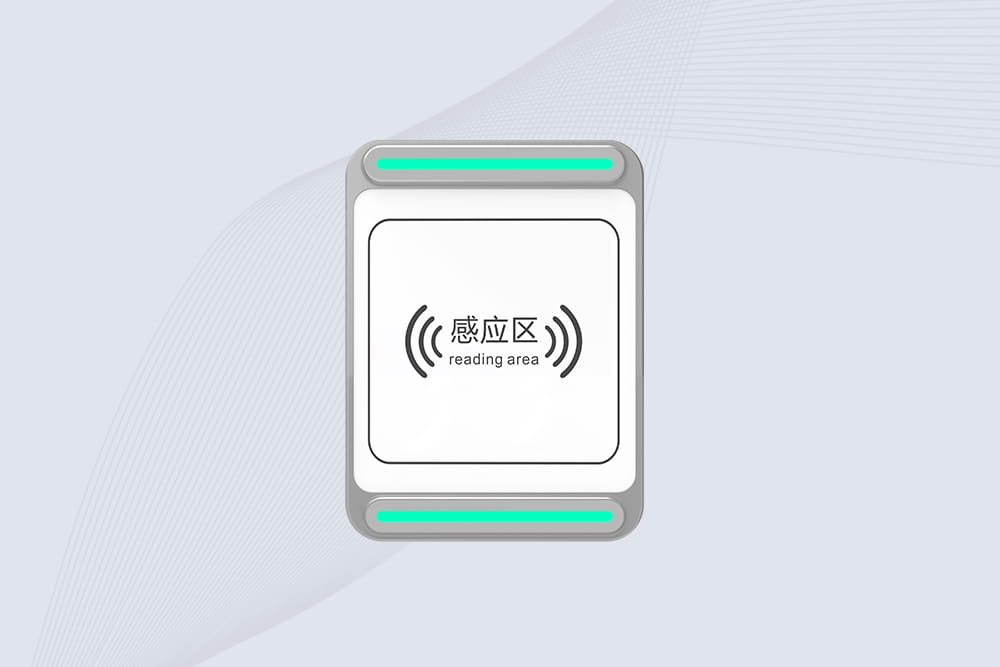
Cykeo CYKEO-T1B ceiling-mounted RFID system delivers 10-20m reading range, 500+ tags/sec processing, and integrated security alarms. Ideal for warehouse/logistics automation with Android-compatible SDK.

Cykeo’s industrial ceiling-mounted RFID reader offers 10m+ automated inventory tracking, ISO-18000 compliance, and anti-theft alarms. Designed for retail/warehouse/logistics facilities.
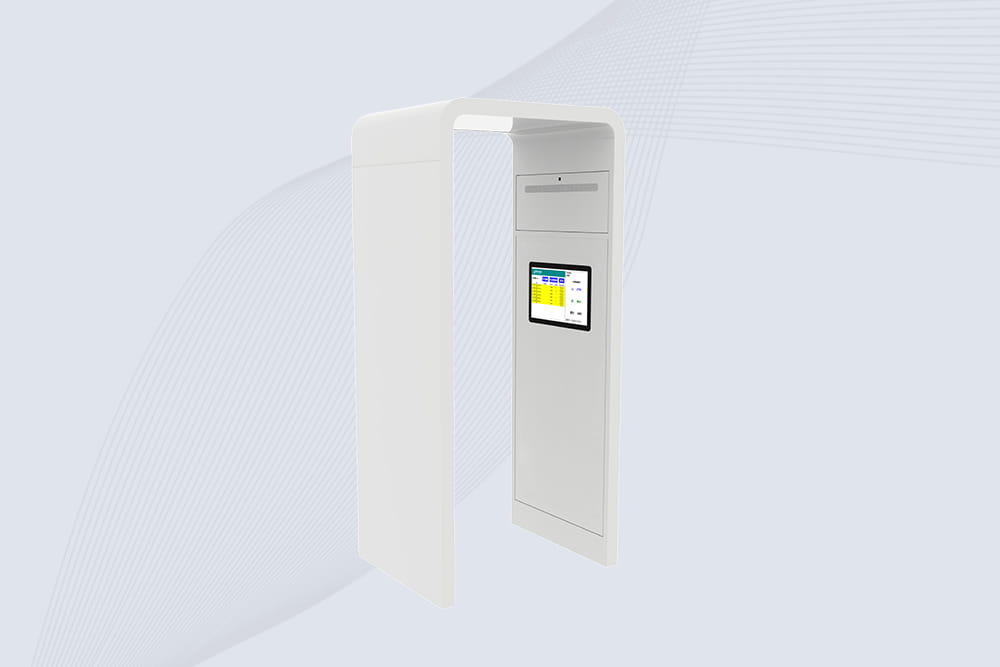
Cykeo CYKEO-T8 industrial arch gate RFID reader delivers 800+ tags/min scanning, 4m detection range, and Android touchscreen for libraries/retail stores. Supports SAP integration & dual EAS alarms.
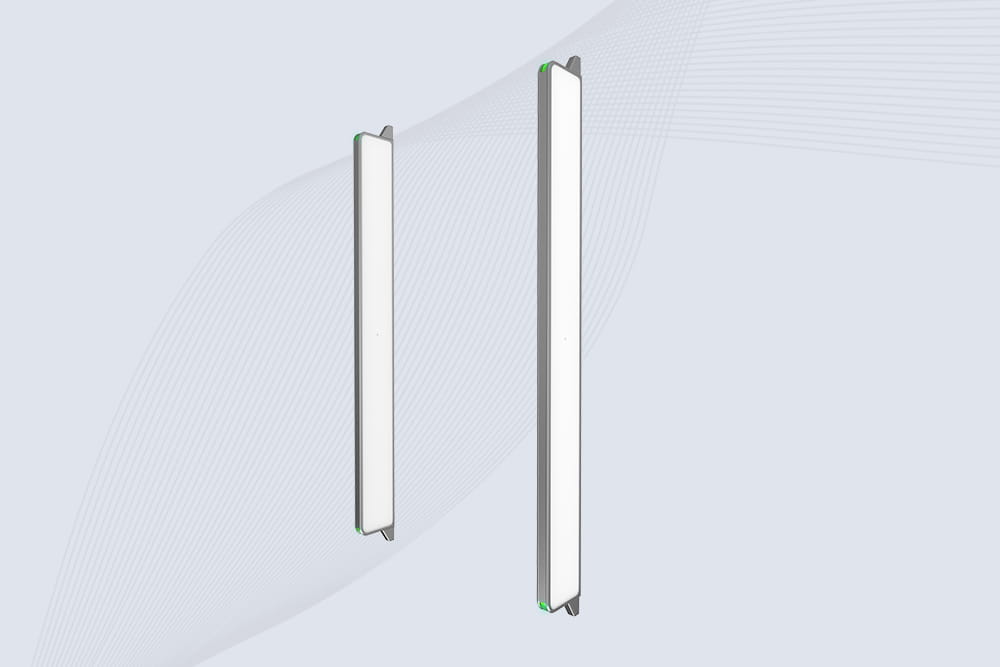
Cykeo CYKEO-T3 industrial RFID gate reader features 200cm detection, infrared triggering, and dual alarm modes for warehouses/libraries. Supports WiFi/4G and Java/C# SDK integration.
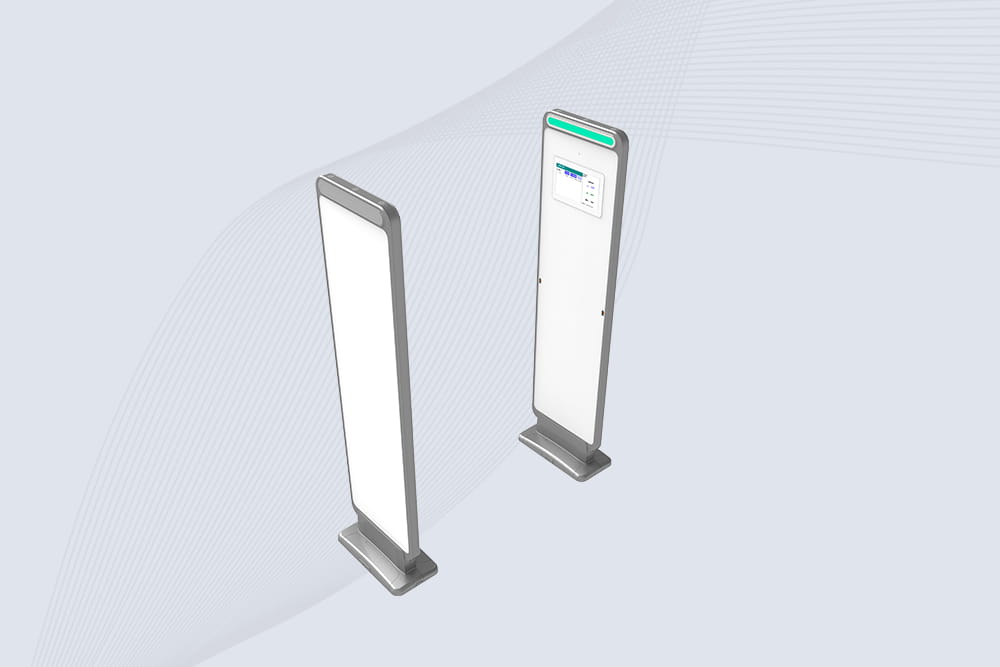
Cykeo CYKEO-T4 industrial RFID gate system features 4-antenna array, 99.9% detection accuracy, dual EAS alarms, and WiFi/4G connectivity for library/warehouse/retail security. ISO 18000-6C compliant.

Cykeo’s CYKEO-T5 UHF RFID gate reader features 600cm detection, infrared tracking, and dual-mode alarms for retail/library security. Supports crowd counting and multi-protocol integration.
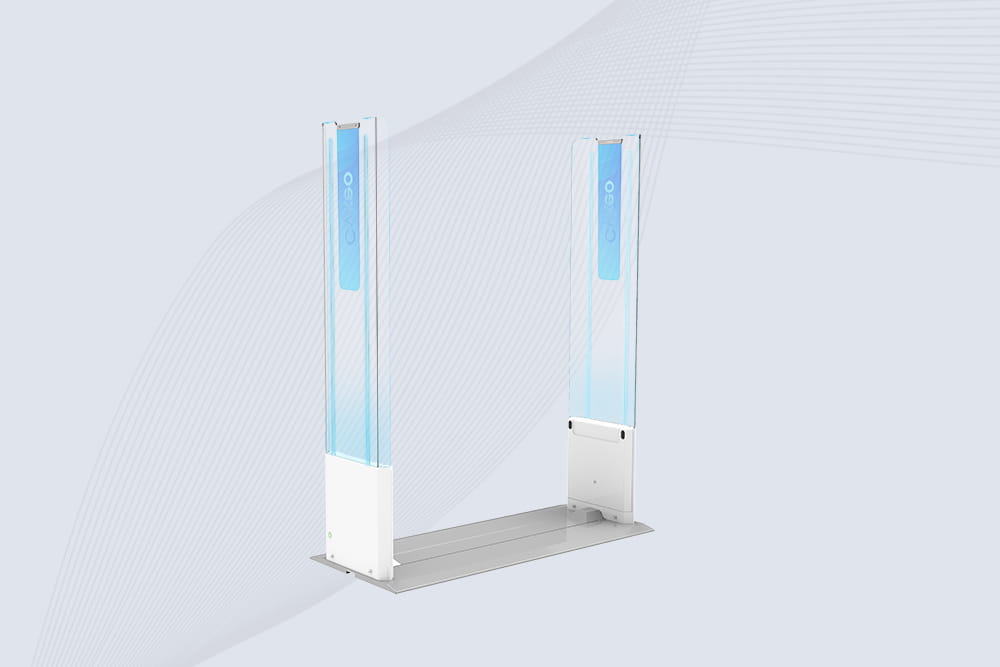
Cykeo CYKEO-T2A industrial Gate Barrier RFID Reader system features 6m detection, 200 tags/sec scanning, IP54 durability. Perfect for retail security, warehouse access control. Supports EPC C1G2, WiFi/4G, ERP integration.
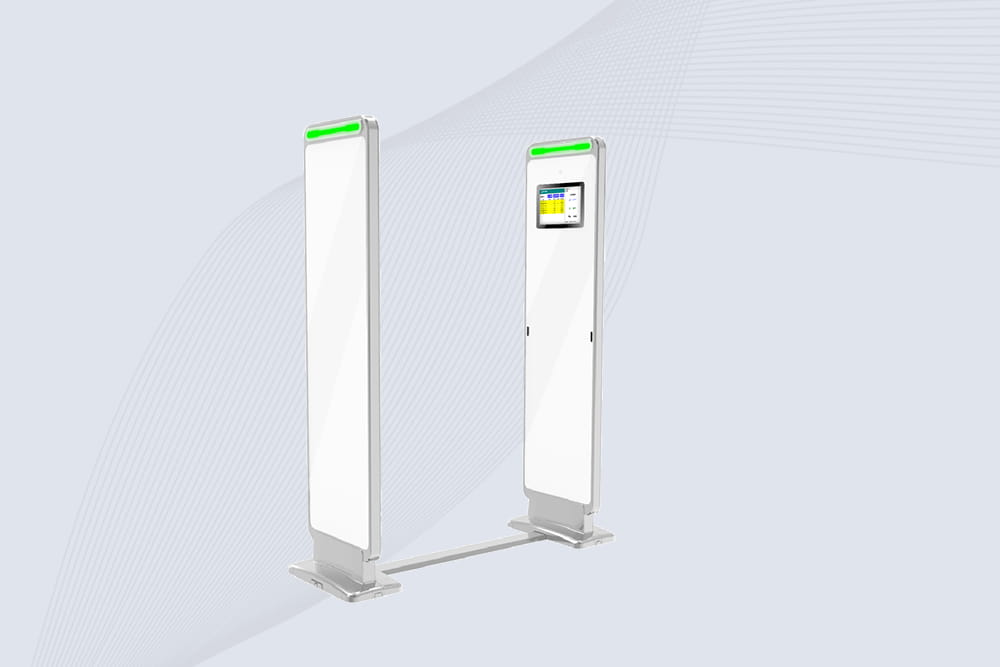
Cykeo’s CYKEO-T4 RFID Gate Reader system offers 200+ tags/sec scanning, EAS alarms, and rugged design for libraries/warehouses. Supports WiFi/4G and Windows/Android OS.

Cykeo HF RFID gate reader offers 90cm detection range, ISO15693/18000-6C compliance, and industrial-grade durability for libraries/retail. Features EAS alarms, infrared traffic analysis, and 3D omni-directional scanning.
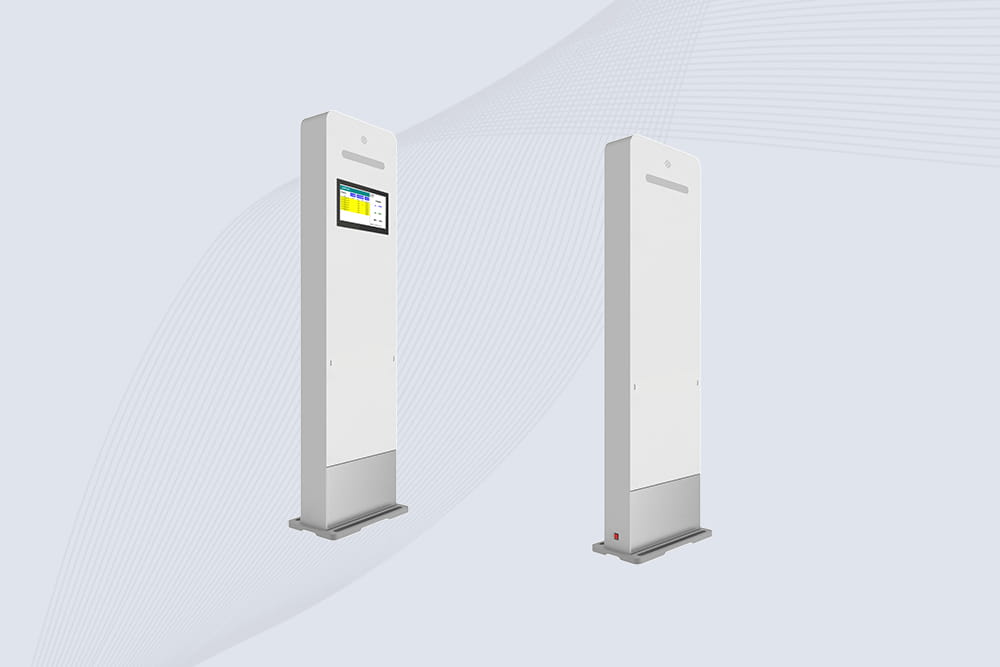
Cykeo CYKEO-T7 UHF RFID Gate Reader system delivers 600cm read range, 99.9% tag accuracy, real-time personnel counting, and SAP integration for logistics/warehouse/manufacturing. Supports dual OS & offline alarms.
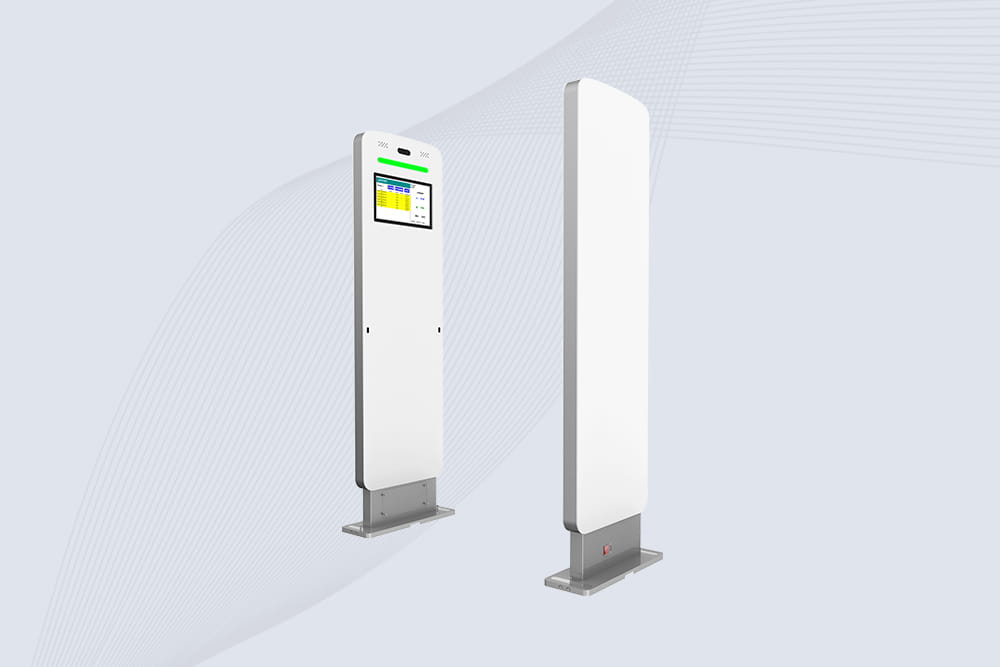
Cykeo CYKEO-T6 gate RFID reader features 1,200+ tags/min scanning, 6m detection range, and industrial-grade durability for libraries/stores/warehouses. Supports ISO 18000-6C and waterproof installations.

Cykeo CYKEO-T9HA industrial HF RFID gate reader offers 100cm range, 100+ tags/sec scanning, ISO 15693/14443A protocols, and IP66 durability for libraries, archives, and retail. Supports offline alarms and SAP integration.
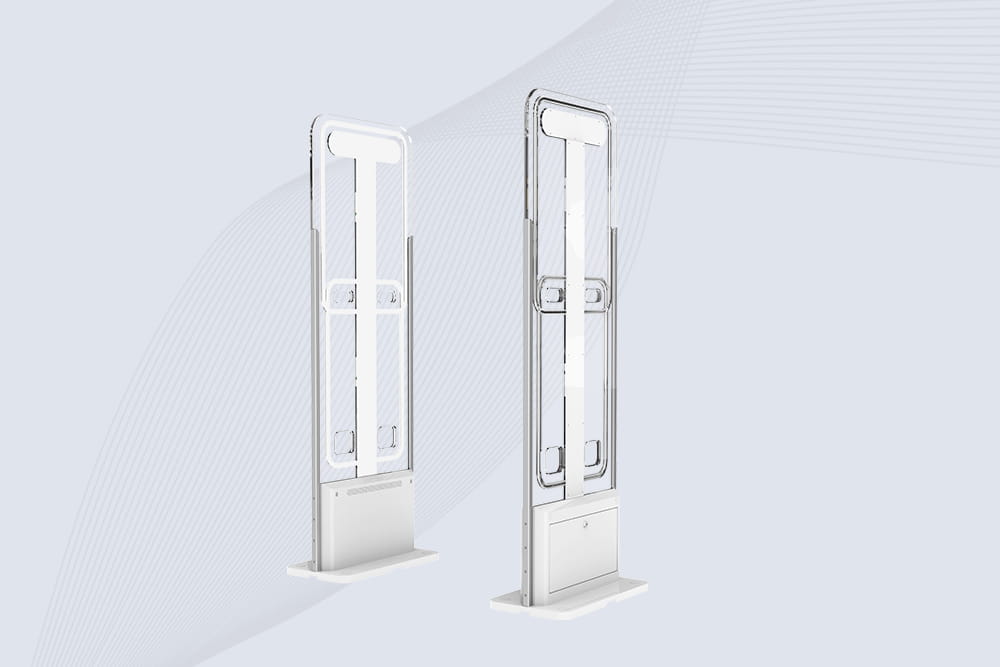
Cykeo CYKEO-T9UH UHF RFID gate reader offers 90cm detection width, EAS/AFI anti-theft alerts, IP54 rugged design, and multi-protocol support for libraries, retail, and logistics.
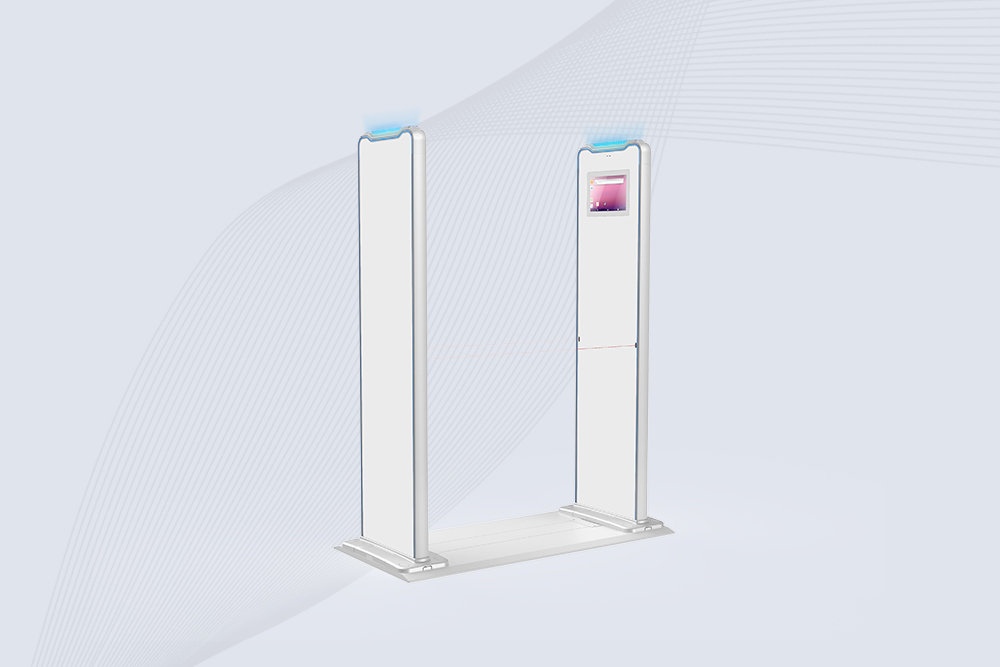
Cykeo’s Fixed RFID Gate Reader features 60 tags/sec scanning, IP54 rugged design, and dual-mode EAS alarm. Ideal for library/warehouse/event access control with real-time crowd analytics.
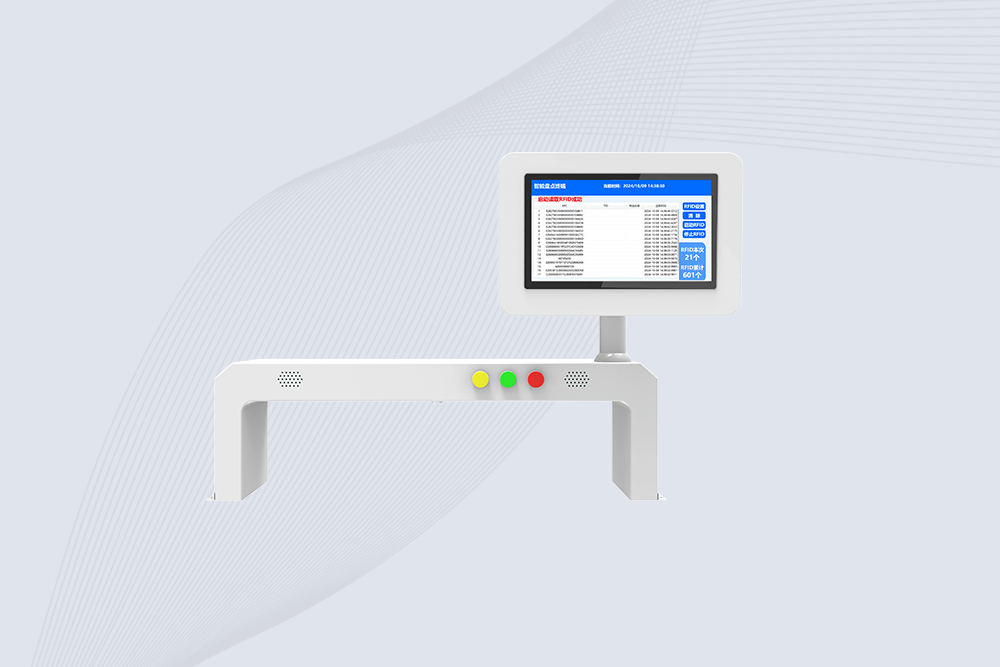
Cykeo CYKEO-T8A rfid gate access control system features IP68 enclosure, 400 tags/sec scanning, and 6-antenna array for warehouse/manufacturing security.
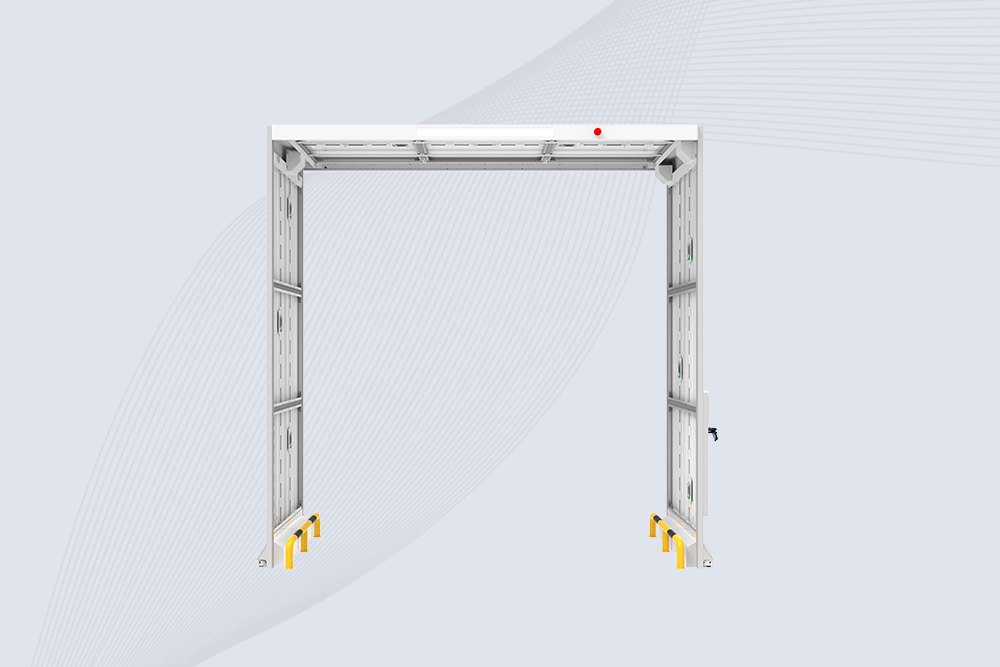
Cykeo CYKEO-T8F RFID gate entry systems deliver 200+ tags/sec scanning, EPC C1G2 compliance, and EAS alarms for warehouse/production gates. Supports Windows/Android OS.
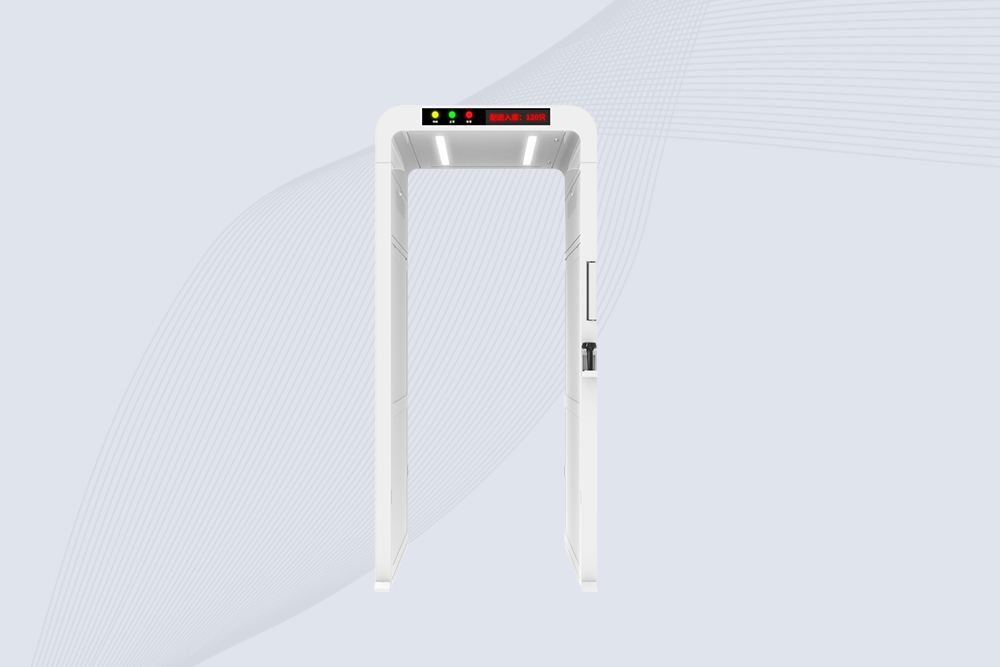
Cykeo CYKEO-T8C RFID gate opener delivers 200+ tags/sec scanning, ISO 18000-6C compliance, and facial recognition for logistics/secure facilities. Supports Windows/Android OS.
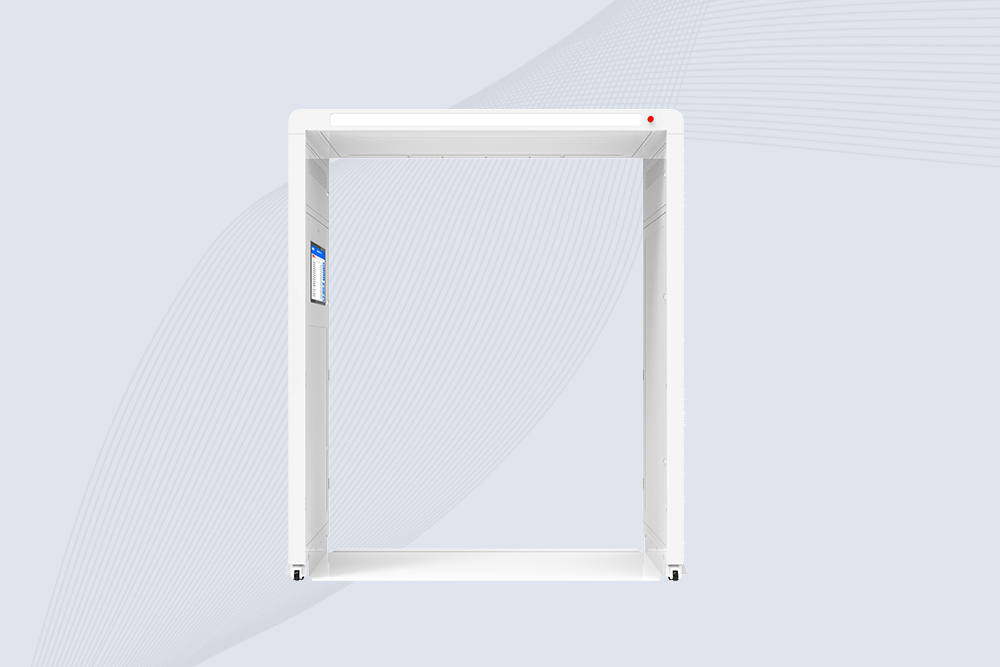
Cykeo CYKEO-T8D RFID gate access control system features 4-antenna 99.98% accuracy, ISO 18000-6C compliance, and real-time theft prevention for libraries/warehouses. Supports Windows/Android OS.
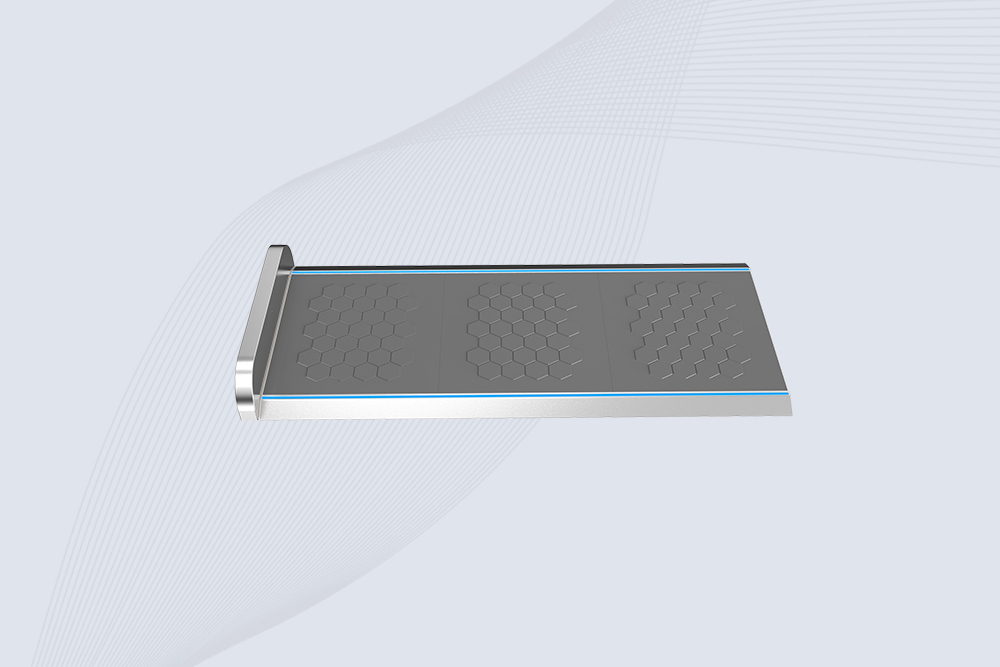
Cykeo CYKEO-T2 industrial RFID gate features 500+ tags/sec scanning, 0-3m vertical detection, and cloud management for warehouse automation and inventory control.
RFID Industry Writer | IoT & Asset Tracking Analyst
James writes about RFID technology, asset tracking, and the practical challenges of digital transformation across warehousing, retail, manufacturing, and logistics.
His work focuses on how RFID is applied in real-world operations—improving inventory visibility, automating workflows, and helping businesses manage assets with greater accuracy and efficiency.
He regularly covers topics including UHF RFID, smart cabinets, RFID portals, tool tracking, warehouse automation, and industrial IoT trends..

NFC tags vs RFID: Understand range, cost & use cases. Learn when NFC’s phone compatibility beats RFID’s industrial power. No jargon, just clear answers.
More
Cykeo RFID Library Management System Enhancing Management Efficiency
More
Learn how does a rfid chip work through wireless identification technology, RFID communication principles, and Cykeo solutions for smart asset tracking.
More
Discover how long range RFID readers improve asset tracking for IT equipment, medical devices, manufacturing tools and construction assets. Learn how RFID helps companies reduce loss, improve visibility and manage valuable equipment efficiently.
More