 Cykeo RFID IoT Solution Products R&D Manufacturer


How Much RFID Installation Really Costs (And Why Quotes Vary So Much)
295How much RFID installation really costs? Get real pricing insights, hidden expenses, and expert advice to budget your RFID system correctly.
MoreAll RFID Product
Passive and active RFID systems serve distinct roles in construction tool tracking, balancing cost, range, and durability. Cykeo, a leader in construction RFID solutions, offers both technologies to meet varying project needs. Here’s a detailed comparison to help you choose the right approach.
| Factor | Passive RFID | Active RFID |
| Battery Life | Unlimited | 3–7 years (replaceable) |
| Real-Time Tracking | Limited to scanner proximity | GPS-enabled, real-time updates |
| Durability | Weatherproof tags available | Rugged, industrial-grade builds |
| Best For | Tool cribs, small sites | Large sites, theft prevention |
Pro Tip: Use QR code backups on passive tags for manual scans if RFID fails.
How much RFID installation really costs? Get real pricing insights, hidden expenses, and expert advice to budget your RFID system correctly.
More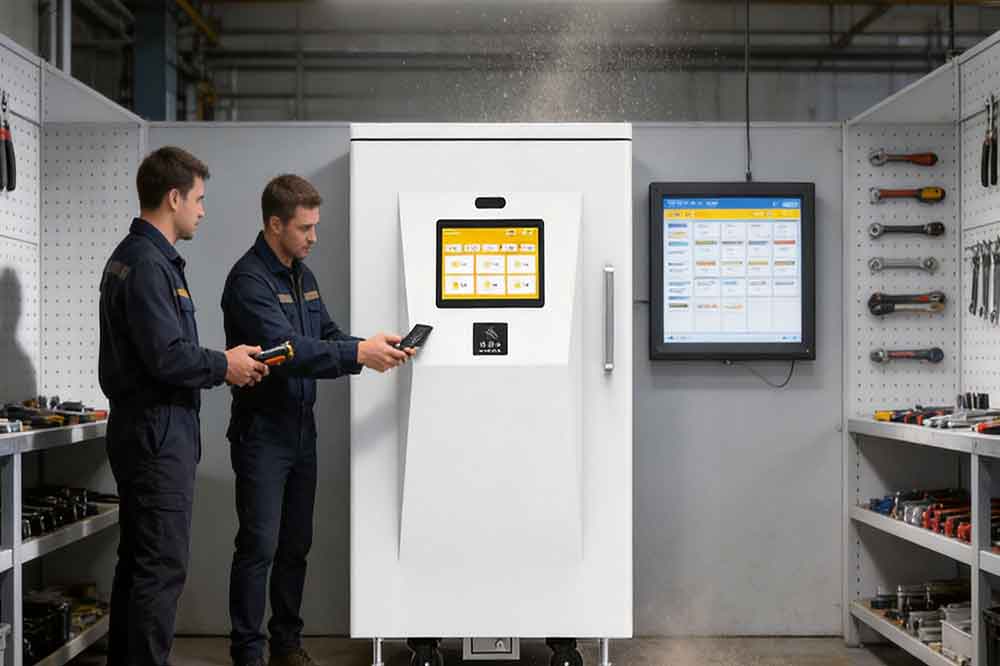
RFID tool cabinet can help factories allocate tools according to department needs, work orders, user permissions, and recorded availability. With clear assig...
More
Discover if RFID tags can withstand extreme temperatures in cold chain logistics. Learn how Cykeo’s rugged solutions ensure reliable tracking from freezer farms to pharmaceuticals.
More
Learn how to choose the right antenna for a long range RFID scanner. Understand UHF RFID antenna types, reading distance, polarization, installation tips, and supplier selection for industrial RFID projects.
More