 Cykeo RFID IoT Solution Products R&D Manufacturer
Top Long-Range RFID Modules for Warehouse Automation in 2024
1318Discover the best long-range RFID modules for warehouse automation in 2024. Explore range, durability, and seamless integration to boost efficiency and accuracy.
MoreAll RFID Product
Where are RFID tags used? RFID tags are used wherever businesses need to identify, count, track, authenticate, or locate physical items without scanning each item individually. Common applications include retail, healthcare, logistics, manufacturing, libraries, tools, assets, and automated checkout.
The important point is that RFID is not tied to one industry. The tag follows the object.
A garment can carry a paper RFID label. A metal tool may need an on-metal tag. A reusable medical container may use a rugged encapsulated tag. A pallet can carry a larger industrial label. The RFID chip technology is similar; the physical tag design is not.
In real deployment work, I pay more attention to what the tagged object is made of and where it moves than to the appearance of the tag.
That distinction becomes obvious very quickly on a working site.
Retail remains one of the clearest examples of item-level RFID.
RFID tags can be attached to:
A conventional barcode usually requires the operator to position the scanner toward the printed code. RFID changes the physical workflow. Multiple tagged products can be identified as they pass through a reader field.
GS1 reports that EPC/RFID can raise retail inventory accuracy to 95% and higher, while a GS1 Norway case study reported improvement from approximately 70% to 95% or higher compared with traditional barcode-based stocktaking.
That difference matters during replenishment.
A store employee does not want to spend half a morning opening cartons, turning garments around and finding individual barcodes. A handheld or fixed RFID reader can capture groups of items much faster.
RFID tags are also used in environments where identification errors can become operationally expensive.
Typical applications include:
| Application | RFID Tag Usage |
|---|---|
| Medical supplies | Stock identification and replenishment |
| Surgical instruments | Tracking through sterilization cycles |
| Pharmaceuticals | Item, batch and movement identification |
| Hospital assets | Locating equipment and reusable devices |
| Patient workflows | Identification and process verification |
| Blood and laboratory items | Controlled identification and traceability |
GS1 specifically lists RFID and other automatic identification technologies for healthcare applications including stock control, supplies management, instrument tracking, asset tracking and medication-related processes.
The tag itself is only one component. In a hospital, the reader location, database rules and staff workflow determine whether the system actually improves operations.
Warehouse RFID is often less glamorous than the marketing photographs suggest.
The useful moment is usually at a doorway.
A pallet arrives. Several cartons move through a controlled read zone. Instead of stopping to scan each barcode, the system captures the tagged items and associates the event with a receiving location and timestamp.
GS1’s RFID architecture documentation describes RFID readers being used at retail receiving points to capture item-level identifiers and update inventory records, with additional readers supporting replenishment and point-of-sale workflows.
This is where RFID inventory tracking becomes more than simple identification.
It creates an event:
Item → Reader → Location → Time → Business system
That event can then trigger receiving, put-away, replenishment, shipping or exception handling.
Manufacturing environments introduce a different set of problems.
RFID tags may be attached to:
Here, tag selection becomes critical.
A tag mounted directly against steel behaves differently from one attached to cardboard. Fluids, motors, dense metal structures and changing reader angles can also affect RF performance.
This is why I would not specify an industrial RFID tag from a catalog photograph alone.
The actual question is: what material will surround the antenna during the read?
RFID tags are particularly useful when the object itself has continuing operational value.
Consider a maintenance tool.
A barcode can identify it when somebody remembers to scan it. RFID can support automatic identification when the tool passes through a controlled reader zone.
The same approach can be applied to:
The Auburn University RFID Lab has documented field research showing that RFID-enabled inventory processes can reduce inventory record inaccuracy; one study involving 62 stores and five product categories found RFID reduced inventory record inaccuracy, particularly in categories with known accuracy problems.
That is a useful lesson: RFID is most valuable where inaccurate inventory records are already creating measurable operational problems.
Before selecting a tag, I normally check five things:
That final question is often missed.
An RFID tag does not create business value simply because a reader can detect it. The useful result appears when the RFID event is connected to an operational action.

The technology is particularly useful when organizations handle large numbers of physical objects repeatedly.
A single manual scan is easy.
Ten thousand repeated scans are a different problem.
GS1 identifies RFID as a technology that can increase supply-chain visibility and inventory accuracy, while its system architecture supports applications ranging from retail inventory and checkout to healthcare and industrial traceability.
That is why RFID tags appear in places that, at first glance, seem unrelated: a fashion label, a hospital instrument, a warehouse pallet and a maintenance tool.
The tag is simply the physical identity carrier.
The real system is the combination of tag + reader + antenna + software + business workflow.
And that is the point where choosing where RFID tags are used becomes much more important than simply asking what an RFID tag looks like.
RFID tags are used wherever organizations need to identify individual items quickly, repeatedly, and without relying on direct visual scanning. The strongest applications are not defined by the tag itself, but by the movement of the tagged item.
GS1 identifies RFID applications across retail, supply chains, manufacturing-related workflows, transport items, and maintenance operations. Its system architecture specifically describes item-level RFID for receiving, shelf replenishment, point of sale, electronic article surveillance, and inventory updates.
For Cykeo projects, the practical question is usually more specific:
What object needs to be identified, where does it move, and when must the system know that it moved?
That distinction changes the reader, antenna, tag construction, mounting position, and software workflow.
| Industry | RFID Tag Use | Typical Reading Point |
|---|---|---|
| Retail & Apparel | Garments, shoes, accessories, inventory | Store, fitting room, checkout |
| Warehousing | Cartons, pallets, containers | Receiving and dispatch |
| Healthcare | Medical supplies, equipment, pharmacy items | Pharmacy, storage room, ward |
| Manufacturing | Components, WIP, tools, finished goods | Production line |
| Aviation & Rail | Tools, parts, maintenance assets | Maintenance facility |
| Libraries | Books and media | Circulation desk, shelves |
| Logistics | Returnable transport items | Dock doors, warehouse |
| Tool Management | Hand tools and maintenance equipment | Tool room, issue/return station |
GS1 notes that RAIN RFID can identify objects without requiring line-of-sight and can support item-level visibility that is difficult or expensive to achieve with conventional barcodes.
That is why RFID is particularly useful when there are hundreds of individually identifiable objects moving through the same physical space.
Retail is one of the clearest examples.
A conventional barcode asks the employee to point a scanner at each item. An RFID reader can identify multiple tagged products within its operating field, allowing inventory work to move away from one-item-at-a-time scanning.
GS1 describes retail workflows in which RFID data can be captured at goods receiving, on the sales floor, and at point of sale. The same item identity can then support inventory updates, replenishment and electronic article surveillance.
A typical apparel store might use RFID tags for:
This is where item-level identification becomes more valuable than simply knowing that a SKU exists.
For example, two identical black jackets may have the same product code but different serialized RFID identities. The system can distinguish them individually.
GS1 reports that EPC/RFID implementations in apparel can achieve inventory accuracy approaching 95%, while its apparel guidance cites cycle-count reductions of up to 96% in appropriate deployments. These are industry-reported results rather than universal guarantees; actual performance depends heavily on tag placement, reader configuration and operating procedures.
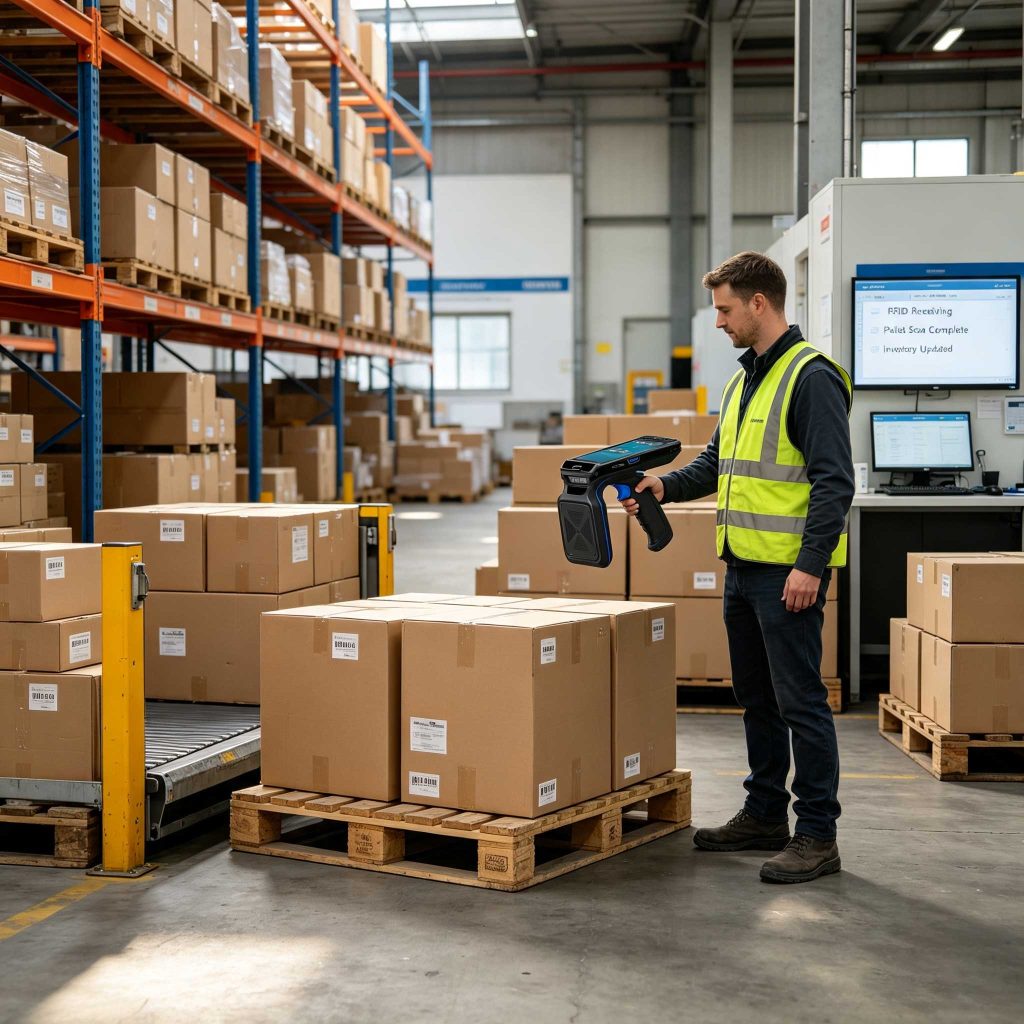
In a warehouse, RFID tags may be attached to individual products, cartons, pallets or reusable containers.
The important part is not simply “reading a tag.” The reader event can become an operational event:
received → moved → stored → picked → shipped → returned
GS1’s RFID architecture specifically describes EPCIS event data being used to record item arrival and subsequent movements through the supply chain.
That creates a different operational picture from a barcode-only environment. Instead of asking an employee to confirm every carton manually, the infrastructure can capture identification events automatically at defined locations.
One field detail matters more than many project proposals admit: tag orientation.
A tag that performs beautifully on a cardboard carton may behave very differently when placed directly against metal, liquid or dense packaged goods. In Cykeo deployments, tag selection is therefore made against the actual material—not just the product name.

Healthcare environments introduce a different problem: inventory is often scattered.
A hospital may have supplies in a central warehouse, pharmacy, operating department, emergency area and ward storage. The issue is not merely counting stock. It is knowing which item is where and whether the expected quantity is actually available.
Potential RFID applications include:
The tag itself is only one layer. Healthcare deployments require careful attention to privacy, workflow integration, sterilization requirements and applicable regulations.
Manufacturing is where RFID often becomes less visible but more operationally important.
A tag can follow:
component → work-in-progress → assembly → inspection → finished product
For tools, the workflow can be even more direct:
tool room → technician → work area → return → inspection
GS1’s system architecture gives maintenance, repair and overhaul as an RFID example, including tracking serialized components across manufacture, installation, servicing and replacement.
This is particularly useful when a company has thousands of tools or components whose locations are difficult to maintain manually.
The tag does not need to store an entire database record. In many architectures, its identifier acts as the key connecting the physical object to information held in enterprise software.
That keeps the RFID layer relatively simple while allowing the business system to hold richer history.
RFID does not replace barcodes in every application.
| Requirement | RFID | Barcode |
|---|---|---|
| Line of sight | Not normally required | Required |
| Multiple-item reading | Strong advantage | Usually one at a time |
| Individual serialization | Yes | Yes, if encoded |
| Low-cost basic identification | Less economical in some cases | Excellent |
| Metal/liquid environments | Requires tag engineering | Often easier visually |
| Automated portals | Excellent fit | More difficult |
| Existing barcode infrastructure | Can complement it | Already widespread |
GS1 explicitly recommends considering whether RAIN RFID should complement existing barcode processes rather than treating the technologies as mutually exclusive.
That is also what tends to work better operationally.
Keep the barcode where it already works.
Use RFID where manual scanning has become the bottleneck.
A reliable RFID project usually begins with a small physical process, not a large technology purchase.
Identify exactly what will carry the tag:
Test cardboard, plastic, fabric, glass, liquid and metal separately where relevant.
Decide whether identification happens at:
Depending on the application, Cykeo solutions can be configured around fixed readers, integrated readers, desktop platforms, handheld equipment or embedded RFID modules.
RFID events should normally connect with the existing:
GS1 identifies standards such as the EPC Tag Data Standard, LLRP, Reader Management and Application Level Events as parts of a broader RFID deployment architecture.
Retail, logistics, warehousing, healthcare, manufacturing, asset tracking, libraries, transportation and maintenance are major RFID application areas.
Yes. Apparel is one of the strongest item-level RFID applications because individual garments can be identified during receiving, inventory counting, replenishment, returns and checkout.
Yes. RFID is particularly useful when many cartons, pallets or individual products need to be identified without manually scanning each barcode.
Yes, but standard labels are not always suitable. On-metal RFID tags use antenna and substrate designs engineered for metal surfaces.
Not necessarily. RFID and barcodes can coexist. RFID is valuable for automated, multi-item identification, while barcodes remain economical and practical for many individual scanning tasks.
Yes. Hospitals can use RFID for inventory, medical equipment, pharmacy supplies, tools and other controlled workflows, subject to the application’s regulatory and privacy requirements.
Cykeo evaluates the physical object, material, required read distance, tag orientation, reader position, operating environment and software workflow before choosing the appropriate RFID configuration.
RFID tags are no longer limited to warehouse labels. They are being used wherever physical objects need a digital identity that can be captured repeatedly as those objects move through a business process.
From apparel shelves and warehouse docks to hospital supply rooms and manufacturing tool stations, the strongest RFID deployments share one characteristic: the tag is designed around the environment rather than chosen in isolation.
That is the practical answer to where are rfid tags used—where item-level identification, faster data capture and better physical-to-digital visibility can solve a measurable operational problem.
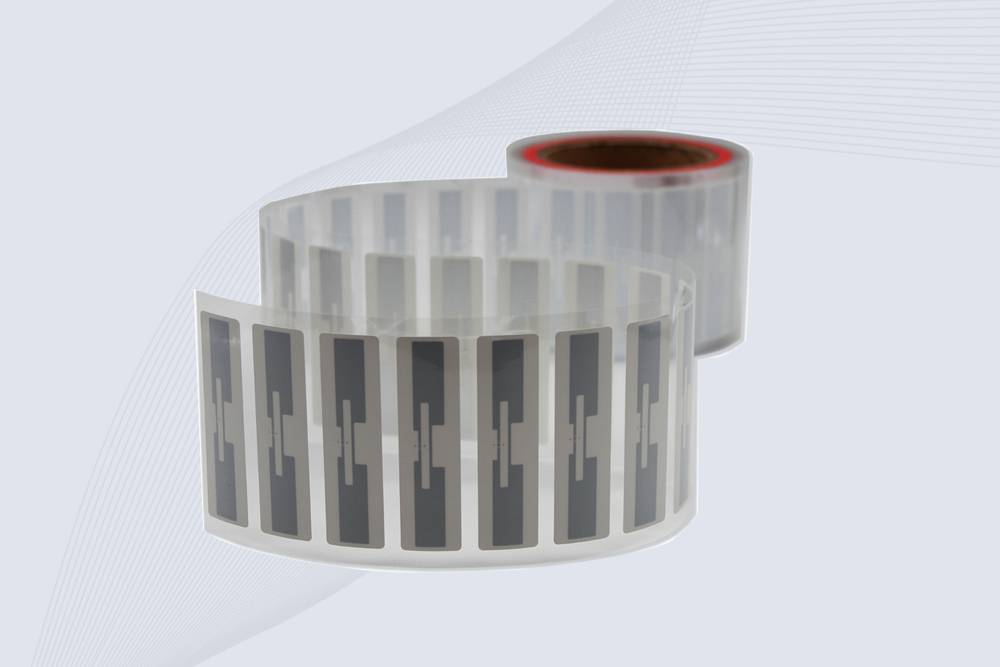
CYKEO Passive RFID Tags are made for wet and high-humidity environments where standard labels do not last. This rfid passive tag is often used around liquids, chemicals and temperature changes, providing stable reading distance and long data life for industrial tracking.
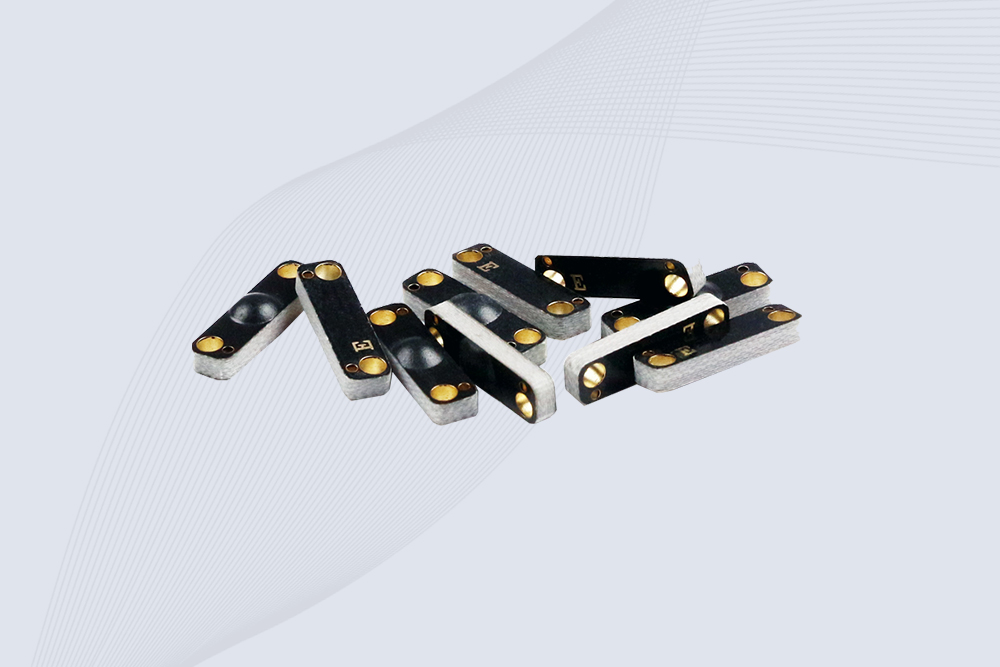
CYKEO CYKEO-PCB1504 Metal RFID Tags is a compact anti-metal UHF RFID solution built for direct mounting on metal surfaces. With stable 8-meter read range, Ucode-8 chip, and long data retention, this rfid metal tag fits tools, containers, automotive parts, and industrial asset tracking.
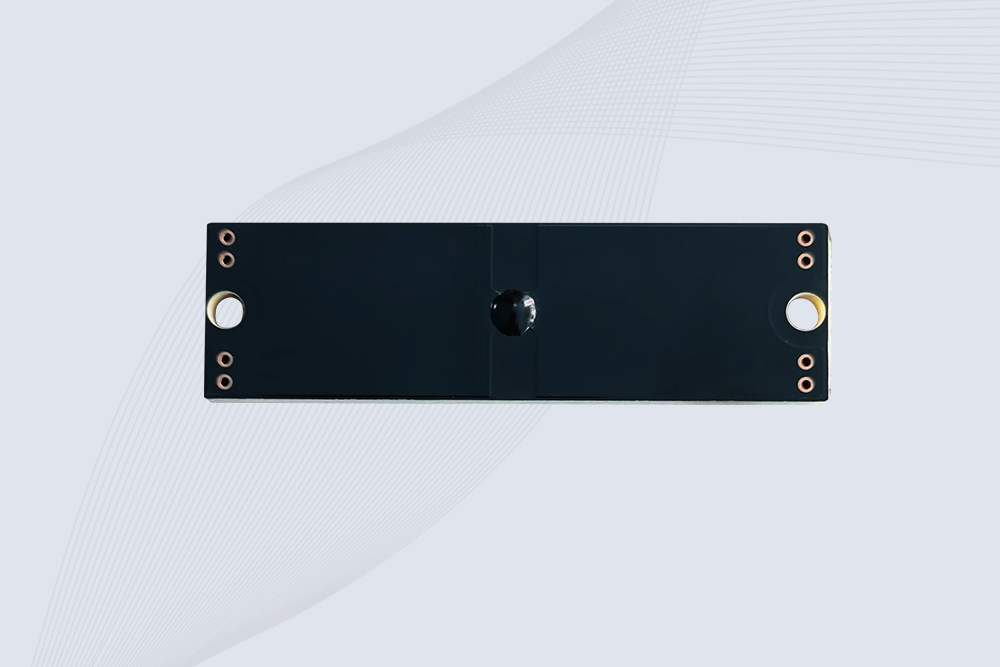
CYKEO CYKEO-PCB7020 On-Metal RFID Tags are designed for reliable tracking on steel and metal surfaces. Built with an FR4 epoxy body and industrial-grade chips, these On-Metal RFID Tags deliver stable performance, long data life, and chemical resistance, making them a dependable RFID anti-metal tag for harsh environments.
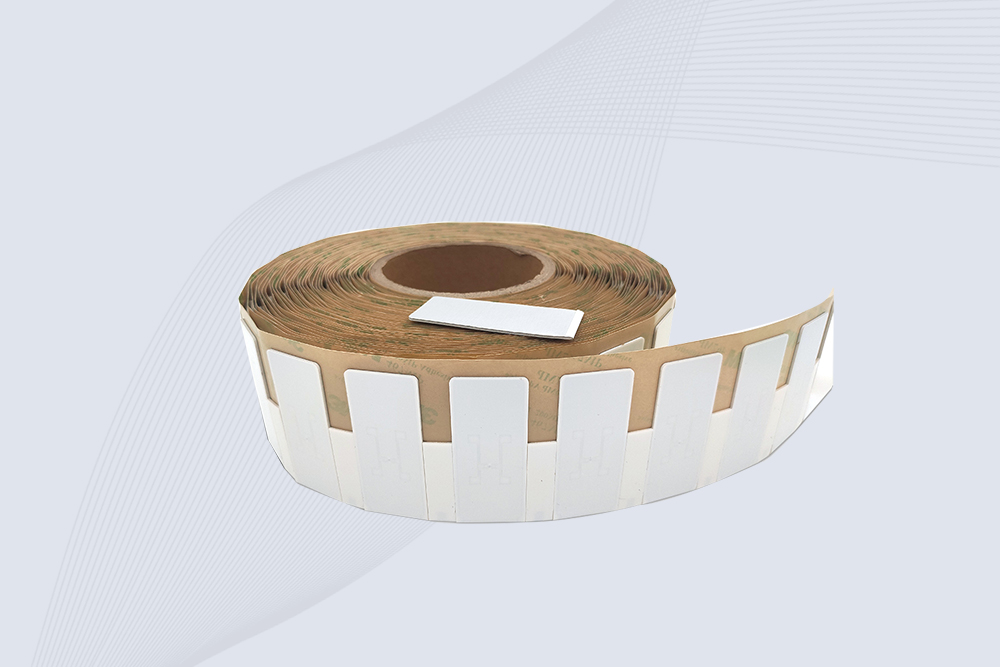
The CYKEO CYKEO-60-25 Anti-Metal RFID Tag is built for metal surfaces where standard tags fail. Designed for long-range performance, harsh environments, and stable data retention, this Anti-Metal RFID Tag is ideal for industrial assets, containers, and equipment tracking using on metal RFID tags.
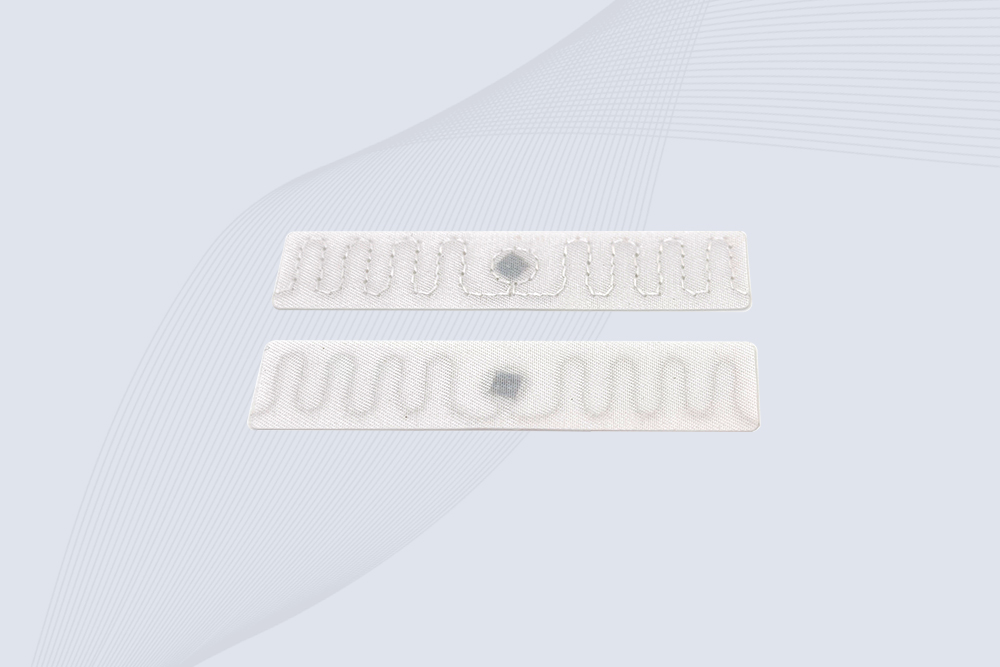
The CYKEO RFID Laundry Tag is designed for long-term textile identification in harsh laundry environments. Built to withstand high heat, chemicals, and repeated washing, this RFID Laundry Tag delivers stable performance for hotels, hospitals, and industrial laundry operations using laundry rfid tags at scale.
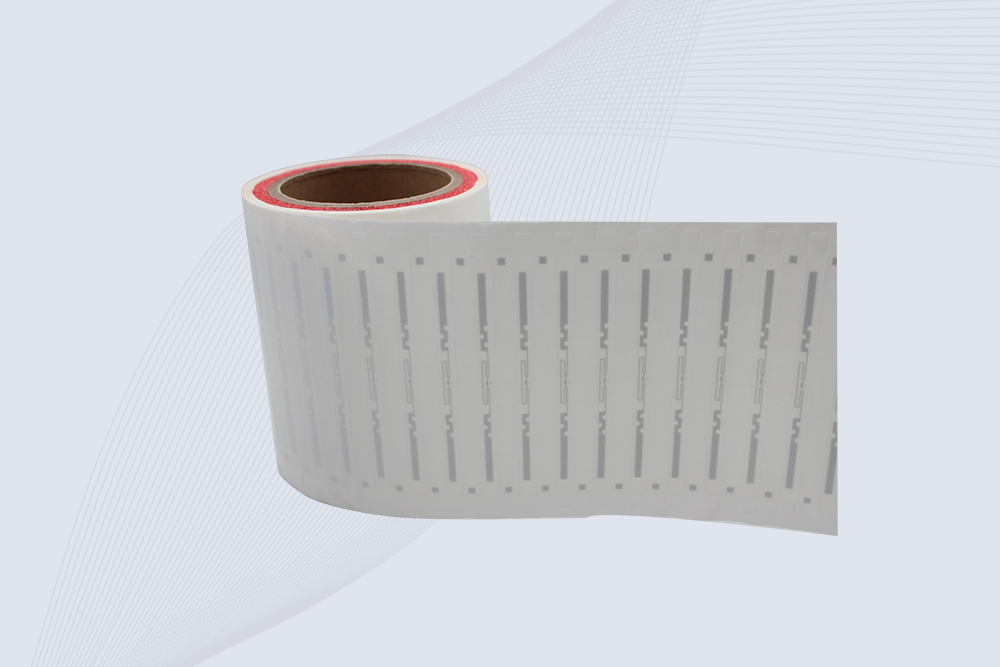
The CYKEO CYKEO-125-7 RFID Book Tag is designed for reliable book and document tracking in libraries and archives. This RFID Book Tag delivers long read range, dense placement support, and stable performance on shelves, making it a practical rfid tag on books for library automation, file management, and archival systems.
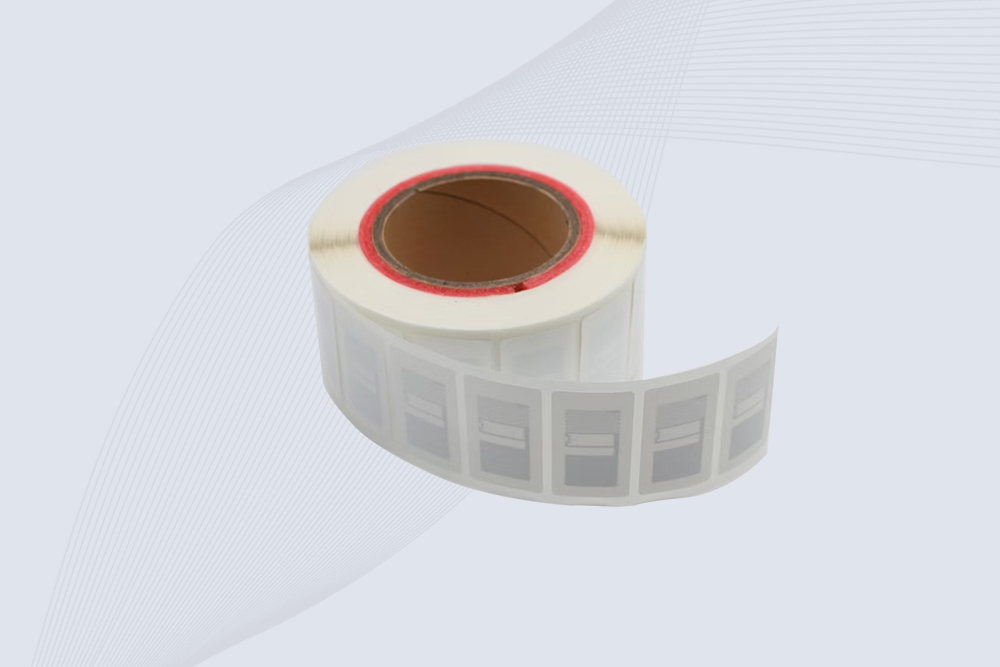
CYKEO RFID tags in hospitals are designed for sterile environments where accuracy matters. These autoclavable RFID tags support long-term tracking of surgical tools, implants, and medications, helping hospitals improve visibility, compliance, and patient safety.

CYKEO RFID Cable Tie Tag is built for reliable identification on metal surfaces. This UHF RFID Cable Tie Tag is widely used in rfid tags for inventory systems, industrial asset management and Hospital RFID Tags, offering stable read performance, long service life and global EPC Gen2 compatibility.
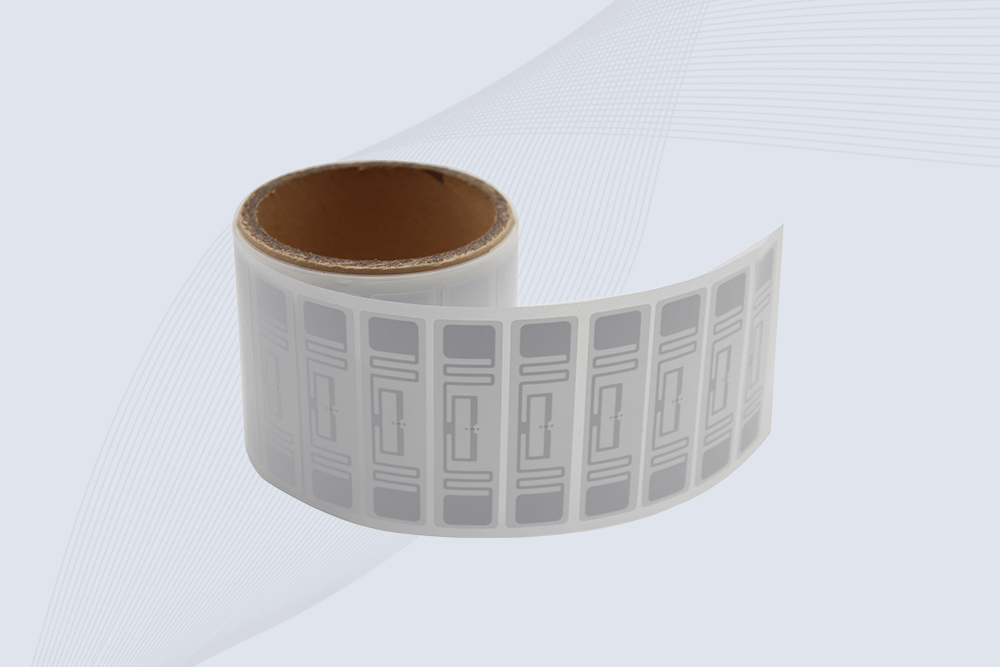
CYKEO RFID Asset Tag is designed for stable identification of metal assets in industrial environments. This UHF RFID Asset Tag is commonly used for rfid tag asset tracking on equipment, tools and containers, providing reliable reads, long service life and ISO/IEC 18000-6C support.

CYKEO UHF RFID Card is designed for fast identification and long-term use in industrial and commercial systems. Supporting ISO 18000-6C, this UHF RFID Card works at 860–960 MHz and is suitable for custom RFID cards used in asset tracking, access control and inventory management.
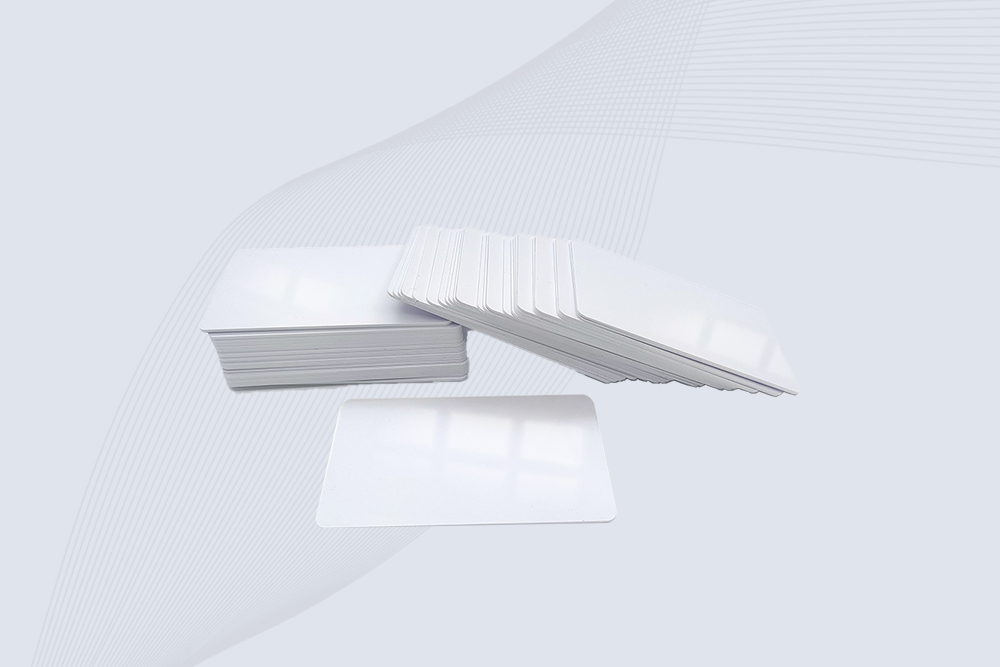
CYKEO HF RFID Cards are designed for secure and stable access control systems. These 13.56 MHz RFID key cards support ISO 14443-A, reliable rewriting and long service life, making HF RFID Cards suitable for offices, campuses, events and membership management.
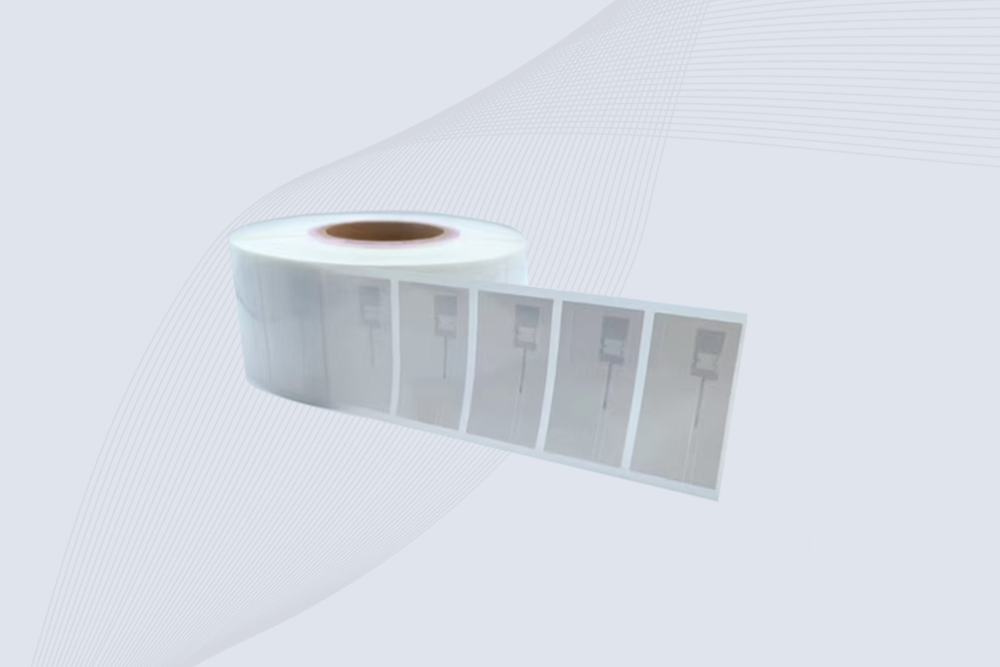
CYKEO UHF RFID Tag is designed for reliable tracking of metal jewelry and high-value items. This Jewelry RFID Tag supports long-range reading up to 8 meters, anti-counterfeit protection and stable performance on metal, making it suitable for retail, inventory control and asset management.

Discover the best long-range RFID modules for warehouse automation in 2024. Explore range, durability, and seamless integration to boost efficiency and accuracy.
More
Curious how to make an RFID card reader? We explore the DIY path with Arduino, its limitations for real security, and why businesses choose CYKEO's professional hardware.
More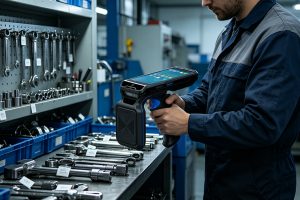
passive rfid scanner enables contactless asset tracking in industrial environments. Cykeo systems improve accuracy for tools, logistics, and field operations.
More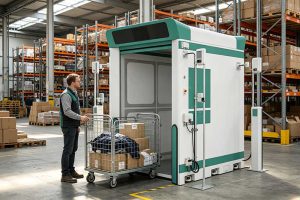
An RFID reader sends RF energy to tags, receives backscatter, processes multiple responses, and converts them into digital identification data.
More