How to use rfid starts with attaching RFID tags to objects, using RFID readers to collect wireless identification data, and connecting the information with software systems for automatic tracking, management, and operational decisions.
RFID is not simply a replacement for barcode scanning. In real projects, RFID becomes valuable when physical objects need a digital identity that can be automatically recognized without manual interaction.
During Cykeo RFID implementation projects, engineers often discover that the biggest improvement does not come from the reader itself. It comes from redesigning how products, assets, and people interact with information.
A warehouse operator who previously spent hours checking inventory manually may only need minutes after RFID deployment. A retail employee searching for missing stock can move from “looking everywhere” to checking a digital location record.
That difference is where RFID creates business value.
Understanding the Basic Process of Using RFID
Step 1: Attach RFID Tags to Objects
The first step in using RFID is creating a connection between a physical item and digital information.
RFID tags can be attached to:
Products
Equipment
Tools
Medical supplies
Clothing
Pallets
Documents
Each tag contains identification data stored inside an RFID chip.
Common information includes:
Data Type
Example
Product ID
SKU number
Asset ID
Equipment number
Serial number
Unique tracking code
Batch data
Production information
The tag becomes the digital identity of the physical object.
Step 2: Use RFID Readers to Capture Data
RFID readers communicate with tags through radio frequency signals.
The reader sends energy through an antenna. Passive RFID tags receive this energy, activate their chip, and return stored information.
A typical RFID reading process:
RFID Reader Sends Signal → Tag Responds → Reader Captures Data → Software Processes Information
Unlike barcode systems, RFID does not require direct visual alignment.
This allows operators to identify multiple items quickly.
How to Use RFID in Different Industries
Using RFID for Inventory Management
Inventory management is one of the most common RFID applications.
Companies use RFID to:
Count inventory automatically
Track product movement
Reduce manual errors
Improve stock visibility
For example, a warehouse receiving area can install fixed RFID readers at entrances. When tagged cartons pass through the reading zone, inventory records update automatically.
According to research from Auburn University RFID Lab, RFID has been widely studied for improving inventory accuracy and supply chain visibility, especially in retail environments.
Using RFID in Retail Stores
Retail RFID systems help companies understand:
What products are available
Where items are located
Which products need replenishment
Typical applications include:
Smart shelves
Self-checkout systems
Loss prevention
Clothing inventory management
In clothing stores, RFID tags attached to garments allow employees to perform rapid inventory checks without scanning each item individually.
Using RFID for Asset Tracking
Many organizations use RFID to manage valuable assets.
Examples:
Hospital equipment
Manufacturing tools
Maintenance devices
IT equipment
Instead of searching manually, employees can locate assets through RFID management software.
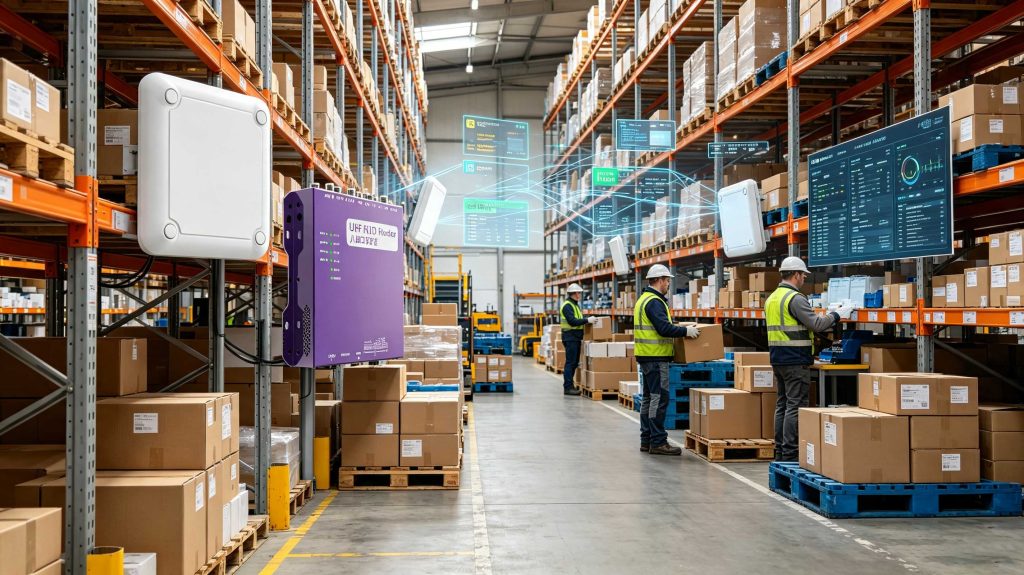
RFID enables automated identification and real-time inventory visibility in modern warehouse environments.
RFID System Components You Need to Use RFID
A complete RFID solution usually contains several technical components.
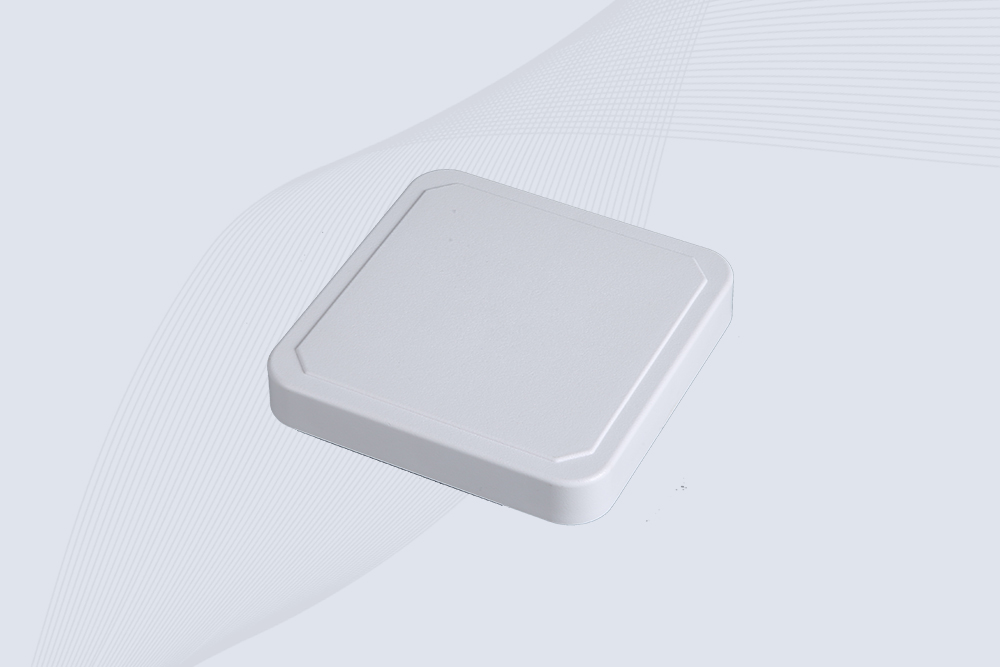
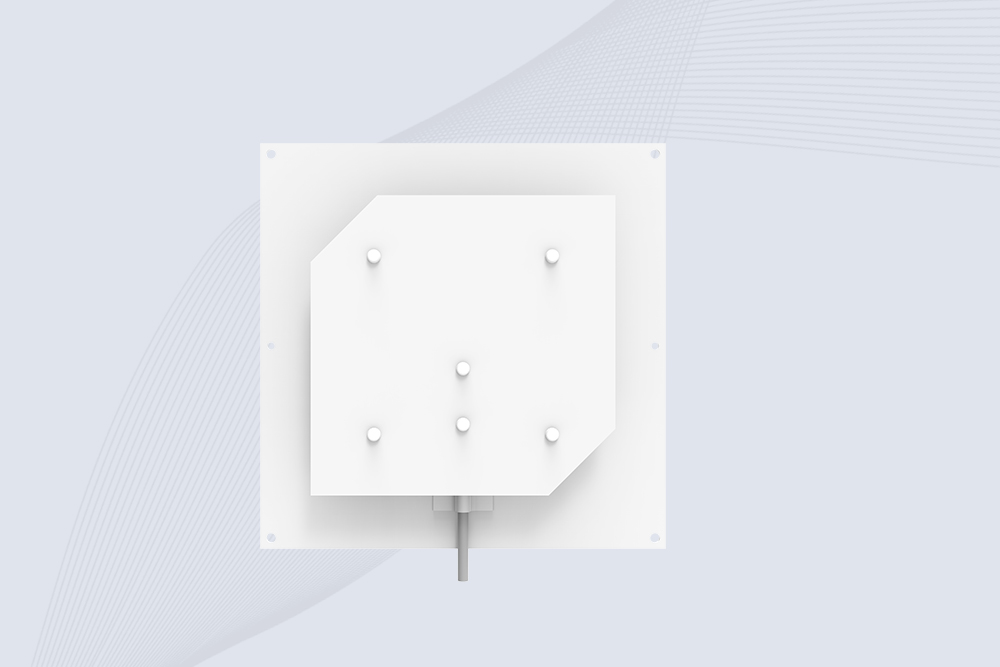
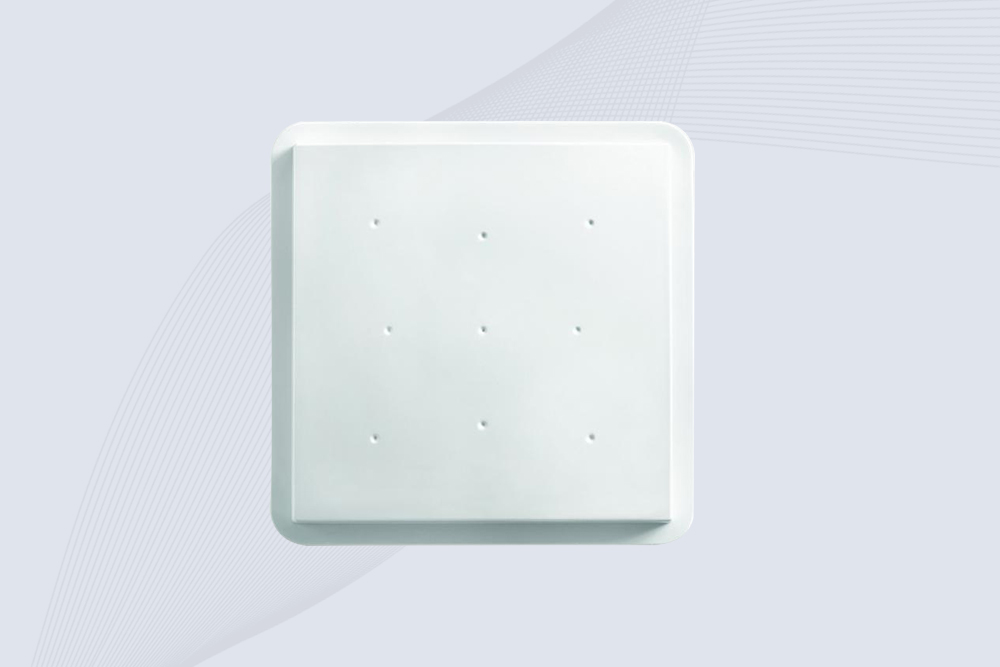
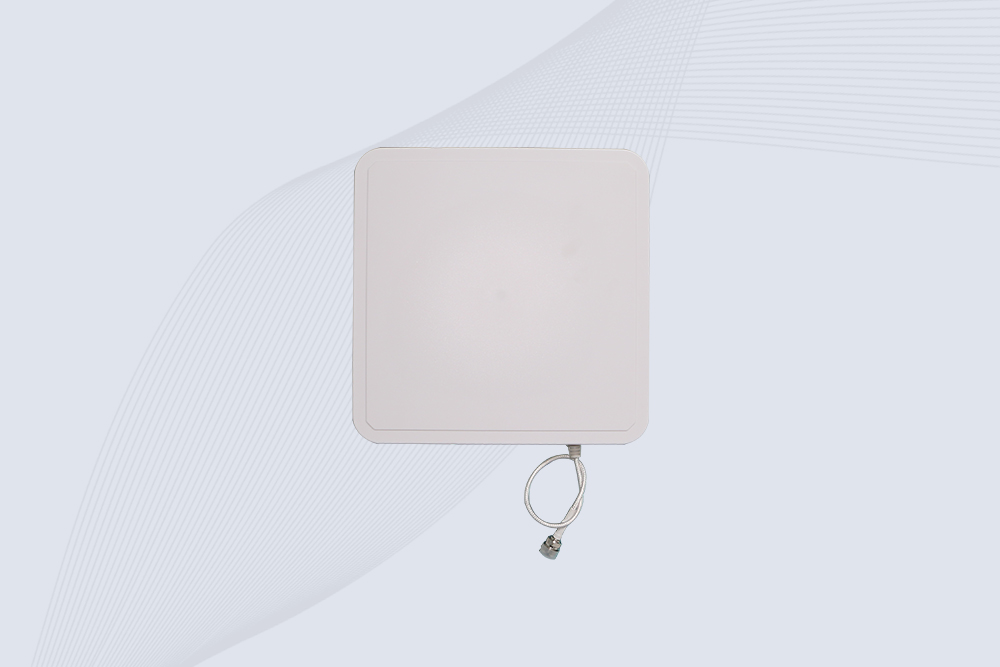
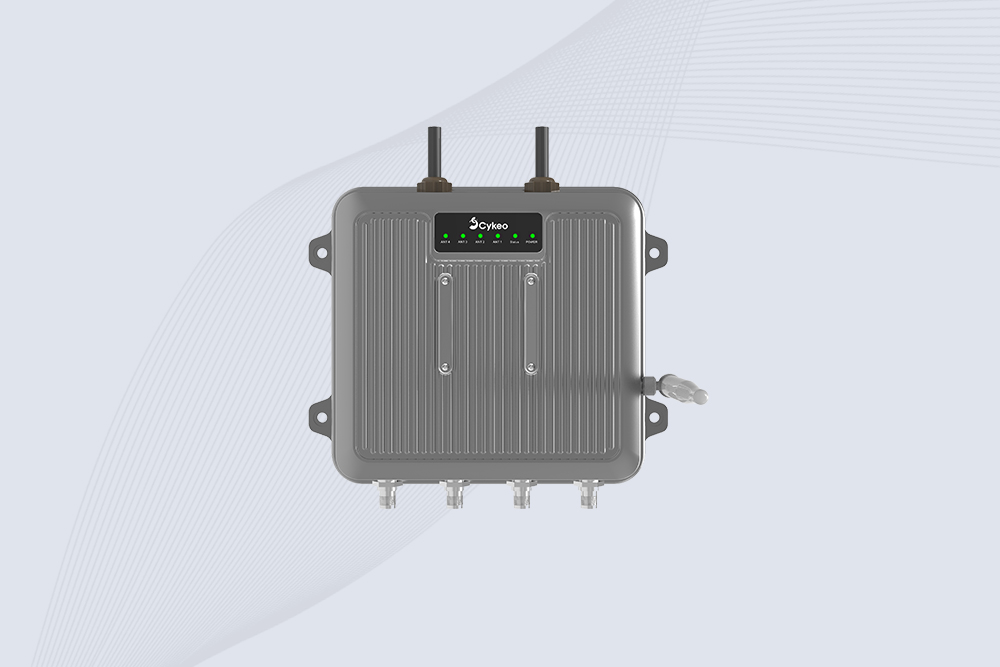
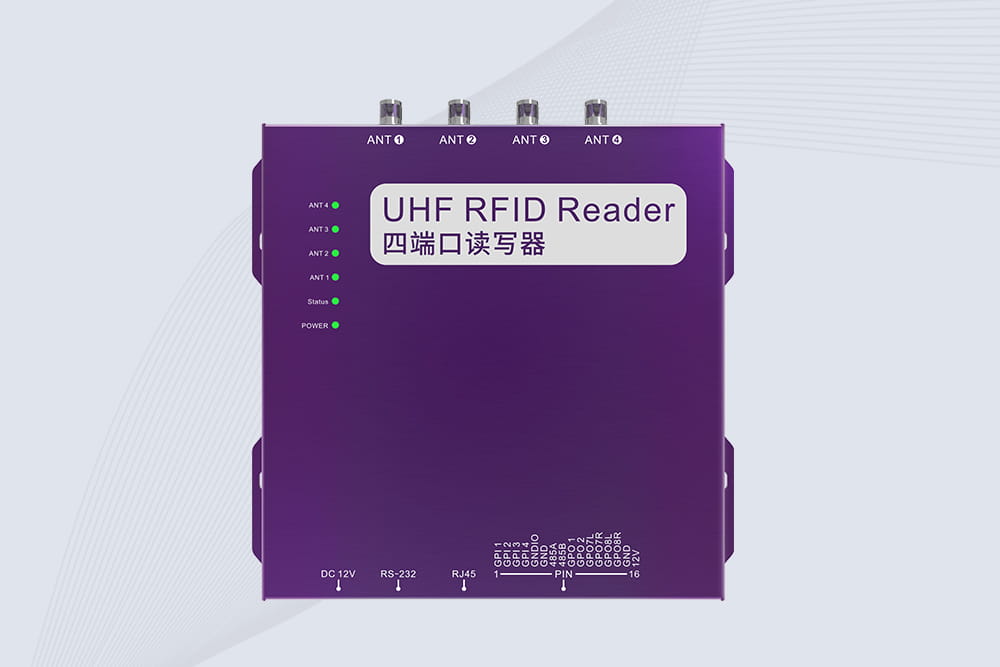
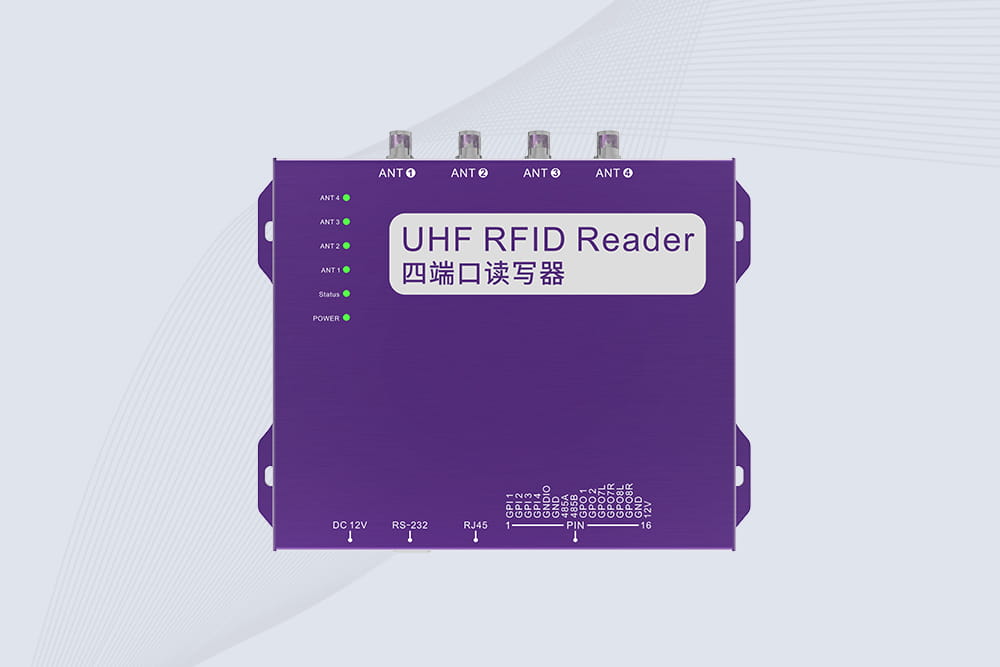
Cykeo provides RFID reader solutions designed for different application environments, including industrial identification, inventory management, and smart retail systems.
RFID Software Platform
Hardware alone cannot create an intelligent RFID system.
Software manages:
Tag data
Inventory records
User permissions
Tracking history
System reports
The software layer converts RFID signals into useful business information.
Practical Steps: How to Use RFID Successfully
1. Define the Application Goal
Before selecting equipment, determine:
What needs tracking?
How many items are involved?
What reading distance is required?
How often should data update?
2. Select Suitable RFID Technology
Different applications require different RFID solutions.
Application
Recommended RFID Solution
Warehouse
UHF RFID fixed readers
Retail clothing
UHF RFID tags + handheld readers
Tool management
Industrial RFID tags
Medical assets
Durable RFID identification
3. Test RFID Performance in Real Conditions
Laboratory testing is not enough.
Real environments include:
Metal shelves
Human movement
Product density
Electromagnetic interference
Professional RFID deployment requires field testing before full installation.
Common Mistakes When Using RFID
Ignoring Tag Selection
A wrong RFID tag can reduce system performance.
Examples:
Normal tags on metal surfaces
Weak adhesive in industrial environments
Incorrect frequency selection
Installing Readers Without Workflow Analysis
More readers do not always mean better results.
The correct approach is:
Understand movement paths
Define reading zones
Optimize antenna positions
Only Focusing on Hardware
RFID is a complete information system.
Successful deployment requires:
Hardware
Software
Data processing
Operational design
Professional Experience Behind RFID Deployment
In Cykeo RFID projects, engineers often start with a simple question:
“Where does the object move?”
Not:
“How many readers should we install?”
This small difference changes the entire design approach.
A retail store, warehouse, and factory may all use RFID technology, but their successful architectures are completely different.
The strongest RFID systems are built around real workflows, not only technical specifications.
Cykeo RFID Technical Advantages
After years of RFID deployment projects across warehouses, retail environments, manufacturing lines, and asset management scenarios, Cykeo focuses on one practical issue: RFID systems must perform reliably in real operational conditions, not only in laboratory tests.
A warehouse floor is rarely quiet. Metal racks create reflections, workers move between antennas, hundreds of tags appear simultaneously, and software systems need stable data transmission. In these environments, RFID hardware quality determines whether the system creates value or creates another maintenance burden.
Cykeo RFID solutions combine high-performance UHF RFID modules, industrial readers, antennas, and software interfaces to provide stable identification performance for enterprise applications.
Key technical advantages include:
Technical Feature
Cykeo RFID Capability
Business Value
High-speed tag reading
Multi-tag recognition with anti-collision algorithms
Faster inventory counting
Industrial RFID performance
Stable operation in warehouses and factories
Reduced downtime
Adjustable RF output
Up to 33 dBm output power on selected devices
Flexible deployment distance
Multiple communication options
Ethernet, RS-232, USB and customized interfaces
Easy system integration
Developer support
SDK, API, C# and Java resources
Faster software development
In practical projects, the difference is often visible during peak operation. A retail backroom receiving 500 cartons does not need another manual checkpoint. It needs an RFID system that can capture data while employees continue working.
RFID System Architecture Deep Dive
A complete RFID deployment is not simply a reader and a tag. It is an interconnected identification system consisting of several layers.
1. RFID Tag Layer
The RFID tag stores digital identification information. Depending on the application, tags may contain:
EPC number
Product ID
Asset information
Batch information
Authentication data
Inventory status
Common UHF RFID tags used in supply chains follow the EPC Gen2 / ISO 18000-6C standard, which enables global interoperability.
The tag itself does not actively transmit information. It responds when energized by an RFID reader signal.
2. RFID Reader Layer
The reader generates radio frequency signals and receives tag responses.
Cykeo RFID readers are designed for different environments:
Fixed RFID Readers
Used in:
Warehouse gates
Production lines
Retail entrances
Smart cabinets
Conveyor systems
Desktop RFID Readers
Used for:
RFID tag encoding
Product registration
Library management
Small-scale checkout systems
For example, Cykeo RFID desktop writers use near-field antenna technology to control the reading and writing area.
This is important because uncontrolled RF coverage can cause accidental reading of nearby tags.
A typical desktop coding workflow:
Place RFID tag on the reading area
Reader identifies tag EPC data
Software writes required information
System verifies writing success
Database updates tag status
3. Middleware and Software Layer
The RFID reader collects raw data. Middleware transforms it into useful business information.
A typical RFID inventory architecture:
RFID Tag
   ↓
RFID Reader
   ↓
Data Processing Software
   ↓
Warehouse / ERP / MES System
   ↓
Business Decision Platform
The software layer handles:
Tag filtering
Duplicate removal
Inventory synchronization
User permissions
Data analysis
Without proper filtering, a warehouse with thousands of tags may generate unnecessary repeated data.
RFID vs Barcode vs NFC Comparison
RFID is often compared with barcode and NFC because all three technologies identify objects. However, their working methods are different.
Feature
RFID
Barcode
NFC
Reading method
Radio frequency
Optical scanning
Short-range RF
Line of sight required
No
Yes
Usually no
Multiple tag reading
Yes
No
Limited
Typical range
Several meters
Contact distance
Few centimeters
Data writing
Supported
Limited
Supported
Warehouse suitability
Excellent
Moderate
Limited
A barcode operator may scan one product at a time.
An RFID system can identify many tagged products automatically.
This difference becomes significant in industries where inventory movement happens continuously.
RFID Industry Application Cases
1. Smart Warehouse Inventory Management
In modern logistics centers, RFID improves visibility from receiving to shipping.
Typical applications:
Automated pallet identification
Real-time stock tracking
Shipment verification
Inventory auditing
A warehouse employee walking through aisles with an RFID handheld reader can complete counting tasks much faster than traditional manual scanning.
The GS1 RFID guidelines highlight RFID as an important technology for improving supply chain visibility and product identification accuracy.
2. Retail Clothing Management
Fashion retail is one of RFID’s strongest application areas.
RFID tags attached to garments allow retailers to track:
Receiving
Store inventory
Fitting room movement
Replenishment
Loss prevention
Large retailers have demonstrated that RFID can significantly improve inventory accuracy. For example, Zara has widely implemented RFID-based inventory systems across its operations.
The practical benefit is not only counting products faster. It is knowing what products exist, where they are located, and whether customers can actually purchase them.
3. Tool and Asset Management
Industrial companies use RFID for:
Maintenance tools
Medical equipment
Aviation components
Electrical inspection equipment
A missing tool is not only an inventory issue. It may delay production or maintenance operations.
RFID creates a digital record of:
Who received the item
When it was moved
Where it should be returned
RFID Deployment Strategy
Successful RFID projects usually start with the process, not the hardware.
Step 1: Define Identification Objectives
Determine:
What needs tracking?
How frequently does movement occur?
What accuracy level is required?
Step 2: Select Correct RFID Hardware
Different environments require different devices.
Environment
Recommended RFID Equipment
Warehouse entrance
Fixed RFID reader + antenna
Retail checkout
RFID self-service terminal
Tag issuing station
Desktop RFID writer
Outdoor asset tracking
Industrial RFID reader
Step 3: Test Real Conditions
Before full deployment, test:
Metal interference
Tag orientation
Reading distance
Data integration
Employee workflow
A system that works perfectly in an empty room may behave differently beside metal shelves or moving equipment.
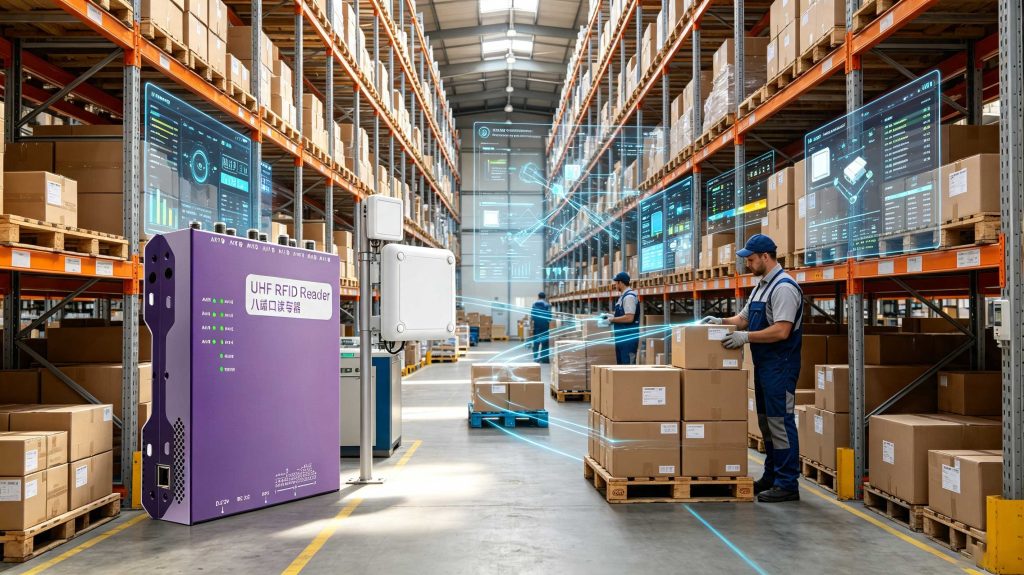
RFID technology enables real-time product identification, inventory tracking, and warehouse automation through intelligent scanning systems.
FAQ: RFID Technology Applications
1. What industries use RFID technology?
RFID is widely used in retail, logistics, manufacturing, healthcare, transportation, and asset management.
2. Can RFID read multiple tags at once?
Yes. UHF RFID systems support multi-tag reading through anti-collision algorithms.
3. Does RFID require a battery?
Most UHF RFID tags are passive and receive energy from the reader signal.
4. How far can RFID tags be read?
The distance depends on frequency, antenna design, tag type, and environment. UHF RFID systems can typically reach several meters.
5. Is RFID better than barcode?
For high-volume inventory operations, RFID provides advantages because it does not require direct scanning and can read multiple items simultaneously.
6. Can RFID integrate with ERP systems?
Yes. RFID middleware can connect with ERP, WMS, MES, and other enterprise platforms.
SEO Ending
Modern businesses need more than simple identification. They need accurate, real-time visibility of products, assets, and inventory movement.
From warehouse automation to retail checkout, how to use rfid becomes a question of system design, hardware selection, and operational experience.
Cykeo RFID solutions combine reliable readers, tag programming technology, and flexible integration tools to help enterprises build efficient identification systems for real-world applications.
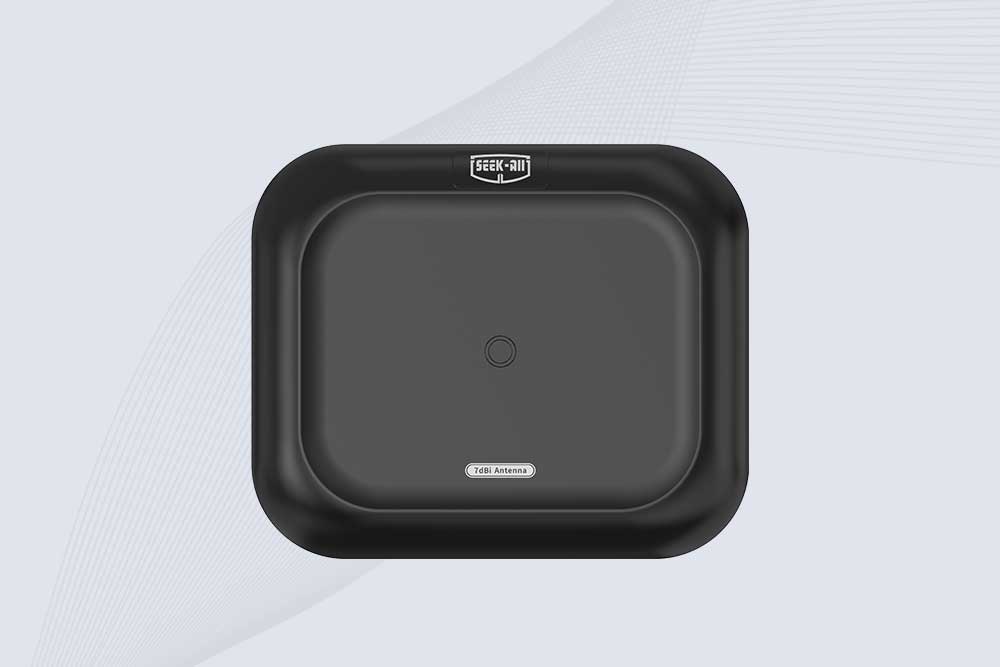
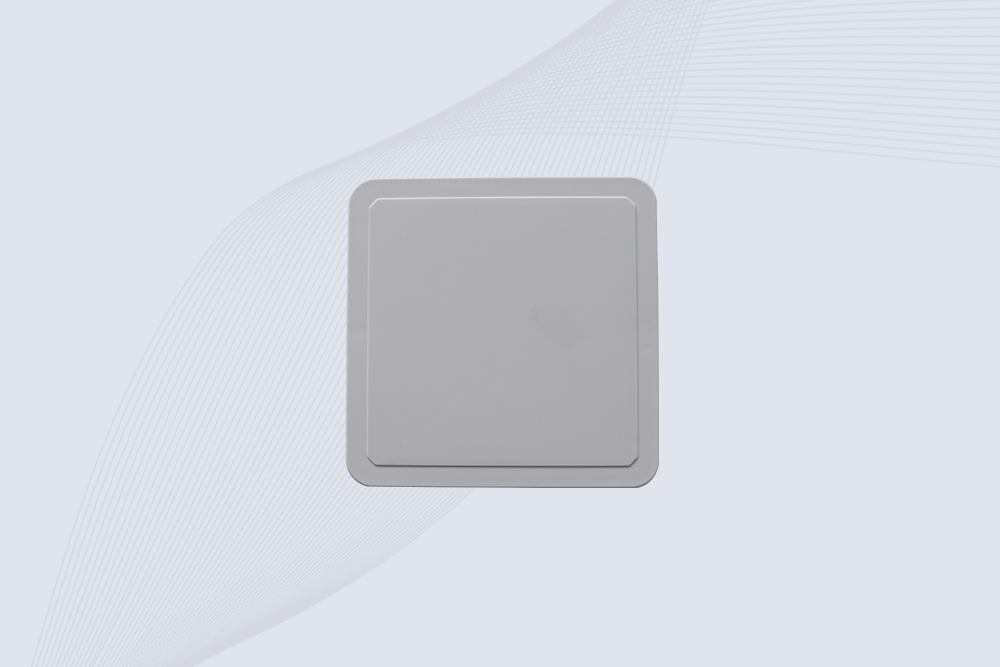
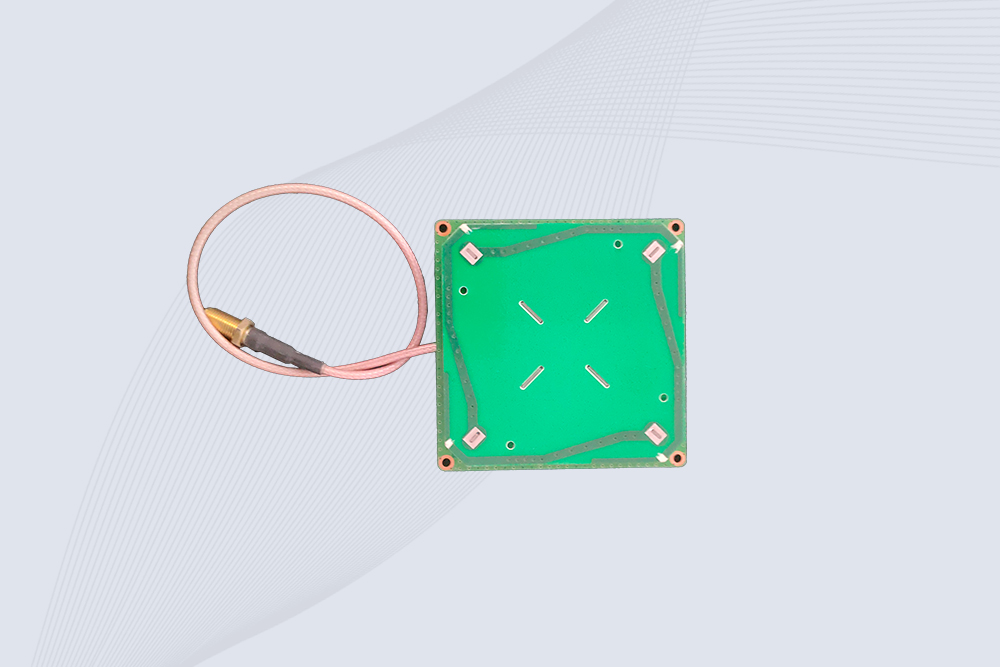
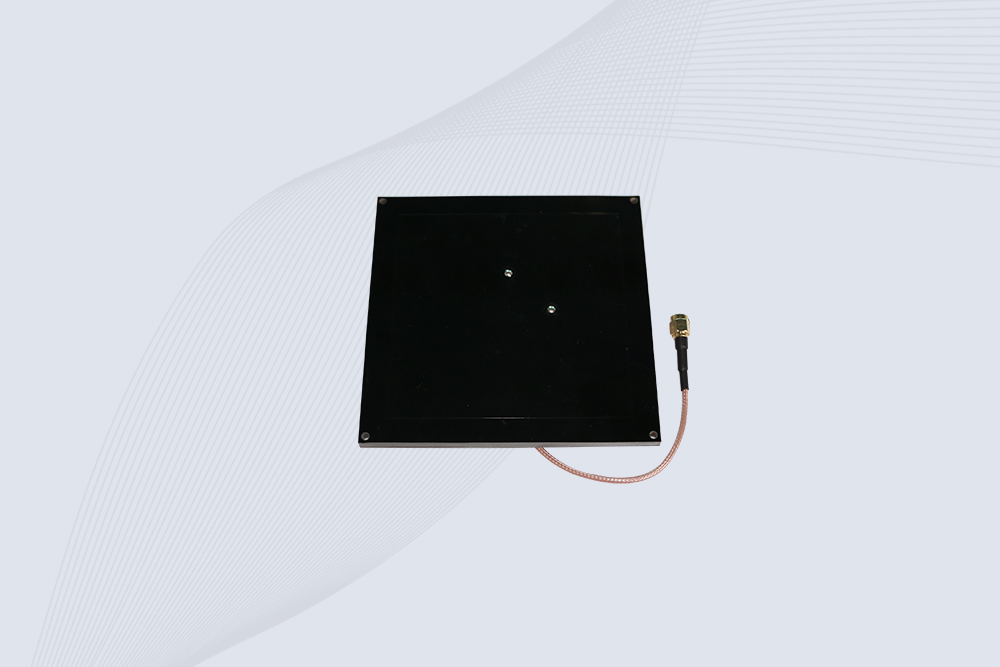
Explore the SSD-A07 UHF RFID antenna with 7 dBi gain, circular polarization, adjustable 840–960 MHz frequency, and 60°/75° beamwidth for stable RFID read/write performance.
SSD-A06 UHF RFID antenna with circular polarization, adjustable 840–960 MHz frequency, ≥4.5 dBi gain, and a compact directional design for RFID systems.
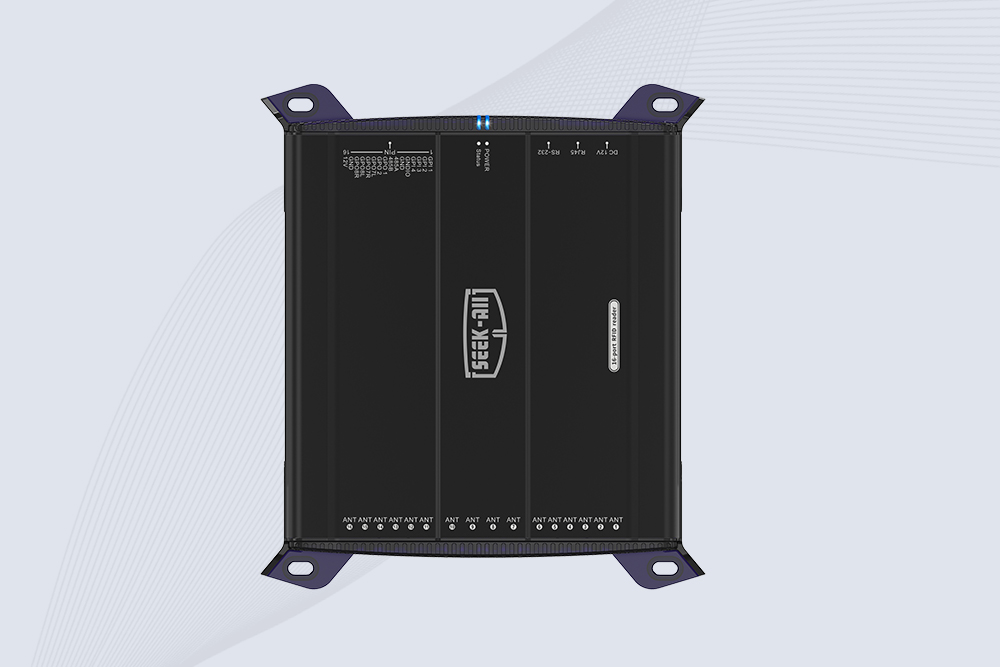
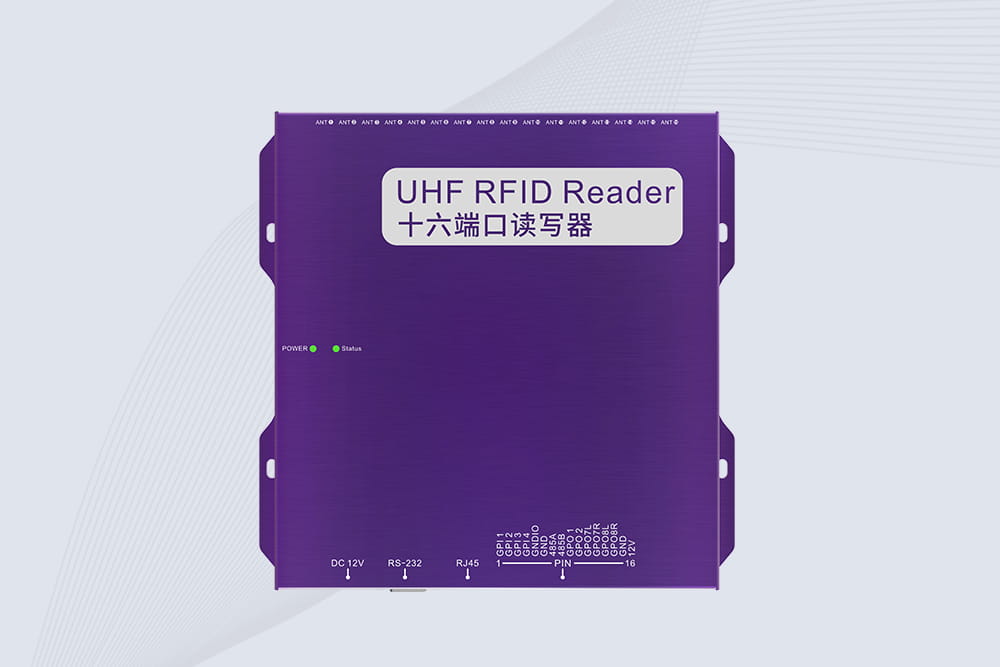
SSD-R16L Multi-Channel RFID Infrastructure for Automated Inventory Management ✔️ 16-Port High-Density RFID Reading Equipped with 16 SMA antenna ports, SSD-R16L supports multi-antenna deployment for warehouses, retail stores, logistics, production lines, and large-area RFID identification. ✔️ High-Speed & Long-Range Performance With up to 33…
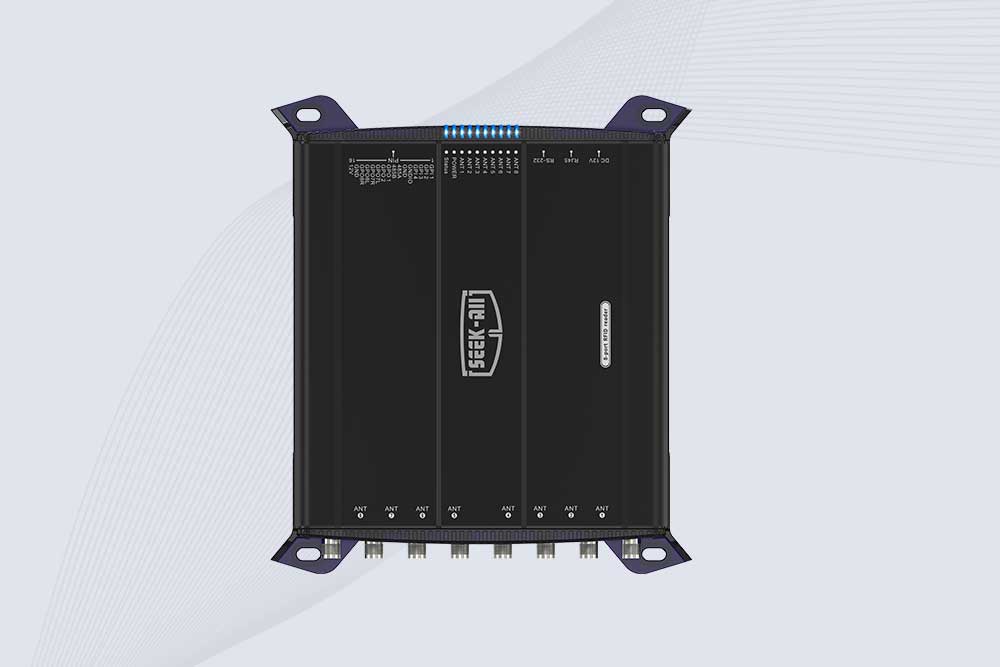
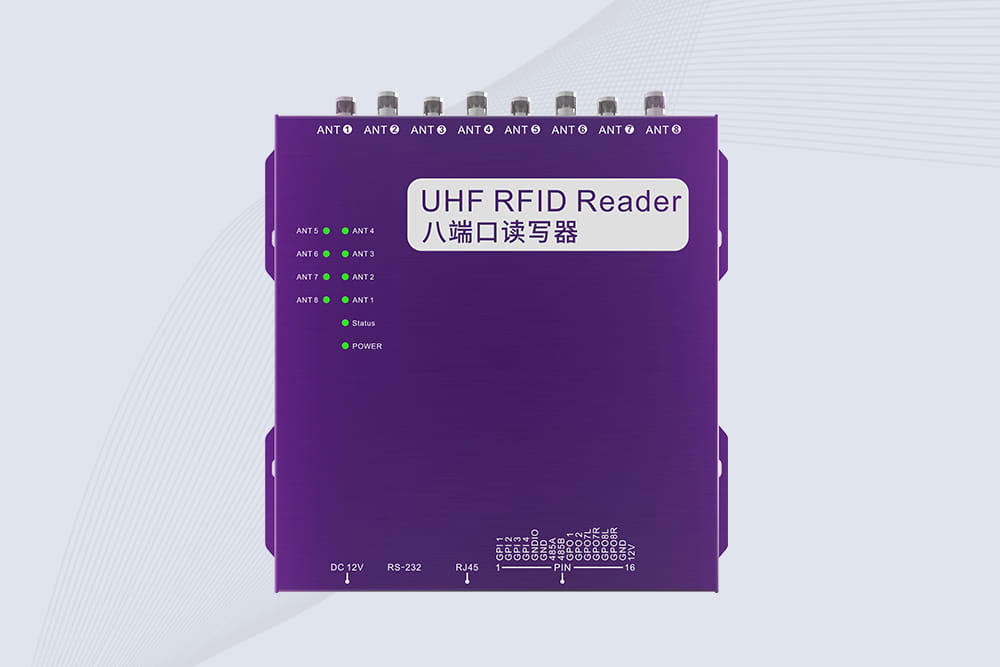
SSD-R8L 8-port UHF RFID reader with 33dBm output, up to 20m reading range and 600+ tags/s recognition. Ideal for warehouse, logistics, retail and asset tracking.
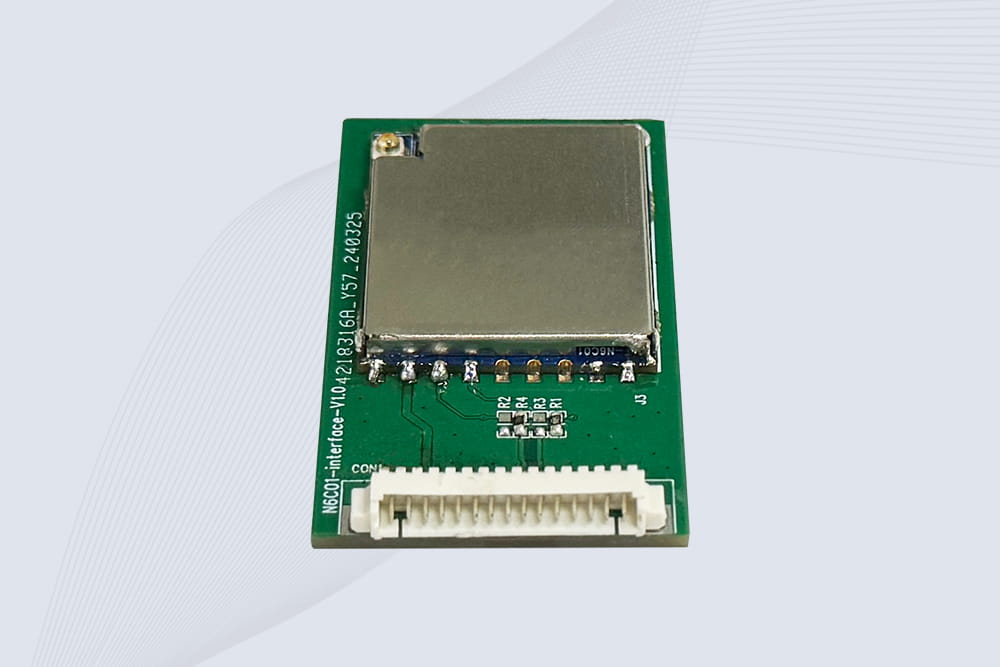
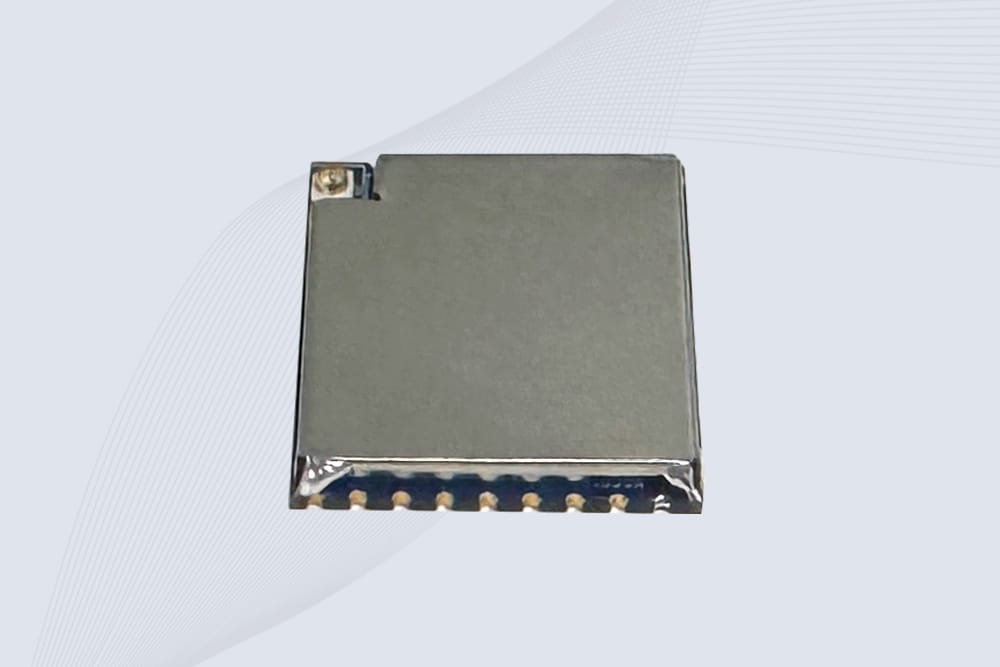
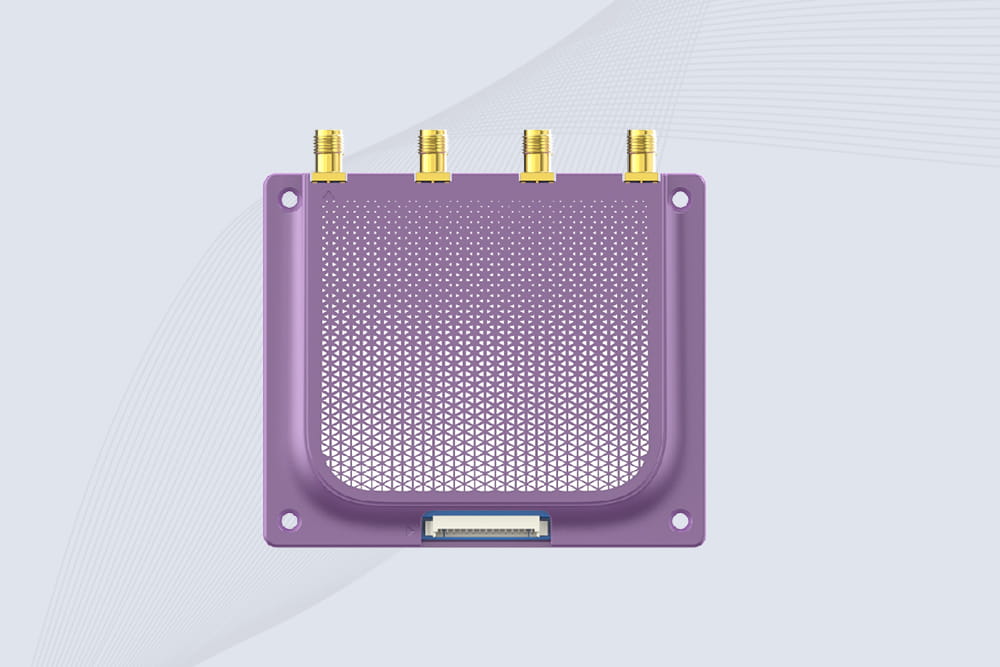
CYKEO Embedded RFID Modules are designed for compact industrial and IoT devices that require stable UHF performance. These UHF RFID Modules support global protocols, flexible power control, and reliable multi-tag reading for smart cabinets, production lines, and asset tracking systems.
CYKEO Embedded RFID Module is built for compact IoT and industrial devices that need stable UHF performance. This UHF module supports global protocols, low power operation, and reliable multi-tag reading for smart lockers, production lines, and always-on RFID systems.
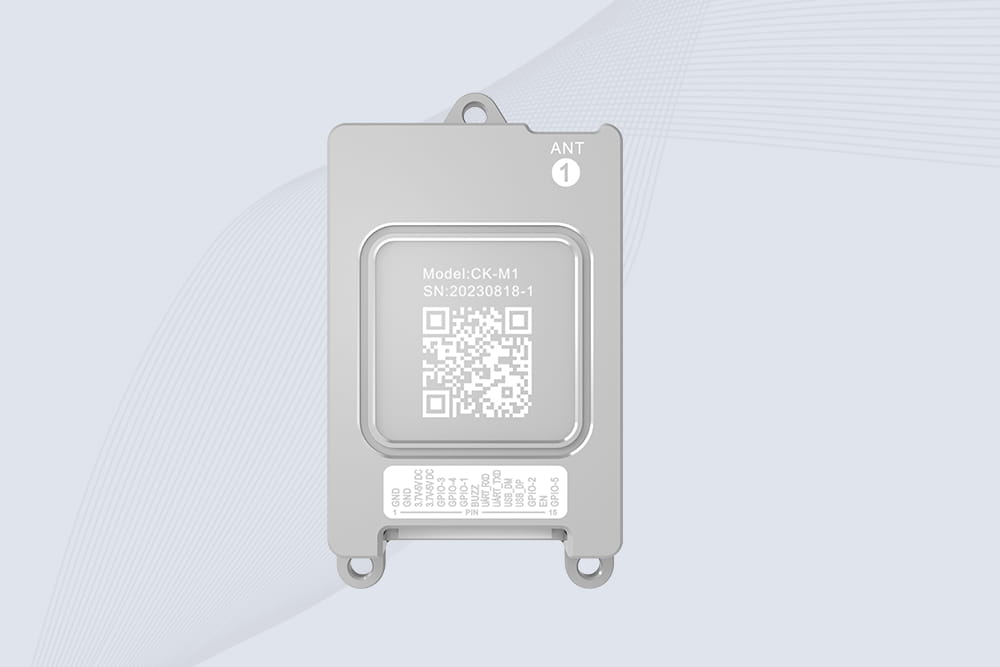
CYKEO CYKEO-M1 drone rfid module is a compact UHF RFID reader module designed for drones and UAV platforms. It supports long-range aerial scanning, fast multi-tag reading, and stable performance in wind, vibration, and outdoor environments.
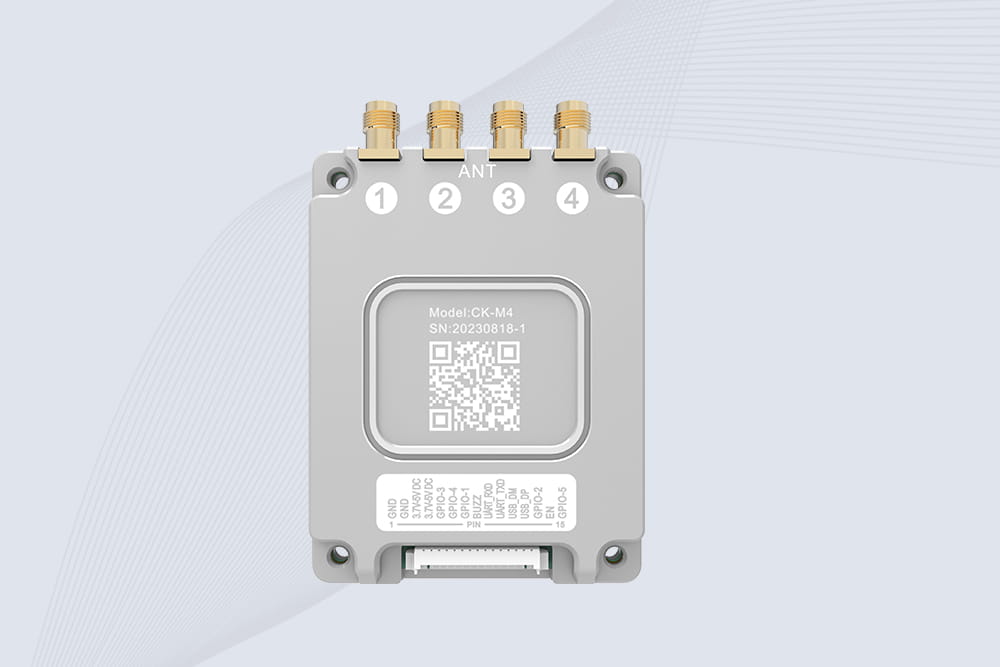
CYKEO CYKEO-M4 RC522 RFID Module is an industrial-grade UHF RFID reader with 4 ports, supporting ISO, EPC, and GB protocols. High-speed, accurate reading for IoT, automation, and warehouse applications.
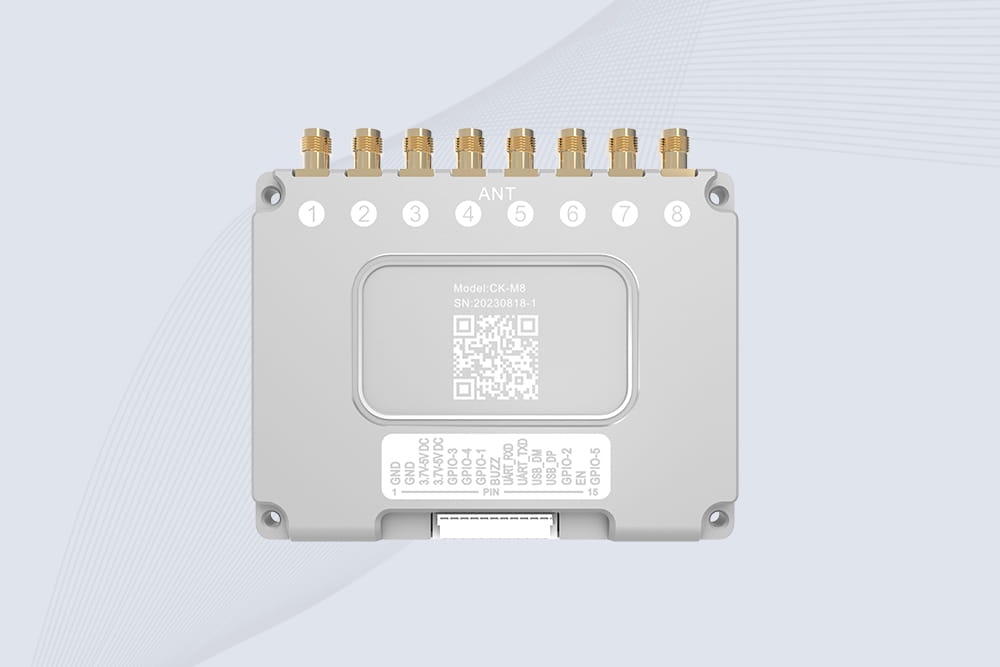
CYKEO CYKEO-M8 Module RFID is an 8-port UHF R2000 RFID Module designed for high-density, multi-tag environments. Stable 33dBm output, ISO & GB protocol support, ideal for warehouses, factories, and automated systems.
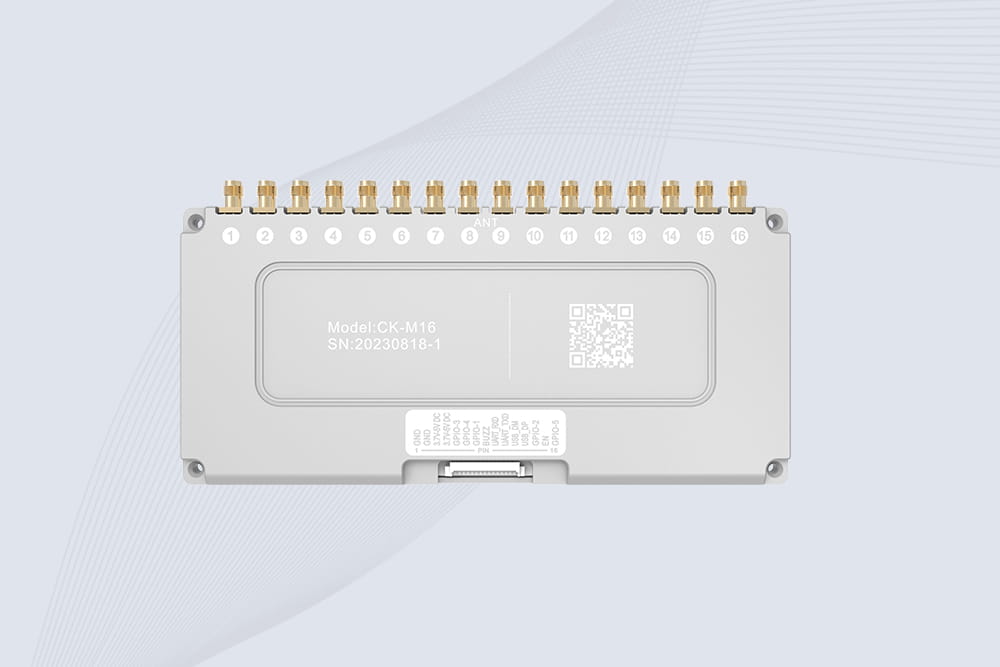
CYKEO CYKEO-M16 RFID Module is a 16-port UHF RFID reader module based on the R2000 chipset. Designed for dense tag environments, it supports ISO and GB standards and delivers stable multi-antenna control for industrial automation.
The CYKEO CYKEO-M16L RFID Reader Module is a 16-channel UHF RFID core designed for dense tag environments. With adjustable 33dBm output, multi-protocol support, and stable multi-antenna control, this RFID Tag Reader Module fits industrial automation, warehouse systems, and large-scale IoT deployments.
CYKEO CYKEO-M8L module RFID is a compact industrial UHF module built for dense tag and multi-antenna environments. With 8 RF ports, adjustable 33 dBm output, and ISO & GB protocol support, it is widely used in factories, warehouses, and automated tracking systems.
CYKEOCYKEO-M4L UHF RFID Module is a compact 4-channel RFID tag reader module designed for dense tag environments. Supporting ISO and GB protocols, it delivers stable reads up to 10 meters for industrial and IoT systems.
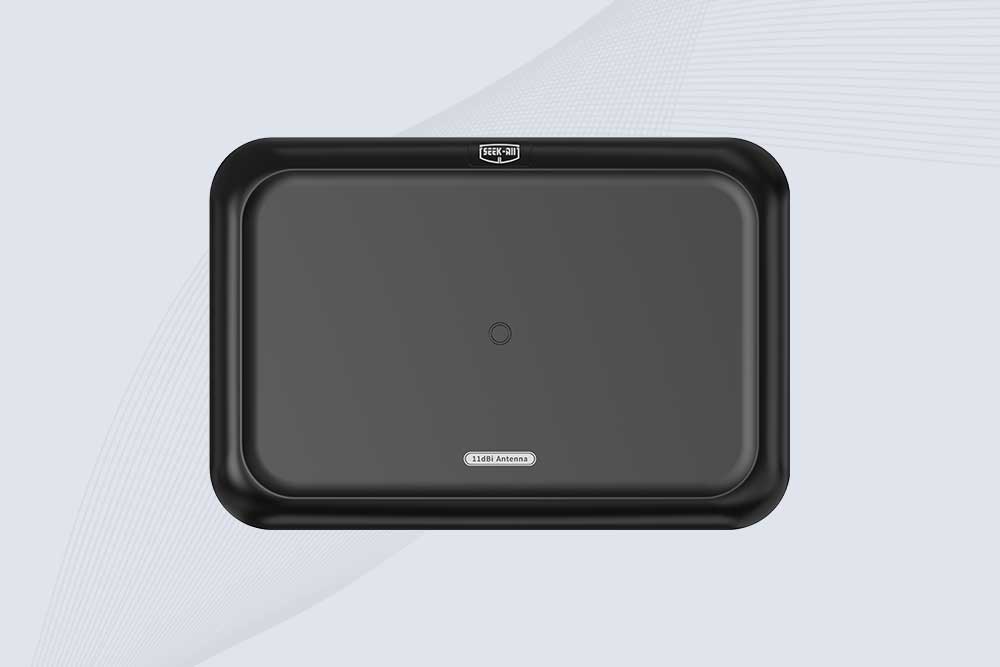
Cykeo CYKEO-A11 UHF RFID reader antenna delivers 11dBi gain, 840-960MHz frequency range, and IP65 ruggedness for retail, logistics, and industrial RFID systems. Features low VSWR and easy installation.
CYKEO Antenna RFID Reader delivers stable long-range UHF performance with a 10.5dBi directional design, built for warehouses, conveyor portals, and industrial RFID systems. This rfid reader antenna provides 20m+ read distance and rugged IP67 protection.
Cykeo CYKEO-A5B industrial Linear RFID Antenna delivers 5dBi gain, ≤1.5:1 VSWR, and IP65 rugged design for warehouse, production line, and logistics UHF systems.
Cykeo’s CYKEO-B12 Long Range RFID Antenna delivers 15m+ read range with 12dBi gain, IP65 rugged design, and global 840-960MHz UHF support. Ideal for warehouse/logistics asset tracking.
Cykeo CYKEO-B10 Long Distance RFID Antenna offers 10dBi gain, 840-960MHz frequency range, IP65 rating, and 20m+ coverage for logistics/warehousing/ETC systems. Low VSWR ensures stable signal transmission.
Cykeo CYKEO-A6 UHF RFID panel antenna features 6dBi gain, 840-960MHz broadband, IP65 metal-ready housing for logistics/smart retail. 18mm ultra-thin design with tool-free mounting.
Cykeo CK-A3 industrial antenna RFID UHF offers 5m+ tag detection, ≤1.3:1 VSWR, IP65 rugged design, and global UHF spectrum compatibility (840-960MHz) for warehouses, factories, and retail.
Cykeo CYKEO-B5 directional RFID antenna provides 5dBi gain with 60° narrow beamwidth for precise inventory tracking. IP65-rated, global UHF frequency support, and low VSWR.
Create your own high-performance DIY RFID antenna! 5dBi gain, 840-960MHz tunable, step-by-step guides. Compatible with Arduino, Raspberry Pi, and commercial UHF readers.
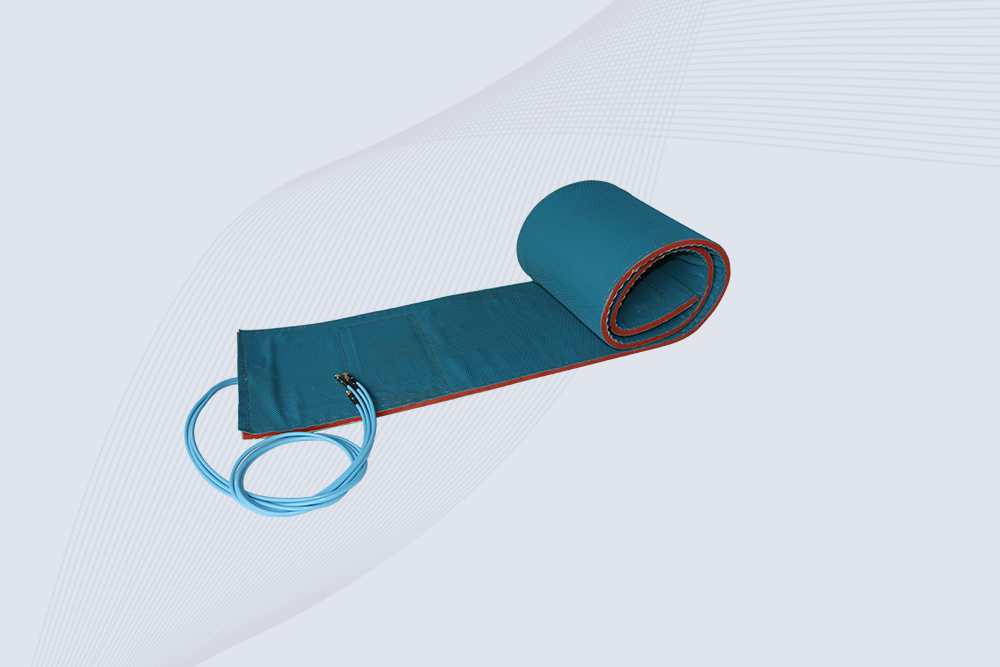
Cykeo CYKEO-A7 Flexible RFID Antenna features 840-960MHz wideband tuning, 7dBi gain, and IP68 rating for medical/retail/industrial curved surface deployments. 98% read accuracy with peel-and-stick installation.
Cykeo CYKEO-B5A industrial Passive RFID Antenna delivers 5dBi gain, 70° beamwidth, and -40°C~55°C operation for warehouses/smart cabinets. Compatible with Zebra/Impinj readers.
Cykeo’s CYKEO-A9B High Gain RFID Antenna delivers 15m+ read range with 9dBi amplification. Features IP54 rugged design, 840-960MHz bandwidth, and 80° beamwidth for warehouse/manufacturing RFID systems.
Cykeo’s enterprise-grade 8dbi Impinj RFID Antenna 10m+ read range with 840-960MHz tuning. Features IP65 housing, 1.4 VSWR, 35° beamwidth for retail/warehouse RFID systems.
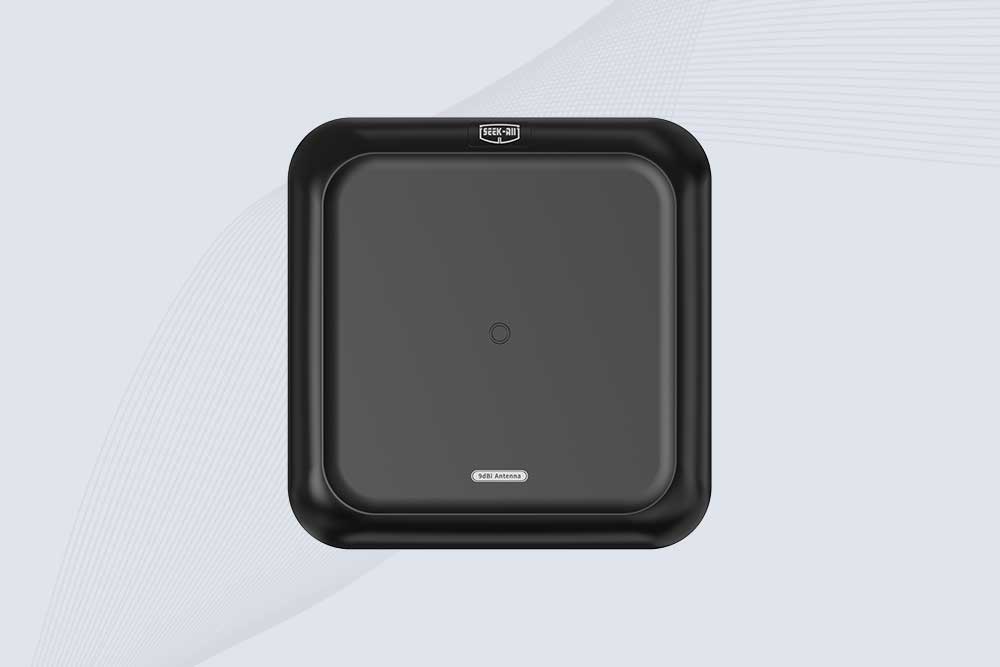
Cykeo CYKEO-A9 industrial UHF RFID antenna delivers 9dBi gain, 840-960MHz frequency range, and IP65 protection for warehouse/logistics/retail RFID systems. Features N-type connector and ≤1.3:1 VSWR.
CYKEO UHF RFID Antenna built for long-distance and industrial applications. This antenna rfid uhf delivers strong gain, outdoor durability, and reliable tag performance in warehouses, yards, and vehicle ID systems.
CYKEO Antenna RFID delivers reliable long-range UHF performance in warehouses, retail shelves, and cold-chain environments. This compact uhf rfid antenna provides stable reads with circular polarization and ultra-wide 840–960 MHz support, ideal for industrial tracking, smart shelves, and asset monitoring.
Cykeo’s CYKEO-C8 UHF RFID antennas delivers 8dBi gain, 840-960MHz full-band coverage, and IP65 ruggedness for manufacturing/warehouse RFID systems. Industrial RFID Antennas Features
Cykeo’s 8dBi UHF RFID antenna and reader kit delivers 10m+ range, 840-960MHz broadband, and IP65 ruggedness for factories, warehouses, and logistics. ISO 18000-6C & EPC Gen2 certified.
Cykeo’s CYKEO-A12C UHF Large RFID Antenna delivers 12dBi gain, 840-960MHz global frequency, IP65 ruggedness for logistics/warehousing/automotive. 40° beamwidth ensures stable 15m+ tag reads.
CYKEO Near Field RFID Antenna provides precise 5–30 cm reading for shelves, cabinets, and workstations. This compact rfid shelf antenna delivers stable short-range performance around metal and clutter, ideal for pharmacies, libraries, and electronics sorting.
Cykeo CYKEO-C1 industrial Forklift RFID Reader features 20m read range, 600 tags/sec scanning, Impinj R2000 chipset, and IP67 rugged design. Ideal for warehouse logistics and manufacturing. Supports ISO 18000-6C/6B protocols.
Cykeo CYKEO-R4 industrial UHF RFID Fixed Reader features 4 TNC ports, 400+ tags/sec speed, IP67 housing, and global frequency compliance for vehicle inspection, smart warehouse, and asset management systems.
CYKEO CYKEO-R8L Fixed RFID Reader with 8-port UHF design, Impinj-based RF core and up to 20m read range. An industrial Fixed RFID Reader for vehicle inspection, warehouse portals, smart manufacturing lines and secure access checkpoints.
RFID Fixed Reader from CYKEO – the CYKEO-R16L 16-port UHF fixed reader for warehouses, smart cabinets, and production lines. Long-range, multi-tag reading, stable performance for 24/7 industrial use.
Learn how a long range RFID reader for parking system helps reduce congestion, automate vehicle access, and improve parking security for residential, commercial, and industrial facilities.
Learn how rfid technology works with RFID tags, readers, and software systems. Explore real applications, technical principles, and Cykeo RFID solutions.
Learn how RFID antenna installation affects reading distance, accuracy, and system stability. Practical tips for warehouse, factory, smart cabinet, and industrial RFID projects.
 Cykeo RFID IoT Solution Products R&D Manufacturer