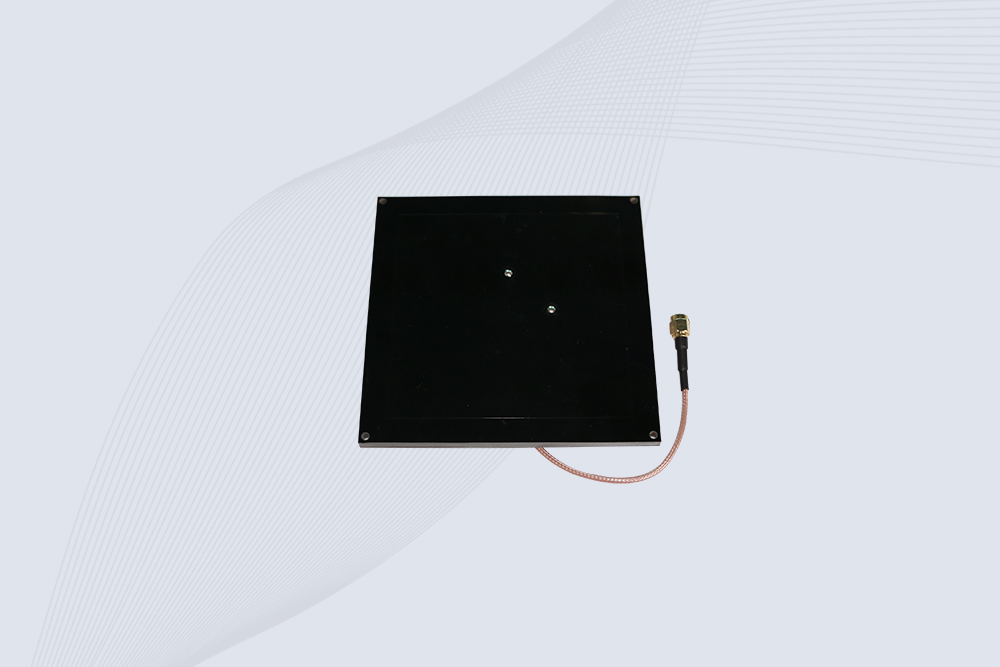
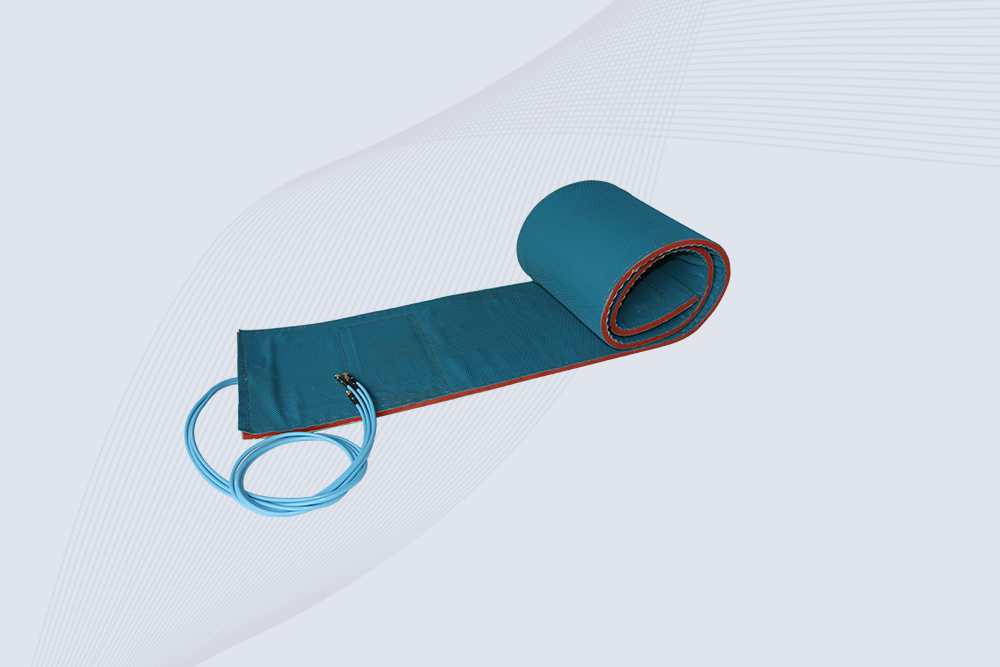
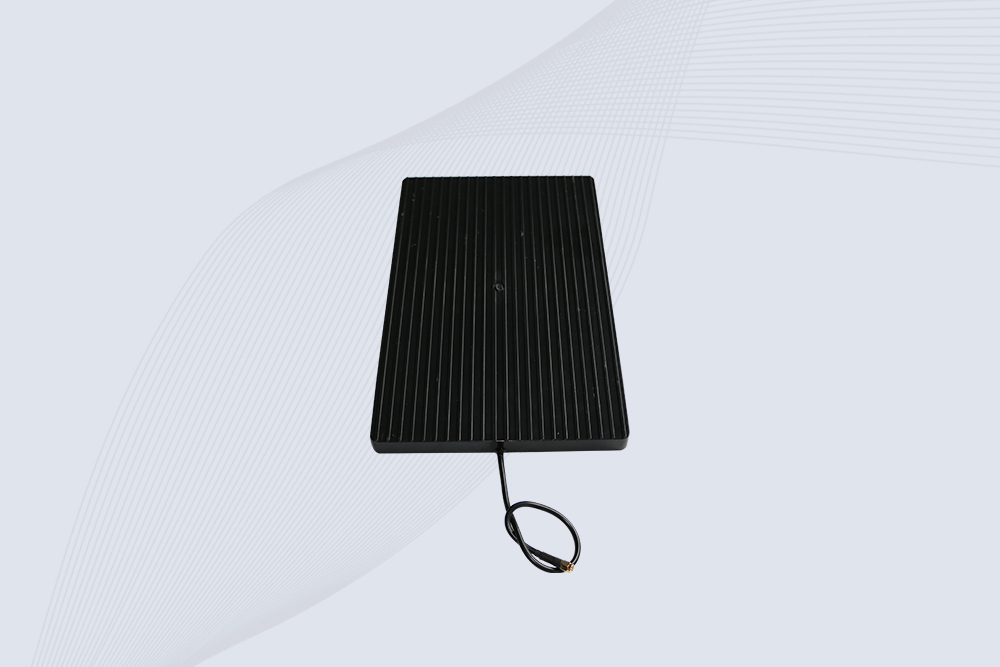
A handheld RFID writer is a portable device that reads, writes, and manages RFID tag data in mobile environments. It combines an RFID reader module, antenna, processing unit, and software interface to program tags, update information, and support field asset management.
In real RFID deployments, a handheld RFID writer is not simply a smaller desktop reader. It is designed for situations where operators need to move through warehouses, production areas, storage rooms, or outdoor locations while interacting with RFID tags.
During my work with RFID hardware integration projects at Cykeo, I have tested handheld RFID solutions in environments where fixed readers were unsuitable. The biggest difference was not only mobility; it was the ability to make decisions directly at the operation point. A technician checking equipment in a factory does not want to carry items back to a workstation just to update tag information.
A handheld RFID writer brings writing capability closer to the physical asset.
What Is a Handheld RFID Writer Used For?
How a Handheld RFID Writer Works in Real Applications
A handheld RFID writer communicates with RFID tags through radio frequency signals. Depending on the product design, it may support UHF RFID standards such as EPC Gen2 / ISO 18000-63, allowing users to identify and write information to compatible tags.
Unlike simple RFID scanners that only collect tag IDs, handheld RFID writers can modify tag memory when authorized.
Common applications include:
Industry
Handheld RFID Writer Application
Warehouse
Inventory updates and pallet identification
Manufacturing
Work-in-progress tracking and component labeling
Healthcare
Medical equipment registration
Retail
Mobile stock checking
Field service
Asset inspection and maintenance records
In many projects, I have found that the writing function is especially valuable during initial deployment. Large numbers of RFID tags often need registration before they enter daily operation. A handheld device allows installers to complete this work directly beside shelves, machines, or storage areas.
What Are the Main Features of a Portable RFID Tag Writer?
A professional handheld RFID writer usually combines several functions:
1. Mobile RFID Tag Programming
The primary function is writing information into compatible RFID tags. Users can encode identification numbers, product information, or internal management data depending on the tag memory structure.
2. Integrated RFID Reader Capability
Most handheld RFID writers also work as readers. This allows operators to confirm whether a tag was successfully programmed.
3. Wireless Operation
Portable RFID devices commonly connect through wireless communication methods, allowing workers to operate without being connected to fixed systems.
4. Software Integration
Enterprise applications can connect handheld RFID writers with inventory databases, warehouse management systems, or asset management platforms.
The real engineering challenge is not writing a tag once. It is maintaining reliable performance when thousands of tags are processed in different locations.
What Is a Handheld RFID Writer Compared With a Fixed RFID Writer?
Handheld RFID Writer vs Fixed RFID Reader Writer
Many companies ask whether they should choose a handheld device or a fixed RFID writing platform. The answer depends on the workflow.
Comparison
Handheld RFID Writer
Fixed RFID Writer
Mobility
High
Installed location
Best for
Field operations
Controlled workstations
Operation style
Individual or small batches
Continuous processing
Deployment
Flexible
Stable environment
Typical use
Inspection, registration, maintenance
Libraries, production stations
For example, a library tag registration station may benefit from a desktop RFID writer because operators process items at one location. However, a warehouse technician managing thousands of scattered assets may need a handheld RFID writer.
The equipment choice should follow the movement of the assets.
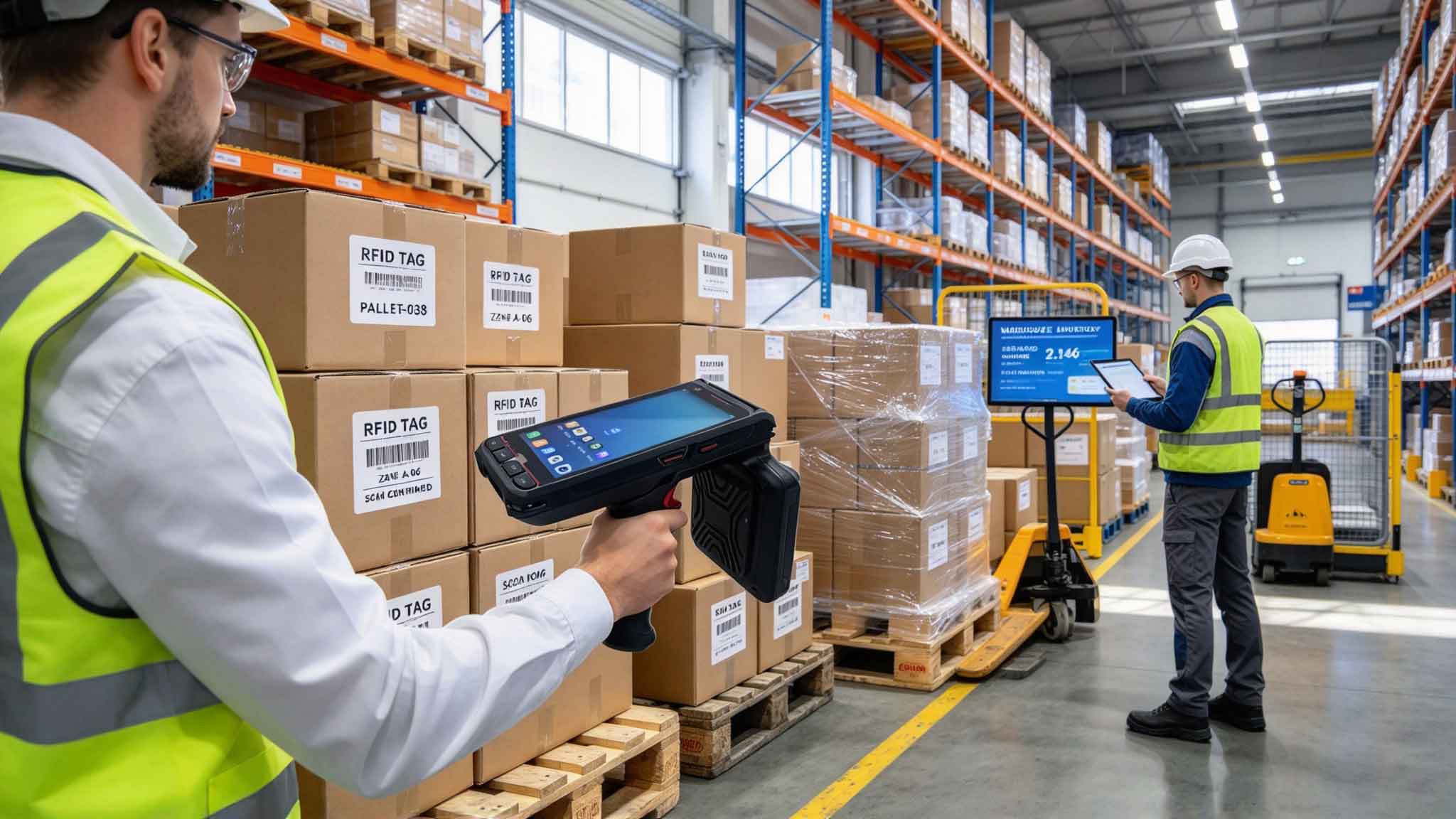
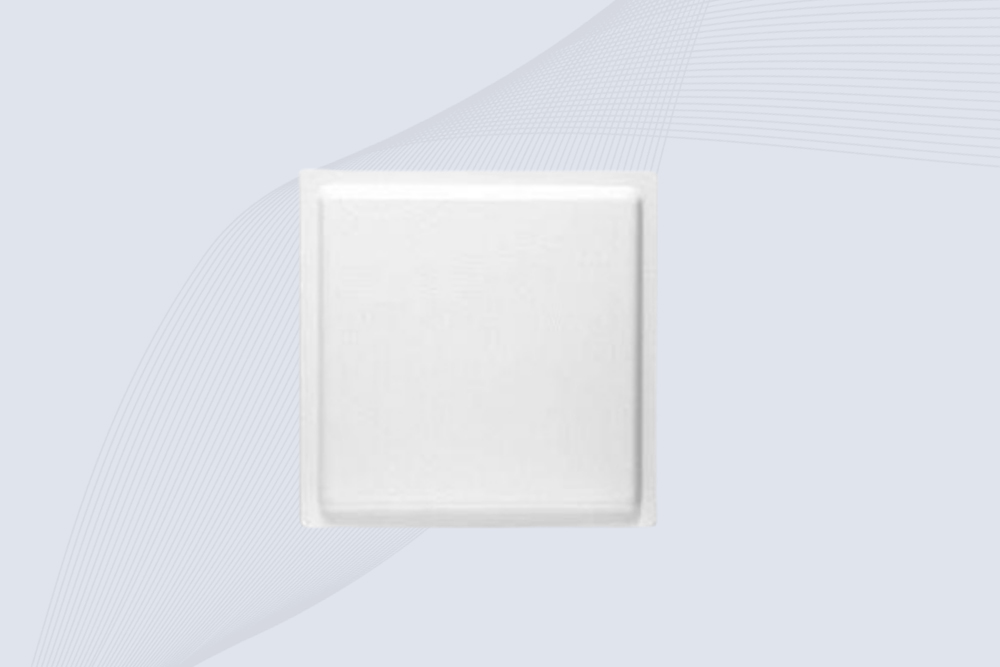
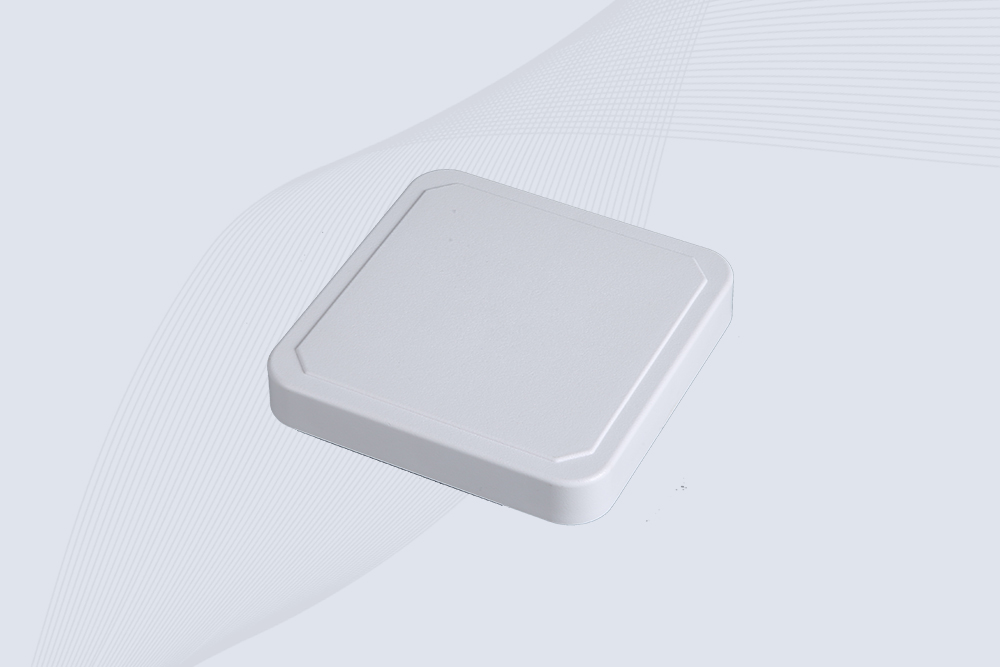
A portable RFID writer allows operators to identify and update tagged assets directly in warehouse environments.
Why Industries Choose Handheld RFID Writers
Practical Benefits From Field Deployment
The strongest advantage of handheld RFID writers is operational flexibility.
In a traditional workflow, workers may need to:
Locate an item
Move it to a workstation
Connect a writing device
Update information
Return the item
A handheld RFID writer reduces unnecessary movement by bringing the programming capability to the asset location.
This matters in large facilities. According to GS1, RFID technology based on EPC standards supports automatic identification and improved visibility throughout supply chains.
From my experience, the most successful handheld RFID projects usually start with a simple question: “Where does the operator need RFID information?” The answer determines whether mobility creates measurable value.
What Is a Handheld RFID Writer Used For in Different Industries?
Handheld RFID Writer Applications in Asset Tracking
One of the most common uses of a handheld RFID writer is mobile asset management. Fixed RFID systems work well when objects pass through controlled areas, but many business assets do not stay in one place.
Tools, maintenance equipment, containers, medical devices, and industrial components often move between departments or facilities. In these situations, a handheld RFID writer allows employees to read existing tag information, update records, and verify asset status at the actual location.
During a factory deployment project, I observed technicians performing equipment inspections across multiple production zones. Carrying a handheld RFID writer reduced the need to return to a central computer terminal after every inspection. Small operational changes like this often determine whether an RFID system becomes part of daily work or is eventually ignored.
How Does a Handheld RFID Writer Improve RFID Tag Management?
Writing RFID Tags in Real Working Environments
RFID tags contain memory areas that store different types of information. A handheld RFID writer can be used to encode or update approved data depending on the tag type and application requirements.
Typical writing operations include:
Registering new RFID tags
Updating asset identification information
Changing inventory records
Associating tags with products or equipment
Verifying written tag data
However, professional RFID deployment requires careful control. Writing incorrect information to a tag can affect downstream processes, especially in supply chains or manufacturing environments.
For this reason, many industrial systems include:
User authorization controls
Data verification steps
Software confirmation processes
Writing logs for traceability
A reliable RFID writing workflow is not only about speed. It is about ensuring that every programmed tag remains accurate throughout its lifecycle.
What Are the Technical Considerations When Choosing a Handheld RFID Writer?
Selecting the Right Handheld RFID Writer for Business Needs
Before selecting a handheld RFID writer, companies usually need to evaluate several technical factors.
Factor
Why It Matters
RFID frequency
Determines tag compatibility and reading performance
Protocol support
Ensures communication with selected RFID tags
Writing distance
Affects operational efficiency
Battery performance
Influences mobile working time
Software compatibility
Determines system integration capability
Environmental protection
Important for industrial conditions
For UHF RFID applications, EPC Gen2 / ISO 18000-63 compatibility is widely used in supply chain and industrial identification systems.
The GS1 EPC standard defines communication rules for RFID systems, helping ensure interoperability between tags and readers from different manufacturers.
In my experience, buyers often focus on reading distance first. But in daily operations, factors such as battery life, software workflow, and device durability can have a greater impact on long-term usability.
What Is the Difference Between a Handheld RFID Writer and a Handheld RFID Reader?
Reader vs Writer Functionality
The terms “RFID reader” and “RFID writer” are sometimes used interchangeably, but they describe different capabilities.
Function
Handheld RFID Reader
Handheld RFID Writer
Read tag information
Yes
Yes
Identify RFID tags
Yes
Yes
Modify tag memory
Usually no
Yes
Program new tags
Limited
Yes
Support mobile operations
Yes
Yes
A handheld RFID writer includes reading capability but adds the ability to encode or update information stored on RFID tags.
For organizations managing large numbers of assets, this additional function can simplify deployment and maintenance activities.
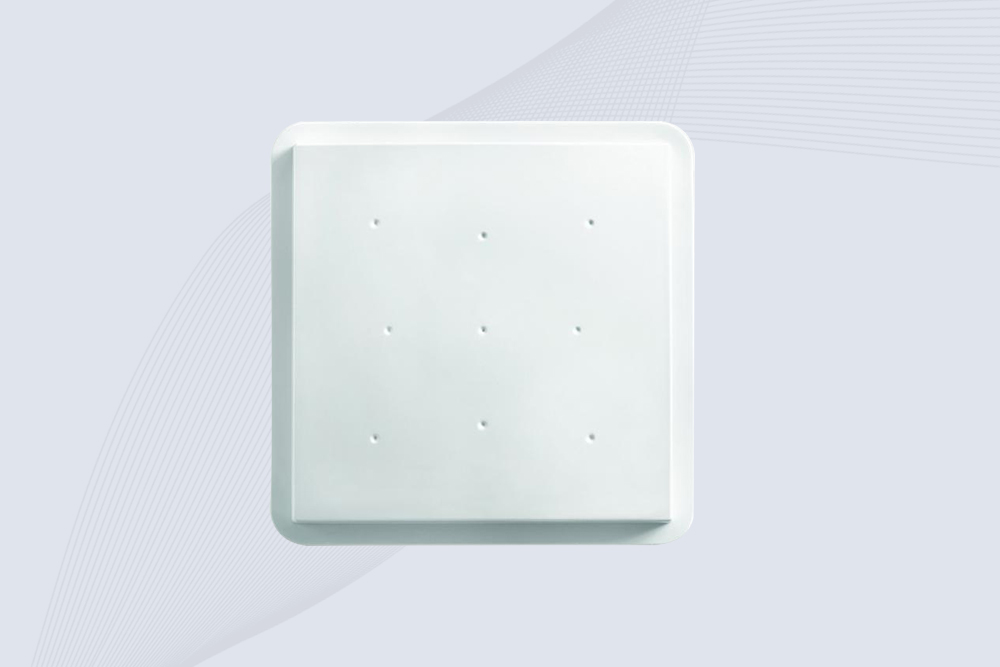
Portable RFID writers support mobile tag programming and equipment management in industrial environments.
Frequently Asked Questions About What Is a Handheld RFID Writer
1. What is a handheld RFID writer used for?
A handheld RFID writer is used to read, program, and update RFID tag information in mobile environments. It helps workers manage assets, inventory, equipment, and tagged items without returning to a fixed workstation.
2. Can a handheld RFID writer read RFID tags?
Yes. Most handheld RFID writers also include RFID reading functions, allowing users to scan tags before and after writing information to verify the operation.
3. Can a handheld RFID writer write data to any RFID tag?
No. A handheld RFID writer must support the RFID frequency, protocol, and memory structure of the target tag. Compatibility should be confirmed before deployment.
4. What industries use handheld RFID writers?
Handheld RFID writers are used in warehouses, manufacturing facilities, healthcare environments, retail operations, libraries, and field service applications where mobile RFID management is required.
5. What is the difference between a handheld RFID writer and a barcode scanner?
A barcode scanner reads printed visual codes, while a handheld RFID writer communicates wirelessly with RFID tags and can update tag information when authorized.
6. How far can a handheld RFID writer work?
The working distance depends on RFID frequency, antenna design, tag type, and environmental conditions. UHF RFID handheld devices can typically achieve longer distances than HF or LF systems.
Conclusion: Understanding What Is a Handheld RFID Writer
Understanding what is a handheld rfid writer requires looking beyond the device itself. It is not only a portable RFID reader with an added writing function; it is a mobile tool for connecting physical assets with digital management systems.
From practical Cykeo RFID deployment experience, the value of a handheld RFID writer appears when businesses need flexibility, accurate data collection, and direct interaction with moving assets.
The best results come from matching the device capability with the real workflow: choosing suitable RFID tags, configuring software correctly, and designing a process that operators can actually use every day.
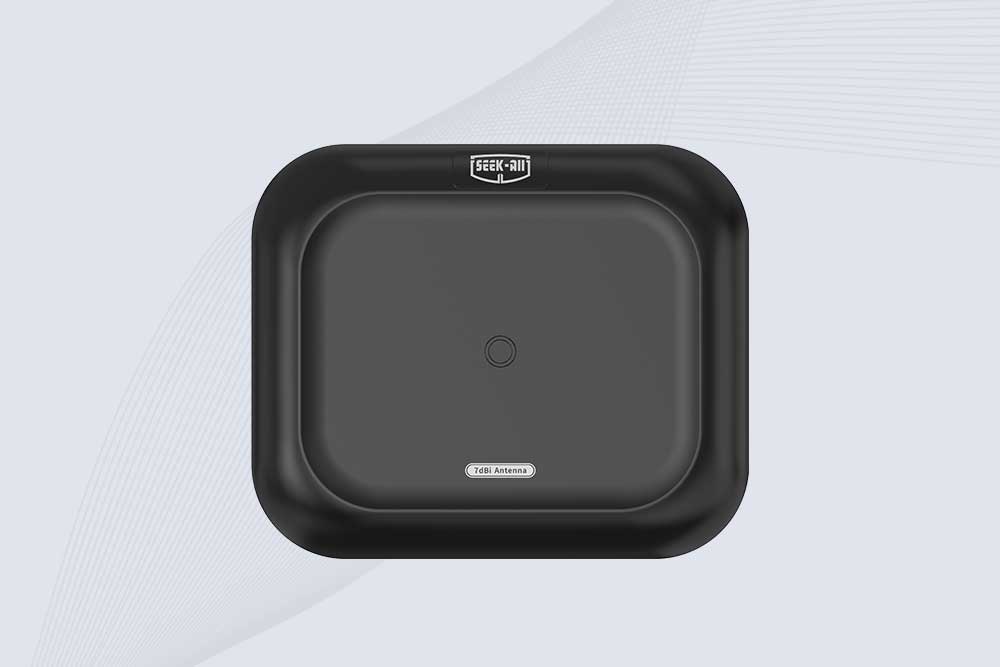
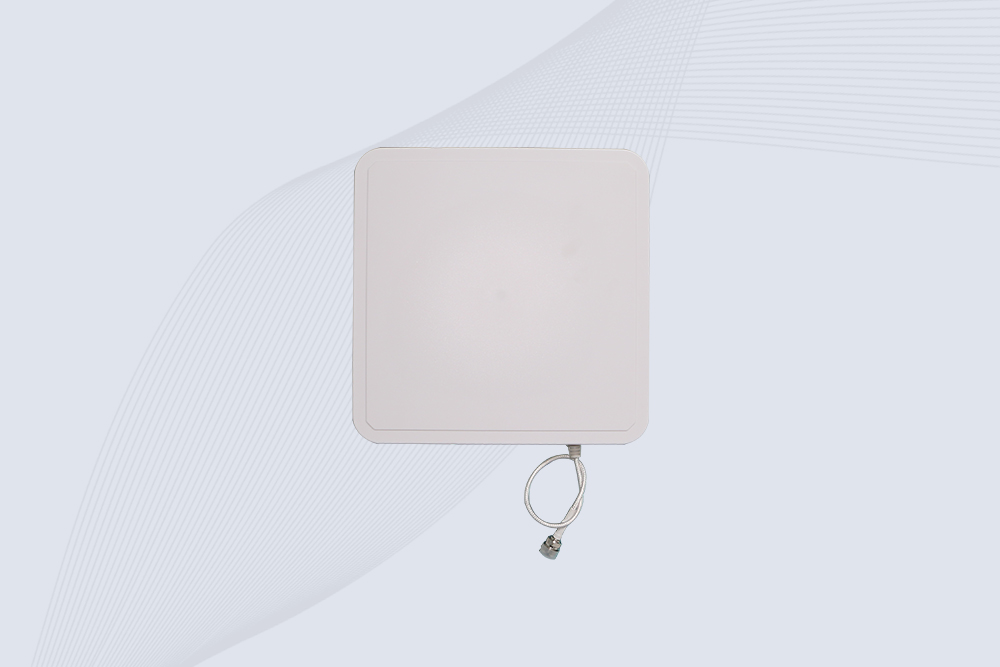
Explore the SSD-A07 UHF RFID antenna with 7 dBi gain, circular polarization, adjustable 840–960 MHz frequency, and 60°/75° beamwidth for stable RFID read/write performance.
SSD-A06 UHF RFID antenna with circular polarization, adjustable 840–960 MHz frequency, ≥4.5 dBi gain, and a compact directional design for RFID systems.
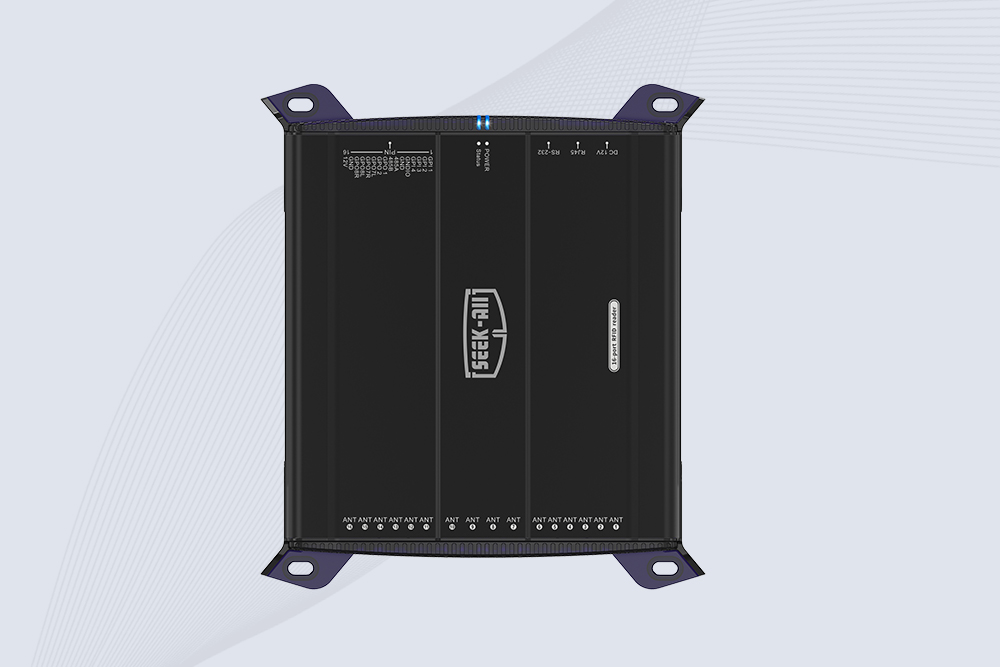
SSD-R16L Multi-Channel RFID Infrastructure for Automated Inventory Management ✔️ 16-Port High-Density RFID Reading Equipped with 16 SMA antenna ports, SSD-R16L supports multi-antenna deployment for warehouses, retail stores, logistics, production lines, and large-area RFID identification. ✔️ High-Speed & Long-Range Performance With up to 33…
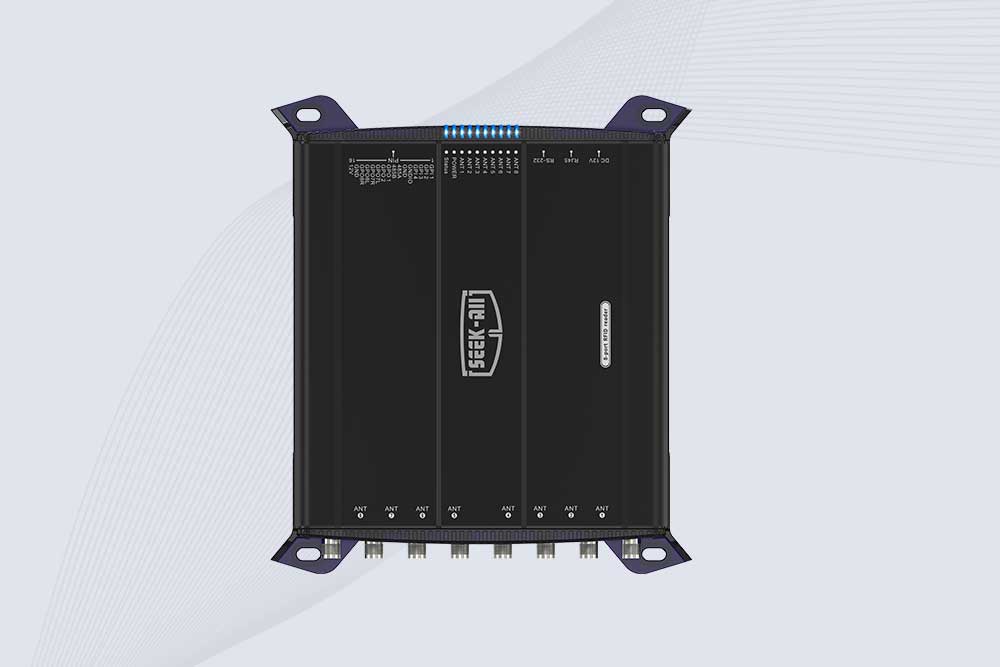
SSD-R8L 8-port UHF RFID reader with 33dBm output, up to 20m reading range and 600+ tags/s recognition. Ideal for warehouse, logistics, retail and asset tracking.
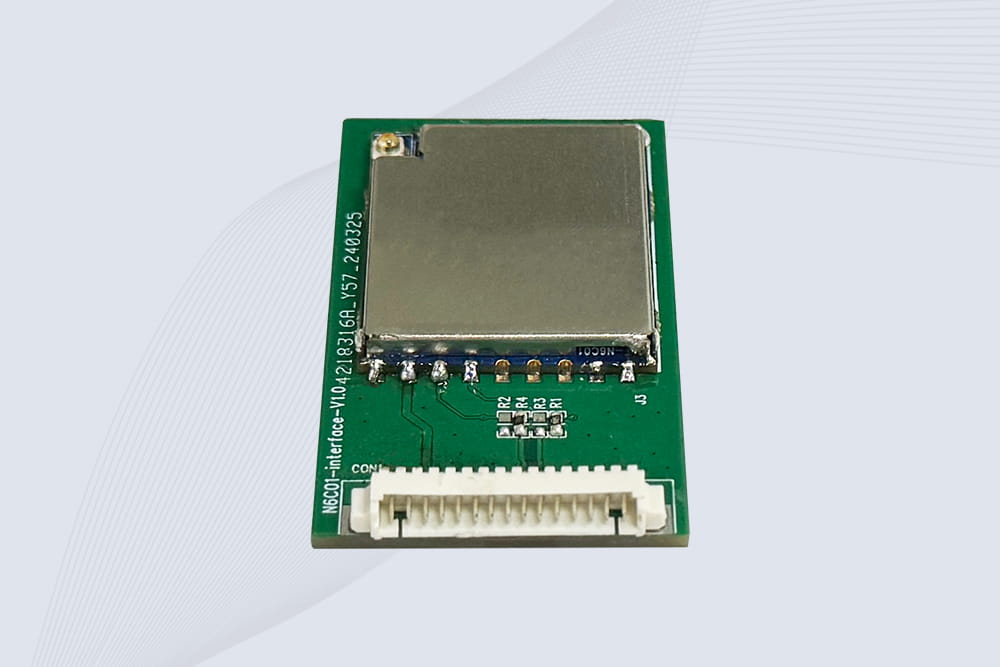
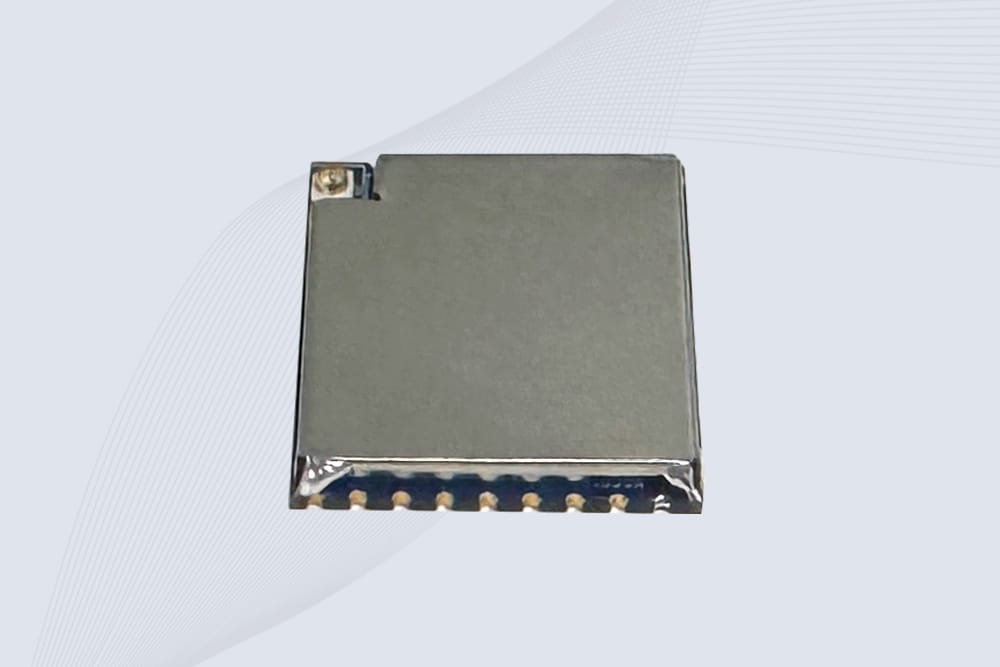
CYKEO Embedded RFID Modules are designed for compact industrial and IoT devices that require stable UHF performance. These UHF RFID Modules support global protocols, flexible power control, and reliable multi-tag reading for smart cabinets, production lines, and asset tracking systems.
CYKEO Embedded RFID Module is built for compact IoT and industrial devices that need stable UHF performance. This UHF module supports global protocols, low power operation, and reliable multi-tag reading for smart lockers, production lines, and always-on RFID systems.
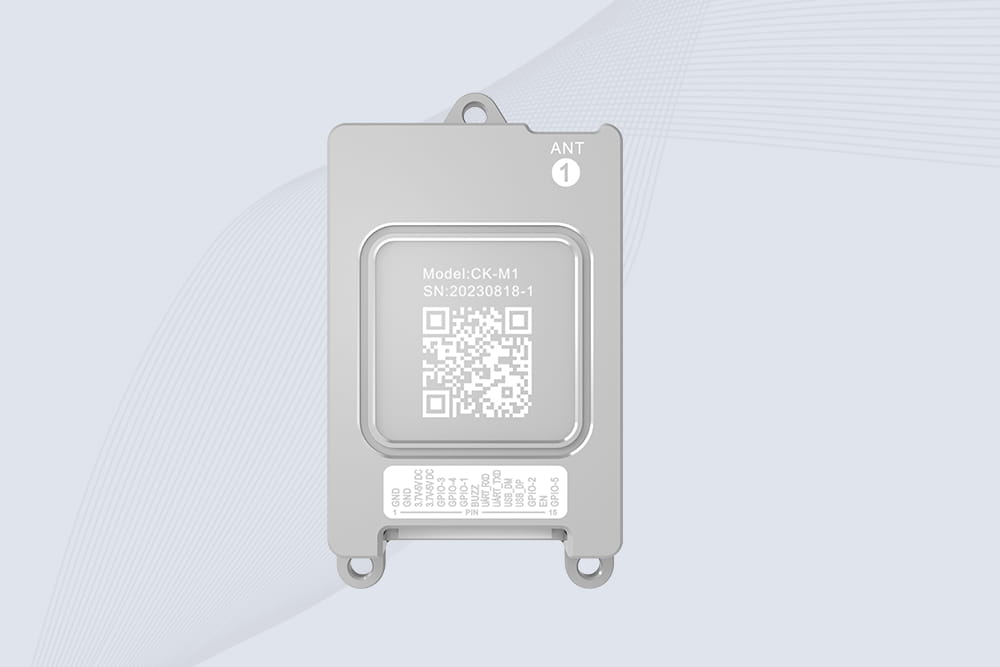
CYKEO CYKEO-M1 drone rfid module is a compact UHF RFID reader module designed for drones and UAV platforms. It supports long-range aerial scanning, fast multi-tag reading, and stable performance in wind, vibration, and outdoor environments.
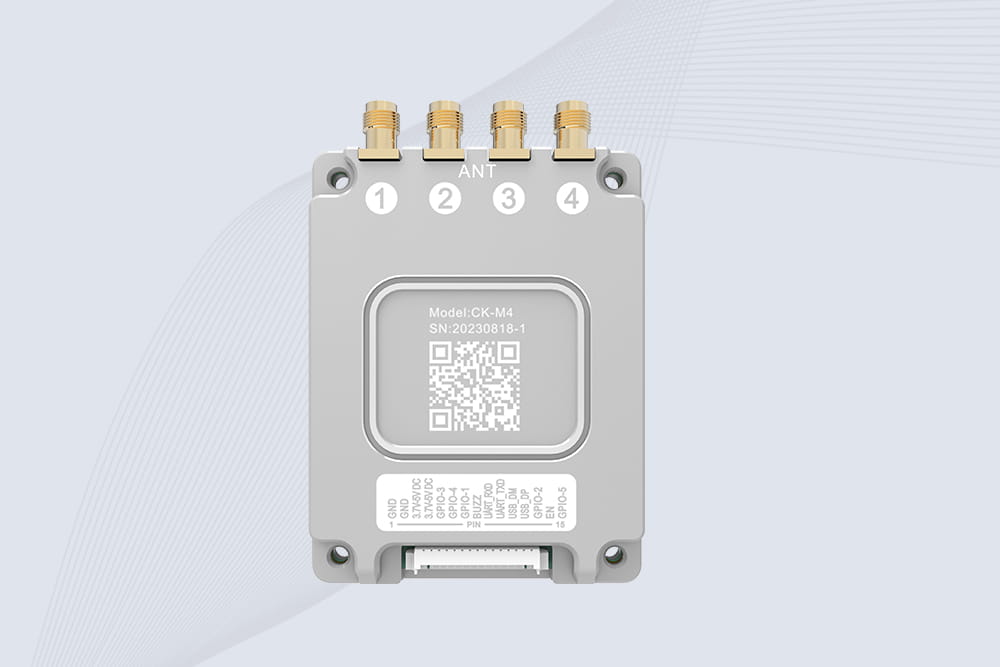
CYKEO CYKEO-M4 RC522 RFID Module is an industrial-grade UHF RFID reader with 4 ports, supporting ISO, EPC, and GB protocols. High-speed, accurate reading for IoT, automation, and warehouse applications.
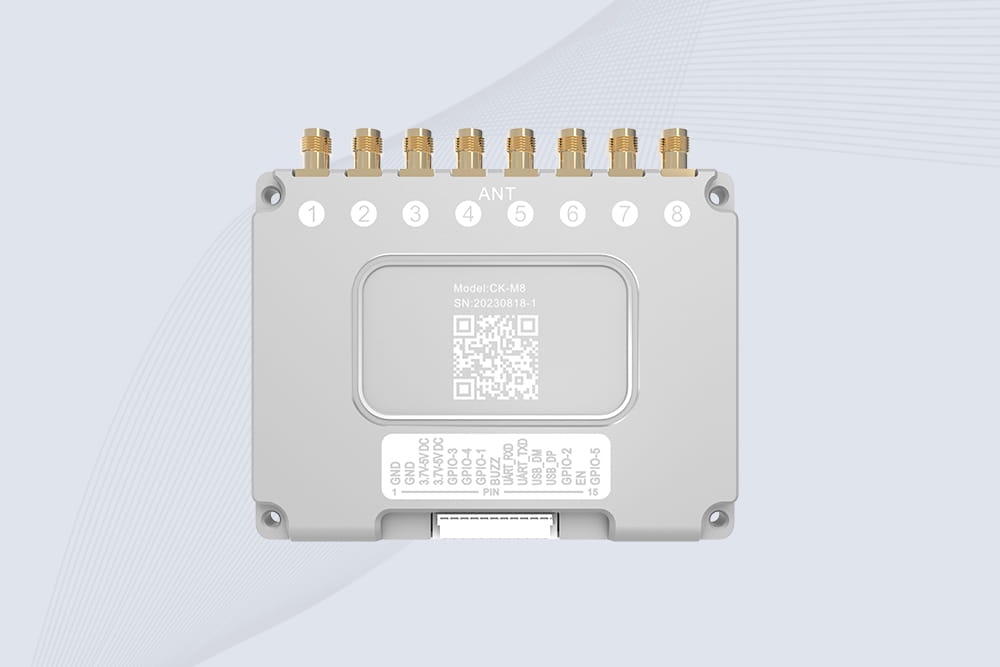
CYKEO CYKEO-M8 Module RFID is an 8-port UHF R2000 RFID Module designed for high-density, multi-tag environments. Stable 33dBm output, ISO & GB protocol support, ideal for warehouses, factories, and automated systems.
CYKEO CYKEO-M16 RFID Module is a 16-port UHF RFID reader module based on the R2000 chipset. Designed for dense tag environments, it supports ISO and GB standards and delivers stable multi-antenna control for industrial automation.
The CYKEO CYKEO-M16L RFID Reader Module is a 16-channel UHF RFID core designed for dense tag environments. With adjustable 33dBm output, multi-protocol support, and stable multi-antenna control, this RFID Tag Reader Module fits industrial automation, warehouse systems, and large-scale IoT deployments.
CYKEO CYKEO-M8L module RFID is a compact industrial UHF module built for dense tag and multi-antenna environments. With 8 RF ports, adjustable 33 dBm output, and ISO & GB protocol support, it is widely used in factories, warehouses, and automated tracking systems.
CYKEOCYKEO-M4L UHF RFID Module is a compact 4-channel RFID tag reader module designed for dense tag environments. Supporting ISO and GB protocols, it delivers stable reads up to 10 meters for industrial and IoT systems.
Cykeo CYKEO-A11 UHF RFID reader antenna delivers 11dBi gain, 840-960MHz frequency range, and IP65 ruggedness for retail, logistics, and industrial RFID systems. Features low VSWR and easy installation.
CYKEO Antenna RFID Reader delivers stable long-range UHF performance with a 10.5dBi directional design, built for warehouses, conveyor portals, and industrial RFID systems. This rfid reader antenna provides 20m+ read distance and rugged IP67 protection.
Cykeo CYKEO-A5B industrial Linear RFID Antenna delivers 5dBi gain, ≤1.5:1 VSWR, and IP65 rugged design for warehouse, production line, and logistics UHF systems.
Cykeo’s CYKEO-B12 Long Range RFID Antenna delivers 15m+ read range with 12dBi gain, IP65 rugged design, and global 840-960MHz UHF support. Ideal for warehouse/logistics asset tracking.
Cykeo CYKEO-B10 Long Distance RFID Antenna offers 10dBi gain, 840-960MHz frequency range, IP65 rating, and 20m+ coverage for logistics/warehousing/ETC systems. Low VSWR ensures stable signal transmission.
Cykeo CYKEO-A6 UHF RFID panel antenna features 6dBi gain, 840-960MHz broadband, IP65 metal-ready housing for logistics/smart retail. 18mm ultra-thin design with tool-free mounting.
Cykeo CK-A3 industrial antenna RFID UHF offers 5m+ tag detection, ≤1.3:1 VSWR, IP65 rugged design, and global UHF spectrum compatibility (840-960MHz) for warehouses, factories, and retail.
Cykeo CYKEO-B5 directional RFID antenna provides 5dBi gain with 60° narrow beamwidth for precise inventory tracking. IP65-rated, global UHF frequency support, and low VSWR.
Create your own high-performance DIY RFID antenna! 5dBi gain, 840-960MHz tunable, step-by-step guides. Compatible with Arduino, Raspberry Pi, and commercial UHF readers.
Cykeo CYKEO-A7 Flexible RFID Antenna features 840-960MHz wideband tuning, 7dBi gain, and IP68 rating for medical/retail/industrial curved surface deployments. 98% read accuracy with peel-and-stick installation.
Cykeo CYKEO-B5A industrial Passive RFID Antenna delivers 5dBi gain, 70° beamwidth, and -40°C~55°C operation for warehouses/smart cabinets. Compatible with Zebra/Impinj readers.
Cykeo’s CYKEO-A9B High Gain RFID Antenna delivers 15m+ read range with 9dBi amplification. Features IP54 rugged design, 840-960MHz bandwidth, and 80° beamwidth for warehouse/manufacturing RFID systems.
Cykeo’s enterprise-grade 8dbi Impinj RFID Antenna 10m+ read range with 840-960MHz tuning. Features IP65 housing, 1.4 VSWR, 35° beamwidth for retail/warehouse RFID systems.
Cykeo CYKEO-A9 industrial UHF RFID antenna delivers 9dBi gain, 840-960MHz frequency range, and IP65 protection for warehouse/logistics/retail RFID systems. Features N-type connector and ≤1.3:1 VSWR.
CYKEO UHF RFID Antenna built for long-distance and industrial applications. This antenna rfid uhf delivers strong gain, outdoor durability, and reliable tag performance in warehouses, yards, and vehicle ID systems.
CYKEO Antenna RFID delivers reliable long-range UHF performance in warehouses, retail shelves, and cold-chain environments. This compact uhf rfid antenna provides stable reads with circular polarization and ultra-wide 840–960 MHz support, ideal for industrial tracking, smart shelves, and asset monitoring.
Cykeo’s CYKEO-C8 UHF RFID antennas delivers 8dBi gain, 840-960MHz full-band coverage, and IP65 ruggedness for manufacturing/warehouse RFID systems. Industrial RFID Antennas Features
Cykeo’s 8dBi UHF RFID antenna and reader kit delivers 10m+ range, 840-960MHz broadband, and IP65 ruggedness for factories, warehouses, and logistics. ISO 18000-6C & EPC Gen2 certified.
Cykeo’s CYKEO-A12C UHF Large RFID Antenna delivers 12dBi gain, 840-960MHz global frequency, IP65 ruggedness for logistics/warehousing/automotive. 40° beamwidth ensures stable 15m+ tag reads.
CYKEO Near Field RFID Antenna provides precise 5–30 cm reading for shelves, cabinets, and workstations. This compact rfid shelf antenna delivers stable short-range performance around metal and clutter, ideal for pharmacies, libraries, and electronics sorting.
Cykeo CYKEO-C1 industrial Forklift RFID Reader features 20m read range, 600 tags/sec scanning, Impinj R2000 chipset, and IP67 rugged design. Ideal for warehouse logistics and manufacturing. Supports ISO 18000-6C/6B protocols.
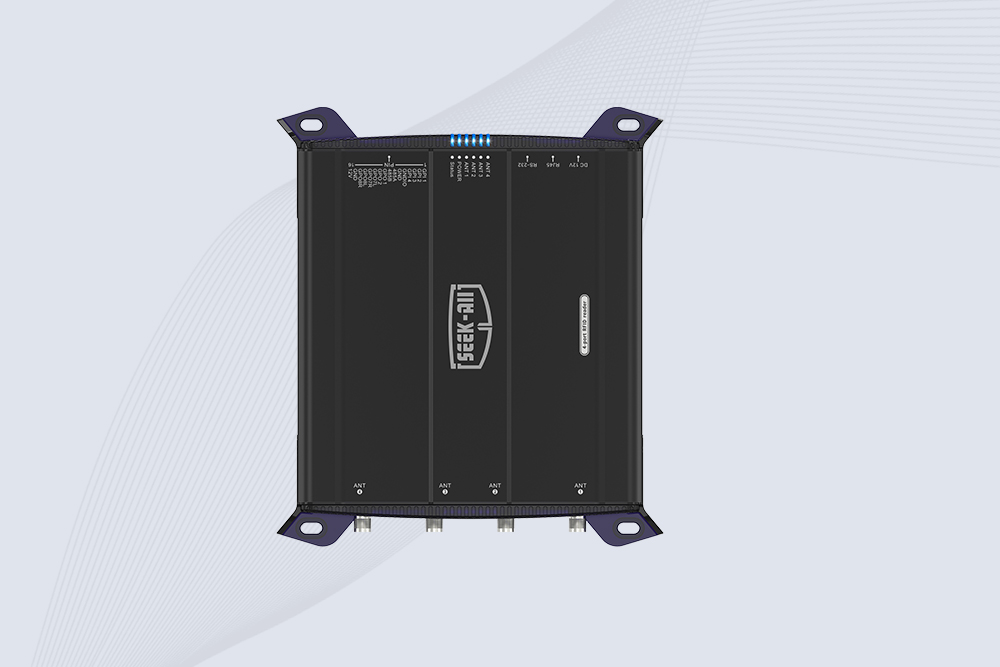
Cykeo CYKEO-R4 industrial UHF RFID Fixed Reader features 4 TNC ports, 400+ tags/sec speed, IP67 housing, and global frequency compliance for vehicle inspection, smart warehouse, and asset management systems.
CYKEO CYKEO-R8L Fixed RFID Reader with 8-port UHF design, Impinj-based RF core and up to 20m read range. An industrial Fixed RFID Reader for vehicle inspection, warehouse portals, smart manufacturing lines and secure access checkpoints.
RFID Fixed Reader from CYKEO – the CYKEO-R16L 16-port UHF fixed reader for warehouses, smart cabinets, and production lines. Long-range, multi-tag reading, stable performance for 24/7 industrial use.
A practical guide to RFID USB readers, focusing on real application scenarios, tag writing workflows, and how developers use USB RFID readers for testing, encoding, and system integration.
handheld uhf rfid reader devices improve inventory accuracy, warehouse tracking, and industrial asset visibility with Cykeo ultra high frequency RFID technology.
Discover expert tips for installing fixed long-range RFID readers in factories. Learn how Cykeo’s solutions ensure accuracy, durability, and seamless integration in industrial settings.
Vehicle RFID tags are transforming modern transportation with fast, accurate identification and tracking. Discover how this technology improves traffic flow, toll collection, and logistics management.
 Cykeo RFID IoT Solution Products R&D Manufacturer