What if rfid is implemented correctly? RFID can transform how businesses identify, track, and manage physical assets by creating automatic data connections between tagged items and digital systems. It enables faster inventory visibility, reduces manual scanning work, and supports real-time operational decisions across industries.
RFID is often discussed as a replacement for traditional barcode processes, but in practical deployments, the impact goes beyond simple identification. During my years working with UHF RFID reader integration and industrial deployment projects at Cykeo, I have seen companies struggle less with the technology itself and more with antenna positioning, tag selection, and workflow design.
The question “what if rfid” opens a broader discussion: what happens when physical objects become digitally connected through radio frequency identification?
A warehouse pallet, a hospital instrument tray, or a library asset can become a searchable data point. However, successful RFID projects depend on engineering details that are often invisible after installation.
What if RFID Changes the Way Businesses Track Assets?
RFID creates a bridge between physical products and digital information systems. Unlike barcode scanning, RFID does not require direct line-of-sight reading. A reader can capture information from multiple tags simultaneously when the environment, frequency range, and antenna configuration are properly designed.
According to GS1, RAIN RFID systems based on the EPC Gen2 standard are widely used for supply chain identification and can support automatic identification of individual items. GS1 provides global standards that enable RFID tags and readers from different manufacturers to communicate consistently
In actual warehouse projects, I have observed that the biggest improvement is not always reading distance. A controlled reading area is usually more valuable. For example, a warehouse entrance equipped with fixed UHF RFID readers can automatically capture pallet movement records while reducing manual confirmation steps.
What Can RFID Technology Do in Daily Operations?
When companies ask “what if rfid becomes part of our workflow,” the practical answers usually appear in these areas:
Application Area
RFID Impact
Warehouse management
Automatic pallet and inventory identification
Manufacturing
Production process visibility and component tracking
Healthcare
Equipment identification and asset management
Retail
Faster inventory counting and product visibility
Libraries
Automated borrowing, returning, and registration
Auburn University’s RFID Lab published research showing RFID adoption in retail supply chains improved inventory accuracy. In one study involving multiple retail locations over a 23-week period, RFID implementation helped improve inventory accuracy by approximately 26%.
The important lesson from field experience is that RFID performance depends on the entire system. A high-performance reader cannot compensate for unsuitable tags or poor installation planning.
What Happens If RFID Is Used in Industrial Environments?
RFID Deployment Requires More Than Installing Readers
A common misunderstanding is that RFID installation is simply placing readers around a facility. In reality, engineers need to consider:
Tag material compatibility
Reader frequency settings
Antenna polarization
Metal and liquid interference
Read-zone control
Software integration
During one industrial deployment, I found that changing antenna angles by only a small amount reduced missed reads significantly because the original setup created an unstable signal pattern around metal containers.
This type of adjustment rarely appears in product brochures, but it determines whether an RFID system works reliably after six months of daily operation.
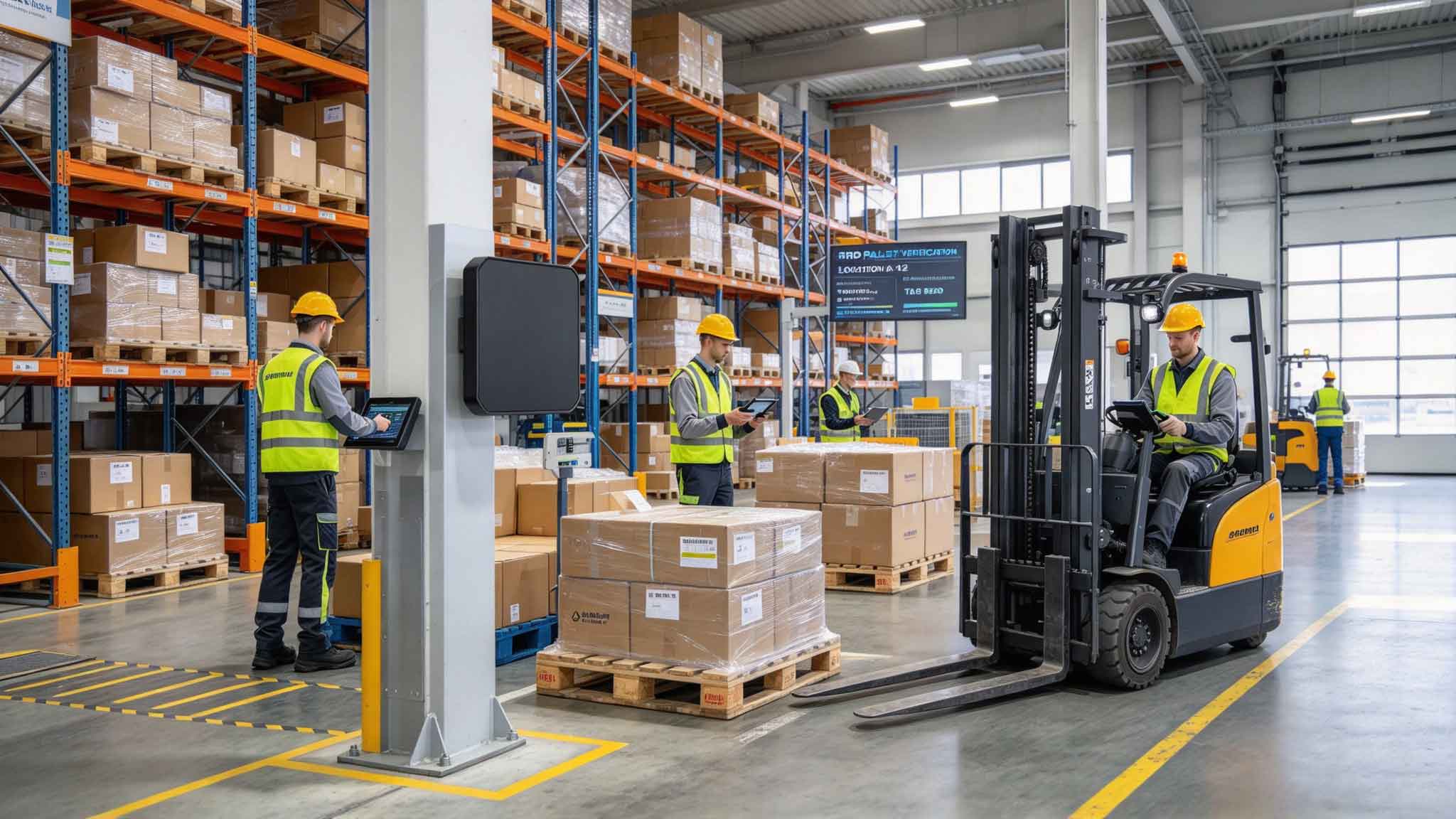
A realistic warehouse environment showing RFID-based asset tracking and automated inventory visibility.
What If RFID Data Becomes Part of Business Intelligence?
RFID does not only answer “where is an item?” It can also reveal movement patterns, inventory changes, and operational delays.
For example, a manufacturing company using RFID-enabled work-in-progress tracking can identify where materials remain too long before the next production stage. The value comes from connecting RFID event data with existing enterprise systems rather than collecting tag reads alone.
In Cykeo projects, I usually recommend evaluating three questions before deployment:
What physical movement needs to be captured?
Where should the reading boundary exist?
Which business decision will use the collected data?
This approach avoids a common mistake: collecting thousands of RFID records without a clear operational purpose.
RFID technology continues expanding because it solves a basic industrial challenge — connecting physical objects with digital information. When companies ask what if rfid becomes part of their operations, the answer depends on implementation quality, environment design, and practical business goals.
What If RFID Faces Real-World Challenges?
What Happens If RFID Signals Are Blocked?
RFID performance can be affected by physical conditions, especially when tags interact with materials such as metal or liquids. Passive UHF RFID systems rely on radio frequency communication between the reader and tag, so installation conditions directly influence reading stability.
In practical projects, I have seen companies initially focus on selecting the highest-power reader, expecting maximum distance to solve every problem. However, increasing output power does not always improve results. In some environments, uncontrolled signal reflection creates additional reads or missed tags.
A better approach is designing the reading environment:
Adjust antenna direction according to item movement
Select suitable RFID tags for different materials
Define controlled reading zones
Test performance under real operating conditions
The RFID system should match the workflow, not force the workflow to adapt to the technology.
What If RFID Replaces Traditional Identification Methods?
RFID is not simply a replacement for barcodes. The two technologies often serve different operational needs.
Feature
Barcode
RFID
Reading method
Requires optical scanning
Uses radio frequency communication
Line of sight
Usually required
Not always required
Multiple item reading
Limited
Supports multi-tag reading
Environmental adaptability
Affected by label visibility
Depends on tag and frequency selection
Automation capability
Moderate
High integration potential
When I review RFID implementation plans, I often find that companies achieve the greatest improvement when RFID handles repetitive identification tasks while employees focus on decisions requiring human judgment.
For example, in a tool management environment, RFID can automatically record tool movement while technicians spend less time manually entering information. In libraries, RFID can support faster registration, borrowing, returning, and inventory processes.
What If RFID Becomes More Connected With IoT Systems?
RFID and Digital Transformation
The future direction of RFID is closely connected with IoT platforms, cloud systems, and enterprise software. RFID readers generate identification events, but their business value appears when these events become usable information.
A typical RFID data flow includes:
RFID tag identification
Reader communication
Data transmission
Software processing
Business decision support
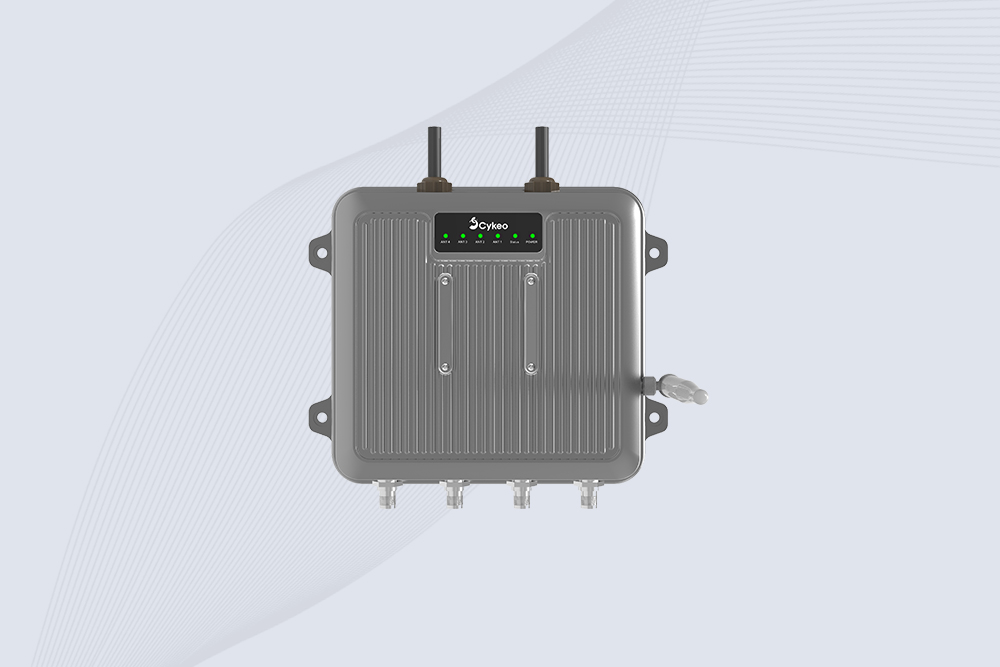
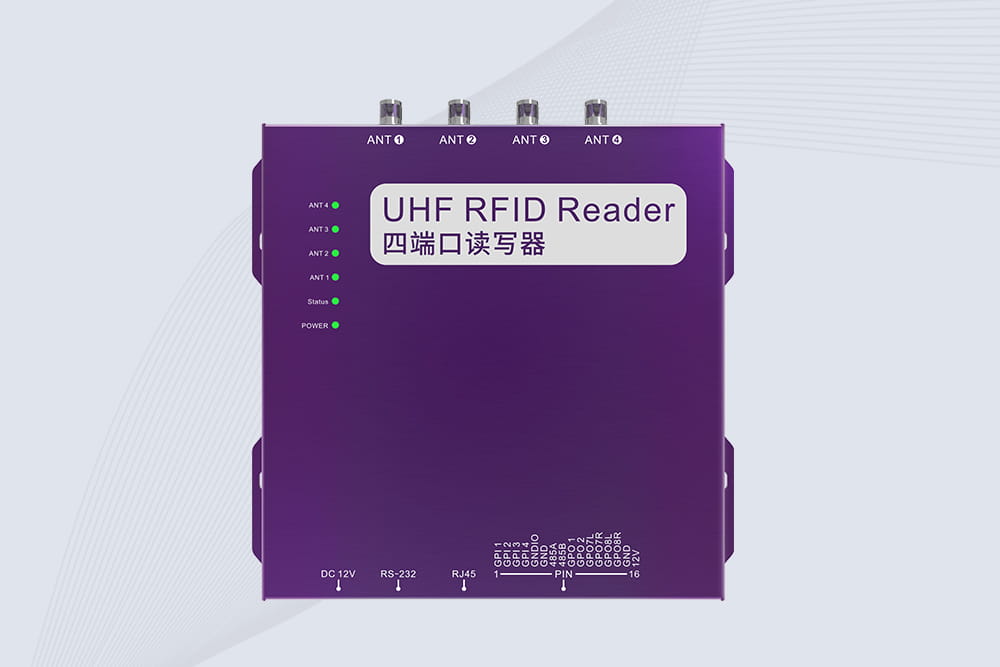
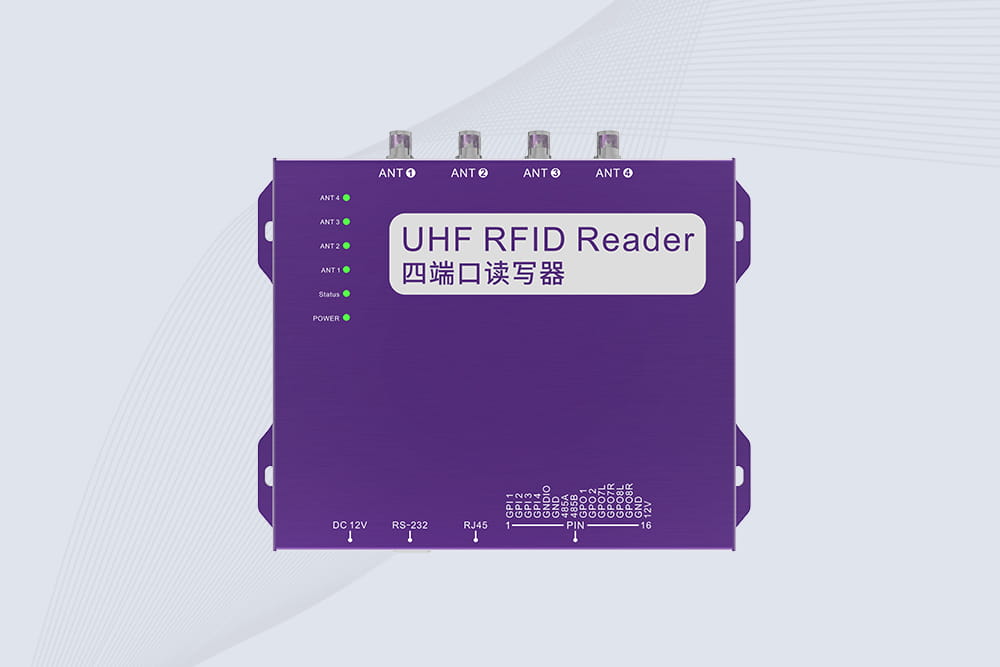
Industrial RFID readers such as Cykeo fixed UHF RFID readers are designed for environments where stable communication and continuous operation are required. Depending on the application, systems may use interfaces such as Ethernet, RS-232, or wireless communication methods.
In warehouse and manufacturing environments, RFID data can support:
Inventory visibility
Equipment tracking
Process monitoring
Automated record creation
Loss reduction analysis
The important point is that RFID itself does not create business improvement automatically. The system architecture around RFID determines whether collected data becomes useful information.
What If RFID Becomes More Widely Used in the Future?
Future RFID Applications
RFID adoption continues expanding because organizations need faster and more accurate methods to manage physical assets.
Possible growth areas include:
Industry
Potential RFID Application
Healthcare
Medical equipment tracking and supply management
Manufacturing
Production line visibility
Logistics
Automated shipment identification
Retail
Inventory accuracy improvement
Education
Library and asset management
The evolution of RFID is also influenced by international standardization. EPCglobal and GS1 standards have helped create consistent communication methods for RFID systems worldwide.
According to GS1, EPC-based RFID technology enables unique identification of physical objects throughout supply chains, supporting improved visibility between manufacturers, logistics providers, and retailers.
From my experience working with RFID hardware selection and deployment, the strongest systems are not always the most complex ones. They are systems where tag performance, reader configuration, software connection, and business processes are aligned from the beginning.
RFID helps healthcare organizations improve visibility of equipment location and asset movement.
Frequently Asked Questions About What If RFID
1. What if RFID tags cannot be read correctly?
If RFID tags cannot be read correctly, the issue is usually related to tag selection, antenna placement, interference, or reader configuration. Testing the system in the actual operating environment helps identify the cause.
2. What if RFID is blocked by metal or liquid?
Metal and liquid can influence RFID signal performance. Specialized RFID tags, suitable frequency selection, and proper antenna installation can improve reliability in challenging environments.
3. What if RFID data is collected but not used?
RFID data needs integration with software systems to create business value. Without proper processing, collected tag information may not support operational decisions effectively.
4. What if RFID replaces barcode systems?
RFID can replace or complement barcode systems depending on application requirements. RFID is especially useful where automatic identification, multiple tag reading, and reduced manual scanning are needed.
5. What if RFID becomes part of IoT infrastructure?
RFID can provide identification data for IoT systems by connecting physical objects with digital platforms. This helps organizations monitor assets, inventory, and operational activities.
6. What if RFID implementation fails?
RFID projects usually fail because of incorrect planning rather than the technology itself. Proper testing, environment analysis, and selecting suitable readers and tags are essential before full deployment.
Conclusion: Understanding What If RFID Means for Modern Operations
The question what if rfid is ultimately about how businesses connect physical assets with digital information. RFID can improve visibility, reduce repetitive manual work, and support automated identification when the complete system is correctly designed.
From practical RFID deployments, the most important factor is not simply choosing advanced hardware. Reliable results come from understanding the environment, selecting appropriate tags, configuring readers correctly, and connecting RFID data with real business processes.
At Cykeo, RFID solutions are developed around these practical requirements, helping organizations apply RFID technology in warehouses, manufacturing facilities, libraries, healthcare environments, and other professional applications.
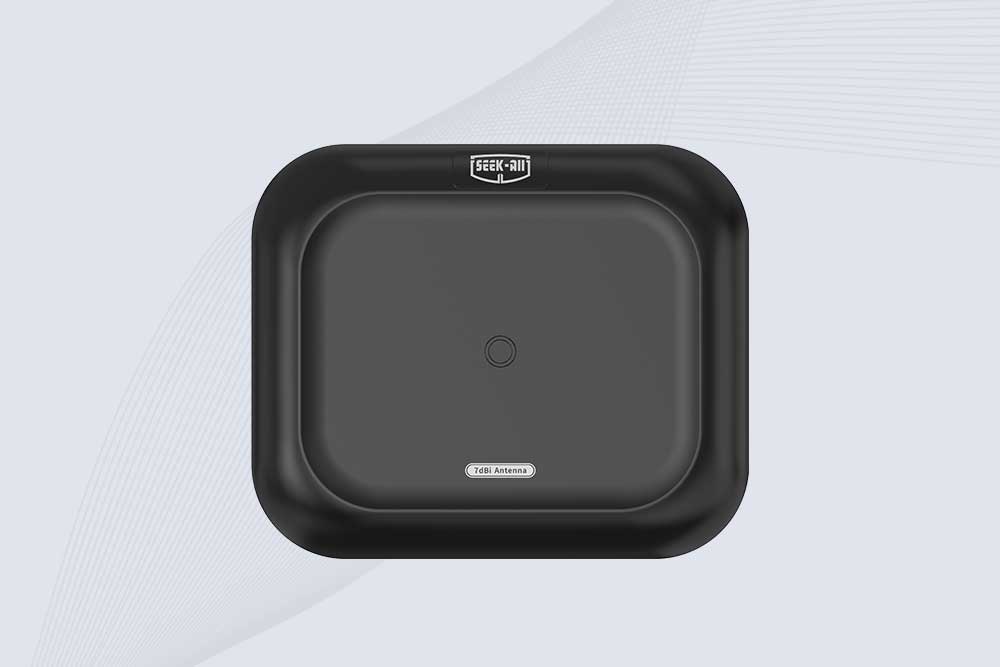
Explore the SSD-A07 UHF RFID antenna with 7 dBi gain, circular polarization, adjustable 840–960 MHz frequency, and 60°/75° beamwidth for stable RFID read/write performance.
SSD-A06 UHF RFID antenna with circular polarization, adjustable 840–960 MHz frequency, ≥4.5 dBi gain, and a compact directional design for RFID systems.
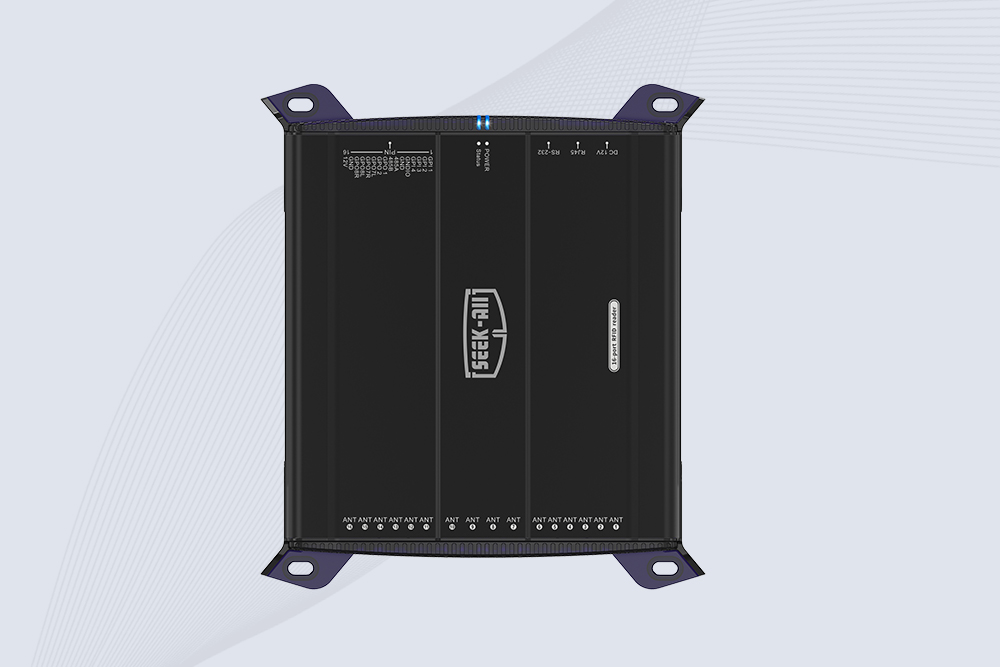
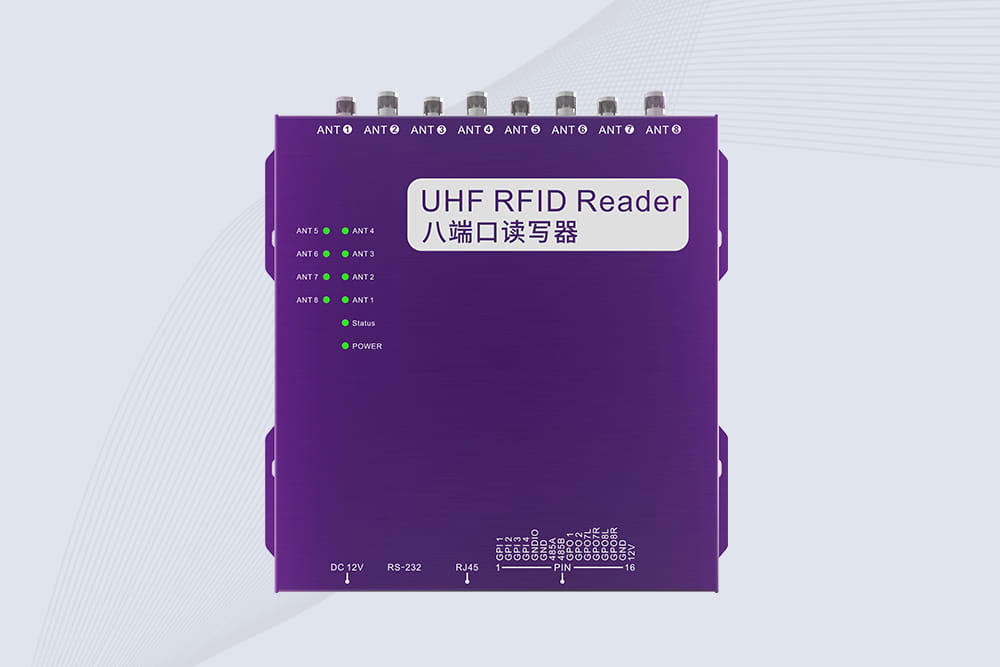
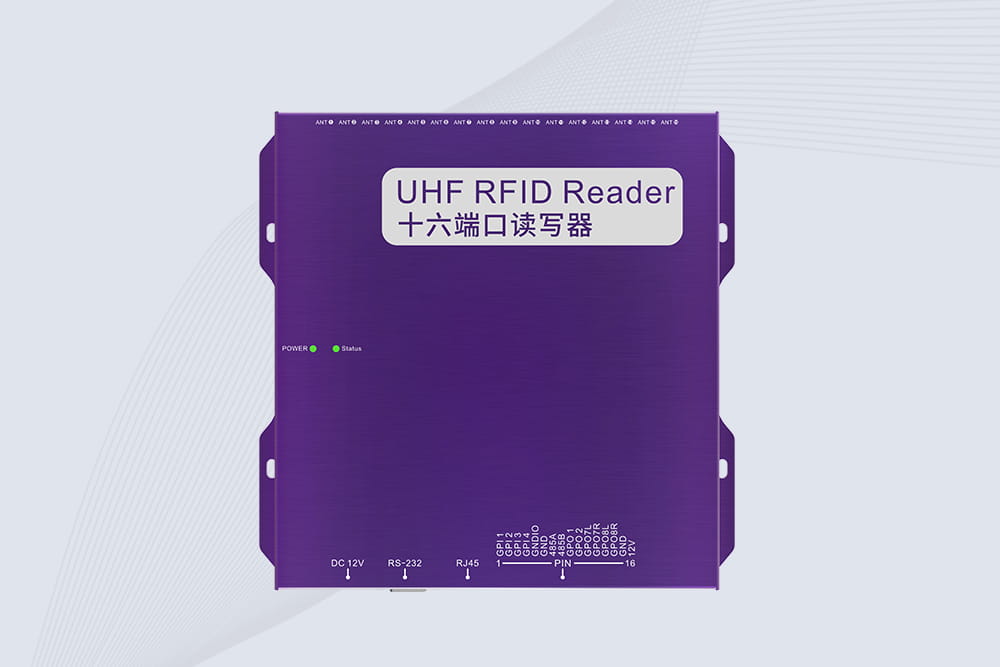
SSD-R16L Multi-Channel RFID Infrastructure for Automated Inventory Management ✔️ 16-Port High-Density RFID Reading Equipped with 16 SMA antenna ports, SSD-R16L supports multi-antenna deployment for warehouses, retail stores, logistics, production lines, and large-area RFID identification. ✔️ High-Speed & Long-Range Performance With up to 33…
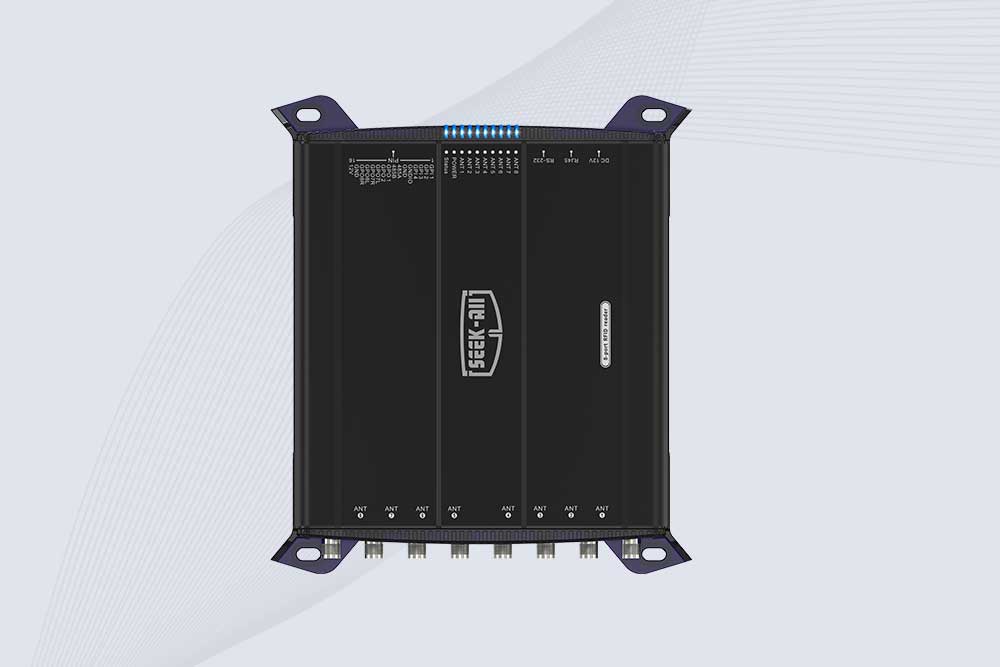
SSD-R8L 8-port UHF RFID reader with 33dBm output, up to 20m reading range and 600+ tags/s recognition. Ideal for warehouse, logistics, retail and asset tracking.
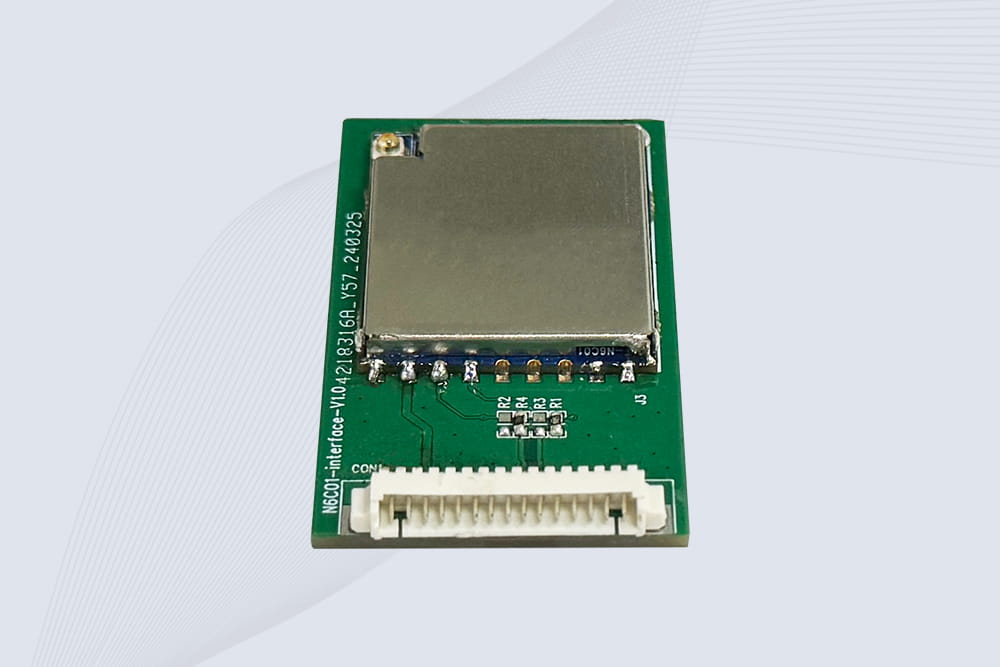
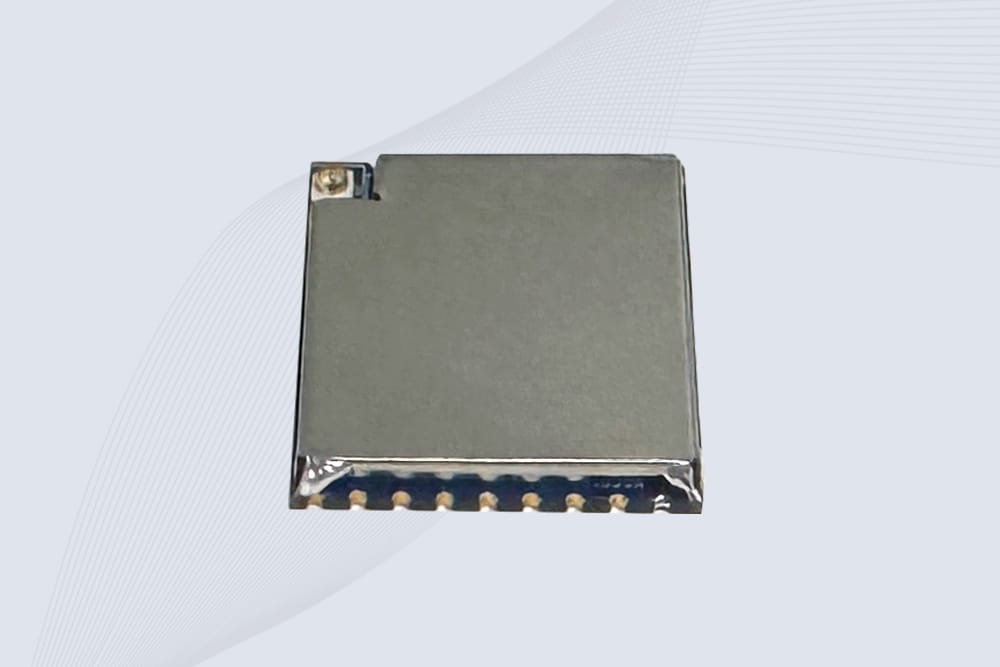
CYKEO Embedded RFID Modules are designed for compact industrial and IoT devices that require stable UHF performance. These UHF RFID Modules support global protocols, flexible power control, and reliable multi-tag reading for smart cabinets, production lines, and asset tracking systems.
CYKEO Embedded RFID Module is built for compact IoT and industrial devices that need stable UHF performance. This UHF module supports global protocols, low power operation, and reliable multi-tag reading for smart lockers, production lines, and always-on RFID systems.
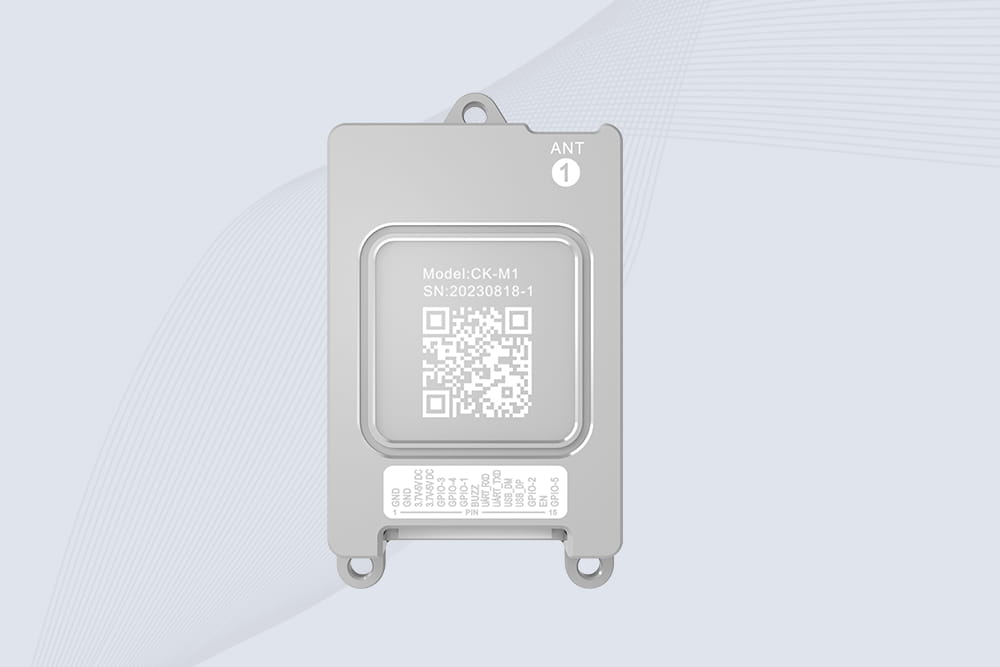
CYKEO CYKEO-M1 drone rfid module is a compact UHF RFID reader module designed for drones and UAV platforms. It supports long-range aerial scanning, fast multi-tag reading, and stable performance in wind, vibration, and outdoor environments.
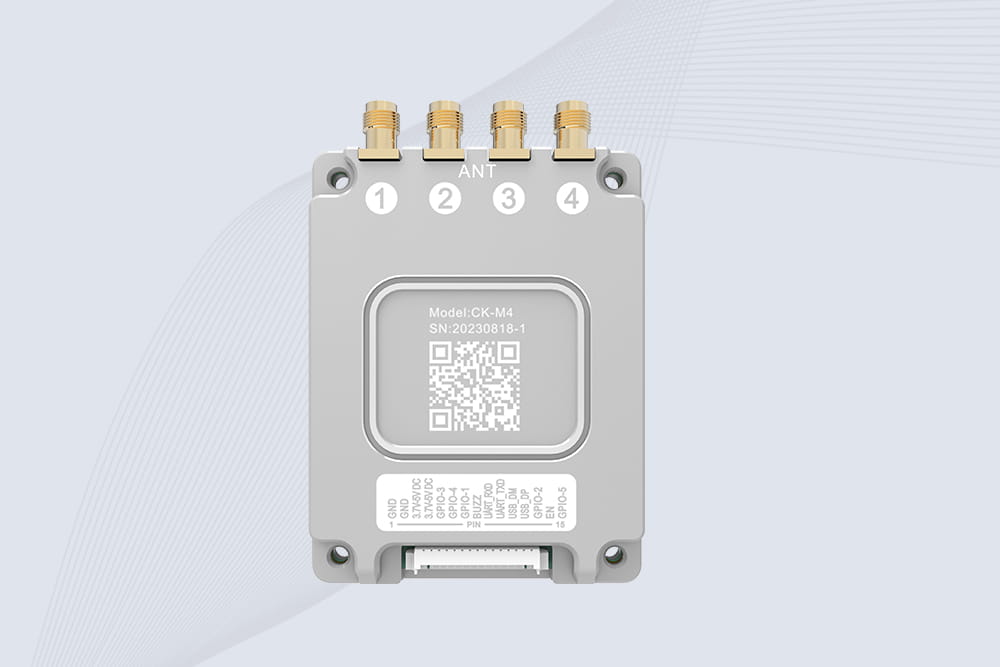
CYKEO CYKEO-M4 RC522 RFID Module is an industrial-grade UHF RFID reader with 4 ports, supporting ISO, EPC, and GB protocols. High-speed, accurate reading for IoT, automation, and warehouse applications.
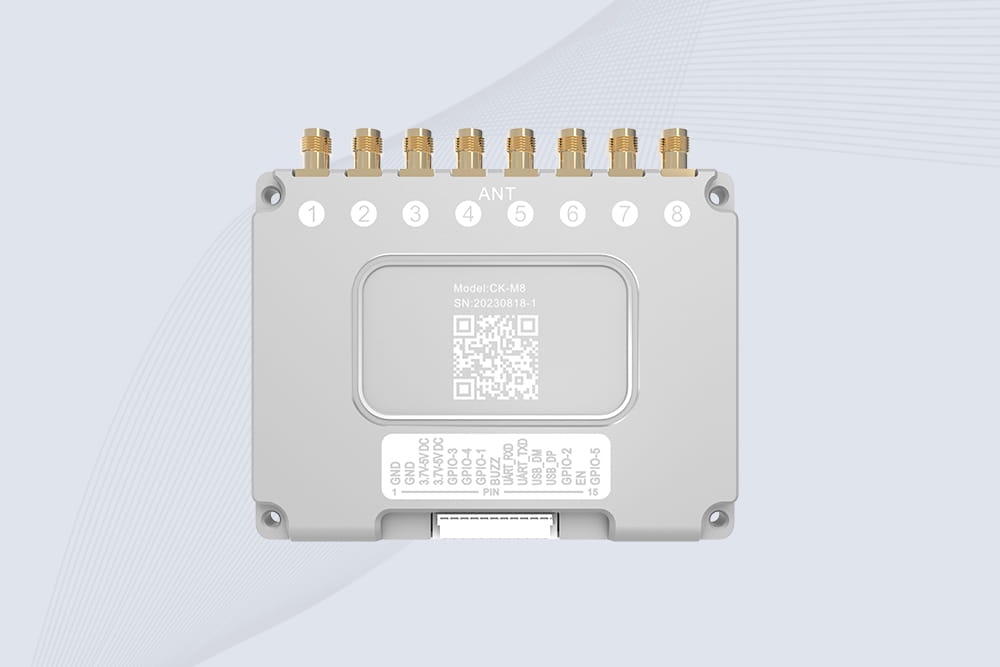
CYKEO CYKEO-M8 Module RFID is an 8-port UHF R2000 RFID Module designed for high-density, multi-tag environments. Stable 33dBm output, ISO & GB protocol support, ideal for warehouses, factories, and automated systems.
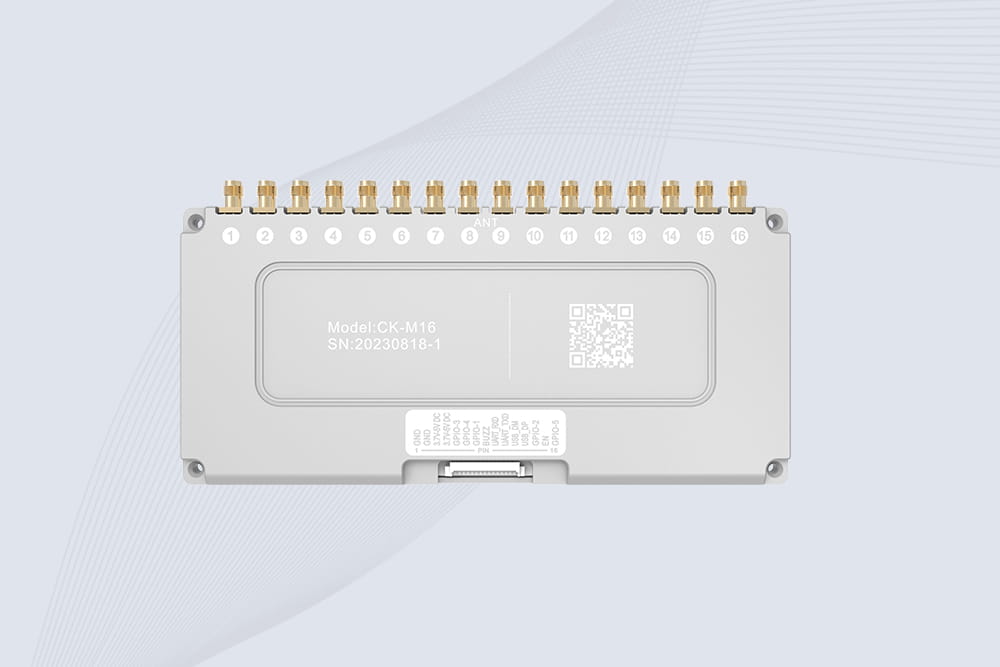
CYKEO CYKEO-M16 RFID Module is a 16-port UHF RFID reader module based on the R2000 chipset. Designed for dense tag environments, it supports ISO and GB standards and delivers stable multi-antenna control for industrial automation.
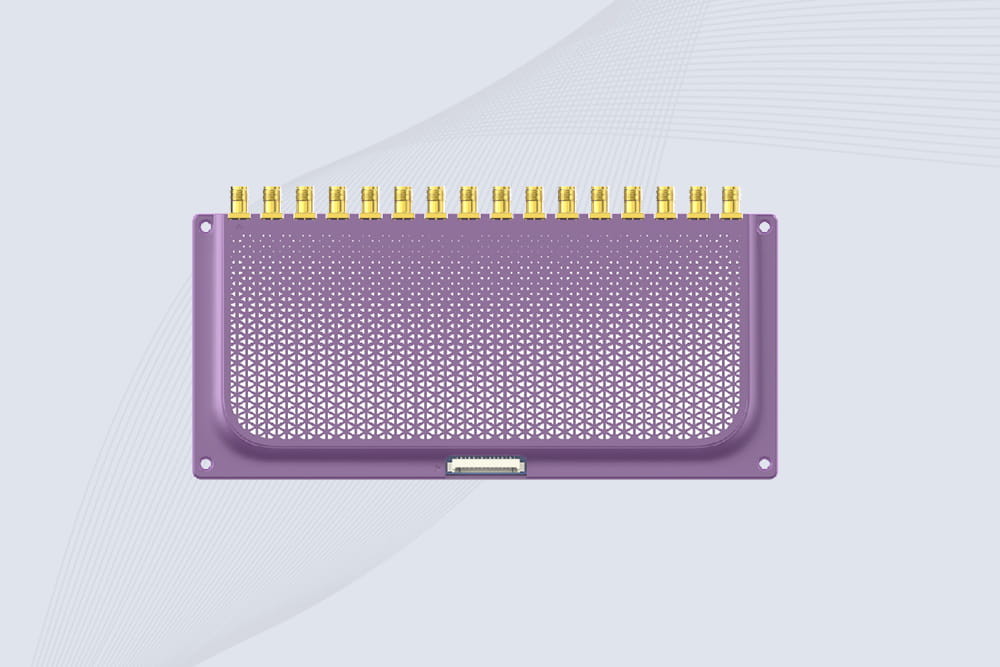
The CYKEO CYKEO-M16L RFID Reader Module is a 16-channel UHF RFID core designed for dense tag environments. With adjustable 33dBm output, multi-protocol support, and stable multi-antenna control, this RFID Tag Reader Module fits industrial automation, warehouse systems, and large-scale IoT deployments.
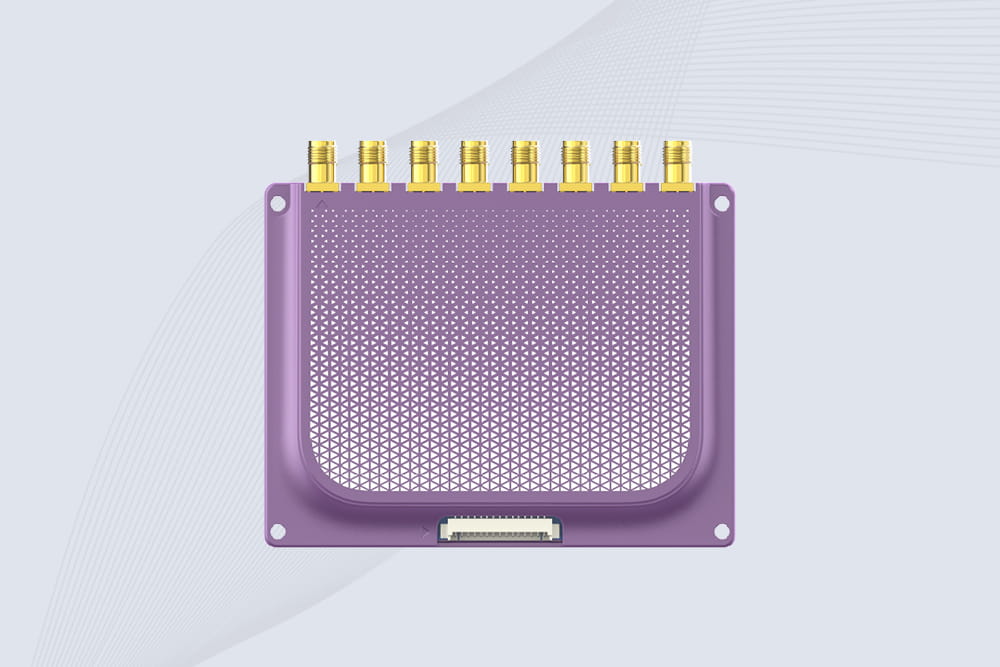
CYKEO CYKEO-M8L module RFID is a compact industrial UHF module built for dense tag and multi-antenna environments. With 8 RF ports, adjustable 33 dBm output, and ISO & GB protocol support, it is widely used in factories, warehouses, and automated tracking systems.
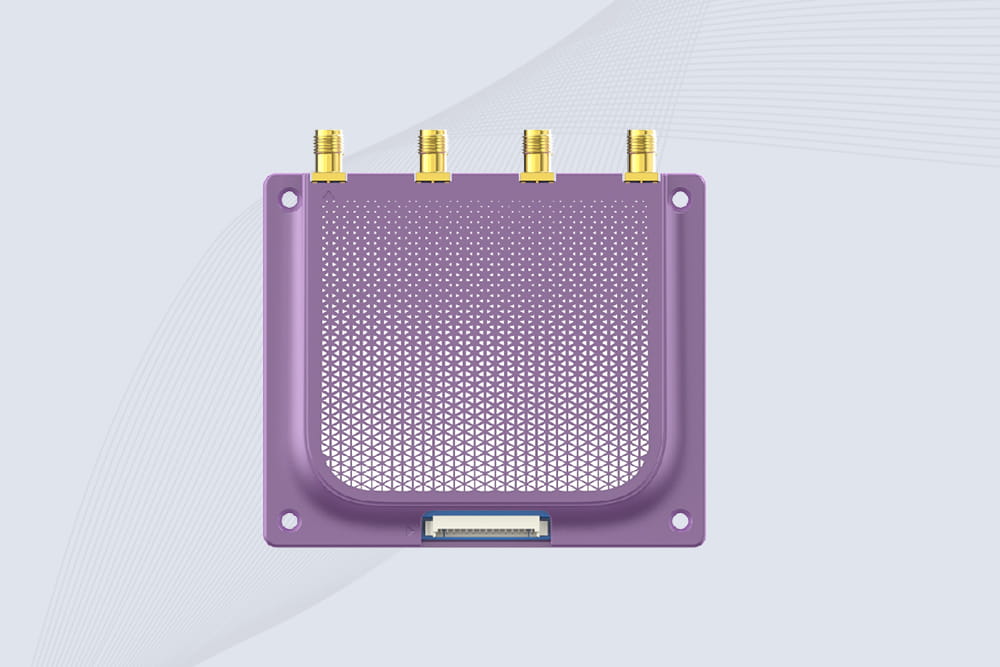
CYKEOCYKEO-M4L UHF RFID Module is a compact 4-channel RFID tag reader module designed for dense tag environments. Supporting ISO and GB protocols, it delivers stable reads up to 10 meters for industrial and IoT systems.
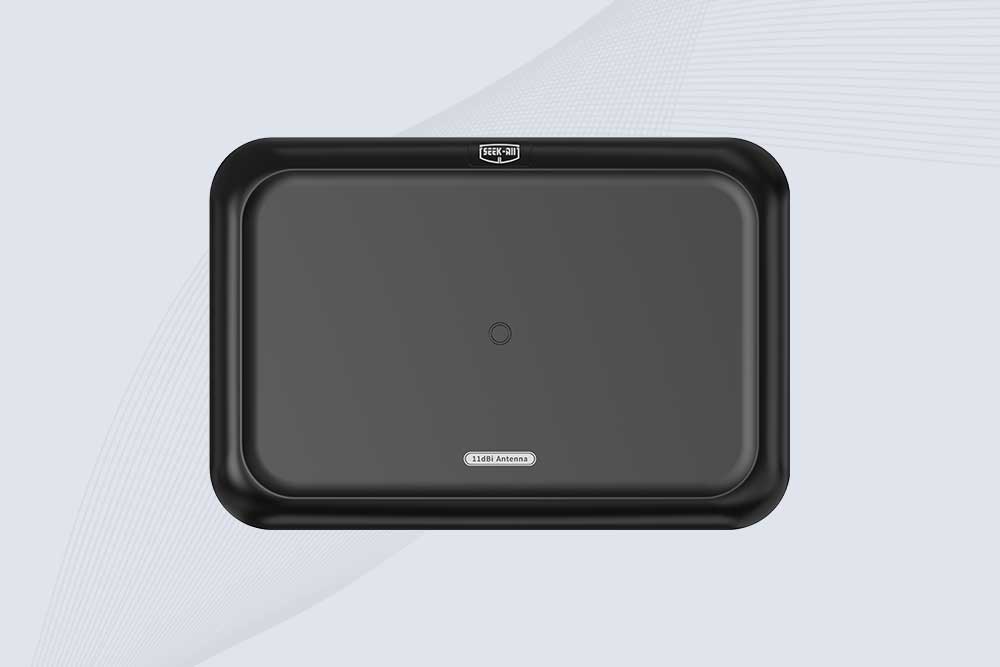
Cykeo CYKEO-A11 UHF RFID reader antenna delivers 11dBi gain, 840-960MHz frequency range, and IP65 ruggedness for retail, logistics, and industrial RFID systems. Features low VSWR and easy installation.
CYKEO Antenna RFID Reader delivers stable long-range UHF performance with a 10.5dBi directional design, built for warehouses, conveyor portals, and industrial RFID systems. This rfid reader antenna provides 20m+ read distance and rugged IP67 protection.
Cykeo CYKEO-A5B industrial Linear RFID Antenna delivers 5dBi gain, ≤1.5:1 VSWR, and IP65 rugged design for warehouse, production line, and logistics UHF systems.
Cykeo’s CYKEO-B12 Long Range RFID Antenna delivers 15m+ read range with 12dBi gain, IP65 rugged design, and global 840-960MHz UHF support. Ideal for warehouse/logistics asset tracking.
Cykeo CYKEO-B10 Long Distance RFID Antenna offers 10dBi gain, 840-960MHz frequency range, IP65 rating, and 20m+ coverage for logistics/warehousing/ETC systems. Low VSWR ensures stable signal transmission.
Cykeo CYKEO-A6 UHF RFID panel antenna features 6dBi gain, 840-960MHz broadband, IP65 metal-ready housing for logistics/smart retail. 18mm ultra-thin design with tool-free mounting.
Cykeo CK-A3 industrial antenna RFID UHF offers 5m+ tag detection, ≤1.3:1 VSWR, IP65 rugged design, and global UHF spectrum compatibility (840-960MHz) for warehouses, factories, and retail.
Cykeo CYKEO-B5 directional RFID antenna provides 5dBi gain with 60° narrow beamwidth for precise inventory tracking. IP65-rated, global UHF frequency support, and low VSWR.
Create your own high-performance DIY RFID antenna! 5dBi gain, 840-960MHz tunable, step-by-step guides. Compatible with Arduino, Raspberry Pi, and commercial UHF readers.
Cykeo CYKEO-A7 Flexible RFID Antenna features 840-960MHz wideband tuning, 7dBi gain, and IP68 rating for medical/retail/industrial curved surface deployments. 98% read accuracy with peel-and-stick installation.
Cykeo CYKEO-B5A industrial Passive RFID Antenna delivers 5dBi gain, 70° beamwidth, and -40°C~55°C operation for warehouses/smart cabinets. Compatible with Zebra/Impinj readers.
Cykeo’s CYKEO-A9B High Gain RFID Antenna delivers 15m+ read range with 9dBi amplification. Features IP54 rugged design, 840-960MHz bandwidth, and 80° beamwidth for warehouse/manufacturing RFID systems.
Cykeo’s enterprise-grade 8dbi Impinj RFID Antenna 10m+ read range with 840-960MHz tuning. Features IP65 housing, 1.4 VSWR, 35° beamwidth for retail/warehouse RFID systems.
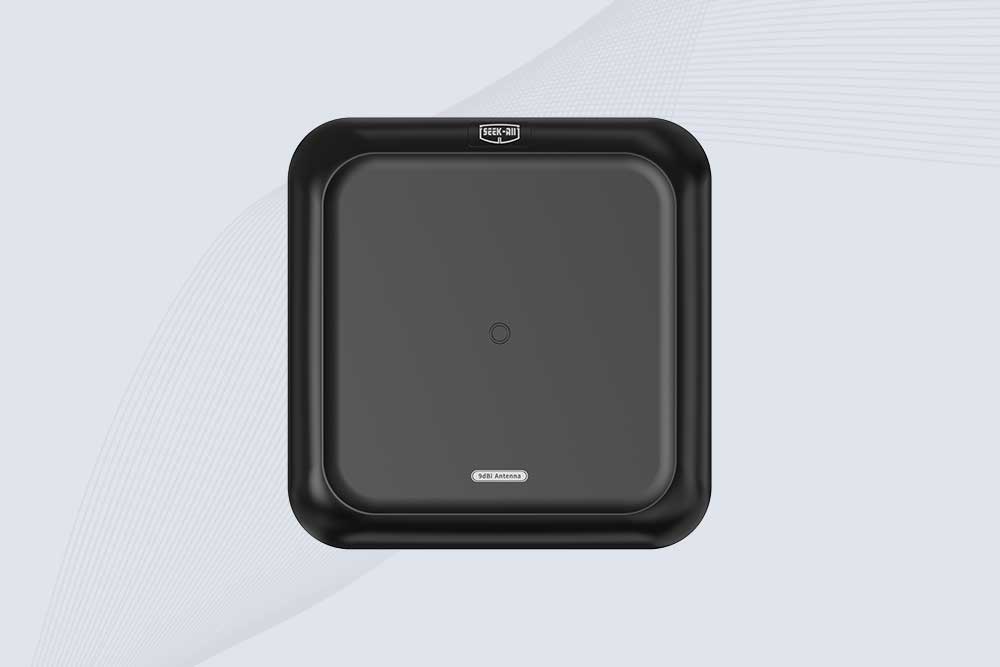
Cykeo CYKEO-A9 industrial UHF RFID antenna delivers 9dBi gain, 840-960MHz frequency range, and IP65 protection for warehouse/logistics/retail RFID systems. Features N-type connector and ≤1.3:1 VSWR.
CYKEO UHF RFID Antenna built for long-distance and industrial applications. This antenna rfid uhf delivers strong gain, outdoor durability, and reliable tag performance in warehouses, yards, and vehicle ID systems.
CYKEO Antenna RFID delivers reliable long-range UHF performance in warehouses, retail shelves, and cold-chain environments. This compact uhf rfid antenna provides stable reads with circular polarization and ultra-wide 840–960 MHz support, ideal for industrial tracking, smart shelves, and asset monitoring.
Cykeo’s CYKEO-C8 UHF RFID antennas delivers 8dBi gain, 840-960MHz full-band coverage, and IP65 ruggedness for manufacturing/warehouse RFID systems. Industrial RFID Antennas Features
Cykeo’s 8dBi UHF RFID antenna and reader kit delivers 10m+ range, 840-960MHz broadband, and IP65 ruggedness for factories, warehouses, and logistics. ISO 18000-6C & EPC Gen2 certified.
Cykeo’s CYKEO-A12C UHF Large RFID Antenna delivers 12dBi gain, 840-960MHz global frequency, IP65 ruggedness for logistics/warehousing/automotive. 40° beamwidth ensures stable 15m+ tag reads.
CYKEO Near Field RFID Antenna provides precise 5–30 cm reading for shelves, cabinets, and workstations. This compact rfid shelf antenna delivers stable short-range performance around metal and clutter, ideal for pharmacies, libraries, and electronics sorting.
Cykeo CYKEO-C1 industrial Forklift RFID Reader features 20m read range, 600 tags/sec scanning, Impinj R2000 chipset, and IP67 rugged design. Ideal for warehouse logistics and manufacturing. Supports ISO 18000-6C/6B protocols.
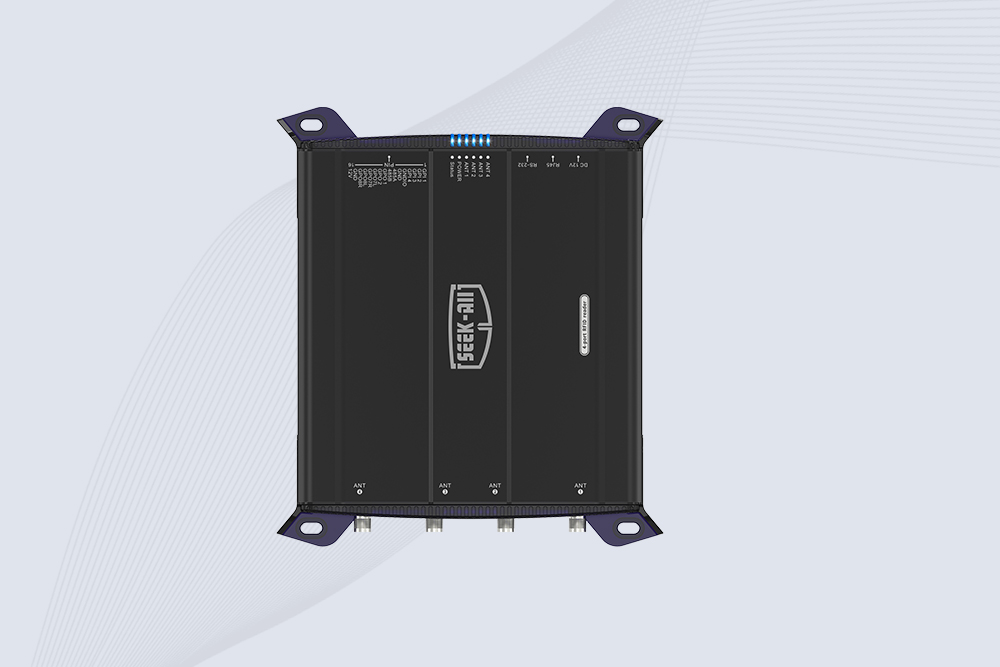
Cykeo CYKEO-R4 industrial UHF RFID Fixed Reader features 4 TNC ports, 400+ tags/sec speed, IP67 housing, and global frequency compliance for vehicle inspection, smart warehouse, and asset management systems.
CYKEO CYKEO-R8L Fixed RFID Reader with 8-port UHF design, Impinj-based RF core and up to 20m read range. An industrial Fixed RFID Reader for vehicle inspection, warehouse portals, smart manufacturing lines and secure access checkpoints.
RFID Fixed Reader from CYKEO – the CYKEO-R16L 16-port UHF fixed reader for warehouses, smart cabinets, and production lines. Long-range, multi-tag reading, stable performance for 24/7 industrial use.
Inventory management is a vital aspect of business operations. It directly impacts asset security, cost control, and operational efficiency. However, traditional inventory methods often rely on manual processes, which are not only inefficient but ...
Wondering "how do i use a rfid card reader"? Discover simple steps for access control, USB reader setup, card positioning tips, and troubleshooting with CYKEO.
Discover how rfid personnel tracking improves workforce safety, attendance accuracy, and operational efficiency with industrial-grade RFID solutions from Cykeo.
 Cykeo RFID IoT Solution Products R&D Manufacturer