Cykeo RFID IoT Solution Products R&D Manufacturer







Submit your request to us
We will contact you as soon as possible.
All RFID Product
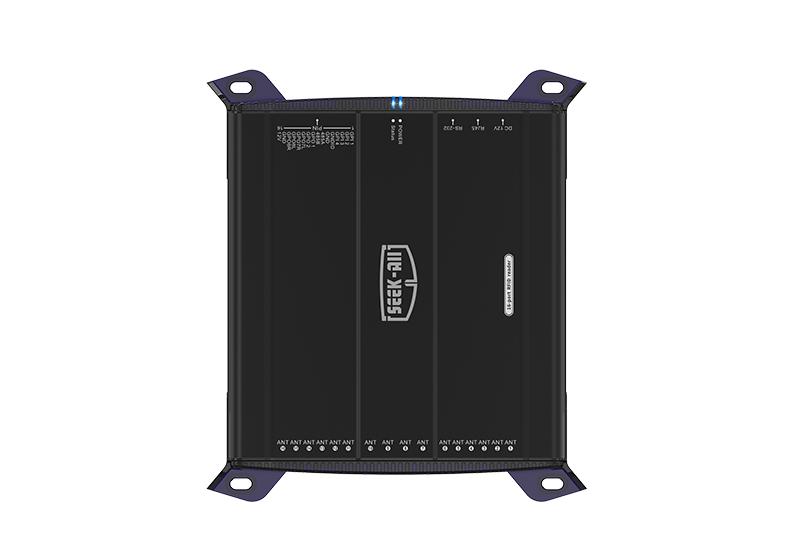
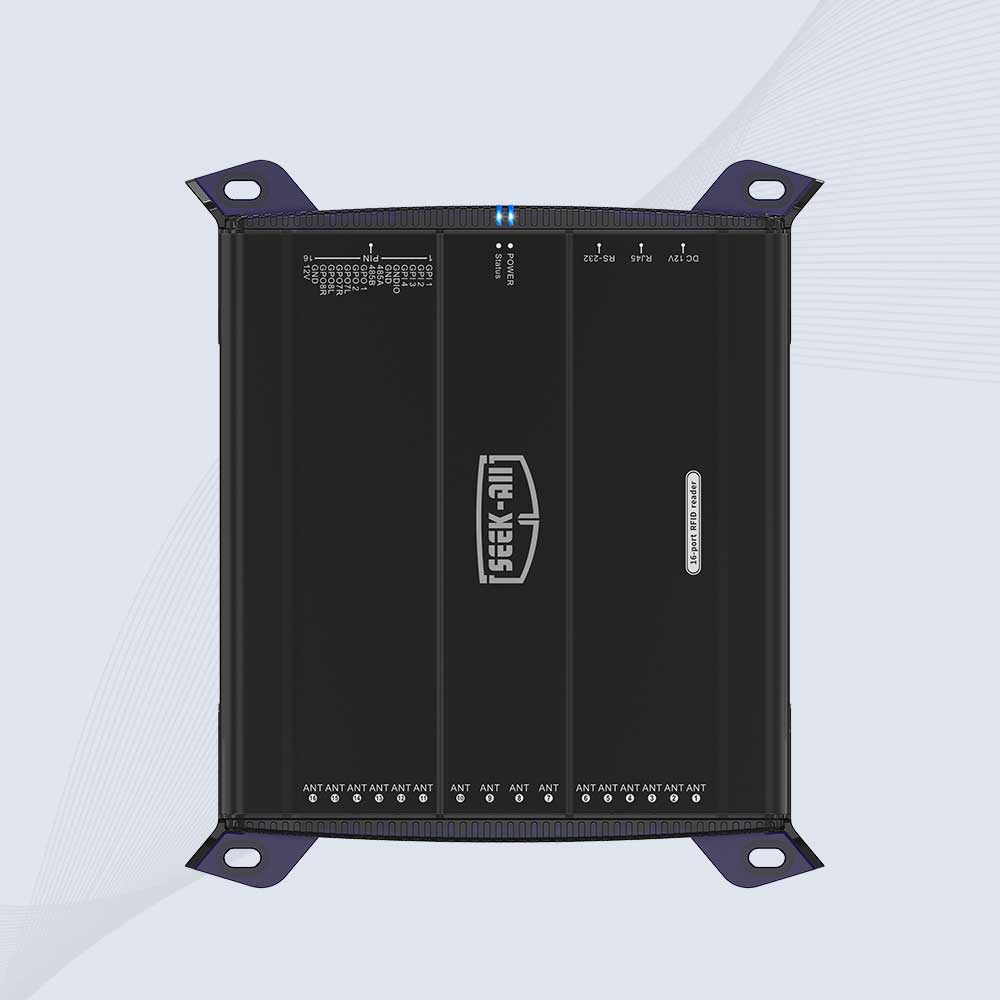
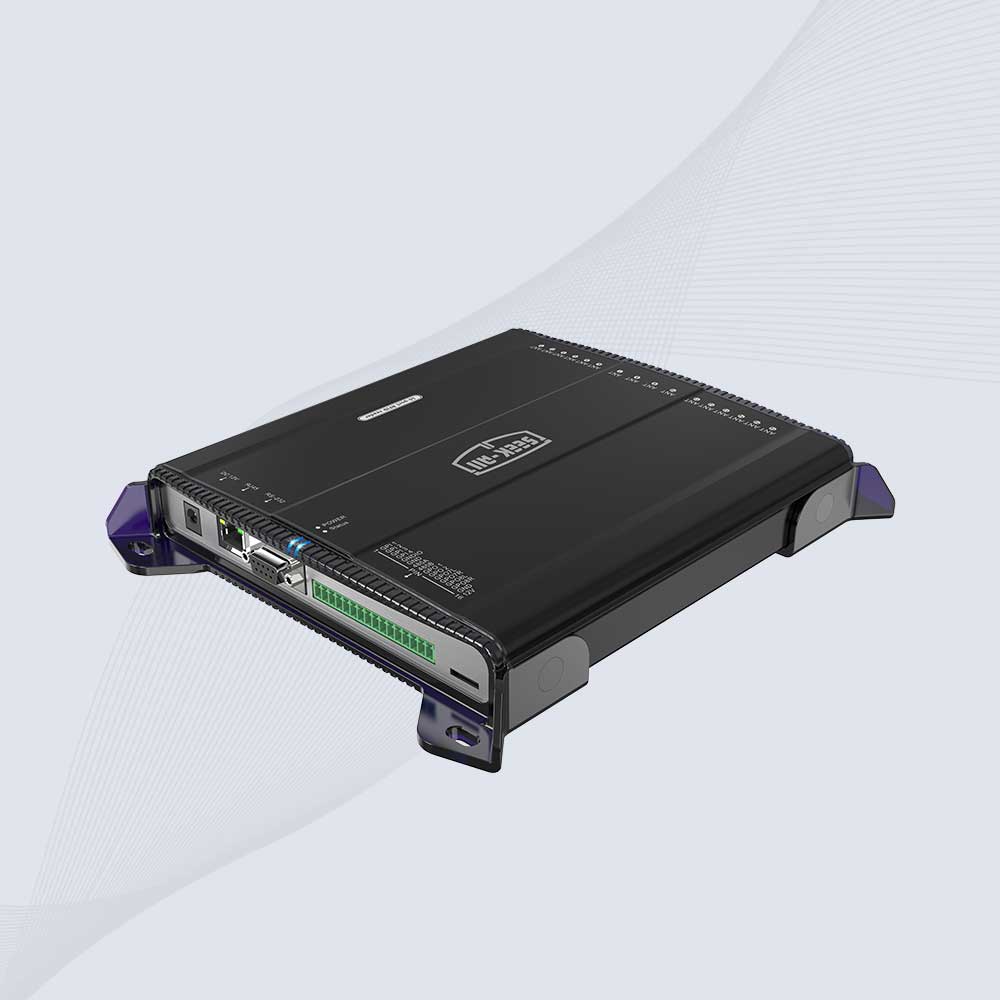
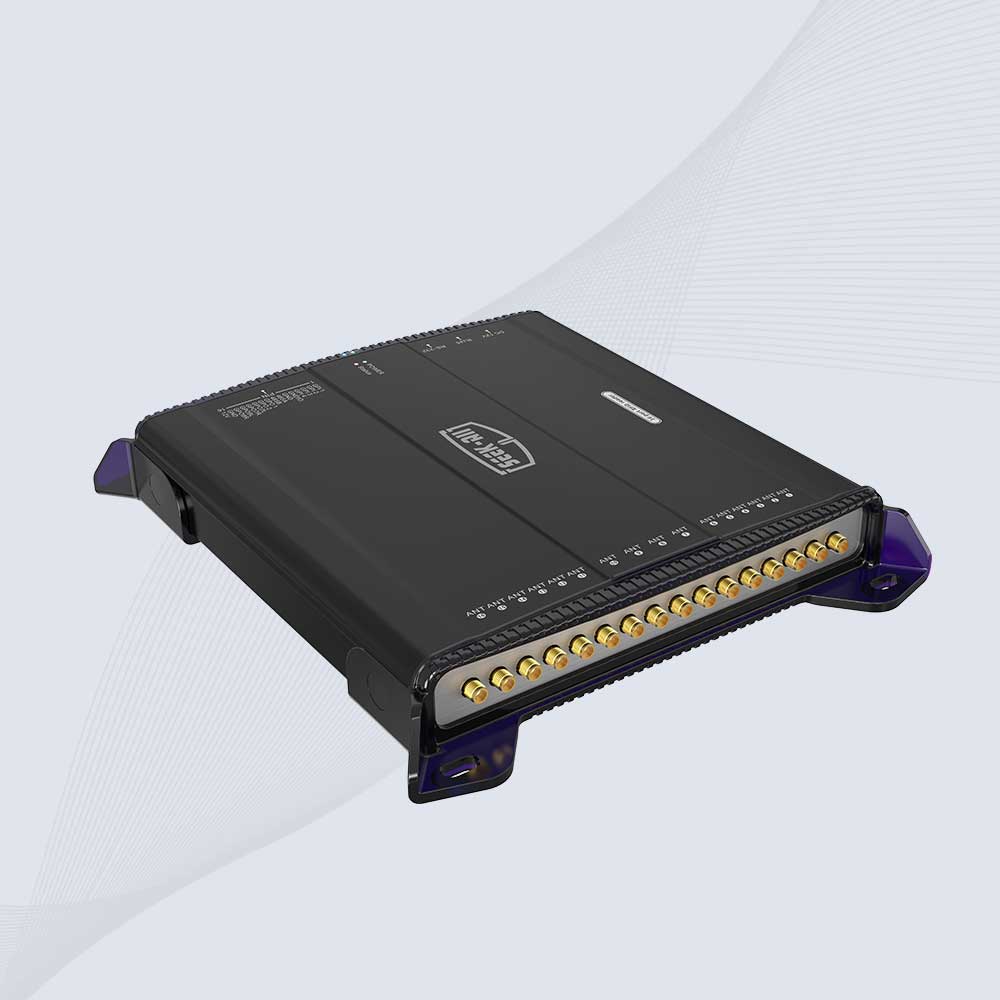
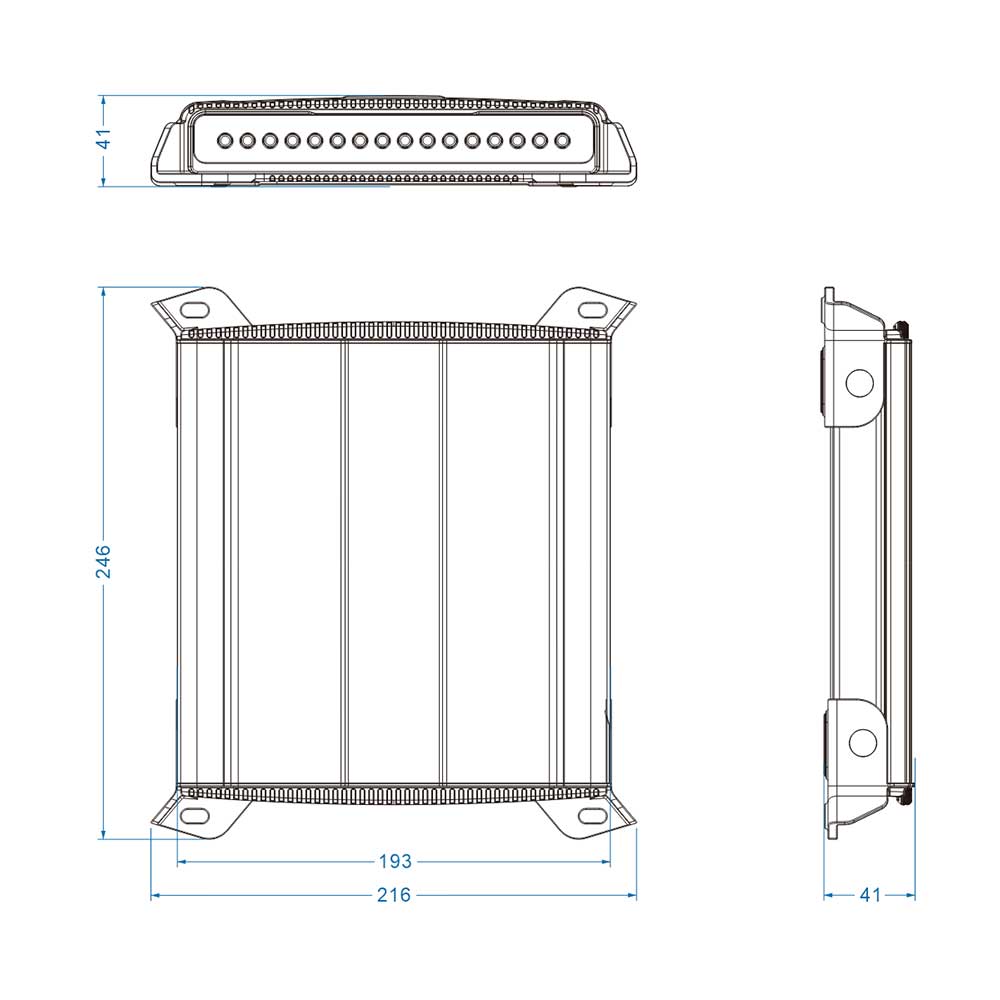
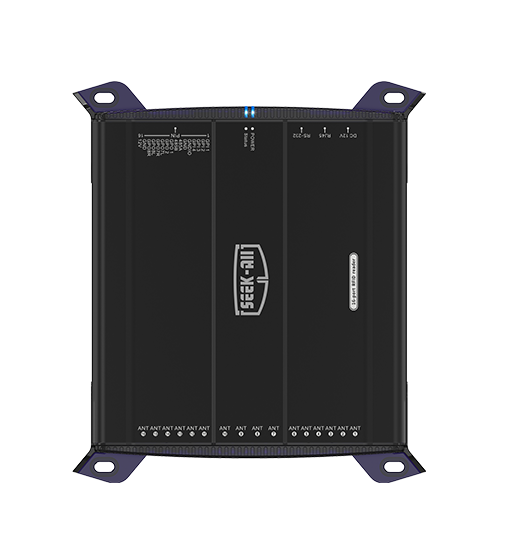
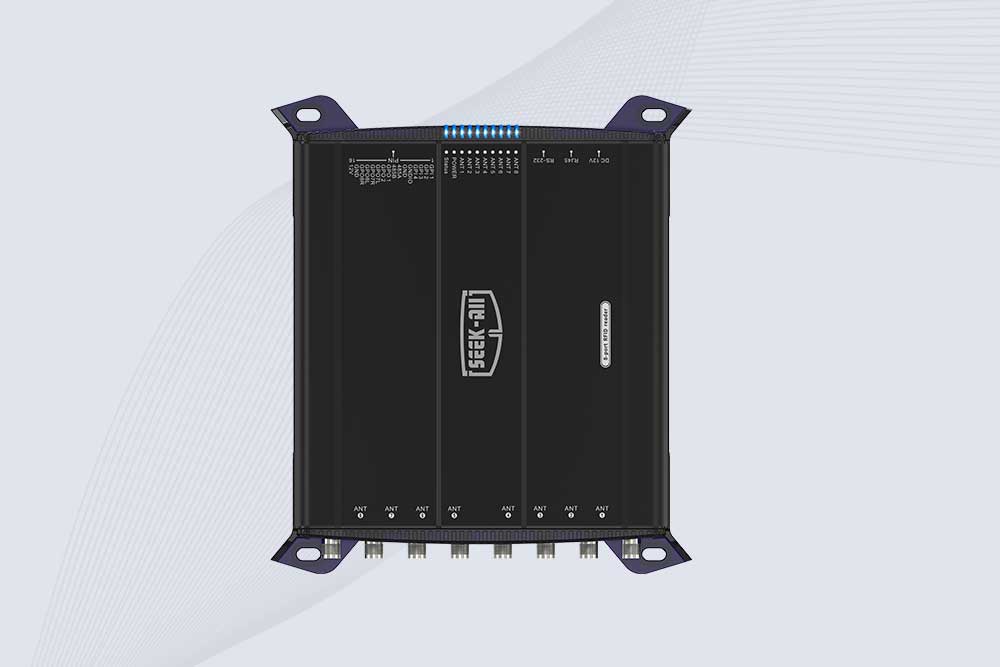
SSD-R16L
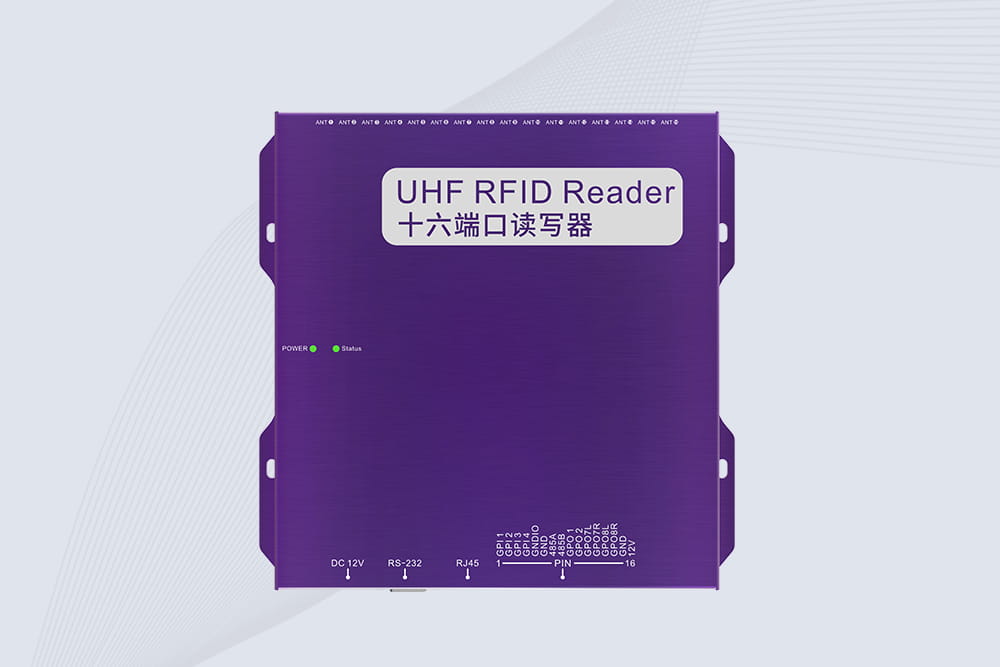
Multi-Channel RFID Infrastructure for Automated Inventory Management
✔️ 16-Port High-Density RFID Reading
Equipped with 16 SMA antenna ports, SSD-R16L supports multi-antenna deployment for warehouses, retail stores, logistics, production lines, and large-area RFID identification.
✔️ High-Speed & Long-Range Performance
With up to 33 dBm RF output power, -85 dBm sensitivity, and recognition speed over 600 tags/s, it delivers fast and stable tag reading and writing performance.
✔️ Flexible Industrial RFID Deployment
Supports 840–960 MHz adjustable frequency, fixed-frequency or frequency-hopping modes, RSSI, tag data filtering, antenna standing-wave detection, and online firmware upgrades.
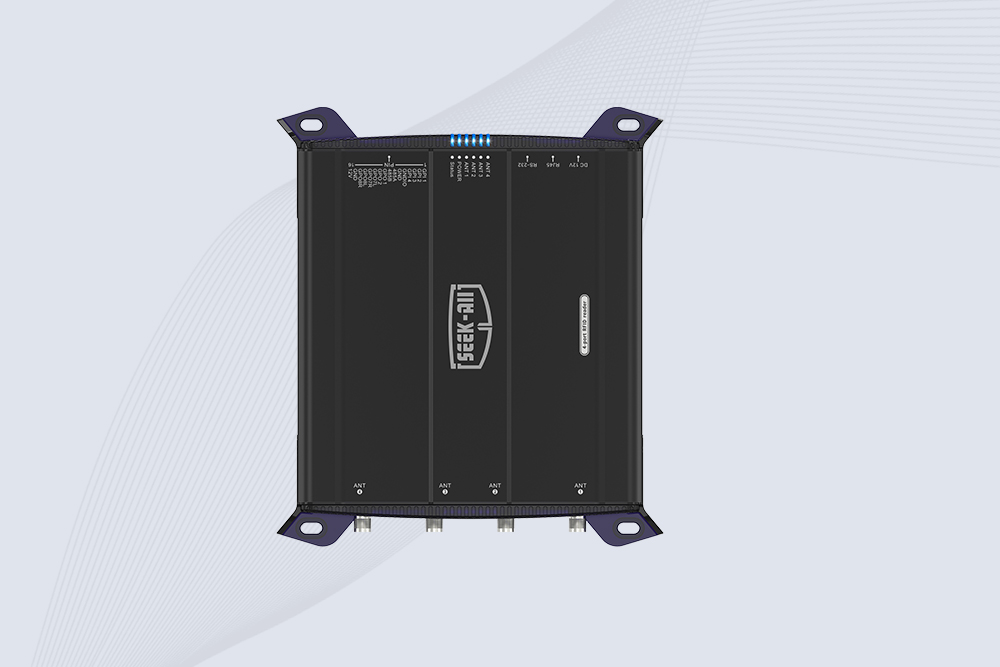
The SSD-R16L Fixed UHF RFID Reader is built for real-world industrial use—tracking assets at scale without constant human interaction. It’s got 4 independent antenna ports and adaptive frequency hopping, which gives it solid coverage of roughly 15 meters and the ability to read hundreds of tags per second without choking on data. The housing is IP65 and happy to run from -20°C to 60°C, so it doesn’t complain about dust, cold rooms, or hot factory floors. It also plugs cleanly into big-name systems like SAP or Oracle, so you don’t have to hack together weird middleware just to get data flowing.
SSD-R16L is a 16-port UHF RFID fixed reader designed for high-density RFID applications. With multiple antenna connections, fast tag recognition, adjustable RF power, and EPC C1G2 / ISO18000-6B/C protocol support, it can be used for warehouse inventory, logistics tracking, retail item management, production-line tracking, access control, asset management, and other applications that require multi-zone RFID identification.








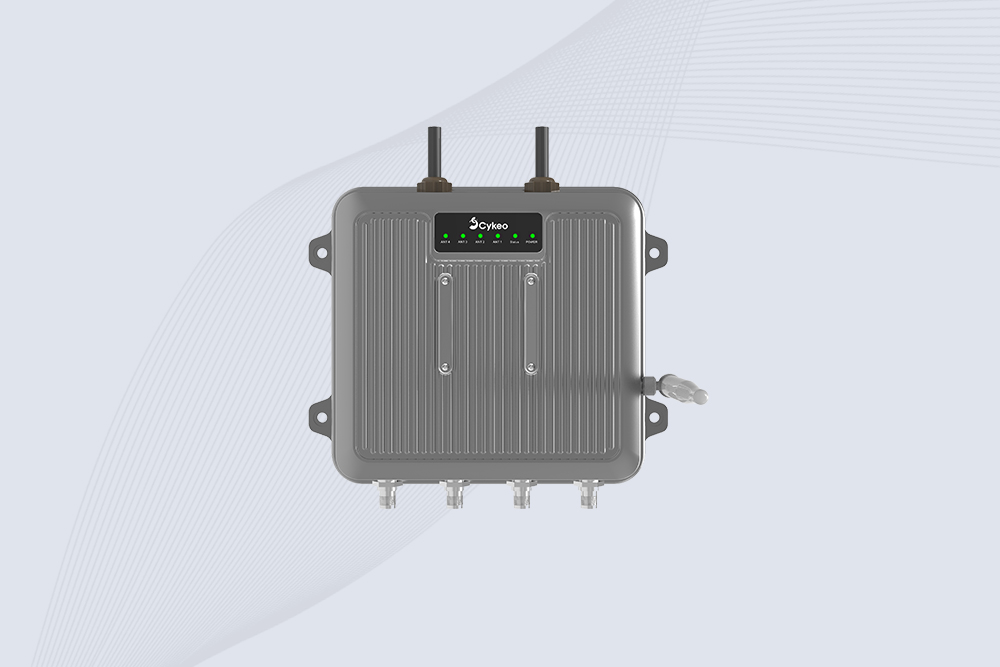
Fixed UHF RFID readers really shine in busy spots like dock doors, where tracking pallets manually would be a headache. The Cykeo FX-9000 is built for exactly that, supporting EPC Gen2v2 and ISO 18000-6C, so it works with standard supply chain tags worldwide.
It handles multiple antennas well—up to 8 can run together in Dense Reader Mode, which keeps wider portals from interfering. With a 32-bit processor, it can read over 2,000 tags per second, enough to keep up with pallets moving at 3 m/s. The unit is tough, too, running from -30°C to 65°C with 95% humidity and an IP67-rated housing that resists dust and water jets during loading.
For best results, mount four circular-polarized antennas at 45° above the doors for full coverage, set output around 30 dBm to balance range and regulations, and use Cykeo’s middleware to filter duplicates and feed data straight into SAP or ERP systems.
Performance Metrics:
| Scenario | FX-9000 Success Rate | Industry Average |
|---|---|---|
| Palletized Goods | 99.4% | 85% |
| Mixed-Material Containers | 98.1% | 72% |
| Fast-Moving Vehicles | 97.9% | 68% |
Fixed UHF RFID readers like the Cykeo FX-7000 Industrial Series are made for tough assembly-line environments, tracking metal-embedded assets without missing a beat. They use adaptive frequency hopping (902–928 MHz) and multi-protocol filtering to cut through the usual noise.
On the hardware side, near-field, metal-tuned antennas help read tags on car frames, slashing null zones by around 70% compared to standard far-field antennas. The system also leans on machine-learning algorithms to separate RFID signals from welding sparks or CNC interference, and double-shielded RG-316 coax cables keep signal loss to a minimum in high-EMI zones.
In practice, one Tier 1 automotive supplier put FX-7000 readers at 20 workstations and cut part misplacements by 55%, hitting 98.6% read accuracy on engine blocks and transmissions. Key setup steps include using on-metal tags with a small foam spacer, switching the reader into “Metal Mode” for optimal sensitivity, and routing data through Modbus/TCP to MES systems like Siemens Teamcenter for real-time updates.
The maximum RF output power is 33 dBm ±1 dBm per port, with 1 dBm step adjustment.
Yes. SSD-R16L supports online firmware upgrades for easier maintenance and feature updates.
Yes. SSD-R16L is designed for intensive reading and writing and supports recognition speeds above 600 tags per second.
Yes. The reader supports tag writing, with a typical writing distance of up to 10 meters depending on the tag and application environment.
The reading distance can reach up to 20 meters, depending on the RFID tag, antenna, installation environment, and RF settings.
It supports EPC C1G2 and ISO18000-6B/C protocols.
It supports 840–960 MHz with adjustable frequency configuration.
SSD-R16L provides 16 SMA female antenna ports and supports up to 16 antenna connections.
Modern fixed readers like the FX-9000 make it pretty easy to connect with older systems—they support RESTful APIs, OPC UA, and even direct SQL syncing. Usually, the first step is mapping RFID fields like EPC, timestamp, and location to your WMS columns, which you can do with the Cykeo Connect SDK in Java, C#, or Python.
The readers can also do a bit of edge computing—filtering duplicates and prepping data right on the embedded Linux OS—so your WMS doesn’t get slammed, cutting server load by up to 40%. For safety, you can use dual Ethernet ports to send data to both the WMS and a backup server, keeping everything safe even if the network hiccups.
They work with legacy WMS like SAP ECC, Oracle JD Edwards, and Manhattan, IIoT platforms such as AWS IoT SiteWise or Azure Sphere, and even custom in-house systems via JSON or XML. In one case, a 3PL logistics provider hooked FX-9000 readers to a 20-year-old WMS and cut $220k in manual scanning costs, while hitting 100% scan accuracy for inbound and outbound shipments.
CYKEO-M1LX2 UHF Embedded RFID Modules
CYKEO-M1LX1 UHF Embedded RFID Module
CYKEO-M1 UHF Drone RFID Module
UHF 16-PORT RFID Reader Module
CYKEO-M8L 8-PORT UHF RFID Module
CYKEO-M4L UHF 4-CHANNELRFID MODULE
Industrial Forklift RFID Reader
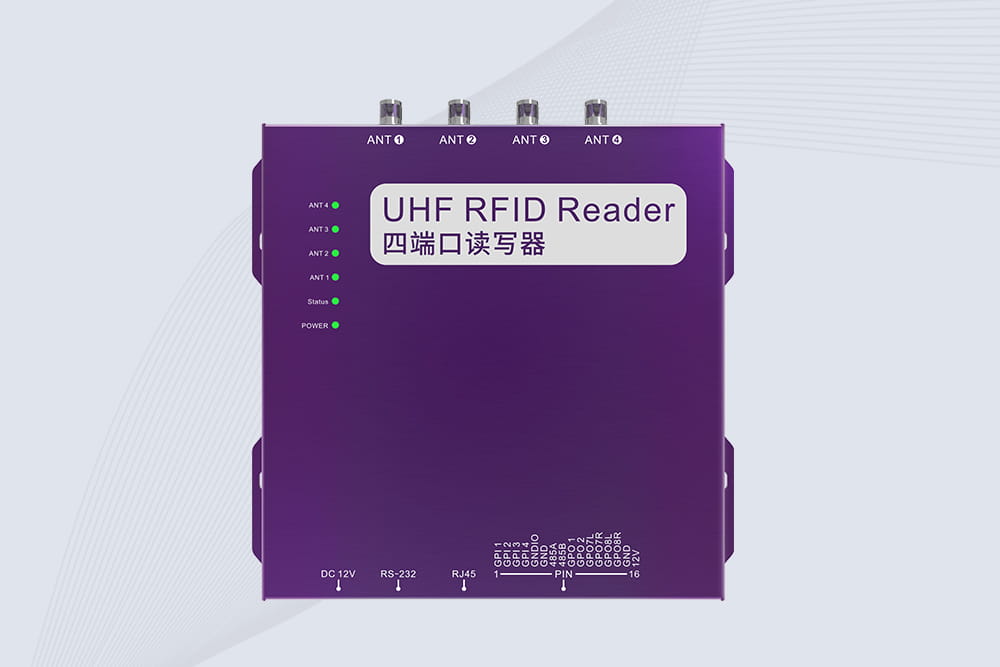
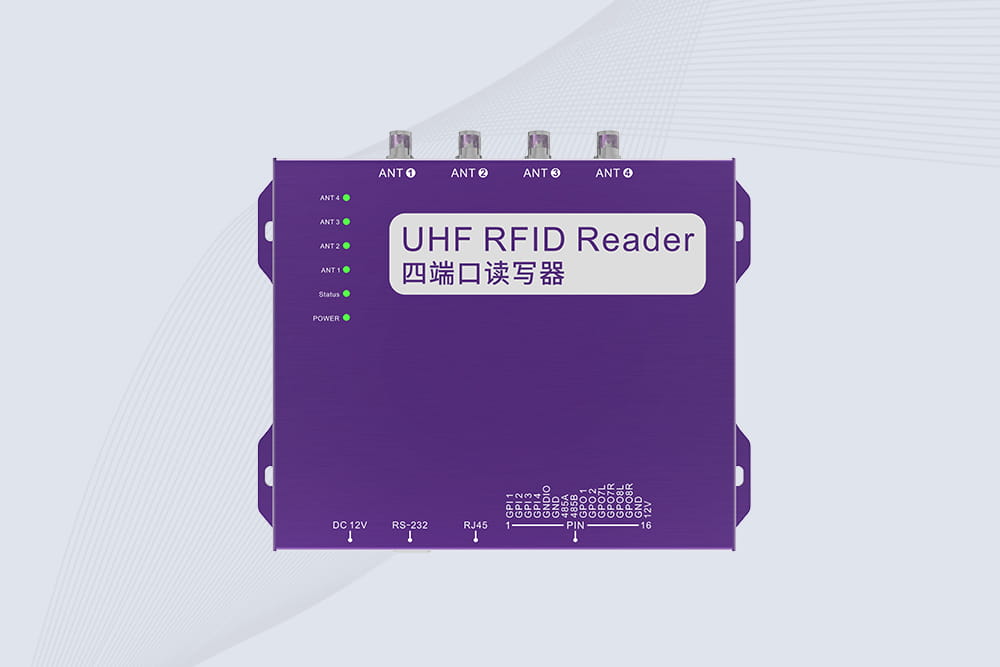
CYKEO-R4 4-Port UHF RFID Fixed Reader
CYKEO-R4L 4-Port Fixed UHF RFID Reader
Cykeo RFID solutions empower cross-industry operations, delivering precision tracking for supply chain optimization, industrial IoT deployments, and mission-critical asset management across logistics, healthcare, aviation, smart manufacturing, energy infrastructure, and security systems.