 Cykeo RFID IoT Solution Products R&D Manufacturer
Do RFID Readers Work in Extreme Temperatures? Durability Explained
862Can RFID readers withstand extreme cold or heat? Discover how industrial-grade designs ensure reliability in freezing or scorching environments.
MoreAll RFID Product
I’ve wired the RC522 to an Arduino so many times that I kind of stopped counting.
But the funny part is — every single time, something small still goes wrong.
A loose wire, wrong voltage, weird noise on the serial monitor. So yeah, I figured I’d just write down what really happens when you try to get this combo working.
First thing: 3.3 volts.
Don’t trust the 5V pin, even if some modules “look” okay with it. I tried it once out of laziness. It didn’t smoke, but the readings went all over the place. Random UIDs, sometimes no response at all.
So now I always feed the RC522 from the 3.3V pin on the Arduino.
And I double-check ground — common ground between everything, or it just won’t talk.
Honestly, 90% of “why won’t it read?” moments come from bad power or missing GND.
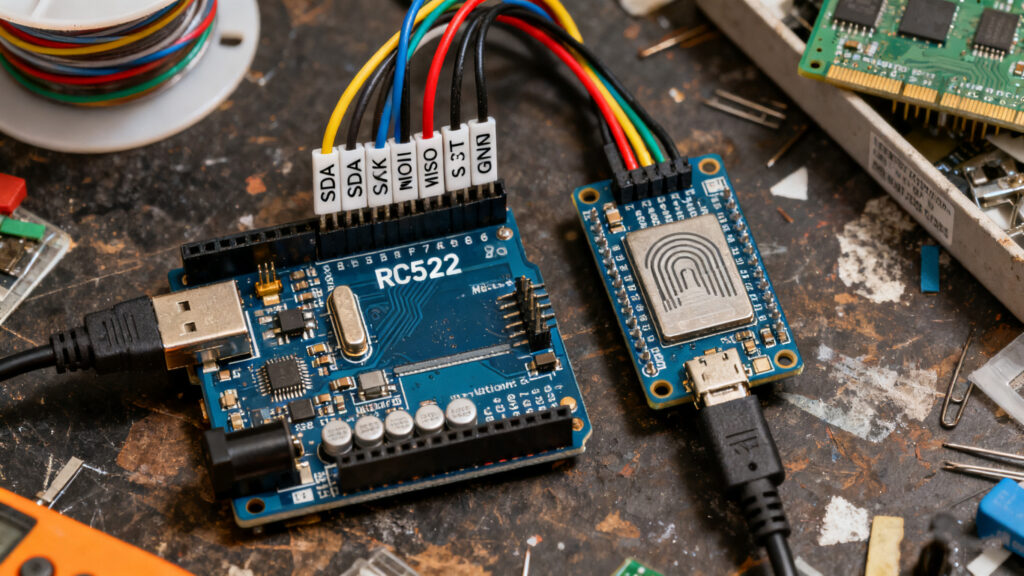
Every tutorial shows the same wiring, but when you’re sitting there with the wires in your hand, the labels never quite match.
SDA, SCK, MOSI, MISO, RST — sounds simple enough, but flip the board and suddenly you’re staring at upside-down text. I once connected SDA to the wrong pin and spent an hour blaming my code.
Spoiler: it wasn’t the code.
My rule now: color-code your Dupont cables.
Red for VCC, black for GND, blue for data. Looks childish, but it saves sanity.
You’ll know it’s finally alive when you tap the card and the serial monitor prints a clean UID.
It’s such a small thing, but that moment always feels great. The module beeps (if you wired the buzzer) or the LED blinks, and you’re like — yes, it’s alive.
That’s when I usually stop touching anything, afraid it’ll suddenly stop working again.
And if you’re testing multiple tags, you’ll notice something else — the RC522 doesn’t like distance.
Two, maybe five centimeters max. Move your hand slightly off-center, and boom, nothing. It’s normal. The antenna field is small and picky.
Yeah, I tried that.
Two, sometimes three readers, all connected to one Arduino.
It works, but only if you share MOSI, MISO, and SCK — and give each RC522 its own SDA (or SS) pin. You can only talk to one reader at a time.
Also, don’t put them too close together.
If the antennas overlap, they start fighting. I didn’t believe that at first, but you’ll see it — both readers blink, neither actually reads. I had to separate them by a few centimeters to get stable reads.
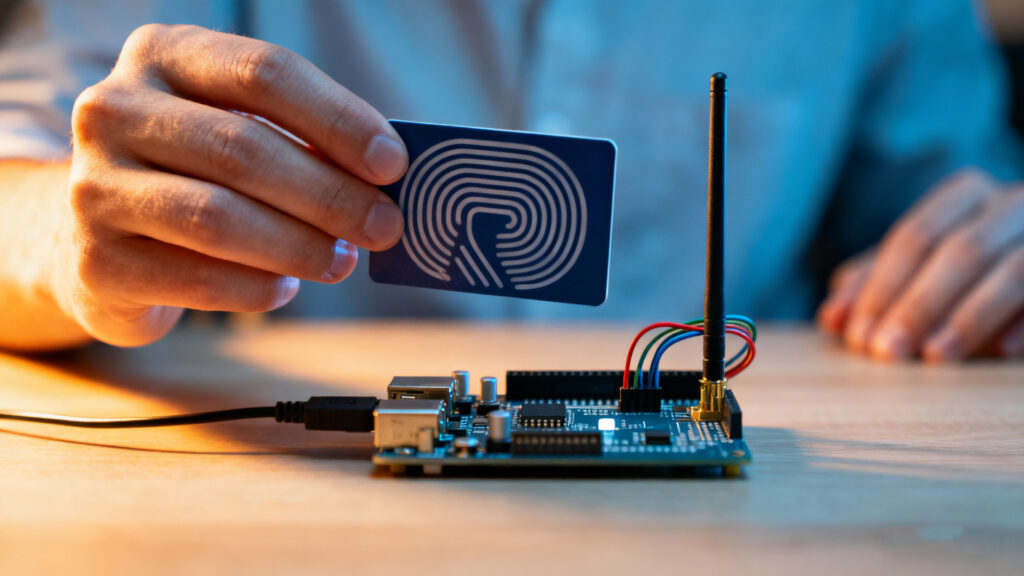
So here’s something I wish I’d known earlier:
Don’t treat the tag’s UID like a password. It’s not secret, and it’s super easy to clone. I learned that after I bought a few extra tags and realized one had the same ID as my old one.
Now I just treat the UID as an identifier — nothing more.
If you’re doing access control, let the Arduino check a list or talk to a backend.
That’s the only real way to keep it safe.
Sometimes you just have to laugh. This stuff humbles you fast.
Honestly, connecting the RC522 to Arduino is not hard — it’s just… sensitive.
It wants clean wiring, proper voltage, no loose pins, no assumptions.
But once it works, it’s one of those rfid modules that makes you feel good. You hold the card up, the light blinks, and for a second you feel like you built something real.
So yeah, my advice?
3.3 volts. Common ground. Keep the wires short. Don’t panic.
And don’t trust the internet when it says it “just works.” It does, but only after it doesn’t — for about two hours.
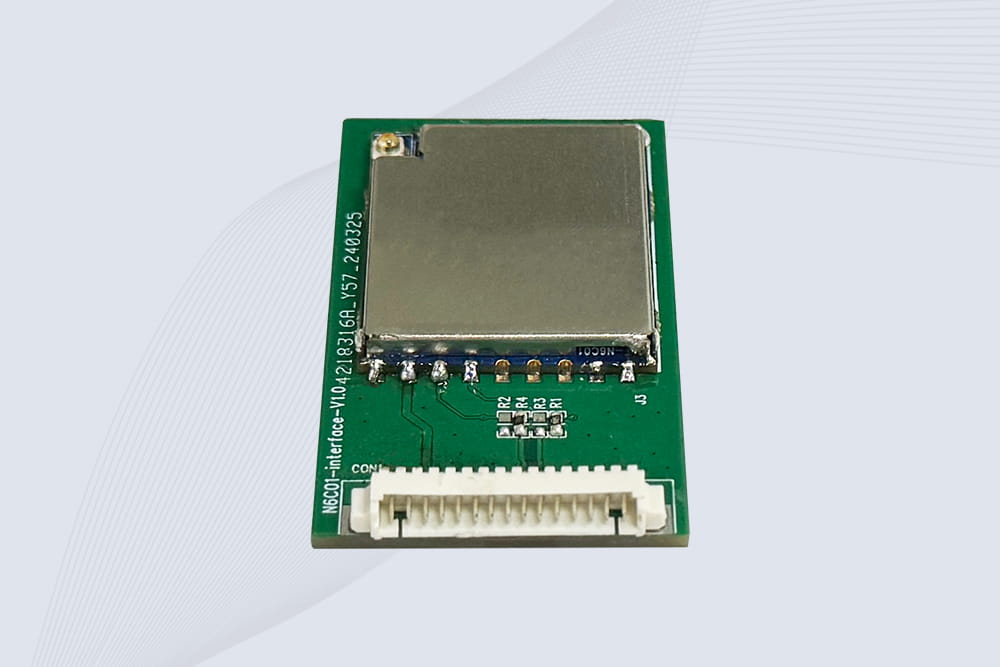
CYKEO Embedded RFID Modules are designed for compact industrial and IoT devices that require stable UHF performance. These UHF RFID Modules support global protocols, flexible power control, and reliable multi-tag reading for smart cabinets, production lines, and asset tracking systems.
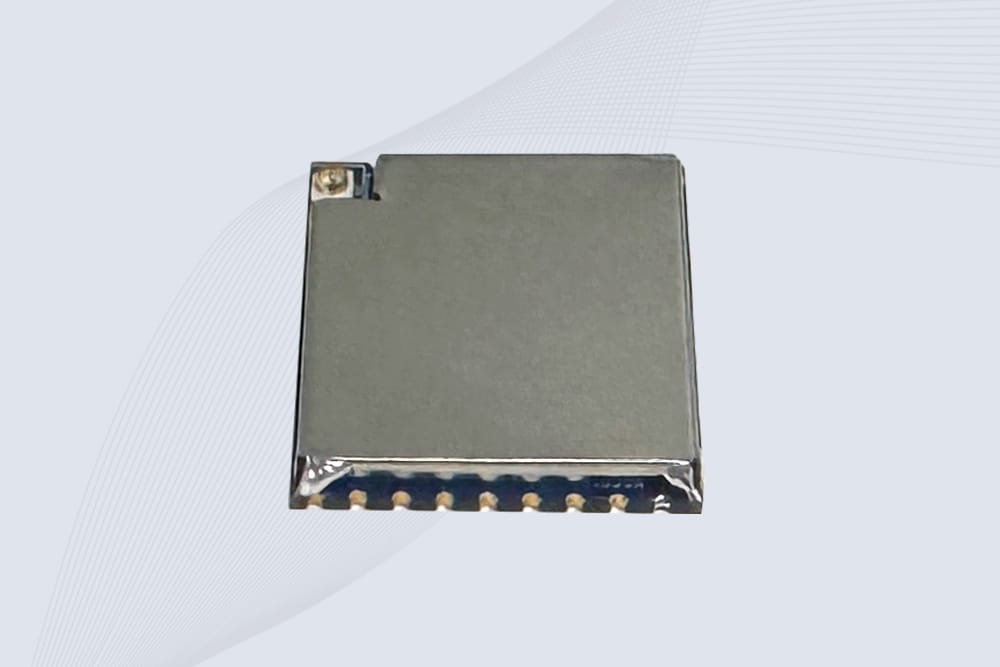
CYKEO Embedded RFID Module is built for compact IoT and industrial devices that need stable UHF performance. This UHF module supports global protocols, low power operation, and reliable multi-tag reading for smart lockers, production lines, and always-on RFID systems.
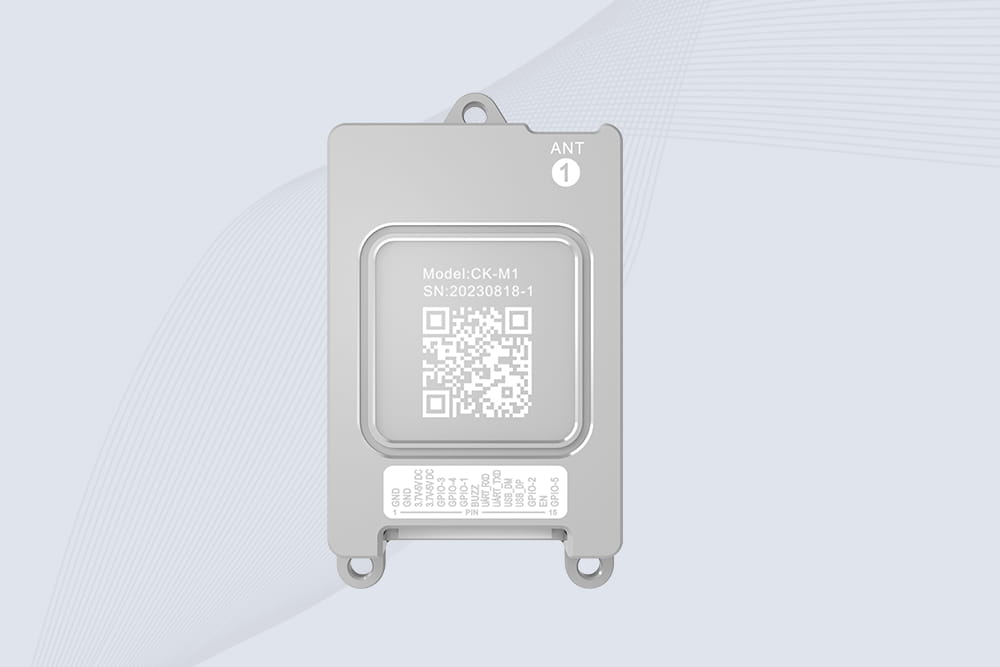
CYKEO CYKEO-M1 drone rfid module is a compact UHF RFID reader module designed for drones and UAV platforms. It supports long-range aerial scanning, fast multi-tag reading, and stable performance in wind, vibration, and outdoor environments.
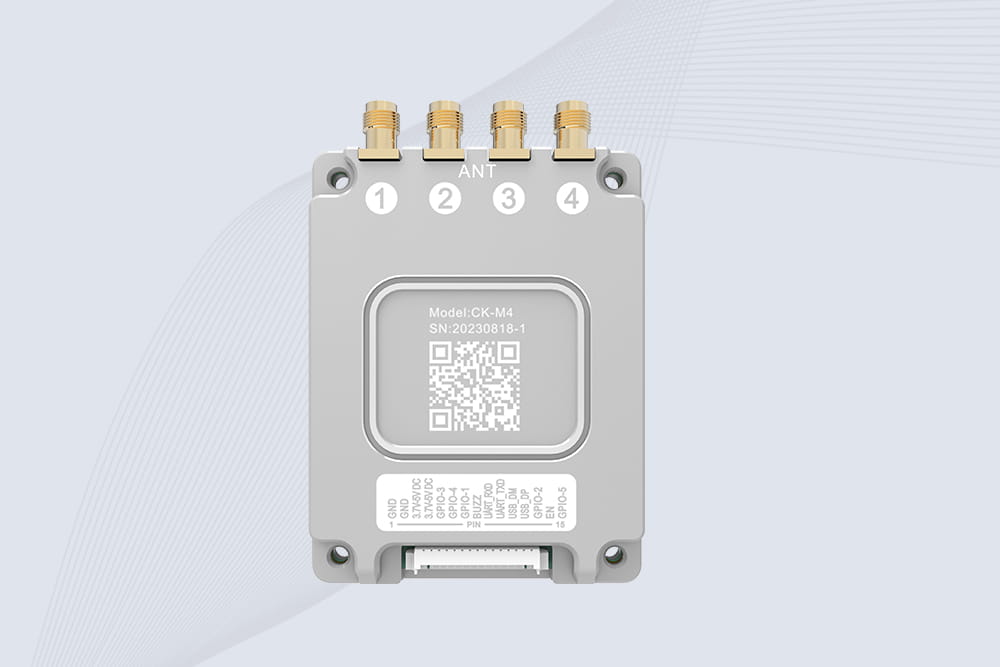
CYKEO CYKEO-M4 RC522 RFID Module is an industrial-grade UHF RFID reader with 4 ports, supporting ISO, EPC, and GB protocols. High-speed, accurate reading for IoT, automation, and warehouse applications.

Can RFID readers withstand extreme cold or heat? Discover how industrial-grade designs ensure reliability in freezing or scorching environments.
More
RFID in retail helps stores improve inventory accuracy, reduce shrinkage, and support omnichannel sales. Learn what works on the shop floor.
More
Discover how does passive rfid work, including RF energy, backscatter communication, tag antennas, reader signals, read range, and real-world industrial RFID use.
More
RFID (Radio Frequency Identification) is a wireless communication technology. Automatically identifying and tracking the corresponding frequency band tags on attached objects by emitting electromagnetic waves of different frequency bands emitted b...
More