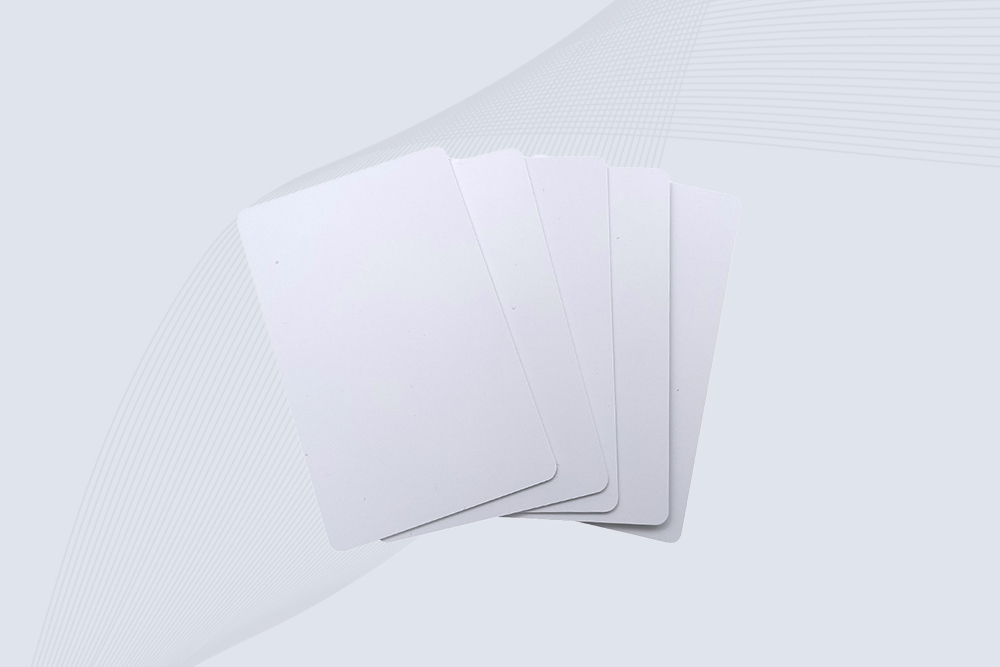
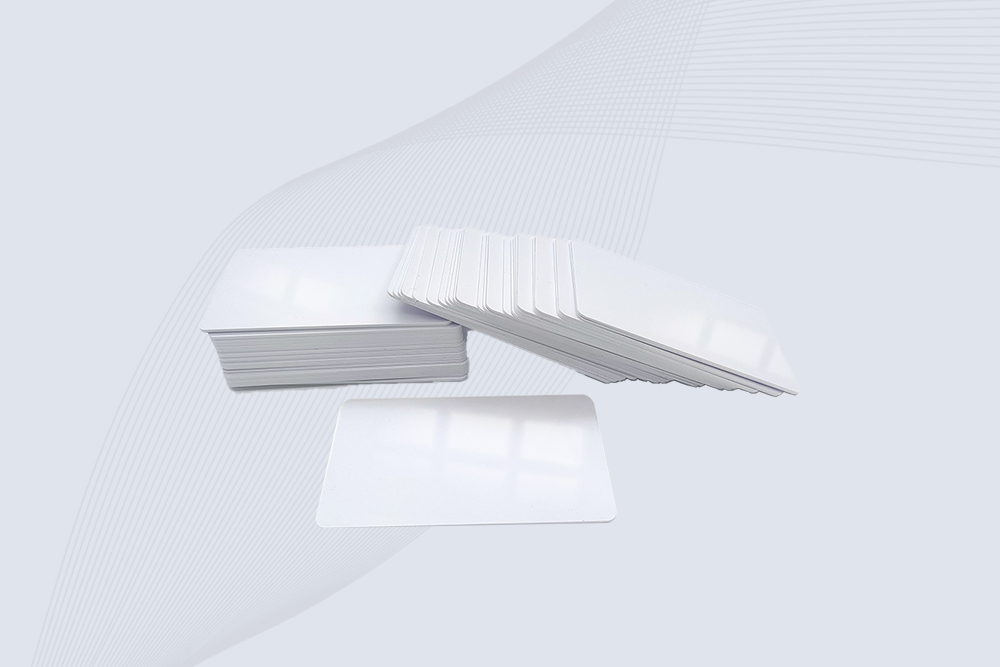
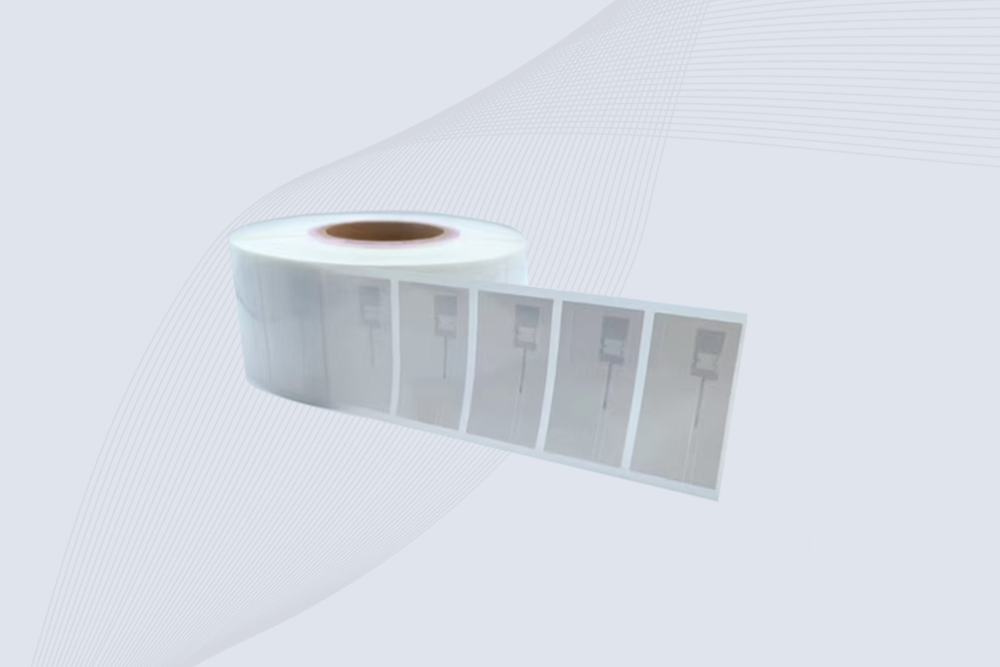
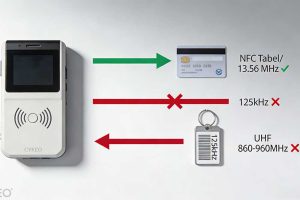
If you’ve ever found an RFID card in your office, apartment building, or access control system and wondered, “What frequency does this card use?” you’re not alone.
Knowing an RFID card’s frequency is important when replacing cards, purchasing readers, troubleshooting access systems, or planning an RFID upgrade. The challenge is that most RFID cards look nearly identical on the outside, even though they may operate on completely different frequencies.
The good news is that there are several practical ways to identify an RFID card’s frequency without needing expensive laboratory equipment.
Why RFID Card Frequency Matters
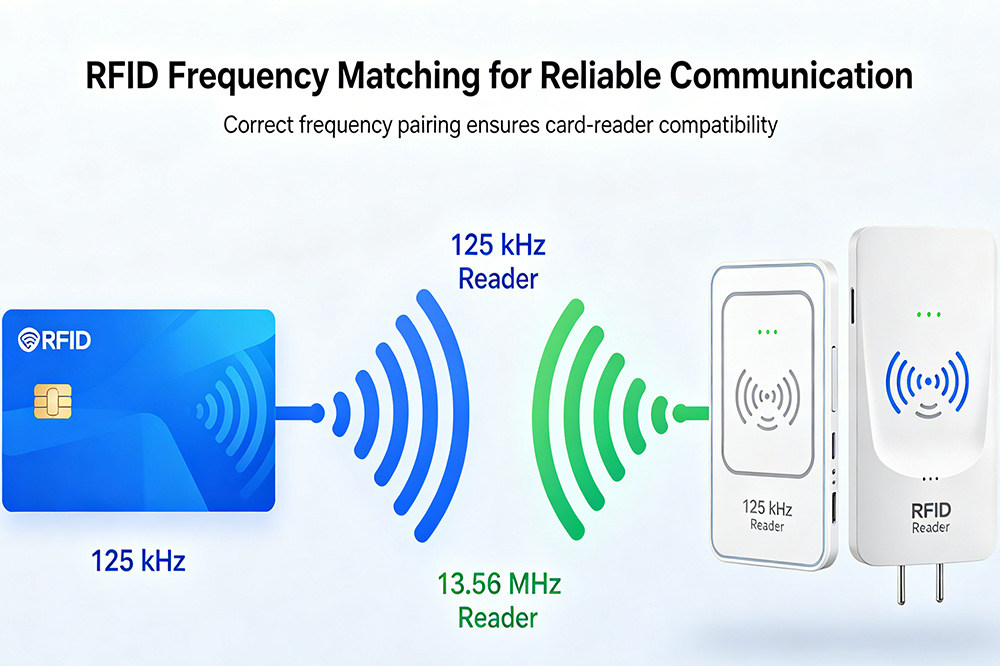
RFID systems operate on different frequency ranges, and devices designed for one frequency typically cannot communicate with tags from another.
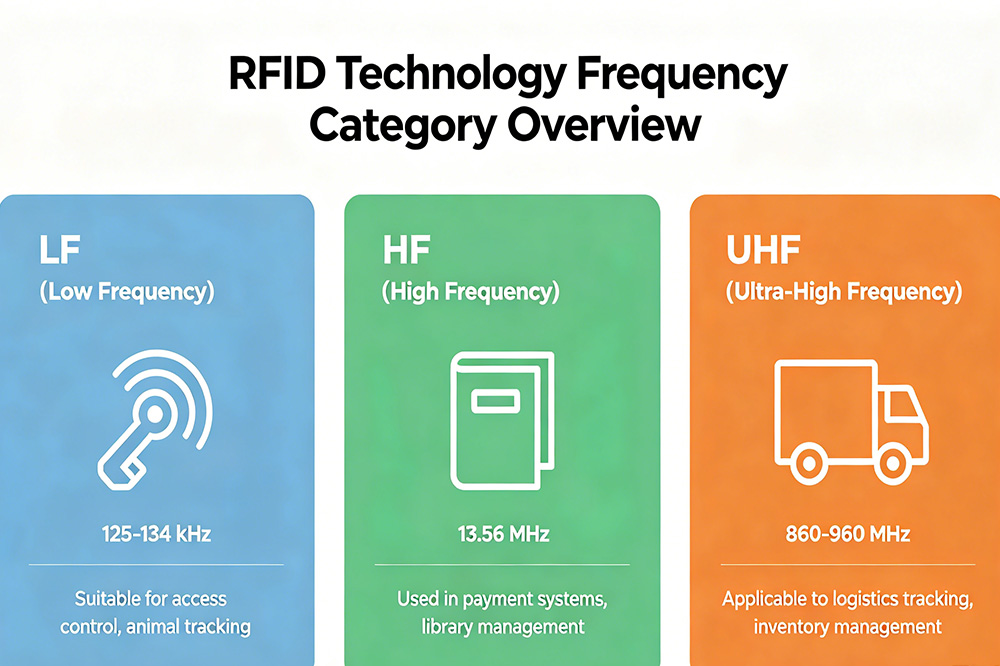
The three most common RFID frequency categories are:
Frequency Type
Range
Typical Applications
Low Frequency (LF)
125 kHz / 134.2 kHz
Access control, animal identification, industrial systems
High Frequency (HF)
13.56 MHz
Smart cards, NFC, payment systems, transit cards
Ultra-High Frequency (UHF)
860-960 MHz
Inventory tracking, logistics, asset management
Before purchasing new cards or readers, you need to know which frequency your current system uses.
If you’ve ever held a plastic access card, a warehouse tag, or a library label and wondered “Is this an RFID tag, and what type is it?”, you’re not alone. RFID technology hides in plain sight — inside cards, stickers, and even tools — and it comes in several different types. Knowing how to identify your RFID tag can save hours of trial and error, especially if you’re troubleshooting or planning to integrate it into a new system.How to Identify an RFID Tag: A Practical Guide for Everyday Use
Method 1: Check the Card Surface
The easiest place to start is the card itself.
Many RFID cards have information printed on the front or back, such as:
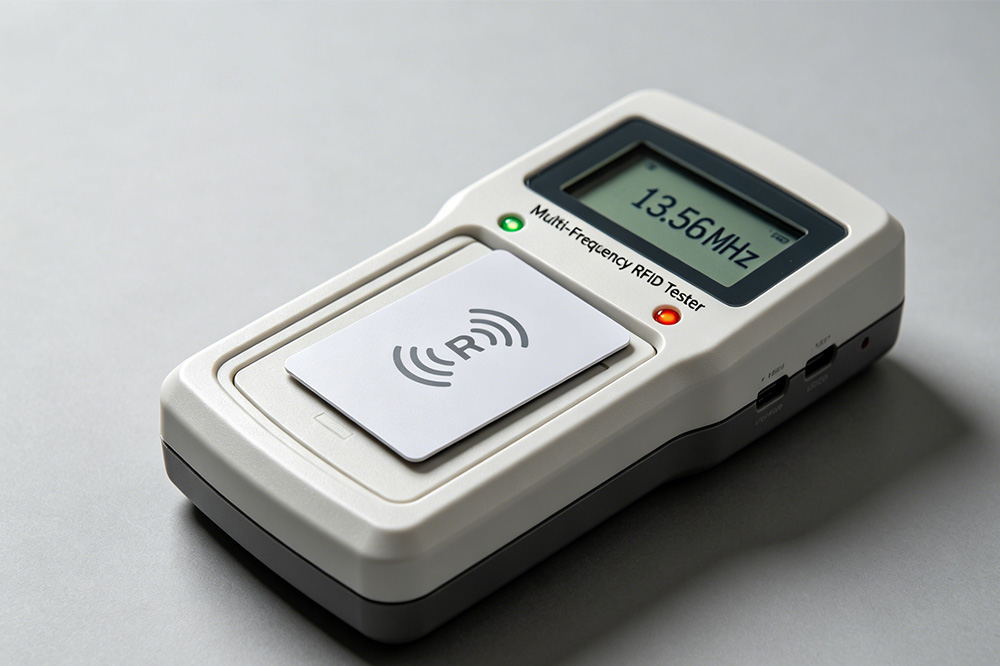
One of the most reliable methods is using a reader that supports multiple RFID frequencies.
Many RFID testing devices can automatically detect whether a card operates at:
125 kHz
134.2 kHz
13.56 MHz
UHF frequencies
Simply place the card near the tester. If the device recognizes the card, it will typically display the frequency or protocol being used.
This method is commonly used by system integrators and security technicians because it provides immediate results without opening the card or guessing.
Method 3: Use a Smartphone (For HF Cards Only)
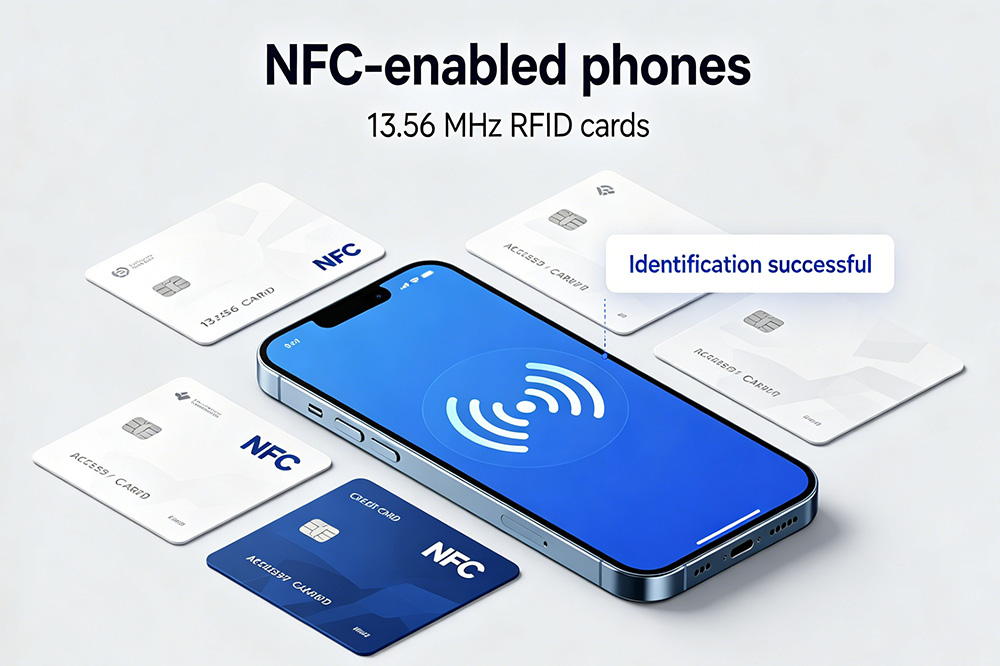
If your smartphone supports NFC, it may help identify certain RFID cards.
Most NFC-enabled phones can read:
NFC tags
Many 13.56 MHz HF cards
Some smart access cards
To test:
Enable NFC on your phone.
Place the card against the NFC antenna area.
Use an NFC scanning application.
Check whether tag information appears.
If the phone successfully reads the card, it’s almost certainly operating at 13.56 MHz.
However, if nothing happens, the card could still be a valid RFID card using LF or UHF frequencies that smartphones cannot detect.
Method 4: Check Existing System Documentation
If the card belongs to an existing access control system, documentation can often reveal the frequency.
Look for:
Installation manuals
Reader specifications
Product labels on readers
Maintenance records
Reader specifications usually state supported frequencies clearly.
For example:
Reader supports 125 kHz cards
Reader supports 13.56 MHz cards
Reader supports UHF EPC Gen2 tags
Since RFID systems require compatible frequencies, identifying the reader often identifies the card frequency as well.
Method 5: Observe Reading Distance
Reading range can provide useful clues.
Low Frequency (125 kHz)
Typical read distance:
A few centimeters
Usually requires close contact
Common in:
Door access systems
Time attendance systems
High Frequency (13.56 MHz)
Typical read distance:
Up to around 10 cm
Common in:
Smart cards
Campus cards
NFC applications
UHF (860-960 MHz)
Typical read distance:
Several feet to several meters
Common in:
Warehouse inventory
Asset tracking
Logistics operations
While this method isn’t exact, it can help narrow down possibilities.
Method 6: Use an RF Spectrum Analyzer
For advanced users, a spectrum analyzer can detect RFID transmissions.
When a card communicates with a reader, radio signals appear at the operating frequency.
This approach can identify:
125 kHz systems
13.56 MHz systems
UHF RFID systems
However, spectrum analyzers are typically used by engineers and technicians because they require specialized knowledge and equipment.
For most users, a dedicated RFID frequency tester is much easier.
Can You Determine Frequency by Looking Inside the Card?
Some people assume opening the card will reveal its frequency.
Unfortunately, this is usually not practical.
Although the antenna design may provide hints:
LF antennas often contain many wire turns.
HF antennas typically have fewer, larger loops.
UHF antennas usually look completely different.
Accurately determining frequency from antenna appearance alone requires technical expertise and isn’t always reliable.
In most cases, electronic testing is faster and more accurate.
Common RFID Frequency Identification Mistakes
Assuming All Access Cards Use the Same Frequency
Two cards may look identical while operating on completely different frequencies.
Appearance alone is not enough.
Confusing NFC with All RFID
NFC is only one subset of RFID technology and operates at 13.56 MHz.
Many access cards use frequencies that smartphones cannot read.
Buying Replacement Cards Without Testing
Many compatibility issues occur because users purchase cards based on appearance instead of frequency and protocol.
Always verify both before ordering replacements.
Which RFID Frequency Is Most Common?
The answer depends on the application.
125 kHz remains popular in legacy access control systems.
13.56 MHz dominates modern smart card and NFC applications.
UHF is widely used in supply chain and inventory management.
There is no single “universal” RFID frequency.
The best way to determine compatibility is to identify the exact frequency and protocol used by your existing system.
Final Thoughts
Checking RFID card frequency doesn’t have to be complicated. Start by examining the card for markings, then test it with an RFID reader or NFC-enabled smartphone when possible. If those methods don’t work, reviewing system documentation or using a dedicated RFID frequency tester can quickly provide an answer.
Whether you’re replacing access cards, deploying a new RFID system, or troubleshooting compatibility issues, knowing the card’s operating frequency is the first step toward ensuring everything works together correctly.
CYKEO Passive RFID Tags are made for wet and high-humidity environments where standard labels do not last. This rfid passive tag is often used around liquids, chemicals and temperature changes, providing stable reading distance and long data life for industrial tracking.
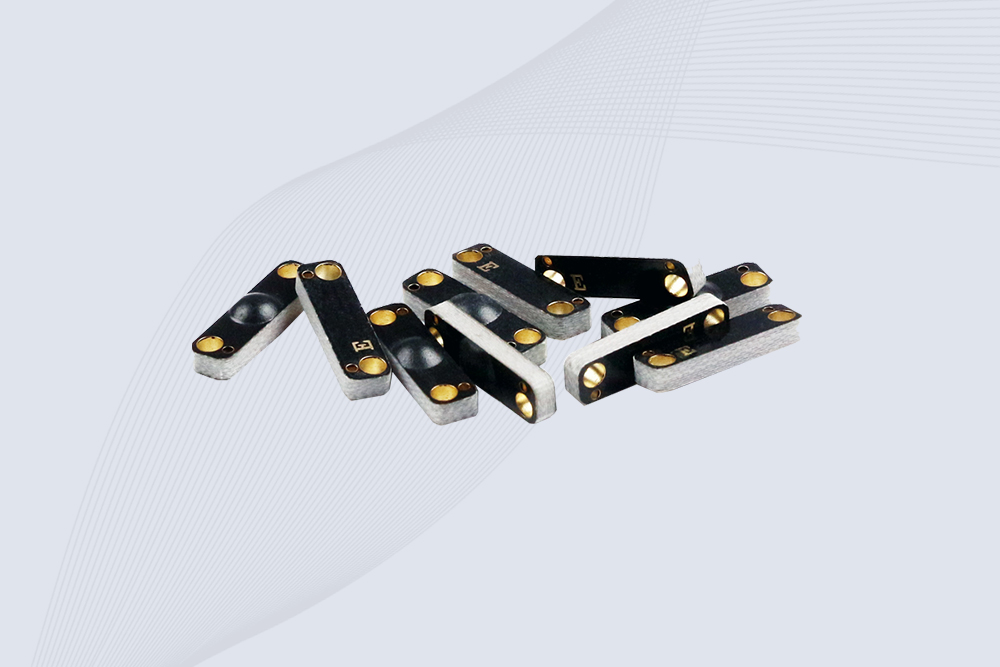
CYKEO CYKEO-PCB1504 Metal RFID Tags is a compact anti-metal UHF RFID solution built for direct mounting on metal surfaces. With stable 8-meter read range, Ucode-8 chip, and long data retention, this rfid metal tag fits tools, containers, automotive parts, and industrial asset tracking.
CYKEO CYKEO-PCB7020 On-Metal RFID Tags are designed for reliable tracking on steel and metal surfaces. Built with an FR4 epoxy body and industrial-grade chips, these On-Metal RFID Tags deliver stable performance, long data life, and chemical resistance, making them a dependable RFID anti-metal tag for harsh environments.
The CYKEO CYKEO-60-25 Anti-Metal RFID Tag is built for metal surfaces where standard tags fail. Designed for long-range performance, harsh environments, and stable data retention, this Anti-Metal RFID Tag is ideal for industrial assets, containers, and equipment tracking using on metal RFID tags.
The CYKEO RFID Laundry Tag is designed for long-term textile identification in harsh laundry environments. Built to withstand high heat, chemicals, and repeated washing, this RFID Laundry Tag delivers stable performance for hotels, hospitals, and industrial laundry operations using laundry rfid tags at scale.
The CYKEO CYKEO-125-7 RFID Book Tag is designed for reliable book and document tracking in libraries and archives. This RFID Book Tag delivers long read range, dense placement support, and stable performance on shelves, making it a practical rfid tag on books for library automation, file management, and archival systems.
CYKEO RFID tags in hospitals are designed for sterile environments where accuracy matters. These autoclavable RFID tags support long-term tracking of surgical tools, implants, and medications, helping hospitals improve visibility, compliance, and patient safety.
CYKEO RFID Cable Tie Tag is built for reliable identification on metal surfaces. This UHF RFID Cable Tie Tag is widely used in rfid tags for inventory systems, industrial asset management and Hospital RFID Tags, offering stable read performance, long service life and global EPC Gen2 compatibility.
CYKEO RFID Asset Tag is designed for stable identification of metal assets in industrial environments. This UHF RFID Asset Tag is commonly used for rfid tag asset tracking on equipment, tools and containers, providing reliable reads, long service life and ISO/IEC 18000-6C support.
CYKEO UHF RFID Card is designed for fast identification and long-term use in industrial and commercial systems. Supporting ISO 18000-6C, this UHF RFID Card works at 860–960 MHz and is suitable for custom RFID cards used in asset tracking, access control and inventory management.
CYKEO HF RFID Cards are designed for secure and stable access control systems. These 13.56 MHz RFID key cards support ISO 14443-A, reliable rewriting and long service life, making HF RFID Cards suitable for offices, campuses, events and membership management.
CYKEO UHF RFID Tag is designed for reliable tracking of metal jewelry and high-value items. This Jewelry RFID Tag supports long-range reading up to 8 meters, anti-counterfeit protection and stable performance on metal, making it suitable for retail, inventory control and asset management.
RFID Industry Writer | IoT & Asset Tracking Analyst
James writes about RFID technology, asset tracking, and the practical challenges of digital transformation across warehousing, retail, manufacturing, and logistics.
His work focuses on how RFID is applied in real-world operations—improving inventory visibility, automating workflows, and helping businesses manage assets with greater accuracy and efficiency.
He regularly covers topics including UHF RFID, smart cabinets, RFID portals, tool tracking, warehouse automation, and industrial IoT trends..
As technology advances rapidly, the concept of smart cities has garnered increasing attention. Among the key technologies enabling smart city development, Radio Frequency Identification (RFID) plays a pivotal role in boosting urban efficiency and ...
CYKEO long range RFID tag reader with 9dBi integrated antenna, rugged design, outdoor-ready, real-time tag reading, and multi-protocol support. Perfect for warehouses, logistics, and industrial automation.
What is UHF RFID reader? Learn how UHF RFID readers identify multiple tags, improve tracking accuracy, and support warehouse, logistics, and industrial automation with Cykeo.
 Cykeo RFID IoT Solution Products R&D Manufacturer