“How do I know if there’s an RFID tag inside this card, sticker, or device?”
Maybe you’ve found an old access card and want to know whether it still contains a working RFID chip. Maybe you’re trying to identify a warehouse label. Or maybe you’re simply curious whether an item contains RFID technology at all.
The tricky part is that RFID tags are often hidden.
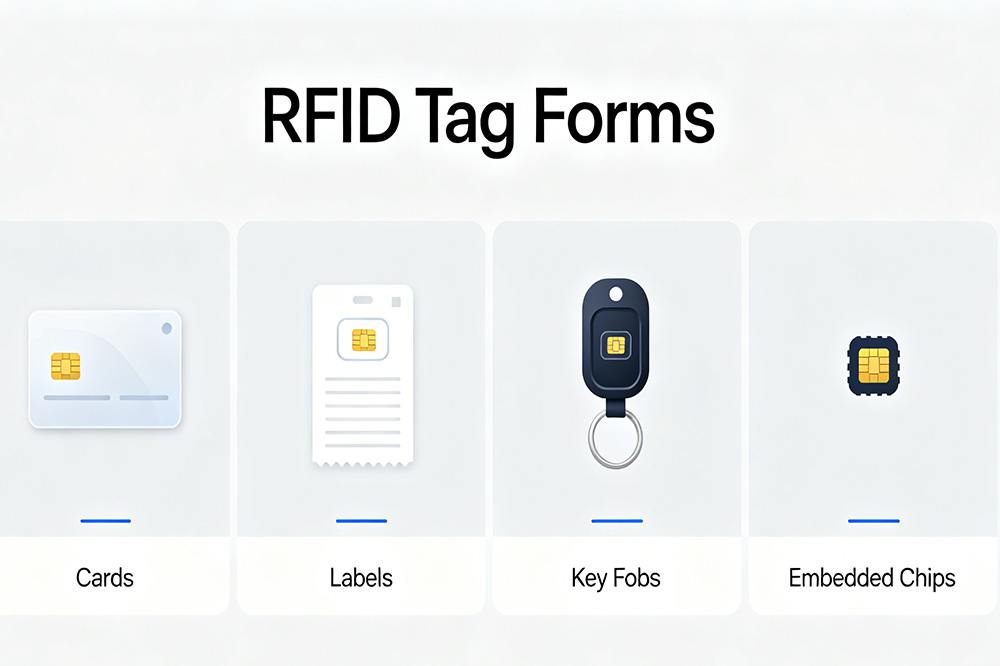
Unlike a barcode, you can’t always see them. Many are embedded inside plastic cards, laminated labels, key fobs, wristbands, and even equipment housings. Some are obvious, while others are almost impossible to spot unless you know what you’re looking for.
The good news is that you don’t always need expensive test equipment to figure it out.
Depending on the type of RFID tag, a smartphone, a compatible reader, or even a careful visual inspection may give you the answer.
Here’s how people typically detect RFID tags in real-world situations.
First, Understand What You’re Trying to Detect
One thing that causes confusion is that “RFID” isn’t a single technology.
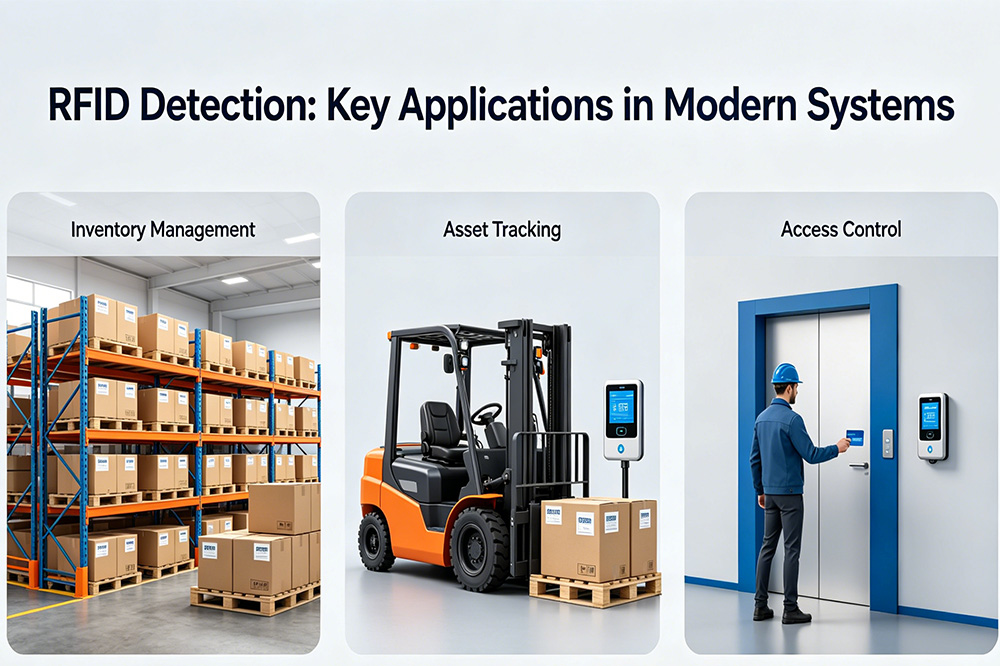
A tag used for a building access card may operate very differently from a tag attached to a warehouse pallet.
Most RFID tags fall into three groups:
Type
Frequency
Typical Use
LF RFID
125 kHz or 134.2 kHz
Access control, animal identification
HF RFID
13.56 MHz
NFC cards, transit cards, smart cards
UHF RFID
860-960 MHz
Inventory tracking, logistics
This matters because the detection method often depends on which type of tag you’re dealing with.
A phone that can read an NFC card may completely ignore a 125 kHz access card.
That’s not because the tag is broken. It’s because the phone simply wasn’t designed to communicate with that frequency.
Look for Physical Clues First
Before reaching for any tools, spend a minute examining the object itself.
You’d be surprised how often the answer is right in front of you.
Common signs include:
RFID logos
NFC symbols
Asset tracking labels
Access control markings
Security stickers hidden inside packaging
If you’re looking at a plastic card, try holding it up to a bright light.
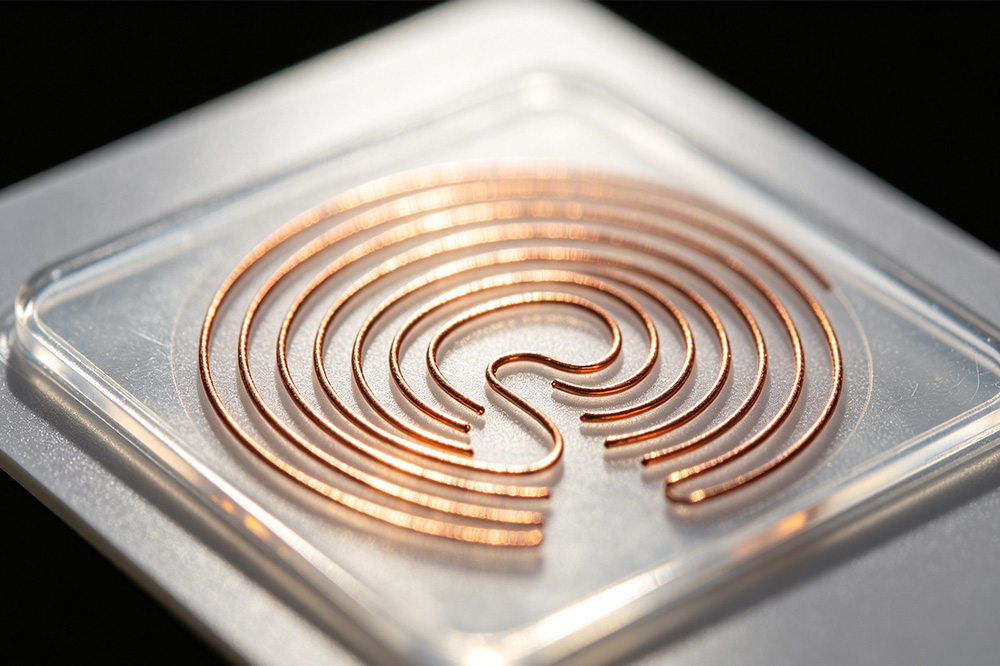
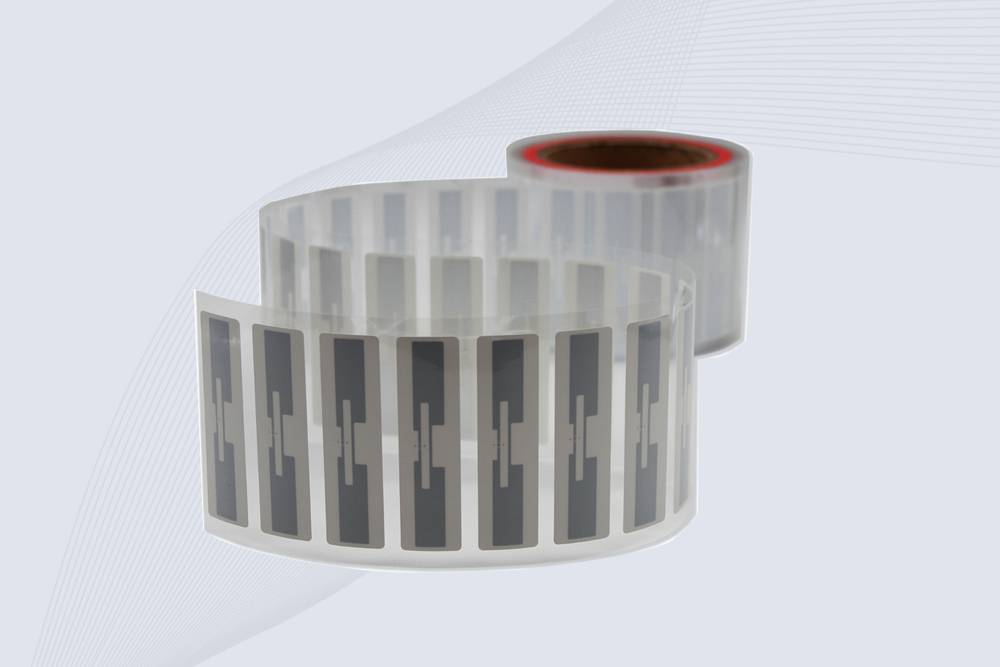
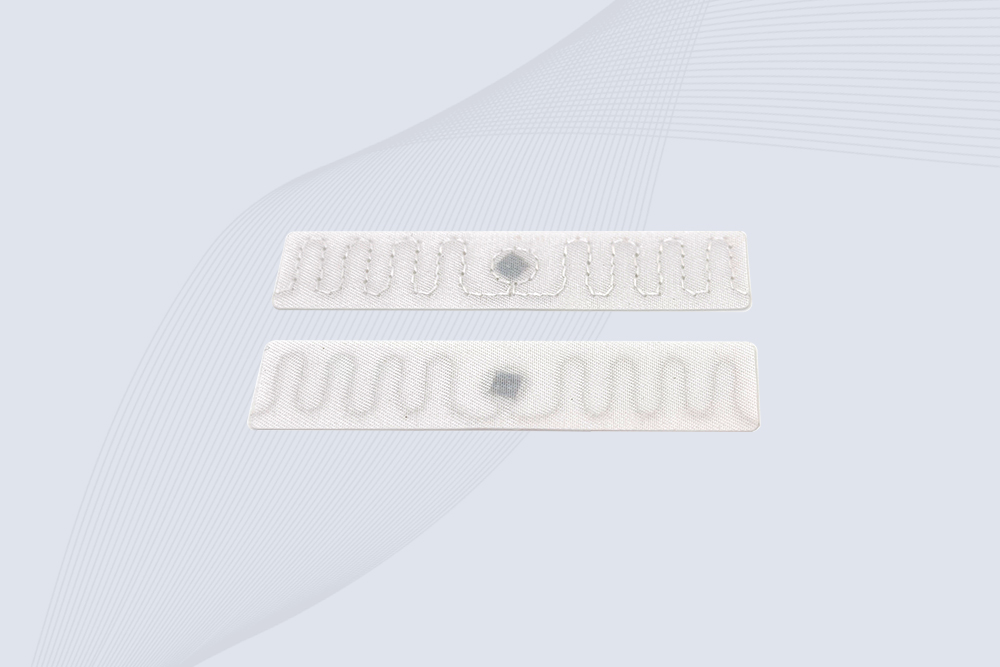
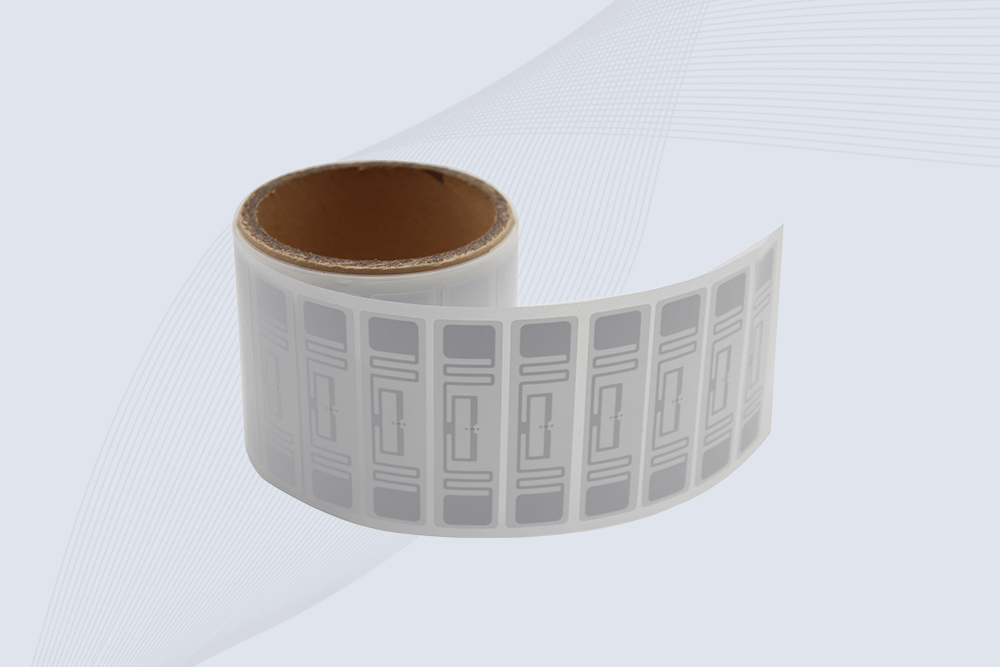
Many RFID cards contain a thin antenna loop that runs around the edge of the card. Under the right lighting conditions, you can sometimes see it through the plastic.
I’ve seen people assume a card was just ordinary PVC until they shined a flashlight through it and immediately spotted the antenna embedded inside.
Of course, visual inspection isn’t always enough. Some RFID tags are intentionally concealed.
That’s where scanning comes in.
Can a Smartphone Detect RFID Tags?
Sometimes.
This is probably the most misunderstood part of RFID.
A lot of people assume that because their phone has NFC, it can detect any RFID chip.
Unfortunately, that’s not how it works.
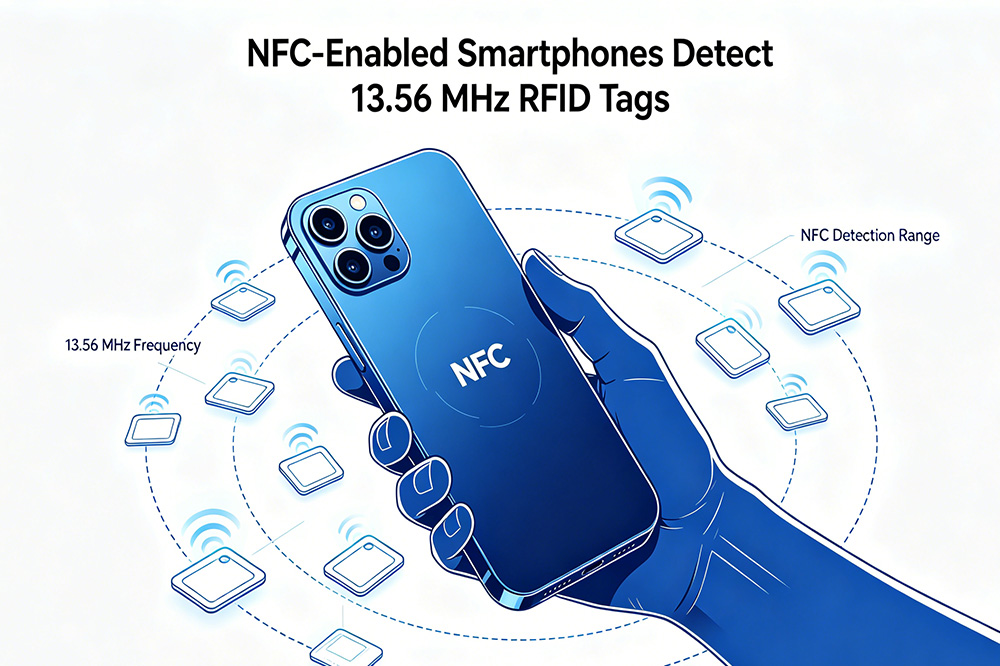
Most smartphones can only communicate with High Frequency RFID tags operating at 13.56 MHz.
If the tag is NFC-compatible, detection is often simple:
Turn on NFC.
Unlock your phone.
Place the tag against the back of the device.
Wait for a notification or scan result.
If the phone responds, you’ve confirmed the presence of an RFID tag.
If nothing happens, don’t jump to conclusions.
The tag may still be perfectly functional. It could simply be a Low Frequency or UHF tag that your phone isn’t capable of reading.
Using an RFID Reader Is Still the Most Reliable Method
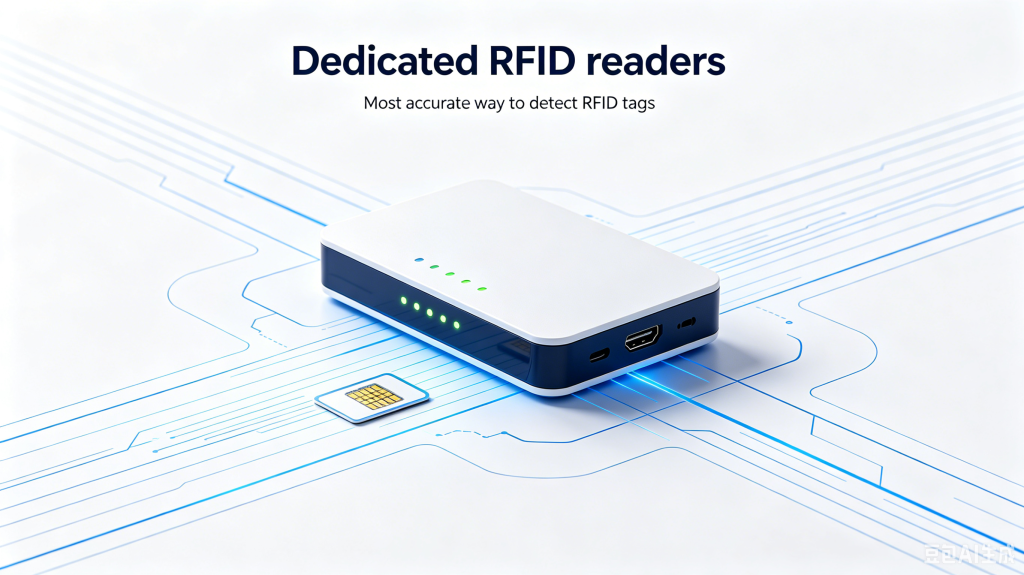
When people need a definite answer, they usually reach for an RFID reader.
That’s because a reader doesn’t have to guess.
If the tag is within range and operates on a supported frequency, the reader will detect it almost immediately.
This is especially useful when dealing with:
Unknown access cards
Inventory labels
Asset tracking tags
Industrial RFID systems
One thing worth remembering is that frequency compatibility matters.
A UHF reader won’t read a 13.56 MHz tag.
A 13.56 MHz reader won’t read a 125 kHz tag.
I’ve seen plenty of troubleshooting cases where the tag wasn’t the problem at all—the wrong reader was being used.
Why Some RFID Tags Seem Impossible to Detect
If you’ve ever waved a tag in front of a reader and gotten nothing back, you’re not alone.
Several factors can affect detection.
The Tag Is Outside the Read Range
Passive RFID tags rely on energy transmitted from the reader.
No reader field means no response.
Metal Is Blocking the Signal
Metal surfaces are notorious for interfering with RFID performance.
A tag that reads perfectly in open air may become difficult to detect once mounted directly on metal equipment.
The Tag Orientation Is Wrong
RFID antennas aren’t equally sensitive from every angle.
Simply rotating the card or moving the reader a few inches can sometimes make the difference between detection and no detection.
Frequency Mismatch
This is probably the most common cause.
The tag is there.
The reader is working.
But they aren’t speaking the same “language.”
Can RFID Tags Be Detected From Far Away?
People often imagine RFID tags constantly broadcasting their location.
Most passive RFID tags don’t work that way.
A passive RFID tag stays silent until it enters the electromagnetic field of a compatible reader.
Without that reader nearby, the tag isn’t transmitting anything.
That’s why detecting RFID tags from long distances generally isn’t possible without specialized systems designed for that purpose.
In everyday situations, RFID detection usually happens within a range of a few centimeters to several meters, depending on the technology being used.
A Simple Rule That Saves Time
If you’re trying to figure out whether something contains an RFID tag, start with the easiest method available.
Check for markings.
Look for an antenna.
Try an NFC-enabled phone.
Then move to a dedicated RFID reader if needed.
Most people find their answer long before they need advanced testing equipment.
Final Thoughts
Detecting an RFID tag isn’t usually complicated, but it does require understanding one important fact: not all RFID tags are the same.
A card that appears invisible to your phone may be instantly recognized by the correct RFID reader. Likewise, a tag that seems inactive may simply be operating on a different frequency than the equipment you’re using.
In practice, the fastest approach is often a combination of visual inspection and electronic scanning. Between a smartphone, an RFID reader, and a little knowledge of RFID frequencies, you can identify most tags without much trouble.
If you’ve ever held a plastic access card, a warehouse tag, or a library label and wondered “Is this an RFID tag, and what type is it?”, you’re not alone. RFID technology hides in plain sight — inside cards, stickers, and even tools — and it comes in several different types. Knowing how to identify your RFID tag can save hours of trial and error, especially if you’re troubleshooting or planning to integrate it into a new system.How to Identify an RFID Tag: A Practical Guide for Everyday Use
CYKEO Passive RFID Tags are made for wet and high-humidity environments where standard labels do not last. This rfid passive tag is often used around liquids, chemicals and temperature changes, providing stable reading distance and long data life for industrial tracking.
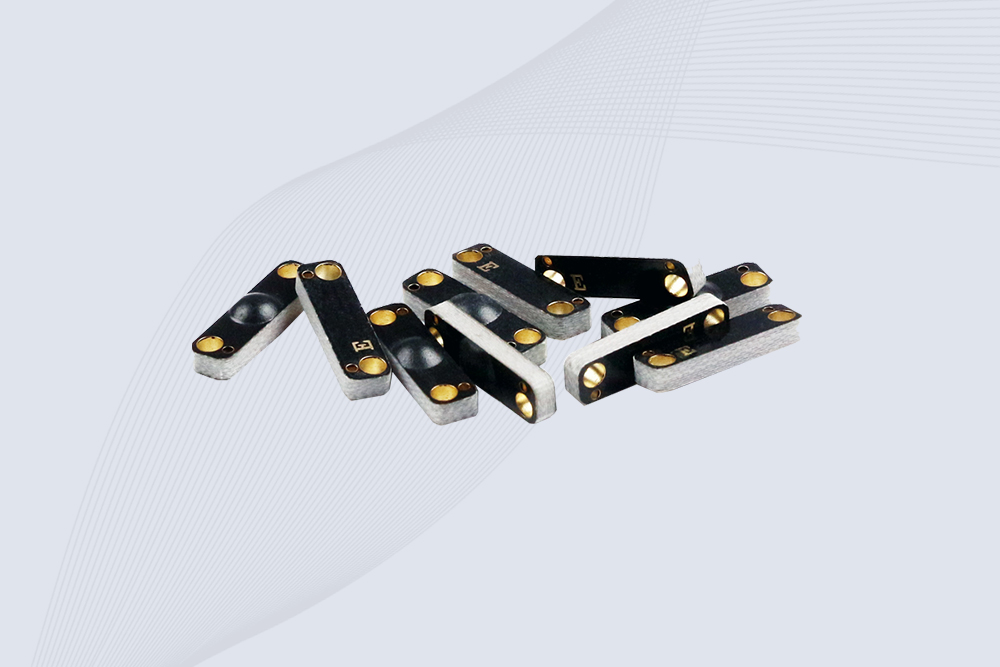
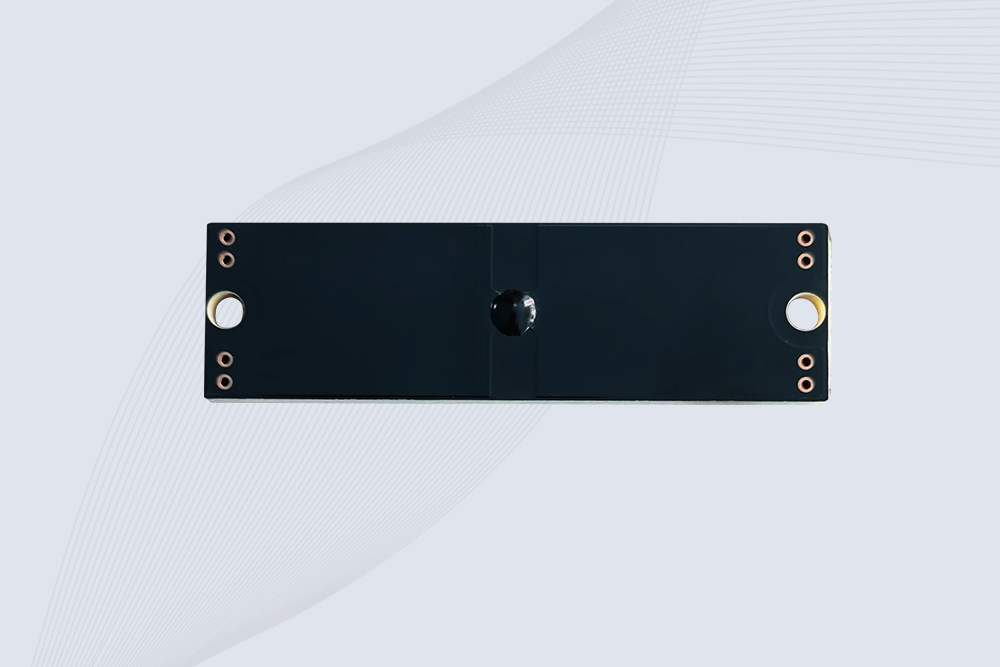
CYKEO CYKEO-PCB1504 Metal RFID Tags is a compact anti-metal UHF RFID solution built for direct mounting on metal surfaces. With stable 8-meter read range, Ucode-8 chip, and long data retention, this rfid metal tag fits tools, containers, automotive parts, and industrial asset tracking.
CYKEO CYKEO-PCB7020 On-Metal RFID Tags are designed for reliable tracking on steel and metal surfaces. Built with an FR4 epoxy body and industrial-grade chips, these On-Metal RFID Tags deliver stable performance, long data life, and chemical resistance, making them a dependable RFID anti-metal tag for harsh environments.
The CYKEO CYKEO-60-25 Anti-Metal RFID Tag is built for metal surfaces where standard tags fail. Designed for long-range performance, harsh environments, and stable data retention, this Anti-Metal RFID Tag is ideal for industrial assets, containers, and equipment tracking using on metal RFID tags.
The CYKEO RFID Laundry Tag is designed for long-term textile identification in harsh laundry environments. Built to withstand high heat, chemicals, and repeated washing, this RFID Laundry Tag delivers stable performance for hotels, hospitals, and industrial laundry operations using laundry rfid tags at scale.
The CYKEO CYKEO-125-7 RFID Book Tag is designed for reliable book and document tracking in libraries and archives. This RFID Book Tag delivers long read range, dense placement support, and stable performance on shelves, making it a practical rfid tag on books for library automation, file management, and archival systems.
CYKEO RFID tags in hospitals are designed for sterile environments where accuracy matters. These autoclavable RFID tags support long-term tracking of surgical tools, implants, and medications, helping hospitals improve visibility, compliance, and patient safety.
CYKEO RFID Cable Tie Tag is built for reliable identification on metal surfaces. This UHF RFID Cable Tie Tag is widely used in rfid tags for inventory systems, industrial asset management and Hospital RFID Tags, offering stable read performance, long service life and global EPC Gen2 compatibility.
CYKEO RFID Asset Tag is designed for stable identification of metal assets in industrial environments. This UHF RFID Asset Tag is commonly used for rfid tag asset tracking on equipment, tools and containers, providing reliable reads, long service life and ISO/IEC 18000-6C support.
CYKEO UHF RFID Card is designed for fast identification and long-term use in industrial and commercial systems. Supporting ISO 18000-6C, this UHF RFID Card works at 860–960 MHz and is suitable for custom RFID cards used in asset tracking, access control and inventory management.
CYKEO HF RFID Cards are designed for secure and stable access control systems. These 13.56 MHz RFID key cards support ISO 14443-A, reliable rewriting and long service life, making HF RFID Cards suitable for offices, campuses, events and membership management.
CYKEO UHF RFID Tag is designed for reliable tracking of metal jewelry and high-value items. This Jewelry RFID Tag supports long-range reading up to 8 meters, anti-counterfeit protection and stable performance on metal, making it suitable for retail, inventory control and asset management.
RFID Industry Writer | IoT & Asset Tracking Analyst
James writes about RFID technology, asset tracking, and the practical challenges of digital transformation across warehousing, retail, manufacturing, and logistics.
His work focuses on how RFID is applied in real-world operations—improving inventory visibility, automating workflows, and helping businesses manage assets with greater accuracy and efficiency.
He regularly covers topics including UHF RFID, smart cabinets, RFID portals, tool tracking, warehouse automation, and industrial IoT trends..
what does rfid mean in retail? Discover how RFID improves inventory visibility, self-checkout efficiency, loss prevention, and smart retail operations with Cykeo RFID solutions.
Learning how to install RFID card reader? Step-by-step for USB desktop readers, door access control systems, and industrial panel mounting. Wiring diagrams and configuration tips from CYKEO engineers.
The best long range RFID scanner is not necessarily the one with the highest power or longest advertised range. A suitable reader should match the tag, produ...
 Cykeo RFID IoT Solution Products R&D Manufacturer