 Cykeo RFID IoT Solution Products R&D Manufacturer
How Does RFID Work? A Human-Friendly Explanation
867Discover how RFID works in plain language. Learn about tags, readers, and real-world applications in retail, logistics, healthcare, and transportation.
MoreAll RFID Product
Hospitals rarely invest in new technology just because it sounds innovative. In healthcare, every dollar spent usually needs a clear operational or financial reason behind it. That’s exactly why RFID adoption in hospitals has shifted over the years — it’s no longer viewed as an experimental technology. For many healthcare facilities, RFID has become a practical tool for reducing waste, improving visibility, and saving staff time.
The biggest question hospital administrators ask is simple: “Will this system actually pay for itself?”
In many cases, the answer is yes — but not because of one single benefit. Hospitals usually demonstrate ROI for RFID investments through a combination of labor savings, inventory accuracy, equipment visibility, workflow improvements, and patient safety gains.
Hospitals deal with thousands of moving assets every day:
Without accurate tracking, staff often waste valuable time searching for equipment or manually checking inventory levels.
RFID helps solve this by automatically identifying and tracking tagged items in real time.
Instead of relying on spreadsheets or manual barcode scanning, RFID systems continuously update location and inventory data with minimal human involvement.
One of the fastest ways hospitals justify RFID investments is through labor efficiency.
Nurses and hospital staff spend a surprising amount of time searching for equipment. In large facilities, this can add up to hours every shift.
With RFID tracking:
Even saving a few minutes per staff member each day can translate into major annual labor savings across an entire hospital network.
In real-world deployments, hospitals often discover they already own enough equipment — they just couldn’t find it consistently before RFID tracking was implemented.
Missing equipment is another hidden cost many hospitals underestimate.
Portable devices frequently move between departments, patient rooms, and storage areas. Without visibility, hospitals sometimes over-purchase equipment simply because existing assets cannot be located quickly.
RFID tracking helps reduce:
This is especially important for high-value medical devices that are constantly in circulation.
Inventory management is one of the strongest areas for measurable RFID ROI.
Hospitals manage enormous volumes of:
Manual inventory checks are slow and prone to human error.
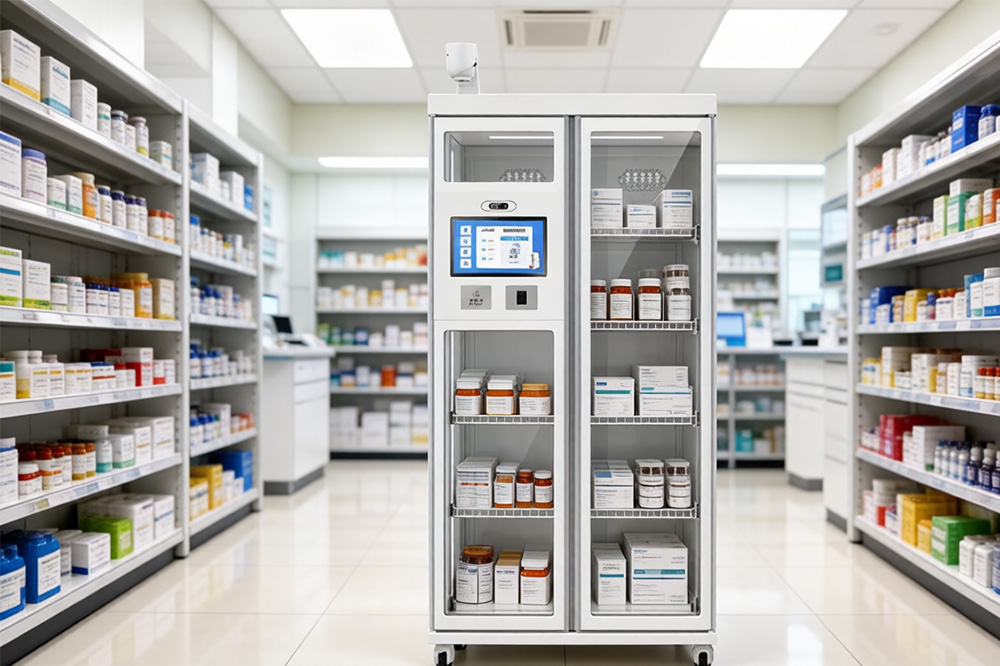
That’s why many healthcare facilities are adopting systems like RFID medical cabinet solutions to automate supply tracking and improve inventory visibility in real time.
With RFID-enabled cabinets, hospitals can:
This becomes especially valuable for expensive implants, specialty medications, and surgical kits where waste can become extremely costly.
Expired inventory is a major financial drain in healthcare environments.
Many hospitals lose substantial amounts of money every year due to unused products expiring on shelves unnoticed.
RFID systems help by:
Reducing expired inventory directly improves ROI because hospitals avoid unnecessary replacement costs.
Not every RFID benefit is purely financial.
Hospitals also evaluate ROI through patient safety improvements and risk reduction.
RFID technology can help reduce:
Some hospitals also use RFID to strengthen chain-of-custody tracking for medications and laboratory samples.
While patient safety is harder to measure in dollar amounts, preventing even a small number of critical errors can have enormous operational and legal value.
Healthcare organizations face constant compliance requirements.
Manual inventory audits consume large amounts of staff time and often interrupt daily operations.
RFID simplifies this process significantly.
Instead of scanning items one by one, entire shelves or storage rooms can be audited automatically in minutes.
This helps hospitals improve:
RFID isn’t limited to medical inventory and equipment tracking.
Many healthcare campuses now use rfid hospital parking system solutions to improve vehicle access management for staff, emergency vehicles, and authorized visitors.
Large hospitals deal with heavy traffic flow every day, especially during shift changes and emergencies.
Integrated long-range RFID parking reader systems can help:
For hospitals with multiple buildings and large parking facilities, improving vehicle flow can directly improve operational efficiency and staff experience.

Another overlooked benefit of RFID is data visibility.
Once hospitals start tracking real usage patterns, they often uncover problems they couldn’t previously see, including:
Better visibility allows procurement teams to make more informed purchasing decisions instead of relying on estimates or outdated records.
Most hospitals don’t deploy RFID everywhere at once.
Instead, many start with a specific pain point such as:
Once measurable improvements appear, expansion becomes easier to justify financially.
This phased approach helps hospitals demonstrate clear ROI before scaling across larger departments or multiple facilities.
Although RFID offers major advantages, implementation still requires planning.
Common challenges include:
Hospitals also need to ensure RFID systems integrate smoothly with existing healthcare software and operational workflows.
The most successful deployments usually focus on solving a specific operational problem first rather than trying to digitize everything at once.
When hospitals evaluate RFID investments, the ROI usually comes from multiple operational improvements happening together.
Time savings, inventory accuracy, reduced equipment loss, fewer expired products, and improved workflow efficiency all contribute to measurable financial returns over time.
At the same time, RFID also supports less visible — but equally important — benefits like patient safety, compliance readiness, and staff productivity.
Whether it’s tracking surgical inventory with RFID medical cabinetor improving vehicle flow through an integrated rfid hospital parking system, hospitals are increasingly using RFID to solve practical operational problems while building long-term efficiency gains.
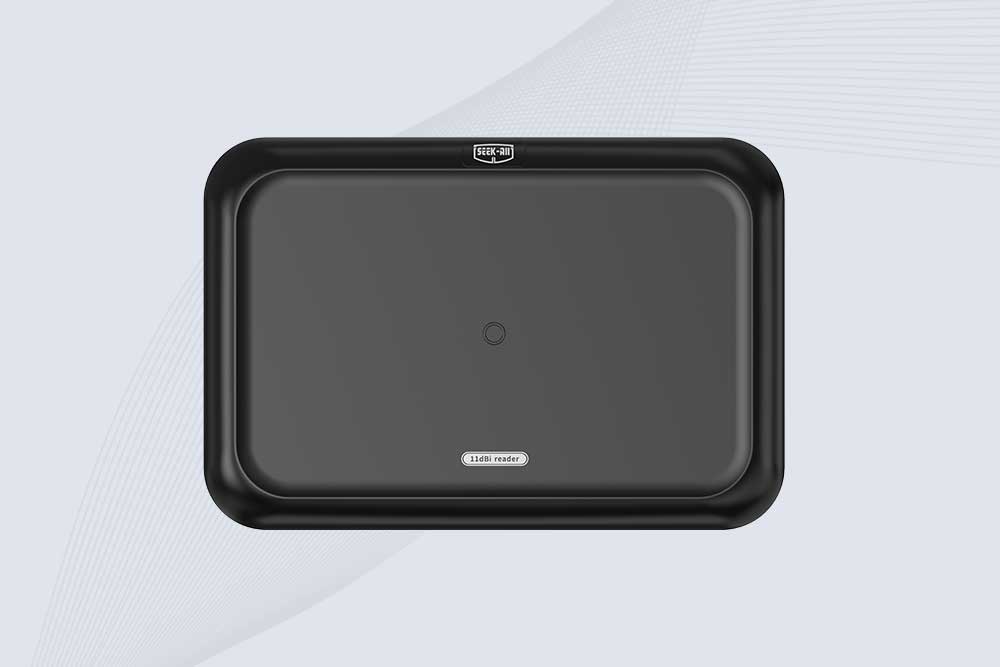
SSD-RA11L is an 11 dBi UHF RFID reader with up to 15m reading distance, 600+ tags/s speed, integrated antenna and flexible connectivity.
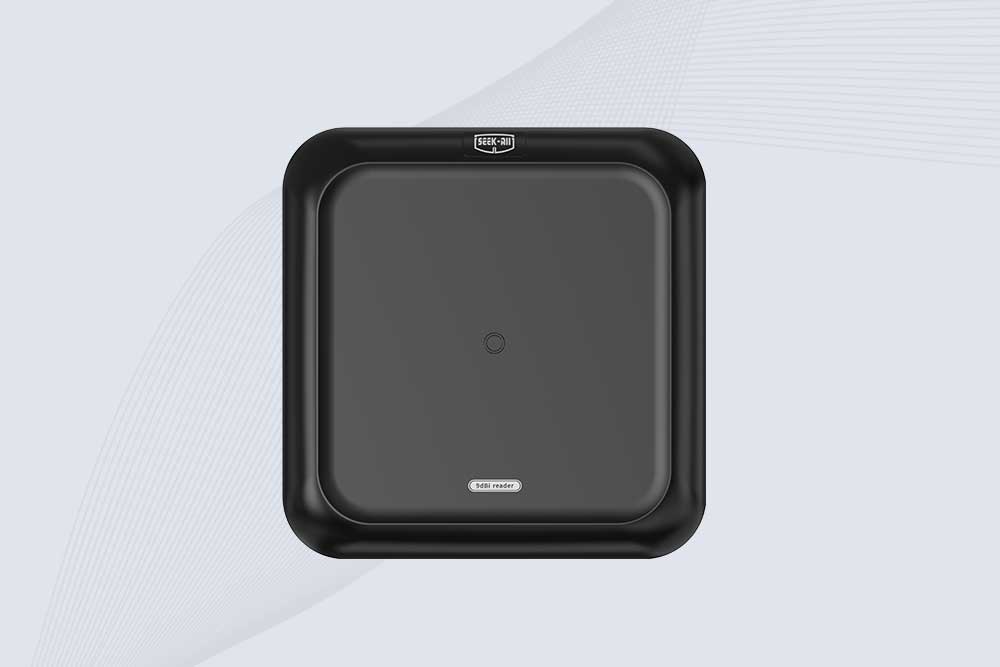
SSD-RA09L is a long range UHF RFID reader with a built-in 9 dBi antenna, 10m reading range, 600+ tags/s speed and flexible interfaces.
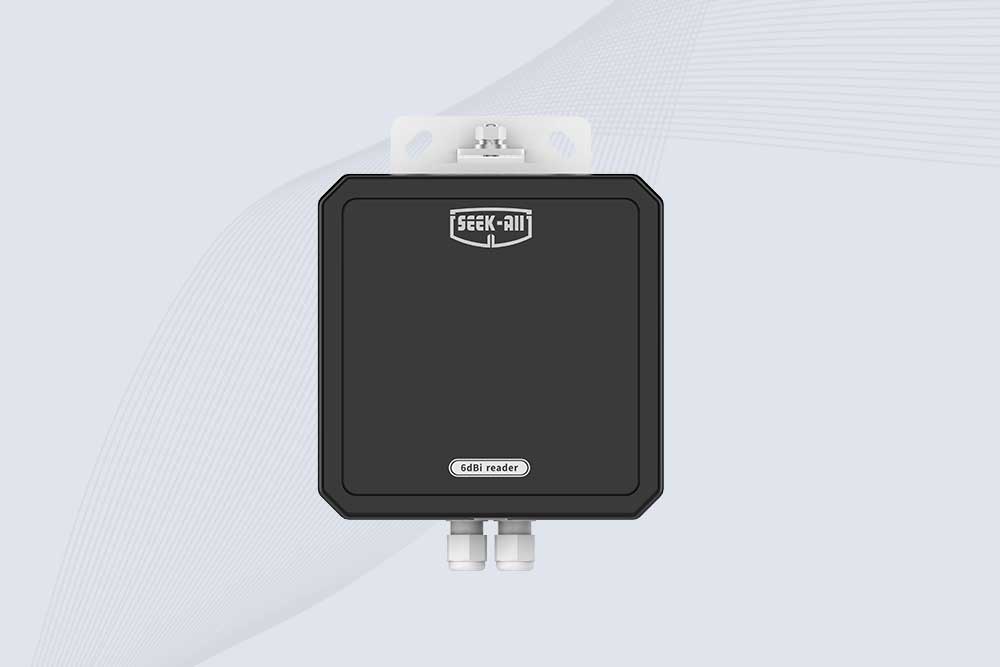
SSD-RA06L is an industrial UHF RFID reader with a built-in 6 dBi antenna, 3 m read range, 600+ tags/s, Ethernet, RS232, and optional Wi-Fi, 4G, and PoE.
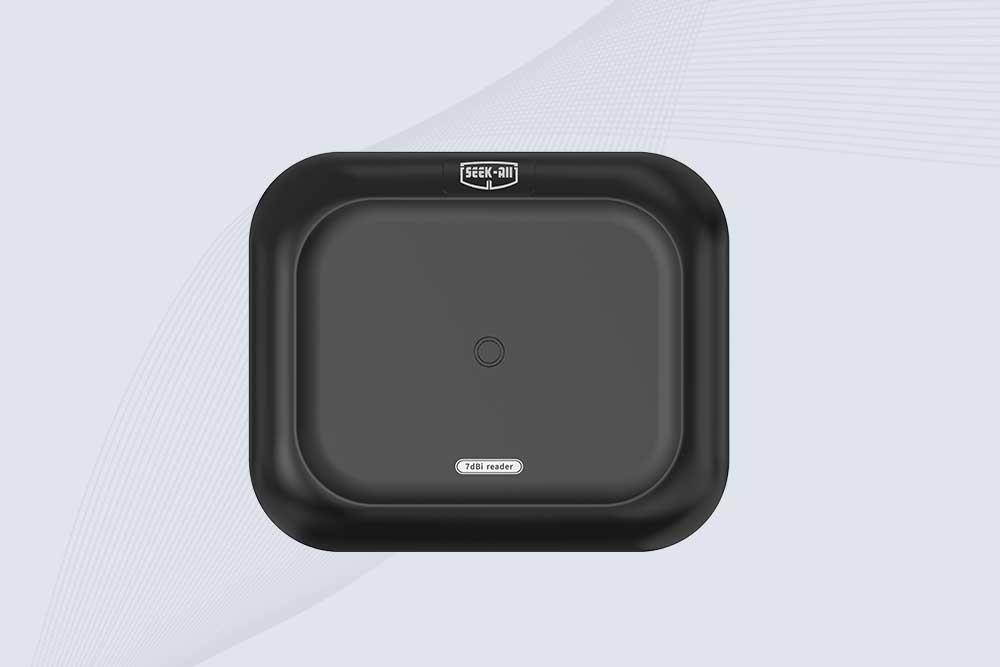
SSD-RA07L industrial UHF RFID reader with integrated 7 dBi antenna, up to 6 m reading distance, over 600 tags/s, Ethernet, RS232, and optional Wi-Fi, 4G, and PoE.
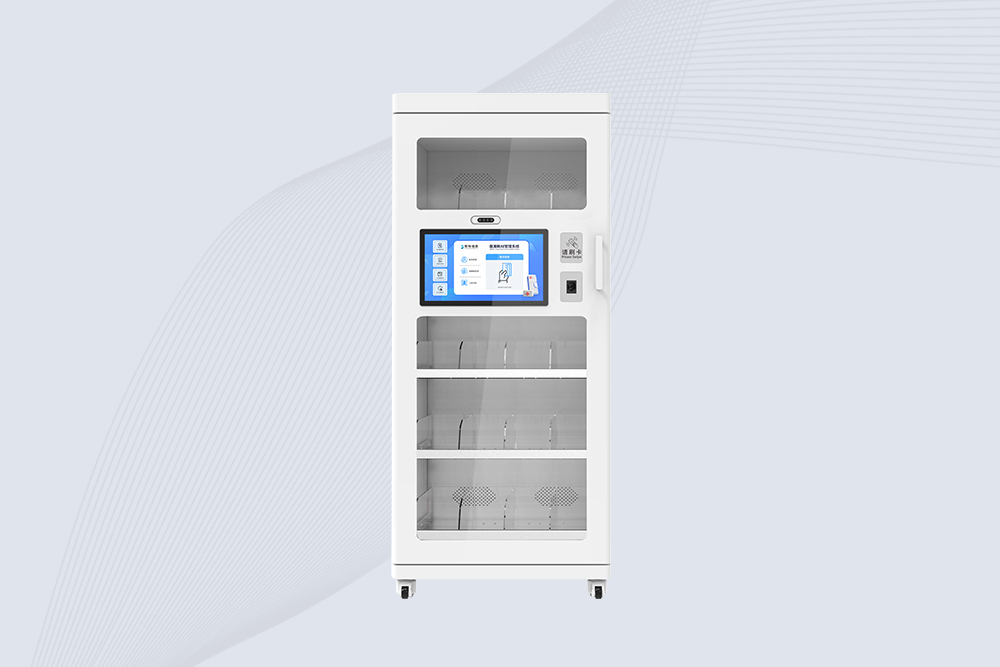
Cykeo’s medical RFID cabinet features 21.5″ touchscreen, dual-door security & HIPAA compliance for OR/pharmacy. Tracks implants, gauze & consumables. Request demo.
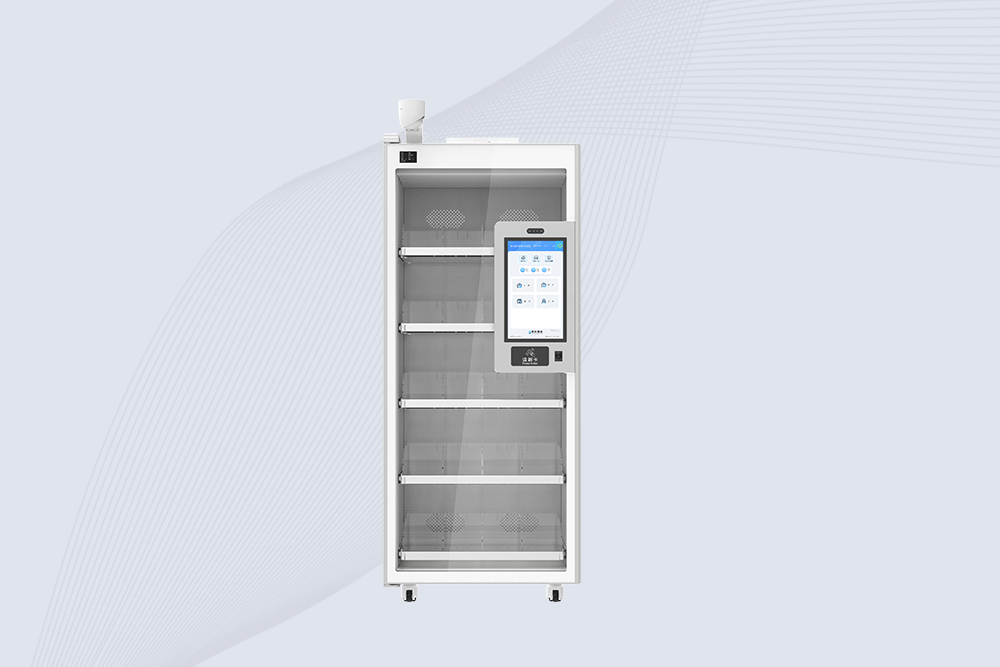
Cykeo’s smart medical cabinet RFID features 21.5″ touchscreen & 99.9% accuracy for OR instrument tracking. Modular shelves for 500+ items. HIPAA compliant. Request demo.
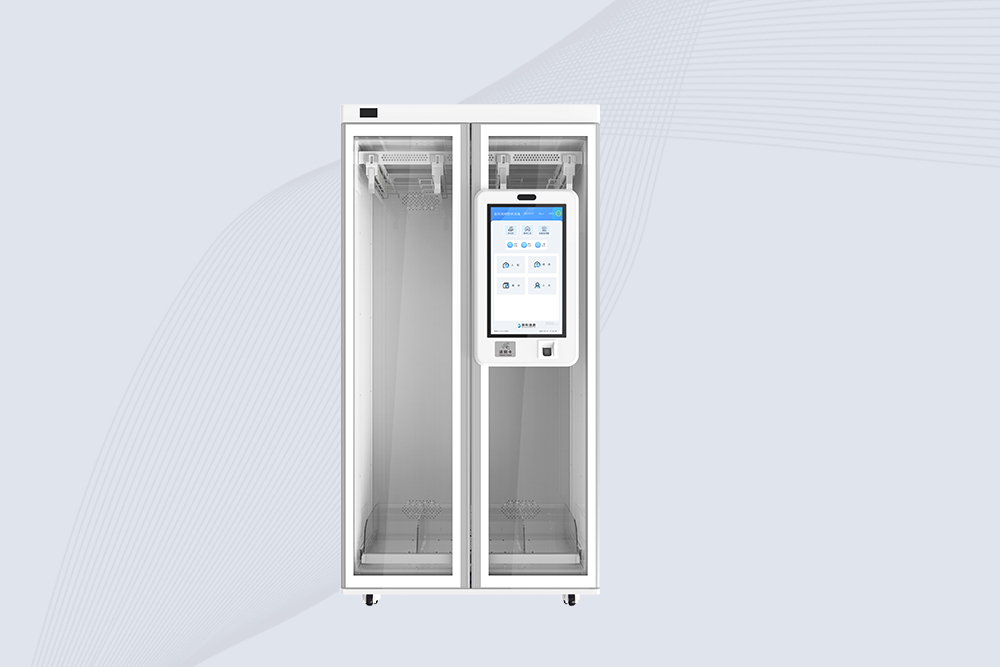
Cykeo’s UHF RFID hospital asset cabinet features dual-door security, antibacterial coating & 99.9% accuracy for OR implants. ISO 13485 compliant. Tracks 2000+ items.
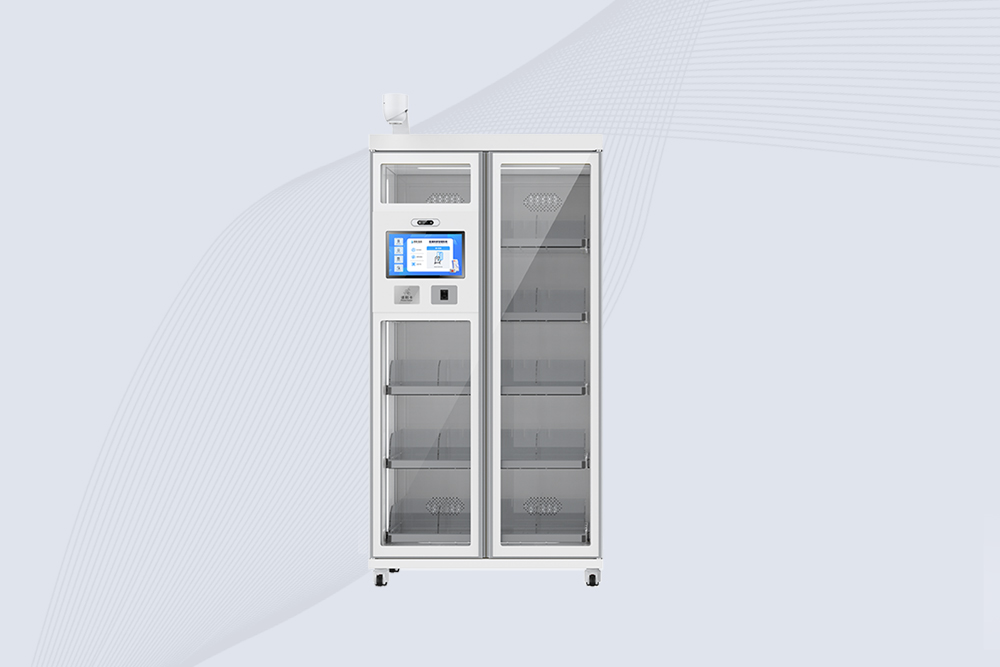
Cykeo’s medical RFID storage cabinet features 14″ touchscreen, 600 tags/sec scanning & 1.2mm steel security. Tracks 500+ surgical consumables. Reduces staff workload by 70%.
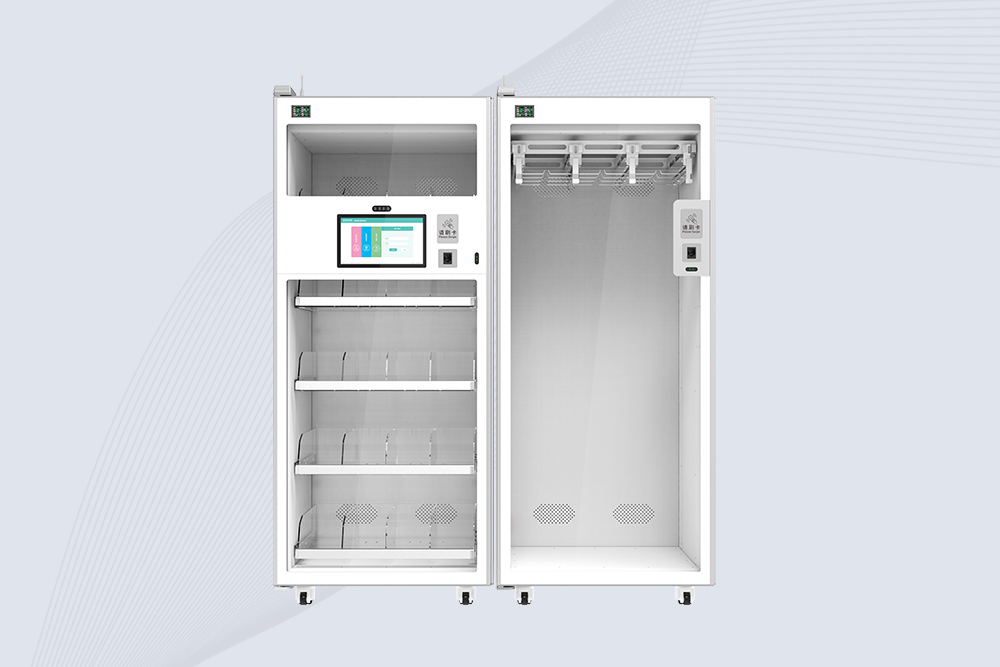
Cykeo’s smart RFID medical cabinet features dual-camera verification, 14″ touchscreen & 99% inventory accuracy. Reduces surgical errors & staff workload. FDA 21 CFR Part 11 compliant.
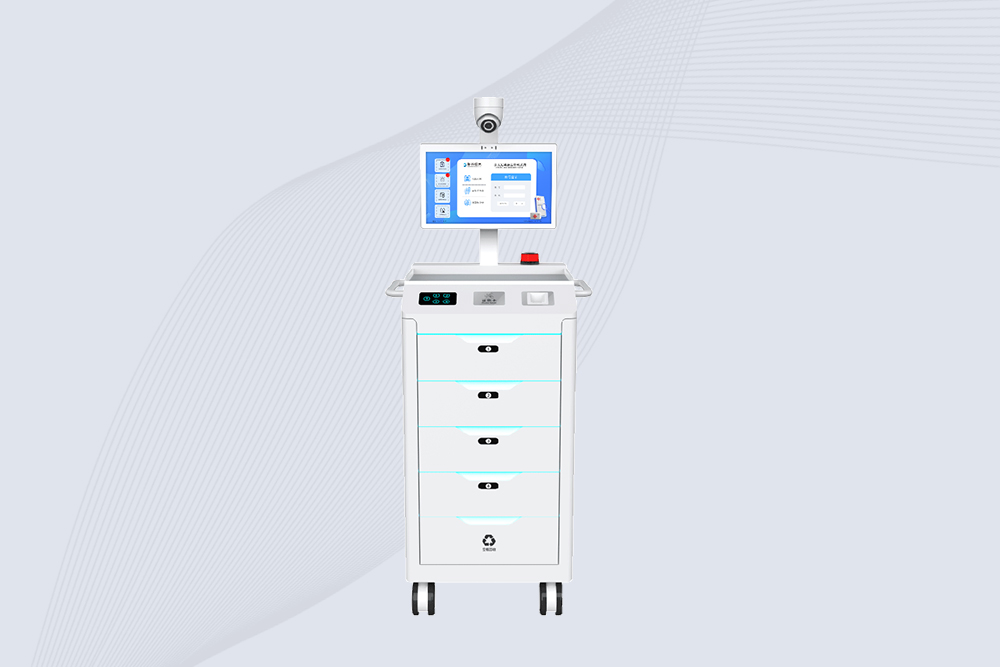
Cykeo’s RFID pharmacy security cabinet features 22″ touchscreen, residual liquid recovery & dual authentication for fentanyl storage. FDA compliant. Manages 1000+ narcotics.
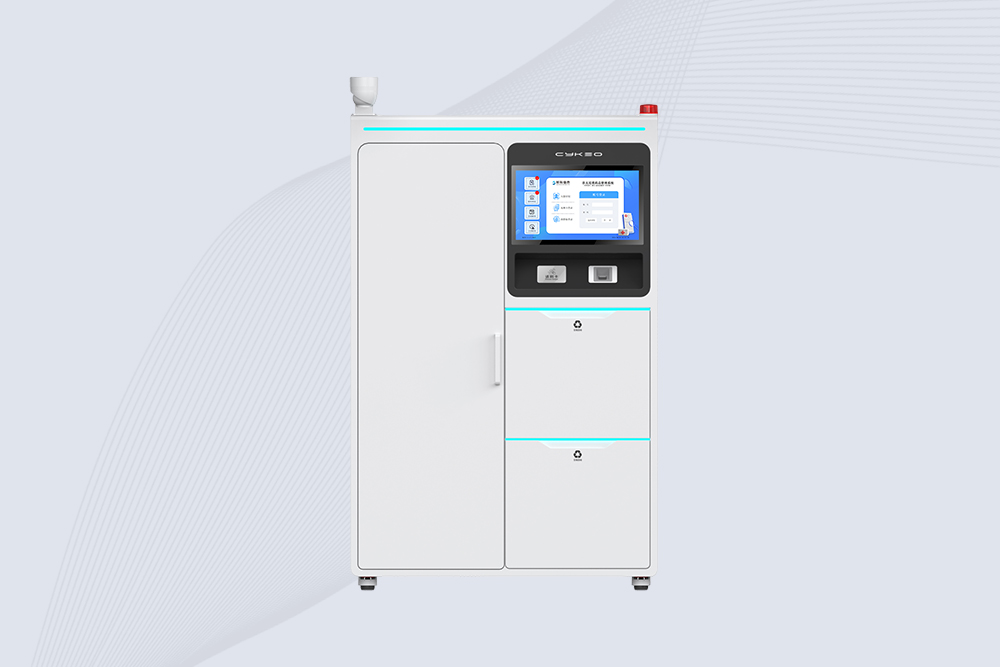
Cykeo’s RFID Anesthesia Medication Cabinet features blockchain auditing, MIL-STD-810G security & real-time reconciliation for Schedule II drugs. DEA/GMP compliant. Configurable 3-10 storage units.
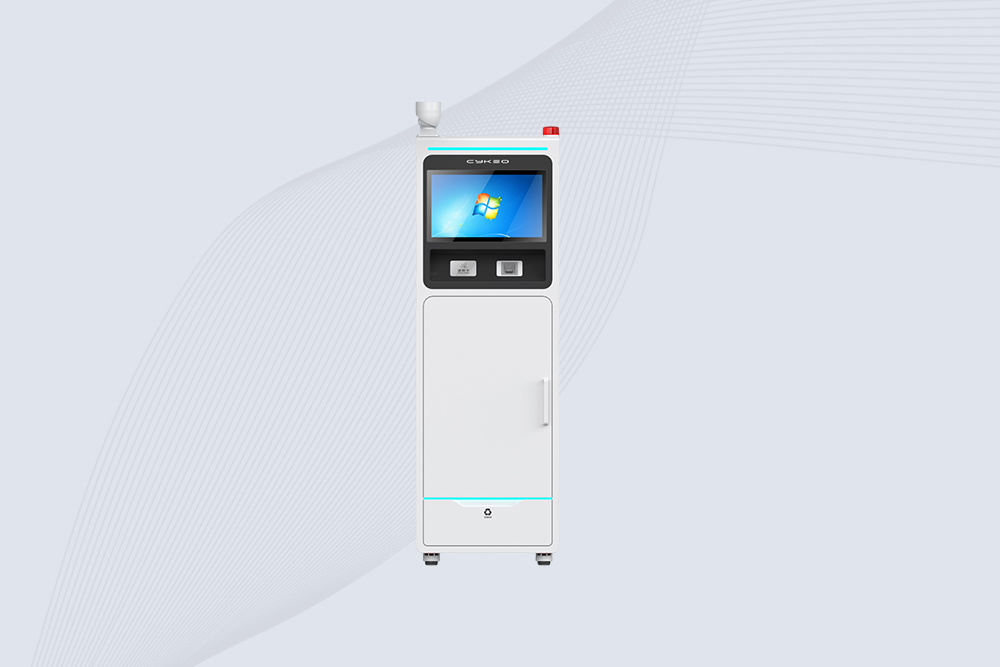
Cykeo medical RFID medicine cabinet features ≤5cm drug tracking, real-time HIS sync, military security, and USP-compliant climate control for Schedule II drugs.
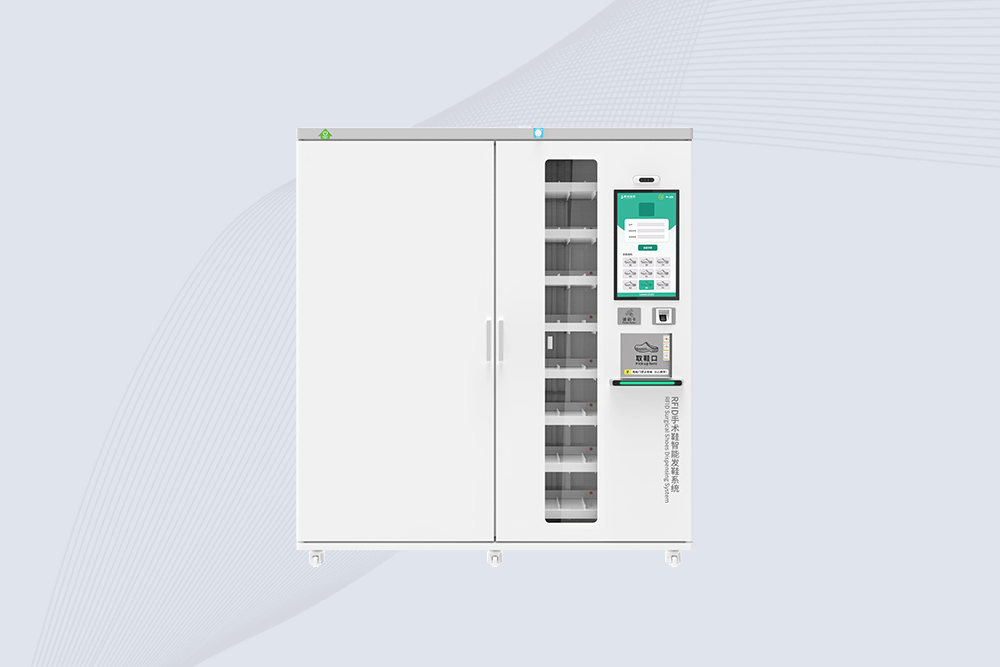
Cykeo RFID operating room cabinet features ≤55s shoe delivery, UHF RFID inventory control, ISO 13485 certification, and biometric access for OR workflow optimization.
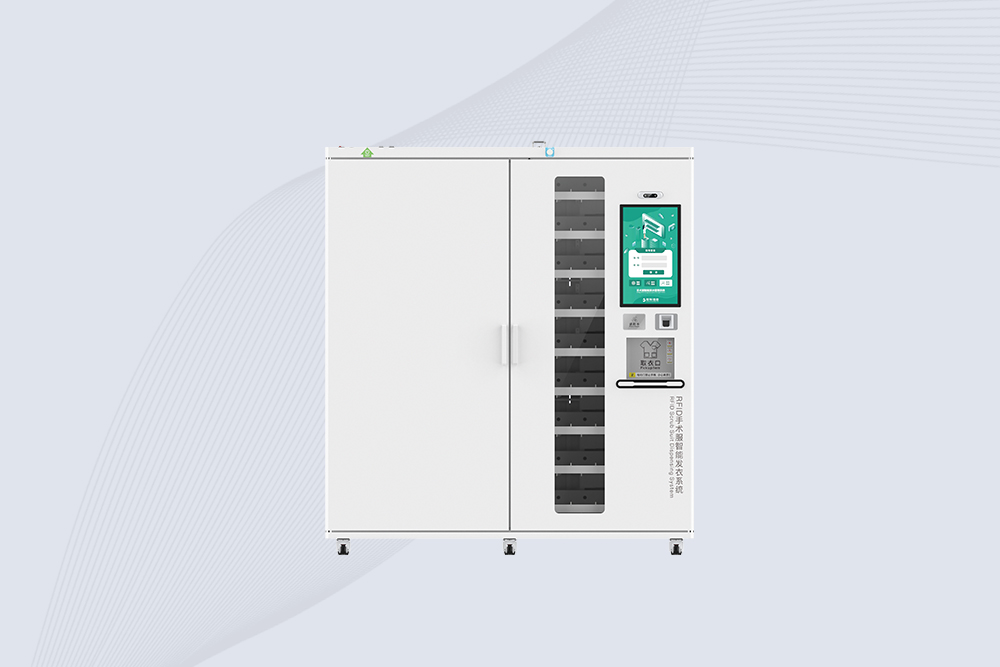
Cykeo operating room RFID cabinet features 108-gown capacity, UHF RFID tracking, real-time SPD integration, and biometric access for sterile OR management.
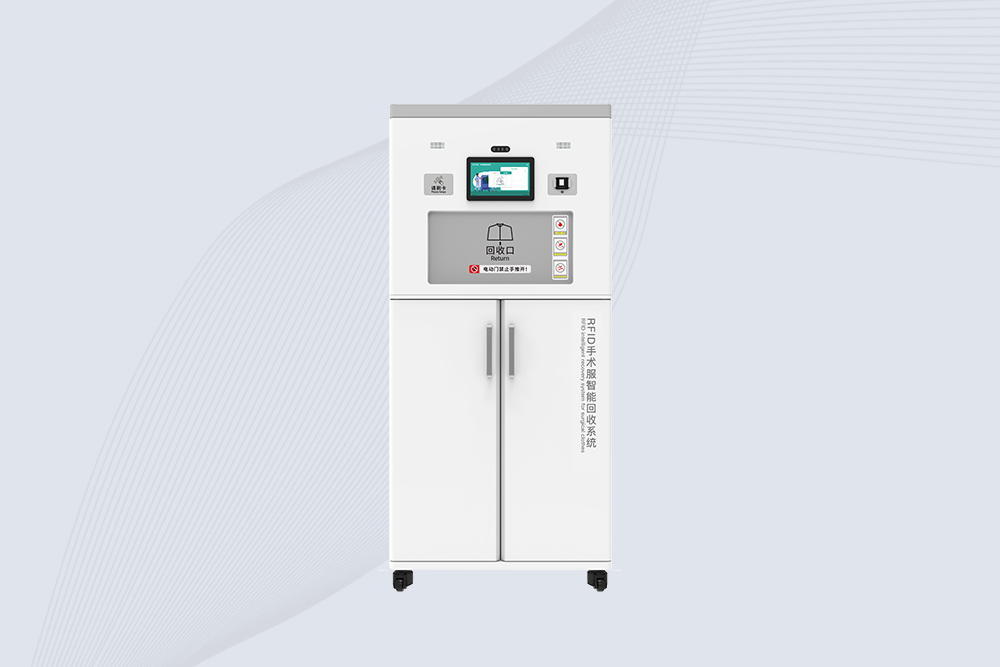
Cykeo’s RFID scrub return cabinet offers 50-gown batch scanning, HL7 integration, UV decontamination, and JCAHO compliance for hospitals/surgical centers.
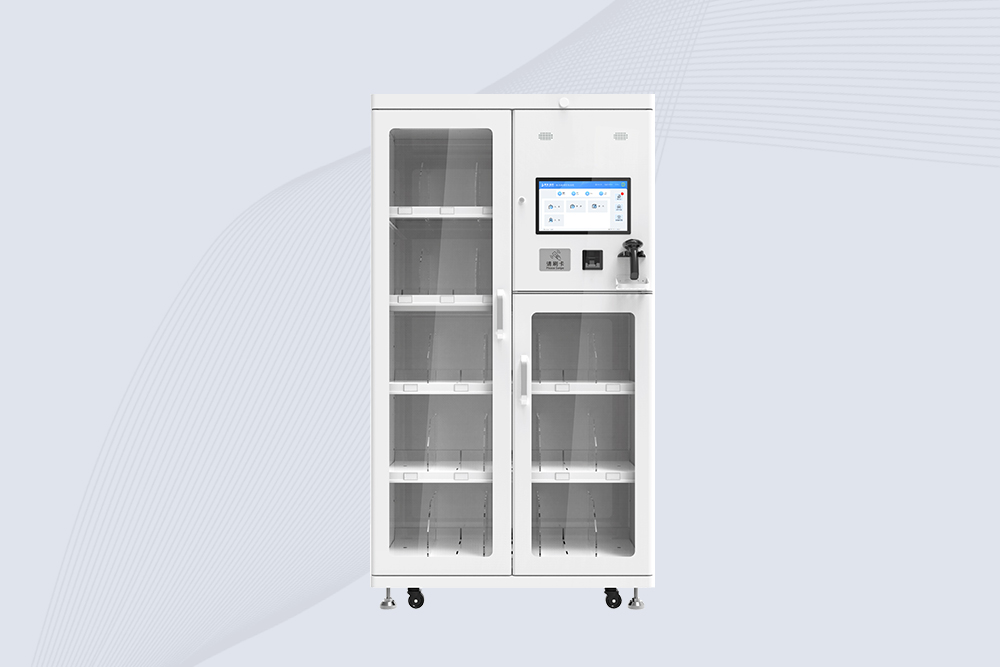
Cykeo’s low-value consumables cabinet offers 5-tier storage, HIPAA encryption, FDA compliance, and SAP integration for hospitals/clinics. Reduces stockouts by 70%.
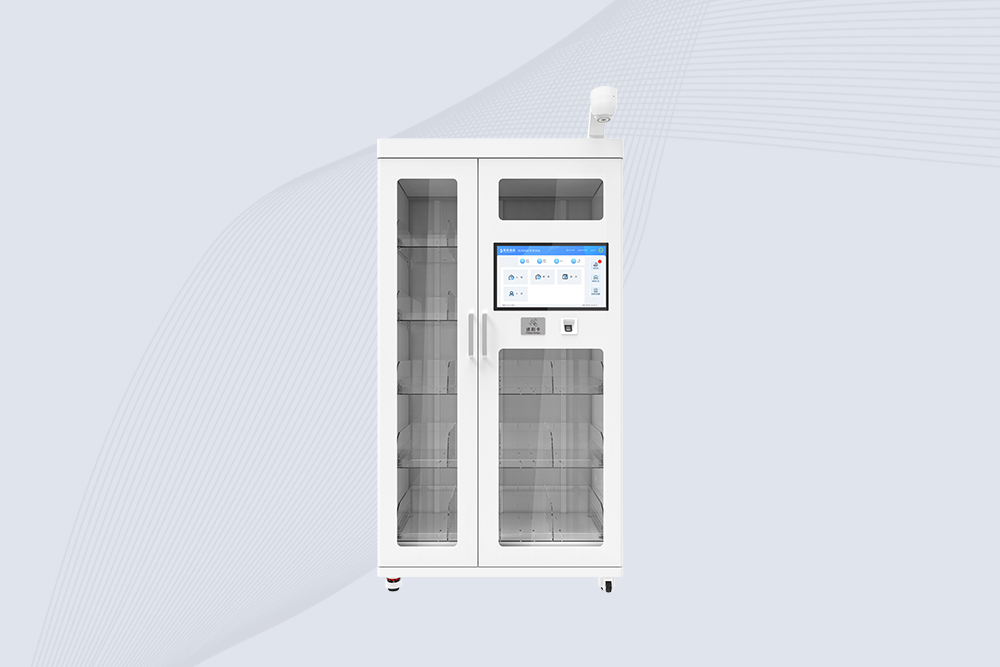
Cykeo’s RFID high-value consumables cabinet offers 500-implant capacity, FDA compliance, real-time Epic sync, and theft prevention for ORs/surgery centers.
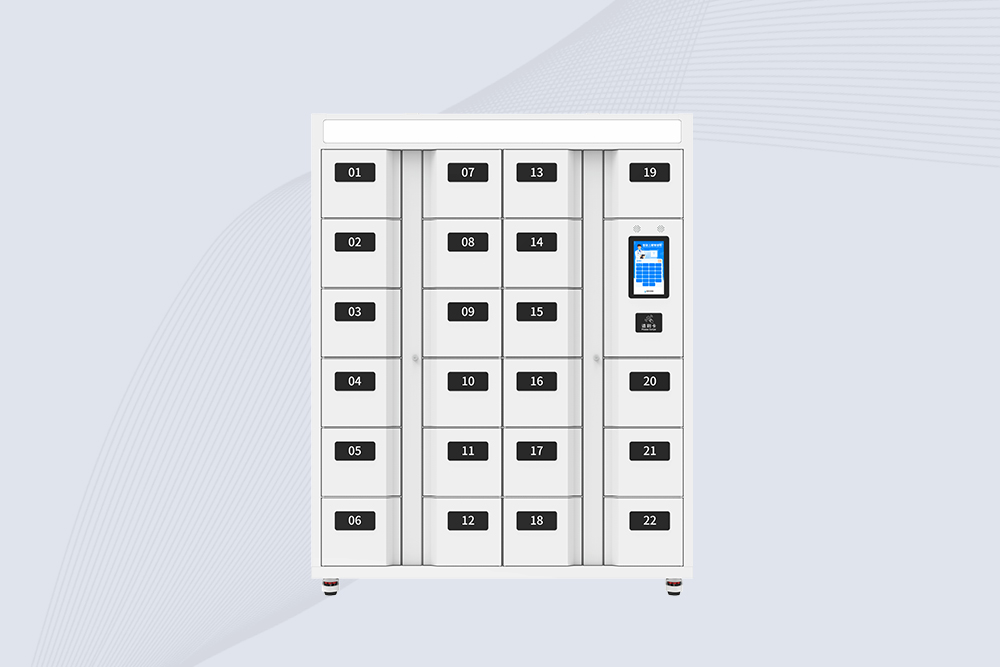
Cykeo CYKEO-G2224 rfid linen management cabinet features modular lockers, 10.1″ Android screen, and 200+/sec scanning for hospitals/hotels. SAP/Oracle integration.
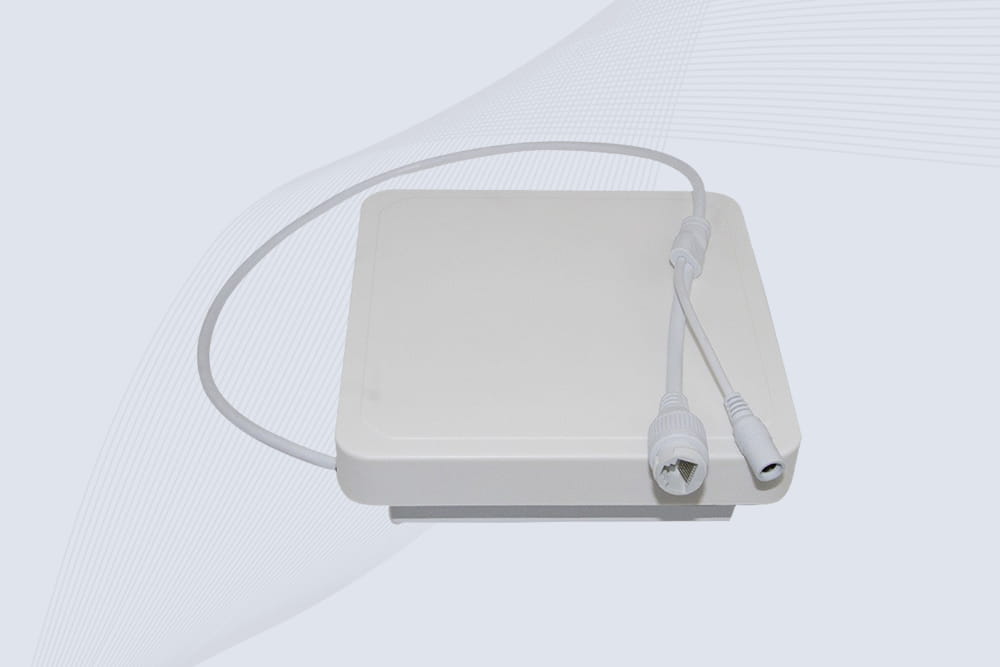
Cykeo’s industrial long range RFID reader delivers 20-meter scanning, 500+ tags/sec speed, and IP67 waterproof design for automated warehouses, logistics, and harsh environment applications.
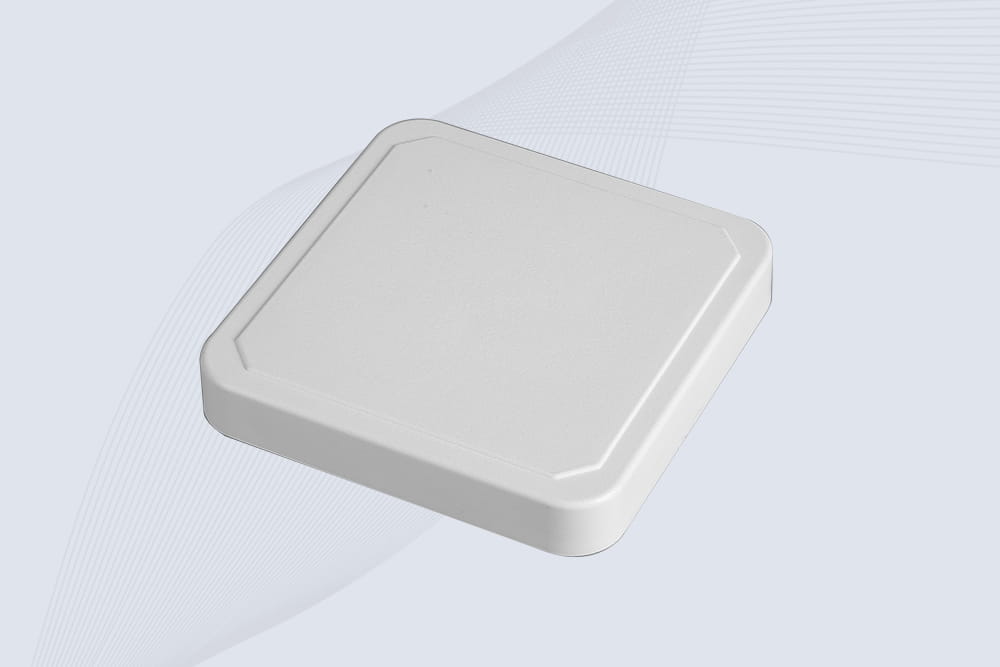
Cykeo’s CYKEO-RA6L industrial RFID long range reader features 20m read distance, 500 tags/sec speed, and IP67 protection. Ideal for warehouse automation, manufacturing WIP tracking, and smart logistics. Supports ISO 18000-6C/6B protocols.
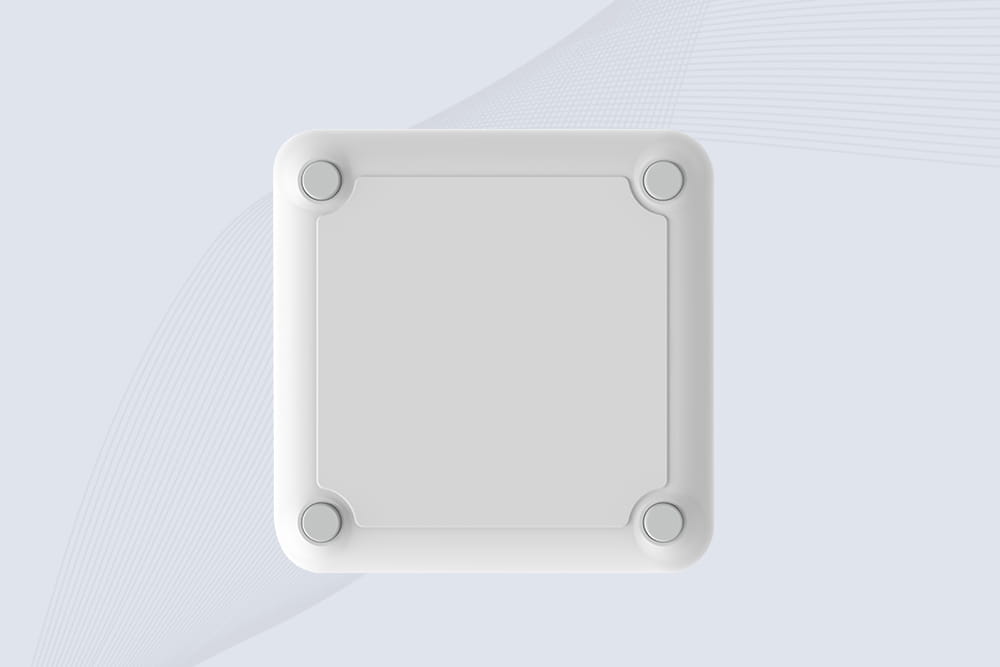
CYKEO Long Range RFID Tag Reader built for outdoor and industrial operations. This Outdoor RFID Reader delivers 20m read distance, fast tag processing, and IP67 durability for wide-area tracking.
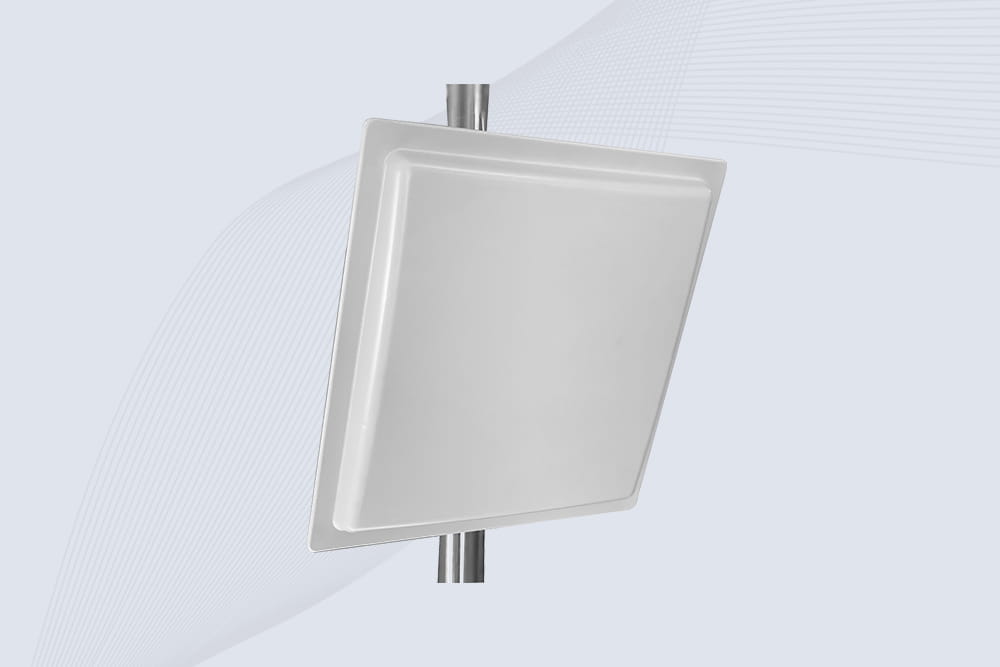
Cykeo CYKEO-RA12L industrial Long Range RFID Reader delivers 20m read range, 200+ tags/sec scanning, and IP67 protection for manufacturing/logistics applications. Supports ISO 18000-6C/GB protocols.
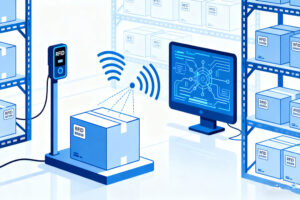
Discover how RFID works in plain language. Learn about tags, readers, and real-world applications in retail, logistics, healthcare, and transportation.
More
Discover how the long range card reader from Cykeo delivers reliable RFID access control, vehicle identification, and industrial asset management with fast, contactless reading.
More
Discover how RFID technology optimizes supply chains through real-time inventory tracking, reduced errors, and enhanced transparency. Explore Cykeo’s scalable RFID solutions.
More
Learn how to code rfid tags with professional RFID writers, software tools, and practical methods. Cykeo explains RFID programming for reliable tag management.
More