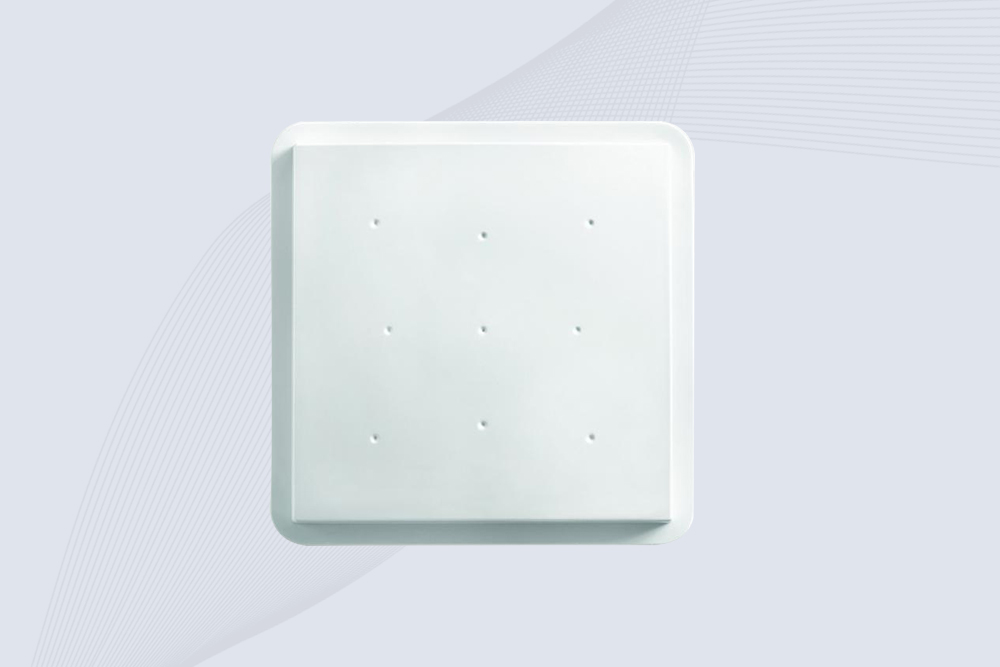
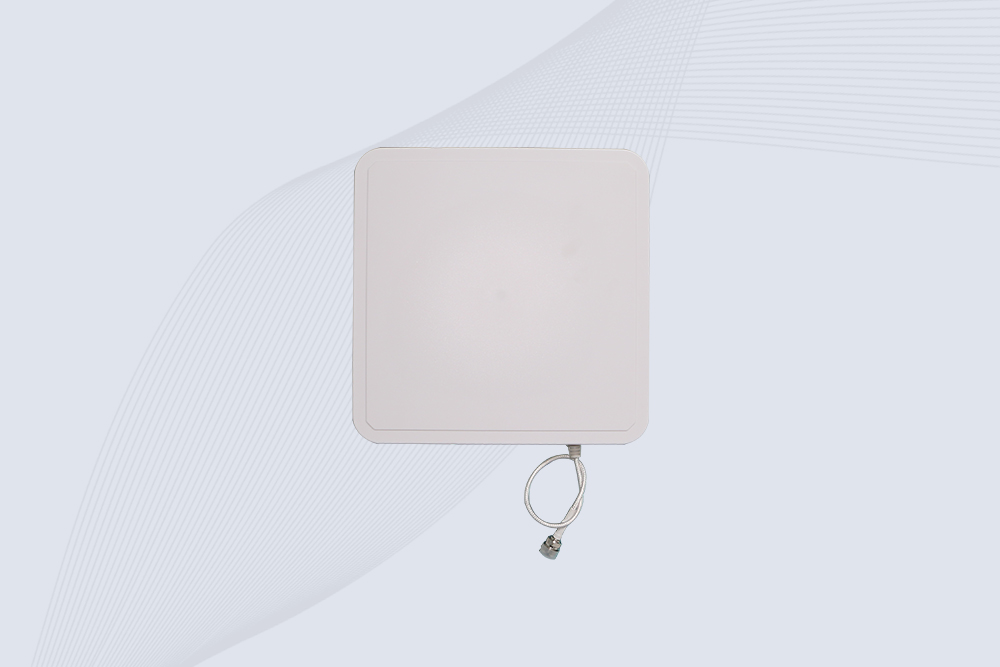
What is the Range of RFID Antenna? Let’s Get Real for a Second.
Question: I’m putting together a business case. Every vendor slide has a shiny graph showing their rfid antenna reading tags from across a football field. My gut says that’s nonsense. For those of us with actual walls, metal, and stuff in the way… what is the range of RFID antenna we can bank on? Give it to me straight.
Answer: Finally, someone asking the right question. Those football field graphs? They’re what we call “frictionless vacuum lab specs.” Useless. Let me paint a real picture.
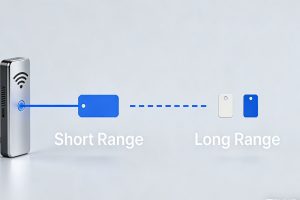
What is the range of an RFID antenna? It’s the distance where your system works reliably, not hopefully. And that distance is negotiated on-site, not printed on a box. It’s a fight against physics, not a product feature.
Here’s what actually decides your range, in order of messiness:
1. The Tag’s Reality (The Biggest Lie).
You bought “long-range” tags? Great. Now stick one on a laptop. Or a fire extinguisher. Or a pallet of sparkling water. Suddenly, it’s a short-range tag. Metal detunes it. Liquid drowns it. The object is part of the uhf rfid antenna. If your tag isn’t matched to the item’s material, you’ve lost before you start. We see this daily: a perfect 10-meter lab setup crumbles to 2 meters on the factory floor because the tag was placed wrong.
2. The Environment’s Personality.
Is your site quiet, open, and made of dry wood? Congrats, you might hit 80% of the brochure range. For the other 99% of us: your warehouse is a radio riot. Metal racking creates blind spots and ghost signals. Electrical noise from motors and LED lights adds static. Even dense inventory absorbs waves. Your antenna isn’t broadcasting into open air; it’s shouting into a room full of echoes and noise machines.
3. The “Duh” Factors Everyone Ignores.
- Cable Choice: Using skinny RG-58 cable for a 100-foot run? You might be losing half your power before it even reaches the antenna. It’s like using a garden hose for a firehose job.
- Antenna Height & Angle: Mounted low and pointing at the floor? You’re reading the concrete. Mounted high and tilted wrong? You’re reading the ceiling. It’s not set-and-forget; it’s aim-and-verify.
- RFID Tags Reader Power Settings: Running on low power to “be safe” or meet regional limits? That directly cuts your effective shouting distance.
A story from last week: A facility manager was furious. His new “12-meter” system was missing reads at 3 meters. We walked in. The antenna was bolted to a massive steel column. The tags were on metal asset cages. The cable was a thin, 75-foot run. Three basic errors, each murdering range. We moved the antenna to a freestanding pole, swapped to on-metal tags, and used proper low-loss cable. Suddenly, reliable 6-7 meter reads. The antenna was fine; the application was broken.
The raw truth: What is the range of an RFID antenna? It’s a moving target. Anyone guaranteeing a number is selling you a dream. The real answer comes from a site walk with a test kit. You have to try. You have to fail. You have to adjust.
At CYKEO, we don’t start with a sales pitch. We start with a site audit. We bring the gear, slap tags on your assets, and map the real, ugly, beautiful coverage you’ll actually get. Because your success isn’t measured in meters on a sheet. It’s measured in reads on a screen.
RFID Antennas Recommendation
 Cykeo RFID IoT Solution Products R&D Manufacturer