 Cykeo RFID IoT Solution Products R&D Manufacturer
Why Does My Washington State ID Have an RFID Antenna?
678Wondering why your Washington State ID has an RFID antenna? We explain its purpose for enhanced security, REAL ID compliance, faster border crossings, and address privacy concerns.
MoreAll RFID Product
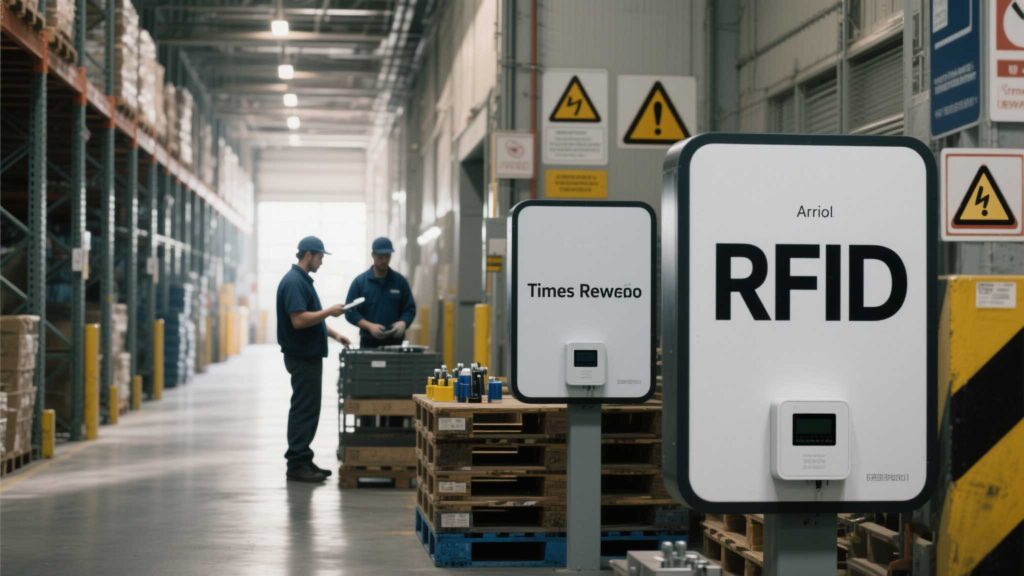
Your warehouse manager swears by UHF RFID. Your IT team insists HF is better for accuracy. Meanwhile, pallets pile up, and workers waste hours rescanning items. The truth? Neither tech is “better”—they’re built for different jobs. Let’s settle the UHF vs. HF debate once and for all, so you can stop guessing and start optimizing.
Best for:
Pros:
Cons:
Real-World Example: Cykeo’s UHF readers helped a logistics hub scan full pallets from forklifts, cutting unloading time by 65%.
Best for:
Pros:
Cons:
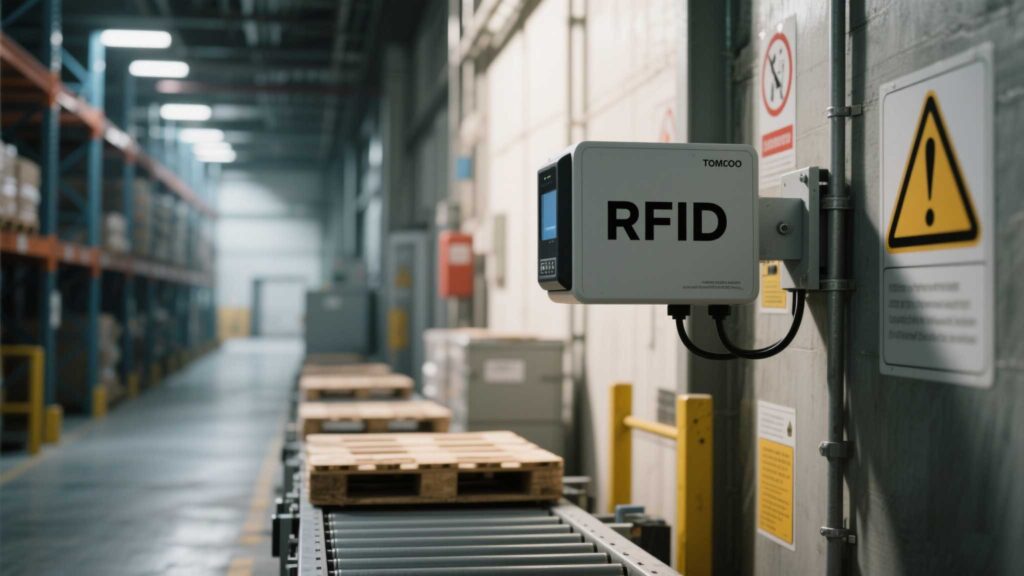
a. High-Bay Racking with Metal Shelves
b. Conveyor Belt Sorting
c. Mixed Inventory (Pallets + Small Parts)
UHF System:
HF System:
Break-Even Tip: If scanning >1,000 items/day, UHF saves labor costs.
UHF:
HF:

Cykeo Hack: Their hybrid readers let you toggle between UHF/HF modes for testing.
Takeaway: UHF RFID readers rule speed and scale; HF conquers precision and chaos. If your warehouse moves mountains of pallets, go UHF. If you track tiny, expensive parts in metal mazes, choose HF. Still stuck? Test both. Your workflow—not sales reps—should decide.

Wondering why your Washington State ID has an RFID antenna? We explain its purpose for enhanced security, REAL ID compliance, faster border crossings, and address privacy concerns.
More
Looking for a custom RFID antenna manufacturer in China? Learn what OEM buyers, system integrators, and distributors should evaluate before choosing a wholesale UHF RFID antenna supplier, from engineering support to production consistency.
More
Learn how does rfid theft work, how RFID security gates detect unauthorized items, and how smart EAS systems prevent inventory loss with reliable protection.
More
Practical best practices for handheld RFID reader secondary development, covering Android and Windows SDKs, API usage, and real-world ERP integration patterns.
More