 Cykeo RFID IoT Solution Products R&D Manufacturer
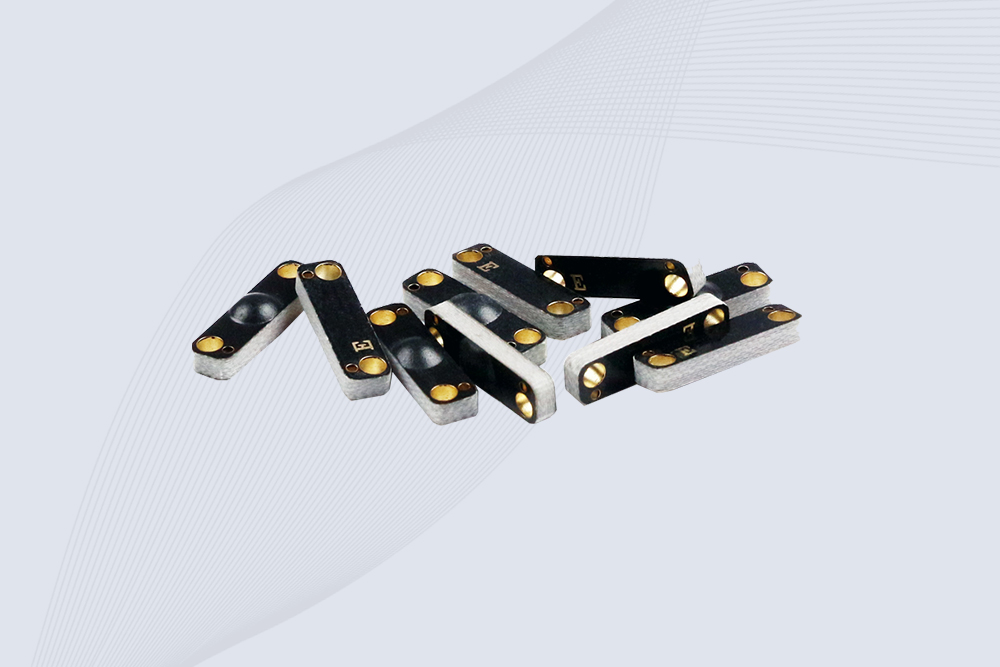
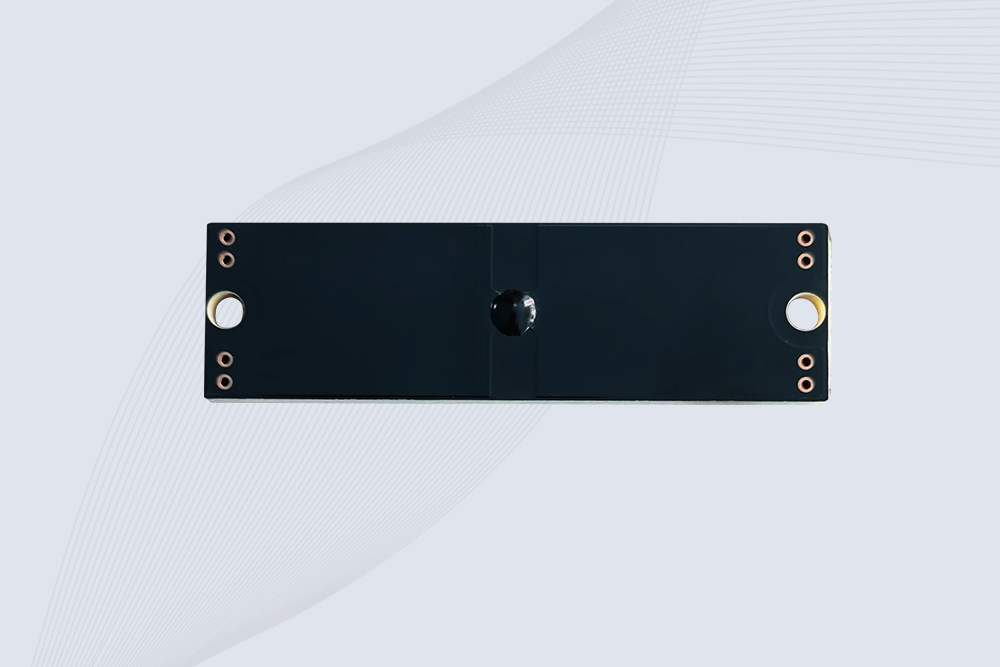
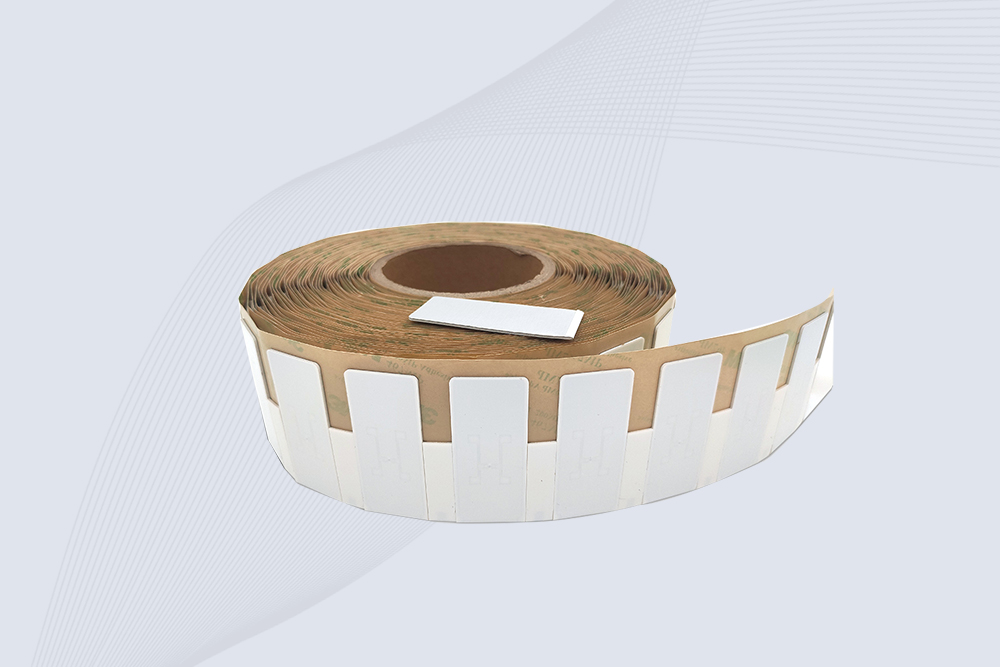
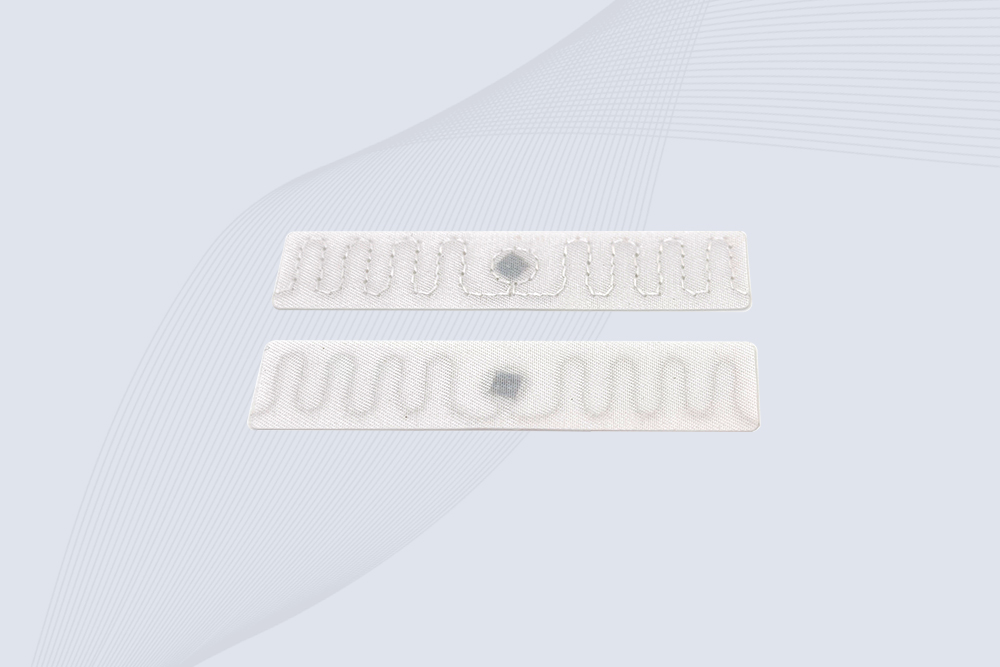


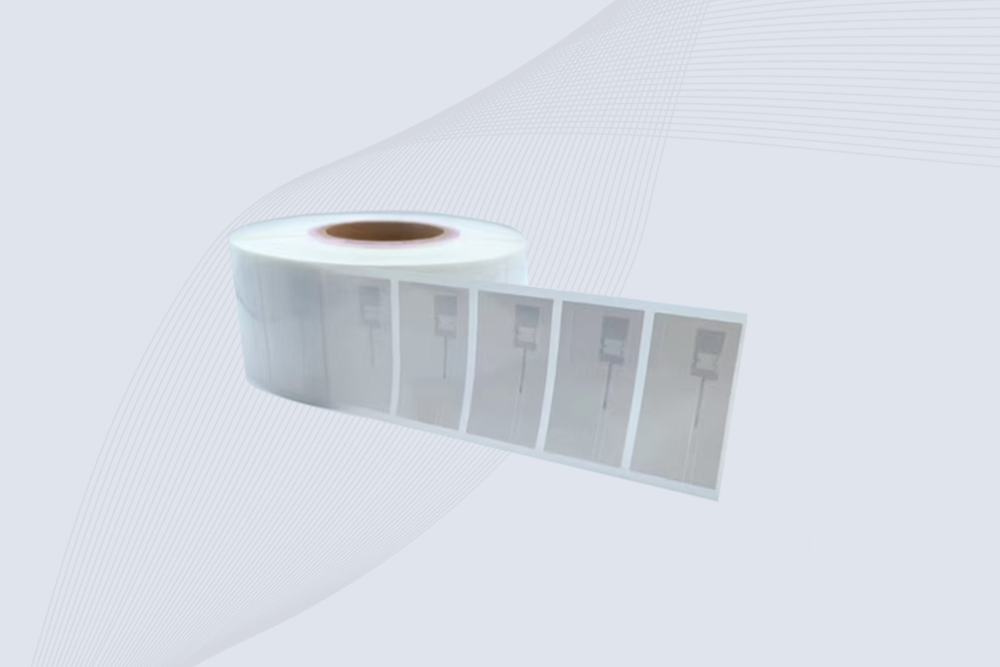
How to Install Metal Mount RFID Tags (Without Killing Performance)
246Learn how to properly install metal mount RFID tags for maximum reading performance. A practical guide for industrial users and bulk RFID deployments.
MoreAll RFID Product
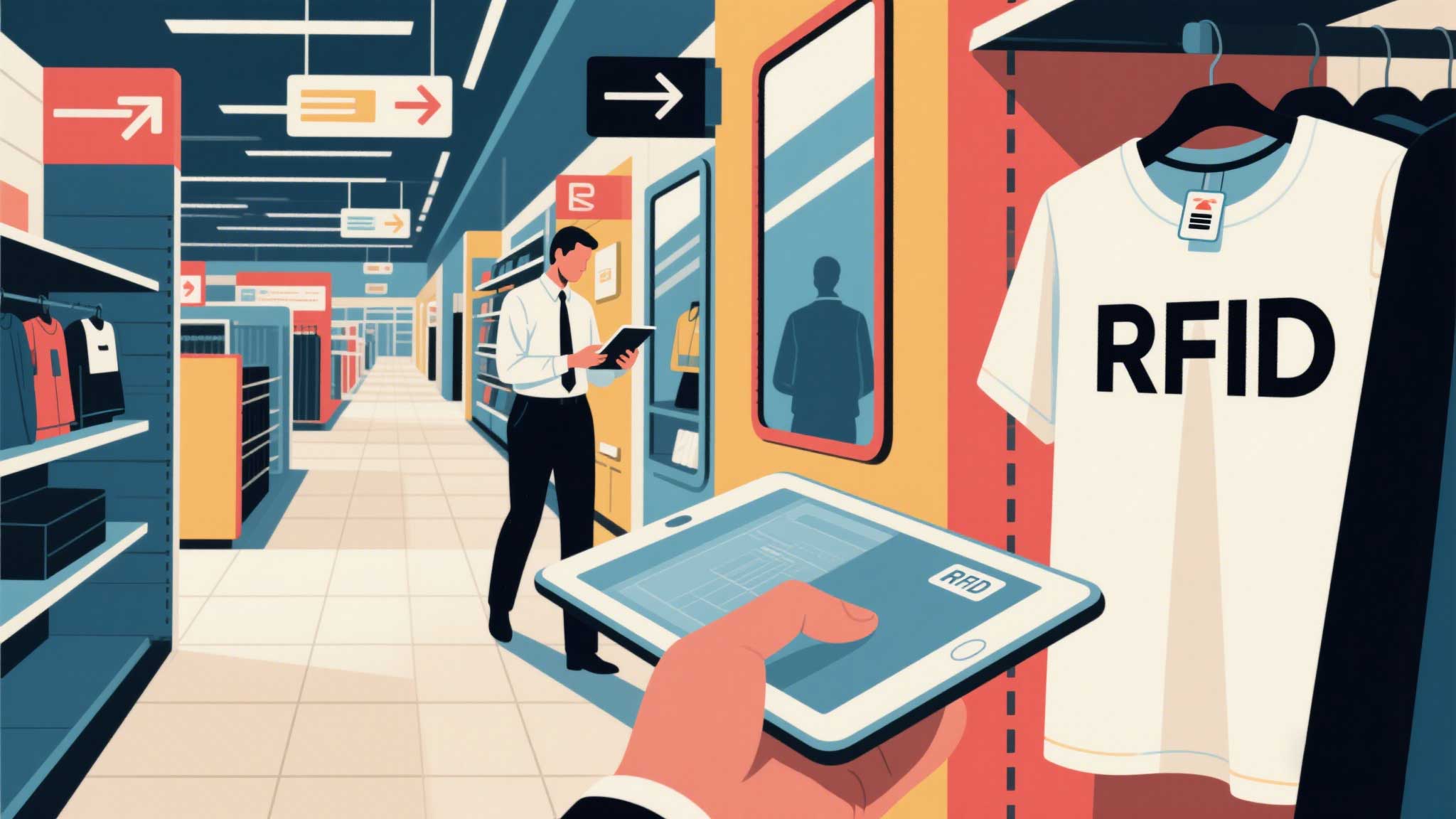
Calculating the ROI of RFID implementation in retail involves quantifying upfront costs against long-term savings from improved inventory accuracy, reduced labor, and lower shrinkage. A well-structured analysis can reveal payback periods as short as 12–18 months. Below, we break down the process with formulas, real-world benchmarks, and strategies to maximize returns.
| Category | Costs | Savings/Revenue |
|---|---|---|
| Upfront (Year 1) | $45,000 | – |
| Annual Savings (Year 1) | – | 14,040+14,000 |
| Revenue Growth (Year 1) | – | $100,000 |
| Net Year 1 Benefit | $45,000 | $128,040 |
| ROI | ((128,040−45,000) / $45,000) × 100 = 184.5% |
Cykeo’s RetailBoost platform bundles RFID hardware, cloud software, and analytics into a fixed $35,000/year subscription. Clients like a Midwest apparel chain achieved 214% ROI in 14 months by:
Learn how to properly install metal mount RFID tags for maximum reading performance. A practical guide for industrial users and bulk RFID deployments.
More
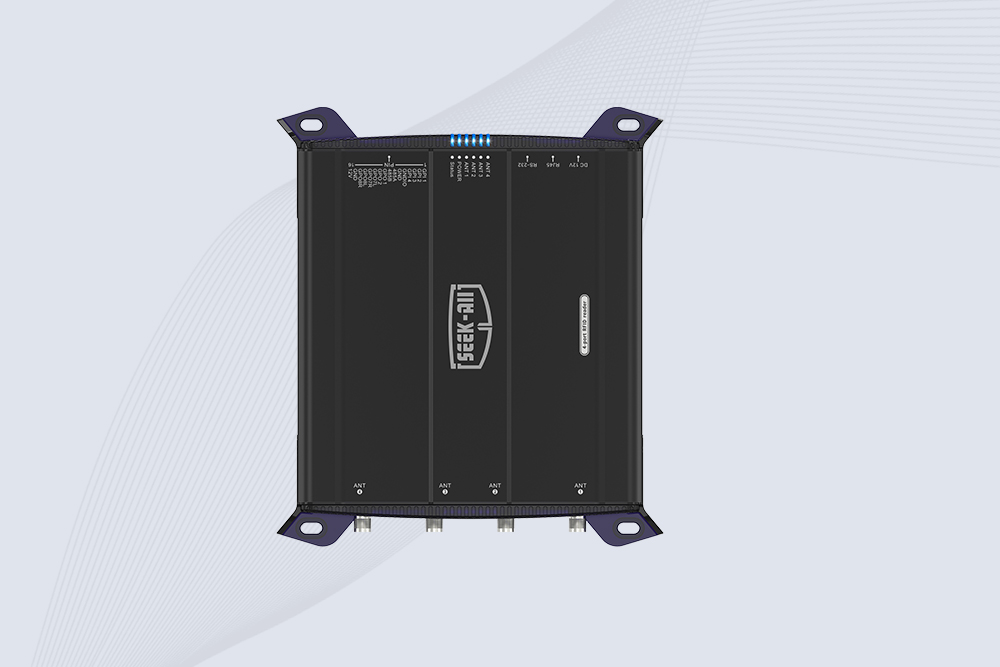
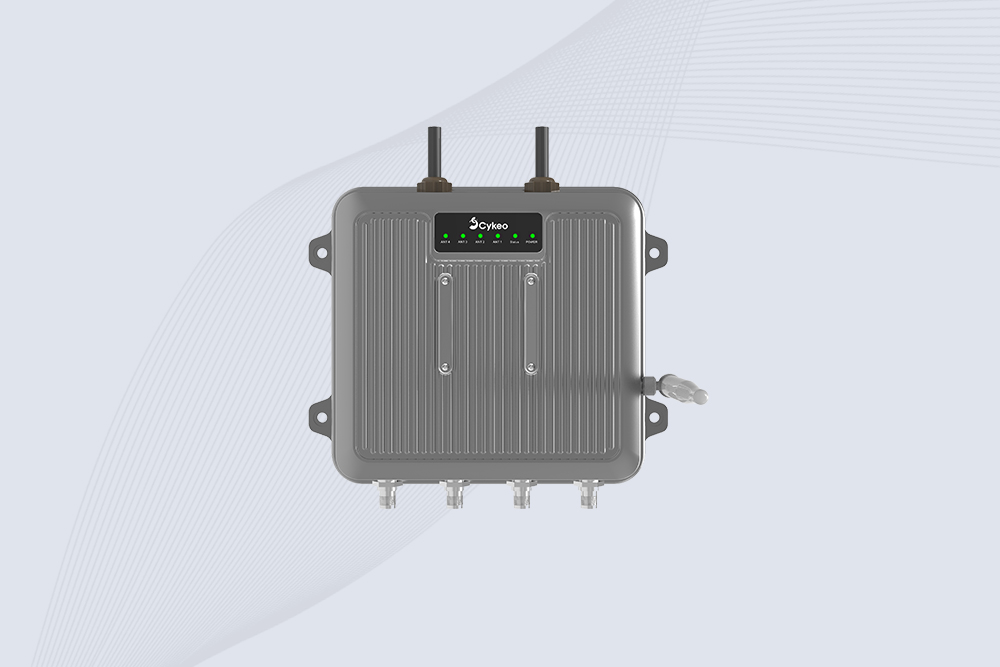
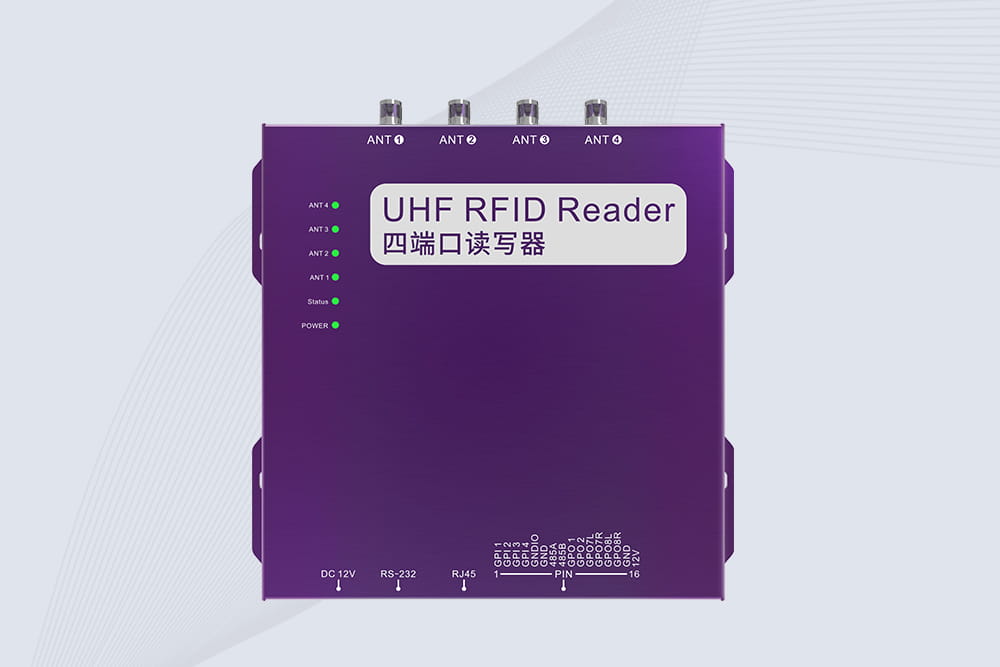
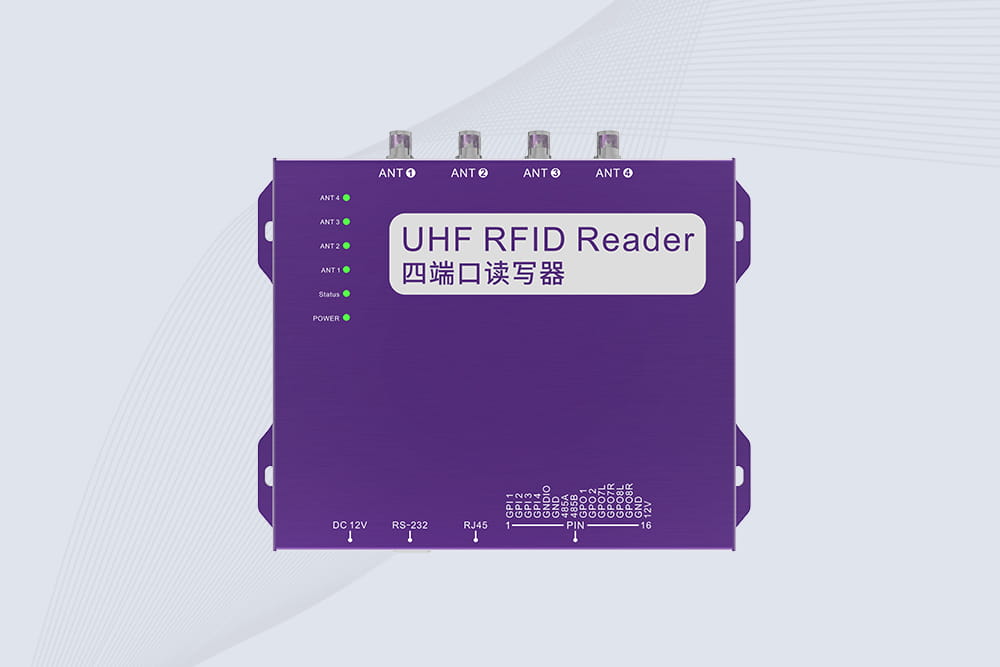
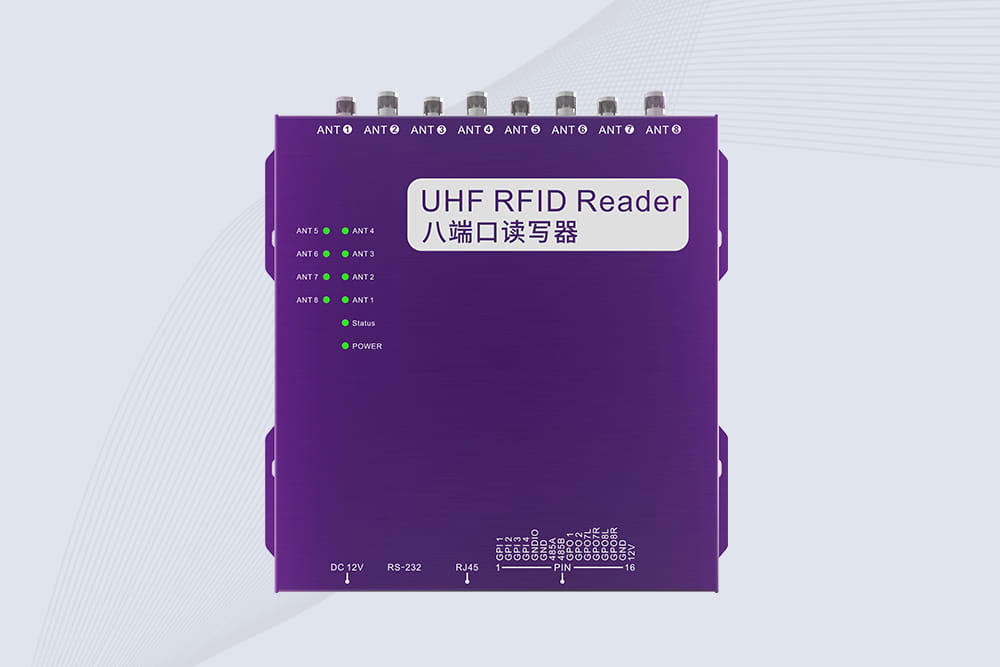
Can one RFID reader connect to four antennas? Learn how 4-port RFID readers work, when four antennas are enough, and what to consider before installation.
More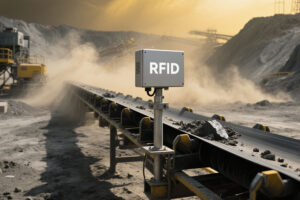
Discover industrial-grade RFID antennas that withstand dust storms, moisture, and -40°F to 185°F temps. Ensure reliable tracking in mines, farms, and factories.
More
Learn how RF scanning in warehouse operations improves inventory accuracy, speeds up order fulfillment, and enables real-time stock visibility. Discover how RFID tunnel scanning automates high-volume warehouse workflows.
More