The first time I watched RF scanning in a warehouse, it wasn’t in a conference presentation or software demo.
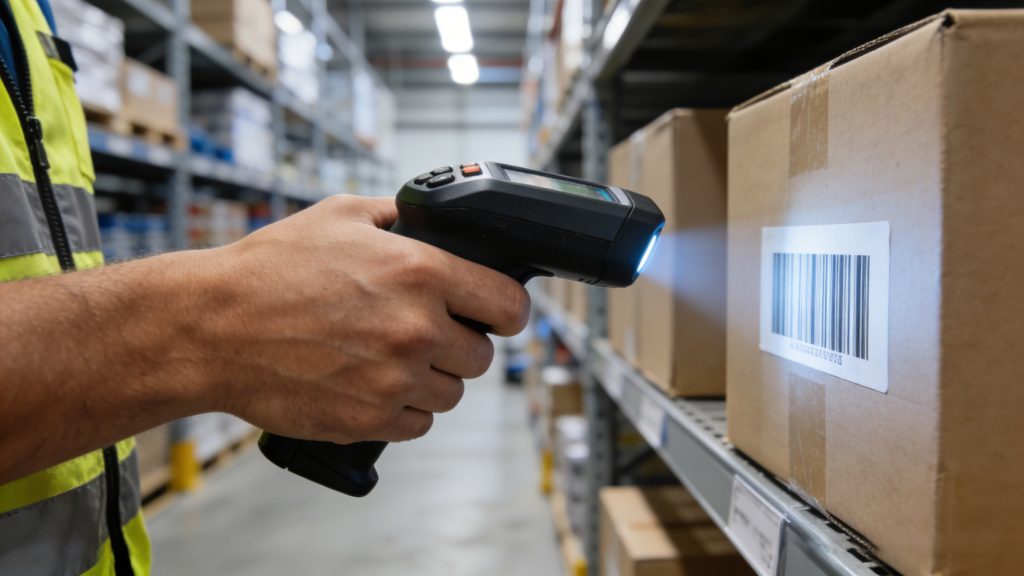
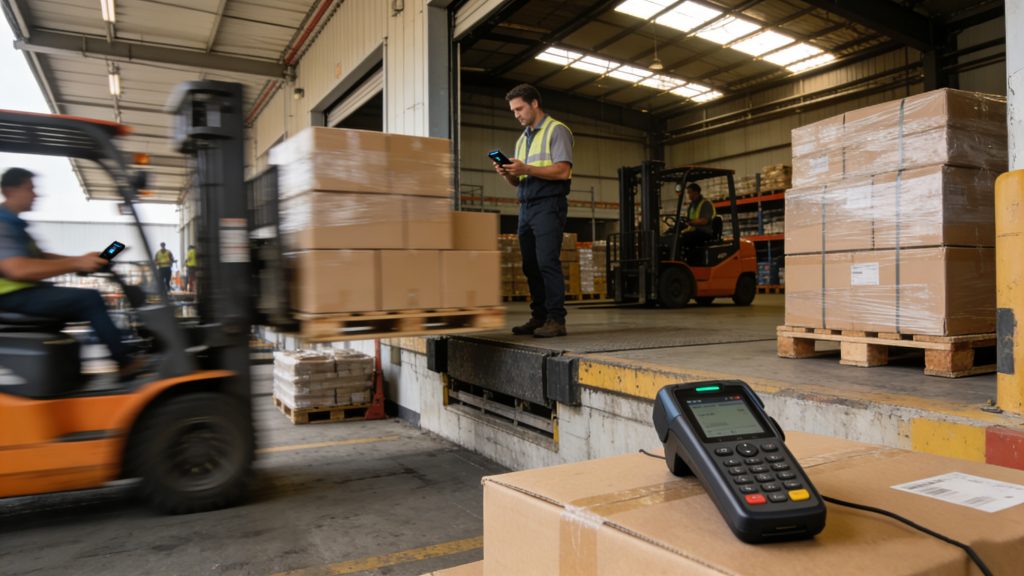
It was on a busy warehouse floor where workers were unloading pallets while forklifts moved constantly between aisles. Every few seconds you could hear the familiar beep of handheld scanners confirming another item.
That sound tells you something important: inventory just got updated.
For warehouses handling thousands of SKUs every day, RF scanning in warehouse operations isn’t just a convenience anymore. It’s the basic infrastructure that keeps inventory accurate while products are constantly moving.
Without it, things fall apart surprisingly fast.
What RF Scanning Really Means in a Warehouse
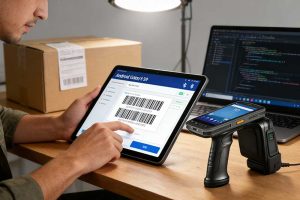
On paper, the definition is simple. RF scanning uses wireless radio communication to send data from handheld devices or readers to a warehouse management system.
In practice, it means workers can scan an item and the system updates immediately.
No paperwork. No waiting until the end of the shift. No guessing where inventory might be.
That small shift—from delayed updates to real-time data—changes how a warehouse runs.
A manager can check inventory levels at 2:00 PM and actually trust the numbers.
Where RF Scanning Shows Up During the Day
People sometimes imagine scanning as a single step in the process. In reality, it shows up almost everywhere.
Receiving is the obvious place.
When a truck arrives, workers scan pallet labels or cartons as they unload them. That first scan tells the system: these goods are now inside the warehouse.
But scanning doesn’t stop there.
When items are stored, the worker scans the location and the product together. That’s how the WMS knows exactly where something is sitting.
And later, when someone picks an order, the scanner confirms the right SKU was taken from the right bin.
Every scan is basically a tiny verification point.
Why Warehouses Adopt RF Scanning (Usually After a Painful Problem)
Most warehouses don’t adopt RF scanning just because it sounds modern.
They adopt it after something goes wrong.
Maybe inventory counts are constantly off. Maybe workers waste time searching for items that the system says should be there. Or maybe shipping errors start showing up in customer complaints.
I’ve seen warehouses where employees walked aisle after aisle looking for “missing” items that were actually just recorded in the wrong location.
RF scanning doesn’t eliminate every mistake, but it reduces the number of ways errors can happen.
That alone makes a big difference.
The Limits of Manual RF Scanning
Handheld scanners work well, especially in small or mid-size operations.
But there’s a point where manual scanning starts slowing things down.
Imagine cartons moving along a conveyor at a busy distribution center. If someone has to stop and scan each box individually, that process becomes a bottleneck.
You start seeing:
lines of cartons waiting to be scanned
workers rushing and missing scans
inconsistent inventory records
This is usually when companies begin looking at RFID automation.
Where RFID Changes the Game
RFID works differently from barcode scanning.
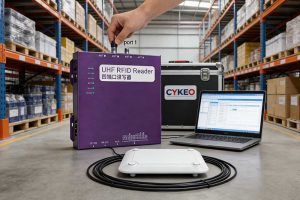
Instead of scanning one label at a time, RFID readers can detect multiple tags at once—even when they aren’t directly visible.
In high-volume warehouses, this changes the workflow completely.
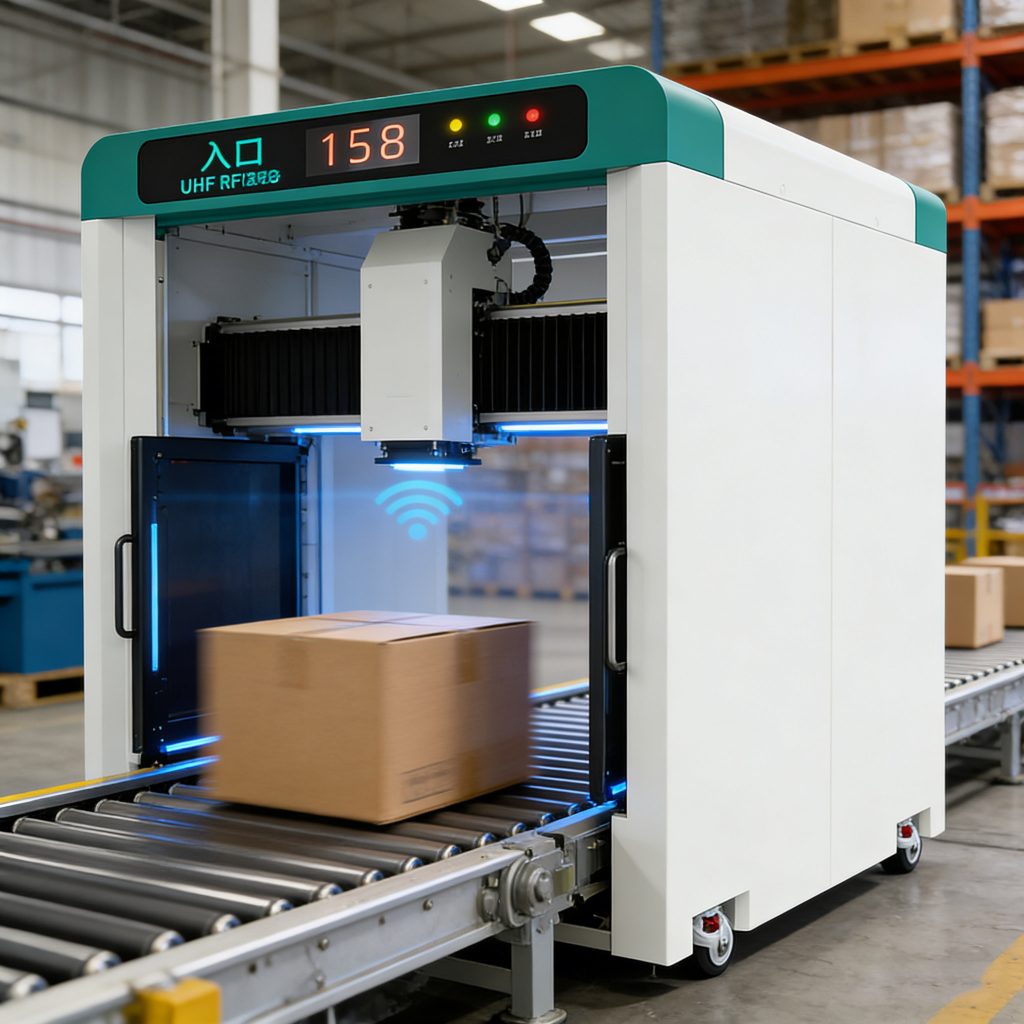
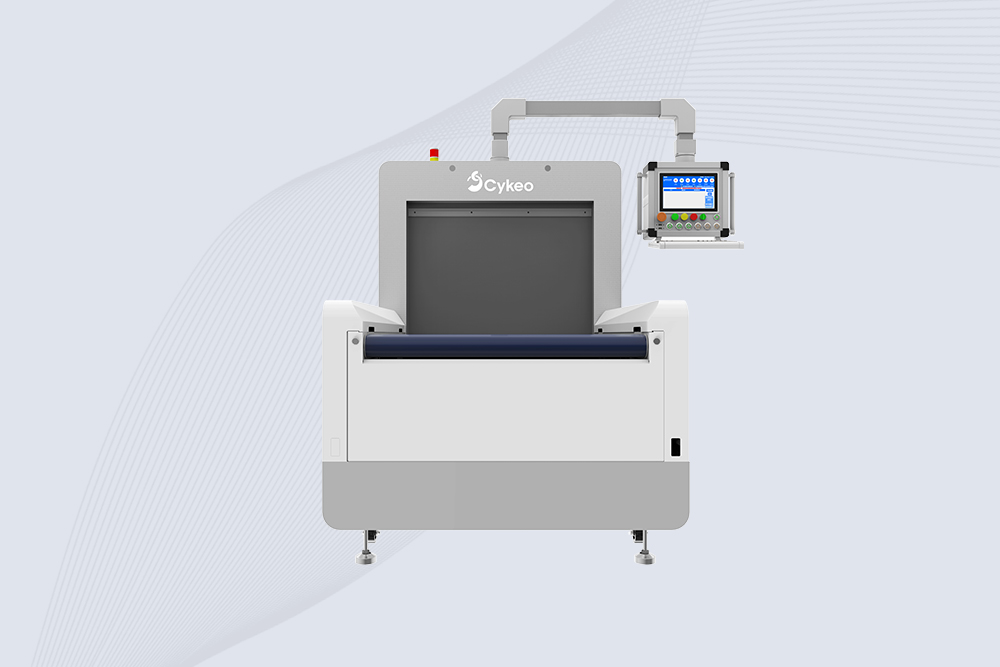
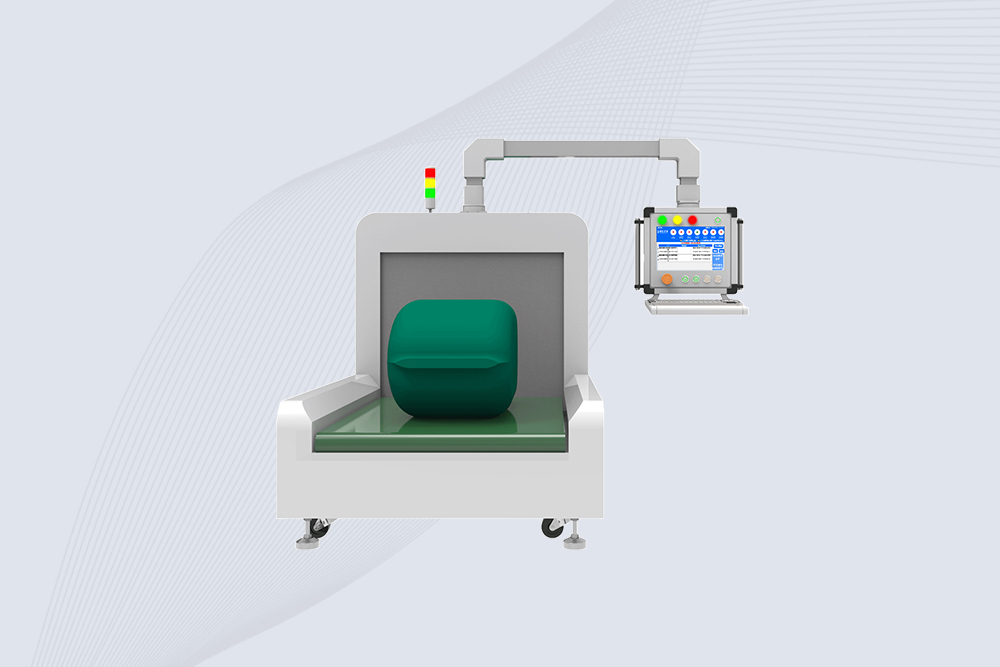
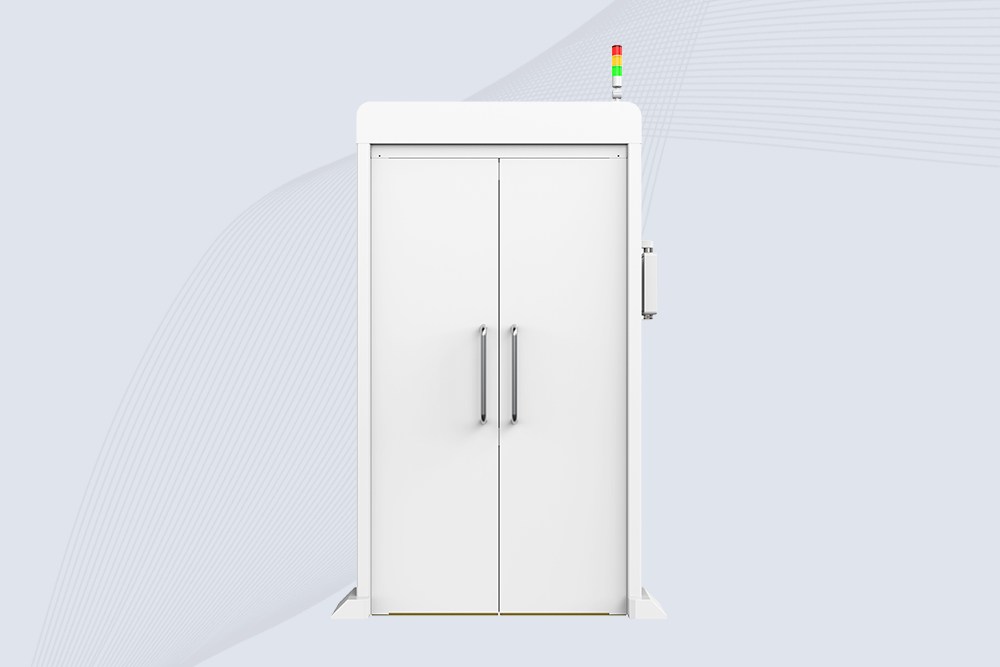
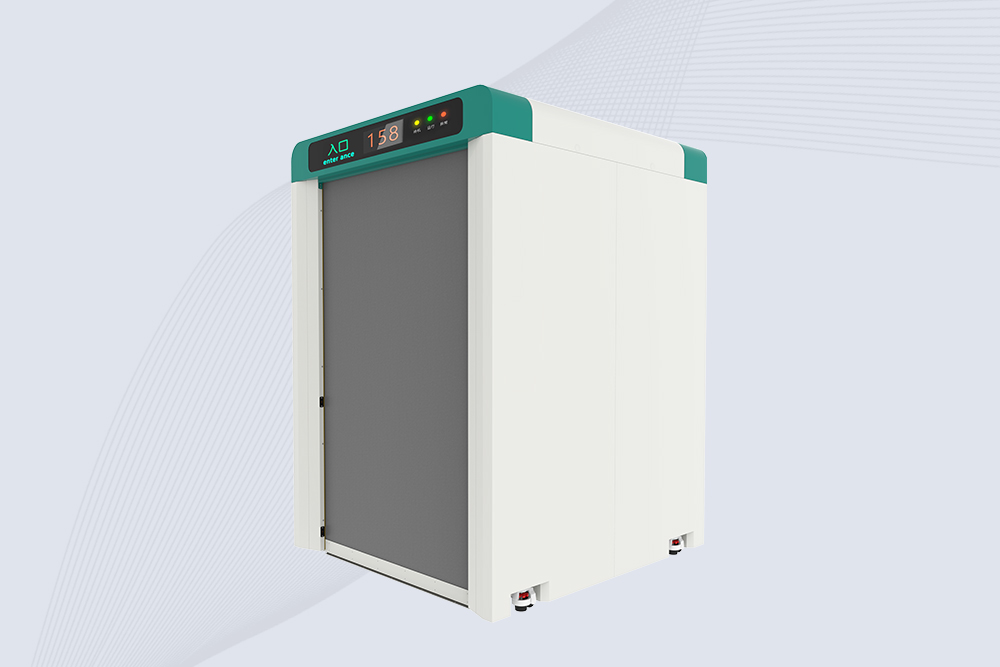
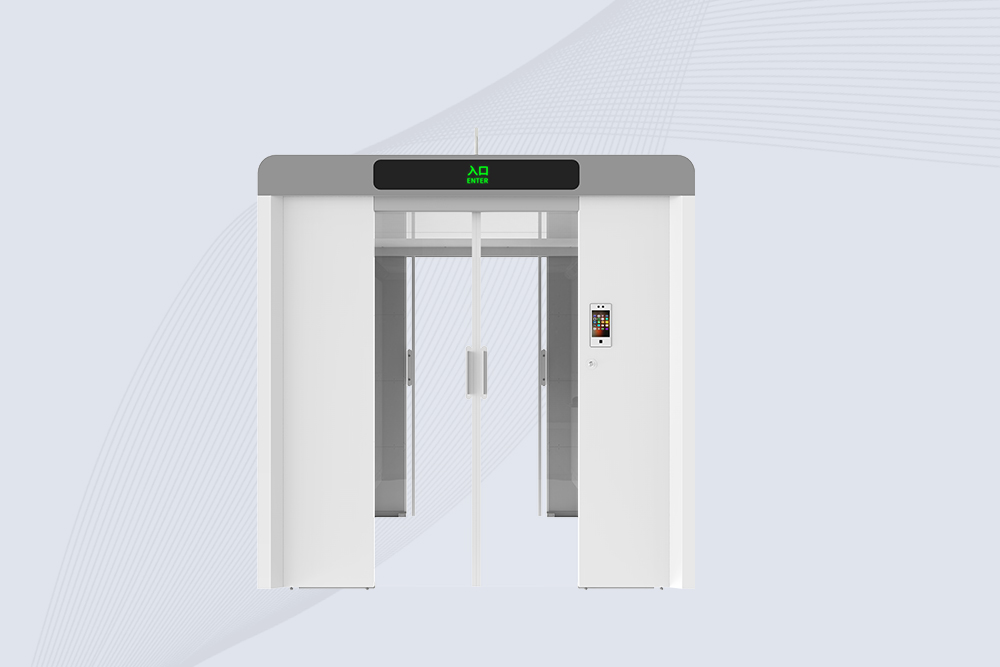
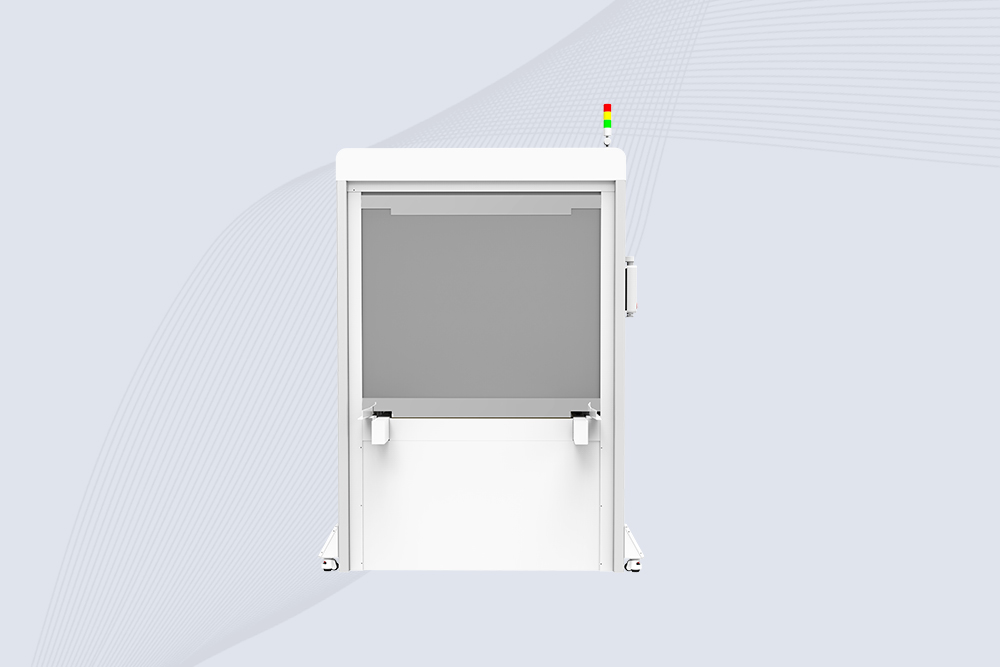
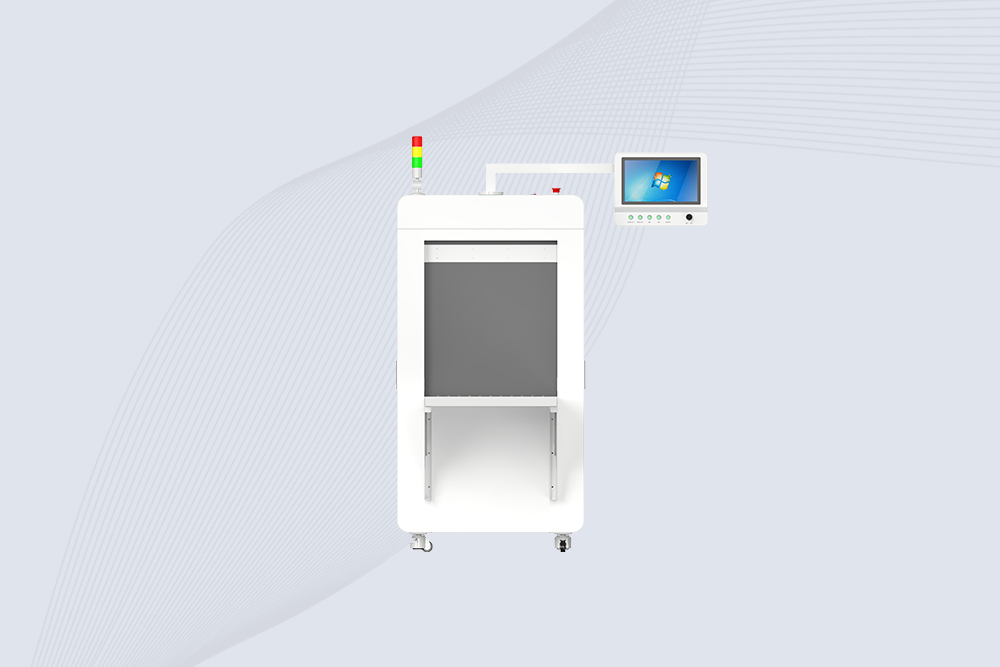
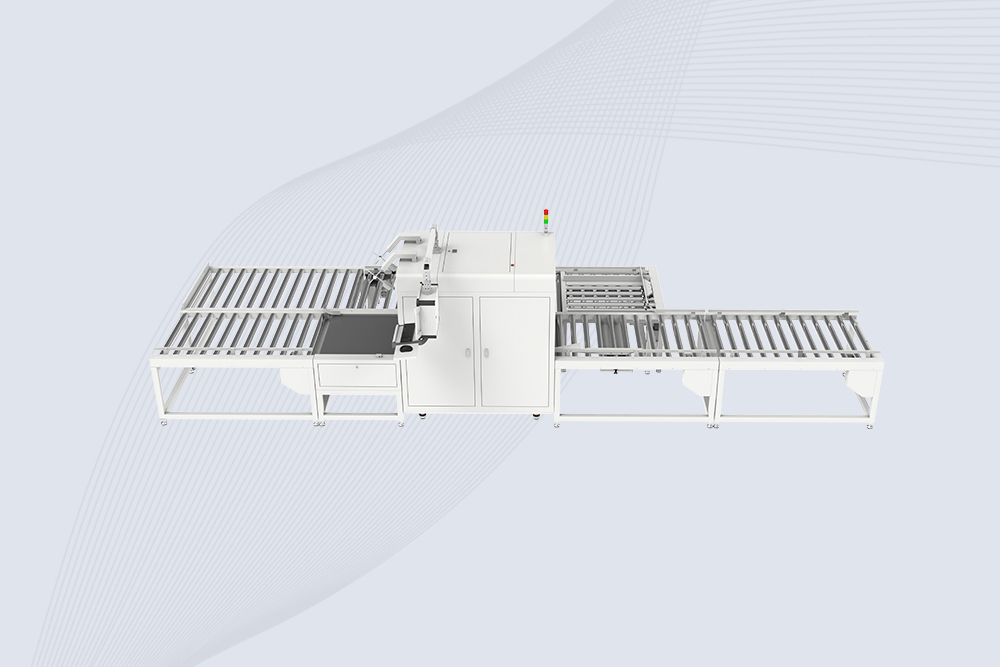
Instead of workers scanning every carton manually, items can pass through automated scanning points.
The system captures tag data as products pass through the tunnel, sending everything directly to the warehouse management system.
In busy facilities moving thousands of items per hour, that kind of automation saves a surprising amount of labor.
Why Many Warehouses Use Both Technologies
One interesting thing I’ve noticed is that warehouses rarely switch completely from barcodes to RFID overnight.
Most end up using both.
Handheld scanners still make sense for tasks like:
picking individual orders
cycle counting
verifying specific SKUs
RFID automation, on the other hand, shines in high-volume processes like:
conveyor sorting
pallet verification
bulk inventory scanning
It’s less about replacing one system and more about using the right tool for the right step.
The Bigger Shift: Real-Time Warehouse Visibility
The real value of RF scanning isn’t the scanner itself.
It’s the visibility that comes from capturing data continuously.
When every movement—receiving, storage, picking, shipping—is recorded in real time, the warehouse system stops being a rough estimate and starts becoming a reliable operational tool.
Managers can:
track inventory more accurately
identify process delays
reduce shipping mistakes
And as warehouses grow more automated, RF scanning and RFID systems will keep playing a central role in connecting physical inventory with digital systems.
In simple terms: RF scanning is what allows modern warehouses to know what they actually have, where it is, and where it’s going next.
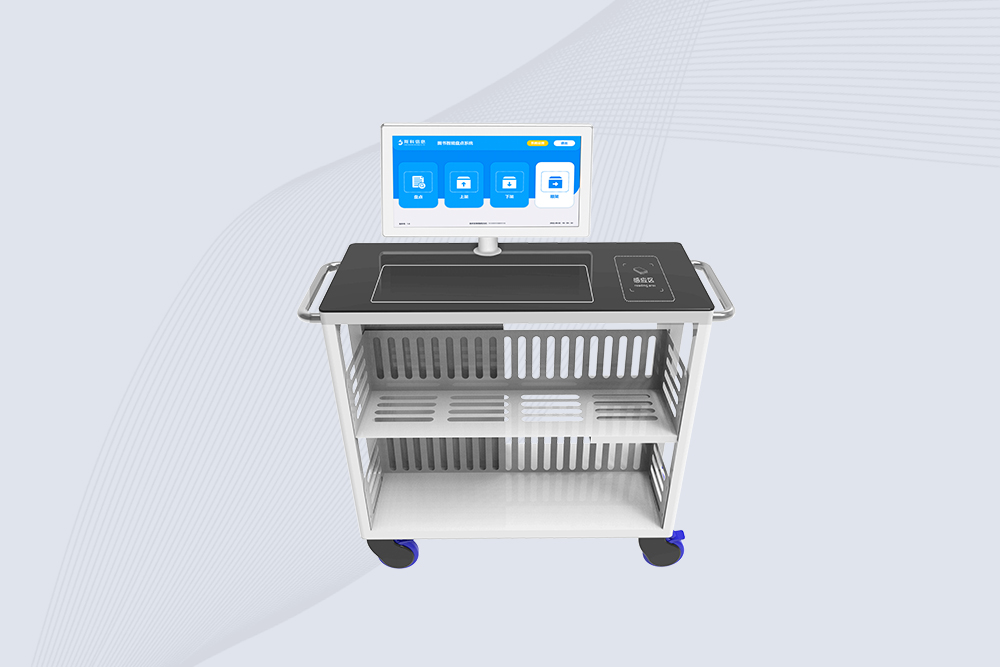
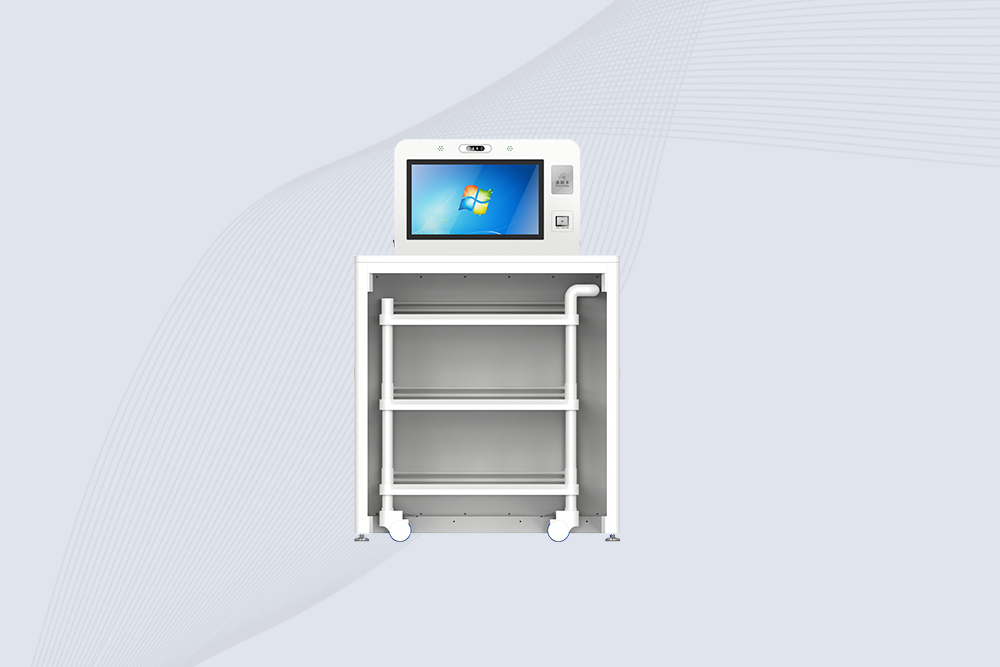
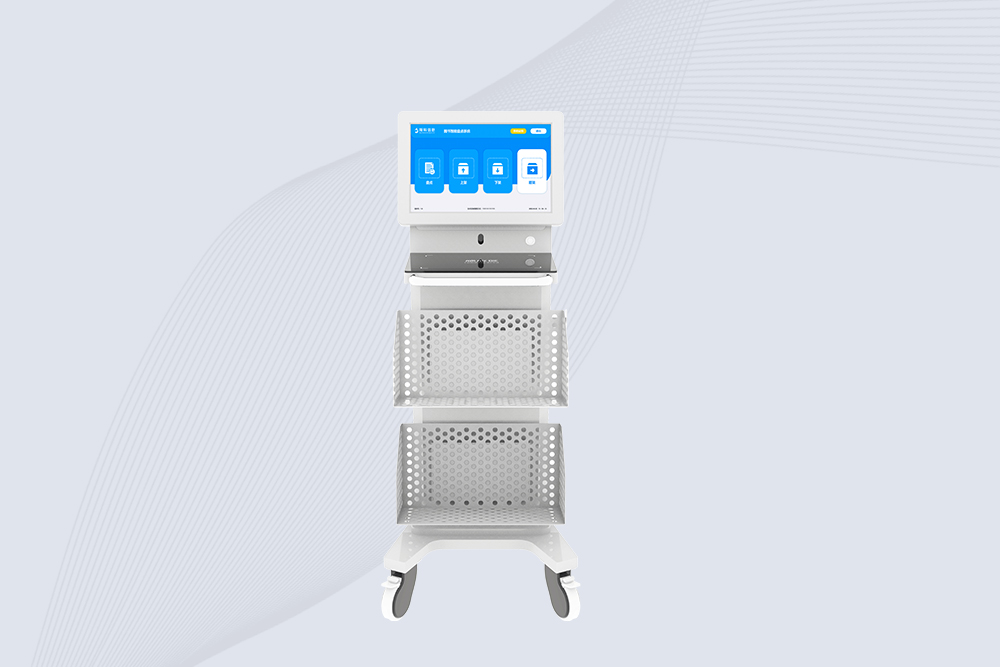
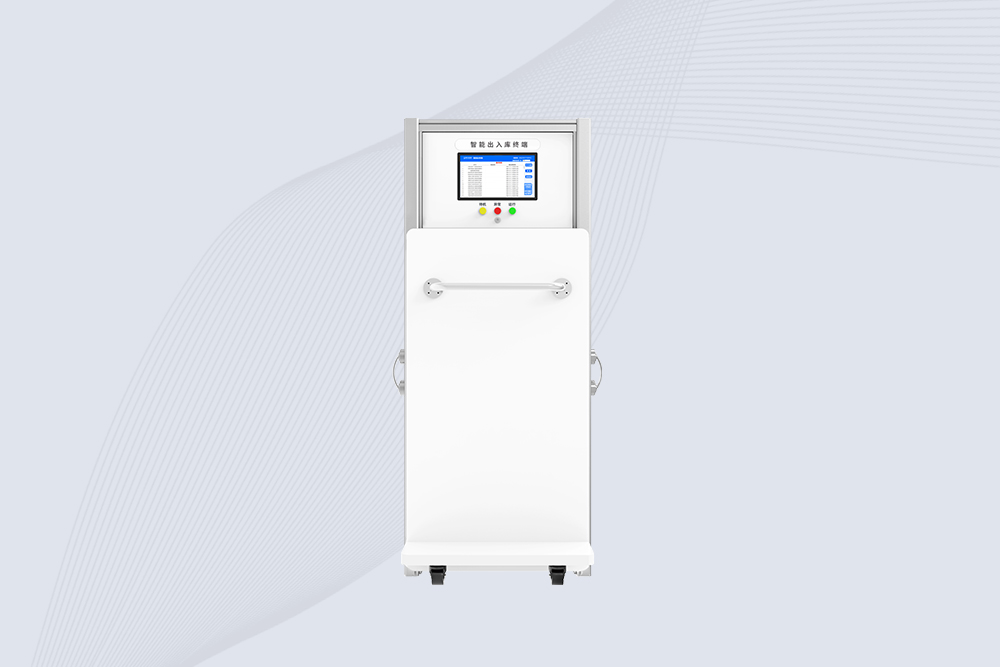
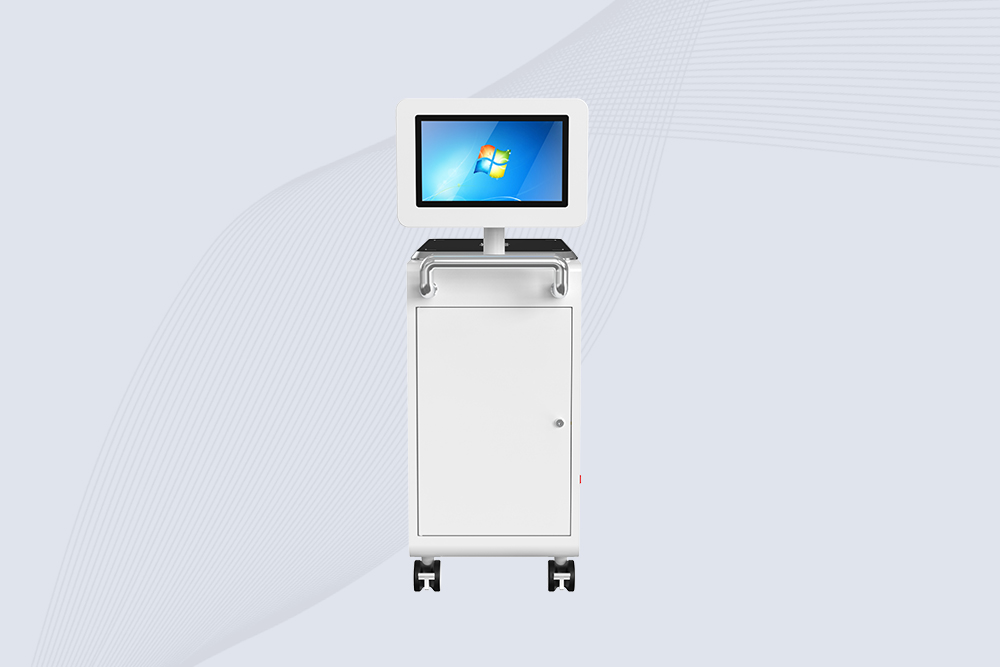
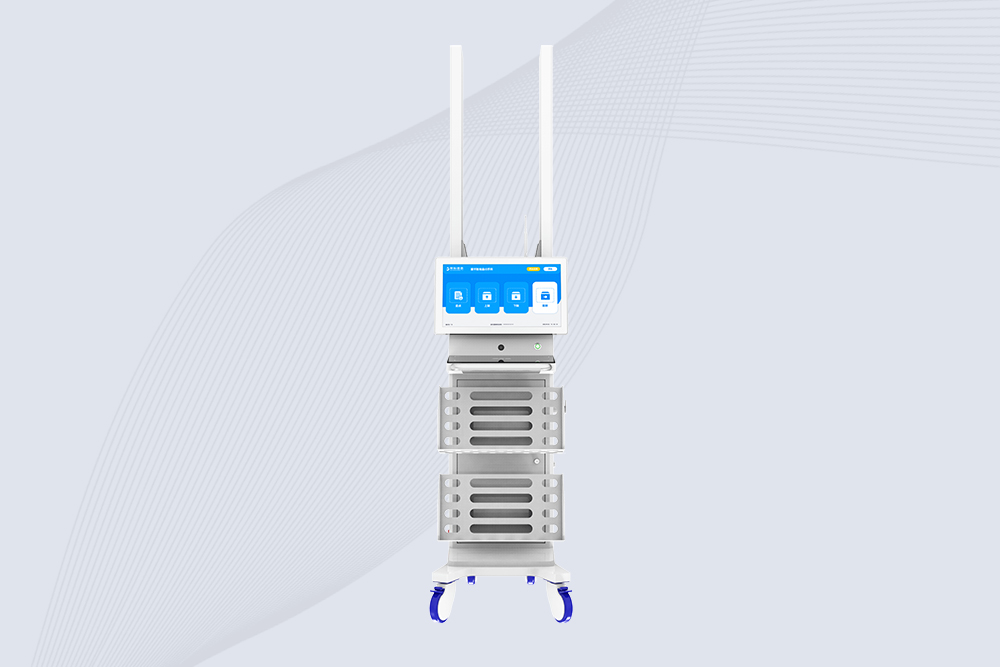
Cykeo CYKEO-C2 UHF RFID inventory cart features 10 UHF readers, 500 tags/sec scanning, Windows/Android OS, and hybrid power for warehouses/libraries. Supports ISO 18000-6C protocols and customization.
Cykeo’s industrial RFID Inventory Tracking station features dual scanning modes, 200+ items/sec bulk reading, and SAP integration for precise warehouse management. MIL-STD-810G certified with Windows/Android OS.
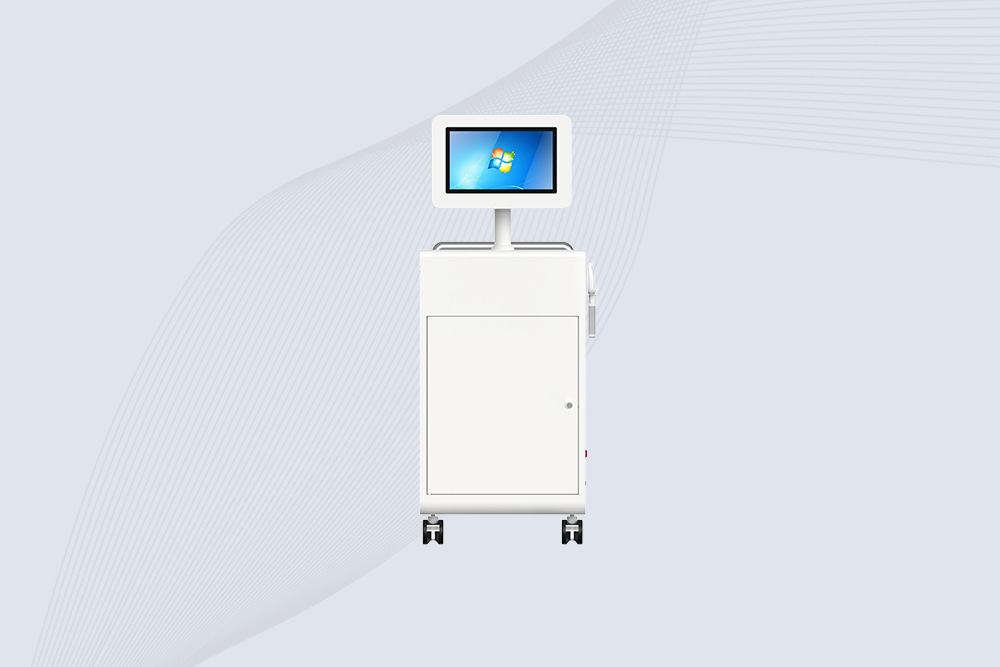
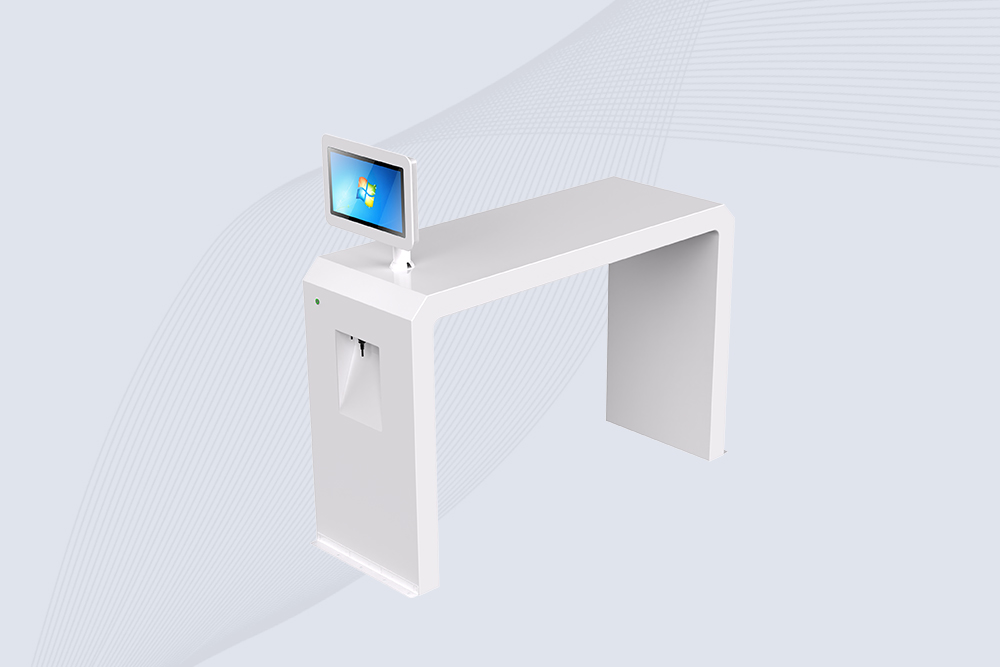
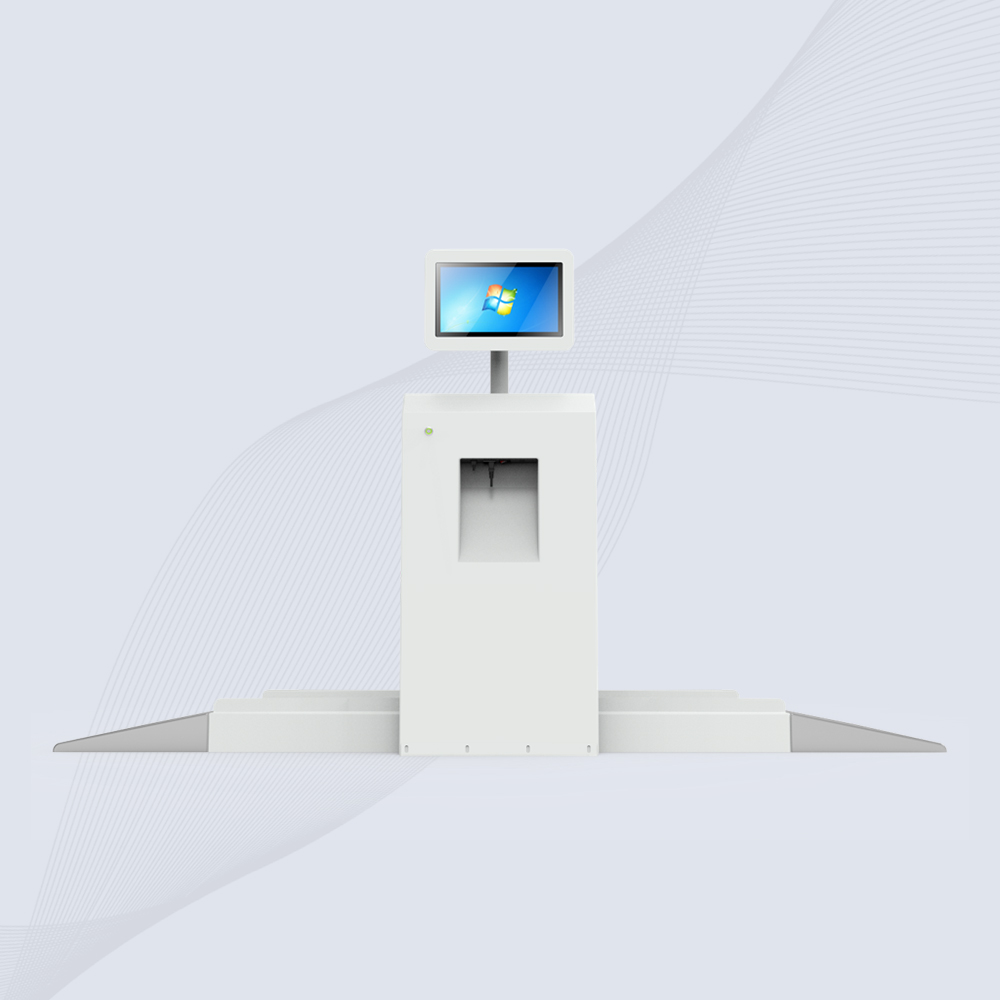
Cykeo CYKEO-D7 RFID system for inventory offers 40+ tags/sec scanning, 150L secure storage, and Impinj R2000 chipset for warehouses, toolrooms, and retail. Global frequency compliance (840-960MHz).
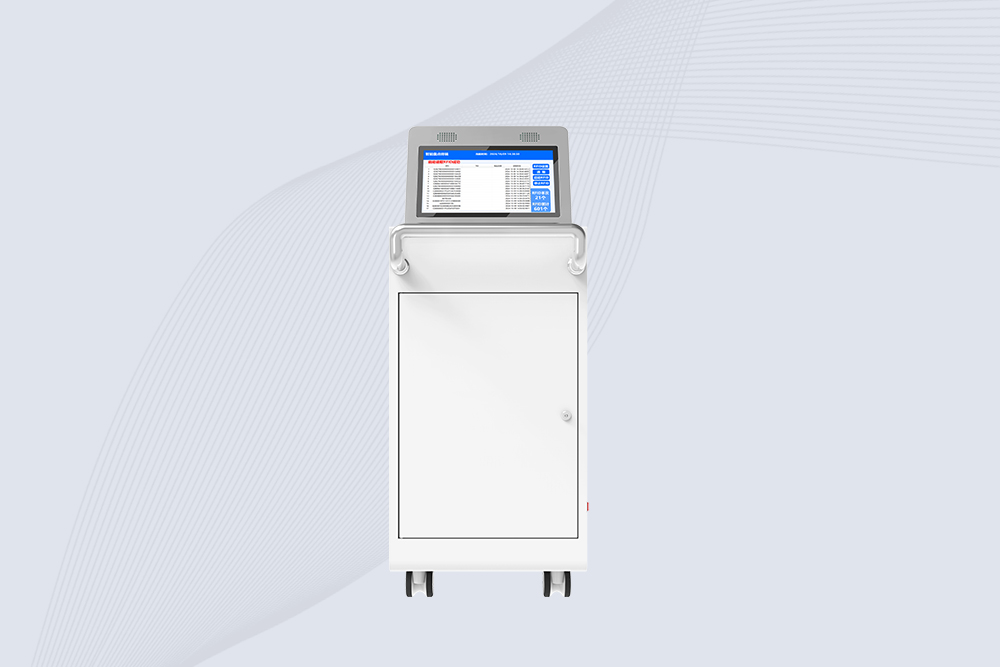
Cykeo CYKEO-C1 mobile RFID scanner cart features PLC-controlled antenna lifting, 10-tag/sec reading, and 21.5″ touchscreen for libraries, hospitals, and warehouses. Supports Windows/Android and multi-protocol RFID.
Cykeo CYKEO-C3 industrial warehouse RFID scanner features motorized lift (2.2m height), 800+ tags/min scanning, Windows/Android OS, and ERP integration. Ideal for high-shelf inventory in logistics/manufacturing.
Cykeo’s CYKEO-TP2 automated RFID Inventory Management Tunnel System features 80kg capacity conveyor, 400 tags/sec scanning, and real-time data validation for warehouse/logistics operations.
Cykeo’s CYKEO-TP3BC RFID inventory tunnel System management machine delivers 400+ tags/sec counting with ISO 18000-6C compliance. Features 80kg conveyor, -20°C~60°C operation, and ERP integration for apparel/electronics warehouses.
Cykeo’s industrial RFID tunnel scanner enables bulk inventory management for apparel, utilities, and hospitality. Features 10cm anti-interference, ISO18000-6C compliance, and SAP/Oracle integration.
Cykeo CYKEO-TP4 industrial RFID tunnel system features 800-tag/batch processing, PLC-automated shutters, and SAP integration for apparel/hotel/power industries. 3-second verification with 99.9% accuracy.
Cykeo CYKEO-TP5A industrial RFID tunnel system features 800-tag/batch processing, PLC-automated shutters, and SAP integration for apparel/hotel/power industries. 3-second verification with 99.9% accuracy.
Cykeo CYKEO-GP industrial RFID tunnel achieves 300pcs/sec bulk RFID tags inventory tracking with ISO 18000-6C protocol. 1.9m tunnel height for cage carts, 20cm anti-crosshield tech.
Cykeo CYKEO-C4A RFID inventory systems Cart feature dual-band scanning, 10-antenna array, and SAP integration for warehouse/hospital/supermarket asset audits. 300+ items/min accuracy with industrial reliability.
Cykeo CYKEO-C4B RFID inventory managment cart features dual-band scanning, 10-antenna array, and SAP integration for real-time asset tracking in warehouses/hospitals.
Cykeo CYKEO-C4C RFID inventory tracking cart features 10-antenna array, 300+ items/min scanning, and SAP integration for real-time asset visibility in warehouses/hospitals.
Cykeo CYKEO-T8B industrial rfid gate access system offers 1.85m scanning corridor, 99.6% read accuracy, and Windows/Android OS for production line verification. Supports SAP/Oracle integration.
Cykeo CYKEO-C1A RFID tag inventory system features vertical 2.2m manual lift, dual antennas, and Android/Windows OS for warehouse/library inventory. Supports SAP/Oracle integration.
Cykeo CYKEO-TP4A retractable RFID gate processes 1000+ items in 10 seconds with expandable width design. Ideal for large-scale utility, hotel linen, and apparel inventory management.
Cykeo CYKEO-S1 RFID library book return sorting system processes 1200 books/hour with modular design and dual-frequency RFID support. Ideal for automated library book sorting and categorization.
Cykeo CYKEO-TP2C RFID tunnel reader verifies 400+ items in 3 seconds with 4-antenna array and PLC control. Ideal for warehouse inventory management with 99.9% accuracy.
Cykeo CYKEO-TP2D compact RFID tunnel scanner reader offers enclosed scanning with auto-shutter door and IR-activated conveyor. Ideal for mid-scale warehouse inventory management.
Cykeo CYKEO-TP2A RFID tunnel reader verifies 400+ items in 3 seconds. Integrates RFID, barcode, weighing, and automated sorting for warehouse logistics. Boosts accuracy to 100%.
Learn how to read RFID tags with Android for real projects. We break down built-in NFC limits and show how to connect CYKEO UHF readers via SDK for inventory apps.
Setting up your hardware? Learn how to connect Cykeo RFID antennas correctly to your reader, including compatibility checks, cable types, and essential safety tips.
Discover how does passive rfid work, including RF energy, backscatter communication, tag antennas, reader signals, read range, and real-world industrial RFID use.
RFID tool cabinet improves tool accountability, inventory visibility, access control, and checkout efficiency by connecting tagged tools with digital records...
 Cykeo RFID IoT Solution Products R&D Manufacturer