How to Connect Cykeo RFID Antennas: Getting It Right the First Time
If you’ve just unboxed a Cykeo RFID reader and are holding one of their antennas, the question of exactly how to connect Cykeo RFID antennas is your first practical step. While it might seem as simple as screwing on a cable, doing it correctly ensures you get the performance you paid for and avoid damaging sensitive equipment. Here’s a no-nonsense guide based on common field setups.
The Golden Rule: Check Compatibility First
Before you touch a cable, verify two things. First, ensure your Cykeo reader model (e.g., CK-A9, CK-A12) and the antenna are designed for the same frequency region (e.g., 902-928 MHz for North America). Using a European-spec antenna on a US-spec reader will lead to poor performance.
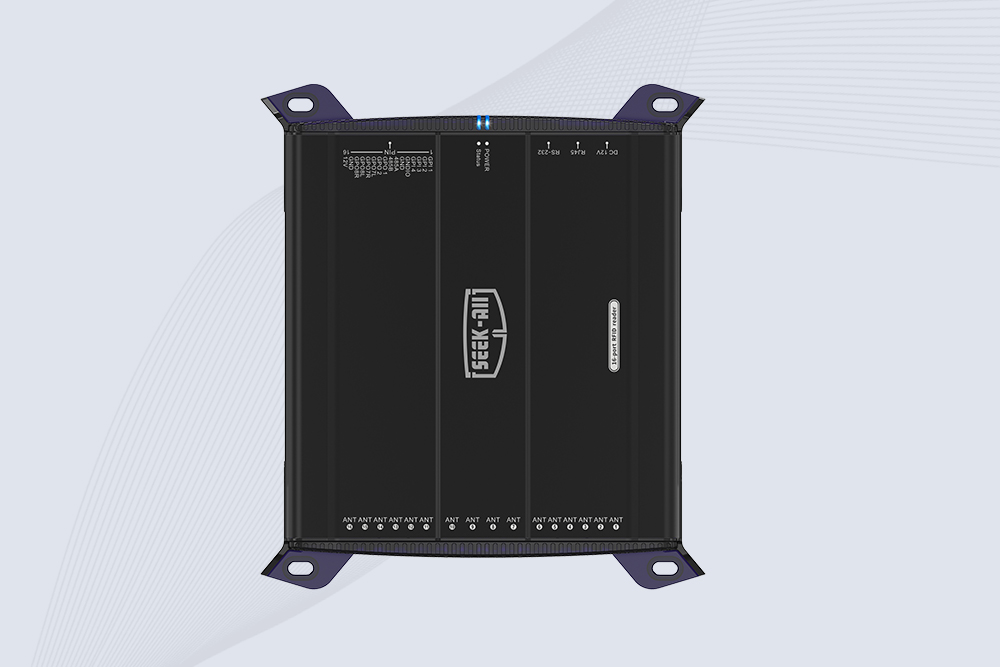
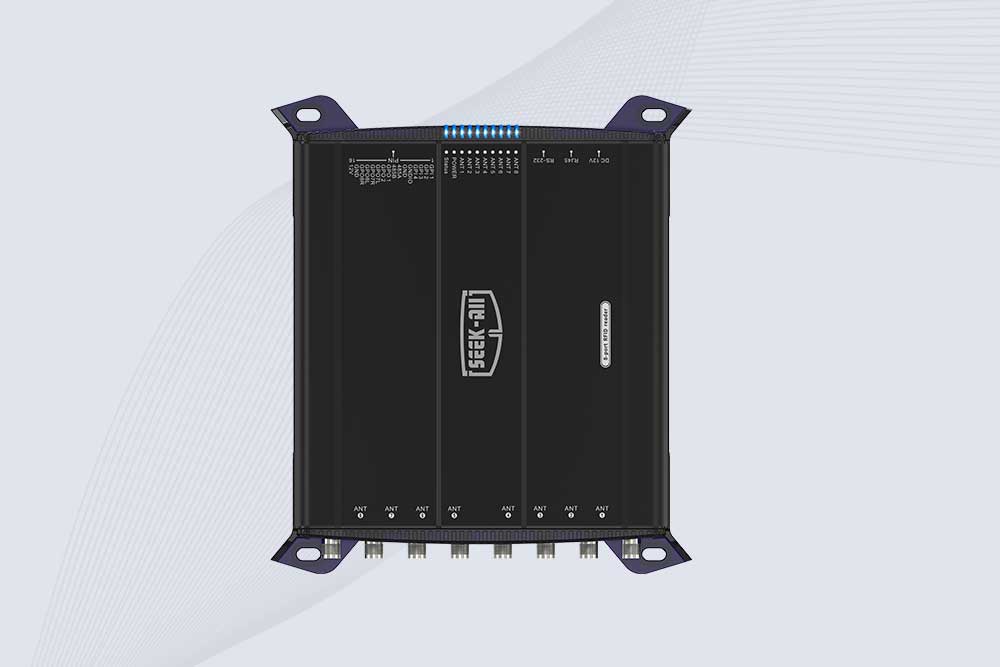
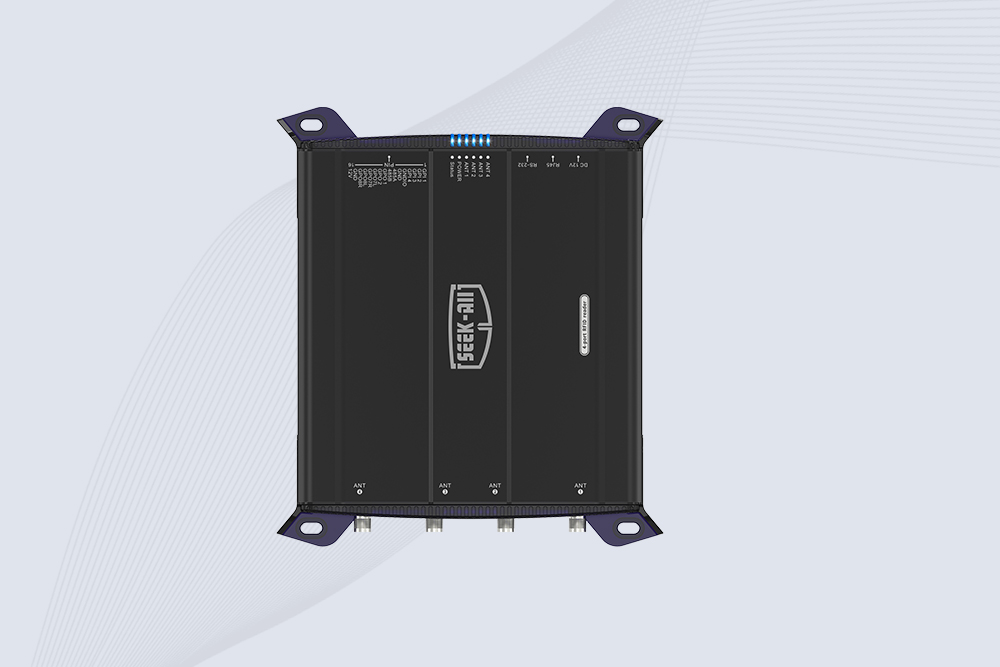
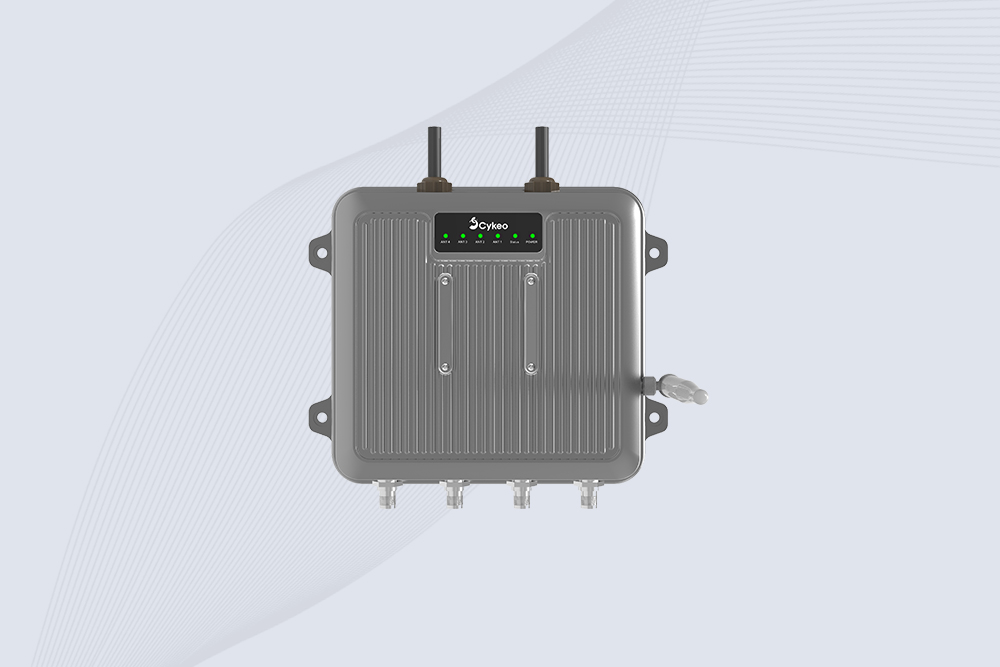
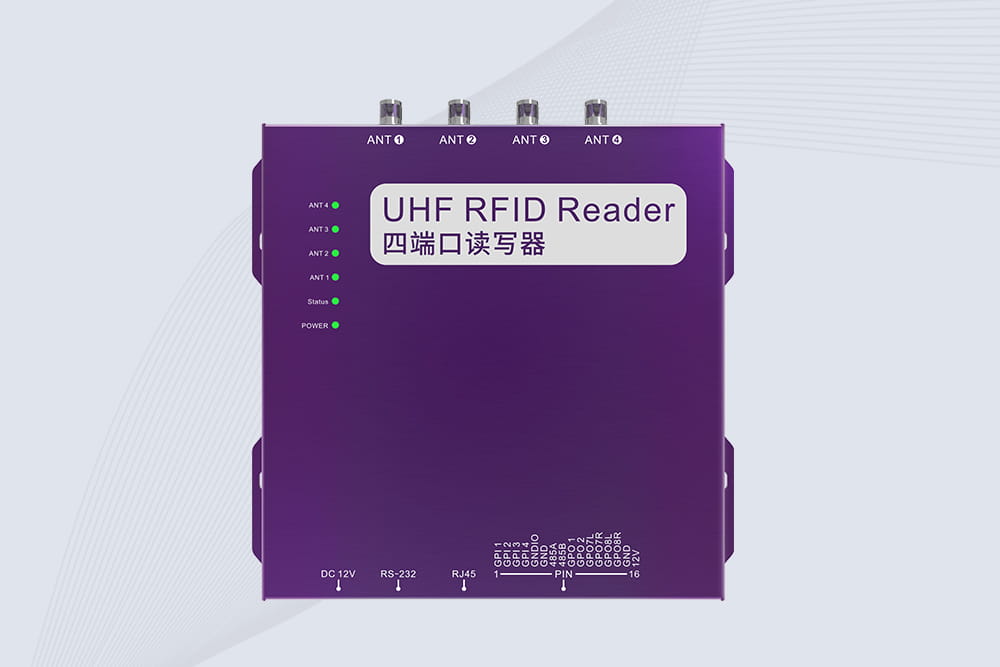
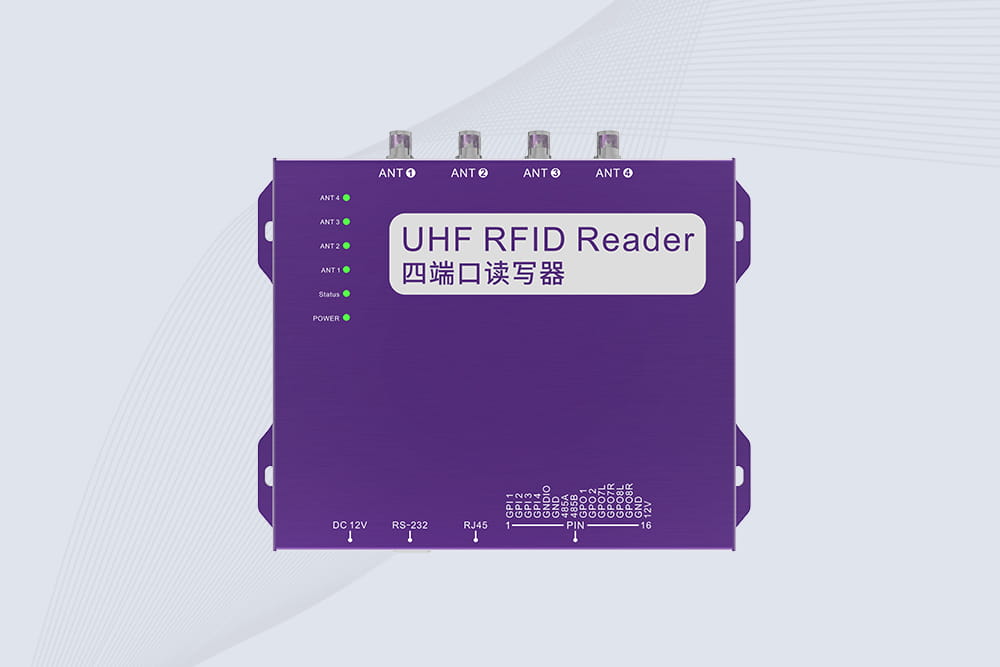
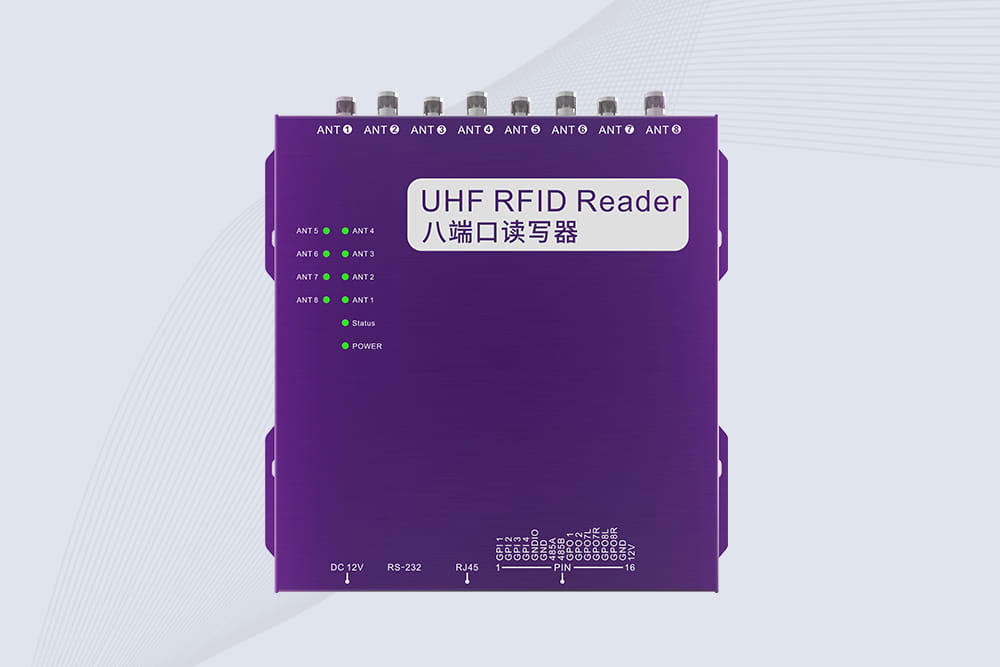
Second, and most critically, identify the connector type. Cykeo fixed RFID readers predominantly use RP-TNC connectors. The antenna’s cable should have a male RP-TNC plug, and the reader’s port is a female RP-TNC jack. It’s a threaded connector. Do not force a different connector (like a standard TNC or N-type) into the port; you’ll damage the threads. If you have a mismatch, you need the correct adapter or cable.
The Connection Process: Step-by-Step
Once compatibility is confirmed, the physical Cykeo RFID reader antenna setup is straightforward:
- Power Down: Always turn off and unplug the Cykeo reader before connecting or disconnecting antennas. This protects the reader’s RF module from power surges or static.
- Inspect the Cable & Port: Check the antenna cable’s connector and the reader’s port for any obvious damage or bent pins. Ensure the connector threads are clean.
- Align and Thread: Align the pin in the center of the cable connector with the port opening. Hand-tighten the connector’s threaded collar clockwise. Tighten it firmly by hand until it’s snug. Do not use a wrench or pliers, as over-tightening can crack the connector or strip the threads on the reader—a costly repair.
- Secure the Cable: Route the antenna cable cleanly and use cable ties to secure it. Avoid sharp bends, especially right at the connector, as this can damage the internal cable and cause signal loss.
- Power On & Test: Only after all antennas are securely connected should you power the reader back on. Use the reader’s built-in diagnostics or a simple tag read test to verify the antenna is working.
What If It Doesn’t Work? Basic Troubleshooting
If you’ve followed the steps but get no reads, here’s a quick troubleshooting checklist:
- Reader Configuration: Log into the reader’s software (e.g., via Browser or RFD) and ensure the specific antenna port you used is enabled and configured for the correct power output.
- Check for Errors: The reader’s interface may show an “Antenna Fault” or high VSWR alert. This typically indicates a bad connection, damaged cable, or a defective antenna.
- Swap and Test: Try connecting the suspect antenna to a different, known-good port on the reader. If it works, the first port may have an issue. If it still fails, try a different antenna on the original port to isolate the problem to the cable/antenna.
A Note on Signal Quality and Cable Choice
For long cable runs (over 5 meters/16 feet) between the reader and antenna, using high-quality, low-loss coaxial cable (like LMR-400) is crucial. Standard, thin cables cause significant signal loss over distance, reducing your effective read range. Cykeo offers recommended cables, and third-party options must meet the same electrical specifications.
Disclaimer: This guide is for general informational purposes. Always consult the official Cykeo RFID Reader Installation Guide for your specific model for definitive instructions and safety information.
Finally, while this guide focuses on how to connect Cykeo RFID antennas, it’s worth noting that for optimal system design, antenna selection is key. CYKEO provides a range of high-performance, compatible antennas that can be matched precisely to challenging environments (near-metal, extreme weather) where a standard antenna might underperform, offering a potential upgrade path for your Cykeo-based system.
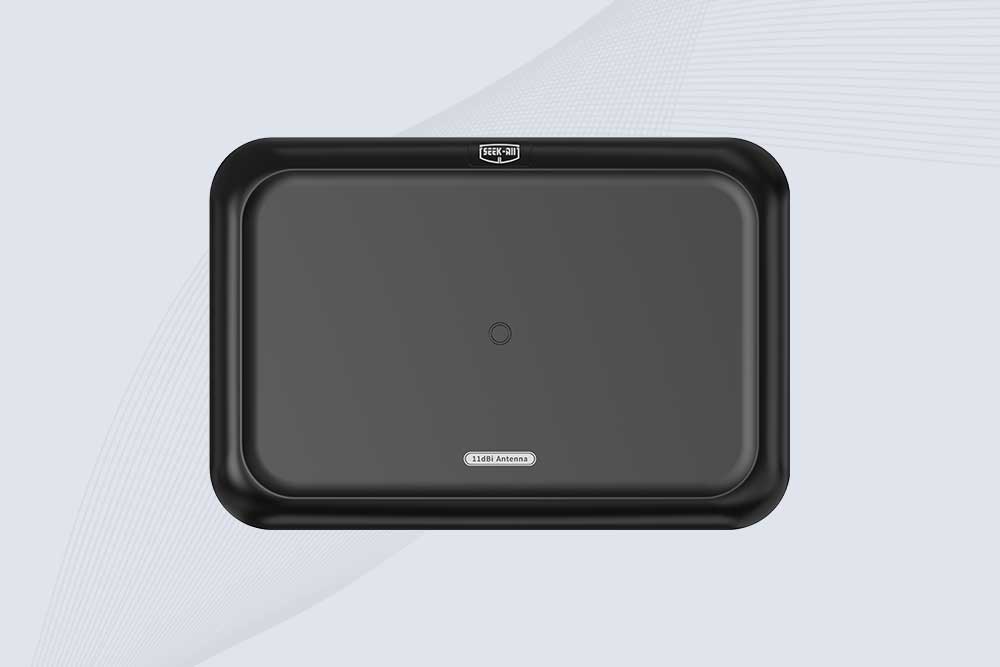
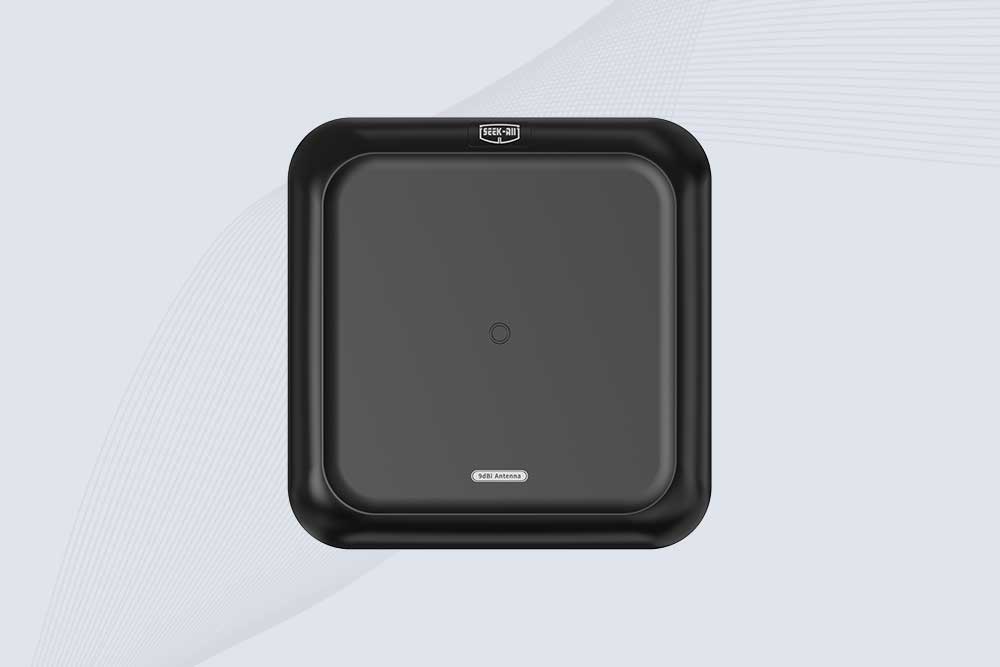
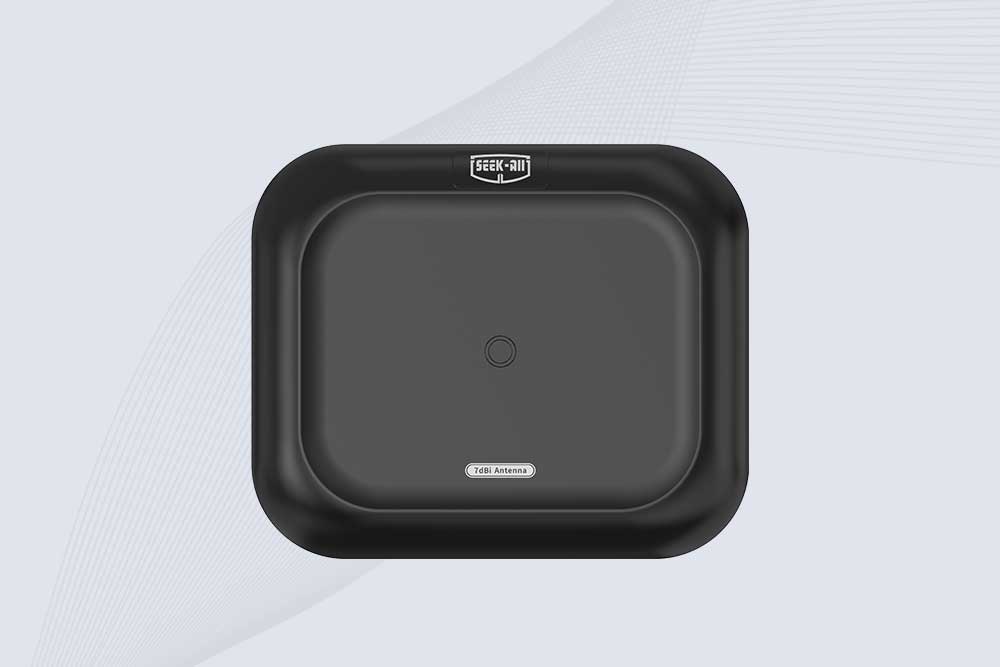
RFID Antennas Recommendation
 Cykeo RFID IoT Solution Products R&D Manufacturer