 Cykeo RFID IoT Solution Products R&D Manufacturer
What Is RFID Asset Management Software And Key Features?
117RFID asset management software improves inventory visibility, asset tracking, and operational efficiency using UHF RFID technology and real-time monitoring.
MoreAll RFID Product
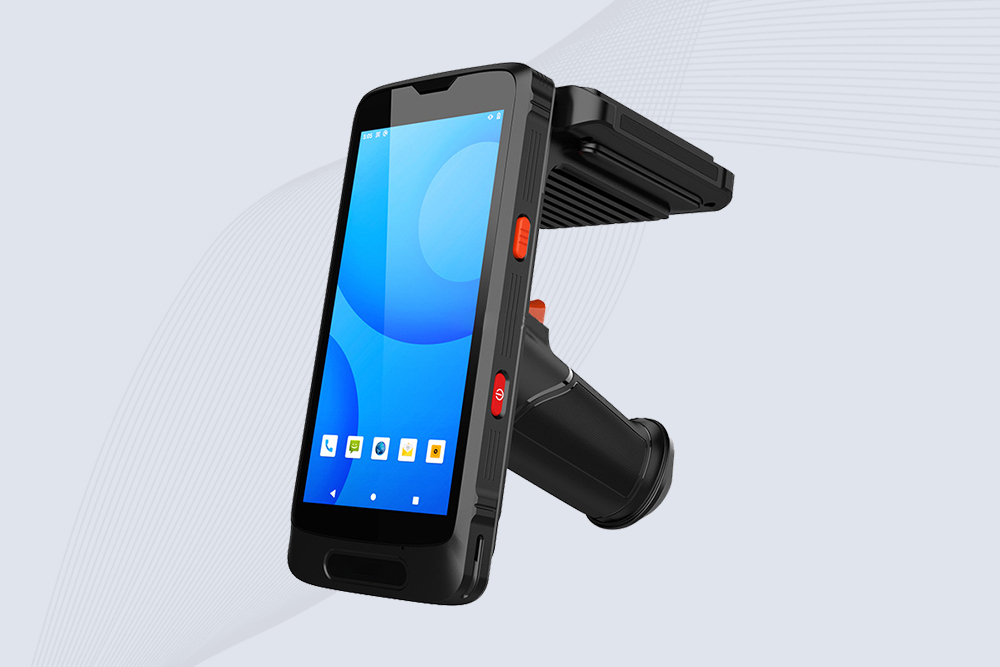
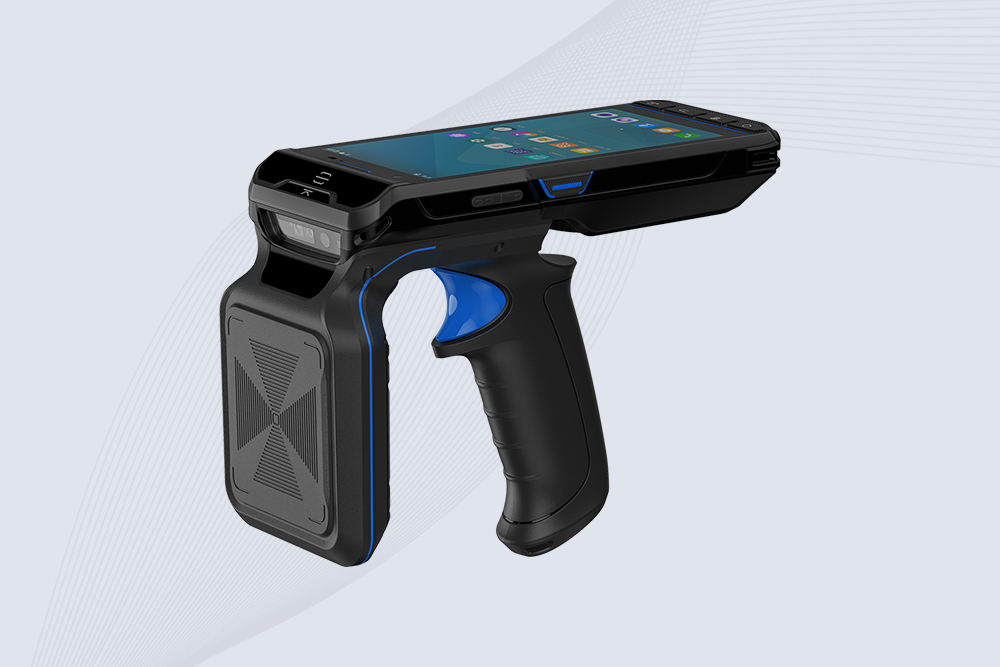
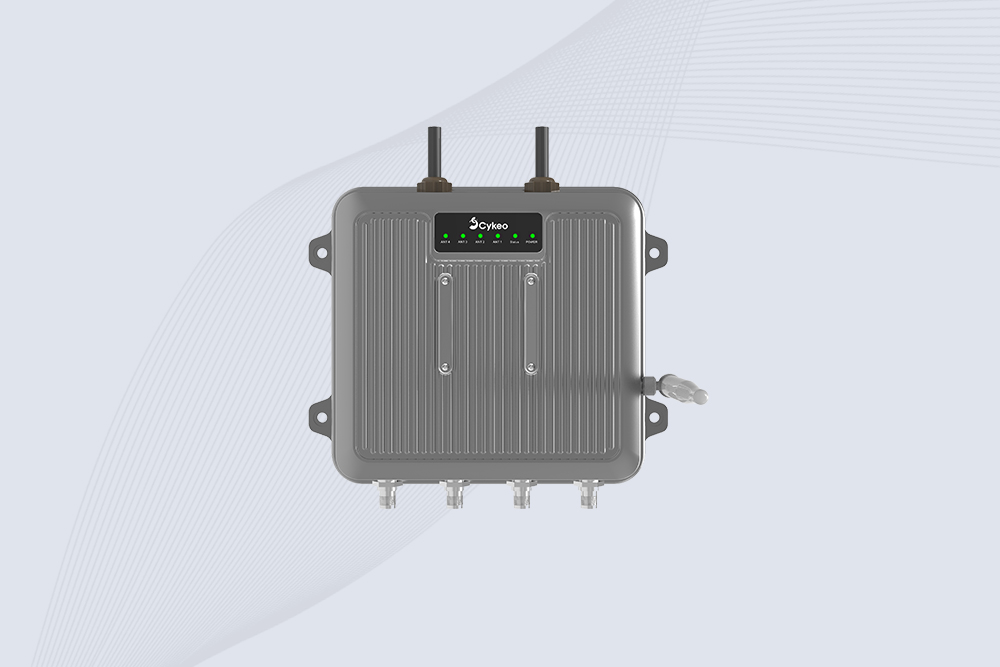
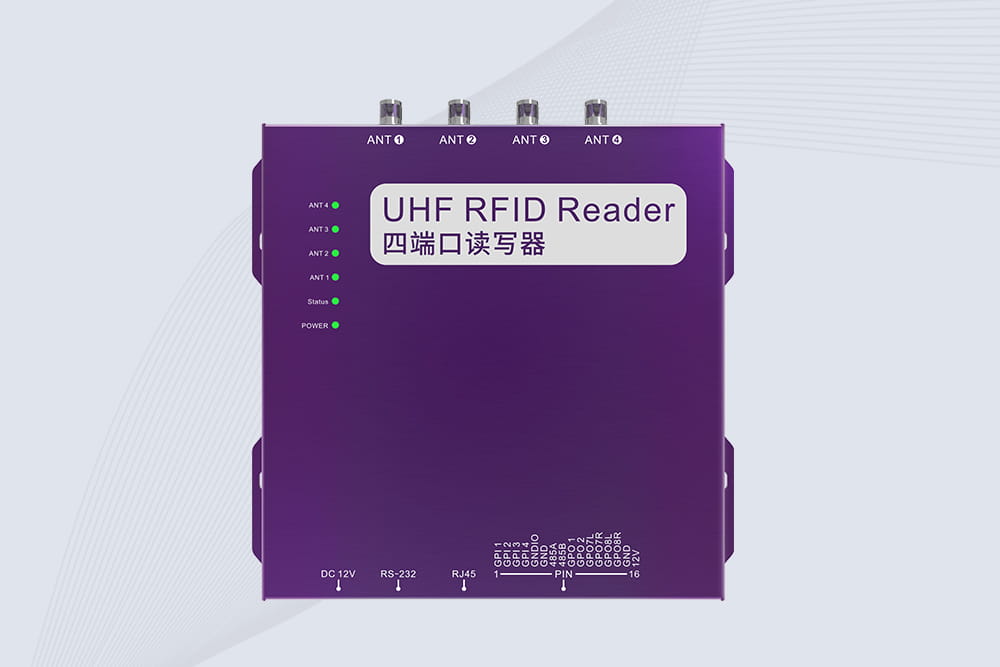
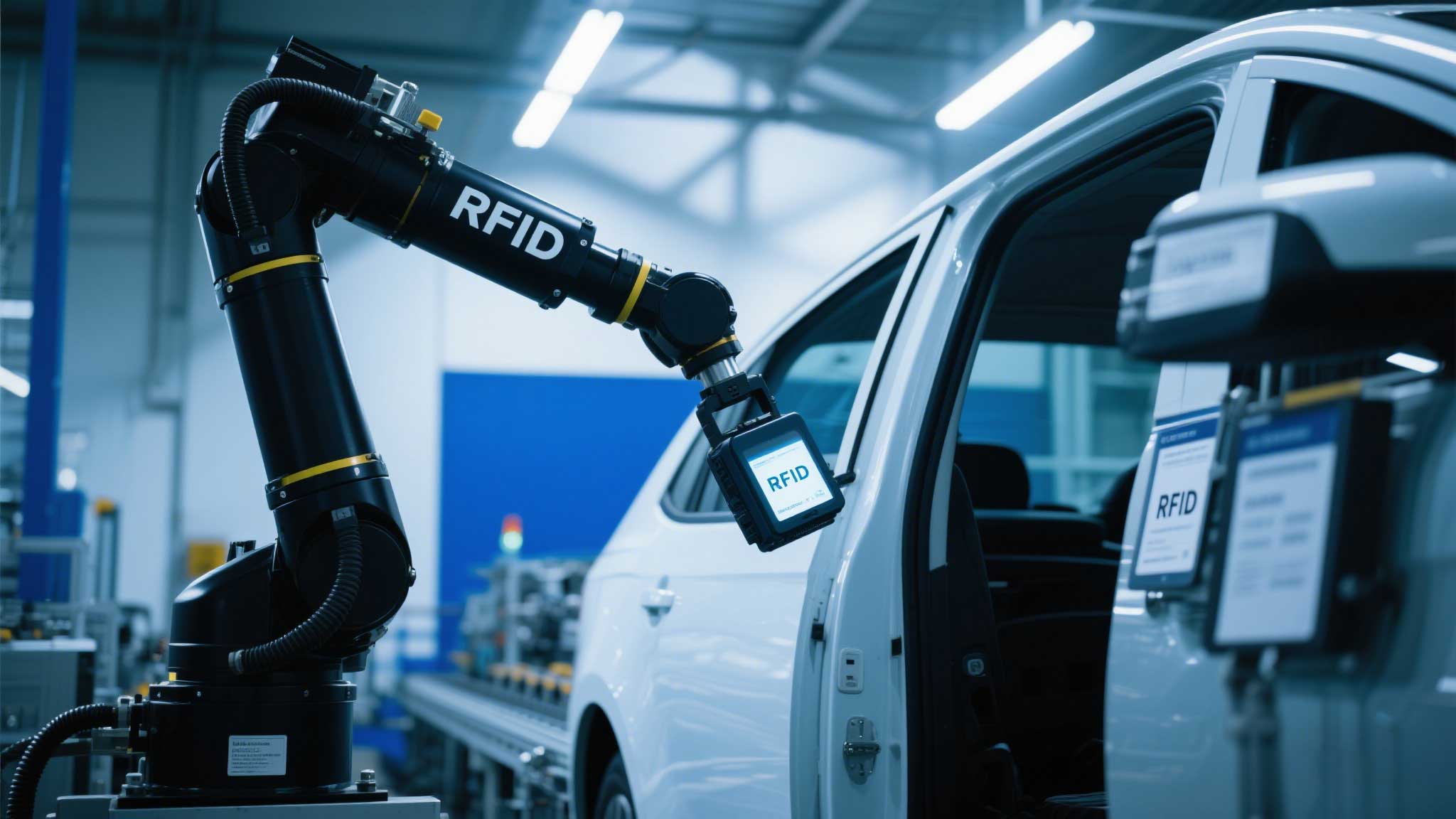
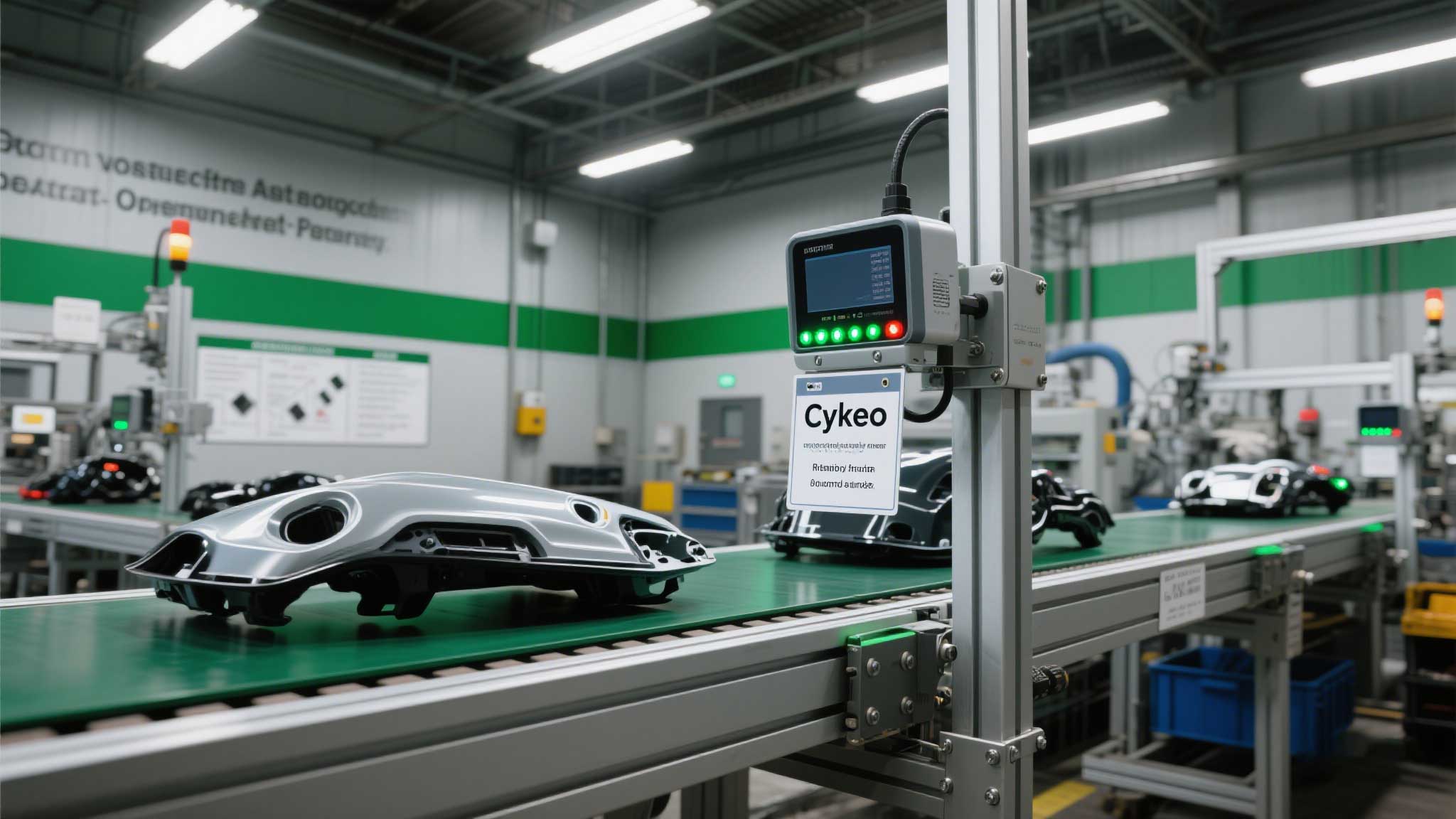
Your automotive assembly line isn’t a library. It’s loud, greasy, and hot enough to melt plastic. Most RFID readers? They’ll give up faster than a vegan at a BBQ joint. Let’s cut through the marketing fluff and find readers that actually survive bumper-to-bumper production.
Forget “cutting-edge”—focus on these three specs:
Why It Matters: A single missed tag on a transmission = $50K recall.
Metal reflects RFID signals. Fix it with:
Pro Tip: Test tags on a spare car frame. If the reader misses >1% of scans, upgrade.
Most factory RFID systems need IT teams to debug. Cykeo’s readers include:
Where to Use: Install at final inspection stations. Missed tags = red light + alarm.
Red Flags:
Budget Readers (800–2K):
Industrial-Grade (5K–15K):
Cykeo’s Hack: Lease-to-own plans. Pay $300/month, cancel anytime.
Automotive RFID isn’t about flashy tech—it’s about readers that eat heat, vibration, and oil spills for breakfast. Test like a mad scientist, demand 99.9% scan accuracy, and if a sales rep says “maintenance-free,” throw a lug nut at them.

RFID asset management software improves inventory visibility, asset tracking, and operational efficiency using UHF RFID technology and real-time monitoring.
More
An RFID label combines a printable label with an RFID chip and antenna to identify products, assets, and cartons wirelessly.
More
RFID technology has extensive applications in the medical field, contributing in the following areas: Records ManagementRFID enables the rapid and accurate identification and tracking of medical records, including patient files, examination report...
More
How to use RFID on iPhone for real UHF applications. Learn how CYKEO’s Bluetooth RFID reader enables long-range RFID scanning on iOS.
More