 Cykeo RFID IoT Solution Products R&D Manufacturer
Can RFID Reader Be Directional? Let Me Show You How We Aim Them
352Someone just asked me can rfid reader be directional after their gate installation failed. Here's the real story on antennas, beam patterns, and what CYKEO gear actually does.
MoreAll RFID Product
RFID tags for cattle work by embedding a unique electronic ID in ear tags, which is wirelessly read by RFID readers to track livestock identity, movement, and health data automatically.
On farms, it’s less about theory and more about flow. Cattle move through gates, readers capture IDs instantly, and the system logs everything—no stopping, no manual recording.
In a typical livestock setup:
According to the USDA , RFID-based livestock identification improves traceability and disease response speed significantly, reducing tracking time from days to minutes.
Each cattle RFID tag contains:
| Component | Function |
|---|---|
| Chip | Stores unique animal ID |
| Antenna | Enables wireless communication |
| Housing | Protects against mud, water, impact |
In outdoor conditions—rain, dust, manure—the durability matters more than the chip itself.
The CYKEO-RA12L reader is particularly suited for livestock operations:
In one cattle lane test, we achieved stable reads at several meters even with animals moving unpredictably—something handheld scanners struggle with.
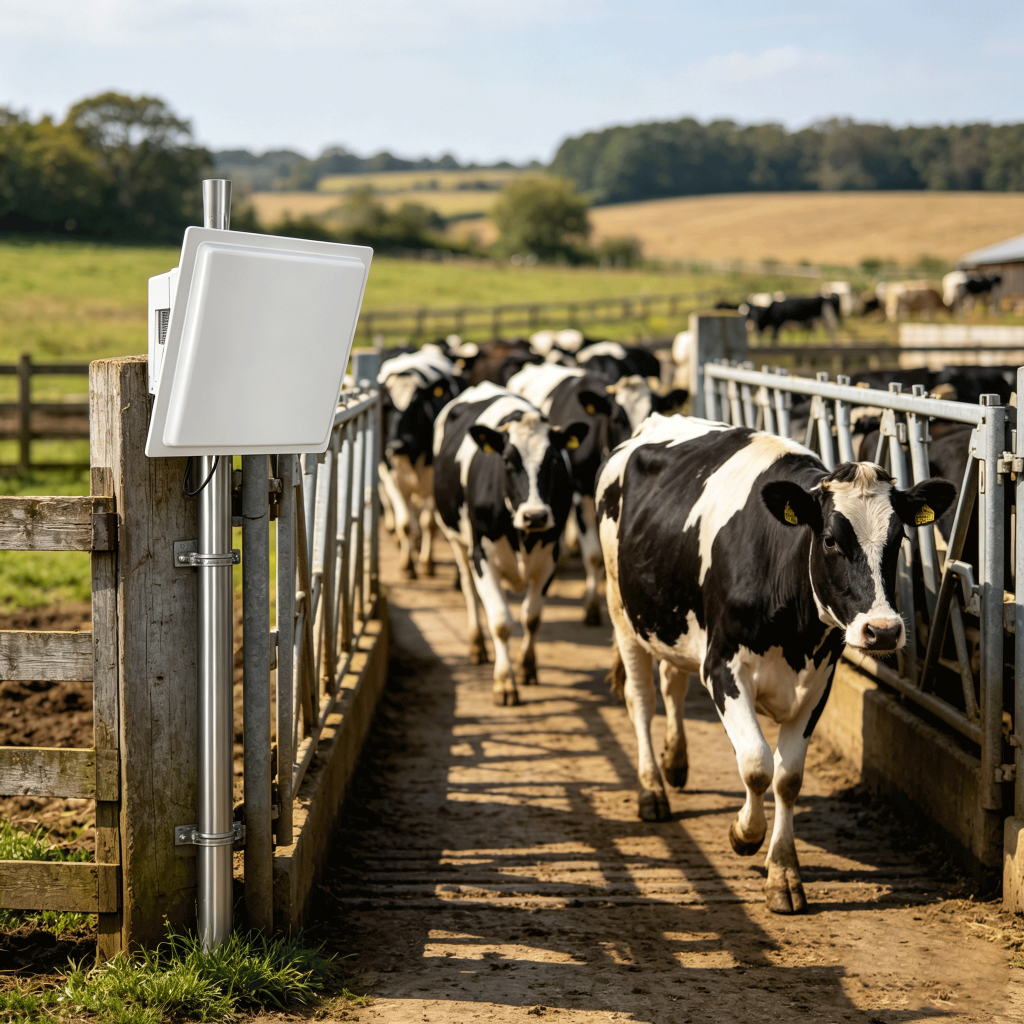
RFID enables:
According to FAO , digital livestock identification systems improve operational efficiency and traceability across the food supply chain.
| Method | Speed | Accuracy | Labor |
|---|
| Manual tagging | Slow | Medium | High |
| Barcode | Moderate | Medium | Medium |
| RFID | Instant | >95% | Low |
In practice, RFID reduces manual errors—especially during large herd movements.
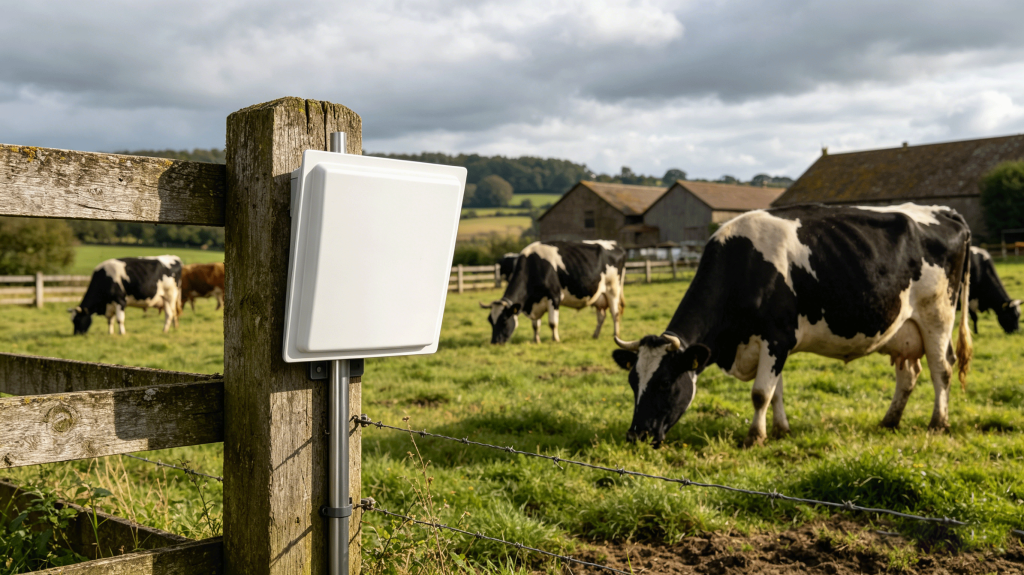
The anti-collision algorithm in modern readers is critical. Without it, multiple cattle passing simultaneously would overwhelm the system.
Typically from a few centimeters (LF) up to several meters (UHF), depending on the system and environment.
Yes. They are lightweight, non-invasive, and widely used in global livestock management systems.
Most cattle tags are passive and do not require batteries, making them cost-effective and durable.
RFID tracks presence at checkpoints. For continuous tracking, GPS-based systems are required.
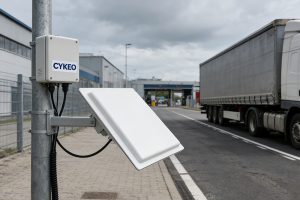
Someone just asked me can rfid reader be directional after their gate installation failed. Here's the real story on antennas, beam patterns, and what CYKEO gear actually does.
More
A practical guide for RFID integrators and warehouse operators. Learn how antenna height, mounting angle, and gate placement affect RFID performance in real-world deployments.
More
Discover how do rfid tags work without power using passive energy from readers. Learn real-world applications, data insights, and Cykeo RFID solutions for efficient tracking.
More
RFID tool tracking connects physical tools with digital usage records, making it easier to know who has a tool, when it was checked out, and whether it was r...
More