 Cykeo RFID IoT Solution Products R&D Manufacturer
How Fixed UHF RFID Readers Enhance Warehouse and System Integration
297Know About how fixed UHF RFID readers enhance warehouse management and integration for RFID solution providers and system integrators.
MoreAll RFID Product
To find an RFID tag number, use an RFID reader to scan the tag and retrieve its unique EPC or UID stored in the chip, which is automatically transmitted via radio frequency signals.
In practice, it’s immediate. You power the reader, pass the tagged item through the read zone, and the number appears—no alignment, no trigger delay. The first time you see 200 tags pop up in under a second, it resets expectations.
When using a UHF reader like CYKEO-R4L:
According to GS1 , EPC is globally standardized and ensures each tag is uniquely identifiable across supply chains.
In a warehouse gate I worked on, we logged over 400 tag reads per second, aligning with real-world UHF performance benchmarks.
| Type | Description | Example |
|---|---|---|
| EPC | Standardized product code | 3008 33B2 DDD9 0140 0000 0001 |
| UID/TID | Chip manufacturer ID | E280 1160 6000 0209 |
| User Memory | Custom data | Asset ID, batch number |
Most systems use EPC as the primary RFID tag number.
With CYKEO-R4L, tag detection is stable even in complex environments:
What this means:
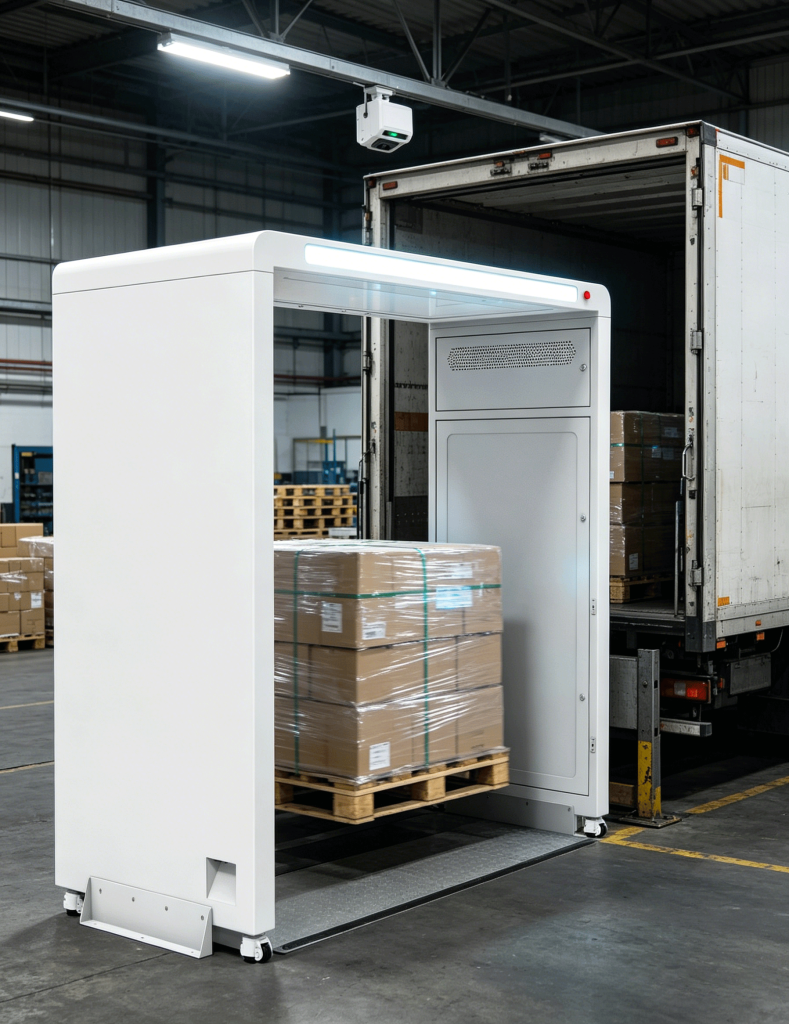
From field deployments, the issue is rarely the tag:
According to RAIN RFID Alliance ,improper rfid antenna configuration can reduce read rates by over 50%.
| Scenario | Accuracy |
|---|---|
| Controlled gate (ideal) | >99% |
| Dense warehouse racks | 92–96% |
| Metal-heavy environment | 80–90% |
A Deloitte retail study reported inventory accuracy improving from ~65% to over 95% after RFID adoption—this is where tag number visibility becomes operational value.
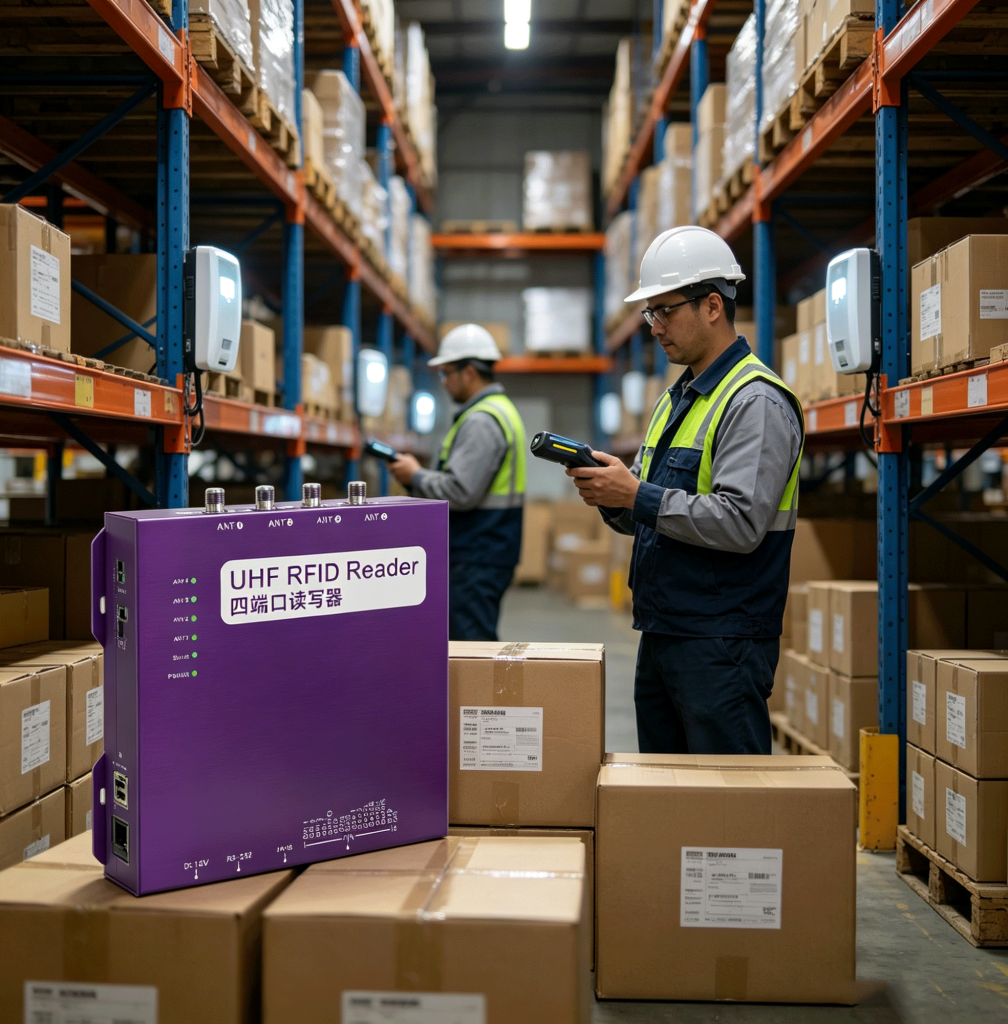
Once captured:
Typical integrations include:
The key isn’t just reading the number—it’s making it meaningful instantly.
Only NFC-compatible tags can be read by smartphones.
UHF RFID requires dedicated readers like CYKEO-R4L.
Yes. EPC and UID are globally unique identifiers, ensuring no duplication across systems.
With UHF systems, up to 15 meters depending on environment and antenna setup.
Check antenna placement, frequency settings, and environmental interference—these are the most common causes.
Know About how fixed UHF RFID readers enhance warehouse management and integration for RFID solution providers and system integrators.
More
Learn how a passive radio-frequency identification (RFID) system works, including components, communication, and applications. Discover Cykeo’s industrial RFID solutions.
More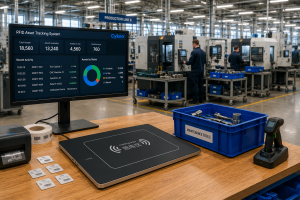
Asset RFID tracking enables automated asset identification, inventory visibility, and real-time location management. Discover how Cykeo RFID solutions improve efficiency and reduce asset loss.
More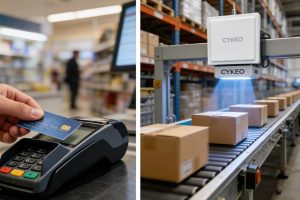
Can RFID reader read credit cards? We explain the technology compatibility, security protections, and key differences between payment and industrial RFID systems.
More