 Cykeo RFID IoT Solution Products R&D Manufacturer
Essential Routine Maintenance Tips for Handheld RFID Scanners
734Keep your handheld RFID scanners in top shape! Learn step-by-step maintenance for battery care, cleaning, firmware updates, and troubleshooting.
MoreAll RFID Product
When hospitals start looking into RFID, the first question is usually the same:
“How much does it cost?”
There isn’t a single number that fits every case.
Not because suppliers are being vague—but because most RFID cabinet projects are not standard products. They’re adjusted based on how the hospital actually works.
A lot of people initially think they’re buying a cabinet.
In reality, they’re getting a system.
A typical setup usually includes:
Sometimes there’s also integration with existing systems, depending on the project.
So when prices vary, it’s often because the scope is different.
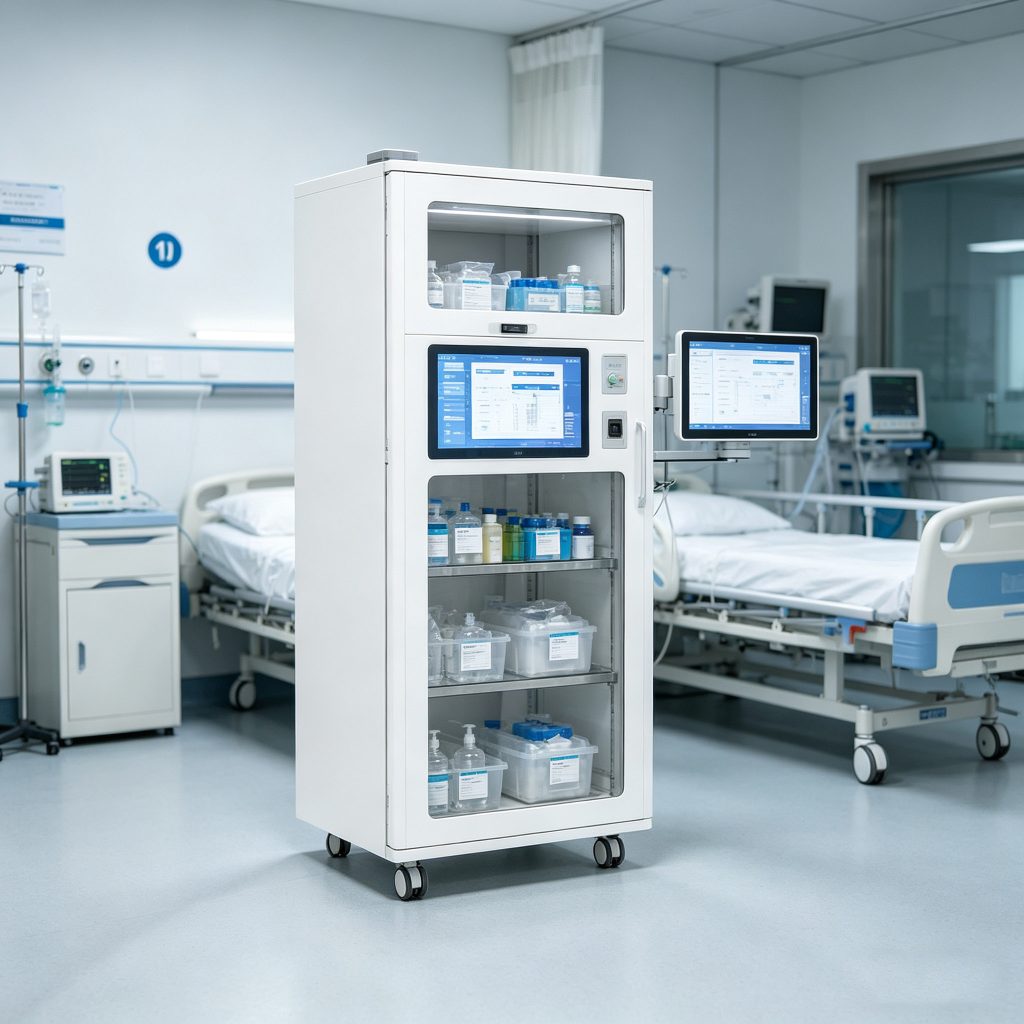
Instead of focusing on exact numbers, it’s easier to think in terms of levels.
Some hospitals start with a smaller setup—one cabinet, basic tracking, used for testing.
Others go straight into something more structured, with multiple compartments and better control over access.
And then there are larger projects, where cabinets are connected across departments and tied into existing systems.
Most projects fall somewhere in the middle.
From experience, a few things tend to matter more than anything else.
Cabinet size and layout
Bigger units, more compartments, or custom layouts will push the price up.
RFID performance
If you’re dealing with metal items or densely packed supplies, the system needs to be more stable and precise.
Software side
Basic tracking is one thing.
If you need detailed logs, user control, or reporting, that adds complexity.
Customization
Hospitals rarely run identical workflows.
Even small adjustments—like how items are stored or accessed—can affect the final setup.
In most hospitals, RFID cabinets are not used for everything.
They’re usually placed where control matters most.
For example:
In these cases, something like an RFID medical cabinet is used because it handles both tracking and access control in one place.
Manual systems don’t look expensive at first.
But over time, a few things start adding up:
None of this shows up as a single line item—but it’s real cost.
One mistake I’ve seen is trying to design the “perfect system” from day one.
In most cases, that’s not necessary.
A more practical approach is:
See how it works in real conditions.
Then expand if needed.
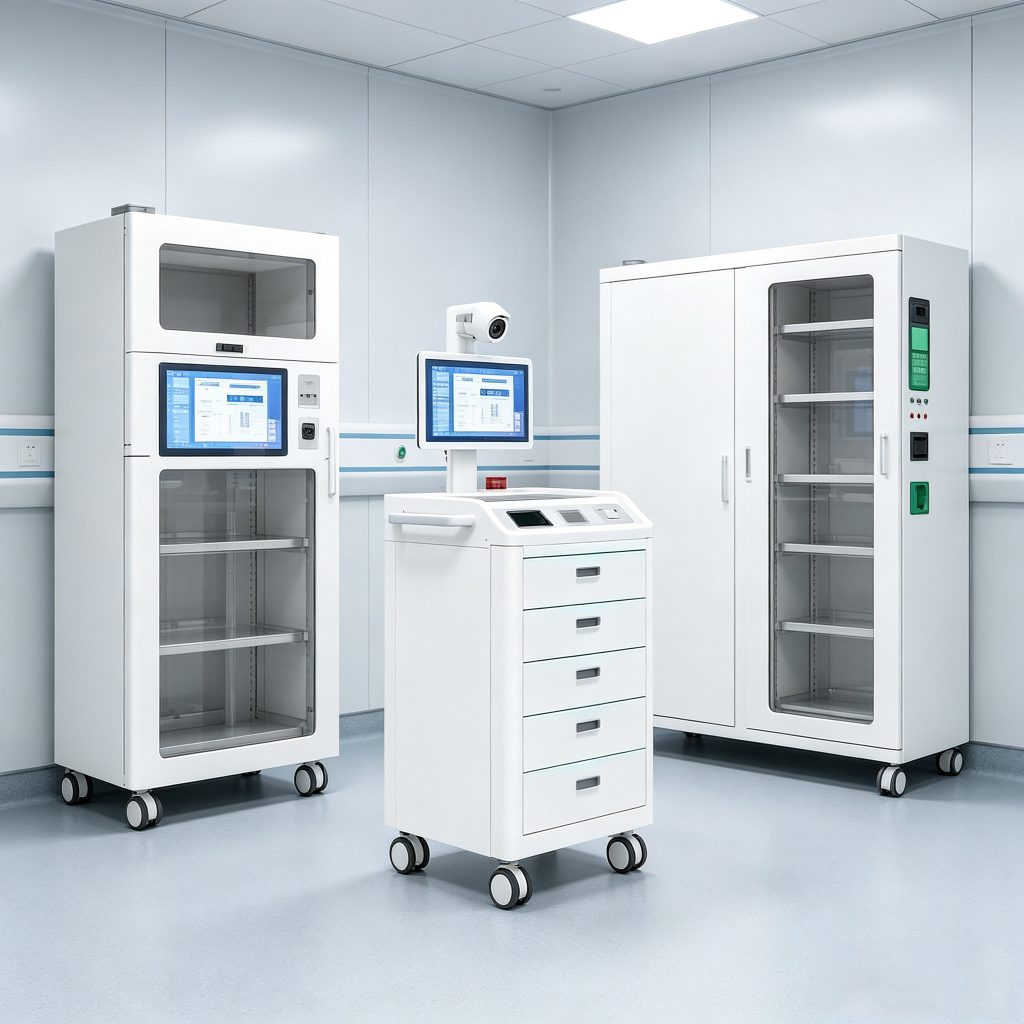
If you send an inquiry, you’ll likely be asked a few basic questions:
Having these answers upfront makes things move faster.
There isn’t a “standard price” for RFID medical cabinets.
But there is usually a clear goal behind the investment:
better visibility, less manual work, and fewer surprises in inventory.
If the setup matches how your hospital actually operates, it tends to pay off fairly quickly.
If you’re at the stage of comparing options, it helps to first map out:
From there, it’s much easier to narrow down a realistic configuration.
Related products
CYKEO-GY1B Medical RFID Cabinet
CYKEO-GY1A Smart Medical Cabinet RFID
CYKEO-GY2A UHF RFID Hospital Asset Cabinet
CYKEO-GY2B Medical RFID Storage Cabinet
CYKEO-GY1 Smart RFID Medical Cabinet
FTNG-L-CK-03 FENTANYL SMARTDRUG CABINET
FTNG-L-CK-02 RFID Fentanyl Secure Pharmacy Cabinet
FTNG-L-CK-01 Medical RFID Medicine Cabinet
CYKEO-MFX RFID Operating Room Cabinet
CYKEO-MFY Operating Room RFID Cabinet
CYKEO-MH RFID Scrub Return Cabinet
CYKEO-GY3 Low-Value Consumables Cabinet
Guide Recommendations
RFID Technology Reshapes Hospital Management: Driving Intelligent Transformation in Healthcare
RFID in Medical Equipment and Asset Management: A Smart Solution for Efficiency and Cost Reduction
RFID in Healthcare: Tracking Equipment, Improving Care
RFID in Healthcare: Is It Really Solving Hospital Problems or Just Adding Tech?

Keep your handheld RFID scanners in top shape! Learn step-by-step maintenance for battery care, cleaning, firmware updates, and troubleshooting.
More
RFID is used for automatic identification, inventory management, asset tracking, and digital data collection without requiring direct line-of-sight scanning.
More
What is RFID blocking? Learn how RFID signal protection works, why shielding matters, and how Cykeo engineers manage RFID communication in real applications.
More
When you start looking for an rfid label supplier, you’ll quickly notice the market is full of promises like “high precision” or “covering all industries.” But when it comes down to actually solving problems with RFID labels, these slogans don’t g...
More