How do rfid tags work? RFID tags capture energy from a reader’s radio signal and transmit stored data back wirelessly, enabling automatic identification without line-of-sight.
That’s the mechanism.
In practice, it feels less technical. You walk past inventory—and it quietly identifies itself.
Author & Field Authority
Author: Cykeo RFID Engineering & Deployment Team
10+ years delivering RFID solutions across logistics, retail, and manufacturing
Hands-on deployment of UHF RFID systems in high-density environments
Experience optimizing read performance in metal-rich and complex layouts
One project stands out—a mid-sized warehouse (~22,000 SKUs):
Inventory count reduced from 12 hours to under 3 hours
Accuracy improved from ~85% to 97%
Staff training time dropped to less than one shift
The gains didn’t come from hardware alone. Tag placement and reader tuning made the difference.
The basic principle of how do rfid tags work
Three components interacting
Every RFID system includes:
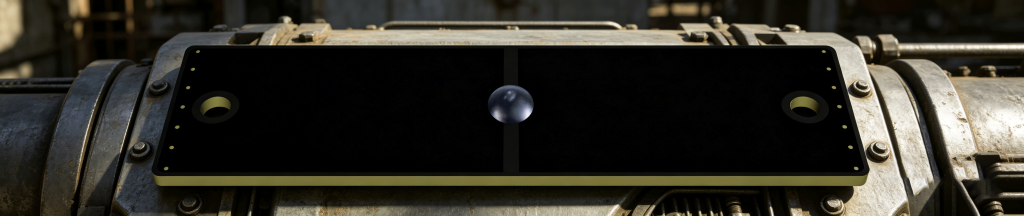
RFID tag (chip + antenna attached to item)
RFID reader (device emitting radio waves)
Antenna (enables communication range)
The reader sends a radio signal. Tags within range respond by reflecting encoded data.
According to RAIN RFID Alliance UHF RFID systems can read hundreds of tags per second, making them ideal for bulk scanning.
RFID enables simultaneous multi-item identification
Passive vs active tags: what powers the system
Passive RFID tags
No internal battery
Powered by reader signal
Lower cost, widely deployed
Active RFID tags
Battery-powered
Longer range (up to 100m+)
Used in specialized tracking
In most deployments I’ve seen—retail backrooms, tool cribs, distribution centers—passive UHF tags dominate due to cost efficiency.
The actual data exchange
Step-by-step
Reader emits RF signal
Tag antenna absorbs energy
Chip activates
Data is encoded into reflected signal (backscatter)
Reader receives and processes
RFID can deliver inventory accuracy above 95%, improving supply chain visibility and reducing stock discrepancies.
RFID tags enable automatic identification of assets
What you notice only after deployment
Specs tell part of the story. The rest comes from the floor.
Field observations:
Metal surfaces reflect signals → potential duplicate reads
Liquids absorb RF energy → shorter read range
Tag orientation changes performance significantly
In one setup, simply spacing tags slightly apart improved read consistency more than increasing reader power.
Unexpected—but repeatable.
RFID vs barcode: operational contrast
Feature
RFID Tags
Barcode Labels
Line-of-sight
Not required
Required
Bulk reading
Yes
No
Speed
High
Moderate
Automation level
High
Manual
Accuracy
95%+
Lower
Where how do rfid tags work becomes critical
Key applications
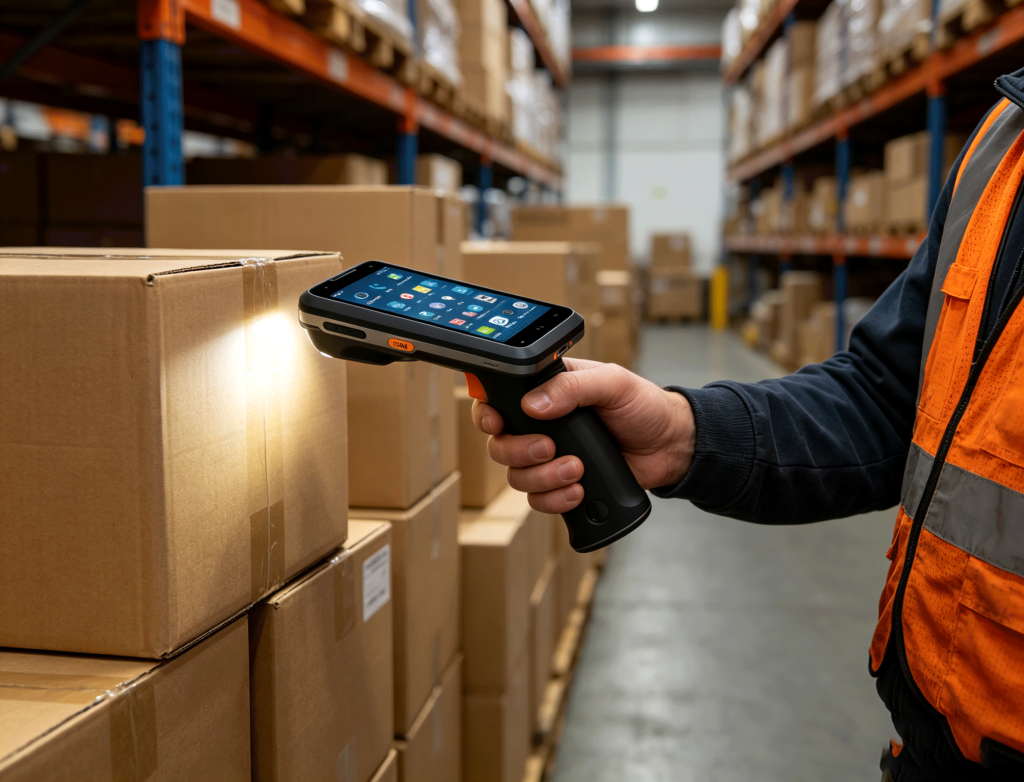
Warehouse inventory management
Retail stock counting
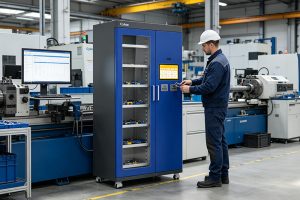
Asset and tool tracking
Healthcare equipment monitoring
Retailers, in particular, benefit from being able to count inventory during open hours—without disrupting operations.
FAQ about how do rfid tags work
Q1: Do RFID tags need batteries?
Most do not—passive tags are powered by the reader.
Q2: Can RFID tags be read through packaging?
Yes, especially with UHF RFID technology.
Q3: How fast can RFID systems scan items?
Hundreds of tags per second under optimal conditions.
Final insight from real use
Understanding how do rfid tags work is useful.
But the real shift happens when scanning disappears entirely.
You stop interacting with items individually—and start capturing data continuously.
Discover the best waterproof RFID devices for harsh marine and port environments. Compare IP68 ratings, saltwater resistance, and rugged UHF performance for logistics efficiency.
Imagine walking into a crowded event, people everywhere, or managing hundreds of pieces of equipment spread across warehouses. Now, think about trying to gather useful data in both situations—without losing your mind. That’s exactly where RFID dat...
Discover how rfid real time tracking enables automated tool identification, instant inventory, secure borrowing records, and 24/7 asset visibility with Cykeo RFID Smart Tool Cabinet solutions.
 Cykeo RFID IoT Solution Products R&D Manufacturer