 Cykeo RFID IoT Solution Products R&D Manufacturer
Can You Read RFID with Phone? Let’s Separate Hope from Reality.
279Wondering if you can read RFID with phone? Get the honest breakdown of phone NFC capabilities and why you still need industrial RFID readers for business.
MoreAll RFID Product
A few years ago, RFID tool cabinets were still considered optional.
Something only large factories or special industries would invest in.
Now that’s changing quickly.
More and more manufacturing companies are moving toward RFID for tools—not because it’s trendy, but because the old way of managing tools is starting to show its limits.
Most factories still rely on a mix of:
It works… until it doesn’t.
As production scales up:
At some point, it becomes hard to answer a simple question:
“Where are all our tools right now?”
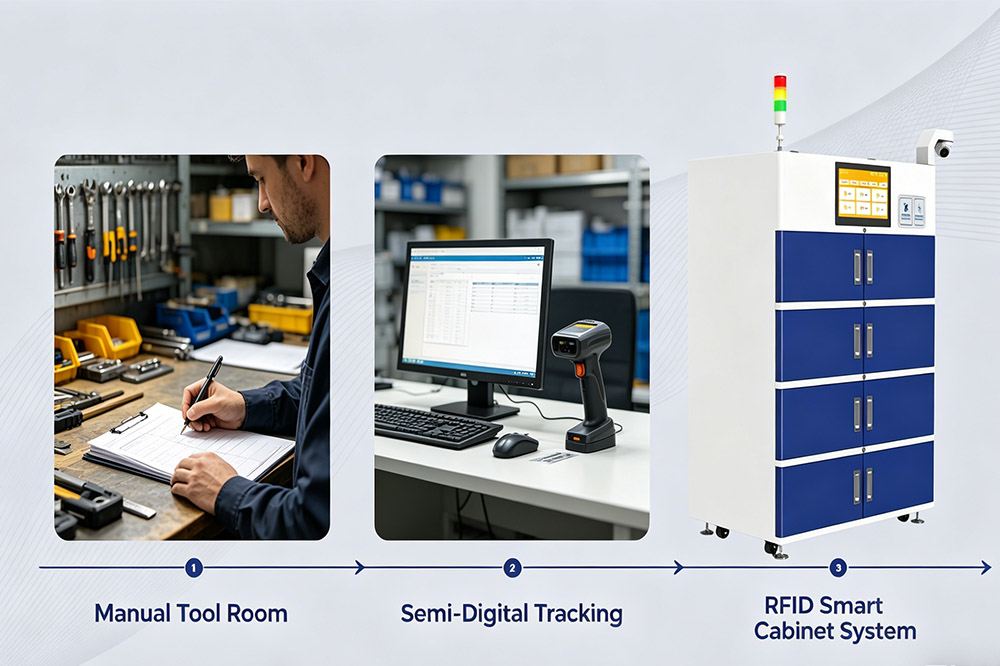
RFID systems solve one key problem:
They remove dependency on manual recording.
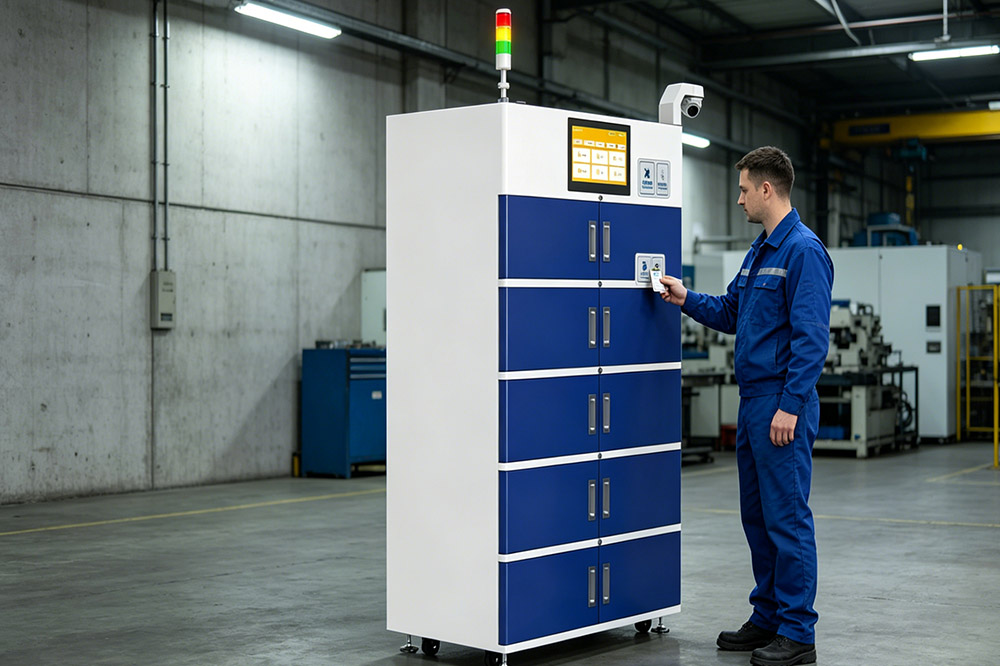
Once tools are tagged and placed into a controlled system:
There is no need to rely on people remembering to log anything.
While RFID can be used in different ways, tool cabinets have become the most practical setup.
Because they combine three things in one place:
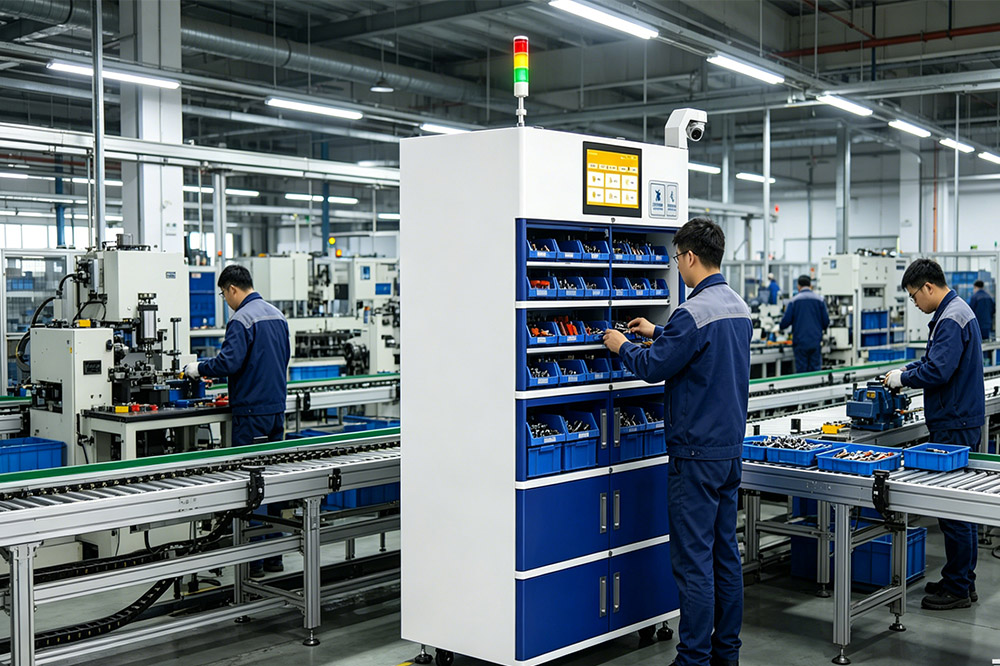
In real manufacturing environments, systems like the CK-GT1 RFID Tool Cabinet are often used as a core solution.
They allow:
This structure makes it easier to standardize tool management across different teams or production lines.
Most companies don’t realize the impact until after deployment.
But the changes are usually consistent:
There are a few clear reasons why RFID tool cabinets are becoming more common:
Factories want to reduce manual administrative work
Tool turnover is faster than before
More companies want traceable operations
Missing tools now create higher cost impact
At this point, RFID is no longer “new technology”.
It’s becoming part of standard operations.
The focus has shifted from:
“Is RFID useful?”
to
“How do we implement it without disrupting workflow?”
RFID tool cabinets are especially common in:
Any place where tools are shared frequently tends to benefit the most.
RFID tool cabinets are not replacing people.
They are replacing uncertainty.
Instead of relying on memory, manual logs, or discipline, the system handles tracking automatically.
That’s why more factories are standardizing it—not as an upgrade, but as a baseline requirement for modern tool management.
If you’re currently evaluating how to improve tool management in your factory,
RFID systems are usually not the starting question.
The real question is:
how much visibility and control you need over your tools on a daily basis.
Once that is clear, the right system design becomes much easier to define.
Guide Recommendations
Fixed RFID Reader: Why It’s Becoming Must-Have
Fixed RFID Readers: What I Didn’t Expect and What I Learned
RFID Handheld Reader vs. Fixed Reader: Which Is Better for Retail?
Different Types of RFID Readers: A Simple Introduction
Best Budget USB RFID Readers Under $100 for Small Business Inventory Systems
RFID Module vs. RFID Reader: What’s the Difference?
Fixed RFID Reader Buying Guide: 5 Core Parameters You Must Know
What is an RFID Reader Used For?
How RFID Reader Works: The Simple Explanation
How to Choose the Best Long-Range RFID Reader for Warehouse Management
RFID Readers for Boom Barriers ,Where Efficiency Meets Access Control
Why Your Warehouse Needs Smarter RFID Readers in 2025
Understanding RFID Readers,Essential Devices for Efficient Tracking
Wondering if you can read RFID with phone? Get the honest breakdown of phone NFC capabilities and why you still need industrial RFID readers for business.
More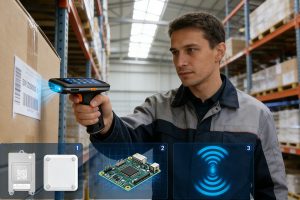
Wondering "how is RFID reader works"? Discover the step-by-step process from signal transmission to data decoding. Simple explanation with real-world examples from CYKEO.
More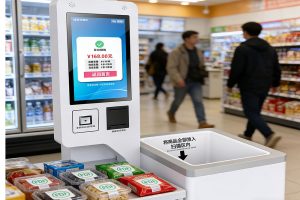
RFID self-checkout kiosk designed for unmanned stores, apparel shops, and mall checkout points. Fast multi-item reading, RESTful API, and SDK for integration.
More
An RFID scanner device helps track assets, inventory, and equipment in real time. See where it works, where it fails, and how teams use it daily.
More