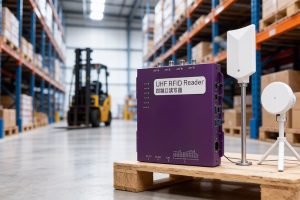
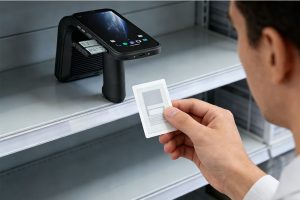
For many people who first come across RFID technology, it’s easy to confuse it with a barcode scanner. But in fact, the two are very different. A barcode relies on optical scanning—you need to point the code at the scanner—while an RFID reader works with radio frequency. As long as the tag enters the sensing range, it can be identified automatically. With wireless tech getting smaller and more common, RFID has already made its way into logistics, retail, access control, and asset management. To really understand it, you need to get clear on the types of readers and how they work.
Basic System Setup
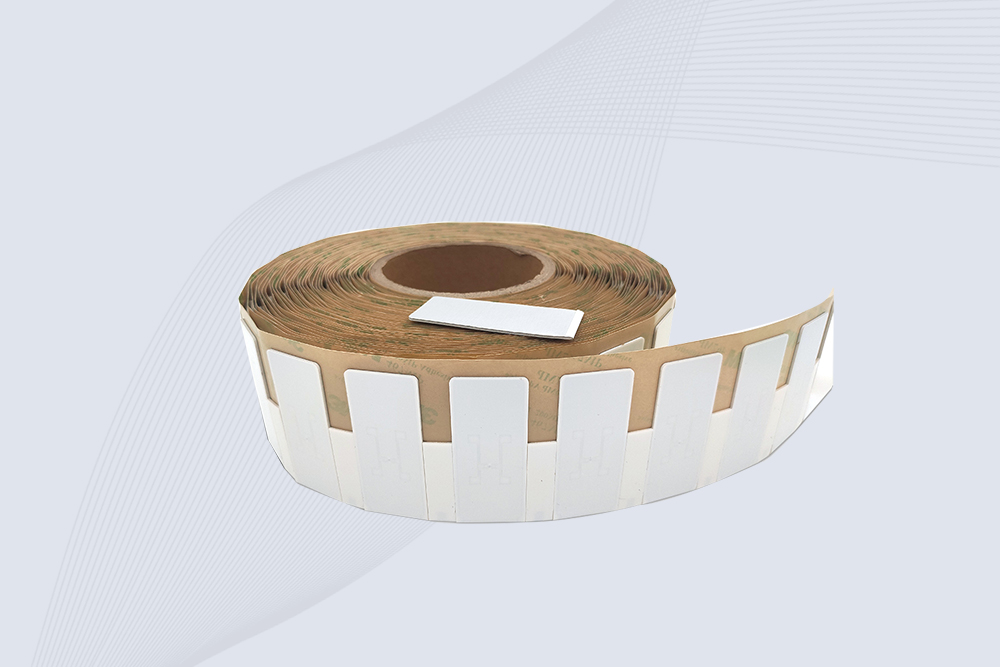
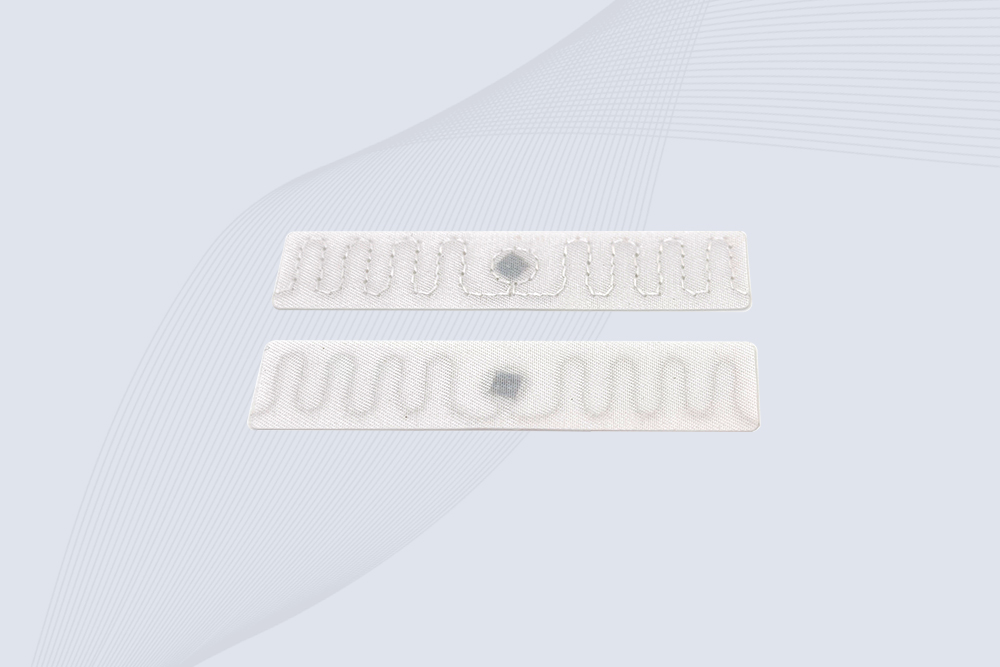
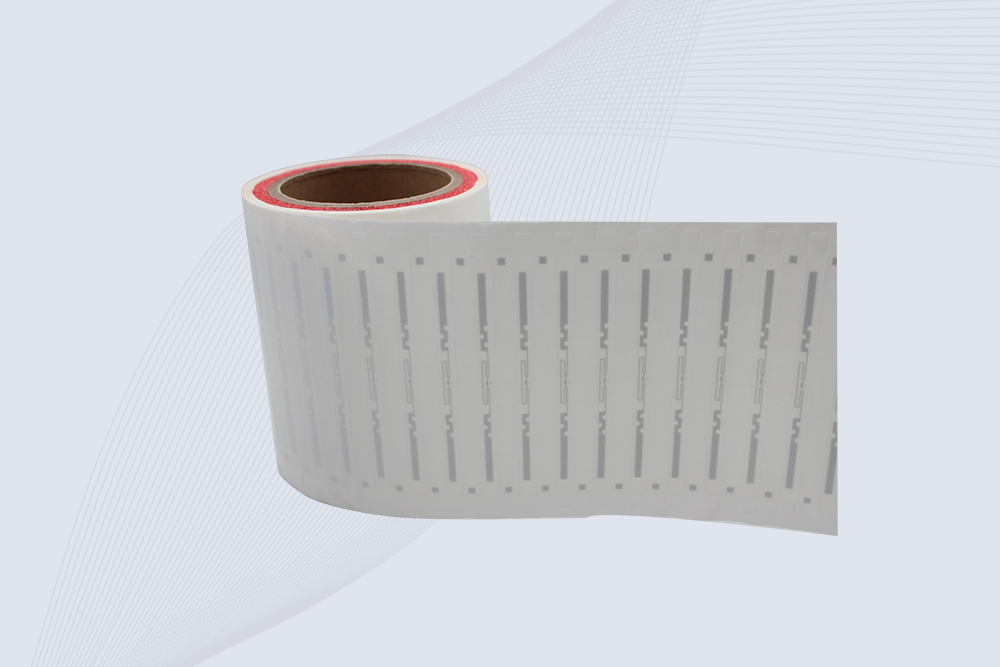
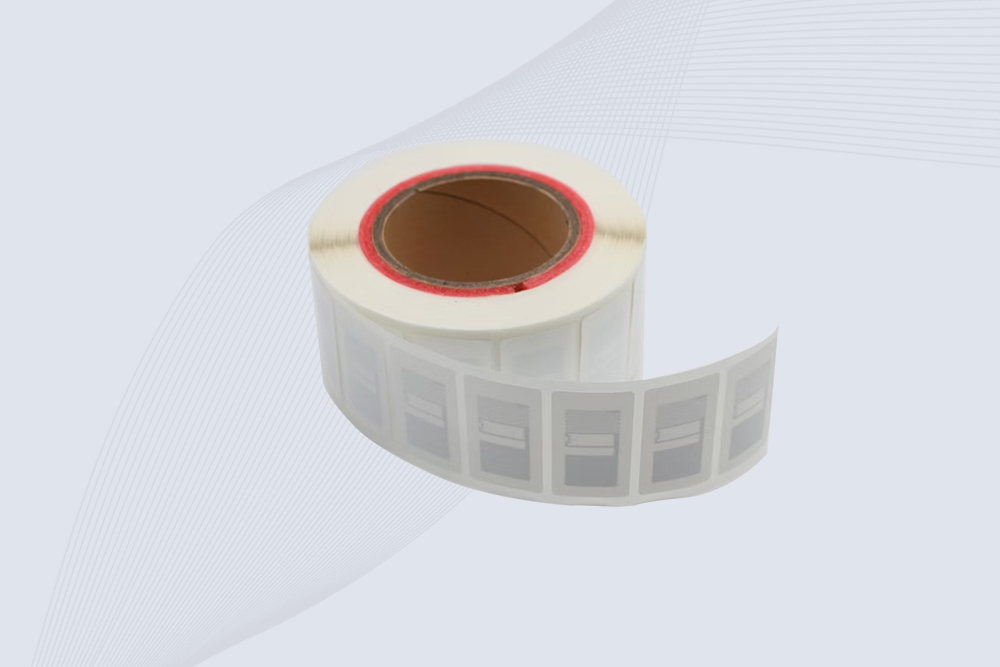
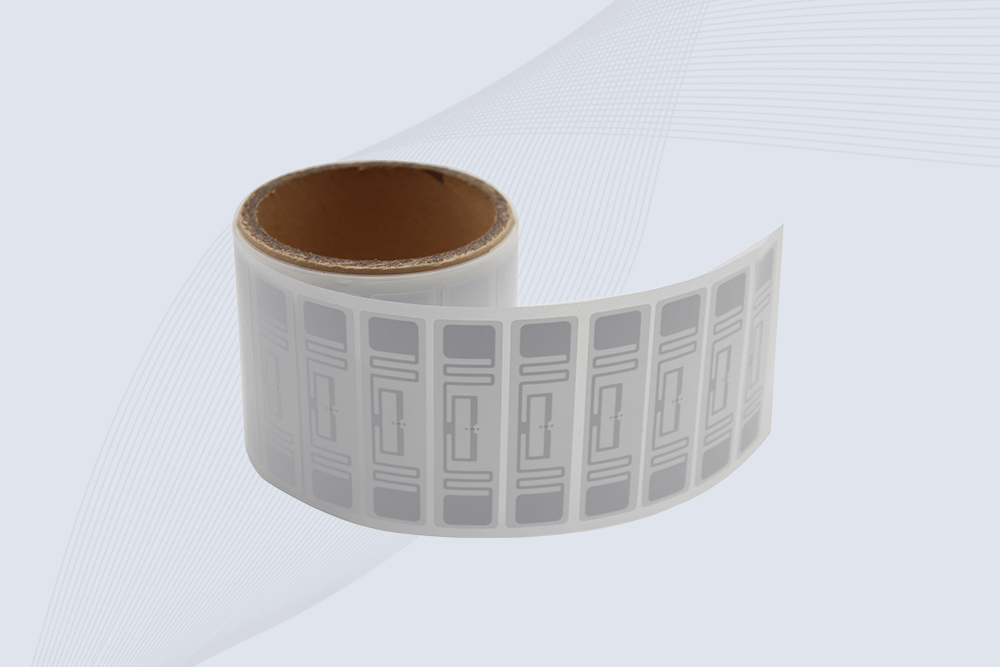
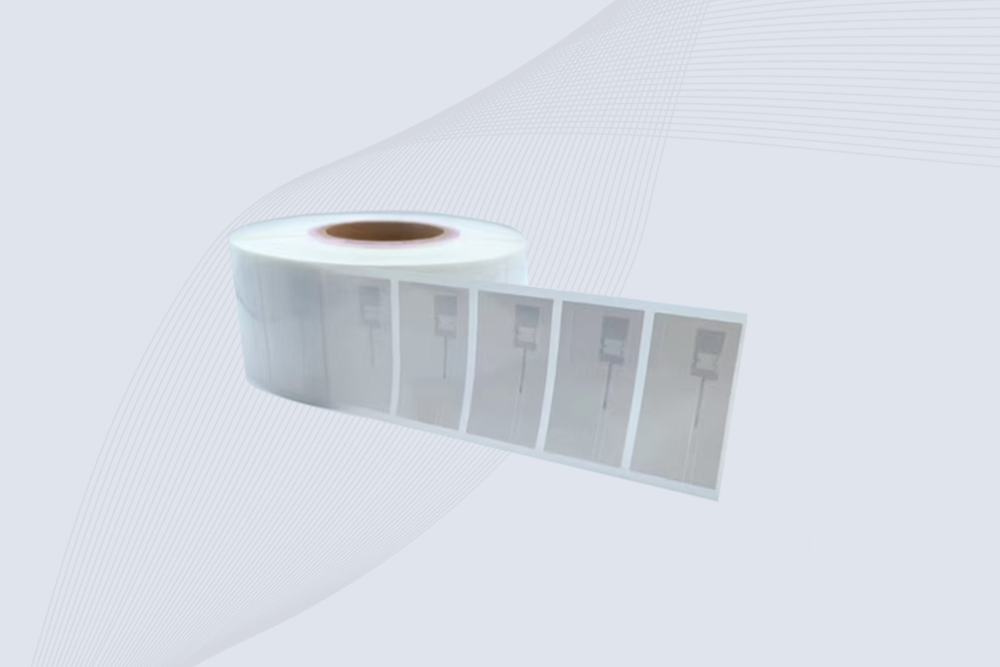
At the heart of any RFID system are two parts: the rfid tag and the rfid reader. Inside the tag is a tiny chip that stores identity information, often just a unique serial number. The reader sends out an electromagnetic signal through its antenna, and once the tag comes into range, it gets activated and sends its data back. The backend system then processes and records the data. One quick interaction—reader sends out the signal, tag responds—and the information capture is done.
Classified by Frequency
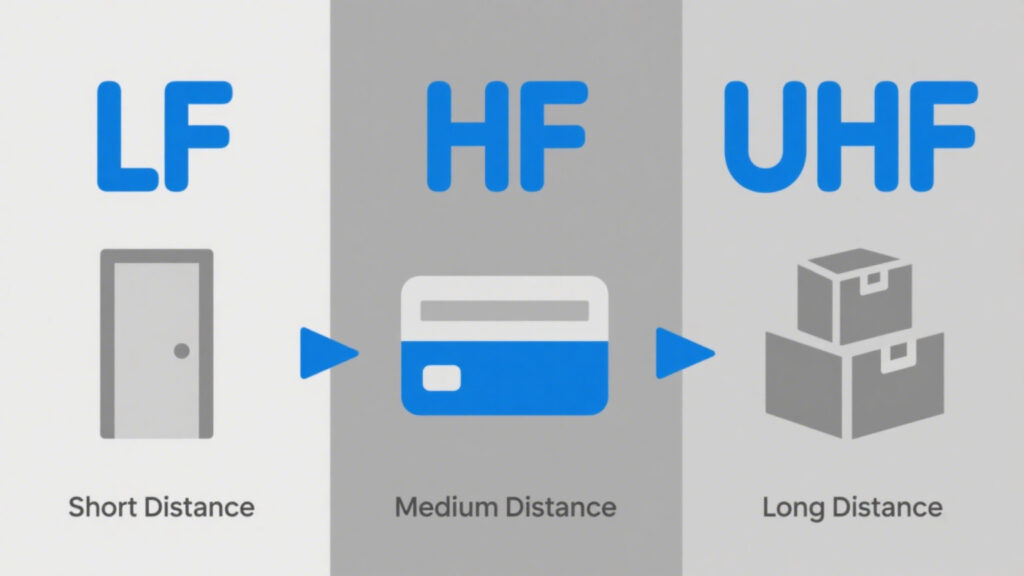
RFID readers working on different frequency bands can behave quite differently:
Low Frequency (LF): Around 30–300 kHz, with a very short reading range, usually within 10 cm. But the good thing is it resists interference well, especially around metal or water. That’s why it’s often used in animal tracking or access control.
High Frequency (HF / NFC): The most common frequency is 13.56 MHz, with a range from a few cm up to about a meter. Think of metro cards, bus passes, or contactless payments—that’s HF in action.
Ultra High Frequency (UHF): 860–960 MHz (slightly different depending on the country). Reading distance can go beyond 10 meters, it’s fast and relatively cheap. Perfect for large-scale inventory management or logistics tracking. Many warehouse systems rely on UHF today.
In short, frequency choice is really a trade-off between distance, interference resistance, and cost.
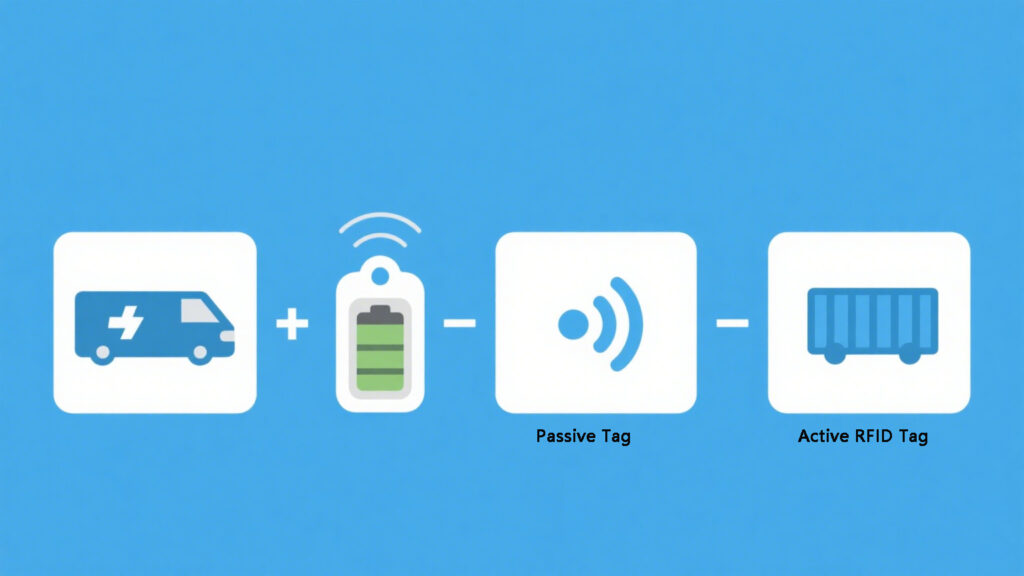
The relationship between the tag and the reader also depends on who powers the tag.
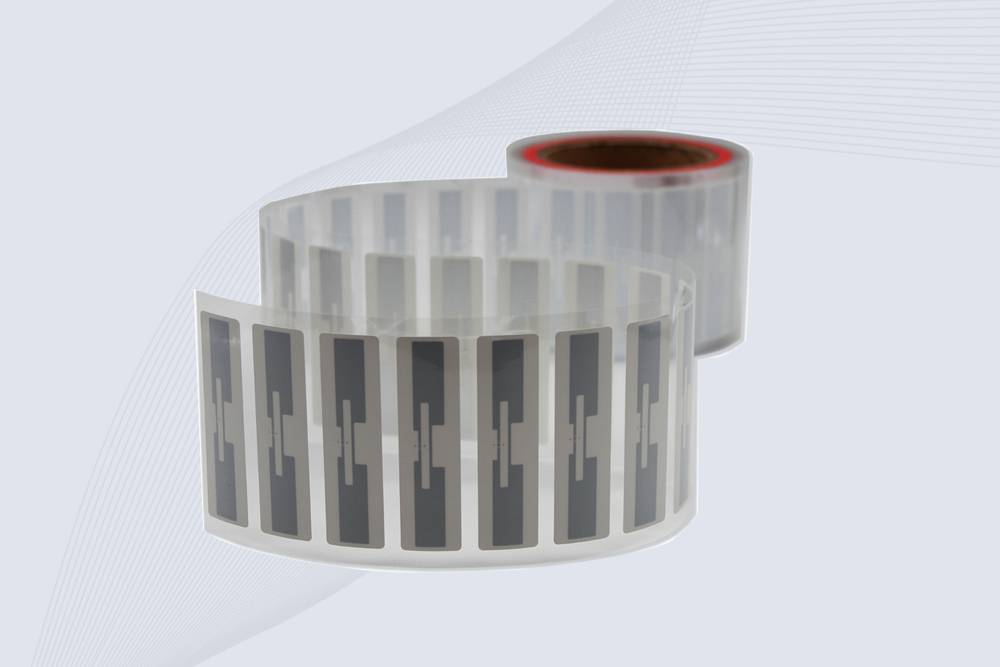
Passive tags: No battery inside. They rely entirely on the energy sent by the reader. They’re cheap, small, and last long, but their reading distance is limited.
Active tags: Built-in battery, so they can transmit signals on their own. Range can go beyond 100 meters, making them useful for tracking big assets like containers, vehicles, or equipment. Downsides? More expensive, bulkier, and you’ll need to replace batteries.
For cost reasons, most everyday use—retail, warehousing—still depends on passive tags. Active tags are usually reserved for cases where long range and high stability are a must.
Types of Readers and How They Work
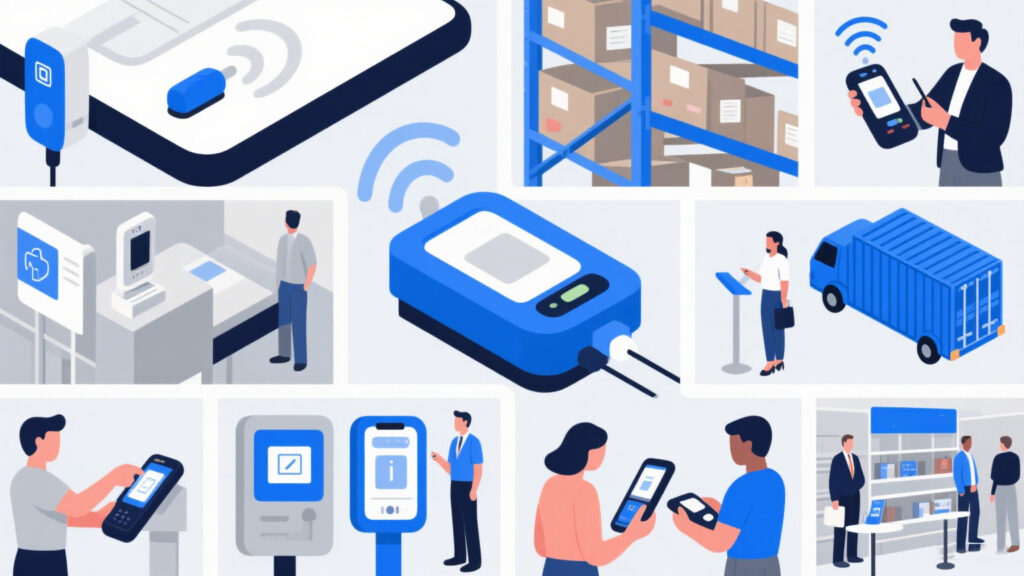
Readers themselves also come in different forms:
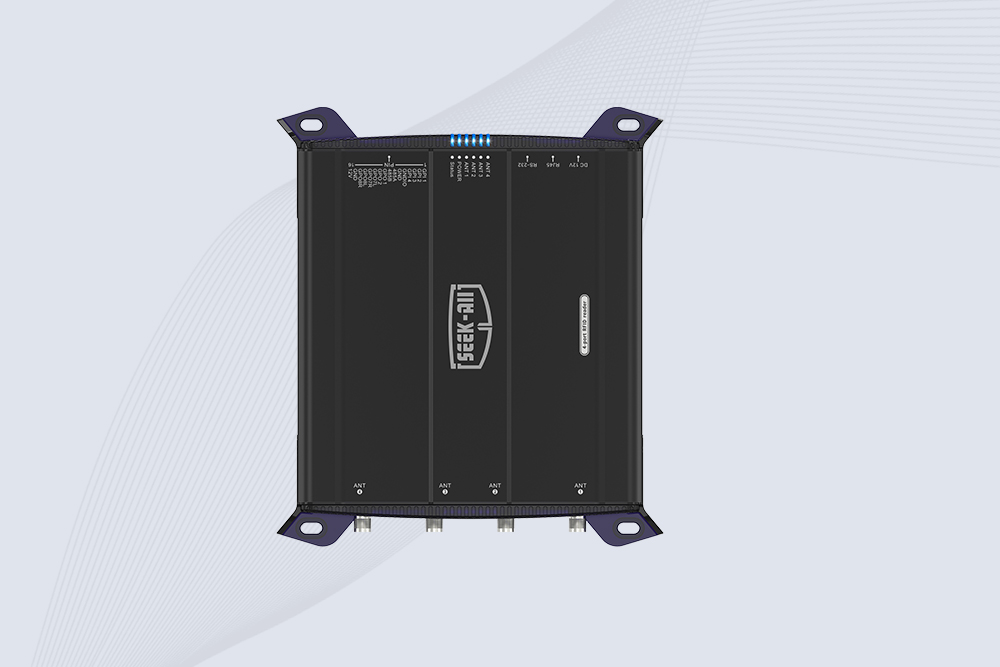
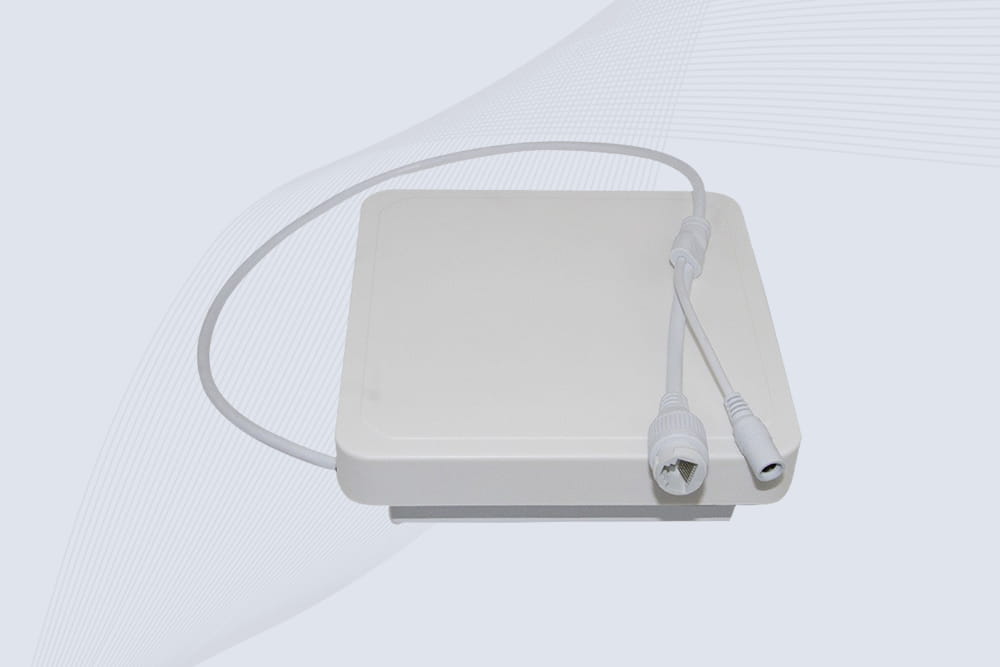
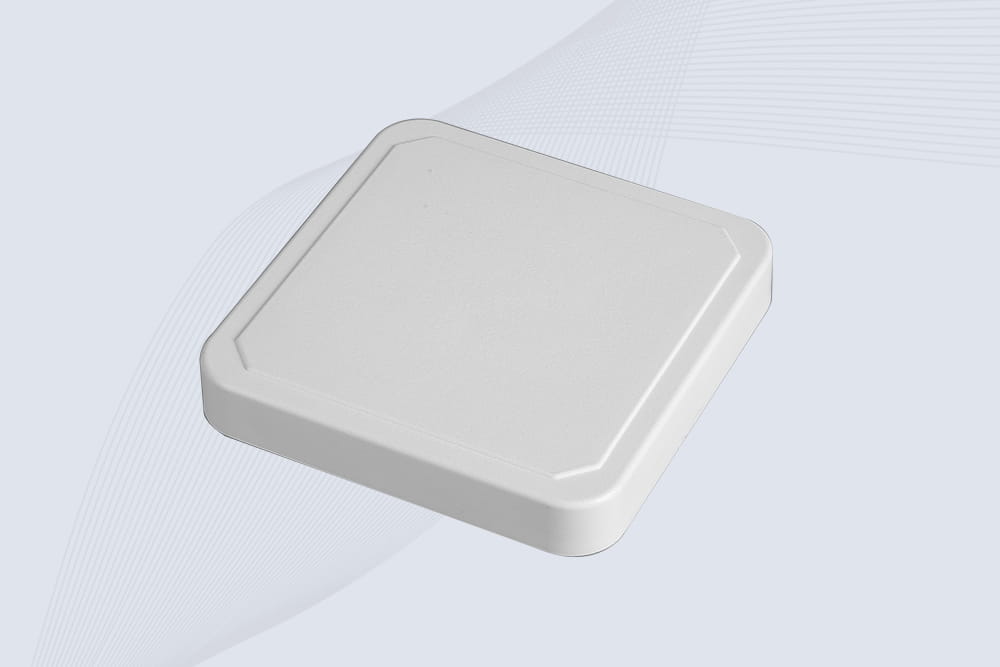
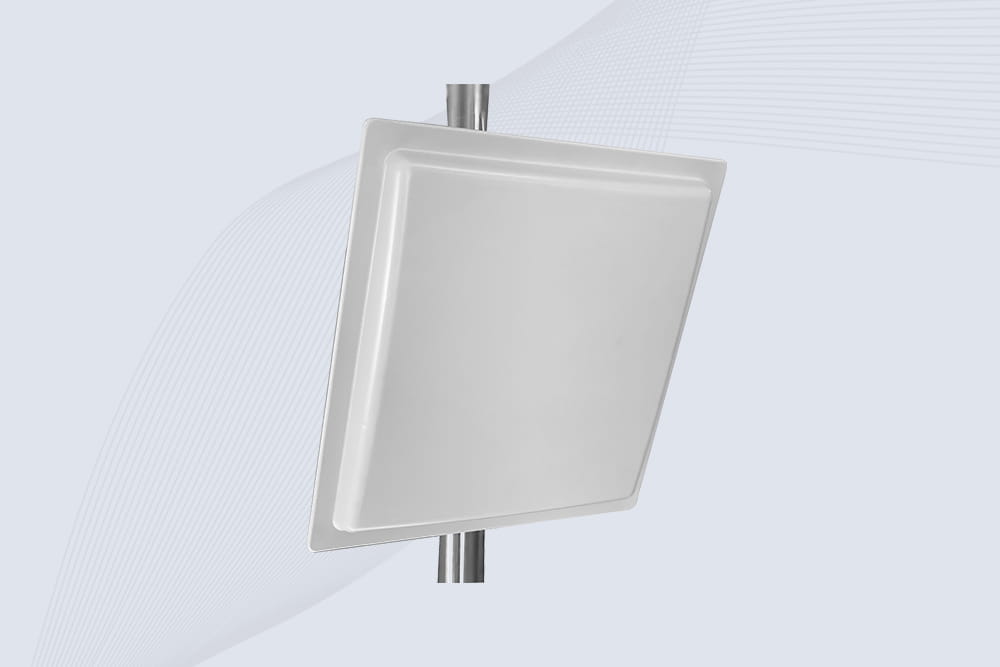
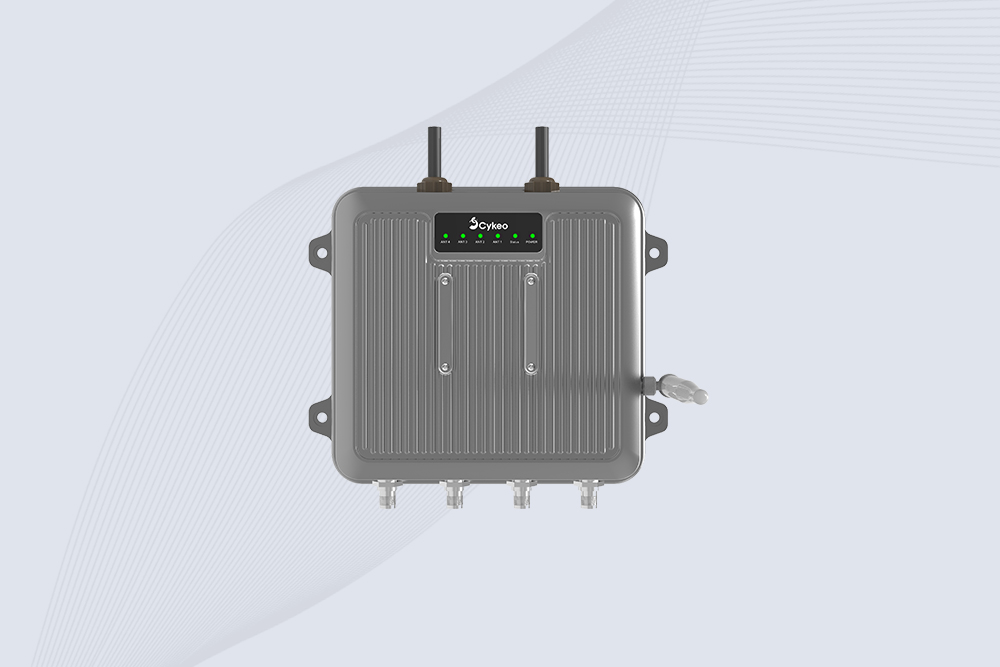
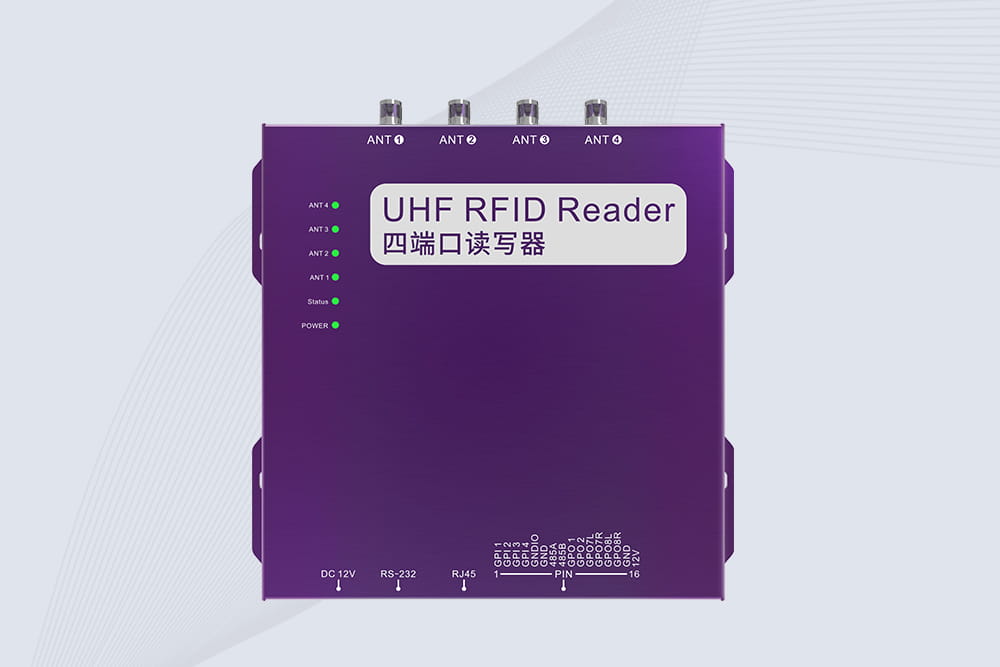
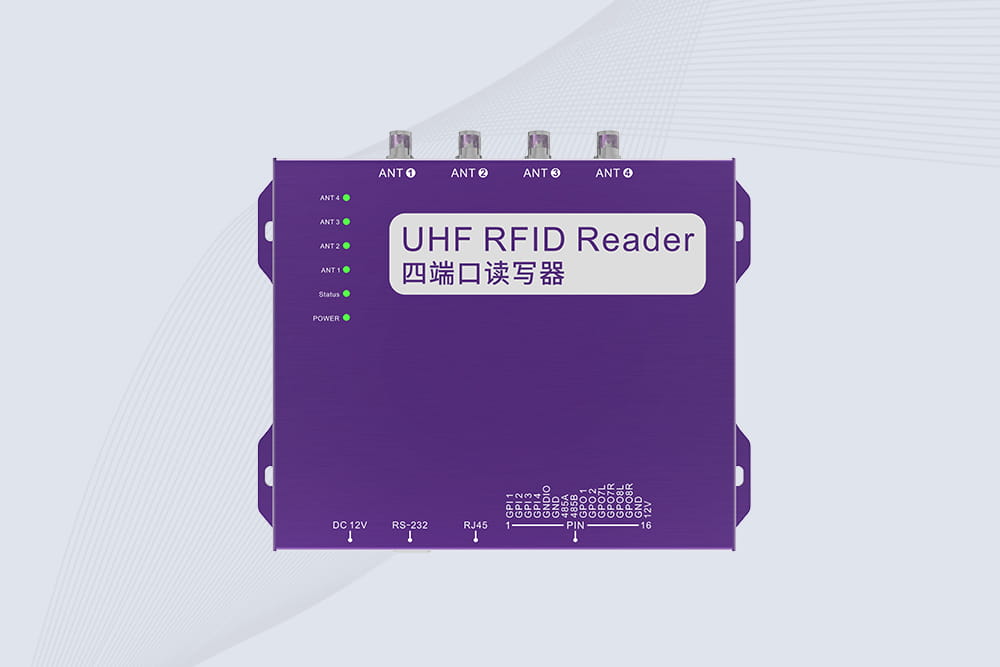
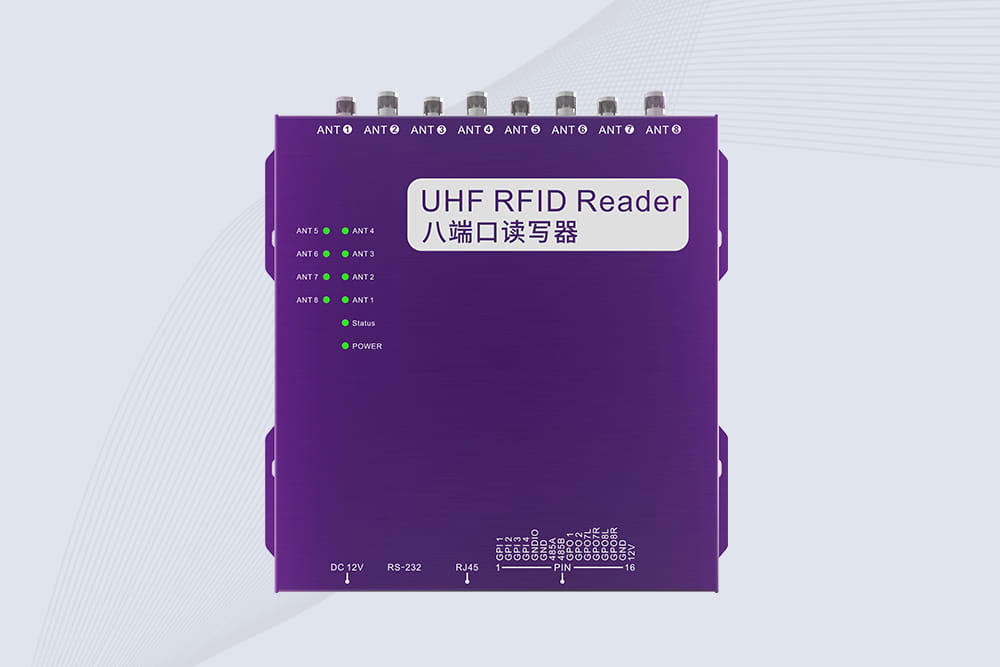
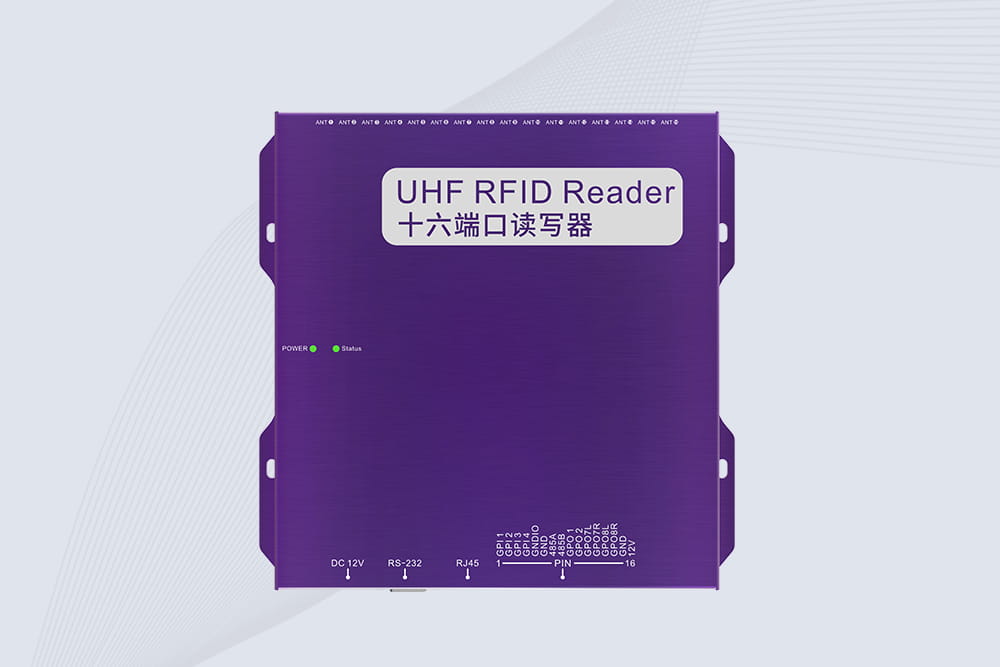
Fixed readers: Installed at doors, gates, or beside shelves. They automatically identify items or people as they pass. Common in warehouse entry/exit management or event gates.
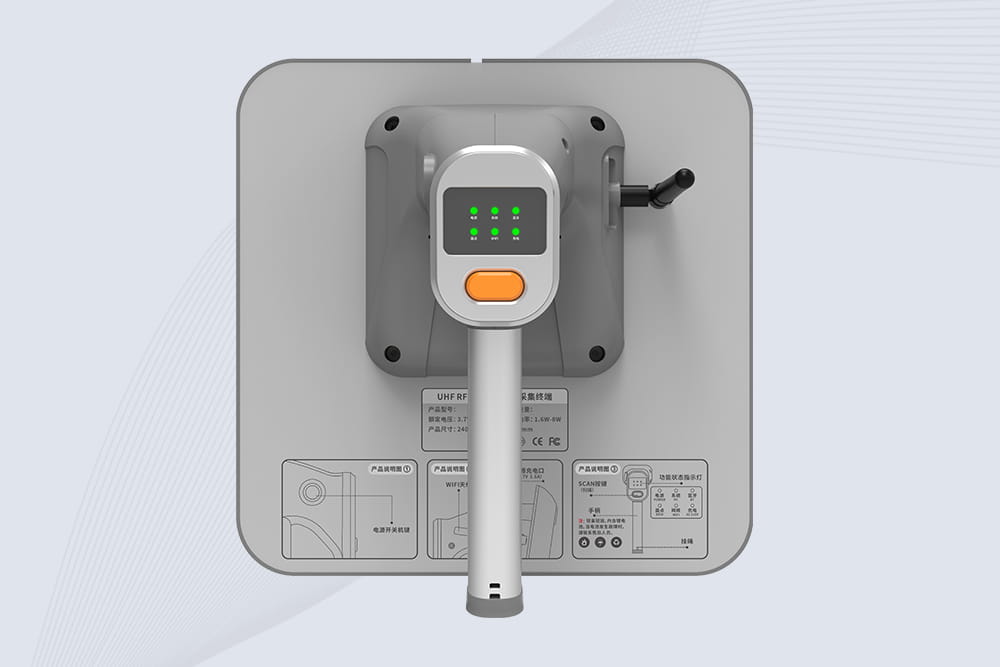
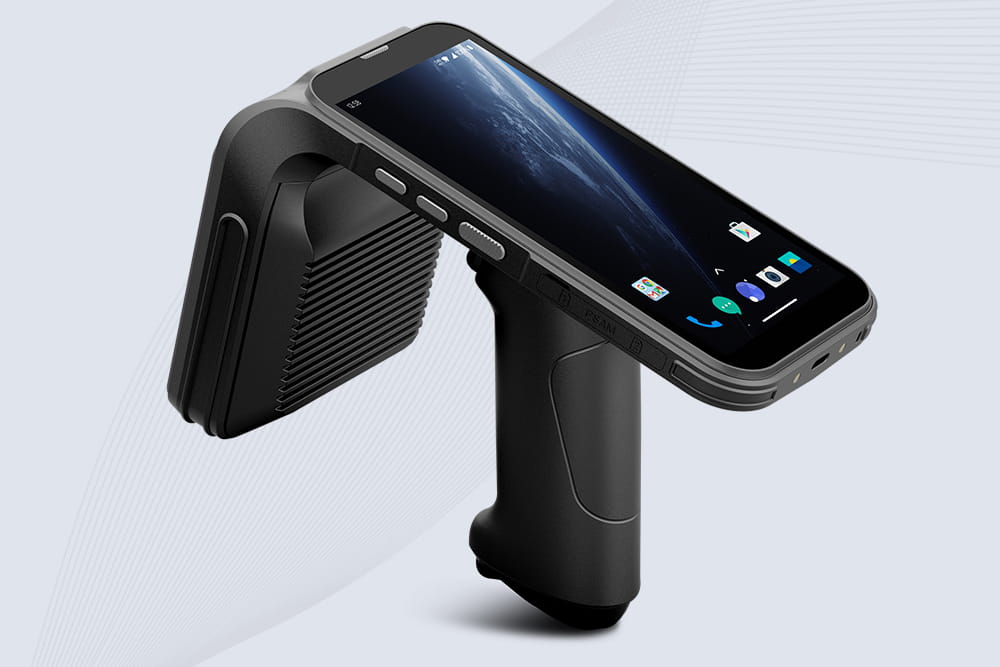
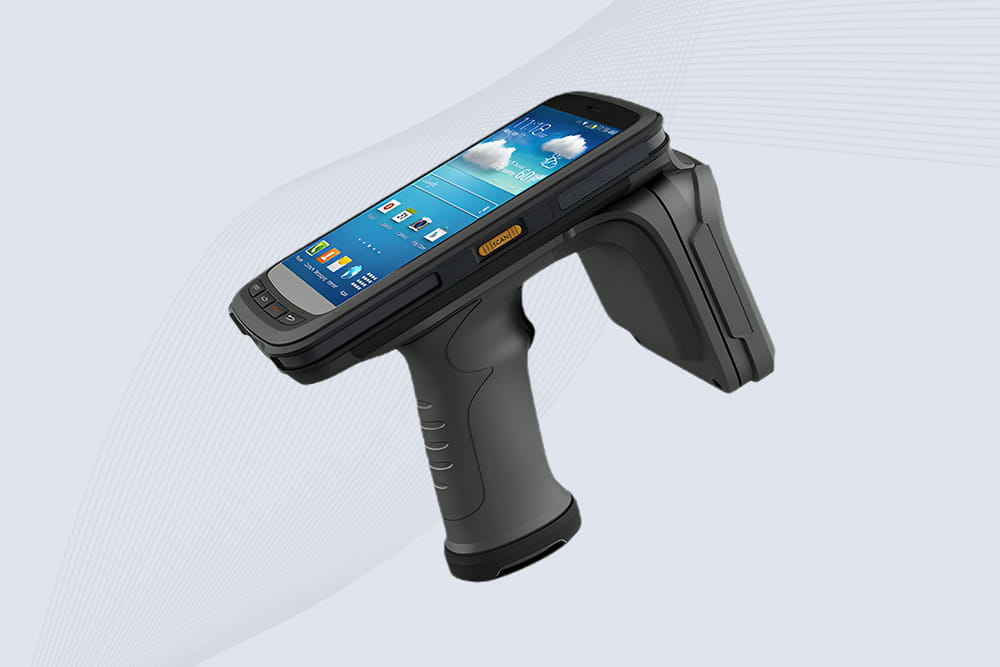
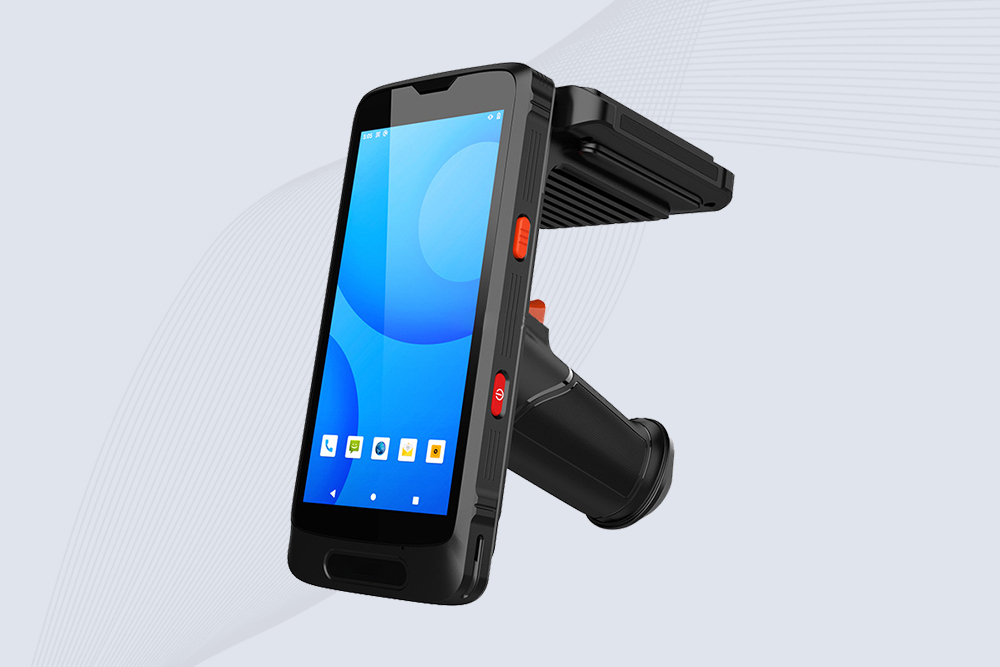
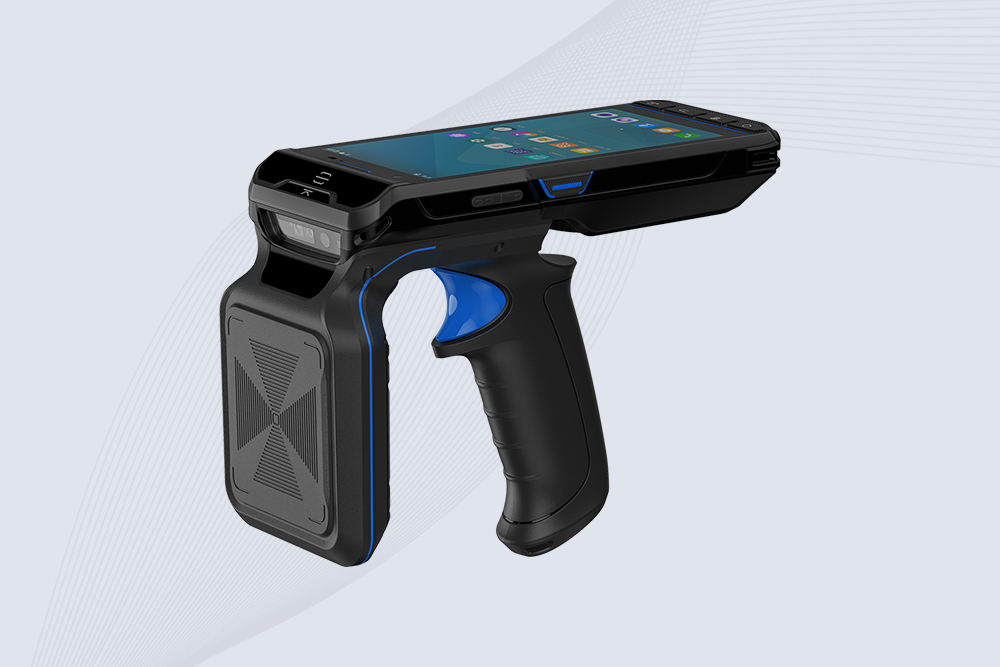
Handheld readers: Similar to a barcode gun. The operator carries it and scans items one by one. Very flexible, perfect for stocktaking.
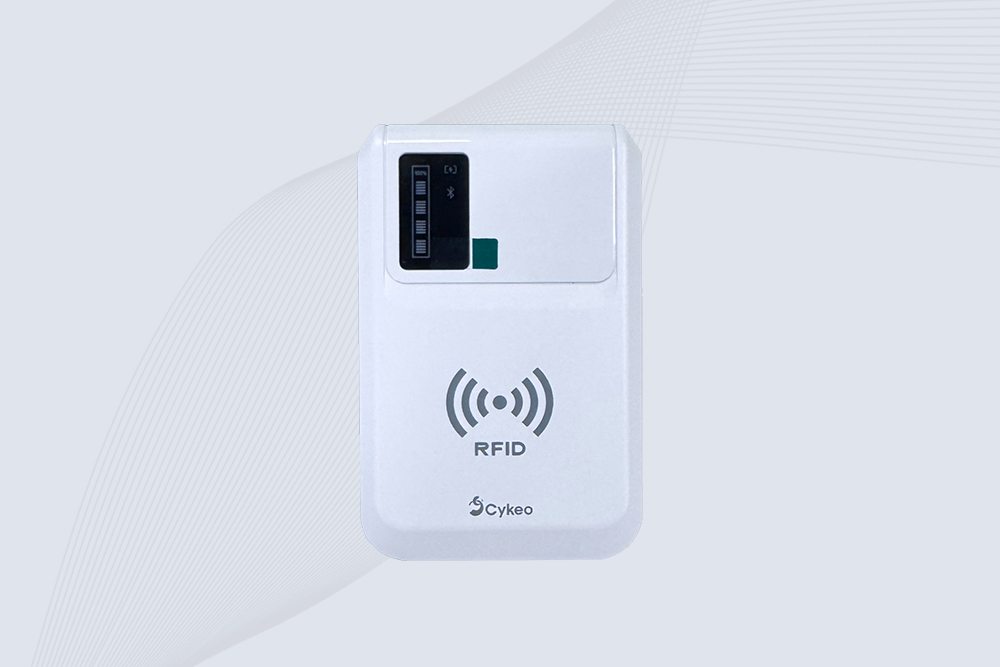
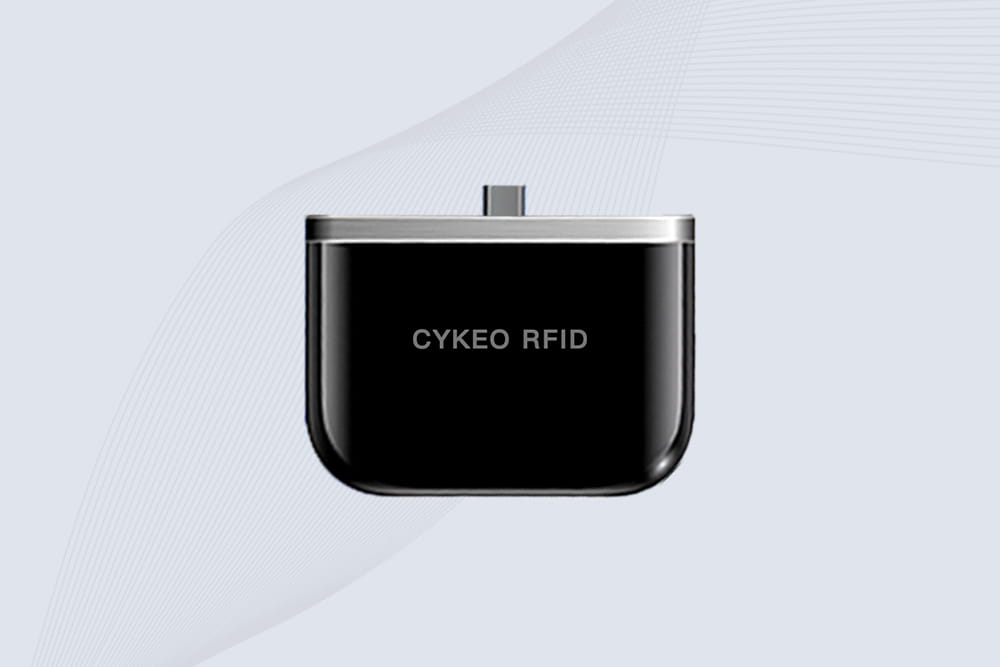
Portable/mobile readers: Some small devices can even pair with a phone or tablet. Small enough to fit in your pocket, convenient for temporary use.
Multi-function devices: Some models combine RFID and barcode scanning, with features like local storage, vibration alerts, or batch uploads—basically, all-in-one devices.
No matter the type, they all follow the same basic principle: when a tag enters the sensing range, the reader communicates via radio waves, collects the data, and sends it to the system. Different models may support USB, RS232, Wi-Fi, or Bluetooth for easy connection to various terminals.
Application Scenarios
Warehousing & logistics: The most typical use—fast inventory counting and entry/exit tracking, reducing manual errors.
Retail stores: Stocking, inventory checks, and theft prevention—all can be done with RFID instead of barcodes.
Access control & events: Conference check-in, gym entry, campus access—most rely on HF or NFC systems.
Industrial inspection & asset management: Workers with handheld readers can walk around the factory, checking equipment while logging data.
Large asset tracking: For example, vehicle fleets or shipping containers often use active tags along with readers.
Conclusion
Different types of RFID readers are basically about balancing distance, speed, cost, and stability. The frequency band decides the scenario, the power supply affects price and lifespan, and the form factor defines flexibility. It’s not some flashy “mystery tech”—it’s already everywhere around us. Metro cards, anti-theft gates, warehouse inventory systems—these are all RFID in action, just in different forms.
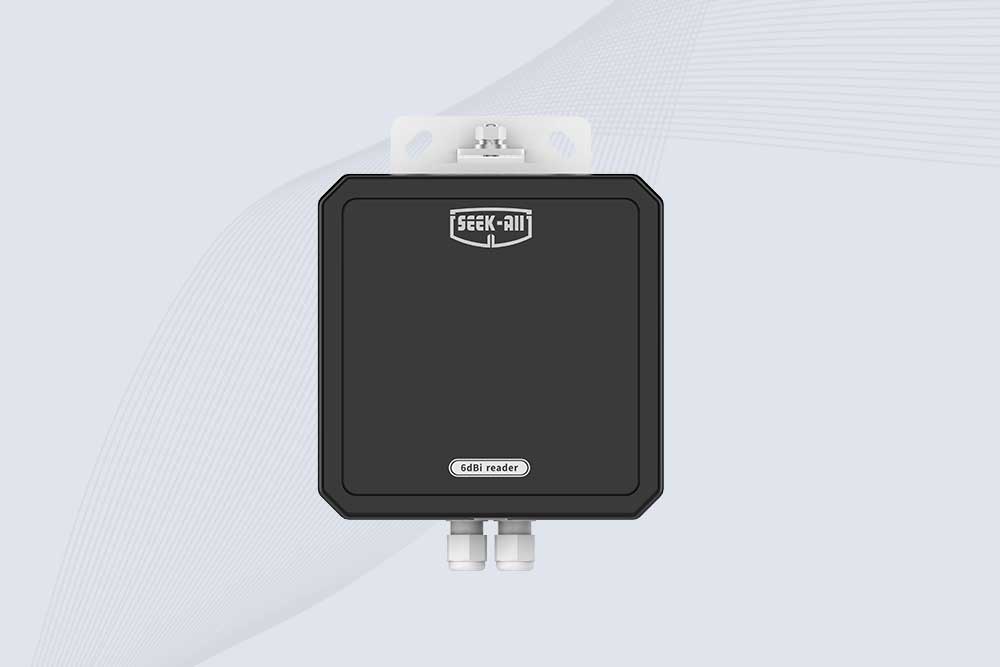
SSD-RA06L is an industrial UHF RFID reader with a built-in 6 dBi antenna, 3 m read range, 600+ tags/s, Ethernet, RS232, and optional Wi-Fi, 4G, and PoE.
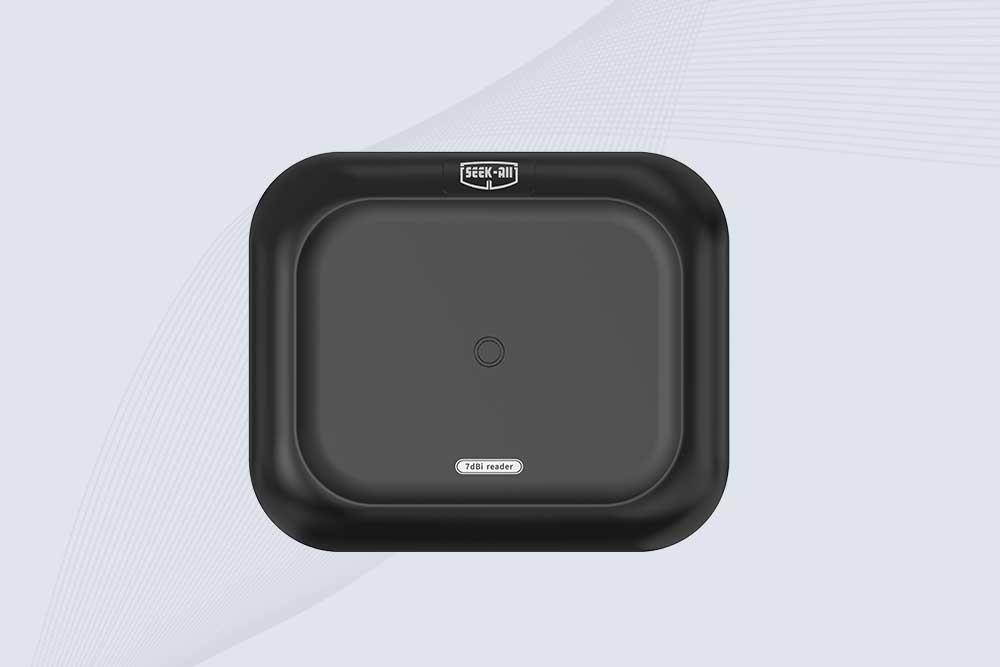
SSD-RA07L industrial UHF RFID reader with integrated 7 dBi antenna, up to 6 m reading distance, over 600 tags/s, Ethernet, RS232, and optional Wi-Fi, 4G, and PoE.
SSD-R16L Multi-Channel RFID Infrastructure for Automated Inventory Management ✔️ 16-Port High-Density RFID Reading Equipped with 16 SMA antenna ports, SSD-R16L supports multi-antenna deployment for warehouses, retail stores, logistics, production lines, and large-area RFID identification. ✔️ High-Speed & Long-Range Performance With up to 33…
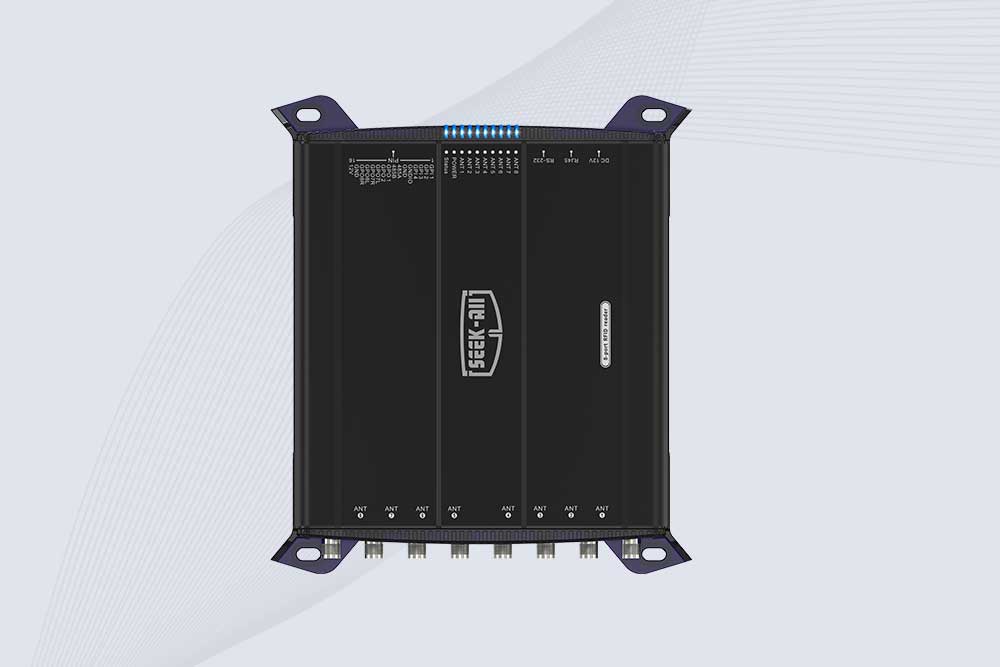
SSD-R8L 8-port UHF RFID reader with 33dBm output, up to 20m reading range and 600+ tags/s recognition. Ideal for warehouse, logistics, retail and asset tracking.
CYKEO Passive RFID Tags are made for wet and high-humidity environments where standard labels do not last. This rfid passive tag is often used around liquids, chemicals and temperature changes, providing stable reading distance and long data life for industrial tracking.
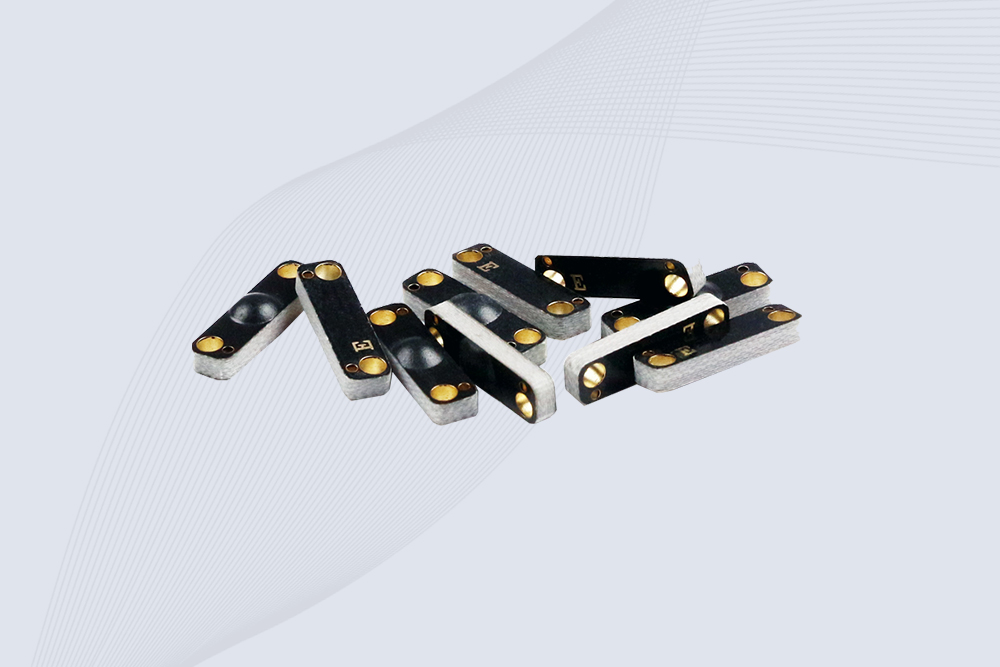
CYKEO CYKEO-PCB1504 Metal RFID Tags is a compact anti-metal UHF RFID solution built for direct mounting on metal surfaces. With stable 8-meter read range, Ucode-8 chip, and long data retention, this rfid metal tag fits tools, containers, automotive parts, and industrial asset tracking.
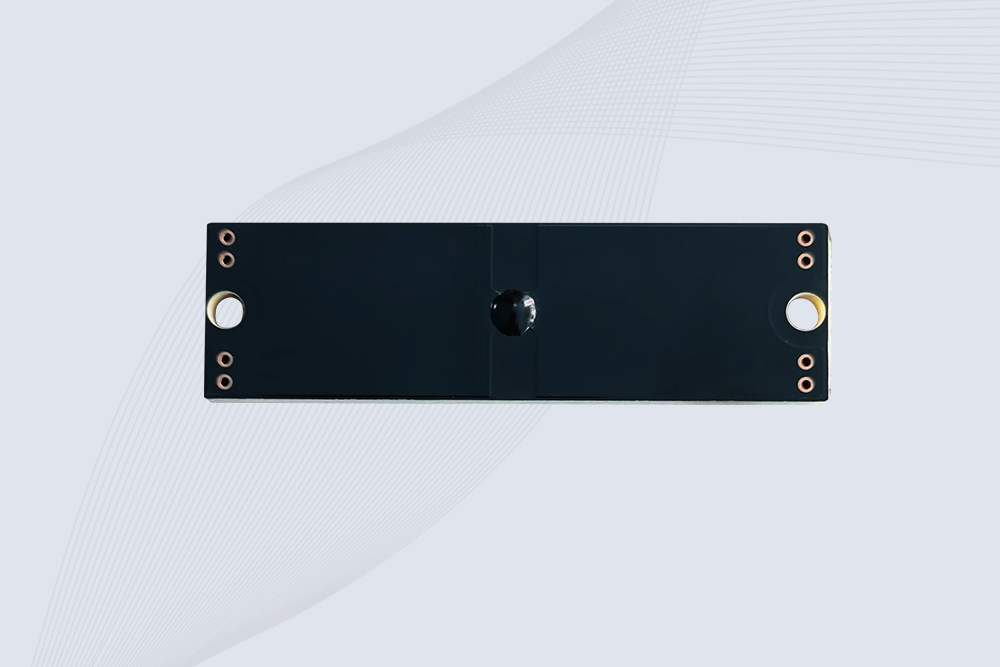
CYKEO CYKEO-PCB7020 On-Metal RFID Tags are designed for reliable tracking on steel and metal surfaces. Built with an FR4 epoxy body and industrial-grade chips, these On-Metal RFID Tags deliver stable performance, long data life, and chemical resistance, making them a dependable RFID anti-metal tag for harsh environments.
The CYKEO CYKEO-60-25 Anti-Metal RFID Tag is built for metal surfaces where standard tags fail. Designed for long-range performance, harsh environments, and stable data retention, this Anti-Metal RFID Tag is ideal for industrial assets, containers, and equipment tracking using on metal RFID tags.
The CYKEO RFID Laundry Tag is designed for long-term textile identification in harsh laundry environments. Built to withstand high heat, chemicals, and repeated washing, this RFID Laundry Tag delivers stable performance for hotels, hospitals, and industrial laundry operations using laundry rfid tags at scale.
The CYKEO CYKEO-125-7 RFID Book Tag is designed for reliable book and document tracking in libraries and archives. This RFID Book Tag delivers long read range, dense placement support, and stable performance on shelves, making it a practical rfid tag on books for library automation, file management, and archival systems.
CYKEO RFID tags in hospitals are designed for sterile environments where accuracy matters. These autoclavable RFID tags support long-term tracking of surgical tools, implants, and medications, helping hospitals improve visibility, compliance, and patient safety.
CYKEO RFID Cable Tie Tag is built for reliable identification on metal surfaces. This UHF RFID Cable Tie Tag is widely used in rfid tags for inventory systems, industrial asset management and Hospital RFID Tags, offering stable read performance, long service life and global EPC Gen2 compatibility.
CYKEO RFID Asset Tag is designed for stable identification of metal assets in industrial environments. This UHF RFID Asset Tag is commonly used for rfid tag asset tracking on equipment, tools and containers, providing reliable reads, long service life and ISO/IEC 18000-6C support.
CYKEO UHF RFID Card is designed for fast identification and long-term use in industrial and commercial systems. Supporting ISO 18000-6C, this UHF RFID Card works at 860–960 MHz and is suitable for custom RFID cards used in asset tracking, access control and inventory management.
CYKEO HF RFID Cards are designed for secure and stable access control systems. These 13.56 MHz RFID key cards support ISO 14443-A, reliable rewriting and long service life, making HF RFID Cards suitable for offices, campuses, events and membership management.
CYKEO UHF RFID Tag is designed for reliable tracking of metal jewelry and high-value items. This Jewelry RFID Tag supports long-range reading up to 8 meters, anti-counterfeit protection and stable performance on metal, making it suitable for retail, inventory control and asset management.
Cykeo CYKEO-B5L portable iPhone RFID reader features 8m range, 500 tags/sec scanning, and built-in 10000mAh charger. Perfect for retail/warehouse teams needing iOS integration.
Cykeo CYKEO-B4L Android RFID reader features 37g magnetic phone attachment, 30cm UHF scanning, and Java/C# SDK for mobile asset tracking. Ideal for anti-counterfeit and warehouse verification.
Cykeo’s industrial long range RFID reader delivers 20-meter scanning, 500+ tags/sec speed, and IP67 waterproof design for automated warehouses, logistics, and harsh environment applications.
Cykeo’s CYKEO-RA6L industrial RFID long range reader features 20m read distance, 500 tags/sec speed, and IP67 protection. Ideal for warehouse automation, manufacturing WIP tracking, and smart logistics. Supports ISO 18000-6C/6B protocols.
CYKEO Long Range RFID Tag Reader built for outdoor and industrial operations. This Outdoor RFID Reader delivers 20m read distance, fast tag processing, and IP67 durability for wide-area tracking.
Cykeo CYKEO-RA12L industrial Long Range RFID Reader delivers 20m read range, 200+ tags/sec scanning, and IP67 protection for manufacturing/logistics applications. Supports ISO 18000-6C/GB protocols.
Cykeo CYKEO-C1 industrial Forklift RFID Reader features 20m read range, 600 tags/sec scanning, Impinj R2000 chipset, and IP67 rugged design. Ideal for warehouse logistics and manufacturing. Supports ISO 18000-6C/6B protocols.
Cykeo CYKEO-R4 industrial UHF RFID Fixed Reader features 4 TNC ports, 400+ tags/sec speed, IP67 housing, and global frequency compliance for vehicle inspection, smart warehouse, and asset management systems.
CYKEO CYKEO-R8L Fixed RFID Reader with 8-port UHF design, Impinj-based RF core and up to 20m read range. An industrial Fixed RFID Reader for vehicle inspection, warehouse portals, smart manufacturing lines and secure access checkpoints.
RFID Fixed Reader from CYKEO – the CYKEO-R16L 16-port UHF fixed reader for warehouses, smart cabinets, and production lines. Long-range, multi-tag reading, stable performance for 24/7 industrial use.
Discover how long range RFID scanners help hospitals track medical equipment, reduce asset loss, improve inventory visibility, and build more efficient healthcare management systems.
Learn how to match RFID readers with the right antennas. Understand antenna gain, polarization, near field, far field, and multi-port configurations for industrial RFID projects.
Discover how RFID tag transponder technology improves asset tracking, inventory accuracy, and operational visibility. Learn real-world RFID applications from Cykeo.
Unlock the power of UHF RFID with this easy-to-follow guide on programming RFID cards and applying UHF RFID technology in asset management, logistics, and smart warehousing. Learn how to streamline your operations with real-world insights and prac...
 Cykeo RFID IoT Solution Products R&D Manufacturer