 Cykeo RFID IoT Solution Products R&D Manufacturer
What is rfid event management software and actually do?
149rfid event management software improves attendee tracking, fast check-in, asset monitoring, and security using UHF RFID technology for modern events and exhibitions.
MoreAll RFID Product
If you’ve ever been to a supermarket, that “beep” when you walk out of the checkout—the anti-theft gate—is actually a form of RFID technology. But what we usually see in daily life is quite simple. Real RFID scanners used in work environments are a lot more complex. In recent years, wireless RFID scanners have become increasingly common. Whether in warehouses, stores, or even some smaller sports venues, people are trying to use them to replace traditional barcode scanning.
Don’t be intimidated by the term “Radio-Frequency Identification.” The principle is actually straightforward: the scanner sends out a signal, and the small tag on the item “wakes up” and sends its information back to the scanner. The biggest difference from barcodes is—you don’t need to aim a gun at a sticker. As long as the item is within range, it gets automatically read. That’s why many warehouses like to use them: inventory counting is way faster than manually scanning barcodes.
The wireless version just “cuts the cord.” Traditional wired scanners have to connect to a computer, while wireless ones can link directly to a phone, tablet, or use Bluetooth to send data to the backend. Some devices even store data in memory first and upload it later when there’s a network connection.
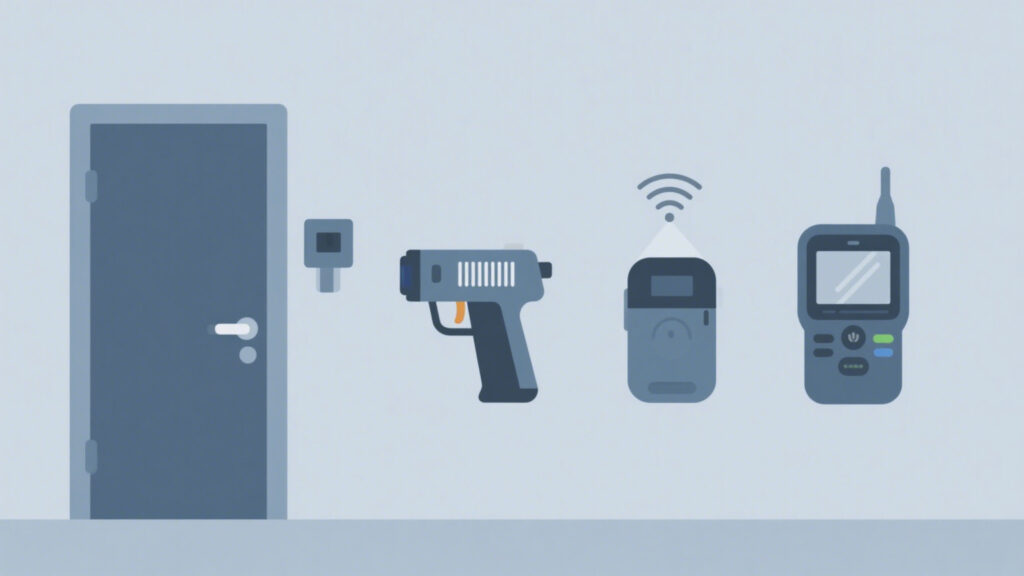
From my understanding, they can be roughly divided into a few types:
No matter the form, they share some common features:
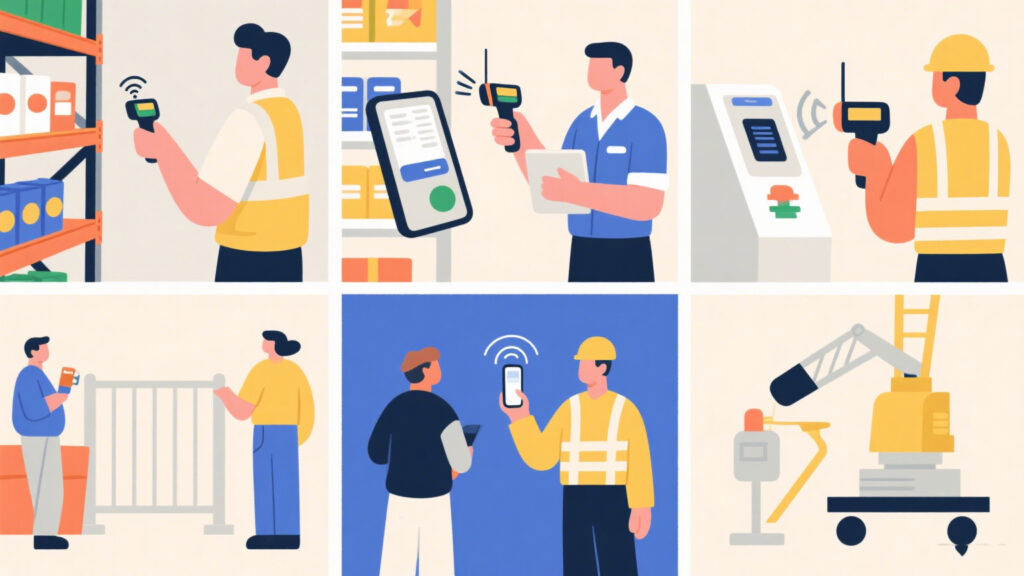
The value of wireless RFID scanners is making data collection easier. In the past, someone had to manually “aim and scan.” Now, in many cases, you just “walk past,” and it’s done. Not everyone needs this technology, but for industries that frequently manage and track items, it’s far more efficient than traditional methods.
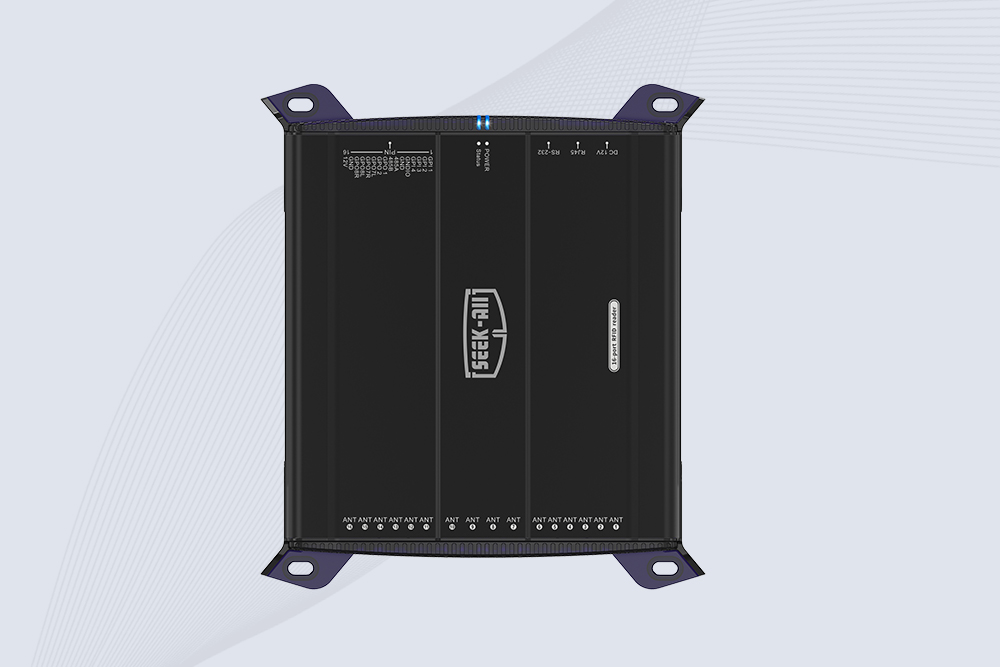
SSD-R16L Multi-Channel RFID Infrastructure for Automated Inventory Management ✔️ 16-Port High-Density RFID Reading Equipped with 16 SMA antenna ports, SSD-R16L supports multi-antenna deployment for warehouses, retail stores, logistics, production lines, and large-area RFID identification. ✔️ High-Speed & Long-Range Performance With up to 33…
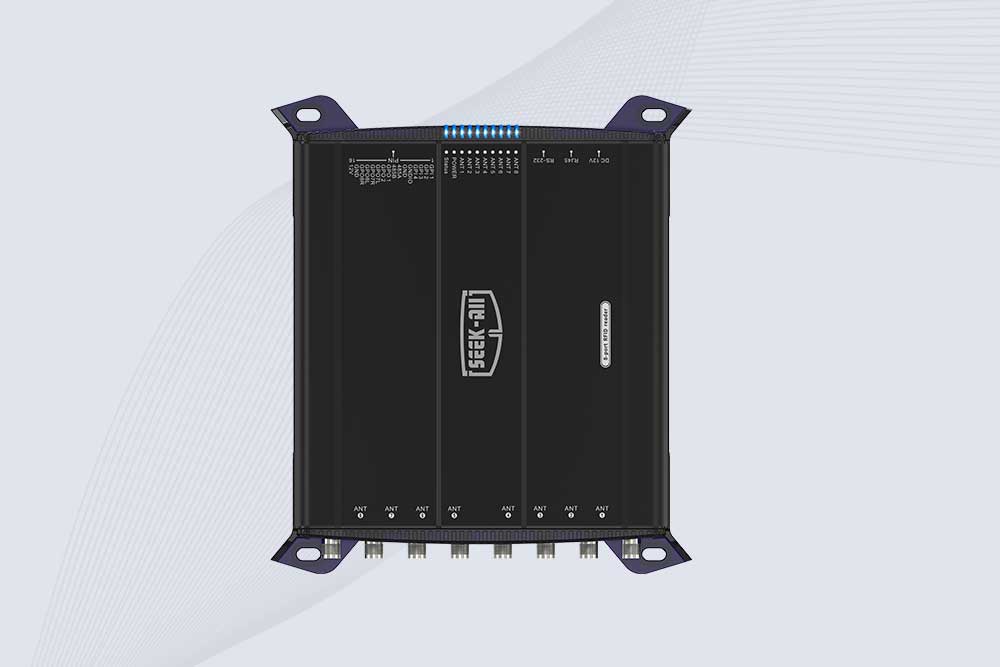
SSD-R8L 8-port UHF RFID reader with 33dBm output, up to 20m reading range and 600+ tags/s recognition. Ideal for warehouse, logistics, retail and asset tracking.
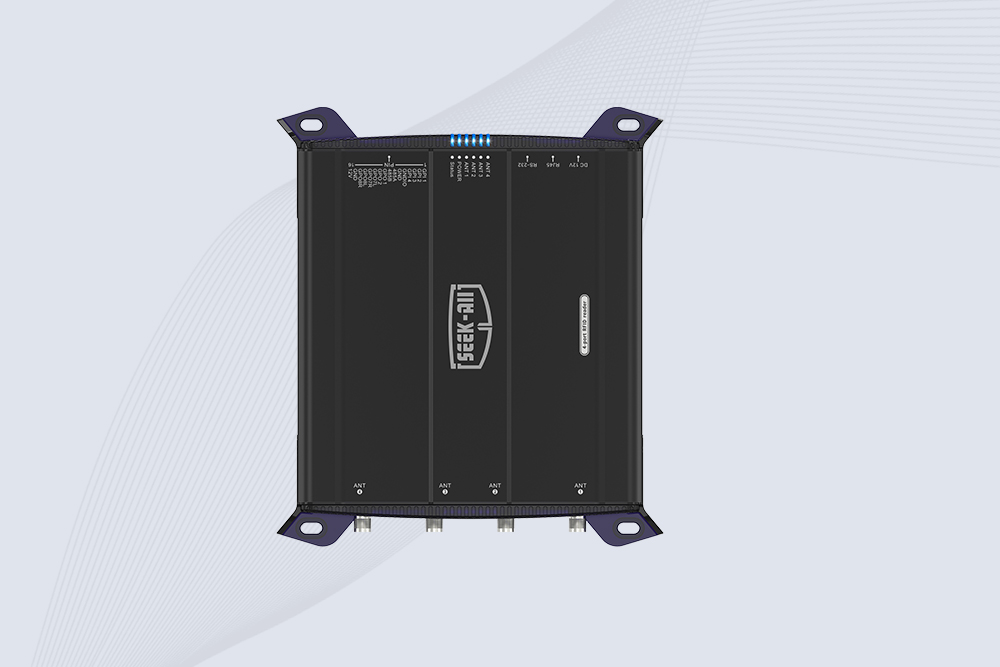
SSD-R4L is a 4-port UHF RFID fixed reader with 33dBm output power, up to 20m reading range, EPC C1G2 support and 600+ tags/s reading speed.
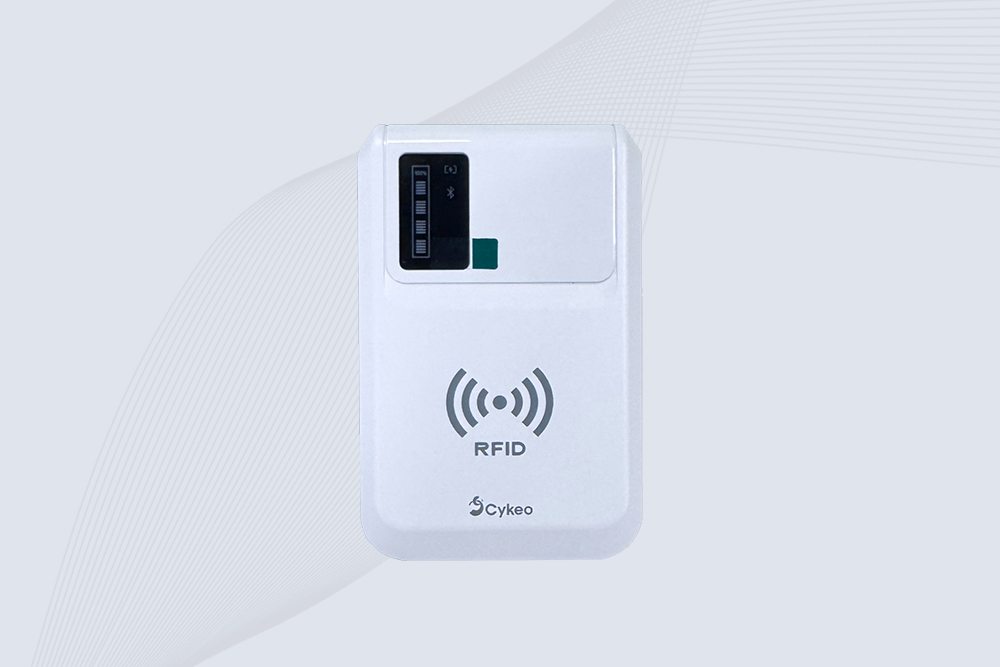
Cykeo CYKEO-B5L portable iPhone RFID reader features 8m range, 500 tags/sec scanning, and built-in 10000mAh charger. Perfect for retail/warehouse teams needing iOS integration.

rfid event management software improves attendee tracking, fast check-in, asset monitoring, and security using UHF RFID technology for modern events and exhibitions.
More
Searching “how to bypass RFID reader” often points to security concerns. We detail the risks of cloning & jamming, and how CYKEO’s encrypted systems provide real protection.
More
A practical guide to RFID medical equipment tracking in hospitals. Learn how it actually works, where it helps, and how smart cabinets improve inventory control.
More
Discover how RFID gate access control system improves security and efficiency for offices, residential communities, and warehouses. Learn how vehicles and people can move seamlessly while every entry is logged automatically.
More