 Cykeo RFID IoT Solution Products R&D Manufacturer
what is rfid for
61RFID is used to identify, track, and manage tagged items through radio waves. Businesses apply it to inventory management, asset tracking, supply-chain visib...
MoreAll RFID Product
RFID systems generally operate in three frequency bands: Low Frequency (LF), High Frequency (HF), and Ultra High Frequency (UHF). For B2B scenarios like industrial automation, logistics tracking, and warehouse management, most fixed RFID readers use either HF (13.56MHz) or UHF (902–928MHz).
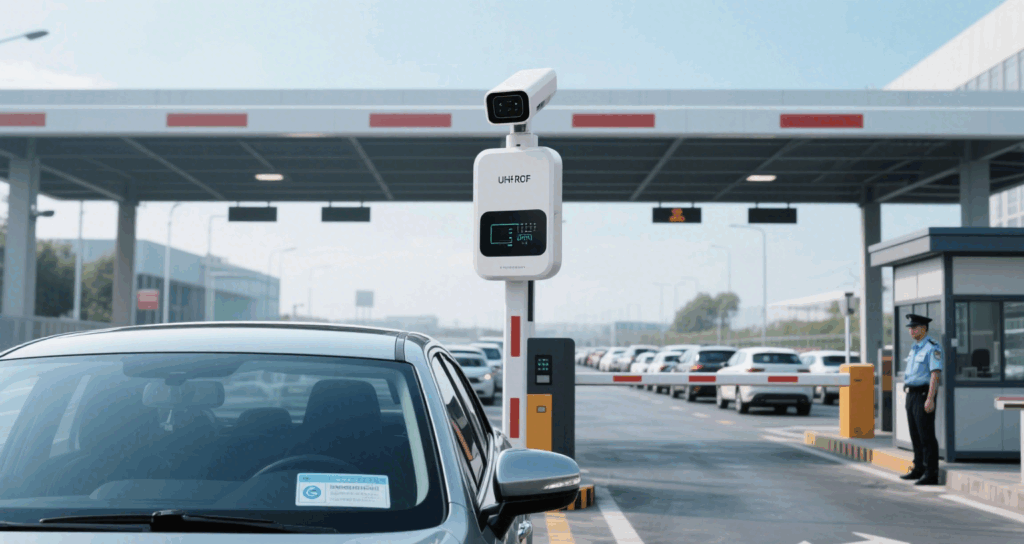
Reading distance is one of the most critical RFID reader specs. HF typically reads within 10 cm, while UHF can reach over 10 meters. When buying reader, consider these factors:
For projects like warehouse entry/exit control, vehicle ID, and asset tracking, define both the minimum and maximum read range requirements, and choose a reader with adjustable output power.
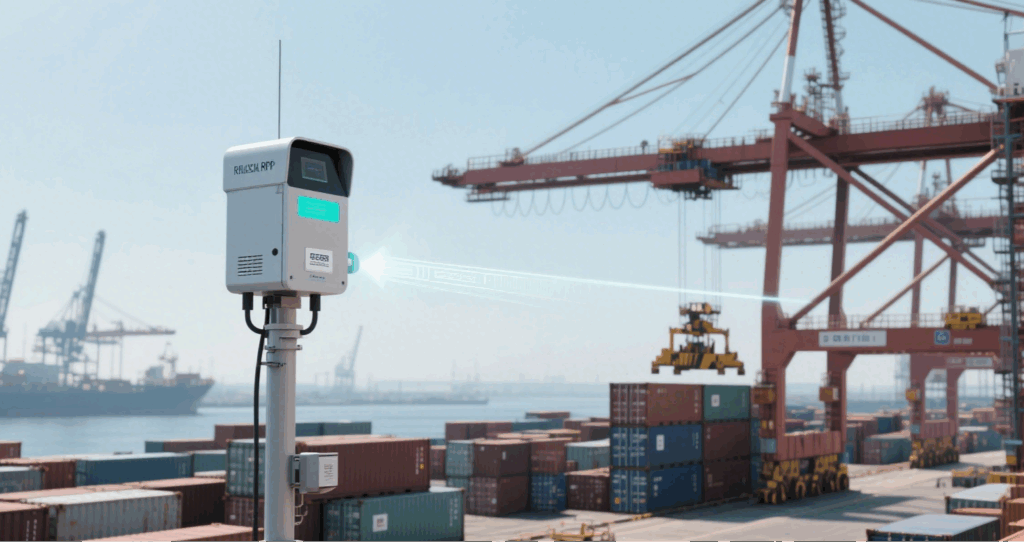
The reader’s output power—usually from 0 to 30 dBm—directly affects both reading distance and energy efficiency. Choose a model that supports power adjustment to handle:
Industrial-grade RFID readers should support multiple interfaces for system integration. Common interface types include:
Clarify your system’s integration needs and choose a reader with versatile interface options.
A fixed RFID reader’s operating mode determines how it controls the scanning process. Common modes include:
Choose reader that supports multiple operating modes and remote configuration for greater flexibility in future expansions.
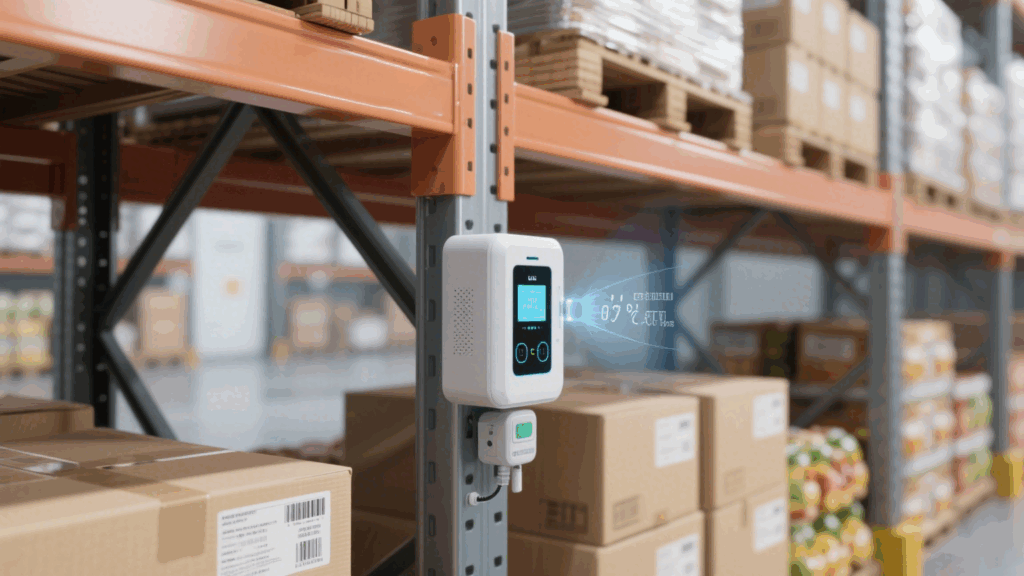
When purchasing fixed RFID reader, evaluate it across five key areas: frequency compatibility, read range, power control, interface type, and operating mode. Industrial-grade models that support multi-protocols, multiple interfaces, remote configuration, and adjustable power offer the best flexibility for complex deployment needs.
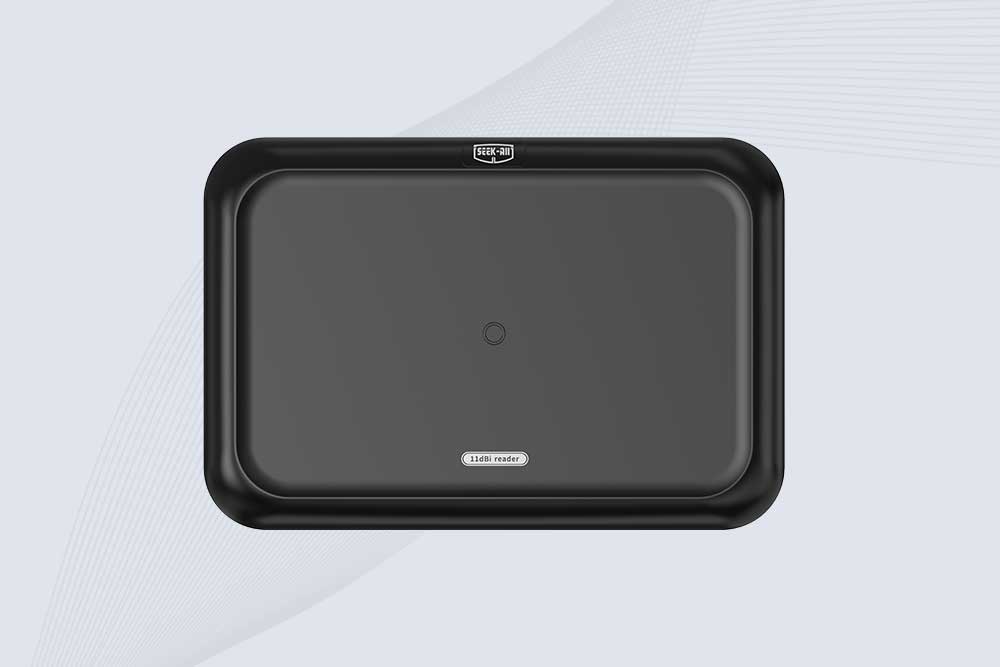
SSD-RA11L is an 11 dBi UHF RFID reader with up to 15m reading distance, 600+ tags/s speed, integrated antenna and flexible connectivity.
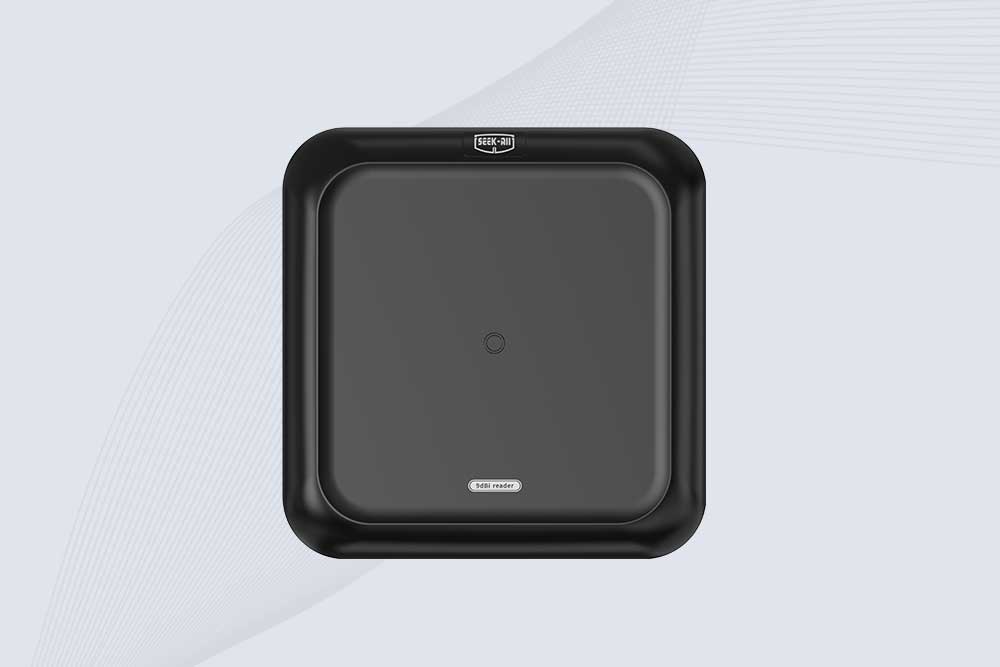
SSD-RA09L is a long range UHF RFID reader with a built-in 9 dBi antenna, 10m reading range, 600+ tags/s speed and flexible interfaces.
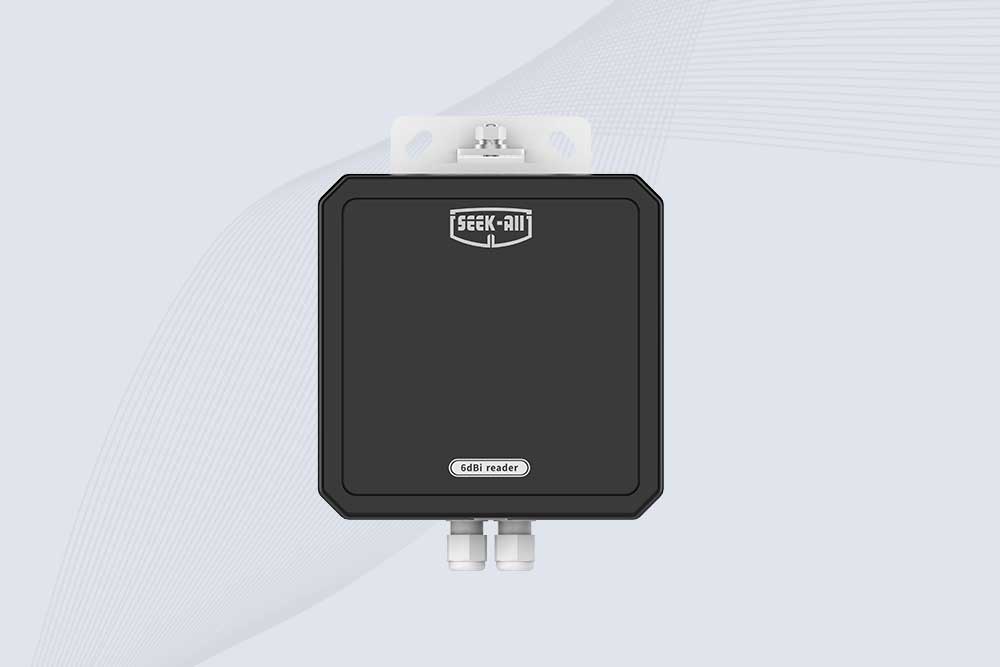
SSD-RA06L is an industrial UHF RFID reader with a built-in 6 dBi antenna, 3 m read range, 600+ tags/s, Ethernet, RS232, and optional Wi-Fi, 4G, and PoE.
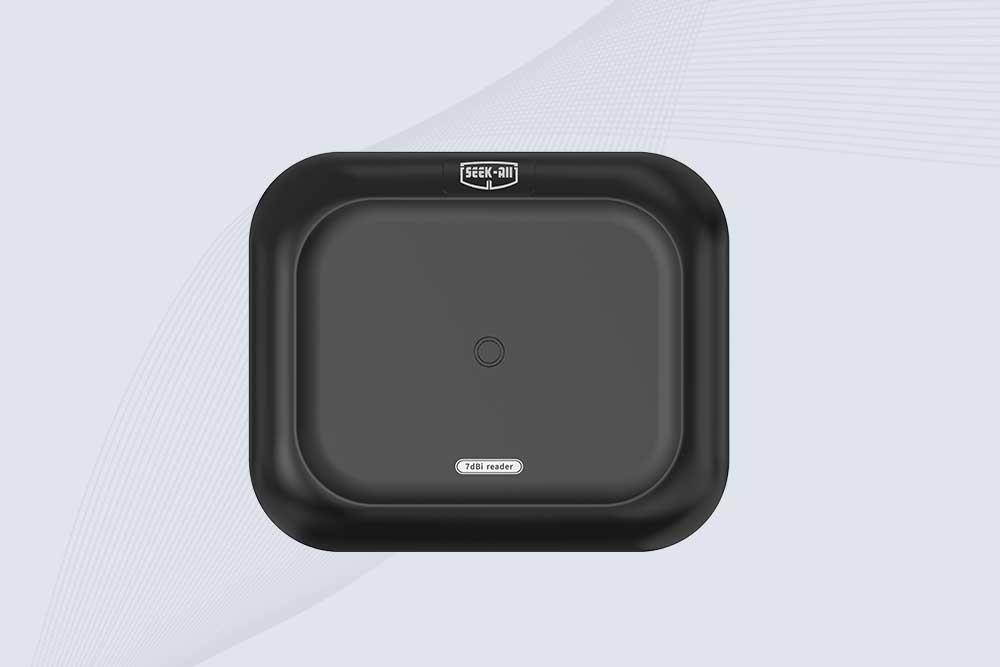
SSD-RA07L industrial UHF RFID reader with integrated 7 dBi antenna, up to 6 m reading distance, over 600 tags/s, Ethernet, RS232, and optional Wi-Fi, 4G, and PoE.
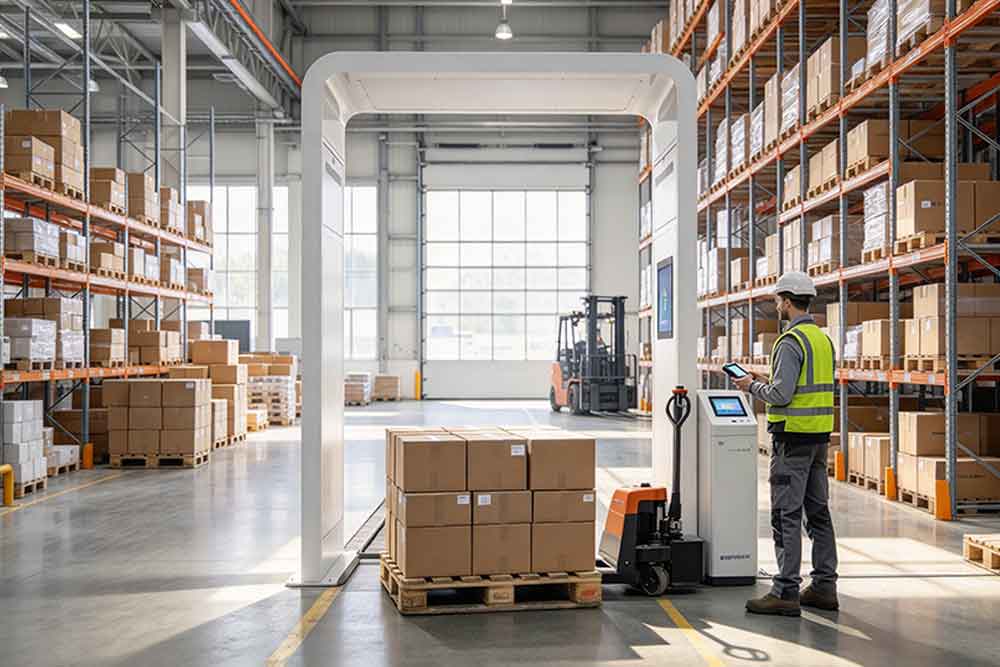
RFID is used to identify, track, and manage tagged items through radio waves. Businesses apply it to inventory management, asset tracking, supply-chain visib...
More
How does RFID work without power? Learn how passive RFID tags operate, where they work best, and why CYKEO uses them in real projects.
More
Explore how RFID solutions for healthcare enhance patient safety, streamline hospital operations, and optimize asset management, with practical real-world examples.
More
Learn how RFID scanner inventory systems improve accuracy, cut counting time, and streamline warehouse operations. Real tips on setup, tag placement, and avoiding common mistakes.
More