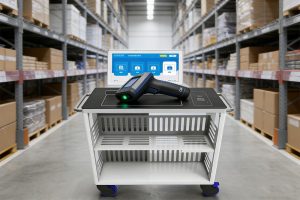
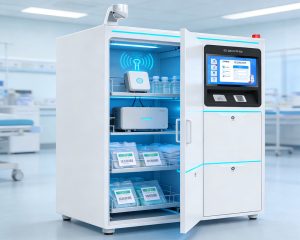
Inventory management has always been a balancing act. Too much stock ties up cash, too little stock kills sales. For years, barcode scanners were the go-to tool. But once you start working with an RFID scanner inventory setup, the difference in speed and accuracy is like moving from a bicycle to a motorbike.
That said, RFID isn’t magic. It comes with its own quirks, and knowing how to deploy it properly makes all the difference.
How RFID Scanner Inventory Actually Works
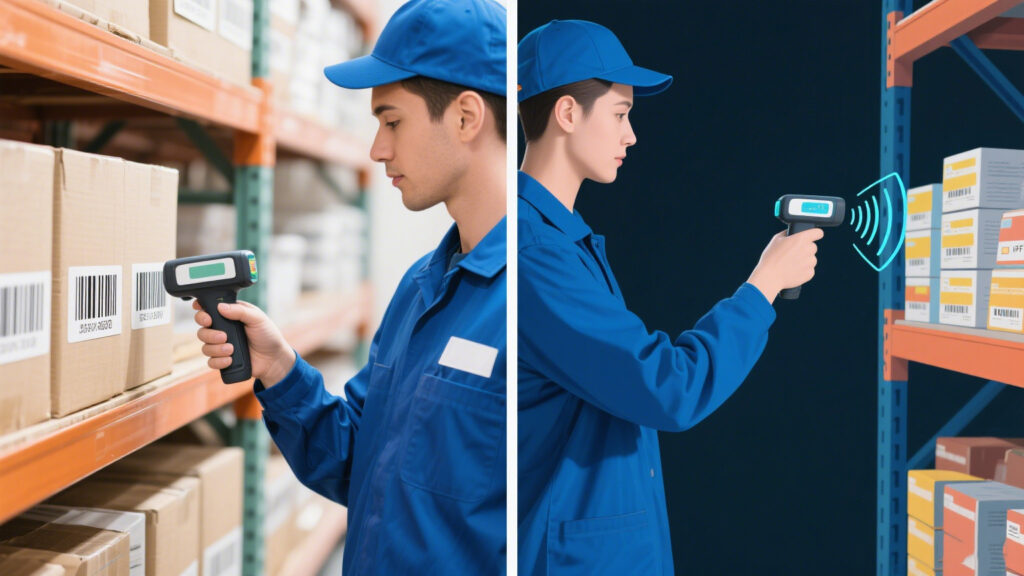
Instead of lining up a barcode and scanning one by one, RFID scanners use radio waves to capture tag data in bulk. You can literally walk past a shelf with a handheld reader and capture hundreds of items in seconds. No line of sight needed.
In practice, I’ve seen RFID scanners pick up boxes stacked three rows deep, something barcode systems simply can’t handle. But the catch is, the environment matters—metal shelves or liquid containers can block or bounce signals, creating blind spots.
Real Advantages in Daily Operations
Bulk scanning: Walk into a warehouse aisle, press the trigger, and your scanner pulls in everything within range. This makes stock counts ten times faster than barcode sweeps.
Accuracy: Each tag is unique. You can finally stop guessing if you’ve counted the same box twice.
Visibility: With the right setup, you can track not just quantities but also location—aisle, shelf, even which batch.
I once ran a trial in a medium-sized parts warehouse. The first week, staff were skeptical. After two rounds of cycle counts, they were sold—what took two hours with barcodes was cut down to fifteen minutes.
Common Pitfalls and How to Avoid Them
Overestimating read range: Yes, some antennas promise ten meters, but in a warehouse full of metal racks, expect less. Always test in the actual environment.
Tag placement: If tags aren’t applied consistently, even the best RFID scanner struggles. I learned this the hard way when some boxes were labeled on the top, others on the side. Aligning tag positions fixed most of the read gaps.
System integration: Scanning is only half the battle. If your inventory software doesn’t sync smoothly, you’ll end up manually reconciling data—defeating the purpose.
A Smarter Way to Start
If you’re new to RFID, don’t jump straight into a full-blown automated gate system. Start small:
Get a handheld RFID scanner.
Choose tags suited to your environment (labels for cardboard, hard tags for tools or metal).
Run pilot counts in one section of your warehouse.
Do a “walk test”—carry a tagged item through your scanning zone to check coverage. This little trick reveals blind spots before you spend big on fixed readers.
Why RFID Scanner Inventory Matters for the Future
The push for real-time visibility in supply chains isn’t slowing down. Whether it’s retail shelves, hospital equipment, or manufacturing parts, RFID scanning offers a level of control that barcodes simply can’t match.
The upfront cost is higher, but in my experience, the savings in time, accuracy, and reduced stockouts more than pay for it. The key is not to treat it as a fancy gadget, but as a tool you tune to your workflow.
Conclusion
An rfid scanner inventory system can transform stock management from a tedious chore into a streamlined process. But like any tool, success depends on setup and discipline: consistent tagging, realistic expectations on read range, and proper software integration.
Think of RFID scanning not as replacing barcodes, but as upgrading to a system built for today’s fast, multi-channel operations. Once you’ve tried it in action, it’s hard to imagine going back to manual counts.
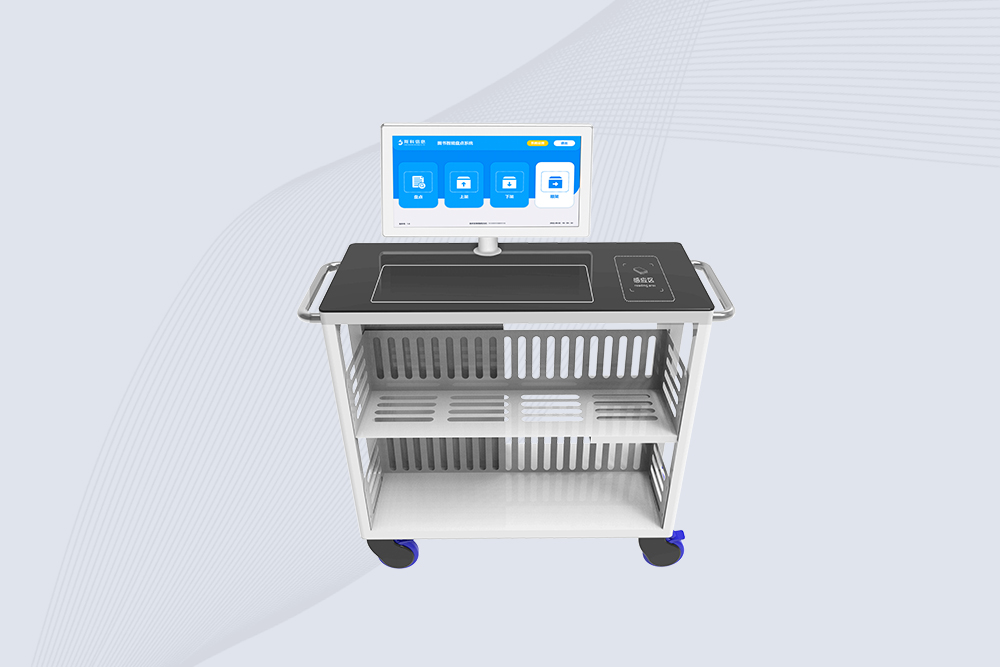
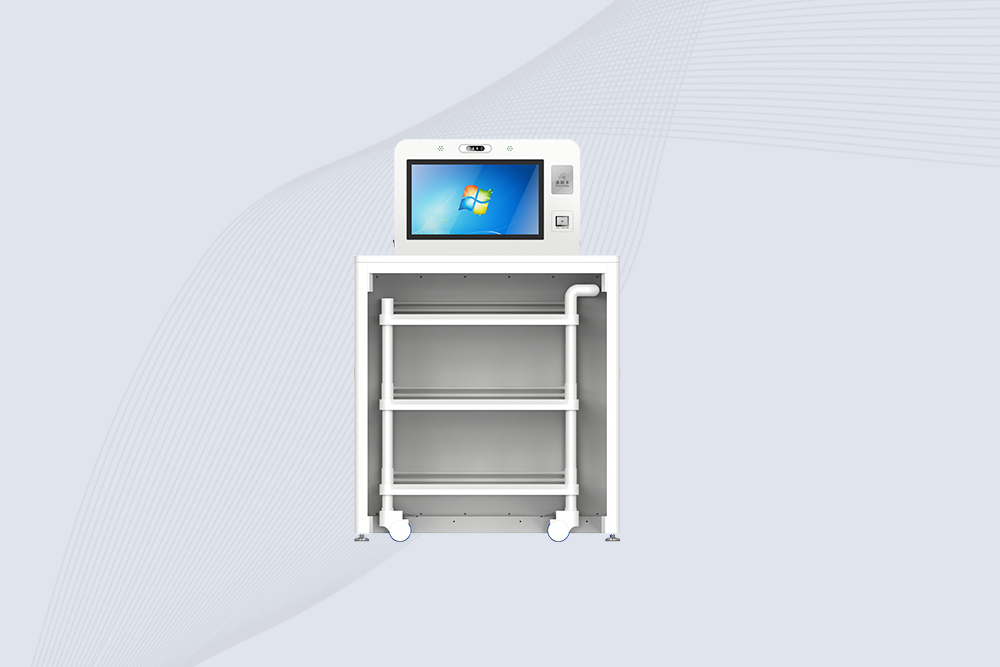
Cykeo CYKEO-C2 UHF RFID inventory cart features 10 UHF readers, 500 tags/sec scanning, Windows/Android OS, and hybrid power for warehouses/libraries. Supports ISO 18000-6C protocols and customization.
Cykeo’s industrial RFID Inventory Tracking station features dual scanning modes, 200+ items/sec bulk reading, and SAP integration for precise warehouse management. MIL-STD-810G certified with Windows/Android OS.
Cykeo CYKEO-D7 RFID system for inventory offers 40+ tags/sec scanning, 150L secure storage, and Impinj R2000 chipset for warehouses, toolrooms, and retail. Global frequency compliance (840-960MHz).
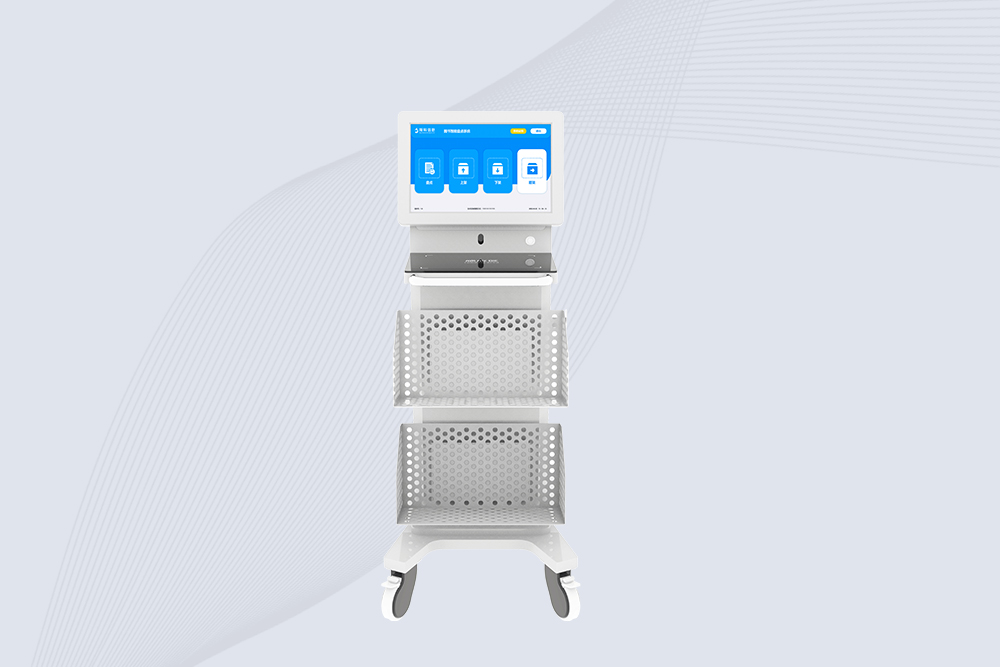
Cykeo CYKEO-C1 mobile RFID scanner cart features PLC-controlled antenna lifting, 10-tag/sec reading, and 21.5″ touchscreen for libraries, hospitals, and warehouses. Supports Windows/Android and multi-protocol RFID.
CK-C2 UHF RFID Inventory Scanner Cart makes tracking tools, books, and medical equipment simple. Roll it down the aisle, scan hundreds of items in minutes, customize with Cykeo antennas and readers, and integrate with ERP or IoT systems using SDK ...
Learn how to choose RFID antennas for metal environments. Discover why metal affects RFID signals and how industrial RFID projects solve interference, missed reads, and performance issues.
RFID laundry tags help commercial laundries reduce linen loss, improve sorting efficiency, and track textile inventory more accurately. Learn how RFID technology is changing hotel and industrial laundry management.
Upgrade your healthcare facility with an RFID Medical Cabinet for inventory management, access control, and security monitoring. Learn how to enhance existing cabinets with simple RFID reader and module integration.
 Cykeo RFID IoT Solution Products R&D Manufacturer