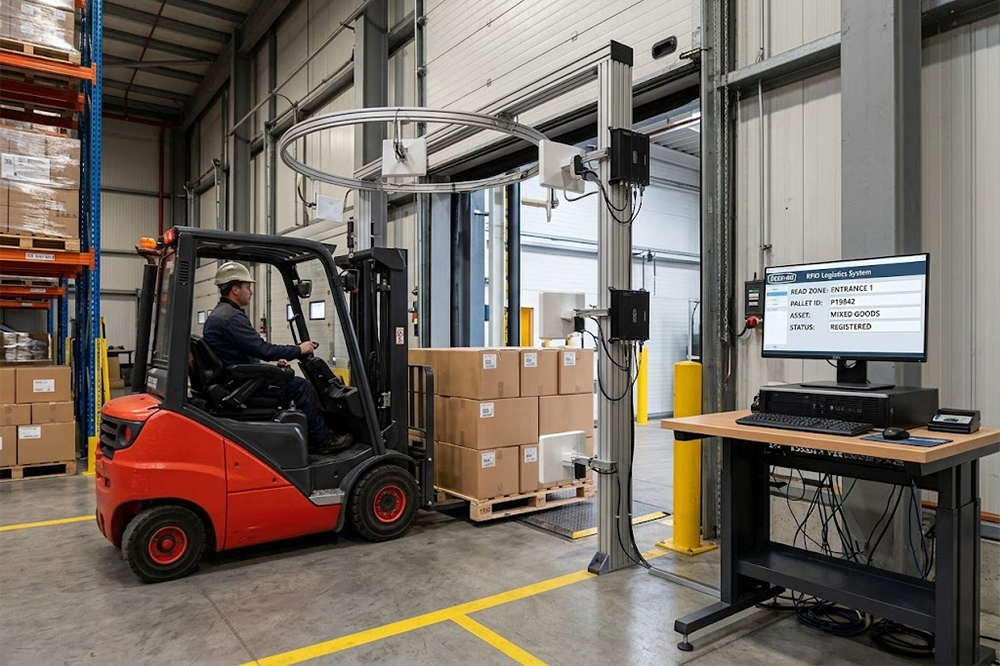
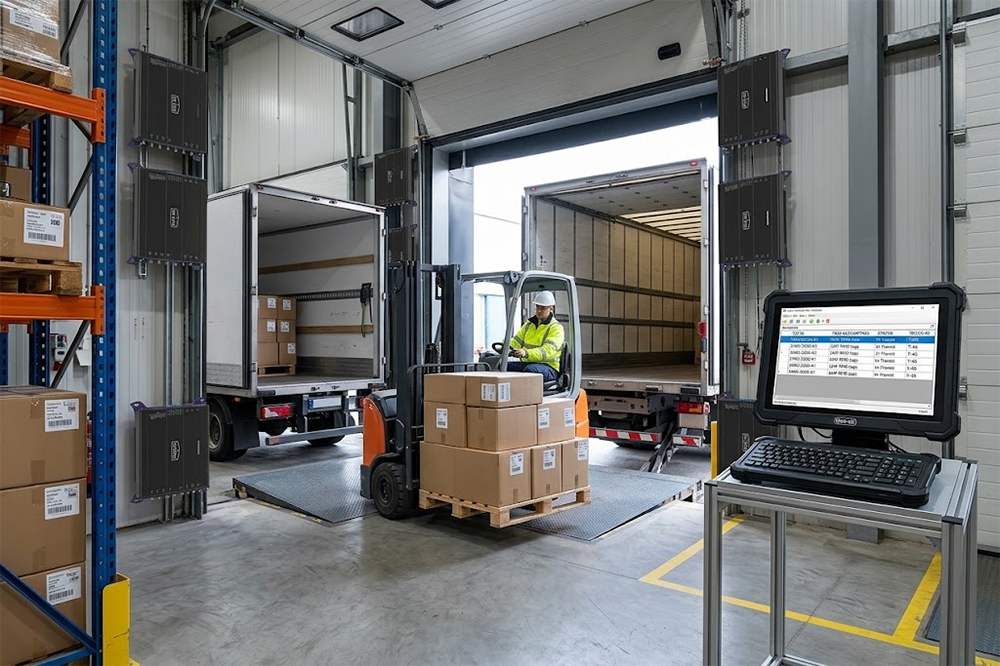
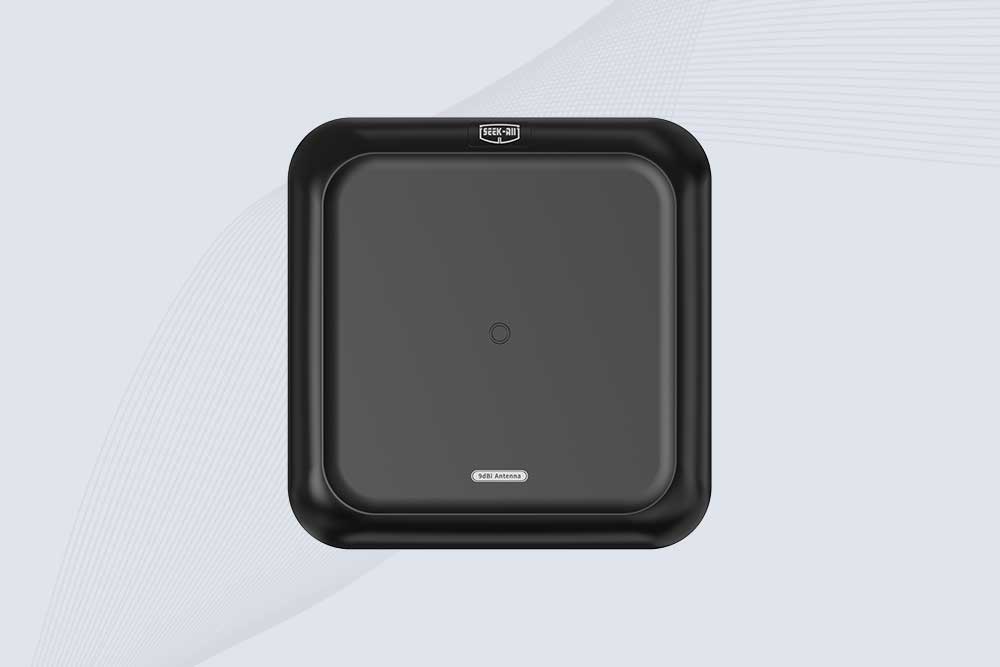
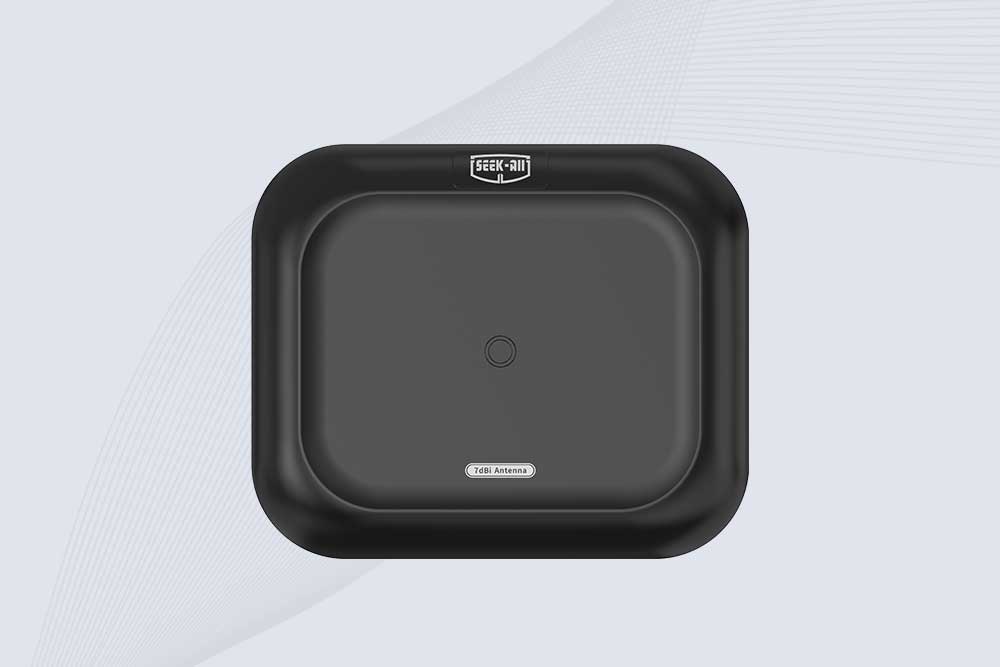
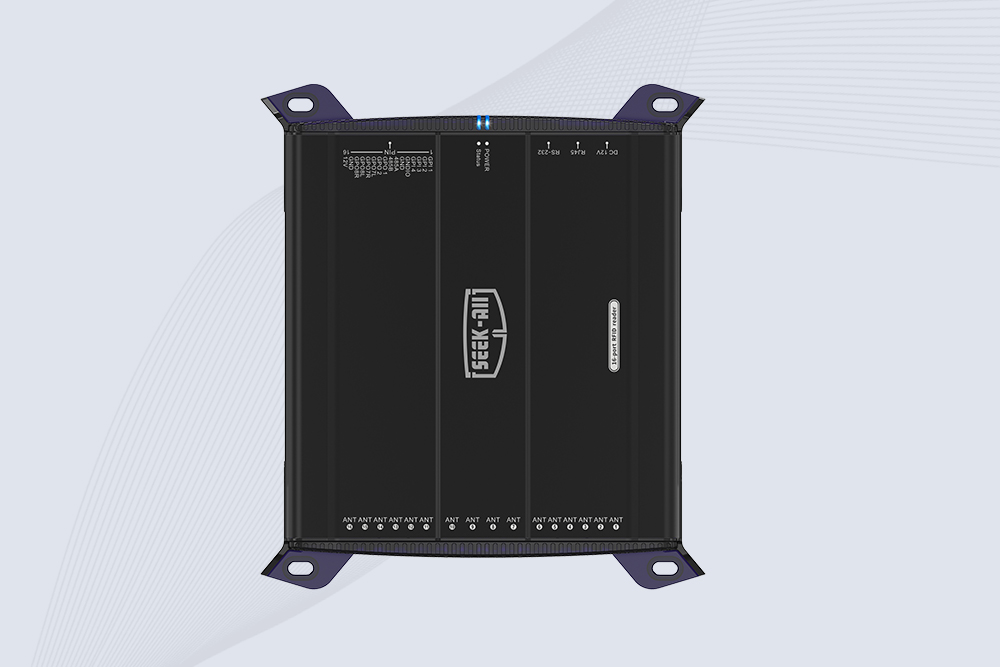
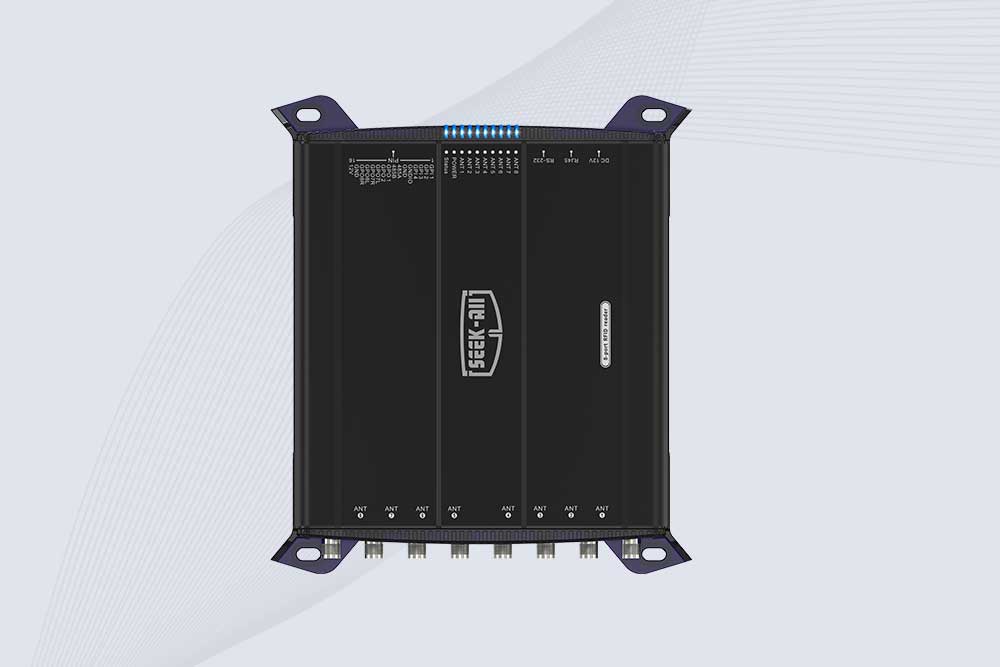
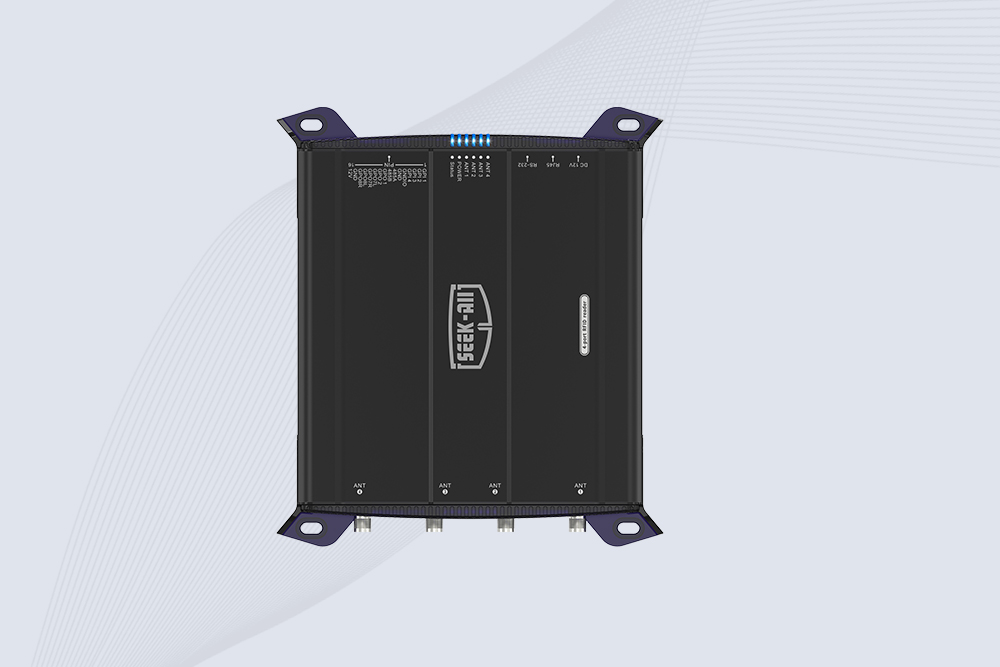
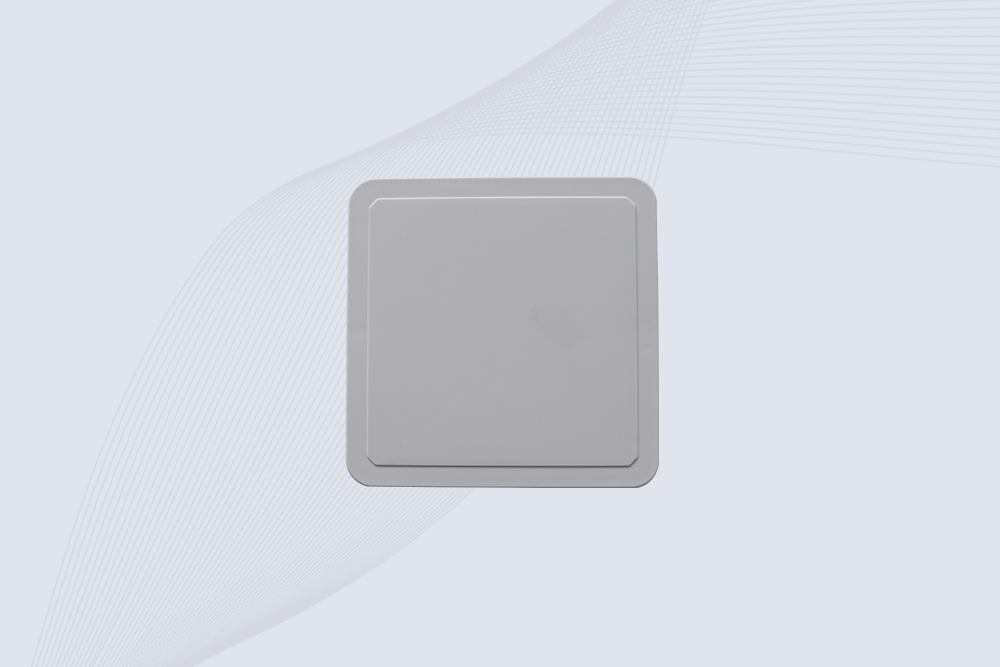
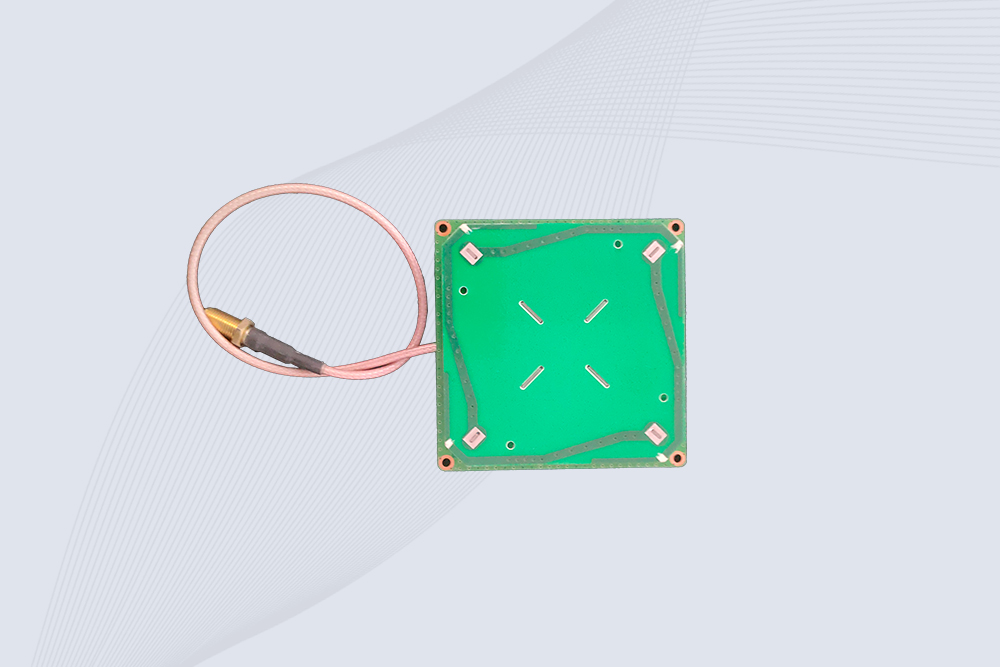
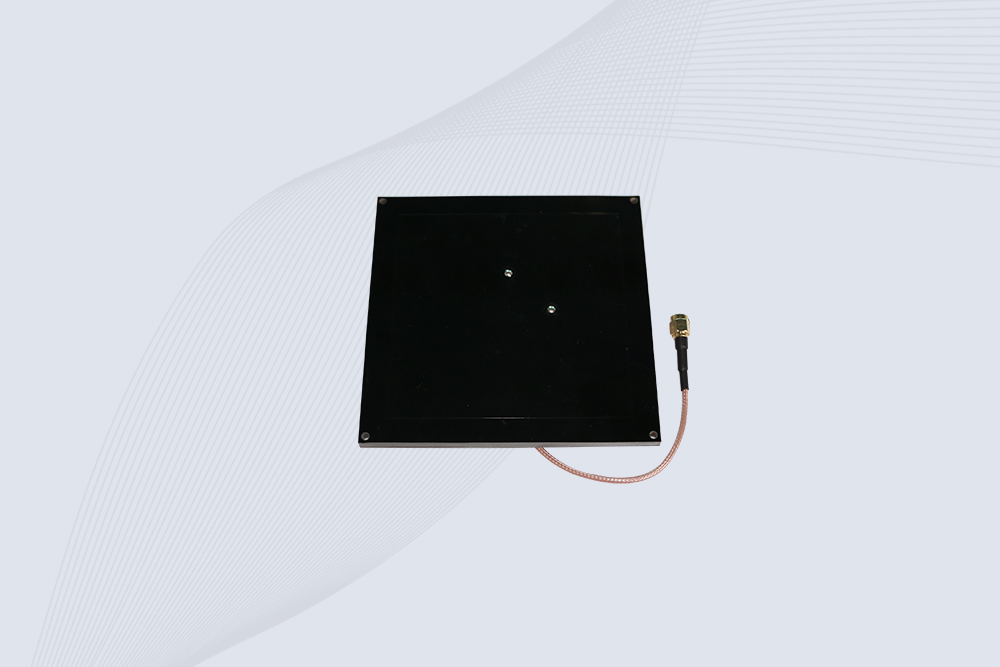
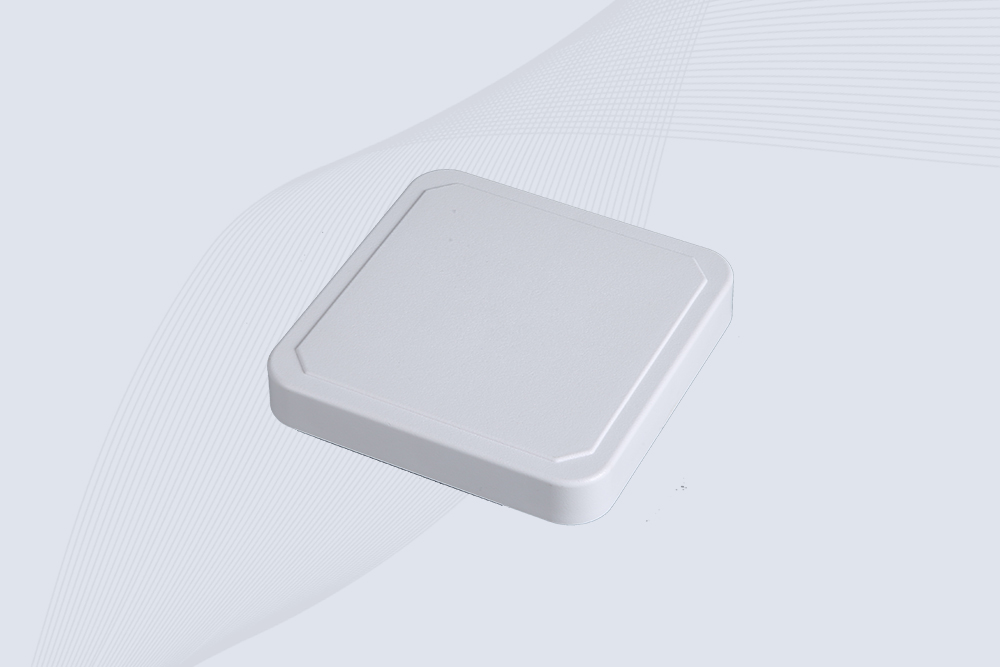
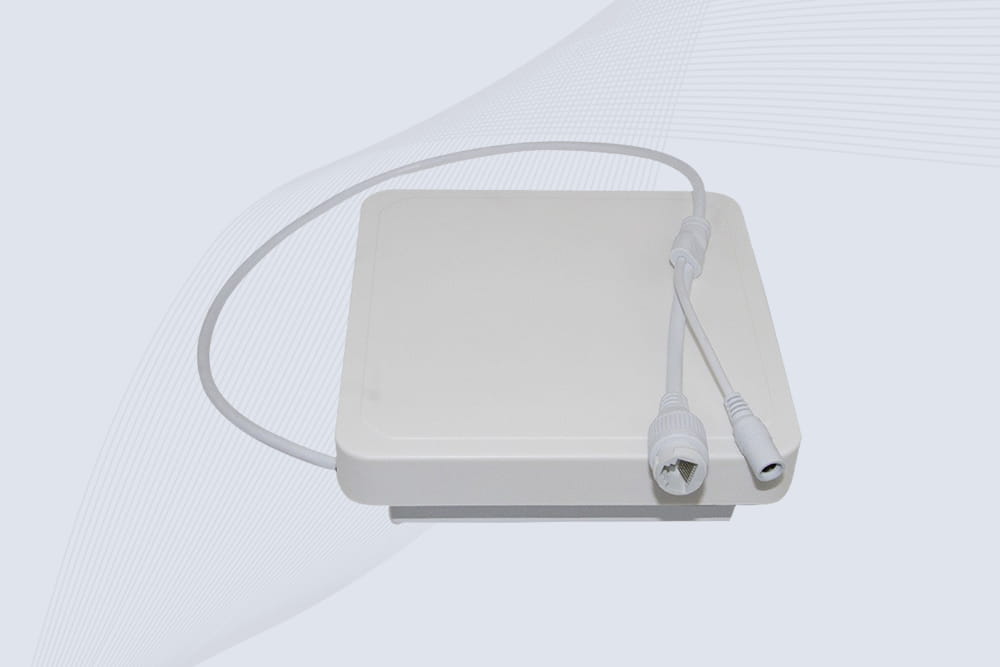
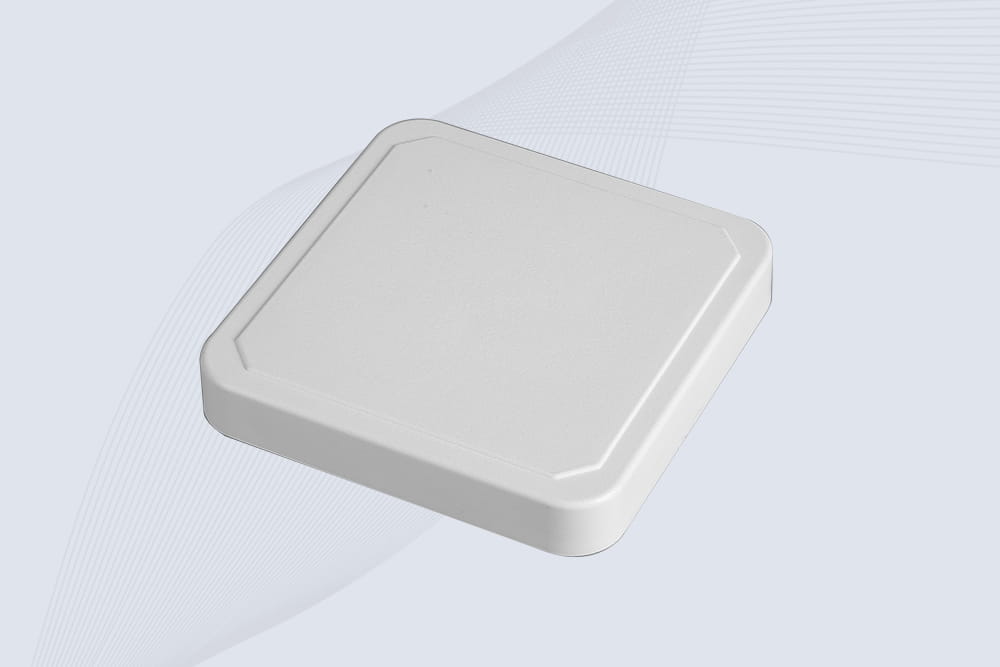
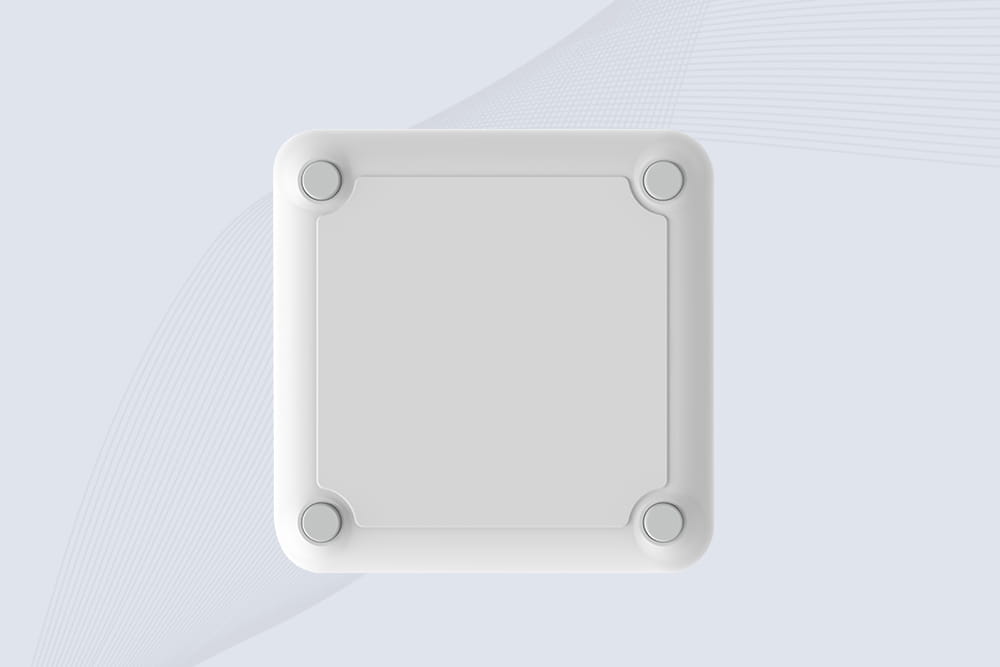
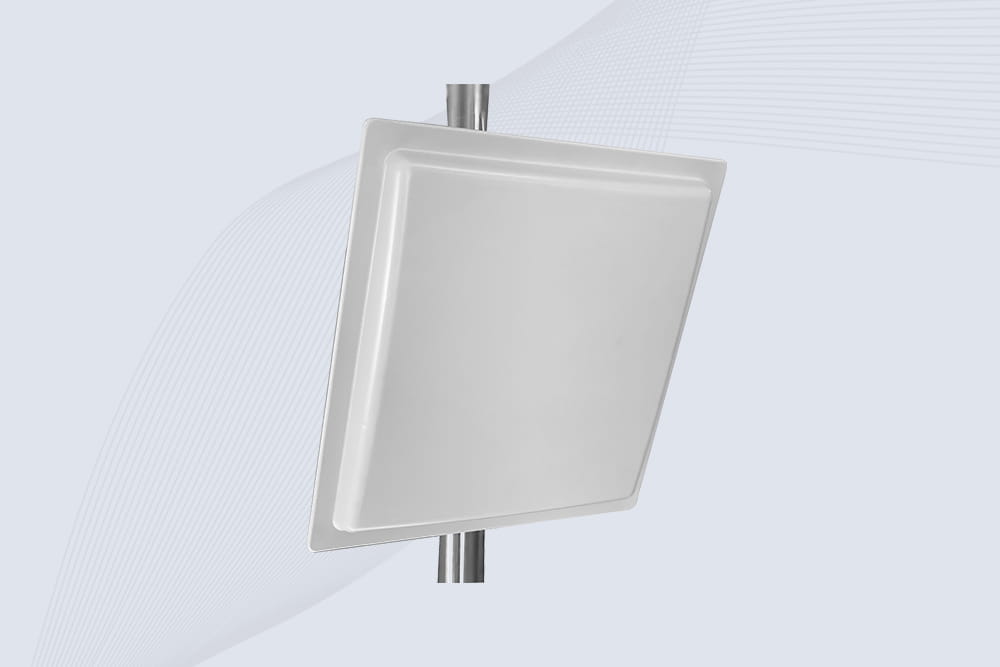
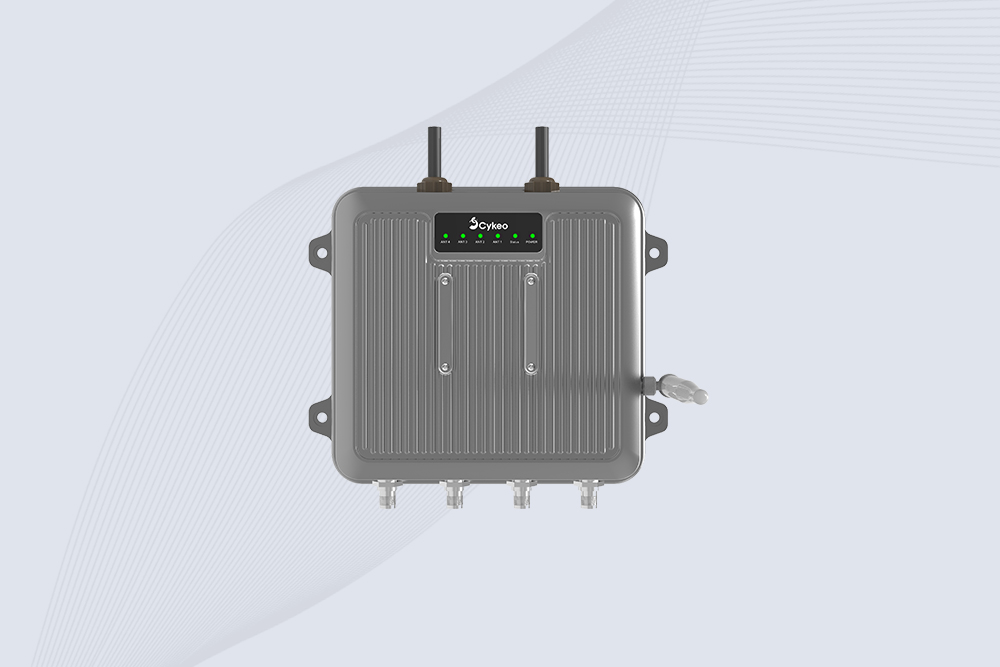
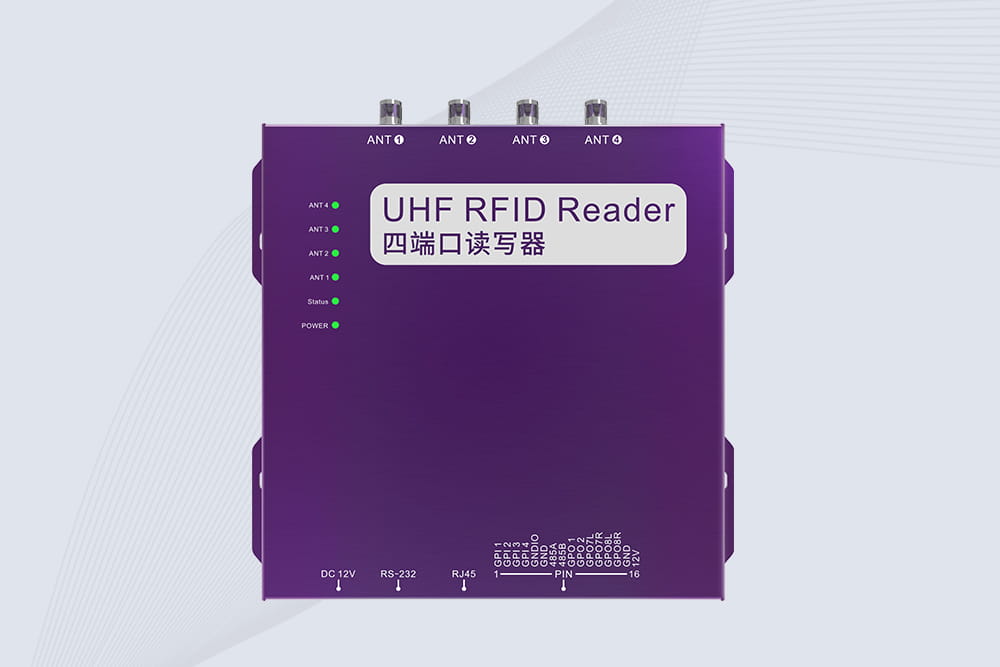
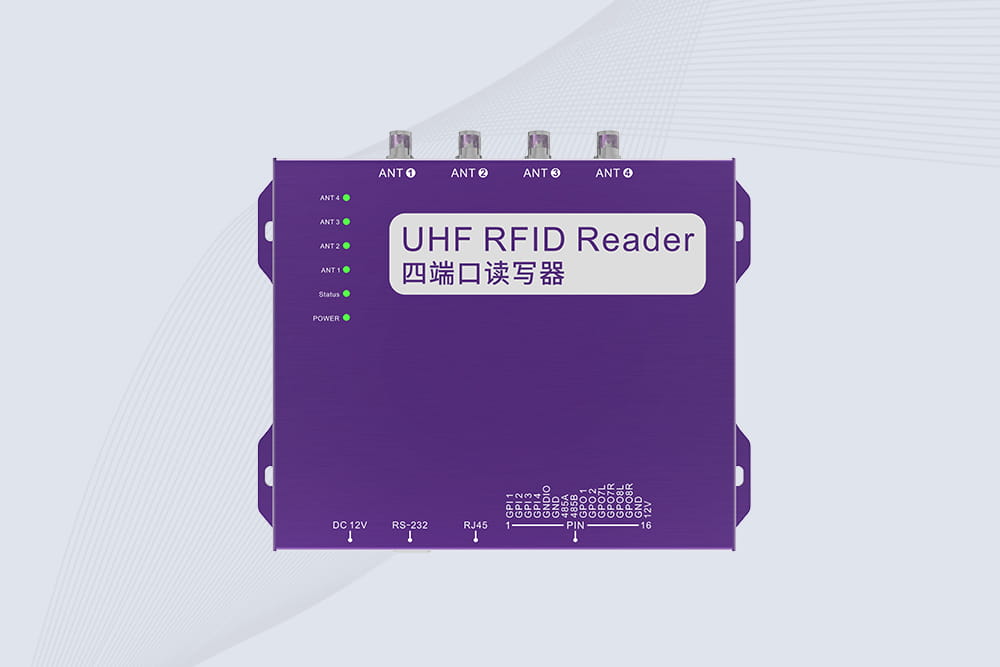
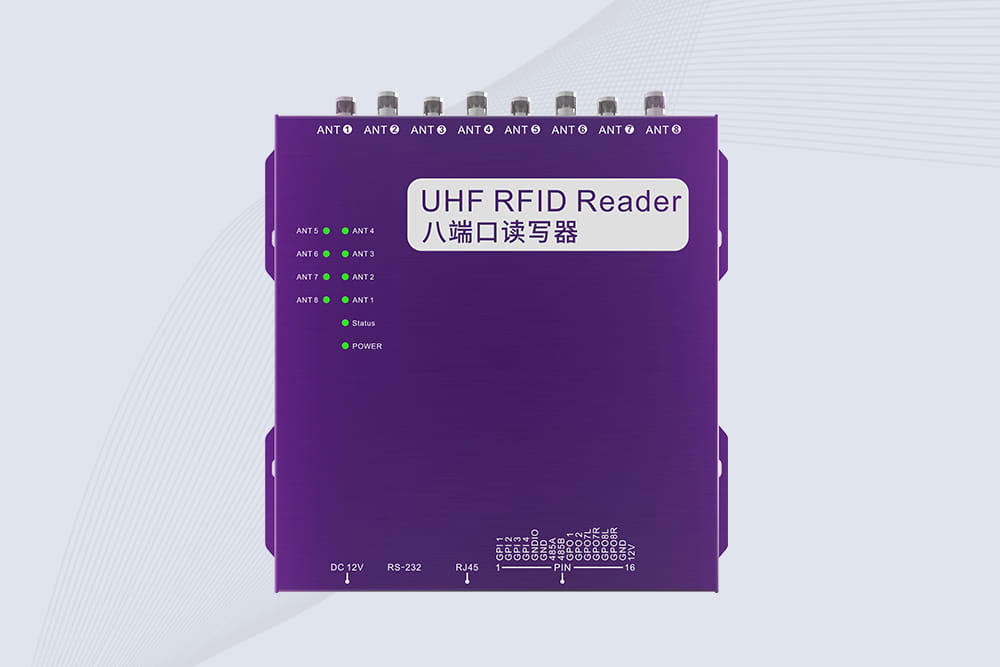
A long range RFID scanner for logistics helps identify tagged pallets, containers, cartons, and other assets as they move through warehouses, loading docks, transport hubs, and distribution centers. For logistics projects, the useful reading zone, tag performance, antenna placement, and software integration usually matter more than simply choosing the reader with the longest range.
A truck arrives at a distribution center.
The driver has the delivery documents.
The warehouse team knows what should be inside.
But before everything gets unloaded, someone still needs to check what actually arrived.
If there are five pallets, that is manageable.
If there are fifty pallets, the process starts getting slower.
And when trucks arrive one after another, manual scanning becomes a real operational headache.
This is where a long range RFID scanner for logistics can be useful.
RFID can identify tagged pallets, cartons, containers, or logistics assets as they pass through a defined reading area.
The idea sounds simple.
The installation usually isn’t.
Why RFID Makes Sense in Logistics
Logistics is basically a continuous movement problem.
Goods arrive.
Goods are sorted.
Goods are stored.
Goods are picked.
Goods are loaded.
Goods leave.
At every step, somebody needs to know what moved and when.
Barcodes can handle this very well when an operator has enough time to scan each item.
But loading docks are not always calm environments.
Forklifts are moving.
Workers are walking around.
Trucks are waiting.
Pallets are stacked.
Sometimes a barcode label is facing the wrong direction.
RFID offers another approach.
The tag can be detected without requiring the worker to point a scanner directly at every label.
That can be particularly useful at fixed logistics checkpoints.
Where Long Range RFID Scanners Are Used
A logistics company does not necessarily need RFID throughout the entire facility.
The most useful locations are usually places where goods naturally pass through.
For example:
Receiving docks
Shipping docks
Warehouse entrances
Sorting areas
Conveyor lines
Cross-docking zones
Container yards
Return processing areas
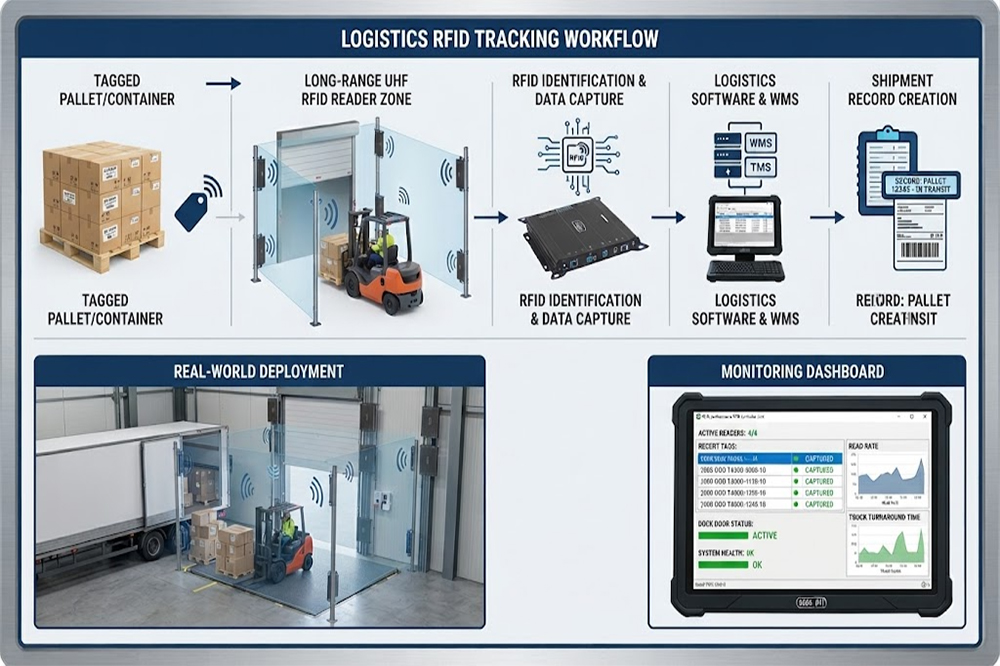
A fixed UHF RFID reader can be installed around these points.
When tagged goods enter the reading zone, the reader collects their RFID IDs.
The software can then connect those IDs to the shipment or warehouse record.
Pallet Tracking Is One of the Easier Applications
Pallets are large.
They are easy to tag.
They usually follow a fairly predictable path.
That makes them a good starting point for RFID logistics projects.
Imagine a warehouse receiving 300 pallets per day.
Directional antennas can help focus the reading area toward a specific loading lane or doorway.
The installer may adjust:
Antenna angle
Mounting height
Reader power
Antenna orientation
Distance from the lane
Antenna spacing
Small changes can affect the result.
This is one reason RFID solution providers should test the installation rather than relying entirely on theoretical specifications.
The warehouse itself becomes part of the RF environment.
RFID for Reusable Containers
Pallets are not the only logistics asset worth tracking.
Many logistics companies use reusable:
Plastic totes
Metal containers
Roll cages
Delivery bins
Transport boxes
Industrial containers
These assets have a habit of disappearing into the supply chain.
One customer sends them to another location.
Another customer returns them three weeks later.
Sometimes they don’t return at all.
RFID can record when a tagged container passes a particular checkpoint.
Over time, the company can build a movement history.
This can help identify slow returns and unusual asset flows.
Metal Containers Need Different RFID Tags
This is something distributors should ask about before quoting.
A standard RFID label may perform well on cardboard.
Put that same label directly on a metal container and the result may be completely different.
Metal can interfere with the antenna’s performance.
For metal pallets, containers, racks, or equipment, specialized on-metal RFID tags are often more suitable.
The actual tag still needs to be tested on the customer’s container.
There is no universal tag that performs identically on every metal surface.
RFID in Cross-Docking Operations
Cross-docking is another interesting application.
Goods arrive and may be transferred directly to outbound transportation without spending much time in storage.
That makes fast identification important.
A pallet enters.
The RFID reader identifies it.
The software determines which shipment it belongs to.
The pallet moves toward the correct outbound area.
There may be no reason to manually scan the pallet several times.
For high-volume logistics operations, reducing even a few seconds per pallet can become meaningful over a large number of shipments.
RFID and Conveyor Systems
Some logistics centers move cartons through automated conveyor systems.
RFID readers can be installed at selected points along the conveyor.
As tagged cartons pass through, the system captures their IDs.
The logistics software can associate the tag with:
Shipment number
Order number
Destination
Sorting route
Time
Warehouse location
If a carton goes through the wrong route, the software can potentially flag the event.
This is where RFID becomes part of a larger automation system rather than simply being an inventory tool.
RFID Does Not Replace the WMS
A common misunderstanding is that installing RFID automatically creates a complete tracking system.
It doesn’t.
The RFID reader identifies tags.
The warehouse or logistics software decides what those tag IDs mean.
For example:
RFID Tag 30281
may correspond to:
Pallet P-2026-00831
which belongs to:
Shipment SH-48219
going to:
Customer Warehouse B
The value comes from connecting these pieces.
For RFID integrators, this means software integration can be just as important as reader selection.
API and SDK Support Can Matter
A logistics company may already use a WMS, ERP, TMS, or custom platform.
The RFID reader needs to communicate with that environment.
Depending on the project, the integrator may need:
API support
SDK
TCP/IP communication
HTTP
MQTT
Serial communication
Custom middleware
The exact interface depends on the customer’s software architecture.
For a distributor, it is worth confirming these requirements before making a final hardware recommendation.
A Logistics Example
Let’s say a 3PL warehouse processes goods for several customers.
The warehouse handles approximately 1,000 pallets per day.
Previously, workers scanned pallet barcodes at receiving and shipping.
During busy periods, some scans were missed.
The company starts a pilot with RFID at two locations:
Receiving dock
Shipping dock
Each pallet receives an RFID tag.
The readers capture pallet IDs as goods pass through.
After several weeks, the company can compare expected shipments with actual movement events.
It may find that the RFID system is useful.
But it may also discover something unexpected: certain pallets are repeatedly being staged in the wrong area.
The technology has exposed a process problem.
That kind of result is fairly common in automation projects.
What Can Go Wrong?
RFID logistics systems have their own practical problems.
Multiple Pallets Together
Several tags may be detected at once.
Nearby Loading Lanes
A reader may detect goods from another lane.
Metal Structures
Dock doors, racks, forklifts, and containers can affect RF behavior.
Tag Orientation
The tag may not always face the antenna in the same direction.
Repeated Reads
A pallet remaining inside the reading zone may generate multiple detection events.
The software needs filtering logic so one pallet movement does not become ten shipment records.
What Should RFID Distributors Ask First?
When a logistics customer asks for a long range RFID scanner, I would start with the workflow.
What is being tracked?
Pallets, cartons, containers, or individual products?
Where does identification need to happen?
Receiving, shipping, sorting, yard, or warehouse entrance?
How wide is the lane?
One lane or multiple lanes?
How fast are goods moving?
Walking, forklift, conveyor, or truck speed?
What material is being tagged?
Plastic, cardboard, metal, wood?
What software is already installed?
WMS, ERP, TMS, or custom software?
How many readers are expected?
A five-reader pilot and a 200-reader rollout are very different purchasing projects.
Don’t Skip the Pilot
For a logistics RFID project, testing the actual environment is extremely useful.
Take a few real pallets.
Use the real RFID tags.
Install the proposed antenna.
Drive the forklift through the normal route.
Then try the same test with two pallets.
Try a pallet waiting beside the lane.
Try different tag positions.
Test at normal working speed.
The goal is not only to prove that the reader can detect a tag.
The goal is to prove that it detects the correct tag at the correct time.
That is a much harder—and much more useful—test.
The Commercial Opportunity for RFID Wholesalers
A logistics customer rarely needs only one reader.
A complete project can include:
Long range RFID readers
Directional RFID antennas
Pallet and container tags
Mounting accessories
Network interfaces
RFID middleware
Software integration
Technical support
There may also be OEM requirements.
Some customers want their own brand.
Others need customized enclosures, firmware, antenna configurations, or communication interfaces.
For distributors, stable supply becomes especially important when a pilot turns into a multi-site deployment.
A customer may order ten readers for testing today and several hundred later.
That is where having a reliable hardware supplier makes a difference.
If you are sourcing long range RFID scanners, UHF RFID readers, directional antennas, pallet tags, container tags, or customized RFID hardware for logistics projects, send us your application, lane size, reading distance, tag type, deployment environment, and estimated quantity for bulk pricing and solution support.
Frequently Asked Questions
1. What is a long range RFID scanner used for in logistics?
It identifies RFID-tagged pallets, cartons, containers, and other logistics assets as they pass through receiving, shipping, warehouse, or sorting areas.
2. Can RFID verify pallets before truck loading?
Yes. RFID readers can identify tagged pallets at the loading dock and compare detected IDs with the expected shipment before the truck leaves.
3. Can one RFID reader cover several loading lanes?
Possibly, but multiple lanes require careful antenna positioning and reading-zone control to reduce unwanted reads from neighboring lanes.
4. What RFID tags are suitable for metal containers?
Specialized on-metal RFID tags are generally more appropriate because standard labels may perform poorly when attached directly to metal surfaces.
5. Can RFID connect to a warehouse management system?
Yes. Depending on the reader and project, RFID data can be integrated with WMS, ERP, TMS, or custom software through network interfaces, APIs, SDKs, or middleware.
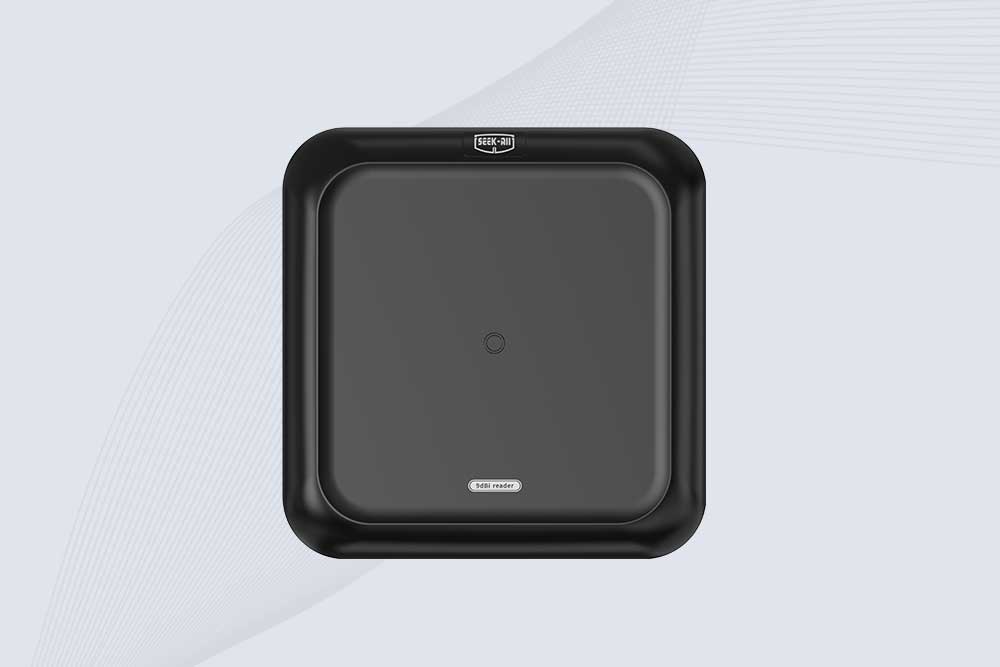
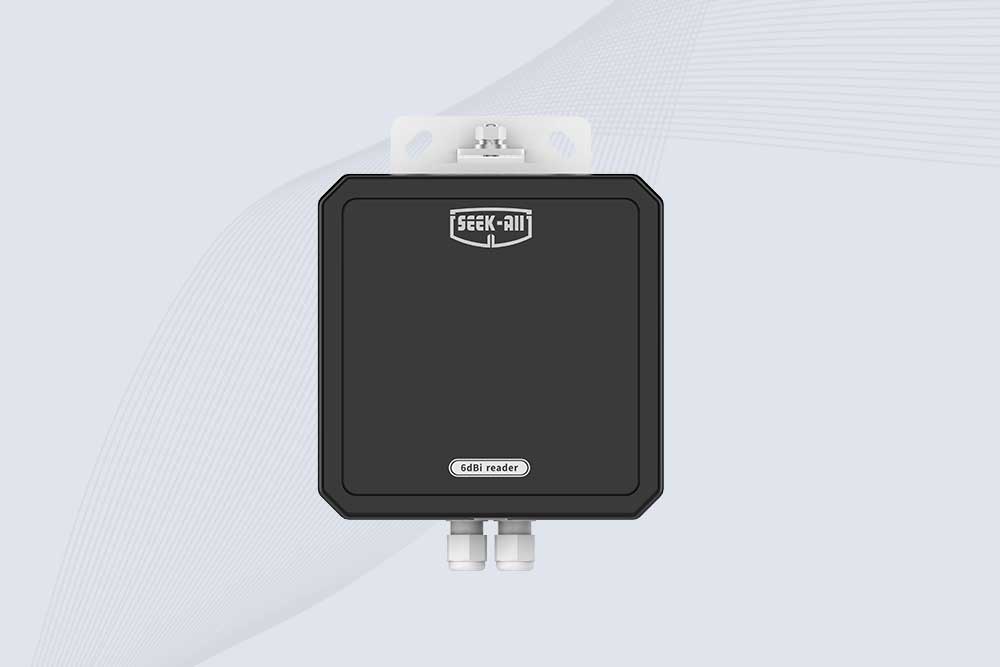
SSD-RA06L is an industrial UHF RFID reader with a built-in 6 dBi antenna, 3 m read range, 600+ tags/s, Ethernet, RS232, and optional Wi-Fi, 4G, and PoE.
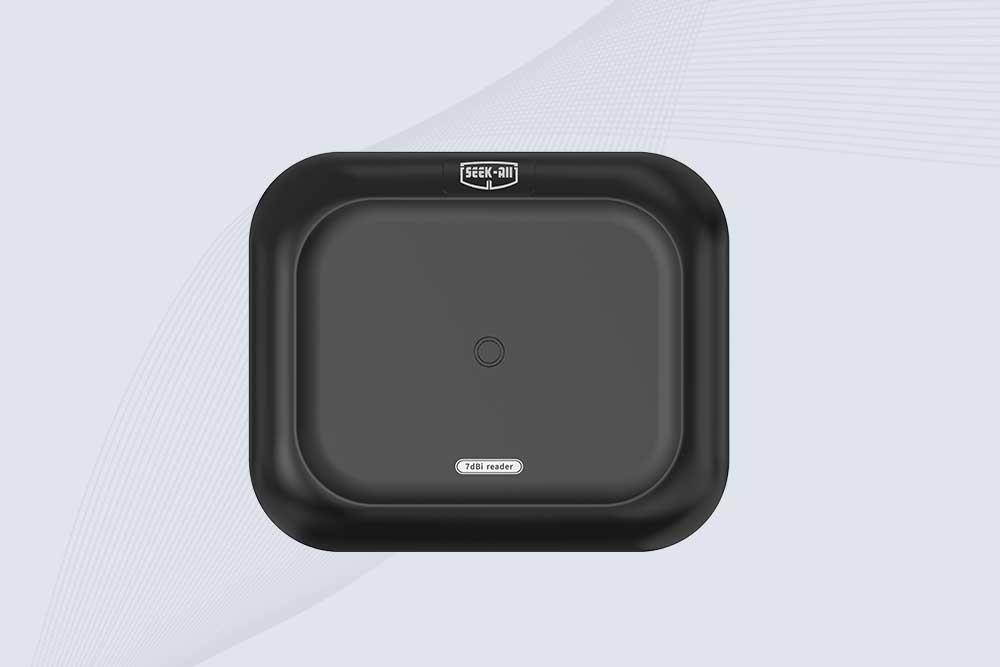
SSD-RA07L industrial UHF RFID reader with integrated 7 dBi antenna, up to 6 m reading distance, over 600 tags/s, Ethernet, RS232, and optional Wi-Fi, 4G, and PoE.
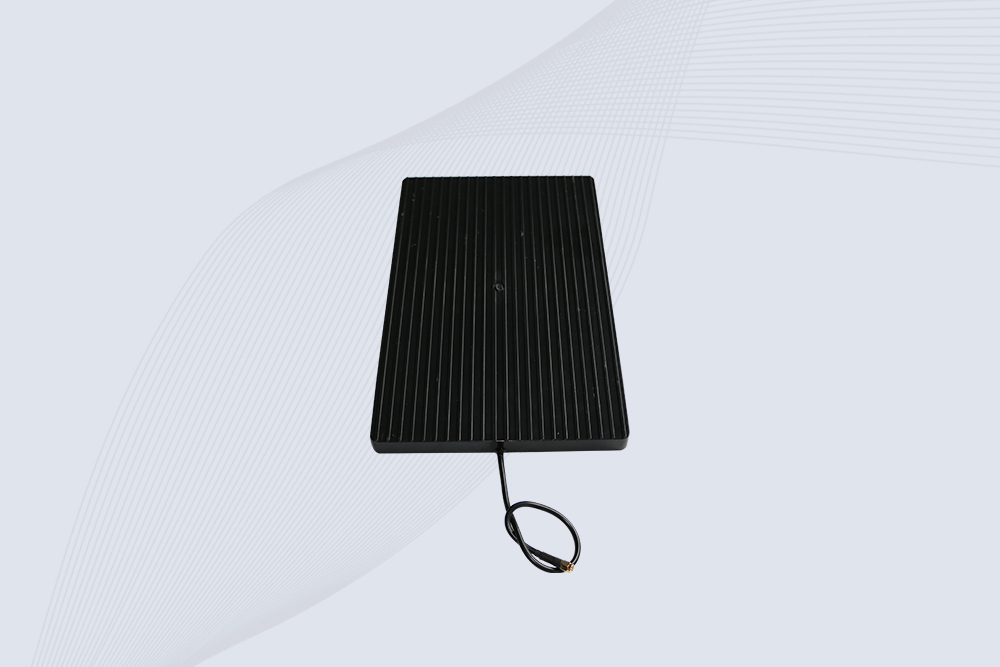
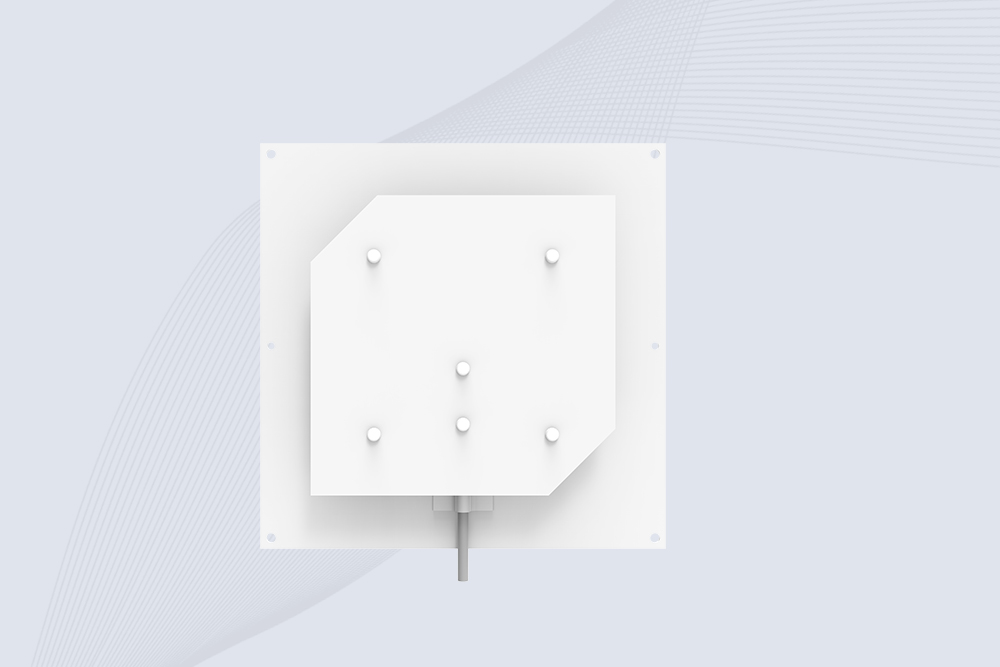
Explore the SSD-A07 UHF RFID antenna with 7 dBi gain, circular polarization, adjustable 840–960 MHz frequency, and 60°/75° beamwidth for stable RFID read/write performance.
SSD-A06 UHF RFID antenna with circular polarization, adjustable 840–960 MHz frequency, ≥4.5 dBi gain, and a compact directional design for RFID systems.
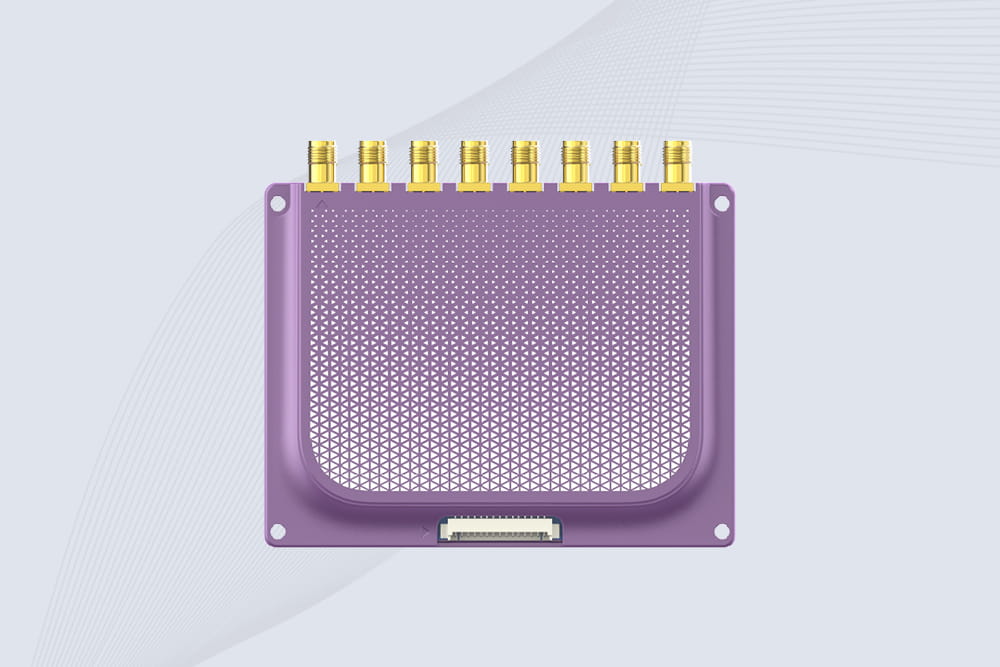
SSD-R16L Multi-Channel RFID Infrastructure for Automated Inventory Management ✔️ 16-Port High-Density RFID Reading Equipped with 16 SMA antenna ports, SSD-R16L supports multi-antenna deployment for warehouses, retail stores, logistics, production lines, and large-area RFID identification. ✔️ High-Speed & Long-Range Performance With up to 33…
SSD-R8L 8-port UHF RFID reader with 33dBm output, up to 20m reading range and 600+ tags/s recognition. Ideal for warehouse, logistics, retail and asset tracking.
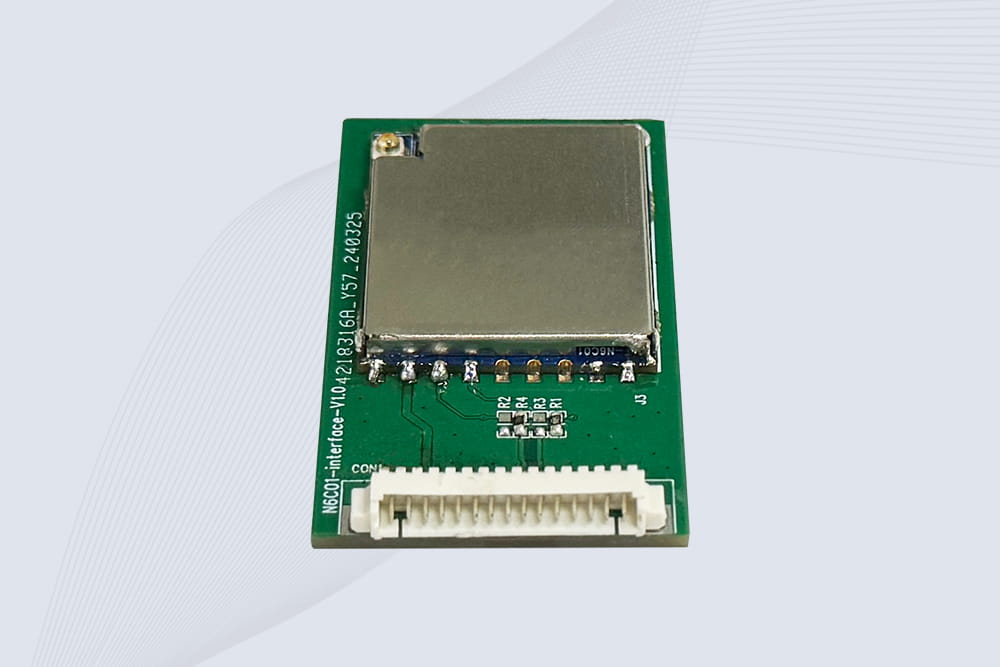
CYKEO Embedded RFID Modules are designed for compact industrial and IoT devices that require stable UHF performance. These UHF RFID Modules support global protocols, flexible power control, and reliable multi-tag reading for smart cabinets, production lines, and asset tracking systems.
CYKEO Embedded RFID Module is built for compact IoT and industrial devices that need stable UHF performance. This UHF module supports global protocols, low power operation, and reliable multi-tag reading for smart lockers, production lines, and always-on RFID systems.
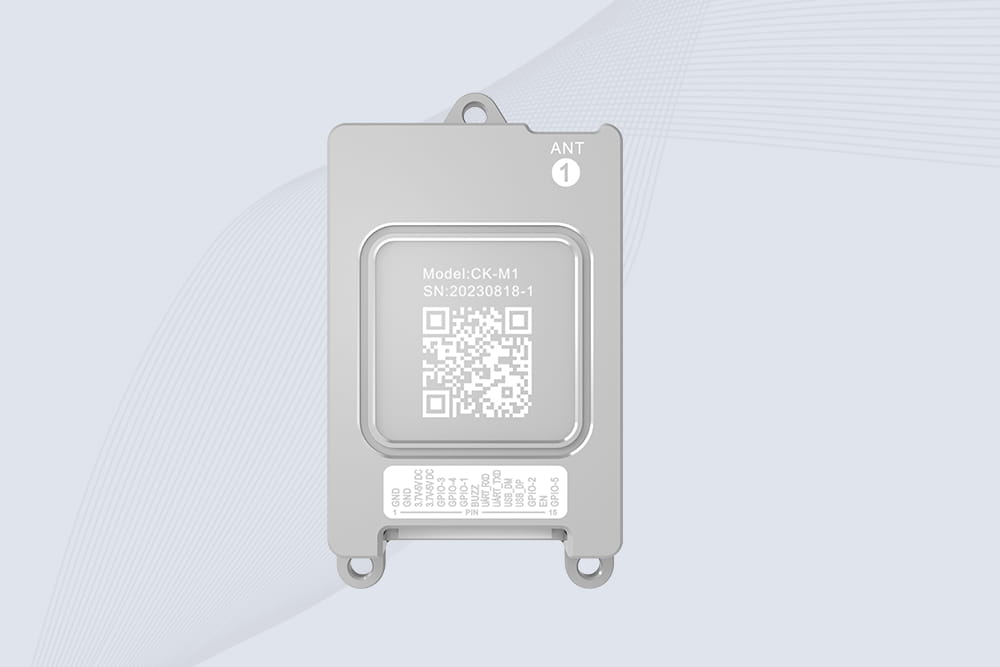
CYKEO CYKEO-M1 drone rfid module is a compact UHF RFID reader module designed for drones and UAV platforms. It supports long-range aerial scanning, fast multi-tag reading, and stable performance in wind, vibration, and outdoor environments.
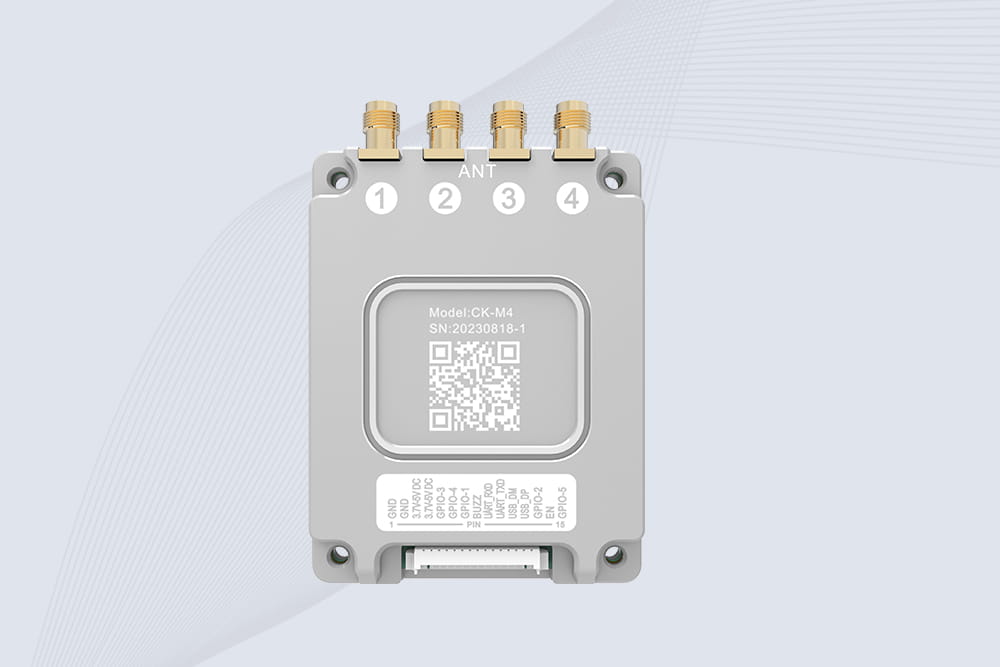
CYKEO CYKEO-M4 RC522 RFID Module is an industrial-grade UHF RFID reader with 4 ports, supporting ISO, EPC, and GB protocols. High-speed, accurate reading for IoT, automation, and warehouse applications.
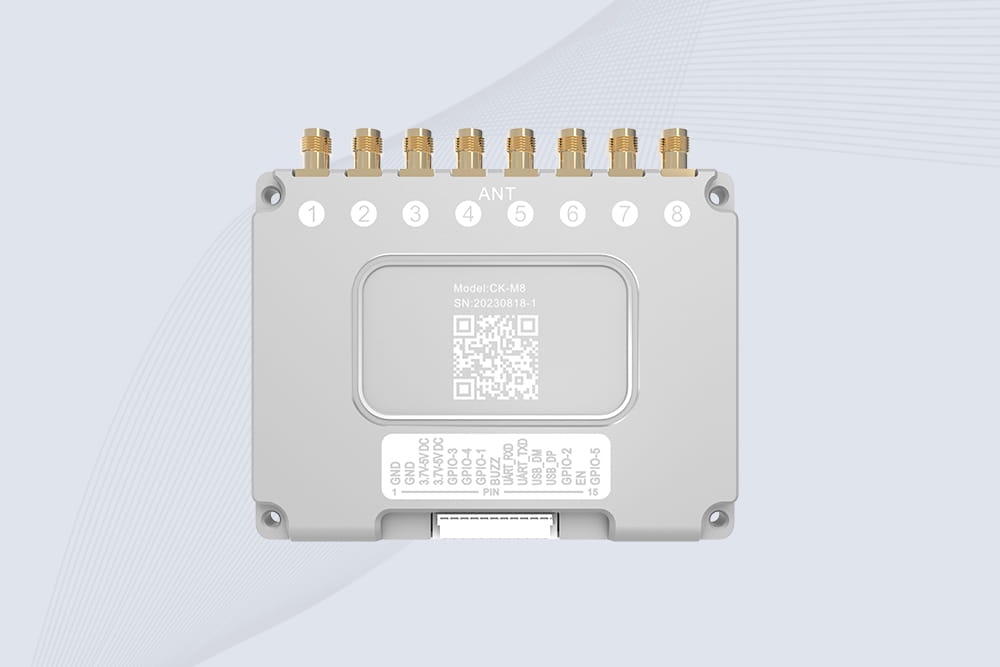
CYKEO CYKEO-M8 Module RFID is an 8-port UHF R2000 RFID Module designed for high-density, multi-tag environments. Stable 33dBm output, ISO & GB protocol support, ideal for warehouses, factories, and automated systems.
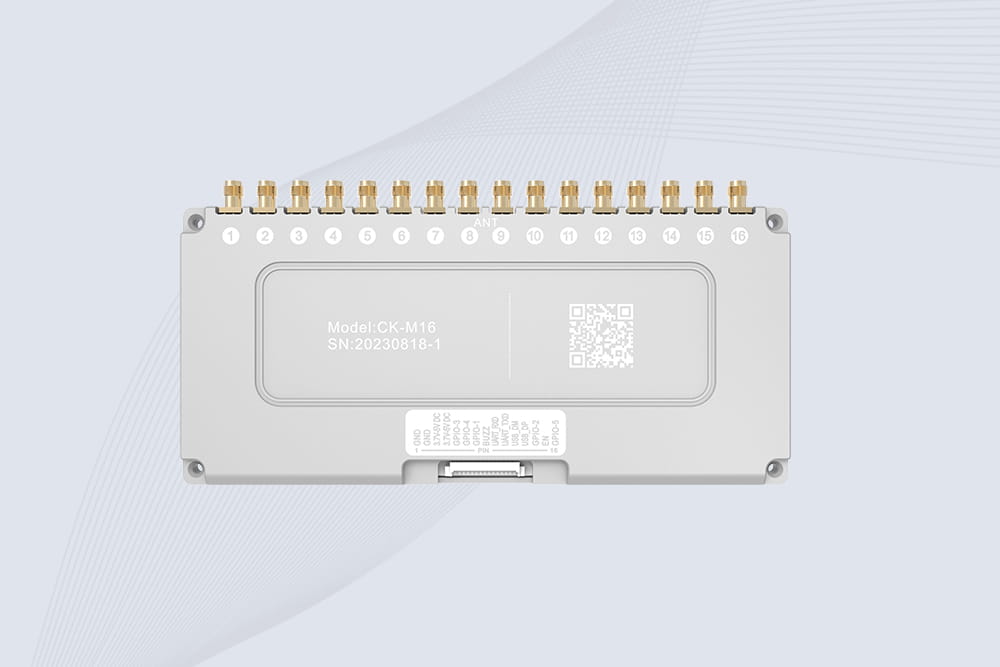
CYKEO CYKEO-M16 RFID Module is a 16-port UHF RFID reader module based on the R2000 chipset. Designed for dense tag environments, it supports ISO and GB standards and delivers stable multi-antenna control for industrial automation.
The CYKEO CYKEO-M16L RFID Reader Module is a 16-channel UHF RFID core designed for dense tag environments. With adjustable 33dBm output, multi-protocol support, and stable multi-antenna control, this RFID Tag Reader Module fits industrial automation, warehouse systems, and large-scale IoT deployments.
CYKEO CYKEO-M8L module RFID is a compact industrial UHF module built for dense tag and multi-antenna environments. With 8 RF ports, adjustable 33 dBm output, and ISO & GB protocol support, it is widely used in factories, warehouses, and automated tracking systems.
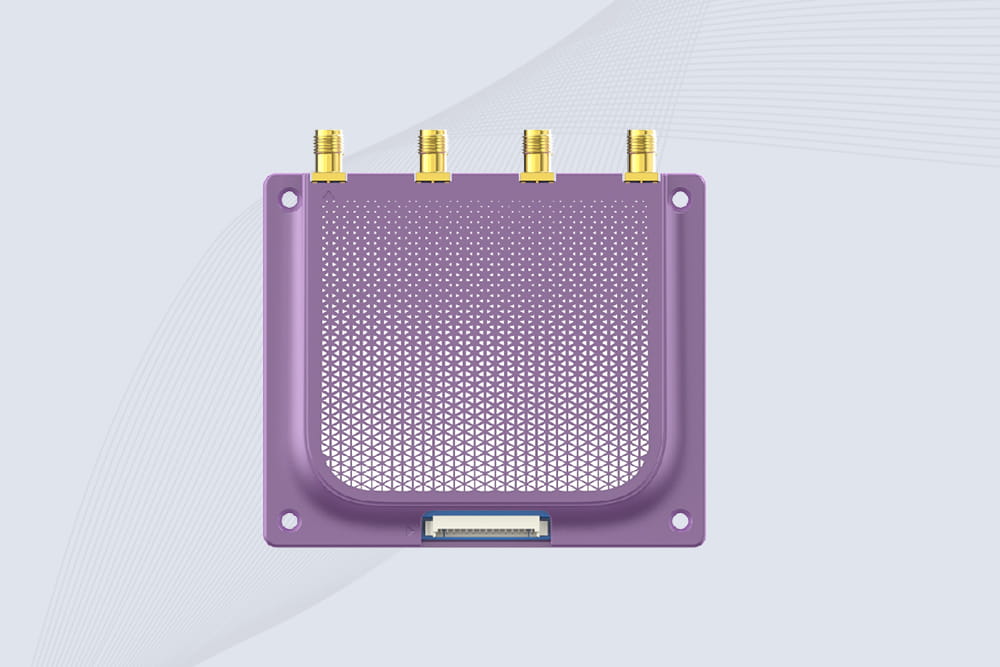
CYKEOCYKEO-M4L UHF RFID Module is a compact 4-channel RFID tag reader module designed for dense tag environments. Supporting ISO and GB protocols, it delivers stable reads up to 10 meters for industrial and IoT systems.
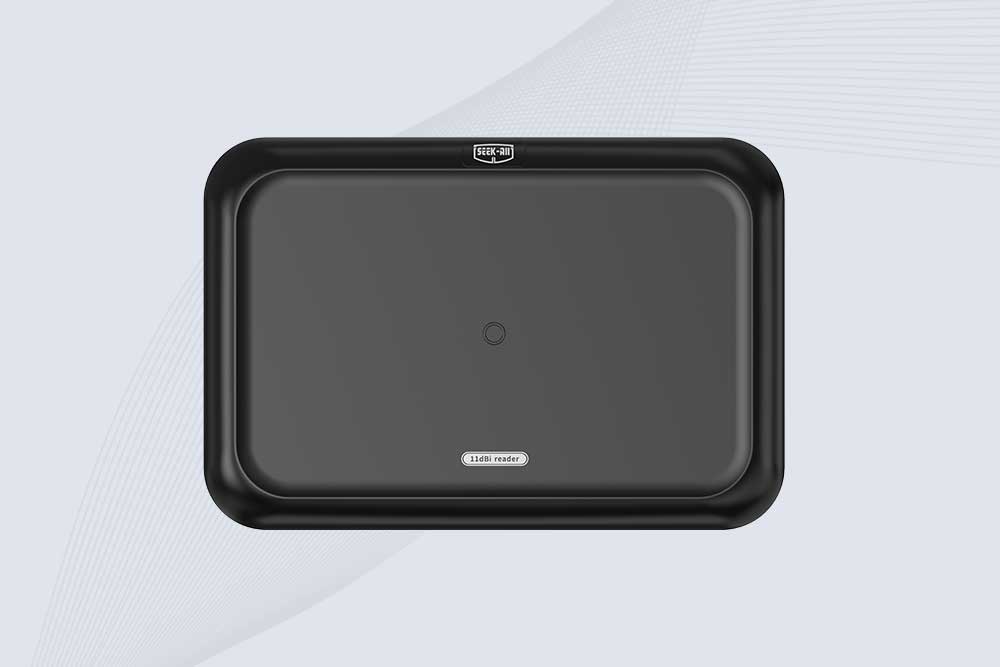
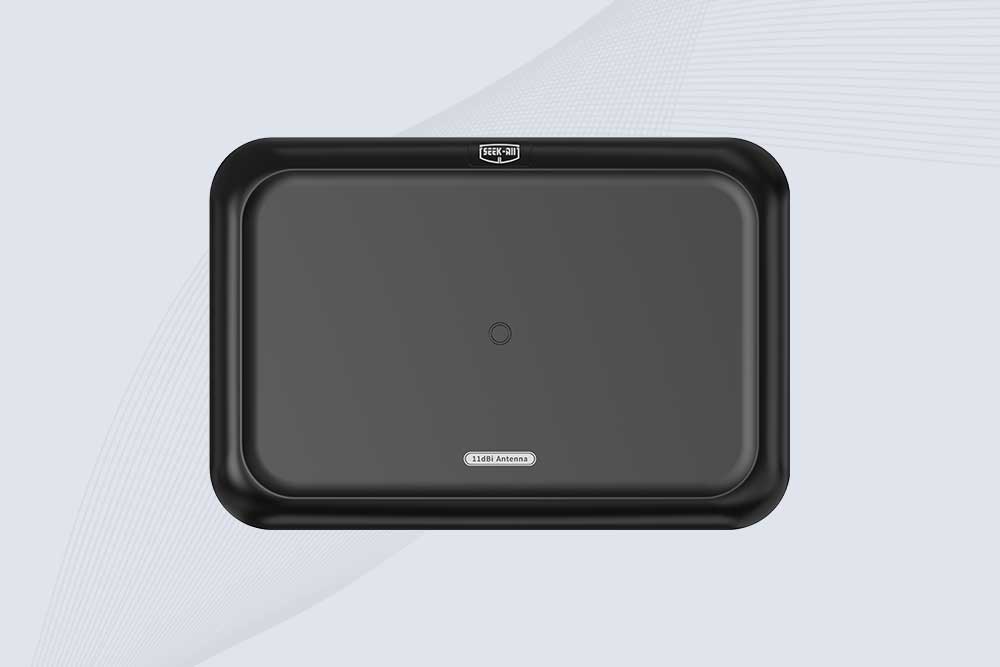
Cykeo CYKEO-A11 UHF RFID reader antenna delivers 11dBi gain, 840-960MHz frequency range, and IP65 ruggedness for retail, logistics, and industrial RFID systems. Features low VSWR and easy installation.
CYKEO Antenna RFID Reader delivers stable long-range UHF performance with a 10.5dBi directional design, built for warehouses, conveyor portals, and industrial RFID systems. This rfid reader antenna provides 20m+ read distance and rugged IP67 protection.
Cykeo CYKEO-A5B industrial Linear RFID Antenna delivers 5dBi gain, ≤1.5:1 VSWR, and IP65 rugged design for warehouse, production line, and logistics UHF systems.
Cykeo’s CYKEO-B12 Long Range RFID Antenna delivers 15m+ read range with 12dBi gain, IP65 rugged design, and global 840-960MHz UHF support. Ideal for warehouse/logistics asset tracking.
Cykeo CYKEO-B10 Long Distance RFID Antenna offers 10dBi gain, 840-960MHz frequency range, IP65 rating, and 20m+ coverage for logistics/warehousing/ETC systems. Low VSWR ensures stable signal transmission.
Cykeo CYKEO-A6 UHF RFID panel antenna features 6dBi gain, 840-960MHz broadband, IP65 metal-ready housing for logistics/smart retail. 18mm ultra-thin design with tool-free mounting.
Cykeo CK-A3 industrial antenna RFID UHF offers 5m+ tag detection, ≤1.3:1 VSWR, IP65 rugged design, and global UHF spectrum compatibility (840-960MHz) for warehouses, factories, and retail.
Cykeo CYKEO-B5 directional RFID antenna provides 5dBi gain with 60° narrow beamwidth for precise inventory tracking. IP65-rated, global UHF frequency support, and low VSWR.
Create your own high-performance DIY RFID antenna! 5dBi gain, 840-960MHz tunable, step-by-step guides. Compatible with Arduino, Raspberry Pi, and commercial UHF readers.
Cykeo CYKEO-A7 Flexible RFID Antenna features 840-960MHz wideband tuning, 7dBi gain, and IP68 rating for medical/retail/industrial curved surface deployments. 98% read accuracy with peel-and-stick installation.
Cykeo CYKEO-B5A industrial Passive RFID Antenna delivers 5dBi gain, 70° beamwidth, and -40°C~55°C operation for warehouses/smart cabinets. Compatible with Zebra/Impinj readers.
Cykeo’s CYKEO-A9B High Gain RFID Antenna delivers 15m+ read range with 9dBi amplification. Features IP54 rugged design, 840-960MHz bandwidth, and 80° beamwidth for warehouse/manufacturing RFID systems.
Cykeo’s enterprise-grade 8dbi Impinj RFID Antenna 10m+ read range with 840-960MHz tuning. Features IP65 housing, 1.4 VSWR, 35° beamwidth for retail/warehouse RFID systems.
Cykeo CYKEO-A9 industrial UHF RFID antenna delivers 9dBi gain, 840-960MHz frequency range, and IP65 protection for warehouse/logistics/retail RFID systems. Features N-type connector and ≤1.3:1 VSWR.
CYKEO UHF RFID Antenna built for long-distance and industrial applications. This antenna rfid uhf delivers strong gain, outdoor durability, and reliable tag performance in warehouses, yards, and vehicle ID systems.
CYKEO Antenna RFID delivers reliable long-range UHF performance in warehouses, retail shelves, and cold-chain environments. This compact uhf rfid antenna provides stable reads with circular polarization and ultra-wide 840–960 MHz support, ideal for industrial tracking, smart shelves, and asset monitoring.
Cykeo’s CYKEO-C8 UHF RFID antennas delivers 8dBi gain, 840-960MHz full-band coverage, and IP65 ruggedness for manufacturing/warehouse RFID systems. Industrial RFID Antennas Features
Cykeo’s 8dBi UHF RFID antenna and reader kit delivers 10m+ range, 840-960MHz broadband, and IP65 ruggedness for factories, warehouses, and logistics. ISO 18000-6C & EPC Gen2 certified.
Cykeo’s CYKEO-A12C UHF Large RFID Antenna delivers 12dBi gain, 840-960MHz global frequency, IP65 ruggedness for logistics/warehousing/automotive. 40° beamwidth ensures stable 15m+ tag reads.
CYKEO Near Field RFID Antenna provides precise 5–30 cm reading for shelves, cabinets, and workstations. This compact rfid shelf antenna delivers stable short-range performance around metal and clutter, ideal for pharmacies, libraries, and electronics sorting.
Cykeo’s industrial long range RFID reader delivers 20-meter scanning, 500+ tags/sec speed, and IP67 waterproof design for automated warehouses, logistics, and harsh environment applications.
Cykeo’s CYKEO-RA6L industrial RFID long range reader features 20m read distance, 500 tags/sec speed, and IP67 protection. Ideal for warehouse automation, manufacturing WIP tracking, and smart logistics. Supports ISO 18000-6C/6B protocols.
CYKEO Long Range RFID Tag Reader built for outdoor and industrial operations. This Outdoor RFID Reader delivers 20m read distance, fast tag processing, and IP67 durability for wide-area tracking.
Cykeo CYKEO-RA12L industrial Long Range RFID Reader delivers 20m read range, 200+ tags/sec scanning, and IP67 protection for manufacturing/logistics applications. Supports ISO 18000-6C/GB protocols.
Cykeo CYKEO-C1 industrial Forklift RFID Reader features 20m read range, 600 tags/sec scanning, Impinj R2000 chipset, and IP67 rugged design. Ideal for warehouse logistics and manufacturing. Supports ISO 18000-6C/6B protocols.
Cykeo CYKEO-R4 industrial UHF RFID Fixed Reader features 4 TNC ports, 400+ tags/sec speed, IP67 housing, and global frequency compliance for vehicle inspection, smart warehouse, and asset management systems.
CYKEO CYKEO-R8L Fixed RFID Reader with 8-port UHF design, Impinj-based RF core and up to 20m read range. An industrial Fixed RFID Reader for vehicle inspection, warehouse portals, smart manufacturing lines and secure access checkpoints.
RFID Industry Writer | IoT & Asset Tracking Analyst
James writes about RFID technology, asset tracking, and the practical challenges of digital transformation across warehousing, retail, manufacturing, and logistics.
His work focuses on how RFID is applied in real-world operations—improving inventory visibility, automating workflows, and helping businesses manage assets with greater accuracy and efficiency.
He regularly covers topics including UHF RFID, smart cabinets, RFID portals, tool tracking, warehouse automation, and industrial IoT trends..
Learn how aluminum foil interacts with RFID signals, why smartphones can only read certain RFID tags, and what factors truly determine RFID reading range. A practical, real-world guide for RFID solution providers to optimize performance and privac...
Compare RFID and NFC for inventory tracking. Learn the pros, cons, and best use cases for each technology in retail, manufacturing, and small businesses.
Struggling with HF RFID interference in your library? Learn how to reduce signal issues, improve scan accuracy, and keep your inventory system running smoothly.
A practical guide for developers on RFID SDK and API integration. Learn how to handle raw tag data, avoid common mistakes, and build stable RFID systems.
 Cykeo RFID IoT Solution Products R&D Manufacturer