All RFID Product

RFID vs. NFC: Which Is Better for Inventory Tracking?​

Cykeo News RFID FAQ 10400

RFID and NFC are both wireless tracking technologies, but they serve different purposes depending on scale, cost, and use case. Here’s a breakdown to help you choose the right solution.

​​1. Technology Overview​​

  • ​​RFID (Radio-Frequency Identification):​​
    • ​​Range:​​ Up to 15 meters (UHF RFID).
    • ​​Use Cases:​​ Large-scale inventory (warehouses, factories), bulk scanning.
    • ​​Pros:​​ High speed, no line-of-sight needed, scalable.
    • ​​Cons:​​ Higher upfront costs, complex setup.
  • ​​NFC (Near-Field Communication):​​
    • ​​Range:​​ <10 cm.
    • ​​Use Cases:​​ Small businesses, retail checkout, single-item verification.
    • ​​Pros:​​ Low cost, smartphone compatibility, easy to deploy.
    • ​​Cons:​​ Manual scanning, limited scalability.

​​2. Key Differences​​

​​Factor​​​​RFID​​​​NFC​​
​​Read Range​​1–15 meters<10 cm
​​Scanning Speed​​100–1,000 tags/sec1 tag at a time
​​Cost per Tag​​0.10–5 (passive UHF)0.50–2
​​Integration​​ERP/WMS systemsMobile apps, POS systems

​​3. When to Choose RFID​​

  • ​​Large Inventories:​​ Track 1,000+ items in warehouses or factories.
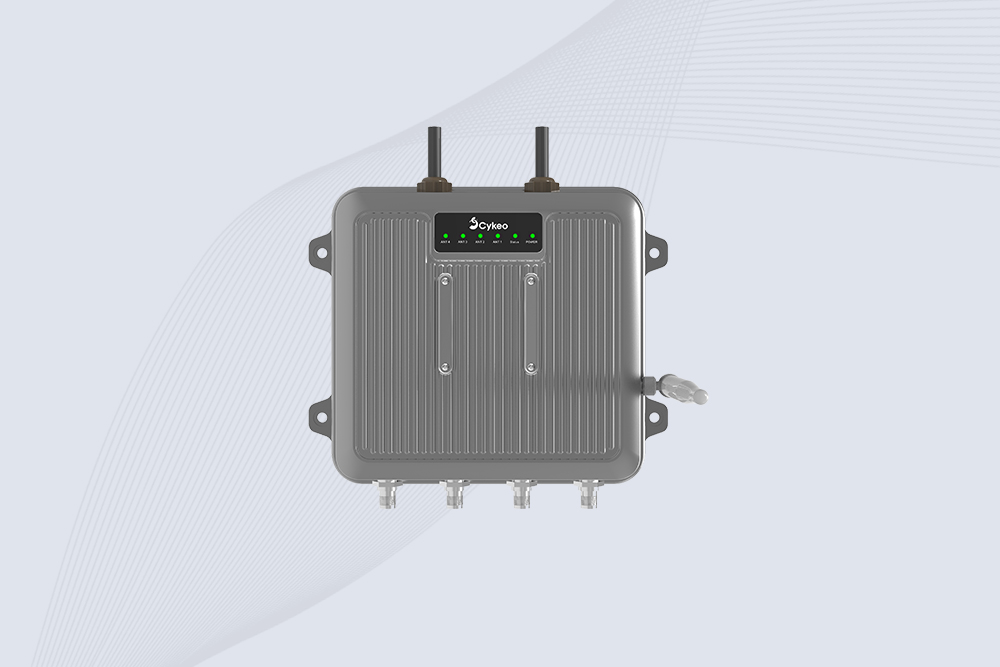
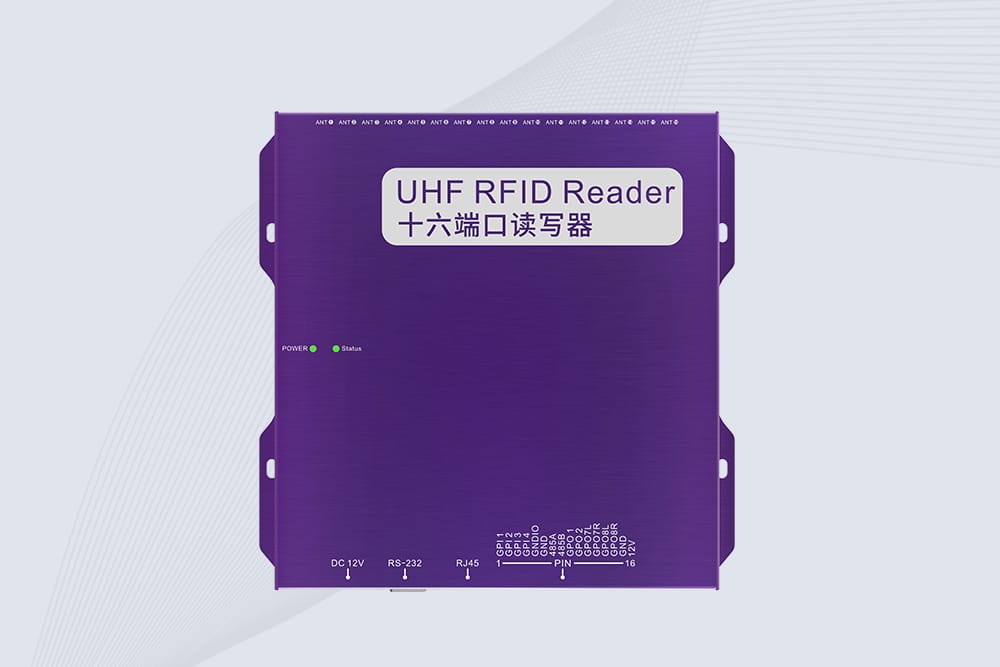
  • ​​Automation Needs:​​ Integrate with conveyor belts or drones (e.g., Cykeo’s UHF solutions).
  • ​​High-Value Assets:​​ Monitor equipment across facilities.

​​4. When to Choose NFC​​

  • ​​Small Retailers:​​ Verify luxury items or authenticate products at checkout.
  • ​​Mobile Access:​​ Use smartphones as readers for flexibility.
  • ​​Budget Constraints:​​ Affordable tagging for <500 items.

​​5. Hybrid Solutions​​

Some businesses combine both:

  • Use ​​RFID for bulk inventory​​ and ​​NFC for customer engagement​​ (e.g., product info via smartphone).

​​Case Study: Cykeo RFID in Automotive Manufacturing​​

A car parts supplier reduced inventory time by ​​70%​​ using RFID, while a boutique retailer adopted NFC for personalized customer interactions.

PgUp: PgDn:

Relevance

View more